

Imagine you want to make a cozy, warm blanket. You pick up your yarn and wonder if you should use single crochet or double crochet. The choice matters. Single crochet creates a short, tight stitch that feels dense and sturdy. Double crochet gives you a taller, looser stitch with more drape. The single crochet vs double crochet decision will shape how your project looks and feels. Think about what you want—warmth, speed, or texture—before you start.
Key Takeaways
Single crochet creates a short, dense stitch, perfect for sturdy projects like bags and hats.
Double crochet results in a taller, looser stitch, ideal for quick projects like blankets and scarves.
Choose single crochet for warmth and structure; opt for double crochet for softness and drape.
Double crochet allows you to finish projects faster, using less yarn for larger items.
Experiment with both stitches on small swatches to see how they feel and look with your chosen yarn.
Single Crochet vs Double Crochet
Stitch Height
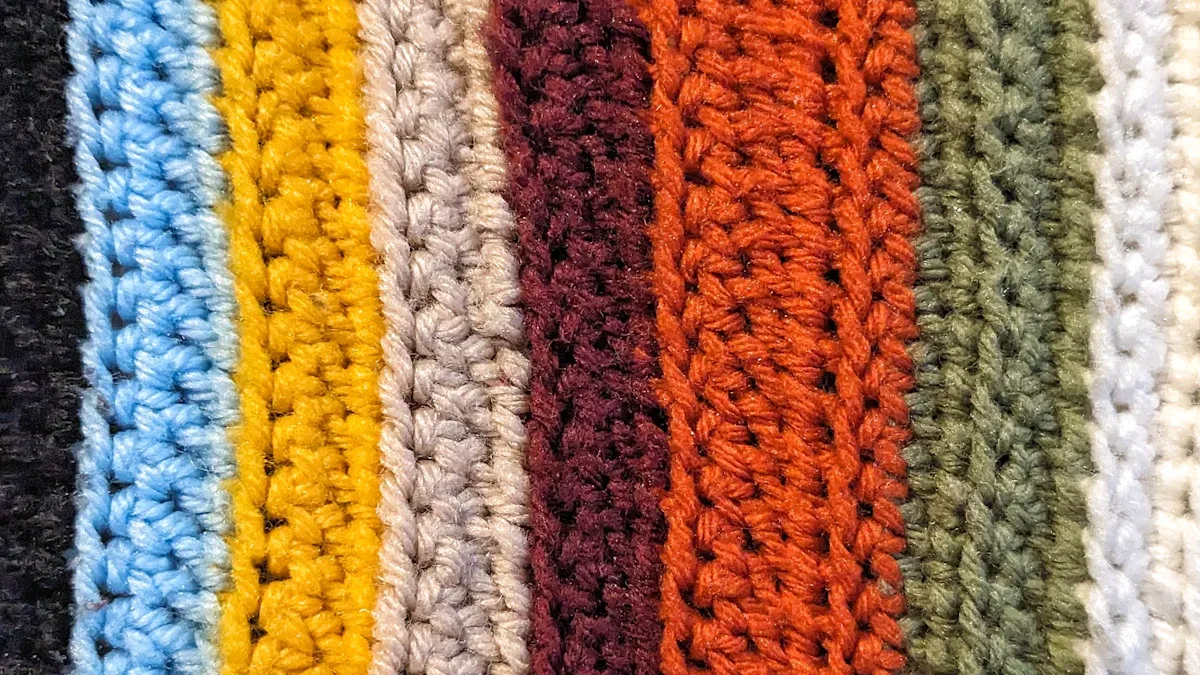
When you look at single crochet vs double crochet, the first thing you notice is the difference in stitch height. Single crochet stitches are short and tight. Double crochet stitches stand much taller. This difference changes how your project grows and feels.
Here’s a quick table to show you the chain height for each stitch:
Stitch Type | Chain Height |
|---|---|
Single Crochet | 1 |
Double Crochet | 3 |
You use just one chain to turn for single crochet, but you need three chains for double crochet. That means double crochet is about twice as tall as single crochet. If you want to see the difference in real life, try making a row of each. You’ll see the double crochet row rise much faster.
– Single crochet (sc) has a turning chain height of 1 chain.
Double crochet (dc) has a turning chain height of 3 chains.
This height difference means your project will grow faster with double crochet. If you want a quick blanket, double crochet helps you finish sooner. If you want a tight, sturdy fabric, single crochet is the way to go.
Texture
The texture you get from single crochet vs double crochet is very different. Single crochet gives you a dense, stiff fabric. It feels solid and holds its shape well. This makes it perfect for projects that need structure, like bags or baskets.
Double crochet results in a softer texture with a gentle drape, providing more flexibility and a loftier feel, which is suitable for garments and blankets.
Double crochet, on the other hand, feels soft and airy. The stitches are taller and more open, so the fabric drapes and moves easily. If you want a scarf that flows or a blanket that feels light, double crochet is a great choice.
Tip: If you want warmth and structure, go for single crochet. If you want softness and drape, choose double crochet.
Usage
When you decide between single crochet vs double crochet, think about what you want to make. Single crochet works best for projects that need to be strong and last a long time. You might use it for hats, bags, or anything that gets a lot of use.
Here are some common projects for each stitch:
Baby Booties
Single Crochet Tote
Baby Afghan
Single Crochet Hat
Single Crochet Blanket
Single Crochet Pocket
Crocheted Hair Bow
Leather Flap Clutch
Crocheted Bow Tie
Color Blocked Cowl
Single Crochet Skinny Scarf
Single crochet is often used for smaller projects like hats and bags. Double crochet is preferred for larger items like blankets because it works up faster and gives a softer fabric.
Let’s look at how fast you can finish a project with each stitch:
Stitch | Time | Speed (seconds per square inch) | Speed (square inches per second) |
|---|---|---|---|
Single crochet | 14 min 39 sec | 43.4 sec / sq inch | 0.023 sq in/sec |
Double crochet | 7 min 15 sec | 19.3 sec / sq inch | 0.052 sq in/sec |
You can see that double crochet lets you finish projects in about half the time. That’s a big deal if you want to make a big blanket or sweater.
Single crochet vs double crochet also matters for warmth and durability. Single crochet gives you a tight weave that keeps out cold air. It’s great for winter projects. Double crochet is lighter and better for warm weather or when you want a looser, more flexible fabric.
When you pick between these two crochet stitches, think about your project’s needs. Do you want something fast and soft, or strong and warm? The right choice makes all the difference.
How Single and Double Crochets Differ
Visual Comparison
When you look at single crochet and double crochet next to each other, you notice some clear differences. Let’s do a side by side comparison so you can see what sets them apart:
Height Comparison | Horizontal Appearance | Stitch per Inch Gauge | |
|---|---|---|---|
Single Crochet | Shorter | Identical | Same |
Double Crochet | Taller | Identical | Same |
Both stitches look the same across the row, but the height stands out. Single crochet sits low and tight, while double crochet rises up and gives your project more height with each row. You use a chain 1 to start a single crochet row and a chain 3 for double crochet. This difference in starting chain height changes how your fabric looks and feels right from the first row.
If you lay two swatches side by side, you’ll see the double crochet swatch grows taller much faster. This makes a big difference when you want to finish a project quickly or need a certain size.
The height difference between the starting chains for single crochet and double crochet stitches leads to distinct variations in the fabric’s texture and drape. You’ll notice that double crochet creates a looser, more open look, while single crochet keeps things tight and compact.
Project Impact
The choice between single crochet and double crochet affects more than just how your project looks. It changes the way your finished item feels, moves, and even how much yarn you use.
Stitch height plays a big role in drape and flexibility. Single crochet stitches create a dense fabric that feels sturdy and stiff. This is great when you want structure, like for a basket or a bag. Double crochet stitches, on the other hand, make your fabric more flexible and airy. If you want a scarf that flows or a blanket that drapes over your lap, double crochet is the way to go.
You also need to think about the size and weight of your project. Single crochet uses more yarn and makes a heavier, smaller item. Double crochet is more yarn-efficient, so your project turns out lighter and larger. If you want to make a big blanket without using a ton of yarn, double crochet helps you get there faster.
The type of yarn you pick matters, too. Cotton, silk, and alpaca yarns can make your project drape better, no matter which stitch you use. If you want your crochet to move and flow, try pairing double crochet with a soft, drapey yarn.
Here’s a quick list to help you remember how single and double crochets differ:
Single crochet: short, dense, uses more yarn, makes a sturdy fabric.
Double crochet: tall, open, uses less yarn, makes a flexible fabric.
Tip: If you want a project that holds its shape, go for single crochet. If you want something soft and flowing, double crochet is your friend.
Understanding how single and double crochets differ helps you pick the right stitch for your next project. Try making a small swatch of each. Feel the difference in your hands. You’ll see how much impact your choice of crochet stitches can have on the final result.
Crochet Texture and Feel

Single Crochet
When you touch a project made with single crochet, you feel a firm and dense fabric. This stitch gives your work a lot of structure. If you want something that holds its shape, single crochet is a great choice. Many crocheters notice that single crochet stitches make items warmer because the fabric is thicker and traps heat well. You might pick this stitch for winter hats, cozy blankets, or sturdy bags.
Here’s a quick look at how single crochet feels compared to double crochet:
Crochet Type | Texture | Density | Flexibility |
|---|---|---|---|
Single Crochet | Firm and dense | High | Low |
Double Crochet | Soft and drapey | Low | High |
You use less yarn with single crochet, but the fabric ends up heavier and more solid. This density means your crochet projects will keep you warm and last a long time.
Single crochet creates a denser and sturdier fabric, which enhances warmth.
Denser crocheted fabrics trap heat more effectively, making them perfect for cold weather.
If you want a project that feels strong and cozy, single crochet gives you that classic, snug texture.
Double Crochet
Double crochet feels very different in your hands. The fabric is soft, drapey, and flexible. You notice right away that double crochet stitches create a looser fabric. This makes your projects lighter and more breathable. If you want a scarf that flows or a summer shawl, double crochet works well.
Open crochet stitches create airy fabrics that are ideal for summer garments, shawls, and wraps.
These fabrics allow for breathability and a delicate appearance, making them suitable for lightweight projects.
You use more yarn with double crochet, but the fabric feels lighter and has a gentle drape. This stitch is perfect for projects where you want movement and softness.
Want a lacy look or a project that feels light as air? Double crochet gives you that beautiful, flowing texture.
Crochet stitches change the way your finished item feels. Try both single and double crochet on a small swatch. You’ll see how each stitch brings a different texture and feel to your crochet projects.
Best Uses for Each Stitch
Single Crochet Projects
You might reach for single crochet when you want your project to feel sturdy and last a long time. This stitch works well for items that need structure. You can make bags, baskets, dishcloths, and even amigurumi toys. These projects hold their shape and stand up to daily use. If you want a warm winter hat or a thick scarf, single crochet gives you a dense fabric that traps heat. Many people use single crochet stitches for potholders and coasters because they create a solid surface.
Tip: Try single crochet for anything that needs to be tough or keep its form. You will notice how strong your finished piece feels.
Double Crochet Projects
Double crochet shines when you want to finish a project quickly or create something soft and drapey. You can make blankets, scarves, and trivets with this stitch. Double crochet stitches build height fast, so your blanket grows row by row. Scarves made with double crochet feel light and airy. You can also use double crochet for textured designs like waffle stitch or lemon peel stitch.
Here’s a table showing popular double crochet projects:
| Project Type — | Description — | | Blankets — | Uses double crochet for quick height and coverage. — | | Trivets — | Ideal for creating sturdy, heat-resistant surfaces. — | | Scarves — | Commonly made with double crochet for a quick and easy finish. — | | Variations — | Includes techniques like Front Post/Back Post Double Crochet for textured designs. — |
Want to experiment? Try double crochet stitches with different yarns for unique textures.
Pros and Cons
Choosing between single crochet and double crochet depends on your project goals. Here’s a quick look at the advantages and disadvantages:
| Stitch Type — | Advantages — | Disadvantages — | | Single Crochet — | Easier to learn for beginners. Creates a denser fabric. — | Shorter height. May require more stitches for larger projects. — | | Double Crochet — | Taller stitch allows for quicker projects. Less dense fabric, providing a lighter feel. — | Can be more challenging for beginners. Requires more yarn and can be less stable. — |
Single crochet stitches usually use more yarn because the fabric is dense. Double crochet uses less yarn since the stitches are taller and spaced out. If you want to save yarn, double crochet might be the better choice.
Note: Try both crochet stitches on small swatches. You will see how each one changes the look, feel, and cost of your project.
Comparison Table
Quick Reference
You want a quick way to see the differences between single crochet and double crochet. This comparison table gives you the main points at a glance. It helps you decide which stitch fits your next crochet project best.
Metric | Single Crochet (sc) | Double Crochet (dc) |
|---|---|---|
Yarn Usage (inches) | 819 | 658 |
Fabric Density | Tightest, neatest, stiffest | Loosest, stretchiest, most drape |
Project Suitability | Best for tight projects | Best for drapey projects |
Turning Chain | Chain 1 | Chain 3 |
Yarn Overs | One before hook insertion | Two before hook insertion |
Stitch Height | Short | Tall |
Speed | Slower | Faster |
You can see that single crochet uses more yarn and makes a tighter, firmer fabric. Double crochet uses less yarn and gives you a looser, stretchier feel. If you want a project that holds its shape, single crochet works well. If you want something soft and flowing, double crochet is the way to go.
Tip: Remember, single crochet needs only one yarn over before you insert your hook. Double crochet needs two yarn overs. This small step changes the height and look of your stitches.
When you look at the turning chain, single crochet matches a chain 1, while double crochet matches a chain 3. This difference affects how tall your rows become as you work. You will notice your crochet grows much faster with double crochet.
This quick reference makes it easy to compare the two stitches. Use it whenever you need to pick the right stitch for your next crochet project. You will save time and get the results you want.
Choosing the Right Crochet Stitch
Decision Guide
Picking the right stitch for your crochet project can feel tricky, but you can make it easier by thinking about a few key things. Ask yourself what you want your finished piece to look and feel like. Do you want something soft and drapey, or do you need a sturdy, warm fabric? Here are some important factors to help you decide:
Stitch height: Taller stitches like double crochet use more yarn because of longer loops.
Yarn weight: Heavier yarns will use up more yardage.
Hook size: Larger hooks can change how much yarn you use, depending on your tension.
Tension or gauge: Tighter stitches may need more yarn.
If you want to finish a blanket quickly, double crochet might be your best friend. For a strong tote bag, single crochet gives you the structure you need. Try making small swatches with both stitches before you start your main project. This way, you can see how each one looks and feels with your chosen yarn.
Tips for Beginners
When you start learning crochet, you might run into a few common mistakes. One big one is mixing up stitch names between US and UK patterns.
In US terms we call it a single crochet, the same stitch in UK terms is called a double crochet. The double crochet is a completely different stitch in US terms so this can make a huge impact on your project. So.. make sure you check the terms that the pattern was written in before you start.
Always remember that single = states. If there’s a single crochet in your pattern it’s from the United States.
To master both single crochet and double crochet, follow these steps:
Chain 18 stitches on a size H hook using DK or worsted weight yarn.
Insert your crochet hook into the chain, making sure the correct side faces you.
Yarn over and pull through the chain loop.
Yarn over again and pull through the two loops on the hook to finish the single crochet stitch.
Work a single crochet into each chain stitch until you reach the end of the row.
At the start of the next row, chain 1 to match the height of the single crochet stitch.
You can find many crochet tutorials online that walk you through each step. Watching tutorials helps you see exactly how to move your hook and yarn. Practice both stitches, and soon you’ll feel confident starting any crochet project.
You now know how single crochet and double crochet are not the same. They are different in height, texture, and how you use them. Here’s a table to help you remember:
Feature | Single Crochet | Double Crochet |
|---|---|---|
Height | Shorter stitch | Taller stitch |
Texture | Denser and tighter | Looser and more open |
Usage | Good for tight work | Ideal for big projects |
Think about your skill and what you want to make before you pick a stitch. Use basic crochet if you want to make easy things. Try harder patterns like hats or amigurumi if you want a challenge. If you want to learn more, look at Crochet 101, watch a video, or get your yarn and hook. You will get better every time you practice crochet!
FAQ
What is the main difference between single crochet and double crochet?
Single crochet makes a short, tight stitch. Double crochet creates a taller, looser stitch. You get a denser fabric with single crochet and a softer, drapier fabric with double crochet.
Which stitch should I use for a beginner crochet project?
You should start with single crochet. It is easier to learn and helps you practice basic crochet skills. Double crochet comes next when you want to try taller stitches.
Does double crochet use less yarn than single crochet?
Yes, double crochet usually uses less yarn. The stitches are taller and more open, so your project grows faster and feels lighter.
Can I mix single crochet and double crochet in one project?
You can mix both stitches in one project. This gives you interesting textures and patterns. Try combining them for stripes or borders.
How do I know which crochet stitch is best for my project?
Think about what you want your project to feel like. If you need structure, choose single crochet. If you want softness and drape, go with double crochet.