
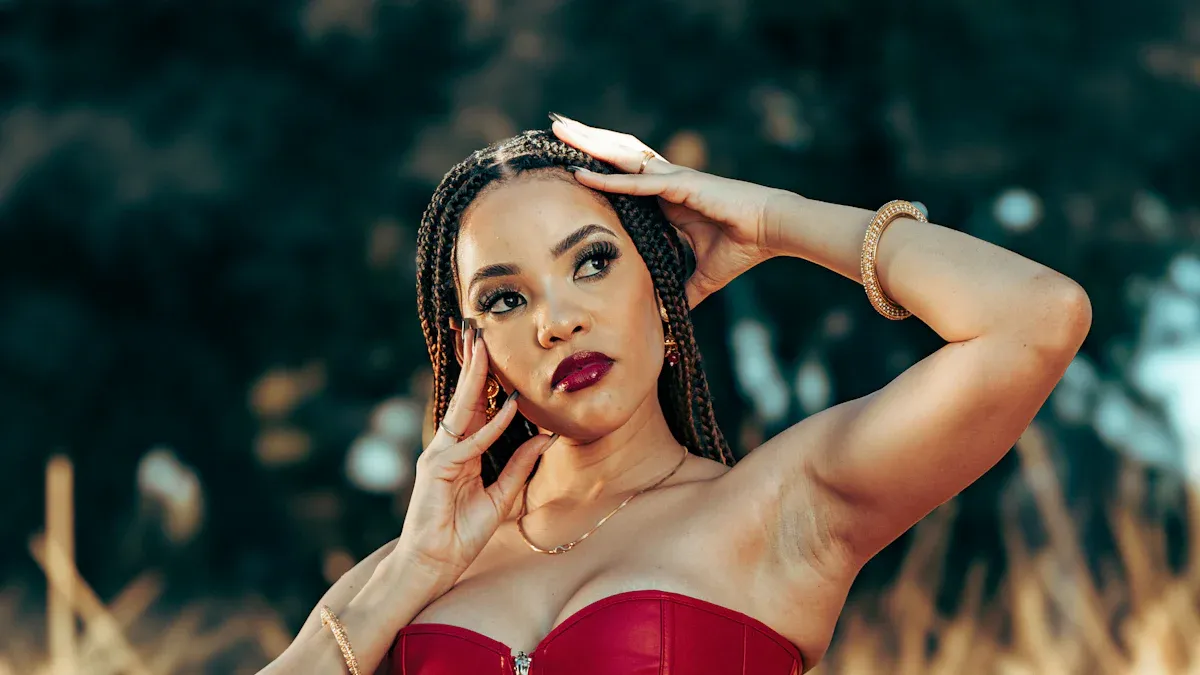
You might think corsets are just old clothes, but they are popular again. The corset market was $1.38 billion in 2023. It keeps getting bigger because people like vintage styles and shop online. Fashion experts say corsets shape and support your body. They help make your waist look smaller and your chest look bigger. There are many types of corsets. Styles have changed with beauty trends, materials, and rules in society. Corsets are sorted by shape, length, time period, how they are made, and what they are for.
Corsets let you show your style and feel comfortable.
Knowing these differences helps you choose the best one for any event.
Key Takeaways
Corsets are popular again. The market was worth $1.38 billion in 2023. Corsets are stylish and comfortable. They help you show your own style.
Knowing about corset shapes, like hourglass and wasp waist, helps you pick the best one. You can choose what fits your body and the look you want.
Corsets come in different lengths and styles. Overbust corsets give full support. Underbust corsets are good for layering and daily use.
Corset designs changed over time. Victorian corsets made waists look small. Modern corsets focus on comfort and being easy to wear.
Pick a corset that feels good and fits well. Try less tight styles like waist cinchers first. This helps you get used to wearing corsets.
Types of Corsets by Shape
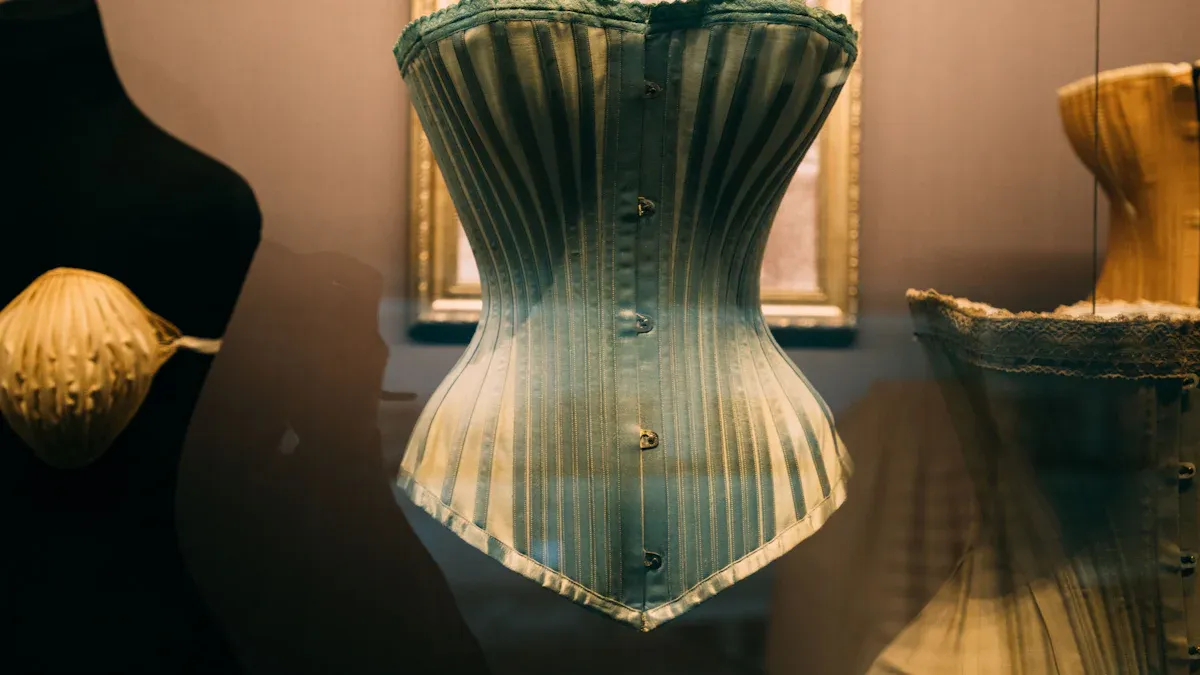
When you start exploring the world of corsets, you’ll notice that corset shapes play a huge role in how each style looks and feels. Let’s break down five classic corset shapes so you can spot the differences and pick the one that fits your vibe.
Hourglass Corset
The hourglass corset is probably the first image that pops into your head when you think about corsets. This shape hugs your waist tightly and then flares out at the ribs and hips, just like an old-fashioned hourglass. You get a dramatic waistline, but you don’t have to sacrifice comfort. The rounded design gives your ribs and hips more room, so you can breathe easier and move around without feeling squished.
Fun fact: The hourglass corset became a symbol of beauty and status in the French court during the 1500s. Later, in the Victorian era, it set the standard for the “ideal” feminine figure. Over time, people started to question how healthy these corsets were, which led to changes in fashion and design.
Here’s a quick look at how the hourglass corset stood out in history:
Era | Description |
|---|---|
French Court (1500s-1600s) | Corsets shaped the body, highlighting the chest and hips. |
Victorian Era (1830s-1900s) | The hourglass figure became the goal, leading to tighter lacing. |
20th Century (1910s-1920s) | Corsets lost popularity as people wanted more comfort and freedom. |
If you want to show off your curves and still feel comfortable, this is one of the most popular types of corsets to try.
Wasp Waist Corset
Ready for something even more dramatic? The wasp waist corset takes the hourglass look to the next level. This style squeezes your waist into a tiny, tubular shape, then flares out sharply at the bust and hips. You get a “light bulb” silhouette that really stands out.
The wasp waist corset gives you extreme waist reduction.
It puts a big spotlight on your bust and hips.
The difference between your waist and bust is super noticeable.
In the 1950s, this look was all about ultra-feminine style. But there’s a catch. Wearing this corset shape too tightly can cause health problems.
“A tightly laced corset could reduce lung capacity, irritate skin, and weaken back and chest muscles used to being supported. Waist trainers can raise body temperature, leading to dehydration and potential heatstroke. They can constrict breathing, which is harmful. Organs may feel constricted due to tight lacing.”
So, if you want to try this style, make sure you listen to your body and don’t overdo it.
Pipe Stem Corset
The pipe stem corset is one of the most unique corset shapes you’ll find. It creates a long, narrow waist that looks a bit like the stem of a pipe. This style compresses your waist above its natural line and puts pressure on your lower ribs. You’ll see this shape in extreme waist training and body modification circles.
The pipe stem corset gives you a super slender waist.
It was popular in the 19th century for people who wanted a very dramatic look.
This corset shape isn’t very common because it can be uncomfortable and hard to wear for long periods.
If you’re curious about different types of corsets and want to see how far body shaping can go, the pipe stem corset is a wild example.
Conical Corset
The conical corset has a shape that tapers smoothly from the bust down to the waist, kind of like a cone. This style gives you a streamlined look instead of a curvy one. It’s a good choice if you have a narrower ribcage or want a less dramatic silhouette.
The conical corset puts more pressure on your ribs and diaphragm than the hourglass style.
It’s great for people who want a smaller waist but don’t want a big flare at the hips.
This corset shape became popular in the 1950s and reminds some people of the classic Barbie doll torso.
You might like this style if you want a subtle shape that still gives you a defined waist.
S-Curve Corset
The S-curve corset stands out from other corset shapes because it changes your posture as well as your silhouette. This design pushes your chest forward and your hips back, creating an “S” shape when you look from the side. It was all the rage in the early 1900s.
The S-curve corset supports your back and helps you stand tall.
It gives you a flat tummy, a full bust, and a curvy backside.
This style led to the invention of the bra and moved fashion away from the super-tight Victorian look.
If you want to try a corset that changes both your shape and your posture, the S-curve is a fun option.
Tip: When you compare corset types, always think about how each shape will feel on your body. Some shapes are more comfortable for everyday wear, while others are best for special occasions or dramatic looks.
Now you know the main corset shapes and how they can change your silhouette. Each one has its own history and effect, so you can pick the style that matches your personality and comfort level.
Corset Types by Length and Position
When you look at corset types by length, you see how much they cover and support your body. Some corsets cover your chest and hips, while others just hug your waist. This makes a big difference in how each style feels and what you can wear with it. Let’s break down these types of corsets so you can find the best fit for your needs.
Overbust Corset
The overbust corset covers your body from the hips all the way up to above your bust. You don’t need a bra with this style because it supports your chest on its own. This corset gives you great back support and helps you stand up straight. You can wear it as a top for a bold look or under a dress for extra shaping. If you want full coverage and a smooth shape, this is a smart choice.
Tip: Overbust corsets work well for formal events or costumes. They can also help if you want to improve your posture.
Here’s a quick table to compare overbust and underbust corsets:
Feature | Underbust Corset | Overbust Corset |
|---|---|---|
Coverage | Starts below the bust, no bust support | Extends over the bust, supports bust |
Support | Shapes waist, supports lower back | Shapes chest and waist, supports back |
Styling | Easy to layer with tops | Can be worn as outerwear |
Underbust Corset
The underbust corset starts just below your bust and goes down to your hips. You still need a bra or a top for bust support. This style is easy to wear with many outfits. You can layer it over shirts or dresses for a cool look. It shapes your waist and gives your lower back some support. Many people like this style because it feels less restrictive than an overbust corset.
You can move more freely and style them in lots of ways.
Waist Cincher
A waist cincher is a short corset that focuses on your mid bust area. It squeezes your waist and makes it look smaller, but it doesn’t cover your chest or hips. Waist cinchers use stretchy materials like nylon or latex, so they feel comfy and light. You can wear them under your clothes, even during workouts or daily activities.
Feature/Benefit | Waist Cinchers | Traditional Corsets |
|---|---|---|
Material | Nylon, latex, spandex | Cotton, leather, PVC |
Rigidity | Less rigid, more comfortable | More rigid, shapes body |
Compression | Strong, reduces waist 1-3 inches | Focus on shaping |
Bulk | Less bulky, easy to hide | Bulkier, not for all outfits |
Usage | Workouts, daily, overnight | Special occasions |
Closure | Hooks, zippers, Velcro | Laces |
Longline Corset
The longline corset covers your body from your hips up to your mid bust. It gives you extra support and helps you stand tall. This style shapes your whole torso, not just your waist. If you want better posture or more coverage, a longline corset is a good pick. It can feel snug, but it smooths out your shape under dresses or gowns.
Longline corsets help with posture and give you a smooth look.
They work well for people with longer torsos.
Short Corset (Waspie)
A short corset, also called a waspie, wraps around your mid bust and waist. It’s smaller and lighter than other corset types. Waspies focus on shaping your waist but don’t support your chest or hips. You can wear them over shirts or dresses for a fun style. They are easy to move in, but they don’t help your posture as much as longer corsets.
Waspies are great for adding a little shape without feeling too tight.
You can wear them for short periods or as a fashion accessory.
Note: When you choose among these types of corsets, think about how much support and coverage you want. Some styles work better for special events, while others fit daily life.
Now you know the main corset types by length and position. Try different styles to see what feels best for your body and your style!
Different Corset Styles by Era
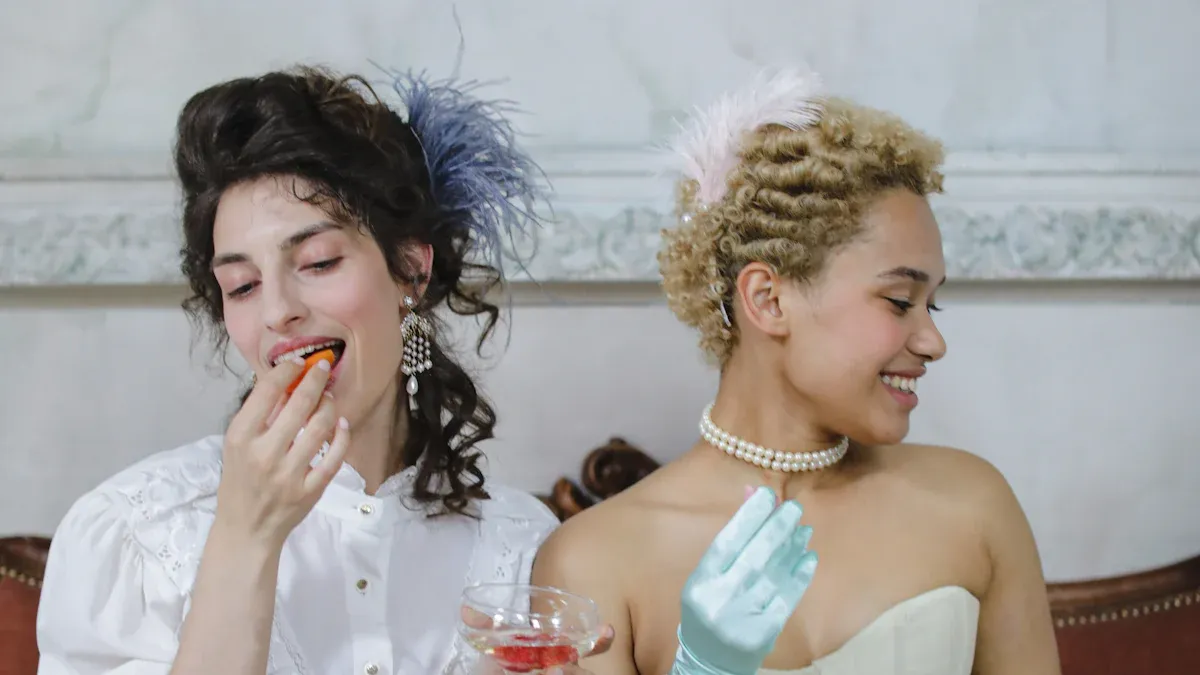
You can see how fashion changed by looking at corsets from different times. Each time period had its own shapes, materials, and ideas about beauty. Let’s take a quick look at how corsets changed through history.
Victorian Corset
Victorian corsets were very popular in the 1800s. You can spot them in old pictures with tiny waists and big skirts. Here are some things that made them special:
In the late 1800s, people wanted a natural hourglass shape.
Corsets squeezed the waist to fit what society wanted.
Women from all backgrounds wore them, even when pregnant.
Metal eyelets made it possible to lace corsets tighter.
Some women liked wearing corsets, but others did not.
Some people worried about health problems from tight lacing.
This corset was both a fashion trend and a sign of social rules.
Edwardian Corset
The Edwardian corset brought big changes. Designers made the S-bend shape, which pushed the chest forward and hips back. This style used a straight busk to help with posture and health. It fit better and used less boning. New cutting styles made it more comfortable. Silk and stocking suspenders made these corsets feel more like underwear than armor.
Elizabethan Stays
Elizabethan stays gave a sharp, straight look. They used whalebone and a busk for strength. You could open them in the back or front. These stays became a big fashion statement.
Tudor Stays
Tudor stays were more simple. They used linen and paste to make them stiff. The design had two pieces sewn together. These stays gave basic support but did not shape the body much.
Feature | Tudor Stays | Elizabethan Stays |
|---|---|---|
Materials | Simple linen, sometimes stiffened by paste | Reinforced with whalebones and busk |
Design | Basic shape, two pieces stitched together | More elaborate with center back or front opening |
Purpose | Basic support for the body | Enhanced silhouette and fashion statement |
Georgian Stays
Georgian stays used fancy fabrics and new sewing methods. You might see brocade on the outside and canvas for support. Cotton scraps lined the inside. Synthetic whale bone helped shape the body. The mantua stitch held it all together. Lacing with cord let you change the fit.
Material/Technique | Description/Usage |
|---|---|
Brocade fabric | Outer layer, structure, and style |
Canvas | Stability and support |
Cotton fabric scraps | Extra reinforcement or lining |
Synthetic Whale Bone | Boning for shape and support |
Mantua stitch | Special sewing for fit |
Lacing with cord | Adjustable fit at the front |
Regency Corset
The Regency corset was soft and light. It matched the high waistlines and natural shapes of the early 1800s. This style gave a straight look and lifted the bust. It fit the Empire silhouette. You could move easily and feel comfortable.
You can see how corsets changed in each time period. Each style shows something about fashion, comfort, and society.
Types of Corsets by Construction and Design
Basque Corset
You might notice the Basque corset looks a bit different from other styles. It gives you extra support and a smooth shape. The Basque corset uses special construction methods that make it strong and comfortable. Take a look at what sets it apart:
Feature | Description |
|---|---|
Deep Underbelt | Holds your stomach flat and supports your abdomen. |
Wide Elastic Panels | Stretchy sides let you move and breathe easily. |
Unique Boning Structure | Flat and spiral steels keep the corset firm but flexible. |
Double Stitching | Machine stitches and felled seams hide rough edges and add strength. |
Busk and Eyelets | A long busk and many eyelets keep the corset closed and secure. |
Bone Casings | Extra support comes from wide bone casings inside the corset. |
You get a corset that feels sturdy but lets you move with ease. This style works well for both special events and daily wear.
Ribbon Corset
If you want something light and flexible, try a ribbon corset. This style uses long ribbons instead of solid fabric panels. Here’s why many people love ribbon corsets:
Ribbon corsets feel soft and light on your body.
The ribbons move with you, so you get a comfortable fit.
A flexible busk helps shape your waist without feeling stiff.
You can wear a ribbon corset for hours without discomfort.
Ribbon corsets give you a gentle curve and work well for summer or layering under clothes.
Quilted Corset
A quilted corset stands out because of its padded design. You see rows of stitching that hold soft layers together. This makes the corset warm and cozy. Quilted corsets often feel softer against your skin. They also add a bit of texture and style to your outfit. If you want comfort and a unique look, a quilted corset is a fun choice.
Lace Corset
Lace corsets mix beauty and support. You get a corset that looks delicate but still shapes your body. Designers use different fabrics and decorations to make each lace corset special.
Description | Role in Corset | |
|---|---|---|
Satin | Smooth and shiny for a fancy look. | Makes the corset look elegant. |
Light and airy for daily comfort. | Keeps you cool and comfy. | |
Brocade | Textured and decorative for formal wear. | Adds style and detail. |
Denim/Canvas | Strong and tough for waist training. | Gives solid support. |
Steel Boning | Hard and sturdy for shaping. | Holds the corset’s shape. |
Decorative Elements | Lace, ribbons, or beads for extra flair. | Makes your corset unique. |
You can pick a lace corset for a romantic look or just to add some fun to your outfit.
Scoop Corset
The scoop corset has a low, curved neckline. It lets you show off your collarbones and upper chest. This style works well if you want to wear a corset as a top. The scoop shape also makes it easy to layer with other clothes. You get support and style in one piece.
Tip: When you choose a corset, think about how the construction and design will feel on your body. Try different styles to see what fits your shape and your style best!
Corset Types by Purpose and Function
Bridal Corset
You want your wedding dress to fit perfectly. A bridal corset helps you get that flawless look. It gives you structure, support, and a smooth shape under your gown. Bridal corsets use high-quality materials and often have beautiful details. They feel more special than everyday corsets. Check out this table to see how they compare:
Feature | Bridal Corsets | Everyday Corsets |
|---|---|---|
Primary Functions | Provide structure, support, and enhance fit | May prioritize style over function |
Design | Intricate designs, high-quality materials | Lighter, less durable fabrics |
Occasion | Formal occasions like weddings | Casual or daily wear |
You can wear a bridal corset as an underbust or a waist cincher, depending on your dress style.
Steampunk Corset
If you love bold fashion, try a steampunk corset. These corsets are not just underwear. You wear them as clothing. Steampunk corsets use brocade, leather, and steel boning. They often have metal hardware and dramatic designs. You can show off your creativity and stand out at events. Many people pair a steampunk corset with a waist cincher or underbust for a layered look.
Rich fabrics and leather accents
Metal gears and buckles for flair
Hourglass shape with a twist
Medical/Orthopedic Corset
Sometimes, you need a corset for health reasons. Medical or orthopedic corsets help with back pain and spinal problems. Doctors use them for conditions like spondylodiscitis. These corsets can reduce pain and help you move better. You might wear a waist cincher style for extra support. Many people find them comfortable and safe for daily use.
Training Corset
Waist trainers help you shape your body over time. You need to be careful and smart when you use them. Always talk to your doctor before you start. Make sure your corset fits well and feels good. If you feel pain, loosen or remove it. Break in your waist cincher slowly. Go step by step. Waist trainers work best when you listen to your body and stay patient. Many beginners start with a waist cincher or underbust style.
Fashion Corset
Fashion corsets focus on looks. You see them in many styles, from casual to fancy. Designers use cotton, satin, leather, lace, and even denim. You can wear a fashion corset as a top or over a shirt. Some people like a waist cincher for a simple touch, while others pick a bold, full-length style. Fashion corsets let you express yourself and try new trends.
Tip: If you are new to corsets, start with a waist cincher or underbust. They feel less restrictive and are easy to style.
You’ve seen how corsets come in many shapes, lengths, and styles. Each type has unique features that change how you look and feel. When you pick a corset, think about comfort, silhouette, and price. Here’s a quick table to help you decide:
Factor | Description |
|---|---|
Strength | Handles tight lacing |
Silhouette/Fit | Matches your body and style |
Price | Fits your budget |
Don’t worry if corset fit seems tricky. Start slow, learn lacing, and take breaks. If you want more tips or inspiration, check out online guides and corset communities. Try new styles and enjoy finding what works for you!
FAQ
How do I choose the right corset size?
You should measure your waist and check the brand’s size chart. Most people size down 2-4 inches from their natural waist. If you feel unsure, ask for help from the seller.
Can I wear a corset every day?
Yes, you can wear a corset daily if it feels comfortable. Start with short periods. Listen to your body. Take breaks if you feel sore or tight.
Will a corset hurt my body?
A well-fitted corset should not hurt. If you feel pain, loosen or remove it. Never force your body. You should always put comfort first.
How do I clean my corset?
Tip: Hand wash your corset with mild soap and cold water. Lay it flat to dry. Never put it in the washing machine or dryer.