Linen Knitwear – Natural, Breathable, and Perfect for Warm Seasons

Linen is a strong, eco-friendly fiber loved for its cool touch, crisp texture, and durability — ideal for sweaters, cardigans, tops, dresses, and lightweight jumpers.

What is Linen?

Linen is a natural fiber made from the flax plant, mainly grown in Europe and Asia. It has a crisp texture, excellent breathability, and natural antibacterial qualities. Unlike cotton or wool, linen feels cool to the touch and becomes softer with every wash, making it ideal for spring and summer knitwear.

  • Origin: Derived from the flax plant, widely cultivated in Europe (France, Belgium) and Asia.

  • Fiber properties: Crisp texture, highly breathable, moisture-wicking, naturally antibacterial.

  • Distinction: Unlike cotton or wool, linen feels cooler to the touch and gets softer with every wash, making it perfect for spring/summer knitwear.

Check Widely Used Fabric

Cashmere in Knitwear Styles

Linen Sweaters

linen sweater suppliers
  • Lightweight, breathable, and ideal for layering in warmer months.

  • Often mixed with cotton or viscose for extra softness.

Linen Hoodies (Blended)

linen hoodies
  • Rare as pure linen, but blends with cotton or viscose create breathable hoodies for lifestyle brands.

Linen Cardigans

linen cardigan
  • Longline or cropped styles with natural drape.

  • Perfect for resort wear or summer layering.

Linen Tops

linen tops
  • Tees, tanks, and polo-style knits.

  • Crisp and casual, excellent for luxury basics collections.

Linen Jumpers

linen jumpers
  • Airy, loose-knit jumpers with relaxed silhouettes.

  • Stylish yet comfortable for transitional seasons.

Linen Dresses

linen dresses
  • Lightweight knit dresses with natural cooling properties.

  • Popular in sustainable womenswear collections.

Linen Technical Parameters

ParameterDetail Example
Fiber Diameter15–20 microns (varies with flax quality)
Yarn Count (Nm)2/30, 2/40, 2/60
Gauge Options7GG, 12GG, 14GG
Ply Options1–2 ply
Blends100% Linen, Linen + Cotton, Linen + Viscose, Linen + Silk
PerformanceBreathable, moisture-wicking, antibacterial
CertificationsOEKO-TEX, EUROPEAN FLAX®, GOTS (for organic blends)

Linen Case Studies

Linen FAQs

Our standard MOQ is 100 pieces per design and color. For smaller capsule collections or trial orders, we can offer flexible solutions to help you test the market with minimal risk.

Yes, we supply both pure linen and blends with cotton, viscose, or silk. Blends improve softness and drape, making them ideal for premium fashion and lifestyle collections.

Linen is cooler, more breathable, and dries faster than cotton, making it better suited for hot climates. Cotton offers a softer hand-feel, so many brands use linen-cotton blends to balance comfort with performance.

Linen naturally wrinkles more than other fibers, but we apply finishing treatments and garment washing to soften the fabric and reduce creasing. Shrinkage is controlled through pre-shrunk yarns and lab wash tests before bulk production.

Yes, we can source EUROPEAN FLAX® certified yarns as well as organic linen options. These certifications guarantee responsible farming practices and support your brand’s sustainability commitments.

Sampling usually takes 3–5 days, while bulk production averages 3–4 weeks depending on order size. Certified organic or European flax yarns may add extra sourcing time, but we plan schedules to ensure on-time delivery.

Linen Blends

Add Linen Knitwear to Your Collection

Partner with our factory for breathable, eco-friendly linen sweaters, cardigans, tops, dresses, and more — customized for your brand’s seasonal needs.

Latest Blogs

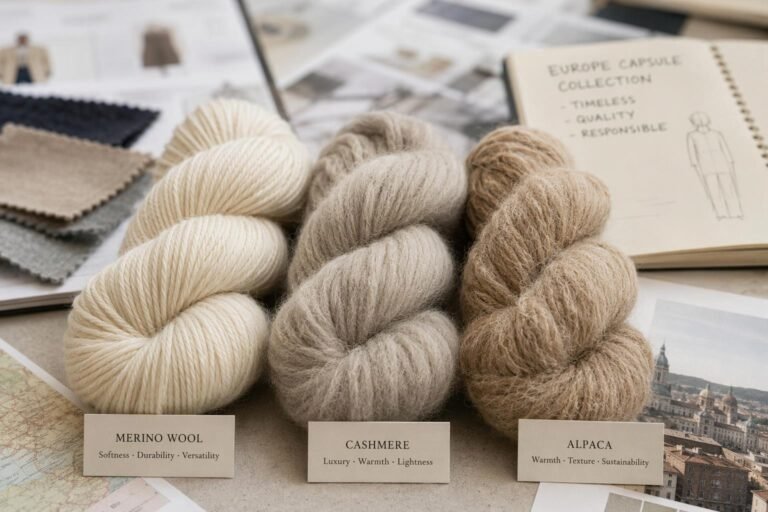
Close-up of three folded knitwear swatches in merino, cashmere and alpaca yarns, illustrating fibre selection for a European capsule collection
Merino, Cashmere, or Alpaca? A Market-Entry Yarn Strategy for New European Collections
A fibre-role framework for EU/UK knitwear capsules: compare merino, cashmere and alpaca on warmth, softness,...
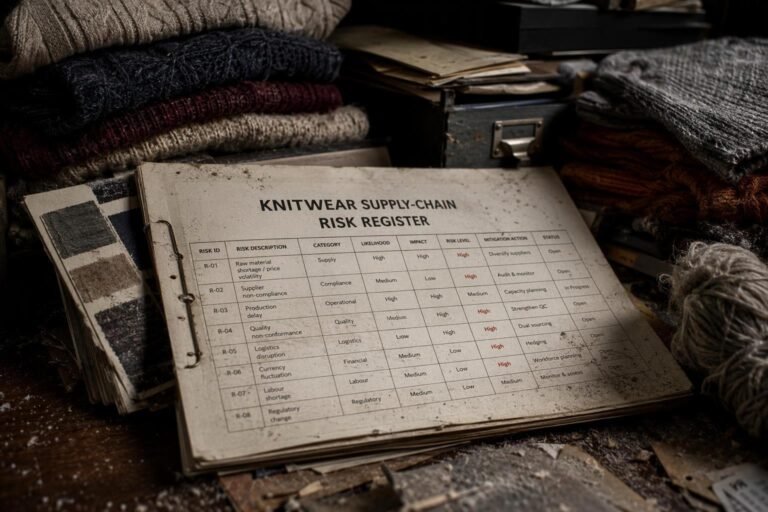
Editorial cover image for the 2026 knitwear supply-chain playbook on building a risk register
The 2026 Knitwear Supply-Chain Playbook: Build a Risk Register That Actually Gets Used
A practical six-family risk register for knitwear programs: yarn availability, supplier concentration,...
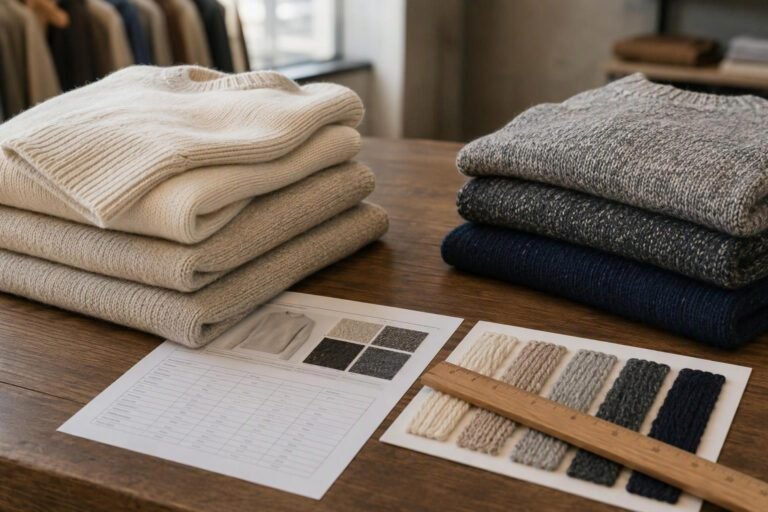
Close-up of folded knitwear in cream, grey and camel tones, illustrating a comparison of cashmere, merino, alpaca and blended yarns
From Cashmere to Blends: A Knitwear Sourcing Strategy for a 5.6% Import-Price Environment
Compare cashmere, merino, alpaca and blended yarns on perceived value, durability, price control and...
Cinematic close-up of a knit sweater collar on a dress form.
Sweater Collar Types: A Practical Guide to Necklines (and How to Choose)
Learn the most common sweater collar types, how they differ, and how to choose necklines that fit your...
Types of garments across apparel categories on a studio worktable
Types of Garments: A Founder-Friendly Guide to Apparel Categories (With Knitwear Examples)
A clear guide to garment categories—tops, bottoms, outerwear, dresses, activewear and more—plus knitwear...
Cinematic flat-lay of a graphic tee and knitted graphic top with swatches and yarn cones on a studio worktable.
Graphic Tees: The DTC Founder’s Ultimate Guide to Designing, Sourcing, and Selling What Actually Moves
A founder-ready guide to designing, sourcing, and selling graphic tees—print methods, QC, margins, and...
From sketch to sweater – AZ Knit brings ideas to life.