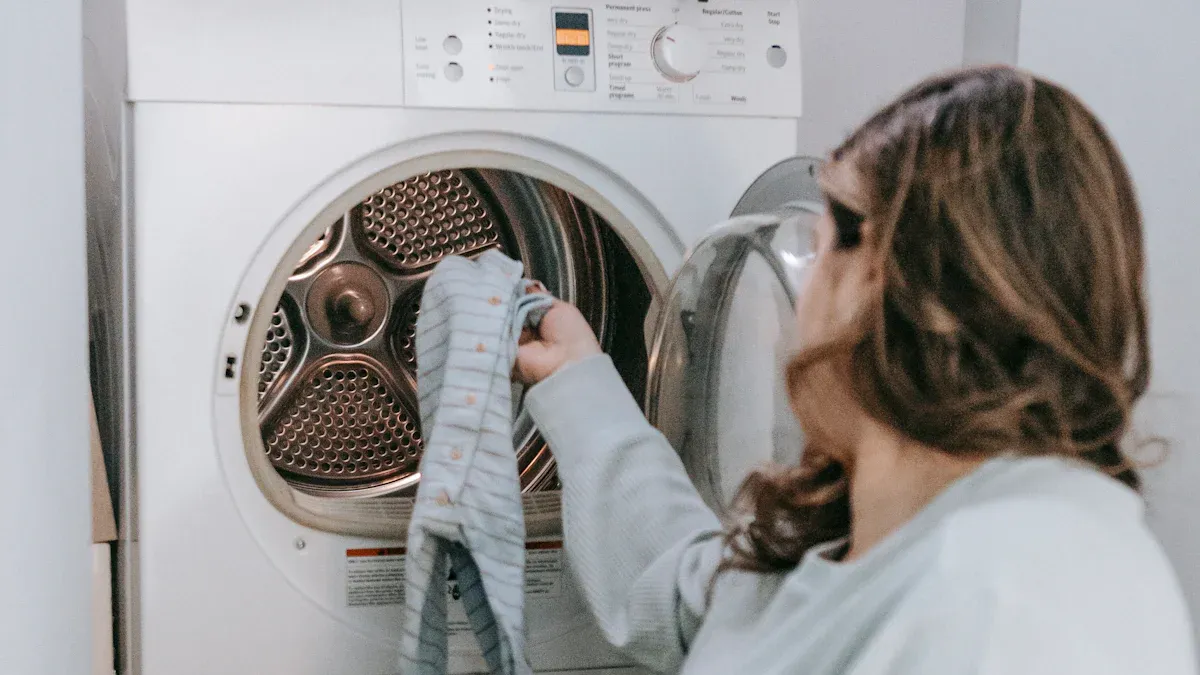
You stand over a laundry basket, wondering if you should toss your clothes in the washer or take time for hand washing. Most people around the world still wash their clothes by hand—about 71%—while some use machines. Your choice affects how long your clothes last, how much time you spend on laundry, and even the environment. Textile care studies show that washing clothes less often and reusing them can make clothes last longer and help the planet. When you decide between Machine Wash vs Hand Wash, think about the fabric, the care label, stains, your time, and how your laundry habits fit your lifestyle.
Tip: Checking the care label before washing clothes can save you from shrinking your favorite shirt or fading those bright colors.
Key Takeaways
-
Always look at the care label before you wash clothes. The label gives important steps to stop damage.
-
Think about the fabric when you pick how to wash. Soft fabrics like silk and wool need hand washing. Strong fabrics like cotton can go in the machine.
-
Hand washing helps you clean tough stains better. Treat stains first for the best cleaning.
-
Machine washing saves time with big loads. It is good for busy days. Hand washing works best for special clothes that need gentle care.
-
Wash clothes less often and use the right way. This helps clothes last longer and is better for the planet.
Machine Wash vs Hand Wash: Quick Guide

Choosing between machine wash vs hand wash can feel confusing. You want your clothes to last, look good, and save time. Let’s break down the main things you should check before picking a washing method. This guide will help you get the best results for every laundry load.
Check the Care Label
The care label is your first clue. You’ll find symbols that tell you which washing method works best. Look for a tub symbol with a curvy line for regular machine wash, an underline for permanent press, and two underlines for gentle cycle. If you see a tub with a hand, that means hand wash only. Some labels say “do not wash”—these need dry cleaning.
|
Symbol Type |
Description |
|---|---|
|
Machine wash: Permanent press |
Machine wash with permanent press cycle |
|
Machine wash: Gentle/delicate |
Machine wash on gentle or delicate cycle |
|
Hand wash |
Hand wash only |
|
Do not wash |
Dry cleaning required |
Tip: Always check for extra warnings like “no bleach” or “no hot iron.” Many people miss these and end up with damaged clothes. If the label is faded or missing, try to find the original instructions online.
Common mistakes with care labels include:
-
Not seeing warnings about bleach or ironing.
-
Using labels that fall off after a few washes.
-
Reading labels that fade or fray, making them hard to read.
-
Mixing up symbols for washing instructions.
-
Guessing care instructions without checking.
Know Your Fabric
Fabric type matters a lot when you decide between machine wash vs hand wash. Some fabrics need gentle care, while others handle machine cycles well. Here’s a quick look at which washing method fits each fabric:
|
Fabric Type |
Recommended Washing Method |
|---|---|
|
Silk |
Hand wash |
|
Wool |
Hand wash or machine wash |
|
Cotton |
Machine wash |
|
Polyester |
Machine wash |
|
Synthetic |
Machine wash |
If you have silk or wool, hand washing gives better results and keeps the fabric soft. Cotton and polyester can go in the machine for easy cleaning. When comparing hand washing vs washing machine, always think about the fabric first.
Stain Type Matters
Stains change the game. If you have a tough stain, hand washing lets you target the spot and scrub gently. Machine wash vs hand wash makes a difference here—machines can spread stains or miss small spots. For delicate fabrics with stains, hand washing brings better results. For everyday dirt on sturdy fabrics, the machine does the job fast.
Note: Pretreat stains before any washing method. Dab, soak, or use a stain remover for best results.
Time and Convenience
Your schedule matters. Machine washing saves time, especially for big loads. Hand washing takes more effort and focus. Let’s look at how much time each washing method takes for a typical laundry load:
|
Task |
Time (minutes) |
|---|---|
|
Laundry prep |
30 |
|
Washing and drying |
170 |
|
Folding and putting away |
60 |
|
Total |
260 |
If you want quick results, the machine is your friend. Hand washing works best for special items or when you want extra care. Think about how much time you have and how important convenience is for you.
Reminder: The right washing method depends on your clothes, stains, and schedule. You’ll get better results if you match the method to your needs.
Decision Tree: Which Washing Method Should You Use?
-
Is the care label readable?
-
Yes: Follow the instructions for best results.
-
No: Check the fabric type and treat stains carefully.
-
-
Is the fabric delicate (silk, wool)?
-
Yes: Choose hand wash for gentle results.
-
No: Machine wash is usually safe.
-
-
Are there tough stains?
-
Yes: Hand wash for precise stain removal.
-
No: Machine wash for convenience.
-
-
Do you have limited time?
-
Yes: Machine wash for faster results.
-
No: Hand wash for special care.
-
When you use this quick guide, you’ll find the best washing method for every situation. You’ll keep your clothes looking great and get results that fit your lifestyle.
Hand Washing: Pros and Cons
Gentle on Delicates
You might wonder why is hand washing better for your favorite silk blouse or wool sweater. Washing clothes by hand gives you total control over how much you move the fabric and the water temperature. This method allows delicate fabric care, so you avoid stretching, snagging, or shrinking. Textile experts say hand washing is the gentlest way to clean delicate fabrics. You can keep your clothes looking new for longer because you don’t expose them to harsh machine cycles. If you want your lace dress or cashmere scarf to last, hand washing is the way to go.
Here’s a quick look at how washing clothes by hand helps different materials:
|
Fabric Name |
Characteristics |
Hand Washing Tips |
|---|---|---|
|
Silk |
Luxurious, smooth, strong yet lightweight. |
Use cool water and a pH-neutral detergent. Avoid wringing. |
|
Lace |
Delicate, intricate, often sheer. |
Use cool water and a gentle detergent. Handle with care. |
|
Wool |
Warm, insulating, moisture-wicking. |
Use cool or tepid water and a wool-specific detergent. Avoid agitation. |
|
Cashmere |
Extremely soft, luxurious. |
Use cool water and a cashmere-specific detergent. Avoid wringing. |
|
Rayon |
Drapes well, absorbent. |
Use cool water and a gentle detergent. Avoid wringing. |
|
Chiffon |
Light and airy, can snag easily. |
Use cool water. Avoid wringing. |
Precise Stain Removal
When you wash clothes by hand, you get better stain spotting and removal. You can focus on the exact spot that needs cleaning. This is one of the main benefits of hand washing. If you spill juice on your shirt, you can gently rub the stain without damaging the fabric. Machine washing sometimes spreads stains or misses small spots. Hand washing lets you use less detergent and target stains, which saves money and helps the environment.
Tip: Pretreat stains before washing clothes by hand for the best results. Use a gentle soap and dab, don’t scrub.
Time and Effort
Washing clothes by hand takes more time and effort than tossing everything in the machine. You need to soak, rinse, and gently squeeze each item. For a big pile of laundry, this can feel overwhelming. Most people choose machine washing for regular loads because it’s faster. Hand washing works best for small loads or special items. You save energy and use less detergent, but you spend more time. If you want to protect your delicate clothes, the extra effort pays off.
Here are the main pros and cons of washing clothes by hand:
-
Pros:
-
Gentle care for delicate fabrics
-
Energy savings for small loads
-
Reduced detergent use
-
-
Cons:
-
Time-consuming
-
Harder to remove stubborn stains
-
If you want to know the benefits of hand washing, just look at how your clothes feel and last after each wash. Washing clothes by hand allows delicate fabric care and gives you control. You decide what matters most—saving time or keeping your clothes in top shape.
Machine Washing: Pros and Cons
Efficient and Thorough
If you have lots of clothes to wash, machine washing helps a lot. You put your clothes in, add detergent, and press a button. The machine does all the work for you. Every piece gets cleaned the same way. Many people like that machines save water and energy. New machines use less water and power. Fast spin cycles help clothes dry quicker.
Here are some main good and bad points:
|
Benefits |
Drawbacks |
|---|---|
|
Wash cycles take longer with less water |
|
|
Cleans clothes well |
Hard to fit some items inside |
|
Fast spin helps clothes dry faster |
You need to bend to load and unload |
|
|
Some machines say not to wash waterproof items |
Tip: Machine washing is great if you want clean clothes fast. It works well for most laundry.
Fabric Wear and Tear
You may ask if machines hurt clothes. Machines clean well but can be rough on some fabrics. Even the gentle cycle moves clothes around and can cause damage. The hand wash cycle is softer but still can harm delicate things. If you wash a sweater in the machine, it may look old sooner. Hand washing is softer, but machines are fine for strong clothes.
-
Gentle cycles move clothes slowly but can still wear them out.
-
Hand wash cycles move clothes very little, so they are softer.
-
Both ways can hurt delicate clothes more than hand washing.
Note: To help clothes last longer, use mesh bags or pick the softest cycle.
Best for Large Loads
Do you have lots of laundry? Machines can wash big loads easily. You can clean sheets, towels, and many clothes at once. This saves you time and work. Busy families like machine washing because it helps a lot. It keeps your hands from getting tired and gives you more free time. Machine washing is best for everyday clothes and sportswear.
Which Method Is More Practical?
Time and Labor
You probably want to spend less time on laundry and more time doing things you enjoy. If you use a washing machine, you can set a cycle and walk away. You can cook, study, or relax while your clothes get clean. Machines handle bigger loads, so you wash more clothes at once. This makes machine washing very practical for busy families or anyone with a packed schedule. Hand washing takes more effort. You need to soak, scrub, and rinse each piece. If you have only a few delicate clothes, hand washing works well. For most people, machine washing saves time and labor.
Tip: If you have a lot of clothes or need to multitask, machine washing is the practical choice.
Cost and Resources
You might wonder about the cost of keeping your clothes fresh. Washing at home with a machine usually costs between $1.00 and $3.00 per load. This includes water, electricity, and detergent. If you use a laundromat, you pay more—between $4.75 and $9.75 per load. Hand washing can cost less if you use cold water and a small amount of detergent. You save on electricity, but you spend more time and effort. If you want to save money, washing clothes at home is practical. Hand washing is even cheaper for small loads or delicate items.
Here’s a quick look at average laundry costs:
|
Method |
Home Cost per Load |
Laundromat Cost per Load |
|---|---|---|
|
Machine Wash |
$1.00–$3.00 |
$4.75–$9.75 |
|
Hand Wash |
$0.50–$2.00 |
Not common |
Everyday Use
Most people use both methods in their laundry routine. You might machine wash your everyday clothes and hand wash your delicate pieces. Hand washing helps keep special clothes looking new. It also lets you target stains and use eco-friendly detergents. If you want your clothes to last, mix both methods. Think about your schedule, budget, and the type of clothes you own. Which method is more practical depends on your needs. If you want to know which method is best for you, look at your laundry habits and the clothes you wear most.
-
Machine wash for large loads and regular clothes.
-
Hand wash for delicates, stains, and eco-friendly care.
Remember: The practical choice changes with your lifestyle and the clothes you need to clean.
Environmental Impact: Machine Wash vs Hand Wash
Water and Energy Use
Water and energy use are important for the environment. Machine washing uses 15 to 30 gallons of water each time. It also uses 350 to 500 watts of electricity per load. Hand washing does not need electricity. But you might use up to 27 gallons of water for one wash. If you want to help the planet, wash full loads. Use cold water to save water and energy.
-
Machine washing uses 15 to 30 gallons of water and 350 to 500 watts per load.
-
Hand washing can use up to 27 gallons of water and does not use electricity.
Tip: Pick a high-efficiency washer to save more water and energy.
Detergent and Waste
Detergents can hurt the environment. Many have chemicals that harm fish and plants in water. Washing synthetic fabrics can send tiny microplastics into rivers and lakes. These microplastics can hurt sea animals. Machine washing often needs more detergent, so it makes more waste. Hand washing lets you use less detergent and be kinder to the planet.
Here is a quick look at waste from each way:
|
Washing Method |
Greywater Pollution Level |
Key Factors Influencing Waste Generation |
|---|---|---|
|
Manual Laundry |
Higher |
Soil level, detergent type, fabric type |
|
Machine Laundry |
Lower |
Washing machine capacity, water efficiency |
Try eco-friendly detergents and only wash clothes when they are really dirty.
Longevity of Clothes
How you wash clothes changes how long they last. Machine washing can be rough and wear out fabrics faster. Hand washing is softer and helps clothes stay nice longer. If your clothes last longer, you buy less and make less waste. This helps the planet.
|
Microfibre Release (mg g−1) |
Fibre Composition |
Observations |
|
|---|---|---|---|
|
1-10 |
0.366 (100% PES) |
Higher PES |
Less damage |
|
15-31 |
1.774 (2% PES) |
Higher Cotton |
More damage |
If you want to help the earth, think about how you wash your clothes. Small changes can make your laundry better for the planet and help your clothes last longer.
Practical Tips for Each Method
Safe Machine Washing
You want your clothes to come out clean and fresh every time. Here are some easy tips to help you get the best results from your washing machine:
-
Use the right water temperature. Hot water works well for workout clothes and helps remove odors and bacteria. Cold water protects colors and delicate fabrics.
-
Try pre-wash settings for tough stains. This step can help loosen dirt before the main wash.
-
Pick the correct cycle. Each cycle is made for different fabrics and stains. Read the care label and choose the best one.
-
Add extra water for muddy or hairy loads. More water helps rinse away lint and pet hair.
-
Use a second rinse if you notice leftover laundry detergent. This keeps your clothes soft and safe for sensitive skin.
-
Clean your washer often. Run a self-cleaning cycle to stop mildew and bad smells.
Tip: Always check the care label before you start. Some fabrics, like wool or silk, need special care.
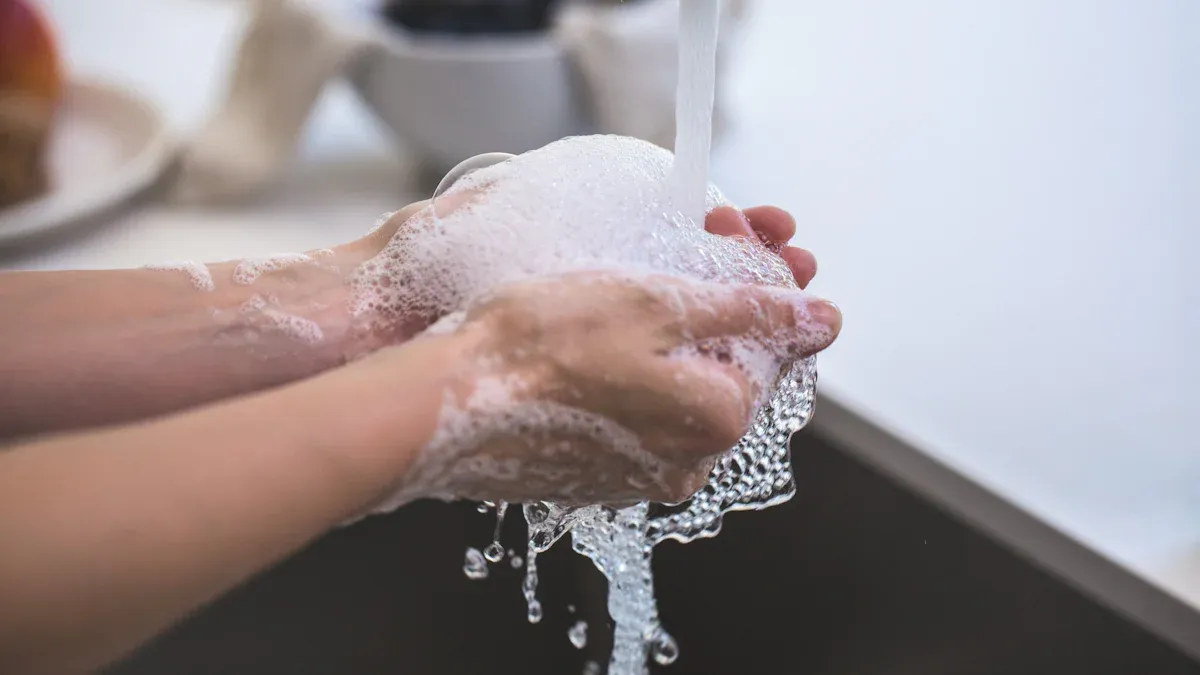
Effective Hand Washing
Hand washing gives you more control, especially for delicate items. Follow these steps for the best results:
-
Gather your supplies. You need a clean sink, laundry detergent, and a soft brush for stains.
-
Check the care label on each item.
-
Fill the sink with cool or lukewarm water. Add a small amount of natural detergent or plant based liquid detergent.
-
Submerge your clothes fully.
-
Gently move the water with your hands. Use the brush on stains if needed.
-
Let the clothes soak for 10-15 minutes.
-
Rinse under cool water until all soap is gone.
-
Press out extra water gently. Do not wring.
-
Lay clothes flat on a towel or rack to dry.
Hand washing works well for wool, silk, and other delicate fabrics. It also helps you treat stains like grease, wine, or ink with special care.
Drying and Aftercare
Drying your clothes the right way keeps them looking new. Here are some best practices:
-
Sort your clothes before drying. This stops them from sticking together and helps them dry evenly.
-
Check for damp spots before you finish drying. This prevents over-drying and shrinking.
-
Clean the lint trap in your dryer after each use. This keeps your dryer safe and efficient.
-
Skip fabric softener sheets for delicate fabrics. They can leave residue.
-
Store your clothes neatly after drying. This helps prevent wrinkles and keeps them fresh.
Note: Always follow the care label for drying and ironing. This helps your clothes last longer and keeps colors bright.
Which Method Is Better for Your Clothes?
Choosing the right way to wash your clothes can feel tricky. You want your favorite pieces to last, look fresh, and stay comfortable. Let’s break down which method is better for different types of clothes, so you can make smart choices every time you do laundry.
Delicates and Special Fabrics
You probably have a few special items in your closet—maybe a silk scarf, a lace top, or a wool sweater. These delicate fabrics need extra care. If you want to keep them looking new, you should pay close attention to how you wash them.
Textile care organizations recommend these steps for delicate and special fabrics:
-
Read the care labels before you wash anything. The label tells you exactly what your clothes need.
-
Hand wash when possible. This gentle method helps prevent stretching, shrinking, or tearing.
-
If you must use a washing machine, place delicate items in a mesh laundry bag. The bag protects them from rough movement.
-
Air dry your delicate clothes. Heat from a dryer can damage fibers and cause shrinking.
Tip: If you wonder which clothes should not be hand-washed, look for items labeled “dry clean only” or those made with special finishes. These pieces need professional care.
Here’s a quick table to help you decide how to wash your delicate clothes:
|
Fabric Type |
Best Washing Method |
Extra Care Needed |
|---|---|---|
|
Silk |
Hand wash |
Air dry |
|
Lace |
Hand wash |
Mesh bag if machine washed |
|
Wool |
Hand wash or gentle cycle |
Lay flat to dry |
|
Cashmere |
Hand wash |
No wringing |
|
Rayon |
Hand wash |
Avoid twisting |
When you treat your delicate clothes with care, you help them last longer and keep their colors bright. You also avoid the disappointment of finding a favorite shirt ruined after one wash.
Everyday and Heavily Soiled Items
You probably have jeans, t-shirts, towels, and sportswear that get dirty fast. These everyday clothes need a different approach. Experts say you should use the normal or heavy-duty cycle for sturdy fabrics like denim and canvas. High agitation and warm water help remove dirt and stains from these items.
Here’s what you should do for everyday and heavily soiled clothes:
-
Skip the delicate cycle for tough stains. It doesn’t clean deep enough.
-
Wash sturdy fabrics like denim, canvas, and cotton on a normal or heavy-duty cycle.
-
For clothes that might bleed color, wash them separately or by hand the first few times.
-
Use warm or hot water for better cleaning, but check the care label first.
Note: The normal cycle works best for clothes with average soil levels. It uses strong movement to clean, but this can be harsh on delicate fabrics.
You can use this simple list to decide how to wash your everyday clothes:
-
Machine wash for jeans, t-shirts, towels, and sportswear.
-
Hand wash for items with special stains or colors that might bleed.
-
Avoid the delicate cycle for heavily soiled items.
If you want to know which method is better for your laundry, think about the type of clothes you have and how dirty they are. Machine washing saves time and cleans well, especially for big loads. Hand washing gives you control and protects delicate fabrics. When you match the washing method to your clothes, you get the best results and keep your wardrobe looking great.
You need to think about a few things before you pick machine wash or hand washing. Look at the table below for easy decision tips:
|
Decision Point |
Hand Washing |
Machine Washing |
|---|---|---|
|
Fabric Type |
Works well for silk and wool |
Good for strong fabrics like cotton and denim |
|
Stain Type |
Good for cleaning stains in one spot |
Cleans tough stains in one or two washes |
|
Time Efficiency |
Needs you to watch and work |
Saves time when you wash clothes |
|
Risk of Wear and Tear |
Lowers the chance of damage |
Uses different cycles for each fabric |
|
Water Consumption |
Uses less water |
Uses more water |
Follow the quick guide and tips for the best results. If you wash less and fix your clothes, they last longer. Take care of each item so you can wear it more and throw away less.
FAQ
Can I machine wash all my clothes?
No, you can’t. Some clothes need gentle care. Always check the care label first. Delicate fabrics like silk or wool do better with hand washing. If you ignore the label, you might shrink or damage your favorite shirt.
How do I know if a stain needs hand washing?
If you see a tough stain, like ink or grease, hand washing works best. You can focus on the spot and use gentle scrubbing. Machine washing might spread the stain or miss it completely.
Does hand washing save money?
Yes, it can! You use less water and detergent for small loads. You don’t need electricity. Hand washing helps you save on laundry costs, especially for delicate items.
Will machine washing wear out my clothes faster?
It might. Machines use strong movement that can damage fibers over time. If you want your clothes to last longer, use gentle cycles or hand wash delicate pieces.
What’s the best way to dry delicate clothes?
Lay them flat on a towel or drying rack. Avoid wringing or using a hot dryer. Air drying keeps the shape and protects the fabric. Your clothes will look better and last longer.