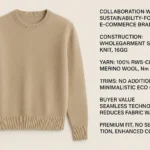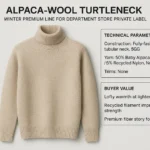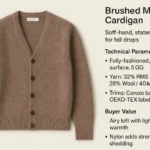

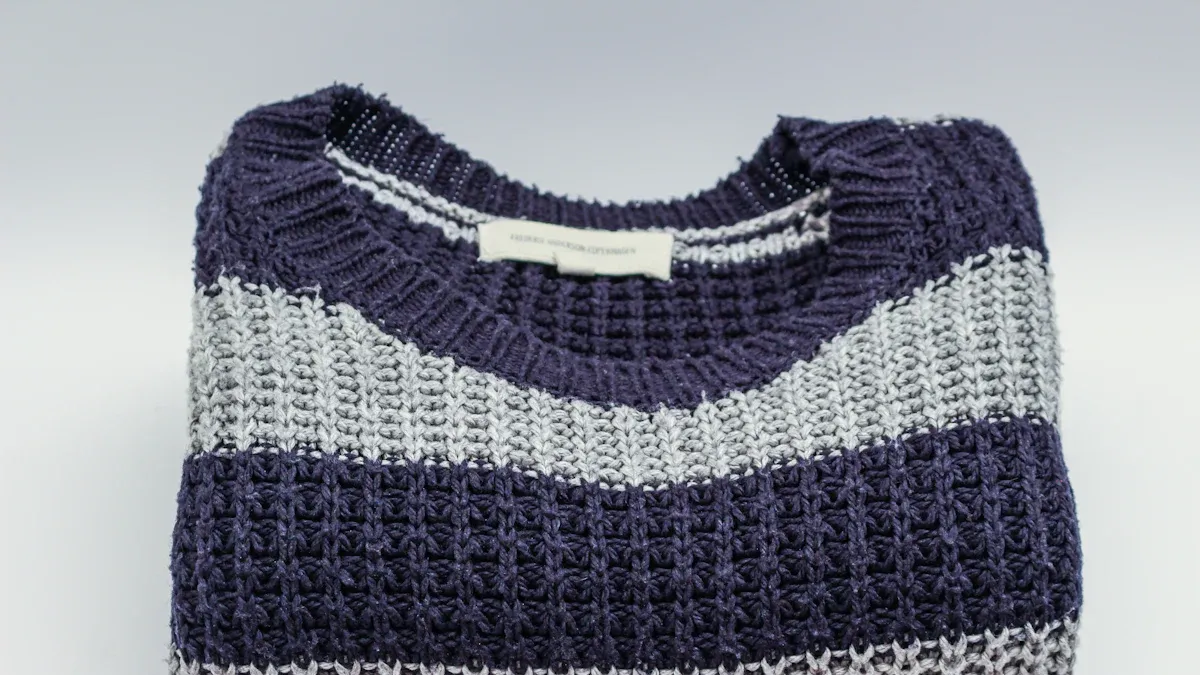
You may see people in the UK and Australia call a knitted top a sweater called jumper. In the US and Canada, most people say sweater instead. This happens because people in different places use different words. The table below shows what each country likes to call this clothing:
Country | Preferred Term | Notes |
|---|---|---|
United States | Sweater | This is the usual name for knitted tops. Jumper and pullover are not used much. |
Canada | Sweater | People in Canada use the same word as in the US. |
UK & Ireland | Jumper | Jumper is the word for knitted clothes worn over a shirt or blouse. |
Australia & NZ | Jumper | People use jumper because of old ties to Britain. |
Germany, Austria, Switzerland | Pullover | Pullover is the common word for warm, knitted clothes. |
France | Pull | Pull is a short way to say pullover. |
Italy | Pullover | Pullover comes from English and is used a lot. |
When you hear someone say jumper instead of sweater, it shows how words change in different places.
Key Takeaways
In the UK and Australia, people say ‘jumper’ for a knitted top. In the US and Canada, people use ‘sweater’ instead. The word ‘jumper’ comes from old English and French words. This shows that language changes over time. Knowing these differences can help you not get confused. This is helpful when you travel or buy clothes. In the US, a ‘jumper’ means a sleeveless dress. This is not the same as in the UK, where it means a knitted top. Fashion trends have changed how people use these words. Different cultures use ‘jumper’ and ‘sweater’ in their own ways. When you talk about clothes, think about where your listener lives. This helps you pick the right word. Learn local clothing words to shop better and not get mixed up. Ask questions and read tags when you shop in other countries. This helps you find what you want.
Why Is a Sweater Called Jumper?
When you hear someone say “sweater called jumper,” you might wonder how this name came about. The story of this term stretches back hundreds of years and crosses several languages. You can discover how the word changed over time and why people in the UK and other countries use it today.
Etymology of Jumper
Middle English and Old French Roots
If you look at the history of the word, you find that “jumper” comes from Middle English. The word “jupe” described a type of tunic. Old French also used “jupe” for a garment worn under armor. The French borrowed this word from Arabic. In Arabic, “jubbah” meant a loose outer garment. Over time, these words blended and changed as people moved and traded across Europe and the Middle East.
The term “jumper” comes from Middle English “jupe.”
Old French used “jupe” for a tunic under armor.
The Arabic “jubbah” described a loose outer garment.
You can see how the word traveled from Arabic to French, then to English. This journey helped shape the meaning of “sweater called jumper” in British English.
Evolution from ‘Jump’ and ‘Jubba’
The word did not stop changing. As people started using “jumper” in English, it took on new meanings. Some sources link “jumper” to the word “jump,” which means to move quickly. Others point to “jubba,” the Arabic word for a robe. Over time, “jumper” became a name for a simple, practical piece of clothing. You might notice that the word kept its link to comfort and usefulness.
Historical Usage
From Men’s Jacket to Sweater
The term “jumper” first appeared in British English in the early 1900s. In 1906, newspapers described “jumper dresses” imported from Paris. These dresses had original lines and became popular in fashion. At first, “jumper” referred to jackets or dresses worn over other clothes. As styles changed, people started calling knitted tops “jumper” too.
People used “jumper” along with “pullover” and “woolly” for knitted tops.
These clothes were worn over shirts, showing a shift from jackets to sweaters.
Housewives often knitted these items at home, making them practical and common.
During the 1920s, knitwear became very popular. Sweaters called jumper turned into fashion items, not just practical clothes. Designers like Coco Chanel made knitwear stylish. The term “jumper” became linked to fashionable knitwear in England. You could see people wearing jumpers for sports like tennis and cricket. This helped the word spread and become part of everyday language.
The 1920s saw a rise in knitwear, making sweaters called jumper a fashion staple.
Designers like Chanel used knitted fabrics, making jumpers stylish.
Patriotic knitting during the World Wars made jumpers important for soldiers.
Millions of knitters in the U.S. and England helped make sweaters called jumper popular.
Knitwear became linked to leisure and sports, making jumpers a symbol of comfort and style.
You might notice that the meaning of “sweater called jumper” changed as fashion changed. What started as a jacket or dress became a knitted top worn for warmth, style, and sports.
Tip: If you travel to the UK or Australia, you will hear people say “jumper” when they mean a sweater. In the U.S., people use “sweater” instead. Knowing this difference helps you understand what people mean and avoid confusion.
Regional Differences: Sweaters Called Jumpers

You may notice that people use different words for the same clothing item depending on where you live. The way you talk about sweaters called jumpers changes from country to country. This section helps you understand how these terms differ in the UK, US, and other English-speaking regions.
UK vs US Terminology
British English: Jumper, Pullover, Jersey
In the UK, you hear people say jumper when they talk about a warm, knitted top. You also see words like pullover and jersey. These words all describe a garment that covers your upper body and arms. British English uses jumper most often, but pullover and jersey appear in shops and magazines.
Here is a table that shows how British and American English use these terms:
Term | Region | Description |
|---|---|---|
Jumper | British English | A warm knitted garment covering the upper body and arms |
Sweater | American English | The equivalent term for a warm knitted garment covering the upper body and arms |
Dictionaries in the UK define jumper as a knitted garment with long sleeves, worn over your upper body. You see people wearing jumpers at school, work, and home. Pullover means a top you pull over your head. Jersey sometimes means a sports shirt, but it can also mean a knitted top.
American English: Sweater, Jumper (Dress)
In the US, you use sweater for the same type of clothing. Sweater describes a piece of clothing made from wool or yarn, worn for warmth. You rarely hear jumper for a knitted top. Instead, jumper means a sleeveless dress worn over a shirt or blouse. This difference can confuse you if you travel or shop in another country.
Here is how UK and US dictionaries define these words:
Term | Definition |
|---|---|
Jumper | A knitted garment typically with long sleeves, worn over the upper body. |
Sweater | A piece of clothing, typically with long sleeves and made from wool, worn on the upper part of the body. |
If you visit the US, remember that sweater is the word you need for a warm, knitted top. Jumper means a dress, not a sweater.
Tip: When you talk to someone from another country, ask what they mean by jumper or sweater. This helps you avoid confusion and makes your conversation smoother.
Other English-Speaking Regions
Australia, New Zealand, Canada
You find more differences in other English-speaking countries. In Australia and New Zealand, jumper is the common word for a knitted top. People use it in daily life, at school, and in fashion stores. In Canada, you use sweater instead. The table below shows the most common terms:
Country | Common Terms |
|---|---|
Canada | Sweater |
Australia | Jumper |
New Zealand | Jumper |
Fashion retailers in New Zealand label knitwear items with words like jumper and highlight materials such as cashmere and merino wool. You see labels that focus on warmth and style. This shows that local shops understand what people want in their climate.
You may notice that sweaters called jumpers have different names, but they serve the same purpose. They keep you warm and comfortable. When you travel or shop online, pay attention to these terms so you know what you are buying.
Different Names for a Jumper
When you travel or shop online, you might notice that people use different names for a jumper. These names can change based on where you are in the world. Knowing these terms helps you understand what you are buying or talking about.
Pullover and Jersey
You often hear the word pullover when people talk about warm, knitted tops. A pullover is any top that you pull over your head instead of buttoning or zipping up. In many countries, pullover is the main word for this type of clothing. For example, in Germany, Austria, and Switzerland, people use pullover for any warm, knitted garment. In France, you see the word pull, which is just a short way to say pullover. Italy also uses pullover, borrowing the word directly from English.
The word jersey can also mean a knitted top. In the UK, jersey sometimes means a sports shirt, but it can also mean a pullover. You might see jersey used in shops or sports teams. In the US, jersey usually means a sports uniform, not a pullover.
Here is a table to help you see how different countries use these terms:
Country | Term Used | Description |
|---|---|---|
United States | Sweater | Standard term for any knitted, long-sleeved top designed to keep warm. |
Canada | Sweater | Similar to the US, Canadians prefer the term ‘sweater.’ |
UK & Ireland | Jumper | Commonly used for knitted garments worn over a shirt or blouse. |
Australia & NZ | Jumper | Also commonly use ‘jumper’ due to historical ties to Britain. |
Germany, Austria, Switzerland | Pullover | Widely used term for any warm, knitted garment worn over the upper body. |
France | Pull | Shortened version of ‘pullover.’ |
Italy | Pullover | Directly borrowed from English, commonly used. |
You can see that pullover is a popular word in many European countries. In the UK and Australia, jumper is the most common term. In the US and Canada, you use sweater.
Note: If you ask for a pullover in Germany, you will get a warm, knitted top. If you ask for a pullover in the US, people might not know what you mean.
Sweater Variations
You will find many types of pullovers and jumpers. Each style has its own name. Some names come from the way you wear the pullover, while others come from where the style started.
In the UK and Australia, people use jumper instead of sweater.
The Aran sweater comes from the Aran Islands in Ireland. People also call it a fisherman’s sweater. This pullover has thick, cable patterns and keeps you very warm.
The term pullover sweater is another way to say jumper in the UK.
Cardigans are pullovers that open in the front with buttons or a zipper.
Crew neck and V-neck pullovers describe the shape of the neckline.
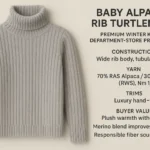
Turtleneck pullovers have a high, close-fitting collar that covers your neck.
You might see these different names for a jumper in stores or online. Each name tells you something about the style or where it comes from. When you know these names, you can choose the right pullover for your needs.
Tip: When you shop for a pullover, check the label or ask the store staff. This helps you find the style and fit you want.
You now know that pullover, jumper, sweater, and jersey can all mean similar things. The word you use depends on where you are and what style you want. Learning these different names for a jumper helps you talk about clothes with people from around the world.
Why Do People Use Different Terms?
You may ask why people use different words for the same clothes. The reason is language, culture, and how people connect worldwide.
Language Evolution
Language changes as time goes by. New words come in, and old words go away. When knitting started, people needed names for new styles. As patterns got popular, the words for these clothes changed too. People wanted easy names to talk about what they made or wore. Writers and designers used words that showed how the fabric looked or felt. This helped everyone know what a jumper or pullover was, even if they lived far apart.
The internet and knitting events helped spread new words. People from many places share patterns and ideas online. This makes new terms popular faster. The language of knitwear keeps changing as people share their styles and traditions.
You see that language helps people talk about clothes in ways that fit their region. This is why you find different names for the same thing.
Cultural Influences
Culture affects the words you use every day. People in different countries have their own ways of speaking. Over time, these differences make new words for familiar things. The table below shows some main cultural reasons for different knitwear terms:
Cultural Factor | Description |
|---|---|
Geographical Separation | Distance kept people apart, so language changed in each place. |
Cultural Influences | America and Britain had their own traditions and words. |
Noah Webster’s Influence | Webster changed American English spelling and grammar, making differences official. |
You see that people in Britain and America made their own words for clothes. In Britain, jumper became the usual word. In America, sweater became common. These changes happened because people lived far apart and had different lives.
Globalization Effects
Globalization brings people together from everywhere. You can talk to someone in another country or buy clothes online. This helps words travel and change quickly. Over the last hundred years, words like jumper and sweater changed with fashion and media. At first, jumpers were work clothes. The Industrial Revolution made them easy to buy. Designers like Coco Chanel made jumpers stylish. Movies and magazines helped spread these new looks.
In America, sweater became a word for fashion and freedom. Magazines like Vogue made sweaters trendy. Movie stars wore them, making sweaters cool and young. You see that globalization spreads new words and styles fast. Today, you find both jumper and sweater in stores and online.
If you travel or shop online, you notice that knitwear words change depending on where you are. This shows how language, culture, and global links shape how you talk about clothes.
Everyday Usage of Jumper and Sweater

In Conversation
You hear people use different words for the same clothing item every day. When you talk to someone from the UK, you might hear them say, “I need to grab my jumper before heading out.” In the US, someone would say, “Let me get my sweater.” These words help you know where a person comes from or where they learned English. If you travel or make friends from other countries, you notice these small differences in speech. People often use these terms when talking about the weather, school uniforms, or what to wear for a special event.
If you want to avoid confusion, you can ask what someone means when they use a word you do not know. This helps you learn new words and understand different cultures.
In Fashion and Retail
When you shop for clothes, you see these terms on tags and in store displays. Stores in the UK and Australia often use the word jumper to describe warm, knitted tops. In the US and Canada, you find the word sweater on signs and labels. Fashion magazines and online shops use these words to match their audience. If you shop online from another country, you might see both words used for the same item. Some stores even use both terms together, like “wool jumper/sweater,” to help everyone understand.
You also notice that designers use these words to describe different styles. For example, a store might call a thick, cable-knit top a jumper, while a lighter, cotton version might be called a pullover. This helps you choose the right item for your needs.
Media References
Movies and TV shows often show how people use these words in real life. You can spot famous characters wearing different types of knitwear, which sometimes become fashion trends. Here are some well-known examples:
In Knives Out (2019), Chris Evans wears a white cable-knit sweater that became very popular and sold out in stores.
Jeff Bridges in The Big Lebowski (1998) wears a cardigan that many fans now call “The Dude’s sweater.”
Fred Rogers wore a red cardigan on Mister Rogers’ Neighborhood, making it a symbol of kindness and comfort.
In The Devil Wears Prada (2006), Anne Hathaway’s blue sweater becomes part of a famous fashion debate.
The Harry Potter movies show characters wearing Christmas sweaters, which helped make them a holiday tradition.
In Clueless (1995), Alicia Silverstone’s cardigans show off 90s fashion.
When Harry Met Sally (1989) features Meg Ryan and Billy Crystal in classic woolen tops.
In Mohabattein (2000), Shahrukh Khan’s pullover helps show his character’s age.
These examples show how movies and TV can make certain styles or words more popular. When you watch these shows, you might start to notice the words jumper and sweater used in different ways.
Tips for Using Jumper vs Sweater
When to Use Each Term
Choosing the right word helps you communicate clearly. You want people to understand you, especially when talking about clothes. The word you use depends on where your audience lives and what they expect.
In the UK, people say “jumper” when they mean a knitted top. If you use “jumper” in the US, people might think you are talking about a sleeveless dress.
When you speak to Americans, use “sweater.” This word is familiar and avoids confusion.
Always consider your audience’s location. If you write or talk to someone from Australia or New Zealand, “jumper” works best.
If you are not sure, look at the context. Are you talking about fashion, school uniforms, or shopping? The right word depends on the situation.
You can check the table below to see which term is common in each region:
Region | Preferred Term | Description |
|---|---|---|
United States | Sweater | Standard term for any knitted, long-sleeved top designed to keep warm. |
UK & Ireland | Jumper | Commonly used for knitted garments worn over a shirt or blouse. |
Australia & NZ | Jumper | Similar usage as in the UK, reflecting historical ties. |
Germany, Austria, Switzerland | Pullover | Widely used term for any warm, knitted garment worn over the upper body. |
France & Italy | Pullover | Borrowed from English, used as a standard term in these languages. |
Tip: If you write for an international audience, you can use both terms together, like “jumper (sweater),” to help everyone understand.
Avoiding Misunderstandings
You want to avoid confusion when you travel or shop for clothes. Knowing the local word makes your experience easier and helps you get what you want.
Learn that “jumper” in the UK means “sweater” in the US. This simple fact helps you shop and talk about clothes without mistakes.
Get familiar with words for fabric and quality. If you know terms like “wool,” “cotton,” or “cashmere,” you can ask for the right item and understand labels.
Ask questions if you feel unsure. Store staff can help you find what you need if you use the local word.
Read clothing tags and product descriptions carefully. Many online shops list both terms to help shoppers from different countries.
Build your knowledge of clothing words. The more you learn, the easier it becomes to make good choices when buying clothes.
Note: When you travel, listen to what people say in shops and on the street. You can pick up new words and use them with confidence.
You now have practical tips for using “jumper” and “sweater” correctly. You can choose the right word for your audience and avoid misunderstandings when you travel or shop. This knowledge helps you communicate clearly and make smart decisions about clothing.
You have learned why people say “jumper” in the UK and “sweater” in the US. These words mean different things in each country. Sometimes, this can make things confusing.
In the UK, “jumper” is the same as “sweater.”
In the US, “jumper” is a sleeveless dress.
This can make shopping or traveling tricky.
Knowing these word differences helps you talk about clothes better.
Fashion uses words from many places.
People can get mixed up because of language.
You can stop confusion by learning what locals say.
FAQ
What is the main difference between a jumper and a sweater?
You will find that “jumper” and “sweater” mean the same thing in most English-speaking countries. In the UK, people say “jumper.” In the US, people say “sweater.” Both words describe a warm, knitted top.
Can you wear a jumper and a sweater in the same way?
Yes, you can. You wear both over your shirt or blouse to keep warm. The style and fit may change, but you use them for the same purpose.
Why do Americans call a dress a jumper?
In the US, a “jumper” means a sleeveless dress worn over a shirt or top. This is different from the UK, where “jumper” means a knitted sweater.
Is a pullover the same as a jumper or sweater?
A pullover is very similar. You pull it over your head, and it does not have buttons or a zipper. People in Europe often use “pullover” instead of “sweater” or “jumper.”
What is a cardigan?
A cardigan is a knitted sweater that opens in the front. It usually has buttons or a zipper. You can wear it open or closed.
How can you avoid confusion when shopping for knitwear abroad?
Tip: Check the labels and ask store staff if you feel unsure. Look for words like “jumper,” “sweater,” or “pullover” to find what you need.
Are there other names for sweaters in different countries?
Yes! You might see “jersey” in the UK, “pull” in France, or “pullover” in Germany and Italy. Each country has its own favorite word for this clothing.