

If you want to know how to store sweaters so they don’t stretch or develop musty smells, you’re not alone. You can easily prevent these problems with a few smart steps. Always clean before storing your sweaters and let them dry completely. Modern storage solutions, like folding heavy knits and using cedar blocks, help keep moths away and keep clothes smelling fresh. You’ll find that these simple tricks can prevent musty smells and keep your favorite sweaters looking great.
Key Takeaways
-
Make sure your sweaters are clean and dry before you store them. This stops bad smells and keeps the fabric safe.
-
Fold heavy sweaters instead of hanging them. Folding helps sweaters keep their shape. It also stops them from stretching.
-
Use bins or bags that let air flow for storage. These help air move around and stop moisture from building up.
-
Put cedar blocks or lavender sachets with your sweaters. These make sweaters smell nice and keep bugs away.
-
Do not pack your storage containers too full. Give sweaters room to breathe so they do not smell musty.
-
Look at your sweaters often for damage or bugs. Finding problems early helps protect your clothes.
-
Let your sweaters get fresh air every few months. Fresh air takes away smells and keeps them clean.
-
Switch out your sweaters when seasons change. This makes your favorites easy to find and keeps the fabric safe.
Why Sweaters Stretch or Smell Musty
Sweaters can lose their shape or develop musty odors when you store them the wrong way. You might notice a musty smell when you pull out your favorite knit after a few months. Let’s look at the main reasons this happens and how you can avoid it.
Causes of Stretching
Hanging Sweaters
If you hang sweaters in your closet, you risk stretching the fabric. The weight of the sweater pulls down, especially at the shoulders. This can leave you with odd bumps or a stretched-out look. Delicate fabrics like wool and cotton are more likely to stretch when hung. Using the wrong hanger makes things worse. Sweaters can slip off and stretch even more.
Tip: Always fold heavy sweaters instead of hanging them. You’ll keep their shape and avoid stretching.
Overpacking
Stuffing too many sweaters into one drawer or bin can also cause stretching. When you cram them together, the fibers get compressed and lose their natural shape. Overpacking makes it hard for air to move around, which can lead to more problems with odors and humidity.
Causes of Musty Smells
Moisture
Moisture is the enemy of fresh sweaters. If you store sweaters before they are completely dry, you trap humidity inside the fabric. This creates the perfect environment for mildew and musty odors. Mold and mildew love damp, dark places. High humidity levels make things worse by letting moisture seep into the fibers.
-
Musty odors often come from mold and mildew growing in humid conditions.
-
Clothes that aren’t fully dry before storage trap humidity, leading to a musty smell.
-
Excess moisture encourages mildew, which causes a damp and musty odor.
Poor Airflow
Poor airflow in your closet or storage bin can make odors linger. Stagnant air keeps humidity trapped, which helps mold and mildew grow. If you store sweaters in a closed space with little ventilation, you’ll notice a musty smell faster. Activities like bathing or cooking can add humidity to the air, making the problem worse.
Note: Make sure your storage area has good airflow. Open the closet door or use breathable bins to keep humidity low and odors away.
Storing When Dirty
Storing sweaters when they’re dirty is a big mistake. Dirt and body oils attract bacteria and fungi. These microorganisms cause odors and can even damage the fabric. If you don’t clean your sweaters before storing them, stains can set in and create permanent musty smells. Unclean clothes also attract pests, which bring more odors and problems.
-
Always wash and dry sweaters before storing.
-
Cleaning removes moisture, organic residue, and odor-causing particles.
-
Store only clean and dry garments to prevent mildew and musty odors.
“Since following Azknit’s storage advice, our cashmere collection stays pristine season after season.” – Boutique Owner, London
Sweaters made from natural fibers like cotton and wool are more likely to hold onto odors. Their porous fibers trap moisture and odor-causing particles. If you want to avoid musty smells, focus on cleaning and drying your sweaters well. Keep your storage area cool, dry, and ventilated. You’ll enjoy fresh sweaters every season.
How to Store Sweaters Properly
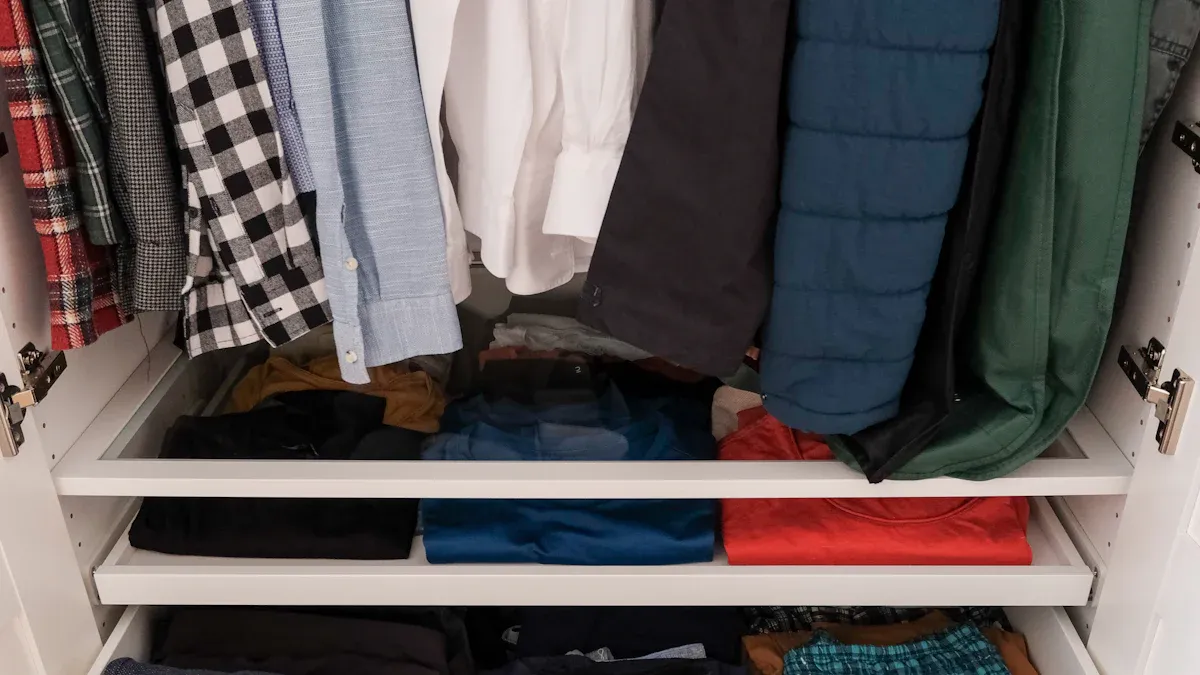
Storing sweaters the right way keeps them fresh, prevents stretching, and stops musty smells. If you want to know how to store sweaters and keep them looking new, you need to focus on cleaning, folding, and picking the best containers. Let’s break down each step so you can store your sweaters with confidence.
Clean Before Storing
You should always clean clothes before storing them. Dirt, body oils, and sweat can attract pests and cause stains to set in. If you skip this step, you risk musty odors and fabric damage.
Washing Tips
-
Wash wool sweaters before storing to remove body oils and odors.
-
Avoid dry-cleaning. Chemicals can harm the yarn and may not clean the garment well.
-
Use gentle detergent and cool water for most sweaters.
-
Check the care label for special instructions.
-
Never iron sweaters before storage. Heat can set stains and damage fibers.
Tip: Regular laundering and drying keeps sweaters fresh and helps prevent damage.
Drying Completely
Sweaters need to be completely dry before you store your sweaters. Damp fabric leads to mildew and musty smells. Lay sweaters flat on a clean towel and let them air dry. Don’t rush this step. If you put away sweaters that are even a little damp, you risk mold and odors.
-
Lay sweaters flat in a cool, dry spot.
-
Flip them over to help both sides dry.
-
Avoid hanging wet sweaters. They stretch and lose shape.
Folding vs. Hanging
Folding is the best way to store your sweaters. Hanging can stretch the shoulders and ruin the shape. If you want to maintain the shape of your sweaters, folding is key.
Best Folding Methods
-
Fold chunky and knit sweaters to prevent pulling and stretching.
-
For lightweight sweaters, fold in half horizontally and drape over a hanger if you must hang.
-
For bulky knits, use the Rectangle Method: fold in thirds vertically, then stack neatly.
-
Smooth out wrinkles before folding. You can use tissue paper or fabric sheets to prevent creasing.
-
Store sweaters flat with breathing room. Don’t stack too many layers.
|
Sweater Type |
Folding Method |
Storage Location |
|---|---|---|
|
Chunky/Knit |
Rectangle Method |
Shelf or drawer |
|
Lightweight |
Horizontal fold |
Shelf or hanger (rare) |
|
Bulky |
Fold in thirds |
Shelf |
Note: Rotate seasonal sweaters to prevent fabric damage and keep them fresh.
Risks of Hanging
Hanging sweaters can cause stretching, especially at the shoulders. Even with special hangers, heavy sweaters sag and lose their shape. If you want to store your sweaters for a long time, folding is safer.
-
Hanging distorts the sweater’s shape.
-
Sweaters slip off hangers and stretch.
-
Hanging is not recommended for chunky or knit sweaters.
Choosing Storage Containers
Picking the right container helps you store your sweaters and prevent musty smells. You have two main choices: vacuum-sealed bags and breathable bins.
Vacuum-Sealed Bags
Vacuum-sealed bags create an airtight environment. They keep out moisture and prevent musty odors. These bags work well for lightweight sweaters and off-season storage. However, chunky knits may become misshapen due to compression.
-
Airtight containers reduce moisture and odors.
-
Use vacuum-sealed bags for space-saving and moisture control.
-
Avoid using them for bulky sweaters to prevent damage.
Breathable Bins
Breathable bins allow air to circulate. They help you avoid moisture buildup and odors. These bins work best for delicate fabrics and chunky knits. If you want ideal storage conditions, use breathable containers and keep them in a cool, dry place.
-
Use breathable storage bags or bins for seasonal storage.
-
Stack folded sweaters in drawers or on shelves.
-
Use dividers to keep sweaters organized and easy to access.
-
Store clothes properly by choosing bins that let air flow.
Tip: Add moisture-absorbing products like cedar blocks or lavender sachets to keep your sweaters fresh.
If you follow these steps, you’ll know how to store sweaters without stretching or musty smells. Clean clothes before storing, fold instead of hang, and pick the right container. You’ll keep your sweaters looking great and prevent damage for years to come.
Keep Clothes Smelling Fresh
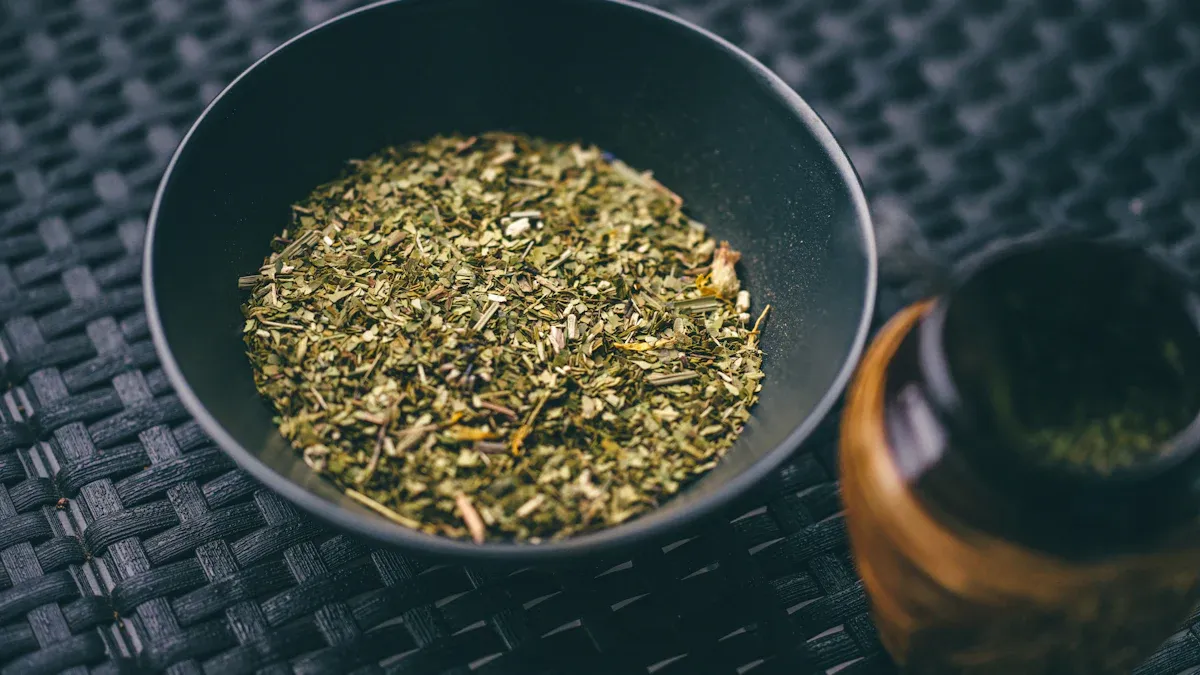
Sweaters can pick up odors while in storage, especially if you don’t use the right methods. You want to keep them fresh and avoid that musty smell when you pull them out for a new season. Let’s look at some easy tips that help you keep clothes smelling fresh and free from odors.
Natural Repellents
You don’t need harsh chemicals to keep them fresh. Natural repellents work well and add a pleasant smell to your storage space.
Cedar Blocks
Cedar blocks or chips are a classic choice. You can place them in drawers, bins, or closets. Cedar naturally repels moths and gives your sweaters a clean, woodsy smell. This scent helps keep them fresh for months. Cedar also absorbs moisture, which stops odors from building up.
Lavender Sachets
Lavender sachets are another great option. You can tuck them between folded sweaters or hang them in your closet. Lavender gives off a gentle smell that keeps them fresh and helps deter pests. You can also use cloves, mint leaves, or dried orange peels for extra freshness. These fragrances help fight odors, but you may need to refresh them over time.
Tip: Mix cedar blocks and lavender sachets for double protection against odors and pests.
|
Natural Repellent |
Benefits |
Placement Ideas |
|---|---|---|
|
Cedar blocks/chips |
Repels moths, absorbs moisture, adds woodsy smell |
Drawers, bins, shelves |
|
Lavender sachets |
Deters pests, adds gentle smell |
Between folds, closet |
|
Cloves/mint/orange |
Adds fresh scent, helps fight odors |
Storage bins, pockets |
Air Circulation
Airflow is key if you want to keep them fresh and avoid musty odors. Stale air can trap moisture and make odors worse.
Allowing Airflow
Use breathable bins or fabric bags instead of sealed plastic. These containers let air move around and help prevent odors. Proper ventilation stops moisture from building up, which keeps them fresh. You can leave closet doors open sometimes or use mesh baskets for extra airflow.
-
Breathable storage containers help prevent musty smells.
-
Air circulation keeps odors from settling in your sweaters.
-
Storing clothes properly is one of the best tips for freshness.
Outdoor Freshening
Give your sweaters a breath of fresh air. You can lay them outside on a dry, sunny day for a few hours. Outdoor freshening helps remove odors and gives them a clean smell. Just make sure you keep them out of direct sunlight to avoid fading.
Tip: Air out your sweaters every few months to keep them fresh and fight musty odors.
White Vinegar Wash
If you notice stubborn odors, try a white vinegar wash before storing your sweaters. White vinegar breaks down soap residue and removes strong smells. It works in both high-efficiency and standard washers. You only need a small amount—add half a cup to the rinse cycle.
-
White vinegar removes odors from sweaters.
-
It dissolves leftover detergent and helps fight musty smells.
-
This is one of the best tips for odor removal before storage.
Note: Always dry sweaters completely after a vinegar wash to keep them fresh and odor-free.
You can use these tips to keep clothes smelling fresh all year. Natural repellents, good airflow, and a simple vinegar wash help you avoid musty odors and keep them fresh. Try these easy tips and enjoy sweaters that smell clean every time you wear them.
Keep Moths Away from Sweaters
It is annoying to find holes in sweaters. Moths are the main pests that damage stored sweaters. The webbing clothes moth and casemaking clothes moth are very common. These insects like dark and quiet places. They live in closets and storage bins. Their larvae eat wool and other animal fibers. This causes real damage to your clothes. Moth problems happen in many homes. These pests have learned to live with people. Sometimes, it feels very hard to get rid of them.
Preventing Infestation
You can do simple things to keep moths away. Prevention works best with natural repellents and clean storage areas.
Cedar and Lavender
Cedar blocks and lavender sachets help keep moths away. Cedar gives off a smell that repels moths and soaks up moisture. This makes your storage space less inviting. Lavender also keeps moths away and smells nice. You can put cedar blocks in drawers. You can hang lavender sachets between folded sweaters.
|
Repellent |
How It Helps |
Where to Use |
|---|---|---|
|
Cedar blocks |
Repels moths, absorbs moisture |
Drawers, bins, shelves |
|
Lavender sachets |
Deters moths, adds fresh scent |
Closet, sweater folds |
Tip: Use cedar and lavender together for more protection and a fresh closet.
Clean Storage Areas
A clean closet does not attract moths. You should vacuum shelves and wipe bins. Shake out sweaters before you store them. Experts say to shake or brush clothes before storage. Cleaning removes dust, hair, and food bits that attract pests. You can put clothes in the dryer or freezer once or twice a month. This kills hidden eggs.
-
Keep closets neat and tidy.
-
Wash or dry-clean sweaters often.
-
Store off-season clothes in airtight containers.
Seasonal Checks
Check your sweaters a few times each year. This helps you find problems early.
Inspecting Sweaters
Look at each sweater for holes, webbing, or tiny larvae. Check collars, cuffs, and seams. If you see damage, wash the sweater and clean the storage area. Shaking out clothes helps remove eggs and larvae.
Note: Finding problems early saves your sweaters from damage.
Refreshing Repellents
Natural repellents get weaker over time. You should refresh cedar blocks and lavender sachets every season. Replace old sachets or sand cedar blocks to make them smell stronger. This keeps your storage area safe and smelling good.
-
Refresh cedar and lavender every few months.
-
Replace sachets when they stop smelling.
-
Sand cedar blocks to make them smell fresh.
If you do these things, you can keep moths away and protect your sweaters. Clean storage, natural repellents, and regular checks help a lot. You will have fresh sweaters without holes every season.
Common Storage Mistakes
Everyone makes mistakes when storing sweaters. If you know what to avoid, you can keep your sweaters looking and smelling great. Let’s look at the most common storage mistakes and how you can fix them.
Hanging Heavy Sweaters
You might think hanging sweaters saves space, but it actually causes problems. Heavy sweaters stretch when you hang them. The weight pulls on the shoulders and necklines. Over time, you’ll notice your favorite sweater looks droopy or misshapen. This mistake can ruin the fit and style.
-
Fold sweaters and place them in a drawer or on a shelf.
-
Use under-bed storage bags if you need more space.
-
Try foldable organizers for taller stacks.
Tip: Folding keeps sweaters in shape and helps them last longer.
Textile care experts say you should always fold sweaters, especially heavy ones. Hanging leads to stretching and damage. If you must hang a lightweight sweater, use a padded hanger and fold it over the bar. But for most sweaters, folding is the best choice.
Storing Damp or Dirty
Storing sweaters when they are damp or dirty is a big mistake. Moisture is the enemy of fresh clothes. Mold loves damp places. If you put away a sweater that is not fully dry, you risk mold growing inside the fabric. Mold weakens the fibers and makes the sweater brittle. It can also cause skin irritation and allergies.
-
Always wash and dry sweaters before storing.
-
Make sure each sweater is completely dry.
-
Avoid storing clothes in humid or wet places.
If you store dirty sweaters, you invite bacteria and musty smells. Dirt and sweat attract pests and make odors worse. You might notice a musty odor when you open your storage bin. This smell is hard to remove and can stick to your clothes for a long time.
Note: Clean, dry sweaters stay fresh and last longer.
Overpacking Containers
You might want to save space by stuffing as many sweaters as possible into one bin. This mistake leads to several problems. When you overpack, air cannot move around your sweaters. Lack of airflow traps moisture and creates a perfect spot for mold and mildew. In dark, tight spaces, moisture can cause musty odors and even discolor your sweaters.
-
Leave some space between each sweater.
-
Use breathable bins or bags.
-
Avoid sealed plastic bags for wool sweaters.
A personal story from a sweater owner shows that storing wool sweaters in sealed plastic bags trapped moisture. This created a musty smell that needed professional cleaning. Overpacking also squashes sweaters, making them lose their shape and feel stiff.
Tip: Give your sweaters room to breathe. You’ll avoid musty smells and keep them soft.
If you avoid these common mistakes, you’ll keep your sweaters in great shape. You won’t have to deal with musty odors, stretched-out sleeves, or ruined fabrics. Just remember to fold, clean, and give your sweaters space.
Ignoring Airflow
You might think sweaters just need a clean spot to sit, but airflow matters more than you realize. When you ignore airflow in your storage space, you invite trouble. Sweaters need ventilation to stay fresh and keep their shape. If you stash them in a closed bin or a packed closet, you set the stage for moisture buildup. That moisture can sneak in even if you wash and dry your sweaters first.
Poor airflow creates a perfect home for mold and mildew. These nasty invaders love damp, dark places. Once they settle in, you’ll notice a musty smell that’s tough to get rid of. Mold and mildew don’t just stink—they actually weaken sweater fibers. Wool and cotton suffer the most. Over time, your favorite knits can lose their softness and start to break down.
Let’s look at what happens when you ignore airflow:
-
Moisture builds up and gets trapped in the fabric.
-
Mold and mildew start to grow, causing damage.
-
Sweaters develop unpleasant, musty odors.
-
Delicate fibers like wool weaken and lose their shape.
-
Humidity rises, making sweaters feel damp and uncomfortable.
Tip: Always check your storage area for airflow. If it feels stuffy or smells odd, your sweaters might be at risk.
You can prevent these problems with a few simple changes. Choose breathable bins or fabric bags instead of sealed plastic containers. Leave a little space between each sweater so air can move around. Open your closet doors every so often to let fresh air in. If you use shelves, avoid stacking sweaters too tightly. Air needs room to circulate.
Here’s a quick table to help you spot airflow issues and fix them:
|
Problem |
What You Notice |
How to Fix It |
|---|---|---|
|
Musty smell |
Sweaters smell damp |
Air out sweaters, use bins |
|
Damp feeling |
Sweaters feel wet |
Dry sweaters, add airflow |
|
Mold spots |
Dark spots on fabric |
Clean area, improve airflow |
|
Stiff or weak fibers |
Sweaters lose softness |
Use breathable containers |
You can also use natural moisture absorbers like cedar blocks or silica gel packs. These help soak up extra humidity and keep your sweaters dry. If you live in a humid climate, consider using a small dehumidifier in your closet.
Don’t forget to check your sweaters every few months. If you notice any odd smells or dampness, take action right away. Air them out outside on a dry day. You’ll keep your sweaters fresh and ready to wear.
Ignoring airflow is a common mistake, but you can fix it easily. Give your sweaters space to breathe, and they’ll stay soft, clean, and odor-free. 😊
Step-by-Step Guide: How to Store Sweaters
Storing sweaters doesn’t have to be complicated. You can keep your favorite knits fresh and in perfect shape with a few smart moves. Let’s break it down so you can follow each step with confidence.
Quick Checklist
You want a system that makes sweater storage easy and keeps everything organized. Here’s a handy checklist you can use every season. This table shows what you need and how each method helps:
|
Item/Method |
Description |
|---|---|
|
Choosing the Right Storage Bins |
Use plastic bins for long-term storage in damp areas. Pick fabric or wicker bins for indoor spaces. |
|
Clear vs. Opaque Bins |
Clear bins let you see what’s inside. Opaque bins need labels for quick access. |
|
Sweater Cubes |
Stackable compartments help you organize by type, color, or fabric. You save space and find things fast. |
|
Drawer Dividers |
Keep sweaters separated by type or color. No more messy drawers. |
|
Rolling vs. Folding |
Rolling saves space and stops wrinkles. Folding works best in small, neat piles. |
|
Labeling Drawers |
Use tags or stickers so you know what’s inside each drawer. |
|
Seasonal Rotation |
Rotate sweaters each season. Keep current favorites easy to grab and avoid overcrowding. |
|
Store wool and cashmere flat in breathable bags. Fold cotton and synthetics in stacks. |
Tip: Label your bins and drawers. You’ll find sweaters faster and keep your closet neat.
Year-Round Maintenance
You want your sweaters to stay fresh and hold their shape all year. Here are simple habits you can use:
-
Use cotton garment bags. These bags let air flow and keep dust away.
-
Add silica gel packets to plastic bins. They soak up moisture and stop mold.
-
Place cedar blocks or lavender sachets in storage. These natural items keep moths out and add a fresh scent.
-
Avoid plastic bags or bins for knitwear. Moisture can build up and cause musty smells.
-
Store sweaters in cool, dark, and dry spots. Heat and sunlight can fade colors and weaken fibers.
-
Check sweaters for snags or holes before you put them away. Fix small problems so they don’t get worse.
-
Use a clothing brush to remove lint. Try a pill shaver for fuzz balls.
-
Remove sweaters by pulling them off your body gently. This helps prevent stretching.
-
Wear a thin shirt under your sweater. You’ll wash sweaters less often and keep them looking new.
Note: Regular checks and a few easy steps keep your sweaters soft, clean, and ready to wear.
You can follow this guide every season. With these steps, you’ll avoid stretching, musty smells, and moth damage. Your sweaters will look and feel great, no matter the weather. 😊
You can keep your sweaters fresh and in great shape with a few simple habits. Always clean and dry them before storing. Choose breathable bins and use natural repellents like cedar or lavender to keep clothes smelling fresh and moths away. Regular checks help you spot problems early and keep your storage area safe. Follow these steps, and you’ll enjoy soft, ready-to-wear sweaters all year long. 😊
Why You Can Trust This Sweater Storage Guide
✓ Manufacturing Expertise: 20+ years producing premium knitwear for global brands
✓ Fabric Science Knowledge: Deep understanding of wool, cashmere, cotton, and synthetic fiber properties
✓ Real-World Testing: Methods tested across thousands of garment production cycles
✓ Industry Partnerships: Work directly with textile mills and yarn suppliers
✓ Quality Standards: Follow international textile care and preservation protocols
FAQ
How often should you clean sweaters before storing?
You should wash sweaters at the end of each season. If you wear them often, clean them more. Dirt and oils attract pests and cause odors.
Can you hang any type of sweater?
You should fold most sweaters. Hanging stretches heavy knits. If you must hang a lightweight sweater, use a padded hanger and fold it over the bar.
What is the best way to keep sweaters smelling fresh?
Try cedar blocks or lavender sachets. These natural options fight odors and keep your sweaters fresh. You can also air out sweaters every few months.
How do you prevent moths from damaging sweaters?
Keep your storage area clean. Use cedar or lavender to repel moths. Check sweaters for holes or larvae every season.
Is it safe to use vacuum-sealed bags for all sweaters?
Vacuum-sealed bags work for lightweight sweaters. Bulky knits may lose shape if compressed. Use breathable bins for chunky or delicate sweaters.
What should you do if your sweater smells musty after storage?
Air out the sweater outside. Wash it with a little white vinegar. Dry it flat in a cool spot. This removes most odors.