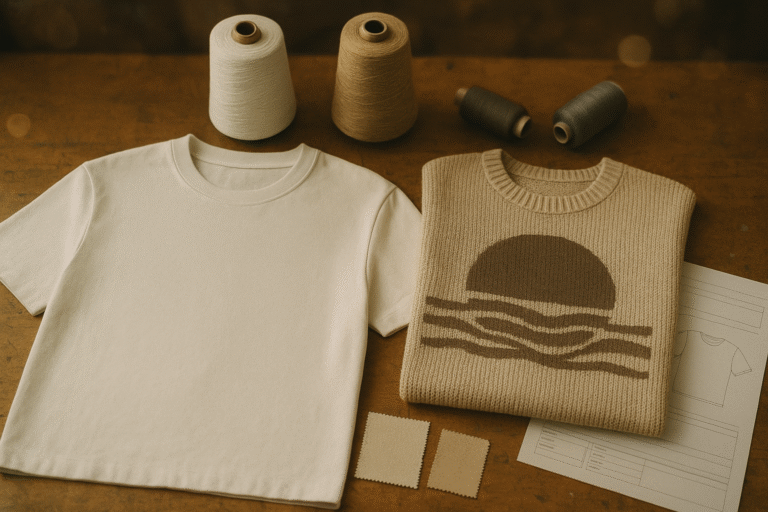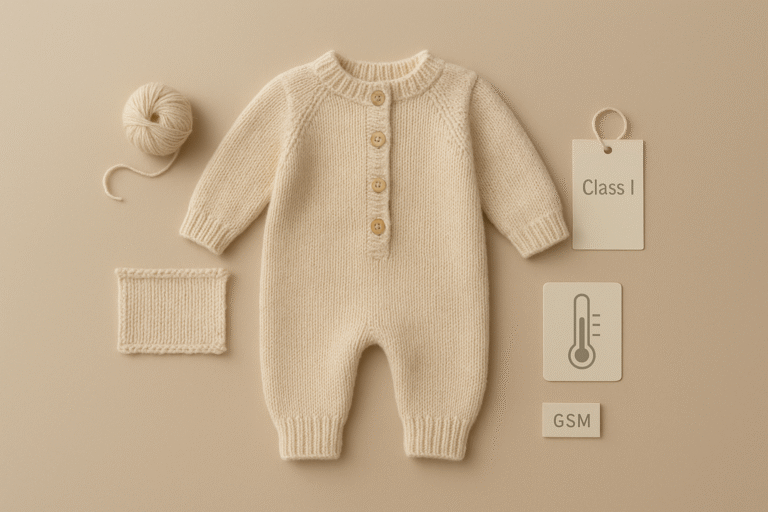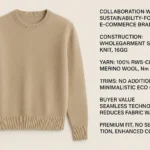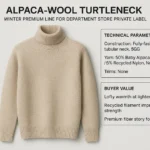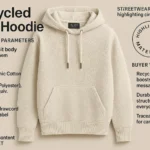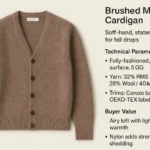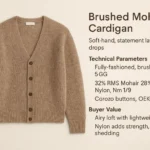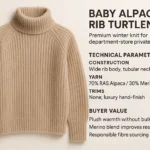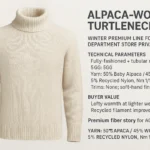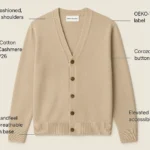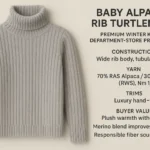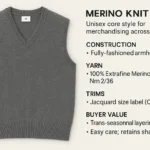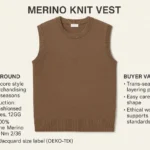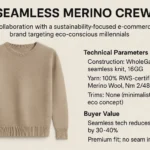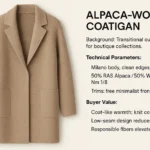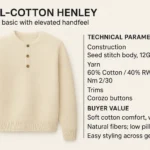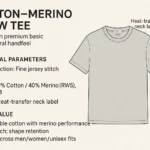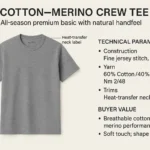


When you want to learn how to prepare tech packs for custom knitwear in 2025, you begin by creating a clear document for your design. A tech pack is like a plan that combines sketches, materials, and measurements. You include every detail, such as yarn type, size, color, and branding, to avoid mistakes and ensure your project runs smoothly. Digital tech pack templates assist you in being more precise and working faster. They also help everyone in production understand the same information and deliver excellent results.
Key Takeaways
-
A tech pack is very important for custom knitwear. It has sketches, materials, and measurements for manufacturers to follow.
-
Put clear details in your tech pack. This stops mistakes and makes sure the product looks like you want.
-
Use digital tools and templates to make tech packs faster. These tools help you save time and make fewer mistakes.
-
Always check your specification sheet before you send it. This helps you find mistakes early.
-
Give clear construction and stitch details. This helps the manufacturer know how to put your knitwear together.
-
Add reference images and color codes to your tech pack. This makes your design clear and stops confusion.
-
Put labeling and packing instructions in your tech pack. Clear rules help your product look good and ready to sell.
-
Check and update your tech pack often. This keeps your information correct for every new project.
Tech Packs for Custom Knitwear
Knitwear Tech Pack Overview
When you start a custom knitwear project, you need a clear plan. This plan is called a tech pack. A tech pack acts as a detailed instruction manual for your design. You use it to share your ideas with manufacturers. This document helps everyone understand what you want to create. You avoid mistakes and save time when you use a tech pack.
A tech pack for knitwear includes many important details. You describe the yarn, the stitch patterns, and the measurements. You also add notes about blocking and finishing. Industry experts say that a good tech pack for knitwear should cover:
-
Stitch design details
-
Blocking and wrapping up notes
You also include a specification sheet in your tech pack. This sheet lists all the measurements and materials. It helps the factory follow your instructions. You can use digital tools to make your specification sheet clear and easy to read. When you update your tech pack, you keep everyone on the same page.
Tip: Always double-check your specification sheet before sending it to the manufacturer. This step helps you catch errors early.
Key Differences in Knitwear Tech Packs
Knitwear tech packs have some unique features. You need to focus on the yarn and stitch patterns. Other garments, like woven shirts or jeans, use fabric that comes ready-made. Knitwear starts with yarn, so you must explain the yarn type, thickness, and color. You also need to show the stitch pattern, such as rib, cable, or jacquard.
A knitwear specification sheet looks different from one for woven garments. You include details about the gauge, which means how many stitches and rows fit in a certain area. You also add instructions for blocking, which shapes the finished piece. These details help the manufacturer create the right texture and fit.
You must also think about how the knitwear will stretch and move. The specification sheet should mention how the garment should fit after washing and wearing. This information is important because knitwear can change shape over time.
By understanding these differences, you can prepare a tech pack that meets the needs of custom knitwear. You give clear instructions and help the manufacturer deliver the best results.
Essential Components of Knitwear Tech Packs
Cover Page & Project Info
You start your knitwear tech pack with a clear cover page. This page gives everyone the basic information about your project. You include the style name, style number, season, and date. You also add your contact details and the name of the manufacturer. This helps everyone know which project they are working on and who to contact if they have questions.
A good cover page sets the tone for the rest of your tech pack. You can also add a short description of your design and its purpose. This gives the manufacturer a quick overview before they look at the details.
Tip: Always update the cover page if you make changes to your design or project details.
Technical Sketches & CAD
Technical sketches are one of the most important parts of your knitwear tech pack. You use these drawings to show your design from different angles. You can include front, back, and side views. Technical sketches help the manufacturer see exactly what you want.
Many brands use computer-aided design (CAD) tools to make these sketches. CAD drawings let you add more detail and make changes quickly. You can also use CAD to add colorways and stitch patterns. When you include technical sketches and CADs, you make your instructions clear and easy to follow.
-
Technical sketches should show:
-
Shape and fit of the garment
-
Placement of seams and trims
-
Details like pockets, buttons, or zippers
-
You can also add images with markups and comments. These help explain special features or tricky parts of your design. The more detail you add to your technical sketches, the less chance there is for mistakes during production.
Measurements & Sizing
You need a detailed specification sheet for measurements and sizing. This sheet lists the exact measurements for each size you want to produce. You include chest width, sleeve length, body length, and other key points. The specification sheet helps the manufacturer make your knitwear in the right size.
A good specification sheet also shows how to measure each part of the garment. You can use a table to organize this information:
|
Measurement Point |
Size S |
Size M |
Size L |
|---|---|---|---|
|
Chest Width |
48 cm |
52 cm |
56 cm |
|
Body Length |
60 cm |
64 cm |
68 cm |
|
Sleeve Length |
58 cm |
60 cm |
62 cm |
You should always double-check your specification sheet before sending it to the manufacturer. Detailed measurements help everyone avoid mistakes and make sure the final product matches your vision.
Note: The more detail you include in your tech pack, the fewer problems you will face during production. Clear instructions help everyone work together and deliver the best results.
Yarn, Fabric & Color Details
You need to give clear information about the yarn, fabric, and colors in your knitwear tech pack. This helps the manufacturer choose the right materials for your design. Start by listing the yarn type, such as cotton, wool, or acrylic. You should also mention the yarn weight and gauge. These details affect how the finished garment will look and feel.
Next, describe the fabric structure. For knitwear, you might use single jersey, rib, or cable knit. You can use technical sketches to show how the fabric should look. Add a table to organize your yarn and fabric details:
|
Yarn Type |
Weight |
Gauge |
Color |
Supplier |
|---|---|---|---|---|
|
Merino Wool |
DK |
22 sts/10cm |
Navy Blue |
ABC Yarns |
|
Cotton Blend |
Sport |
24 sts/10cm |
Cream |
XYZ Fibers |
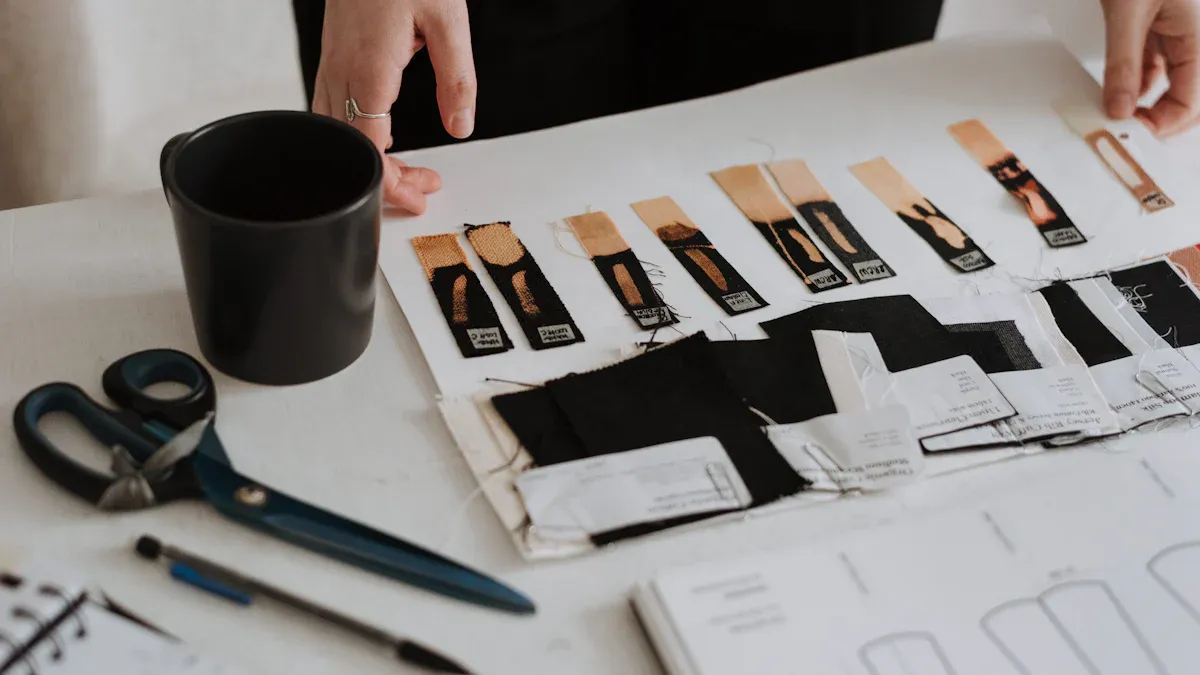
You should also include color codes. Use Pantone or another color system to avoid confusion. Attach yarn swatches or reference images if possible. Technical sketches can help show where each color appears on the garment.
Tip: Always double-check your color codes and yarn details before sending your tech pack.
Construction & Stitch Details
You must explain how to build the garment. List the stitch patterns, such as rib, garter, or cable. Use technical sketches to show the placement of each stitch. You can add notes about special techniques, like intarsia or jacquard.
Describe the construction steps. For example, say if the garment is knit flat or in the round. Mention how to join seams or finish edges. You can use a numbered list for clarity:
-
Knit front and back panels in stockinette stitch.
-
Join shoulder seams using mattress stitch.
-
Pick up stitches for the neckline and knit ribbing.
-
Attach sleeves and finish with ribbed cuffs.
Technical sketches make these steps easier to understand. They show the shape and details of each part.
Branding, Labeling & Packing
You need to include branding and labeling instructions in your tech pack. Show where to place brand labels, care tags, and size labels. Use technical sketches to mark these positions. List the materials for each label, such as woven or printed.
Packing instructions help the manufacturer prepare the finished product. Tell them how to fold the garment, what type of bag or box to use, and if you need hangtags. You can use a checklist:
-
Attach woven brand label at back neck
-
Sew care label at side seam
-
Fold garment with tissue paper
-
Place in clear polybag with barcode sticker
Note: Clear branding and packing details help your product look professional and ready for sale.
How to Prepare Tech Packs for Custom Knitwear
Assess Style & Calculate Yarn
You start by looking at your knitwear style. Think about the shape, fit, and details you want. You decide if your design needs simple stitches or complex patterns. This step helps you plan the rest of your tech pack.
Next, you calculate how much yarn you need. Yarn calculation is important for custom knitwear. You look at the stitch patterns in your design. Intricate patterns use more yarn than basic ones. If you add colorwork, you must count the yardage for each color. You also add extra yarn for new techniques or mistakes.
Texture and embellishments change how much yarn you use. You check your pattern and adjust the yardage. Swatching helps you test the gauge and see how the yarn behaves. Always include yarn used for swatching in your total. Mistakes happen, so add a buffer for unraveling and changes.
If you substitute yarn, adjust the amount based on the new gauge. Changing the size of your garment means you need more or less yarn. Always add a little extra to be safe. When you change stitch patterns or design elements, update your yarn estimate. You can ask experienced knitters or use online resources for help.
-
Colorwork needs careful yardage calculation.
-
Texture and embellishments increase yarn needs.
-
Swatching is essential for testing gauge.
-
Add extra yarn for mistakes or changes.
-
Adjust for yarn substitutions and size changes.
-
Update estimates for design modifications.
-
Consult resources for guidance.
This careful planning helps you avoid running out of yarn and keeps your project on track.
How to Create Tech Packs: Step-by-Step
You need a clear process when you want to know how to prepare tech packs for custom knitwear. You follow steps that top designers use to create tech packs. Each step helps you organize your ideas and share them with manufacturers.
-
Start with your design idea. Use technical sketches or photos to show what you want. Draw the front, back, and side views. Add notes about special features.
-
Add your brand identity. Include details about labels and swing tags. Show where to place them on your garment.
-
List all materials. Write down the yarn type, color codes, and any trims. Use a table to keep this information clear.
-
Add measurements and sizing. Create a specification sheet with all the sizes you need. Show how to measure each part of the garment.
-
Describe construction and stitch details. Use technical sketches to show stitch patterns and construction steps. Number each step for clarity.
-
Include reference images and colorways. Attach photos or digital mockups to show colors and textures.
-
Add labeling and packing instructions. Tell the manufacturer how to fold, pack, and label each piece.
-
Review your final checklist. Make sure you include all images, fabric choices, and measurements. Check for missing details.
Tip: Avoid common mistakes like unclear technical sketches or missing material lists. Double-check every section before you send your tech pack.
You repeat these steps every time you create tech packs for new styles. This process helps you work faster and avoid errors.
Add Reference Images & Colorways
You make your tech pack stronger by adding reference images and colorways. Images help manufacturers see your vision. You can use photos, digital mockups, or swatches. Show the garment from different angles. Mark special features or tricky areas.
Colorways are important for custom knitwear. You list each color you want to use. Use color codes like Pantone to avoid confusion. Attach yarn swatches or digital samples. Show where each color appears on the garment. You can use a table to organize color information:
|
Color Name |
Color Code |
Yarn Type |
Placement |
|---|---|---|---|
|
Navy Blue |
19-4024 |
Merino Wool |
Body |
|
Cream |
11-0604 |
Cotton Blend |
Sleeves |
|
Red |
18-1664 |
Acrylic |
Trim |
Reference images and colorways help everyone understand your design. They reduce mistakes and make production smoother.
Note: Quality control matters. Factories check fabric and stitching during and after production. Early checks find problems before shipping. Good packaging keeps your knitwear safe and follows country rules. Count each piece, check the mix in every box, and seal boxes well. Bad packaging can cause delays or damage.
You now know how to create tech packs for custom knitwear with clear images and colorways. This step makes your instructions easy to follow and helps you get the results you want.
Finalize Labeling & Packing
You need to pay close attention to labeling and packing when you finish your tech pack for custom knitwear. These details help your product look professional and make sure it reaches your customer in perfect condition. You also help the manufacturer avoid mistakes during production and shipping.
Labeling Steps:
-
Choose the right type of label for your brand. You can use woven, printed, or heat-transfer labels.
-
Decide where to place each label. Most brands put the main label at the back neck or waistband. Care labels usually go on the side seam.
-
Give clear instructions for label size, color, and material. You can use a table to organize this information:
|
Label Type |
Placement |
Size |
Material |
Color |
|---|---|---|---|---|
|
Brand Label |
Back Neck |
2″ x 0.5″ |
Woven |
Navy/White |
|
Care Label |
Side Seam |
1″ x 2″ |
Satin |
White/Black |
|
Size Label |
Back Neck |
0.5″ x 0.5″ |
Woven |
White/Blue |
-
Show the exact position of each label on your technical sketches. Mark the placement with arrows or notes.
-
List the information that must appear on each label. For example, care instructions, fiber content, and country of origin.
Tip: Double-check that all label details match your brand guidelines and legal requirements for the countries where you will sell your knitwear.
Packing Instructions:
You also need to give clear packing instructions in your tech pack. Good packing protects your knitwear and helps with inventory control.
-
Tell the manufacturer how to fold each garment. You can add a simple diagram or photo.
-
Specify the type of packaging. You might use polybags, tissue paper, or branded boxes.
-
List any extra items, like hangtags or barcodes, that need to go with each piece.
-
Explain how many pieces go in each carton and how to label the cartons for shipping.
Here is a sample packing checklist you can include:
-
Fold garment with tissue paper inside.
-
Place each piece in a clear polybag.
-
Attach hangtag to left sleeve.
-
Add barcode sticker to polybag.
-
Pack 20 pieces per carton.
-
Label carton with style number, size, and color.
Note: Packing instructions help prevent damage during shipping and make it easier for stores to receive and display your products.
When you learn how to create tech packs, you see that labeling and packing are just as important as design and materials. You make your instructions as clear as possible so the manufacturer can follow them without confusion. This step helps you build a strong brand and deliver quality knitwear to your customers.
If you want to master how to create tech packs, always review your labeling and packing details before sending your tech pack to the factory. Careful planning at this stage saves time and money later.
Knitwear-Specific Details to Include
Yarn Selection & Stitch Patterns
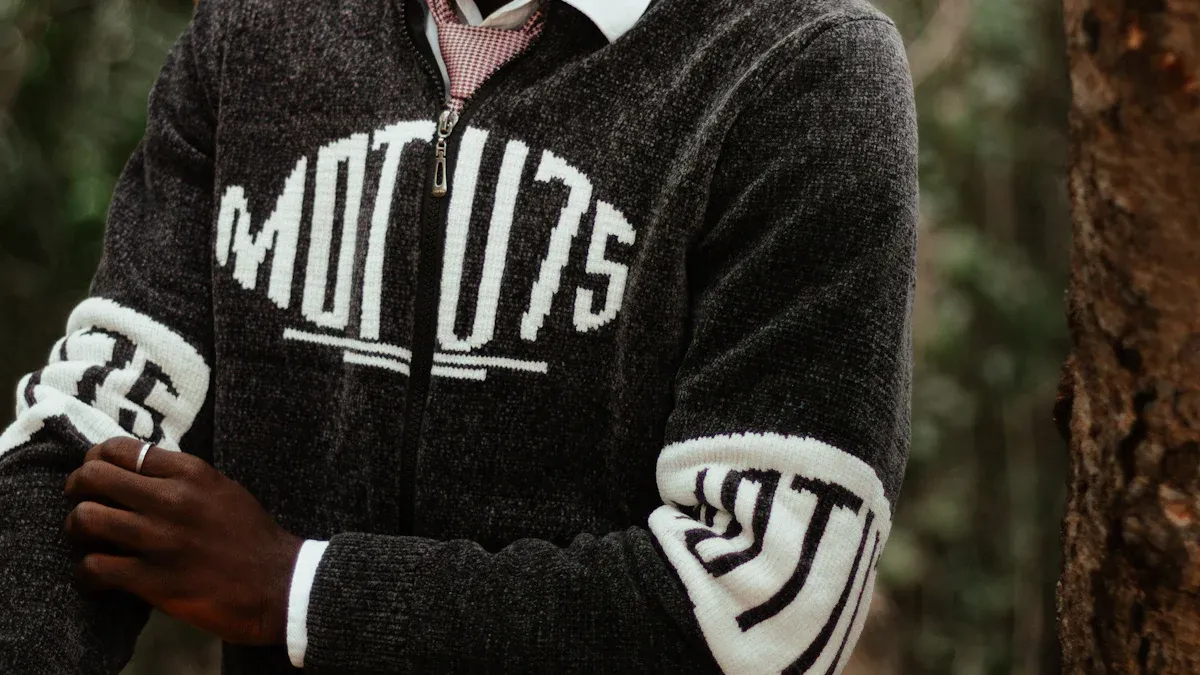
You make big choices when you pick yarn for custom knitwear. The yarn’s texture, color, and weight change how your garment feels. Soft yarns make clothes cozy. Thick yarns add warmth and shape. Light yarns feel delicate. Picking the right yarn helps you make quality knitwear.
Stitch patterns matter a lot too. Simple stitches like stockinette or rib look classic. Fancy patterns like cables or lace make your design special. These patterns do more than look nice. They help shape the garment and make it stronger. Modern Jacquard knitting machines use up to six yarn colors. This lets you make complex patterns with a pixel-art look. The result is a high-quality finish that lasts a long time.
Tip: Always test your yarn and stitch pattern together. Swatch a small sample to see how they work. This step helps you avoid surprises in the final product.
Manufacturers need certain details to make sure your knitwear is right. Here is a table showing what they check:
|
Detail Type |
Description |
|---|---|
|
Detailed Inspection |
Inspectors look for loose threads, uneven stitches, and color changes to check quality. |
|
Confirming Product Specifications |
They check sizes, design details, and customer needs to meet expectations. |
|
Labeling and Branding Elements |
Labels and branding help people know your product and give important information. |
|
Packaging for Protection |
Careful folding and good packaging stop damage and make your product look nice. |
Sizing, Fit & Care Instructions
You must pay close attention to sizing and fit. Knitwear stretches and moves differently than woven fabrics. Always give clear measurements for each size. Show how the garment should fit on the body. Add notes about how much the knit will stretch after washing or wearing. This helps the manufacturer make pieces that fit well and feel good.
Care instructions help keep knitwear looking nice. You help customers enjoy their garments longer by giving clear care steps. Here are the most important care instructions:
-
Washing Instructions: Hand wash or use a gentle cycle with cold water and mild detergent. Do not use fabric softeners.
-
Drying Instructions: Never hang to dry; lay flat to dry and keep out of direct sunlight.
-
Ironing Instructions: Do not iron directly; use steam instead.
-
Storage Tips: Always fold knitwear, use bags that let air in, and let items air out between washes.
Note: Good care instructions keep your knitwear from shrinking, stretching, or fading. Always include them in your tech pack.
When you focus on yarn, stitch patterns, sizing, and care, you help make knitwear that looks good and lasts longer. These details make your tech pack complete and help everyone in production.
Digital Tools & Templates for 2025
Tech Pack Software
You can use tech pack software to make your job easier. These programs help you keep all your knitwear details in one spot. You type in measurements, yarn types, and color codes. Many designers use Techpacker, WFX, or Backbone PLM. These tools let you change your tech pack fast if your design changes. You can share your tech pack with factories right away. This keeps everyone working together and helps stop mistakes.
Tech pack software lets you save templates for later projects. You save time because you do not start over every time. Some programs remind you if you forget something important. You can also add notes and feedback for your team.
Tip: Pick tech pack software that fits how you work. Look for cloud storage, version control, and easy sharing.
Digital Sketching Tools
Digital sketching tools help you draw clear technical sketches for knitwear. You use programs like Adobe Illustrator, CLO3D, or Procreate. These tools help you show details like stitch patterns, seams, and trims. You can zoom in to see small parts or use layers for different pieces.
When you use digital sketching tools, your drawings match your real garment size. You add measurement points and templates to your sketches. This makes your instructions clear for the factory. Digital sketches help stop confusion and make sure your design is right.
Designers say digital sketching tools make technical sketches more accurate. You can use templates and measurement points to show your ideas. This helps you explain your design clearly.
Note: Practice with digital sketching tools before big projects. Try drawing simple shapes and add measurement points.
Create Tech Packs with Templates
Templates help you make tech packs faster and with fewer mistakes. You use ready-made templates to organize your information. These templates have spots for sketches, measurements, yarn details, and packing steps. You fill in each part so you do not forget anything.
Using templates has many good points. You talk clearly with factories, so they can focus on making good clothes. You save time and money because you do not rewrite everything for each project. Templates help you keep your details correct and the same every time. Your tech pack looks neat, and factories see you know the process.
Here is a table that shows why using tech pack templates helps:
|
Advantage |
Description |
|---|---|
|
Standardized Communication |
Clear documents help factories focus on making good clothes. |
|
Time and Cost Efficiency |
Using templates saves time and stops costly mistakes. |
|
Precision and Consistency |
Detailed info makes sure each piece matches your plan. |
|
Professionalism |
A neat tech pack shows you understand how production works. |
You can find free or paid templates online or in tech pack software. Some brands make their own templates to match their style. When you use templates, you work faster and do not miss important details.
Tip: Check your template before you send your tech pack. Make sure every part is filled out and easy to read.
Collaboration Platforms
You need strong teamwork to create tech packs for custom knitwear in 2025. Collaboration platforms help you work with your team, suppliers, and manufacturers. These tools let everyone see the same information at the same time. You can share files, give feedback, and track changes. This makes your work faster and more accurate.
Many designers use platforms like Slack, Microsoft Teams, and Asana. These tools help you talk to your team and keep track of tasks. You can send messages, share updates, and set reminders. When you use these platforms, you do not lose important details. Everyone knows what to do and when to do it.
Cloud storage platforms like Google Drive and Dropbox let you store your tech pack files online. You can upload sketches, measurement sheets, and yarn details. Your team can open these files from anywhere. This helps you create tech packs even if your team works in different places. You do not have to worry about losing files or sending the wrong version.
Some platforms focus on fashion and product development. Tools like Techpacker, WFX, and Backbone PLM let you create tech packs and share them with your team. You can add comments, mark changes, and approve updates. These platforms keep a record of every change. You can always go back and see what changed and why.
Here is a table that shows how different collaboration platforms help you:
|
Platform |
Main Use |
Key Feature |
|---|---|---|
|
Slack |
Team Communication |
Real-time messaging |
|
Google Drive |
File Sharing |
Cloud storage and access |
|
Techpacker |
Tech Pack Management |
Version control and feedback |
|
Asana |
Task Management |
Assign and track tasks |
|
Microsoft Teams |
Meetings & Chat |
Video calls and file sharing |
Tip: Pick a platform that matches your team’s needs. Try a few options before you decide.
You can use these platforms to create tech packs with your team. You upload sketches, add comments, and check each step together. This teamwork helps you spot mistakes early. You save time and avoid confusion.
When you create tech packs, you need everyone to understand the plan. Collaboration platforms make this easy. You can invite your manufacturer to see your tech pack. They can ask questions or suggest changes. This open line of communication helps you get better results.
You should set clear rules for using your platform. Decide where to upload files and how to name them. Make sure everyone knows how to give feedback. This keeps your project organized and easy to follow.
Note: Good teamwork helps you create tech packs that are clear and complete. Use collaboration platforms to keep everyone connected and working toward the same goal.
Common Mistakes in Knitwear Tech Packs
Insufficient Detail & Clarity
You must give clear instructions in your tech pack. If you leave out details, factories will not know what you want. Unclear language makes it hard for them to follow your design. When you do not explain your ideas well, factories might guess. This can cause mistakes and delays. You may get products that do not look like your plan.
A tech pack is like a guidebook for the factory. It tells them what to do step by step. If you skip important facts, you might have quality problems. Even skilled designers can make mistakes if they do not give enough detail. This is a bigger problem when you work with factories in other countries. Language and time differences can make things harder.
Here are some problems you might face if you do not give enough detail or clarity:
-
Factories guess your design and make mistakes.
-
Teams do not understand your instructions.
-
Quality checks are hard because the factory does not know your rules.
-
Miscommunication grows when you work with people far away.
-
Production is slow because teams need to ask more questions.
Tip: Always check your tech pack for missing or unclear details before you send it to the factory.
Overlooking Construction Info
You must add clear construction steps in your tech pack. If you forget, the factory will not know how to make your knitwear. This can cause confusion and mistakes when they build your design. Construction details show how to put the garment together. They also show what stitches to use and how to finish the edges.
Industry checks show that missing construction steps is a common mistake. The table below lists errors you might see:
|
Mistake Type |
Description |
|---|---|
|
Lack of Construction |
Not adding clear construction steps, so the factory is confused. |
|
Missing Specifications |
Not giving the right measurements, which is needed for good fit. |
|
Undefined Tolerances |
Not saying how much size can change, so pieces may not match. |
|
Inadequate Visuals |
Bad pictures or drawings can make teams misunderstand your design. |
You should always add step-by-step notes, stitch pictures, and clear drawings. This helps the factory build your design the right way. If you skip these steps, your product may not look or fit as you want.
Outdated Templates & Tools
You need to use new templates and digital tools for your tech pack. Old templates and tools can slow you down and cause mistakes. If you use old documents, you might miss changes or updates. This can confuse your team and cause errors.
Here is a table that shows how old templates and tools can hurt your work:
|
Issue Type |
Description |
|---|---|
|
Version Control Issues |
Old templates make it hard to track changes, so mistakes and delays happen. |
|
Miscommunication |
No real-time updates means team members miss important news. |
|
Accessibility Problems |
Old tech packs are spread out, so team members cannot find them easily. |
|
Inefficient Collaboration |
Static documents make it hard to give quick feedback, which slows down production. |
Modern tech pack software and online tools help your team stay updated. Real-time updates make sure everyone has the answer they need. Online tools give you one place to keep and share your tech pack. This helps your team make fewer mistakes and work faster.
Note: Update your templates and use digital tools to avoid errors and keep your production process smooth.
Miscommunication with Manufacturers
Miscommunication with manufacturers can make your knitwear project hard. If you do not give clear information, the factory may get confused. This can cause delays, cost more money, or make products that do not look right. You should know why miscommunication happens and how to stop it.
Why Miscommunication Happens
-
You use words or technical terms the factory does not know.
-
You send tech packs that do not have all the details.
-
You do not check if the manufacturer understands your instructions.
-
You only use email or text, and some information gets lost.
-
You forget to tell the factory when you change your design.
Tip: Ask your manufacturer to confirm they understand your tech pack. A short video call or message can help you avoid mistakes.
Common Results of Miscommunication
|
Problem |
What Happens to Your Project |
|---|---|
|
Wrong Yarn or Color |
The factory picks the wrong materials. |
|
Incorrect Sizing |
Garments do not fit the way you planned. |
|
Missed Deadlines |
Production takes longer than you wanted. |
|
Quality Issues |
Products have defects or look unfinished. |
You can stop these problems by following easy steps. First, use simple and clear language in your tech pack. Do not use slang or words that might confuse the factory. Second, add lots of pictures. Use technical sketches, photos, and diagrams to show your ideas. Third, always check your tech pack before you send it. Make sure you include every detail, like yarn type, color codes, and measurements.
How to Improve Communication
-
Set up regular meetings with your manufacturer.
-
Use collaboration platforms to share updates and feedback.
-
Send samples or swatches when you can.
-
Ask for a sample or prototype before making everything.
-
Keep track of all changes and agreements.
Note: Good communication helps you trust your manufacturer. When you work together, you get better results and fewer surprises.
You are important in making sure your tech pack is clear. When you explain your ideas well, you help the factory do a good job. Clear communication means high-quality knitwear and happy customers.
Knitwear Tech Pack Checklist
Review Essential Items
You need a checklist to finish your knitwear tech pack. This helps you not forget important things. A table can help you keep track of the main parts. Each part helps you talk clearly with your manufacturer.
|
Component |
Description |
|---|---|
|
Design sketches |
Clear visuals that show the garment from multiple angles. |
|
Bill of materials (BOM) |
A list of fabrics, trims, hardware, and all other components used in the garment. |
|
Colorways |
Style variations based on different colors or prints. |
|
Measurement specs |
A size chart with detailed measurements and allowable tolerances. |
|
Construction details |
Notes on stitching, seams, and other construction instructions. |
|
Labeling and packaging |
Placement and specs for tags, care labels, and packaging materials. |
|
Sample comments |
Notes and feedback from sample reviews or fitting rounds. |
Check every item before you send your tech pack to the factory. Design sketches show your ideas from all sides. The bill of materials lists everything the factory needs. Colorways show style choices. Measurement specs help the garment fit right. Construction details tell the factory how to make your design. Labeling and packaging instructions keep your product looking neat. Sample comments share what you learned from fitting tests.
Tip: Use this checklist each time you make a tech pack. You will find missing things and make fewer mistakes.
Final Quality Control
You must check your tech pack for quality before making anything. This step helps you find mistakes and stop problems. A final quality check looks at every detail. You look for stains, holes, wrong labels, pressing marks, and loose threads. You also check if the measurements match your size chart.
Here is a table that shows how quality control works:
|
Quality Checkpoint |
Description |
Importance |
|---|---|---|
|
Final Quality Check of Garment |
Inspect every cleaned and pressed garment to meet standards before packaging. |
This is the last chance to catch defects before shipment. |
|
Common Issues Detected |
Stains, holes, labeling errors, pressing marks, loose threads. |
Fixing these problems reduces manufacturing defects. |
|
Best Practices |
Use visual, functional, and measurement checks. Integrate QC checklists into digital systems. Standardize pressing, folding, and presentation. |
These steps improve quality and reduce the risk of rejected products. |
You should use different ways to check for problems. Visual checks help you see stains or holes. Functional checks make sure the garment works right. Measurement checks make sure the size is correct. You can use digital tools to keep track of quality checks. Folding and packaging the same way every time helps your product look good.
Note: Careful quality checks protect your brand and make customers happy. You lower the chance of returns and complaints.
Now you have a checklist and a way to check quality. These steps help you make great knitwear and build trust with your manufacturer.
You now know how to make tech packs for custom knitwear by following these steps: First, draw technical sketches that show your design clearly. Next, make a specification sheet with all the important measurements. Then, write down every material you will use in a bill of materials. After that, explain how to put the garment together and how to assemble it. Add a cost sheet to show how much everything will cost. Outline how to pack and label your knitwear. Last, check every part to make sure it is correct.
When you pay close attention to details and use digital tools, you make fewer mistakes and work better with your team. A checklist helps you keep your tech pack organized and easy to understand. Keep learning about new ways to make tech packs for custom knitwear so you can stay ahead in the industry.
|
Benefit |
Explanation |
|---|---|
|
Reduce Miscommunication |
Tech packs help designers and manufacturers understand each other and make fewer mistakes. |
|
Quality Control |
They help you check if samples match your plans and standards. |
|
Collaborative Environment |
Tech packs let everyone share ideas and work together more easily. |
-
Keep learning about new tools and ways to work.
-
Use checklists to catch mistakes and make sure you include every detail.
FAQ
What is a tech pack for knitwear?
A tech pack is a document that shows your design, measurements, yarn, colors, and instructions. You use it to tell the manufacturer exactly how to make your knitwear.
Why do you need digital tools for tech packs in 2025?
Digital tools help you work faster and avoid mistakes. You can update your tech pack easily and share it with your team or manufacturer in real time.
How do you choose the right yarn for your design?
You pick yarn based on texture, weight, and color. Test a small sample to see how it looks and feels. This step helps you make sure your knitwear matches your vision.
What details should you never skip in a knitwear tech pack?
Never skip measurements, yarn type, stitch patterns, and care instructions. These details help the manufacturer make your knitwear correctly and avoid errors.
How can you avoid miscommunication with manufacturers?
Use clear language and add technical sketches. Share reference images and color codes. Ask your manufacturer to confirm they understand your tech pack.
What is the best way to check your tech pack before sending?
Use a checklist to review every section. Look for missing details, unclear instructions, or errors. Double-check measurements and material lists.
Can you reuse tech pack templates for new designs?
Yes, you can reuse templates. Update the details for each new style. Templates help you save time and keep your tech packs organized.
What should you do if you change your design after sending the tech pack?
Update your tech pack right away. Tell your manufacturer about the changes. Use digital tools to share the new version and avoid confusion.