
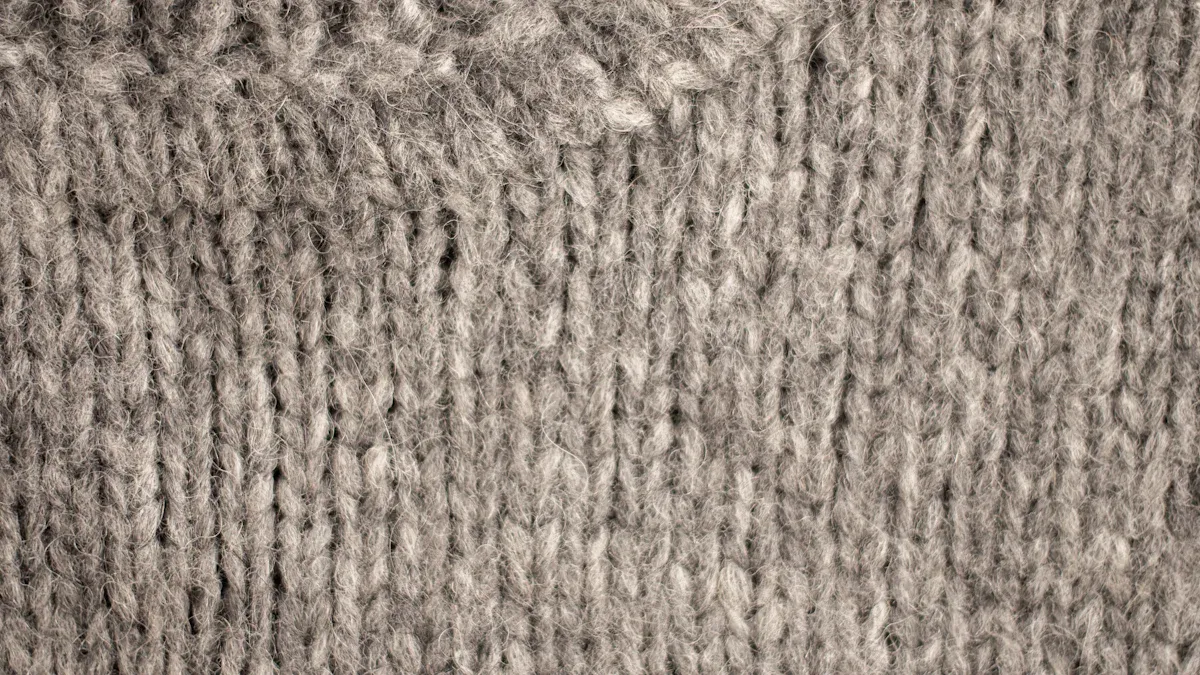
If you make knitwear, you know that defects can be quite frustrating. The most common problems include broken stitches, long thread ends, and oil stains. These issues often arise from improper machine settings, dull needles, or inadequate trimming. Here is a quick chart:
Defect | Cause | Impact |
|---|---|---|
Broken Stitch | Machine setting, dull needle | Hurts how strong and nice it looks |
Long Thread Ends | Poor trimming | Makes clothes look untidy |
Oil Stain | Dirty machines | Lowers quality and means more fixing |
You want your knitwear to look good and last long. Learning how to reduce defects in custom knitwear production is essential for keeping customers happy and maintaining your brand’s reputation.
Key Takeaways
Find common knitwear problems like broken stitches and oil stains to make quality better. Check machines and materials often to find problems early and make less waste. Do quality control checks at every step to keep things the same. Use the DMAIC process from Six Sigma to lower problems in making knitwear. Teach your team often so they can see and fix problems fast. Keep machines set right to make sure stitches are even and patterns are correct. Watch dye lots closely to stop color problems in your knitwear. Always look for ways to get better to make your knitwear quality higher over time.
Why Reducing Knitwear Defects Is Essential
You want your knitwear to look great. Stopping defects helps your business and keeps your good name. It also saves you money. Here’s why it matters.
Impact on Quality
Defects show up in many ways. You might see holes or needle lines. Sometimes, the fabric has thick or thin spots. Snagging and barré effects make it look rough. Slubs and oil stains leave marks you can see. Color shade changes and uneven stitches make things look odd. Off count or uneven stitches make the fabric look weird. Press-off or breaks can stop work and waste material. Yarn or fiber from other places and crease marks also hurt quality.
Holes and needle lines make fabric weak.
Drop stitches make ladders that look messy.
Thick and thin spots feel strange.
Snagging and barré effects make it rough.
Slubs and oil stains leave marks.
Color shade changes and uneven stitches look bad.
Press-off and contamination can mean you throw it away.
If you find problems early, your knitwear stays strong and looks nice. Good quality means fewer returns and happy customers.
Customer Satisfaction
Customers see defects fast. If a sweater has thin spots or breaks, they remember. About 63% of shoppers say fabric feels thinner now. More than half think clothes do not last long. Many notice cotton clothes use other fibers, which changes how they feel.
Tip: Listen to what customers say. If people complain about how long things last or how they look, check your work for mistakes.
Fixing defects builds trust. Customers buy again when your knitwear lasts.
Cost and Waste
Defects cost you money. You pay more for repairs and replacements. You also waste materials. Fixing problems takes time and uses resources. If you ignore defects, you lose customers and hurt your brand.
Problem | Extra Cost | Waste Created |
|---|---|---|
Repairs | High | Medium |
Replacements | Very High | High |
Returns | High | Medium |
Lost Customers | Highest | N/A |
You can use methods like Six Sigma to find and fix errors. These ways help you track problems, make things better, and save money.
Remember: Fewer defects mean less waste, lower costs, and a stronger business.
Common Garment Defects in Knitwear
Needle-Line
You might spot a faint vertical line running down your knitwear. This is called a needle-line. It happens when a needle in the knitting machine bends or gets damaged. Sometimes, the wrong needle gets used or put in the wrong spot. These mistakes cause stitches to look different in a straight line, making the fabric look odd.
Problem | What Happens |
|---|---|
Needle Line | Bent or wrong needles form distorted stitches in a vertical line on the fabric. |
If you see a needle-line, check the needles right away. Replace any bent or damaged ones. Always use the correct needle type for your machine. This simple step helps you avoid these fabric defects and keeps your garments looking smooth.
Holes and Lycra Breaks
Holes are one of the most common garment defects in knitwear. You might notice a small gap or tear, usually about 3 mm wide. These holes often come from yarn breakage or cracks. If you use the wrong yarn count or the yarn tension is uneven, you can get holes or even Lycra breaks. Bad splicing or knots in the yarn also cause problems. Sometimes, the yarn feeder is not set up right, which leads to production errors.
Factor | Description |
|---|---|
Yarn breakage | Holes are the results of yarn breakage or yarn cracks. |
Incorrect yarn count | Wrong yarn count for structure, gauge, course, or density. |
Bad splicing | Poorly knotted or spliced yarn can lead to holes. |
Uneven tension | Lycra breaks and holes from uneven tension. |
Yarn feeder badly set | Incorrect settings cause production faults. |
You can prevent these fabric defects by checking your yarn before you start. Make sure the yarn count matches your design. Set the tension right and double-check the yarn feeder. Fixing these small things helps you avoid big problems later.
Oil Stains and Sinker Marks
Oil stains are easy to spot. They leave dark, greasy marks on your knitwear. These stains come from dirty sewing machines or oil dripping onto the fabric. Sinker marks are another type of garment defect. They show up as lines or dents in the fabric. Worn-out or damaged sinkers in the knitting machine cause these marks. Sometimes, the sinkers are not set right, or the yarn tension is off. Poor machine maintenance can make these production errors worse.
Here are some ways to keep your garments clean and free from these issues:
Clean your sewing machines often to stop oil from building up.
Place a cloth under the pressure foot to catch extra oil.
Keep your workstation tidy to avoid oil and grease.
Try using dry head sewing machines to lower the risk of oil stains.
Tip: Regular cleaning and good machine care help you avoid oil stains and sinker marks. This keeps your knitwear looking fresh and professional.
By watching out for these common garment defects, you can catch problems early and keep your production line running smoothly.
Knit Fly and Other Issues
Knit fly can sneak up on you during knitwear production. You might see tiny fibers or lint floating in the air or sticking to your machines. These loose fibers, called “knit fly,” come from yarn rubbing against machine parts. Knit fly can land on your garments and make them look messy. If you ignore it, you might end up with lint spots, uneven surfaces, or even weak spots in your fabric.
You want to keep your workspace clean and your knitwear looking sharp. Here’s how you can spot and prevent knit fly and similar problems:
Watch for lint buildup: Check your machines and work area often. If you see dust or fiber piles, you probably have a knit fly problem.
Check your fabric tightness: Tighter knits can create more fiber fly. The yarns rub together more, which makes more lint. If you notice extra lint, try using a looser knit or adjust your machine settings.
Control moisture: Adding a bit of moisture to the air helps. When fibers get a little wet, they swell up. This swelling makes them stick together better, so fewer fibers break free. Cotton and other natural fibers get even stronger when wet, which helps cut down on knit fly.
Pick the right yarn: Some yarns shed more than others. If you use cotton, you might see more lint, but wet cotton holds together better. Synthetic yarns sometimes shed less, but you should always test your yarn before starting a big run.
Clean machines regularly: Wipe down your machines and oil them as needed. A clean machine means less friction and fewer loose fibers.
Use proper ventilation: Good airflow helps remove floating fibers from your workspace. This keeps your garments and machines cleaner.
Tip: If you see lint or dust on your finished garments, use a lint roller or air blower before packing. This small step can make your knitwear look much more professional.
Other issues can pop up, too. You might see loose threads, misaligned seams, or even small snags. Sometimes, you find contamination from other fibers or dust. These problems often come from poor handling, dirty workspaces, or worn-out tools.
Here’s a quick checklist to help you avoid these extra issues:
Trim threads carefully after sewing.
Store yarn and garments in clean, dry places.
Replace old needles and tools often.
Train your team to spot and fix small problems early.
If you stay alert and keep your workspace tidy, you can stop knit fly and other small defects before they turn into big headaches. Your customers will notice the difference in quality, and you’ll spend less time fixing mistakes.
How to Reduce Defects in Custom Knitwear Production
Six Sigma and DMAIC
You want to know how to reduce defects in custom knitwear production. One proven way is to use Six Sigma and the DMAIC process. DMAIC stands for Define, Measure, Analyze, Improve, and Control. This method helps you spot problems, fix them, and keep them from coming back.
Here’s how DMAIC works for knitwear:
Define: You set clear goals for quality and find out what defects you need to fix.
Measure: You collect data on your production errors and see how often they happen.
Analyze: You look for patterns and root causes. Maybe a certain machine or yarn type causes more trouble.
Improve: You make changes, like adjusting machine settings or training your team.
Control: You keep an eye on the process to make sure the improvements stick.
When you use DMAIC, you get real results. Studies show that defect rates can drop from 12.61% to 7.7%. The Sigma level, which measures quality, goes up from 2.64 to 2.93. Another report found that defects fell from 11.23% to 7.6% after using DMAIC. These numbers prove that a systematic approach works.
If you want fewer defects and better quality, Six Sigma and DMAIC give you a clear path. You can track your progress and see real improvements in your knitwear.
Quality Control Checks
Quality control checks are your best friend when you want to know how to reduce defects in custom knitwear production. You need to check every step, from yarn to finished garment. If you skip these checks, you risk letting production errors slip through.
Here’s a table that shows the best practices for quality control in knitwear:
Checkpoint | What It Involves | Responsible Department | Why It’s Critical | Common Issues Detected | Best Practices |
|---|---|---|---|---|---|
Yarn Check | Inspect incoming yarn for color, strength, and contamination. | Quality Assurance | Yarn quality is the foundation. | Color variation, weak yarn. | Use lab dips, random strength tests. |
Pre-Production Sample Eval. | Check garment for construction, fit, and design accuracy. | Sampling | Ensures accuracy before bulk production. | Tension errors, wrong size. | Use same yarn lot, cross-check tech pack. |
Size Set Checking | Inspect samples in all intended sizes. | Sampling | Ensures consistent size grading. | Uneven sizes, fit issues. | Fit checks on mannequins, align with standards. |
Inline Panel Check | Random checks of knitted panels on the machine. | Quality Assurance | Early detection prevents waste. | Missed loops, holes. | Visual inspection, train operators. |
Final Quality Check | Inspect cleaned and pressed garments before shipment. | Quality Assurance | Last chance to catch defects. | Stains, holes, label errors. | Layered inspection, QC checklists in ERP. |
You need to set up checkpoints at every stage. If you catch problems early, you save time and money. You also keep your customers happy with better quality. Make sure your team knows what to look for and follows the best practices. If you use lab dips for yarn color and random strength tests, you avoid surprises later. Always use the same yarn lot for samples and bulk runs. Cross-check your tech pack to make sure every detail matches.
If you want to avoid production errors, don’t skip quality control. Regular inspection keeps your knitwear looking sharp and professional.
Four-Point Inspection System
The Four-Point Inspection System is another smart way to learn how to reduce defects in custom knitwear production. This system gives you a clear, fair way to grade fabric quality. You look at every piece and assign points based on what you see.
Here’s how the Four-Point Inspection System works:
Feature | Description |
|---|---|
Standardization | You use the same method every time, so grading stays fair and consistent. |
Penalty Points | You give points for each defect, so you can measure how bad the problem is. |
Major vs Minor Defects | You focus on big problems, not tiny ones, so you fix what matters most. |
Grading Scale | You use a scale from 1 to 4 points, depending on how serious the defect is. |
Total Defect Calculation | You add up points for 100 square yards to decide if the fabric passes. |
If you use this system, you catch major defects before they reach your customers. You can train your team to spot problems and use the grading scale. If the total points go over the limit, you know the batch needs more work. This method helps you keep your standards high and your quality strong.
You want your knitwear to look great and last long. If you use Six Sigma, quality control checks, and the Four-Point Inspection System, you will see fewer production errors and better results. These tools show you how to reduce defects in custom knitwear production and keep your brand reputation strong.
Digital Tools and Equipment
You want your knitwear to look great every time. Digital tools and smart machines can help you do this. Many factories now use special machines and software to find mistakes early. These tools work quickly and can see things people might miss.
Let’s see how some companies use digital tools to make better knitwear:
Manufacturer/Partner | AI Implementation | Results |
|---|---|---|
EasyODM | Machine vision software | Detects 99% of wrinkle defects for flawless fabrics. |
EverLighten | AI vision system for fabric and stitching | Achieved a 90% reduction in defective products. |
These systems really help a lot. They use cameras and smart programs to check each piece of fabric. If they find a wrinkle or bad stitch, they tell you right away. You can fix the problem before it gets worse.
Here are some ways digital tools and equipment help you stop defects:
AI looks at machine data and warns you before something breaks. This can lower surprise machine stops by 40%.
Smart systems can tell you what kind of machine stop happened with 92% accuracy. You can fix the right part quickly.
New knitting machines use less energy, sometimes up to 25% less. This saves money and helps the earth.
Real-time fabric defect detection in the system finds problems fast. It stops bad fabric before it moves forward. The system can remove 95% of fabric defects and cut down on rework to keep fabric quality high.
You do not have to be a tech expert to use these tools. Most systems are easy to set up and use. You just need to train your team and keep machines clean. When you use digital tools, you find problems early, save time, and make your knitwear look better.
If you want to do well in the knitwear business, try using smart tools in your factory. You will have fewer defects, happier customers, and a stronger brand.
Pattern and Stitching Issues
Incorrect Pattern Cutting
Pattern cutting mistakes can ruin your knitwear before you even start sewing. You might see problems like wrong sizes, missing notches, or uneven seams. These issues often happen when you use the wrong pattern, skip fabric checks, or ignore shrinkage reports. Sometimes, workers cut the wrong size ratio or forget to mark notches. Untrained staff may also make numbering mistakes or follow the wrong cutting plan.
Here’s what you should watch for:
Wrong patterns that don’t match shrinkage or fit comments.
Cutting the wrong size ratio because of carelessness.
Skipping fabric quality checks.
Missing notch marks due to oversight.
Numbering mistakes from lack of training.
Not following the daily cutting plan.
You can prevent these problems by double-checking your patterns and making sure your team follows every step. Always review shrinkage reports and fit comments before you cut. Train your staff to mark notches and number pieces correctly. Stick to your cutting plan and check fabric quality before you start.
Tip: Use a checklist for every cutting job. This helps you catch mistakes early and keeps your patterns accurate.
Inconsistent Stitching
Stitching problems can make your knitwear look messy and weak. You might see broken stitches, skipped stitches, or open seams. Uneven stitching often comes from poor thread tension, wrong needle size, or operator errors. Sometimes, you get puckering if the stitches per inch (SPI) are off or the fabric feeds unevenly.
Common stitching issues include:
Skip stitch from wrong needle size or blunt needle.
Puckering caused by high thread tension or bad SPI.
Uneven stitch from inconsistent tension or handling errors.
Thread breakage due to poor thread quality or damaged needle eye.
Needle breakage from fabric thickness mismatch.
Open seam from low SPI or not enough seam allowance.
Loose stitch from low thread tension.
Seam slippage from weak seams or slippery fabric.
Seam grin when the fabric spreads at the seam.
When stitching is inconsistent, your garment can fall apart or look unprofessional. Open seams and broken stitches make knitwear less durable. Puckering and uneven stitches hurt the look and feel of your clothes.
You can fix these problems by checking your thread tension, using the right needle, and training your team to handle fabric carefully. Always use good quality thread and keep your needles sharp.
Maintaining Correct SPI
SPI, or stitches per inch, is a key part of making strong and neat knitwear. If you use the right SPI, your seams stay tight and your garments last longer. Too few stitches make seams weak and easy to break. Too many stitches can make the fabric stiff or cause puckering.
Here’s a quick guide for recommended SPI:
Garment Type | Recommended SPI |
|---|---|
Jeans / Denim | 7 – 9 |
Shirt / Blouse | 10 – 14 |
T-shirt / Knit | 12 – 16 |
Underwear / Lingerie | 14 – 20 |
Jacket / Heavy Fabric | 6 – 8 |
Higher SPI means stronger, denser seams.
Lower SPI can lead to weak seams and more defects.
You should always set your machines to the right SPI for each garment type. Check your settings before you start and do test runs on scrap fabric. If you notice uneven SPI, retrain your operators and recalibrate your machines.
Note: Keeping SPI consistent helps you avoid seam problems and keeps your knitwear looking professional.
Machine Calibration
You want your knitwear to look sharp and last long. Machine calibration plays a huge role in making that happen. If you skip this step, you might see crooked seams, uneven stitches, or patterns that just don’t line up. When your machines run out of sync, even the best yarn and skilled workers can’t save your garments from defects.
So, what does calibration mean for you? It’s all about making sure your knitting machines, cutters, and sewing equipment work exactly as they should. You check the settings, adjust the tension, and test the stitch length. You also make sure the cutting blades stay sharp and the pattern guides line up perfectly. If you do this often, you catch small problems before they turn into big headaches.
Let’s break down why regular calibration matters:
Consistent Stitching: When you calibrate your machines, you keep the thread tension steady. This means your stitches stay even and strong. You won’t see loose seams or skipped stitches.
Accurate Patterns: Calibration helps your machines cut and sew with precision. Your patterns match up every time, so you avoid misaligned panels and odd shapes.
Less Wear and Tear: Machines that run smoothly don’t wear out as fast. You spend less on repairs and replacements.
Fewer Defects: You catch issues early. This means fewer holes, puckers, or crooked seams in your finished knitwear.
Tip: Set a regular schedule for machine calibration. Some factories do it every week, while others check before each big production run. Find what works for you and stick to it.
Here’s a simple checklist to help you keep your machines in top shape:
Calibration Task | How Often | Why It Matters |
|---|---|---|
Check thread tension | Weekly | Prevents loose or tight seams |
Test stitch length | Weekly | Keeps stitches even |
Sharpen cutting blades | Monthly | Ensures clean pattern cuts |
Align pattern guides | Before runs | Avoids misaligned panels |
Inspect needle wear | Weekly | Stops skipped stitches |
You don’t need fancy tools to get started. Most machines come with basic guides and adjustment knobs. If you’re not sure how to calibrate, ask your supplier or watch a quick video. Many brands offer easy-to-follow instructions.
Regular calibration does more than just keep your machines running. It helps you deliver high-quality knitwear every time. You’ll see fewer returns, happier customers, and a stronger reputation for your brand. When you make calibration part of your routine, you set yourself up for success.
Note: Calibration isn’t a one-time thing. Make it a habit, and you’ll notice your knitwear looks better, feels stronger, and lasts longer. Your customers will thank you!
Sizing and Material Defects
Sizing Inaccuracies
Sizing mistakes can cause big problems for you and your customers. Sometimes sweaters feel too tight or sleeves are too long. These problems often happen when patterns are wrong or fabric changes are ignored. You need to pay close attention to your patterns to avoid these mistakes.
0% Shrinkage Patterns show the real size of the garment before any changes. You use these to check if your design fits right at the start.
Sewing Loss–Added Patterns have extra space for fabric stretch and seams. These patterns help your finished knitwear match the size you want.
Key Difference: If you mix up these patterns, your clothes might not fit. Always check which pattern you are using for each step.
When you use the correct pattern and think about shrinkage, you make fewer sizing mistakes. This keeps your customers happy and helps you avoid errors in production.
Yarn and Fiber Inspection
You want your knitwear to feel soft and last a long time. Yarn and fiber inspection helps you find problems before your customers do. If you skip this step, you might see holes, stains, or rough spots in your clothes.
Here is a simple checklist to help you find material defects:
Look for bad carding or combing during spinning. This can leave lumps or knots in the yarn.
Watch for dirt or other fibers during transport or storage. These can cause stains or color changes.
Make sure your yarn comes from good suppliers. Mixed-quality yarn can make your fabric weak or uneven.
You can use tests like fabric weight, colorfastness, and strength to check your material. These tests help you find holes, stains, slubs, and neps before they become bigger problems.
Common Fabric Defect Types | Key Tests and Measurements |
|---|---|
Holes and tears | Fabric weight (GSM) |
Stains and discoloration | Fabric width and length |
Slubs and neps | Thread count |
Skewing and bowing | Colorfastness testing |
Color shading | Shrinkage testing |
Crease marks | Strength testing |
Other common defects | Additional tests |
Tip: If you see small lumps (neps) or thick spots (slubs) in your yarn, stop and check your supplier. These problems can make your knitwear look uneven and feel rough.
Material Storage and Handling
How you store and handle your materials is very important. If you pile yarn carelessly or let dust build up, your fabric can get damaged before sewing starts. Good storage keeps your materials safe and clean.
Here is a table with easy storage rules:
Guideline | Description |
|---|---|
Inspect and maintain shelving | Stops shelves from breaking and hurting yarn. |
Install rack upright guards | Protects yarn from getting bumped. |
Ensure stable stacking | Stops yarn cones from sliding or falling. |
Keep storage areas clear | Reduces trips and keeps bugs away. |
Place heavier loads appropriately | Keeps stacks safe and stops accidents. |
Check your shelves often and keep your storage area neat. Put heavy yarn cones on lower shelves and stack everything safely. When you follow these steps, you protect your materials and lower the risk of defects in your knitwear.
Note: Clean storage and careful handling help you avoid damage and keep your production line running smoothly.
Color and Finishing Defects
Color Inconsistencies
You want your knitwear to look nice and match. Color inconsistencies can mess this up. Sometimes, you see shade changes or uneven dye spots. These problems happen when you mix fiber types or use different dyes. Changing the dyeing process can also cause issues. Even the weather can affect your colors. Manual dyeing can give different results than machines. Humidity and temperature matter a lot.
Different dyes react to heat and moisture.
Dyeing by hand or machine can change color.
Temperature changes can shift shades.
Special fabric treatments need extra care or colors change.
To avoid these problems, keep fiber types and dye lots the same. Always check the weather and your dyeing steps before starting. Regular inspection helps you catch color problems early.
Defect | Cause | Solution |
|---|---|---|
Shade variation | Changes in process, wrong pile direction, mixing fabrics | Use the same base material for each batch, number textile types correctly. |
Uneven dyeing/printing/dye marks | Bad base fabric, dyeing machine problems | Clean fabric before dyeing or printing. |
Color shade variation | Shade differences in the same batch | Keep dye lots and fiber types the same. |
Tip: Run a test batch before dyeing a full order. This helps you find color problems before customers do.
Finishing and Trimming Errors
Finishing and trimming mistakes can make knitwear look messy. You might see holes, needle lines, or dropped stitches. Sometimes, there are thick and thin spots or barré effects. Slubs can make the texture uneven. Oil stains and grease marks show up if machines are dirty. Crease marks and contamination from other fibers also hurt your product.
Here is a table of common finishing and trimming defects:
Defect Type | Description |
|---|---|
Hole / Needle Line | Needle damage during knitting or processing. |
Drop Stitch | Missed stitches form a ladder-like line. |
Thick & Thin Places | Uneven yarn thickness causes density changes. |
Snagging / Pulling | Loops pulled out by rubbing. |
Barré Effect | Stripes from yarn, dye, or tension differences. |
Slubs | Thick yarn spots make uneven texture. |
Oil Stains / Grease Marks | Stains from machine oil. |
Color Shade Variation | Shade differences in the same batch. |
Off Count / Uneven Stitch Density | Stitch density changes across fabric. |
Press-Off / Fabric Break | Breaks from knitting stoppage. |
Contamination | Foreign fibers or yarn in the fabric. |
Crease Marks | Permanent folds from handling or processing. |
You can stop these errors by keeping machines clean and checking work often. Regular inspection helps you find mistakes before shipping. Train your team to trim threads neatly and handle garments carefully.
Note: Clean machines and careful finishing help your knitwear look good and last longer.
Dye Lot Management
Dye lot management helps every batch match in color. When you control dye lots, colors stay steady and shade changes are rare. You need to check base fabric quality, use stable dyes, and keep the same dyeing method for each batch. If you skip these steps, colors can shift between batches.
You should:
Use the same base fabric for every batch.
Pick dyes that stay stable in all conditions.
Follow the same dyeing steps each time.
Keep records of each dye lot for tracking.
Good dye lot management means fewer color problems and happier customers. Regular inspection helps you spot issues early and keeps knitwear looking sharp.
Tip: Label and store dye lots separately. This stops mix-ups and keeps colors the same.
Final Product Inspection
You want your knitwear to look perfect when it reaches your customers. The final inspection is your last chance to catch any mistakes and make sure every garment meets your standards. If you skip this step, you risk sending out clothes with hidden defects, which can hurt your brand and disappoint buyers.
So, what should you check during final inspection? Here’s a simple guide:
Fabric Inspection: Start by looking at the fabric for any holes, stains, or color problems. You want to catch these issues before the garment goes out the door.
Cutting and Sewing Inspection: Check that every pattern matches the design and that stitching looks neat. If you see loose threads or uneven seams, fix them right away.
Assembly and Finishing Inspection: Make sure all parts of the garment are put together correctly. Look for missing buttons, crooked labels, or unfinished edges.
Pre-Shipment Inspection: Review the finished garments against your quality standards before packing them up. This step helps you spot anything you missed earlier.
You also need to make sure your knitwear matches what the buyer expects. Here’s what to look for:
Product Conformity: Compare the garment’s design, style, colors, and patterns to the approved sample. If something looks off, double-check before shipping.
Fabric & Trims: Inspect the main fabric, trims, labels, and hangtags. Everything should be clean, correct, and attached securely.
Measurements and Fit: Measure each piece to see if it matches the size chart. Try it on a mannequin or check the fit by hand.
Workmanship: Look at the stitch quality, thread color, and stitch density. You want every seam to be strong and every detail to look professional.
Packaging and Marking: Make sure the packaging protects the garment. Check that all shipping marks are clear and easy to read.
Compliance: Confirm that your product meets safety rules and customs requirements for the country it’s going to.
Why does this matter? The final inspection helps you:
Meet buyer expectations and avoid complaints.
Catch defects that slipped through earlier checks.
Protect garments from damage during shipping.
Prevent customs delays with correct packaging and labels.
Build trust and keep your brand reputation strong.
Tip: Use a checklist for every inspection. This helps you stay organized and makes sure you don’t miss anything important.
If you take your time with final inspection, you send out knitwear that looks great and lasts longer. Your customers will notice the quality, and you’ll feel proud of every piece you ship.
Quality Management and Continuous Improvement
Quality Management Systems
You want your knitwear to be good every time. A quality management system helps you check each step. You find problems early and keep your clothes looking nice. This system does more than just find mistakes. It helps you fix them and stop them from happening again. You can track problems and learn why they happen. Many factories get better results with these systems. One company lowered defects from 12% to 3%. That is a big improvement!
It keeps your clothes meeting quality rules.
It helps you have fewer defects and less waste.
It makes customers happier.
It uses technology to check quality.
It makes your supply chain easier to see.
It helps you make your production more green.
You do not need fancy tools to start. You can use checklists, simple tracking, or basic software. The important thing is to check each step and keep records. This helps you build trust with customers and keep your brand strong.
Staff Training and Accountability
Your team is important for quality assurance. If you want fewer mistakes, you must train your workers. Training helps them spot problems quickly. You can use samples and digital tools to teach them. Operator training helps your team find most defects.
Training Method | Description | Expected Outcome |
|---|---|---|
Operator Training | Teams learn to spot defects with samples and digital tools. |
Helping your team gives you better results. When you support workers and share tips, you see fewer mistakes. Working with suppliers also helps make better products. Healthy and happy workers do a better job and find problems early.
If you want your knitwear to be special, train your team often. Hold short meetings, share advice, and let your team ask questions. When everyone knows what to look for, you catch mistakes before customers see them.
Regular Production Inspections
One check is not enough to keep knitwear perfect. Regular inspections help you find problems at every step. You should check fabric, garments, and finished products. When you inspect often, you find problems before they get worse.
You find defects early and fix them fast.
You keep your quality checks strong.
You make sure every batch is good.
You lower returns and unhappy customers.
Fabric inspection is very important. You need to look for holes, stains, and color problems before sewing. Garment inspection helps you find stitching and sizing mistakes. Regular checks keep your production running well.
Tip: Use a checklist for each inspection. This helps you stay organized and makes sure you do not miss anything.
When you use quality systems, train your team, and inspect often, your business gets stronger. Your knitwear looks better, lasts longer, and keeps customers coming back.
Continuous Improvement Practices
You want your knitwear to get better with every batch. That’s where continuous improvement comes in. This practice means you always look for ways to make your production smoother and your garments stronger. You don’t wait for big problems. You fix small things before they grow.
Continuous improvement is not just a fancy business term. It’s a simple idea you can use every day. You watch your work, listen to your team, and try new methods. You keep asking, “How can I make this better?” When you do this, you raise your quality and keep your customers happy.
Here are some easy ways to start:
Hold quick team meetings: Ask your team what went well and what needs work. You might hear about a new way to trim threads or a faster way to check yarn.
Track your mistakes: Write down every defect you find. Look for patterns. Maybe you see more holes on Mondays or more oil stains after a machine change.
Test new ideas: Try a different cleaning schedule or a new inspection tool. See if your quality improves.
Ask for feedback: Talk to your customers. Ask them what they like and what they want to change. Use their answers to guide your next steps.
Celebrate small wins: When you fix a problem, share it with your team. A little praise goes a long way.
You can use a simple table to keep track of your progress:
Improvement Idea | Who Suggested It | Result After Change | Next Step |
|---|---|---|---|
New thread trimming | Operator | Fewer loose ends | Train all staff |
Weekly machine check | Supervisor | Less downtime | Add to checklist |
Yarn supplier switch | Manager | Stronger fabric | Review monthly |
Note: Continuous improvement is a journey, not a race. You don’t have to fix everything at once. Small changes add up over time.
You might want to use digital tools to help. Some factories use apps to track defects or set reminders for machine checks. These tools make it easier to spot problems and keep your quality high.
When you make continuous improvement part of your daily routine, you build a stronger team. Your staff feels proud of their work. Your knitwear looks better. Your brand stands out for quality. Customers notice when you care about every detail.
So, keep asking questions. Keep testing new ideas. Keep raising your standards. That’s how you make sure your knitwear gets better every day.
You can prevent many knitwear defects if you check patterns carefully. Inspect yarn before you use it. Keep your machines clean every day. Do regular inspections to catch problems early. Use digital tools to help find mistakes fast. Try using a quality management system to organize your work. Train your team often so everyone knows what to do. If you keep making small improvements, your knitwear will look better and last longer.
Want to make your knitwear even better? Look at your process and start using smart tools for higher quality today!
FAQ
What causes most knitwear defects?
You often see defects from poor machine settings, bad yarn, or mistakes during cutting and sewing. Dirty machines and rushed work also lead to problems.
How can you spot defects early?
Check your knitwear at every step. Use a checklist and inspect yarn, stitching, and color before packing. Early checks help you catch mistakes fast.
Why does SPI matter in knitwear?
SPI means stitches per inch. If you use the right SPI, your seams stay strong and neat. Wrong SPI can make seams weak or cause puckering.
What is the Four-Point Inspection System?
You grade fabric by giving points for each defect. If the total points go over the limit, you know the batch needs fixing. This system keeps your quality high.
How do digital tools help reduce defects?
Digital tools use cameras and smart software to find mistakes quickly. You get alerts about problems, so you can fix them before shipping.
Can you prevent color shade variation?
Yes! Keep dye lots and fiber types the same. Always test a small batch before dyeing everything. This helps you avoid color surprises.
Why is staff training important for quality?
Trained workers spot defects faster. They know what to look for and how to fix small problems before they grow. Training keeps your knitwear looking great.
What should you check during final inspection?
Look for holes, stains, loose threads, and wrong sizes. Make sure labels and packaging are correct. Use a checklist to stay organized.