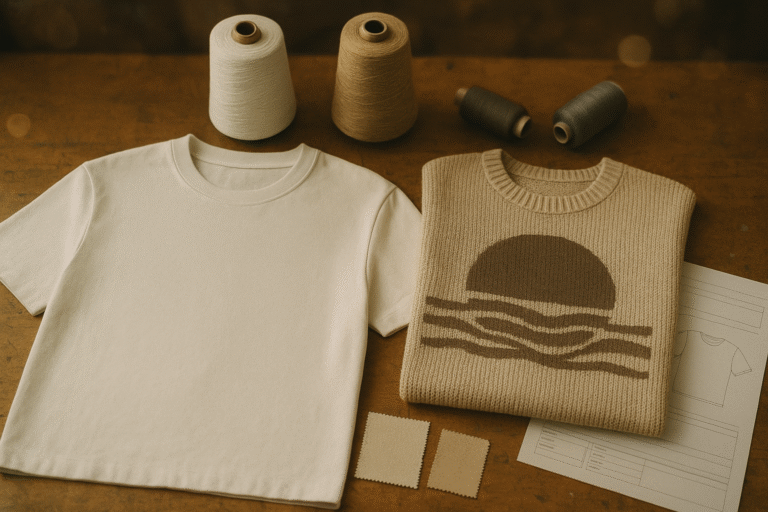

When considering color matching in custom knitwear (Pantone vs dyed yarn), you face an important decision about how your final product will look. Pantone color matching in custom knitwear uses a unique code to achieve precise colors, while dyed yarn involves blending colors during the yarn-making process. With color matching in custom knitwear (Pantone vs dyed yarn), you should think about color accuracy, consistency, cost, and turnaround time. Choosing between Pantone and dyed yarn for color matching in custom knitwear affects both the appearance and feel of your knitwear. Your project’s needs will guide you to the best option for color matching in custom knitwear (Pantone vs dyed yarn).
Key Takeaways
Pantone color matching keeps colors the same everywhere. This works well for branding.
Dyed yarn gives you more choices. You can make special shades and textures. This is good for custom projects.
Pick Pantone for big orders. It helps with color accuracy and saves money.
Use dyed yarn for a unique look. It works well for small batches that need changes.
Always ask for samples before making everything. This helps you check if the color is right.
Talk clearly with your manufacturer about color needs. This stops mistakes and makes you happy with the result.
Think about your project goals before you choose. Pantone is best for matching colors. Dyed yarn is best for special looks.
Remember, dyed yarn can take more time and cost more. This is true for custom colors.
Quick Comparison: Pantone vs Dyed Yarn
Main Differences
It is important to know how Pantone color matching and dyed yarn are different before picking one for your project. Pantone color matching uses a special system. Each color gets its own code. This code helps you get the same color every time. Dyed yarn means putting color right into the yarn fibers. The final color can change. It depends on the yarn type, the dye, and how it is made.
Here is a table to help you see the differences:
Aspect | Pantone Color Matching | Dyed Yarn Process |
|---|---|---|
Standardization | Uses a standardized color reproduction system | Involves absorption of color into fabric fibers |
Process | Involves lab dips for approval before bulk dyeing | Influenced by multiple factors during dyeing |
Outcome | Ensures color consistency across materials | Color can vary based on dyeing conditions |
Pantone color matching helps you keep colors the same. Dyed yarn lets you change the look and feel more easily.
When to Use Pantone
Pantone color matching is good when you need colors to always look the same. This is helpful for brands that want their products to match. Pantone codes make it easy to talk to factories. You will get the same color, even with different materials or factories.
Pantone color matching usually costs less than custom color dyeing. It costs about $45 for Pantone matching. Custom color dyeing can cost about $350. If you want to save money and need matching colors, Pantone is a good pick.
Tip: Pantone color matching works best for big orders, brand colors, or when you need to match colors on different products.
When to Use Dyed Yarn
Dyed yarn is best when you want more control over the color in your knitwear. You can change the dyeing process to get the shade you want. Projects that need a special look or color often use dyed yarn. If you make custom knitwear, dyed yarn helps you get a unique result.
Industry stories show dyed yarn works well when fabric and dyeing methods change the color. You can get better color matching in fabrics with dyed yarn. This is also good for small batches or trying new colors.
Note: Dyed yarn is great for custom projects that need special colors or textures. You can use it to make knitwear that is different from others.
Think about color matching in custom knitwear (pantone vs dyed yarn) based on what you need. If you want the same color and lower costs, pick Pantone. If you want more control and a special look, pick dyed yarn.
Color Matching in Custom Knitwear: Pantone vs Dyed Yarn
How Pantone Matching Works
Pantone matching helps you get the exact color you want. Each color has its own code. You give this code to the factory. The factory uses lab dips and special data to match the color. You see the same color on all your products. Pantone matching keeps your brand colors the same. You do not get any surprises when your order arrives. You can trust this process to be correct and steady.
How Dyed Yarn Is Used
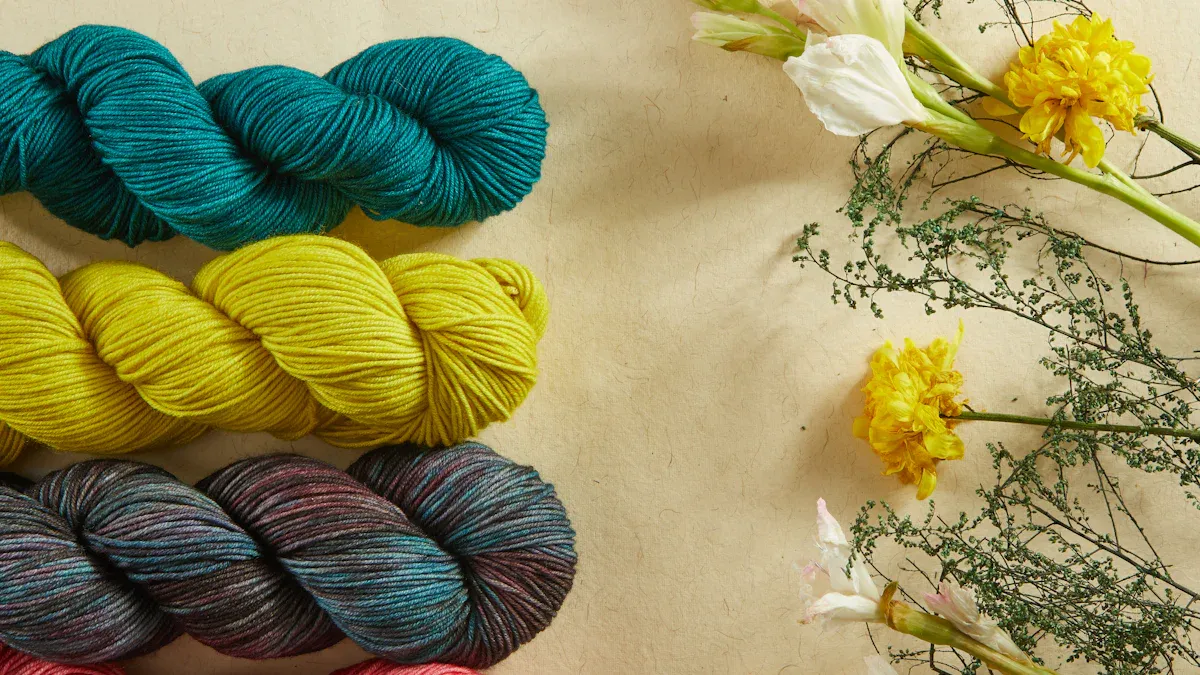
Dyed yarn is good if you want a special look or feel. The color goes right into the yarn. You can change how you dye the yarn to get the color you want. The final color depends on the yarn, the dye, and how it is made. Matching colors with dyed yarn can be hard. Old ways use trial-and-error, which takes more time. New ways help you guess the color better and keep it the same. These new methods give better results.
The knitwear industry has trouble matching dyed yarn colors.
Old ways are slow because they use trial-and-error.
New ways help keep colors the same and guess better.
You have more control with dyed yarn, but it may take more time to get the color right.
Communication and Color Codes
You must talk clearly with your factory to get the color you want. You can use Pantone codes or send a sample. First, you pick Pantone colors for your project and give the codes to the factory. You can also share a group of colors and pick the final Pantone codes after looking at the designs.
Share a group of colors and choose the final codes later.
The best way to stop mix-ups is to send the color yourself. You know what color you want the factory to use. You can also use special data with your sample for better results.
Using clear codes and samples makes color matching easier. You help the factory know what you want. You get the color you expect for your custom knitwear.
Pantone Color Matching Explained

Standardization and Accuracy
You want your knitwear colors to always look the same. Pantone matching helps you do this. Each color has its own special code. Factories use these codes to match colors exactly. Many industries use this system, not just fashion. Pantone keeps colors true and helps stop mistakes.
Here is a table that shows why Pantone is trusted for color accuracy:
Feature | Description |
|---|---|
Standardization | Makes sure colors stay the same and correct in many industries. |
Every color gets a number so it is easy to match. | |
Application | Used for packaging, branding, textiles, and other things that need exact colors. |
You get the same color on different materials. You do not have to worry about colors not matching. Pantone color matching helps your brand look strong. Your colors stay the same, even if you use new factories or materials.
Tip: Pantone matching mixes colors before printing or dyeing. This helps your color look the same on cards, posters, and knitwear.
Benefits for Brands
You want your brand to be easy to spot. Pantone matching helps you do this. You can use the same color on all your products. Customers know your brand by its colors. When your colors stay the same, people trust your brand.
Here is a table that shows how Pantone helps brands:
Aspect | Impact on Brand Consistency and Recognition |
|---|---|
Keeps colors the same on all products and builds brand loyalty. | |
Brand Identification | Makes it easy for people to know your brand. |
Trust and Credibility | Using the same colors makes your brand stronger. |
You keep your brand strong with the same colors. Customers can spot your products fast. You build trust and loyalty. Pantone matching lets you use your brand colors on knitwear, boxes, and more.
You keep your brand colors the same on all products.
People can find your brand quickly.
You build trust with your customers.
Pantone matching helps designers show the same colors on every item. You get the look you want for your brand.
Limitations
Pantone matching is helpful, but it has some limits. You may not get every color you want. Some colors look different on yarn than on paper. Factories may need extra steps for special materials. You might see small color changes with different yarns.
You may pay more for special colors or small orders. Pantone matching works best for big batches. If you want a special look or feel, you might need dyed yarn.
Note: Pantone matching does not work for every project. Talk to your factory if you need a special color or finish.
You should think about the good and bad points before you pick Pantone matching for your knitwear.
Dyed Yarn Method Overview
Production Process
You help make dyed yarn for custom knitwear. The steps help you get the color and quality you want. Here is how the process usually goes:
Color Selection and Dyeing Process: You pick a color that fits your design and what people like. The dyeing process must keep the color bright and even.
Select the Dyeing Method: You choose the best dyeing method for your yarn and the look you want. Some common ways are batch dyeing and yarn-dyeing.
Apply the Dye: You put the dye on the yarn. You watch the temperature, pH, and time. This helps the color spread the same everywhere.
Wash and Finish Treatments: You wash the yarn to get rid of extra dye. Finishing makes the yarn better.
Quality Control and Color Matching: You check the yarn for the right color and evenness. This step makes sure your custom knitwear is just right.
Tip: Pay close attention at every step. This helps you stop color mistakes and keeps your knitwear looking nice.
Advantages
Using dyed yarn for custom knitwear has many good points. You can make special pieces and enjoy making them. Here are some main advantages:
Uniqueness: Each skein of hand-dyed yarn is different. Your project is special because no two are the same.
Quality: Hand-dyed yarns often look very pretty. Even simple patterns can look cool with these yarns.
Emotional Connection: Using hand-dyed yarn helps you feel close to your project. Every stitch shows your care and hard work.
Many knitters say dyed yarn makes their custom projects feel more personal and special.
Drawbacks
You should also know about the hard parts of using dyed yarn. The process can be tricky, especially for custom orders. Here is a table that shows the main drawbacks:
Challenge | Description |
|---|---|
The dyeing process uses lots of water, energy, and chemicals. This can hurt the environment if not handled well. | |
Limited Design Flexibility | Once you dye the yarn, it is hard to change the design. You may need to start over for new colors or patterns. |
Availability of Raw Materials | Yarn quality and amount depend on raw materials. If there is not enough, prices go up and making yarn is slower. |
Complex Production Process | The process has many steps and needs skill. Mistakes can make the fabric not turn out right. |
Higher Weight | Yarn-dyed fabric is often heavier. This can make it less comfy in hot weather. |
Limited Availability of Patterns | Some patterns are hard to do with yarn-dyed fabric. This means you have fewer design choices. |
Potential for Allergic Reactions | Chemicals in dyes can cause allergies in some people, even with safety rules. |
Note: Knowing these drawbacks helps you plan better and pick the right way for your custom knitwear.
Comparing Key Factors
Color Accuracy
You want your knitwear to show the exact color you imagine. Pantone color matching gives you a system with codes for each color. This system helps you tell the factory what you want. In controlled tests, Pantone can give you accurate color matches in fabric dyeing. The process is not always simple. The type of fabric, the dye, and the way the factory dyes the yarn can change the final color. The skill of the person doing the dyeing also matters. Sometimes, the color you see on paper looks different on yarn. You need to check samples before making a big order.
Dyed yarn lets you create custom shades. You can mix dyes and test colors until you get the look you want. This method gives you more freedom, but it can be hard to match a color exactly every time. The color can change if you use a different yarn or dye. You may need to try several times to get the right shade.
Tip: Always ask for a sample before you start full production. This helps you see the real color on the yarn.
Consistency
Color consistency means your knitwear looks the same in every batch. Pantone color matching helps you keep colors steady. You use the same code for every order. This makes it easier for factories to repeat the color. You can trust that your brand colors will look the same on each piece.
Dyed yarn can show small changes in color from batch to batch. The process depends on many things, like water temperature and dye strength. Even small changes can make the color look different. If you want every item to match, Pantone is a safer choice.
Here is a table to help you compare:
Method | Color Consistency | Best For |
|---|---|---|
Pantone | High | Large orders, branding |
Dyed Yarn | Medium | Custom, unique projects |
Cost
You need to think about your budget when you pick a color method. Pantone color matching often costs less for big orders. You pay for lab dips and color codes, but you save money if you order many pieces. This method works well for brands that need the same color on many products.
Dyed yarn can cost more, especially for small batches or custom colors. You pay for the extra work to mix and test dyes. The process takes more time and skill. If you want a special color or a small order, dyed yarn may fit your needs, but it will likely cost more per piece.
Note: If you want to save money and keep colors the same, Pantone is a good choice. If you want a unique look and do not mind paying more, dyed yarn gives you more options.
Lead Time
You want your knitwear project to finish on time. Lead time means how long it takes from the start of your order to the final product. Pantone color matching and dyed yarn have different lead times. You should know these differences before you choose.
Pantone color matching often takes longer, especially if you ask for a custom color. Factories need extra steps to match the color and get your approval. Dyed yarn usually has a shorter lead time for standard colors. If you want a special shade, the process may take more time.
Here is a table to help you compare lead times for large orders:
Aspect | Pantone Color Matching | Dyed Yarn |
|---|---|---|
Minimum Order Quantities | Varies | Typically higher |
Lead Time | Longer for custom | Shorter for standard |
Accuracy | Dependent on fabric | More consistent |
If you need your custom knitwear fast, dyed yarn with standard colors may work better. Pantone color matching is a good choice when you want exact brand colors and can wait a bit longer.
Tip: Always ask your manufacturer about lead times before you start. This helps you plan your project and avoid delays.
Project Suitability
You want your knitwear project to look and feel just right. The best method depends on your needs and style. You should think about several factors before you choose Pantone color matching or dyed yarn.
Here are some important things to consider:
Think about the type of project and your personal style.
Decide how many colors you need for your design.
Look at the knitting technique you plan to use, like stranded, mosaic, or intarsia.
Check how the colors will interact, such as bold mixes or soft blends.
The table below shows what affects project suitability:
Factor | Description |
|---|---|
Color Consistency | You want the color to stay the same in every batch of yarn. |
Dyeing Processes | Different dyeing methods change the final color and quality of the yarn. |
Yarn Properties | The fiber type and texture of the yarn affect how well it absorbs dye. |
Environmental Impact | Temperature, humidity, and light can change how colors look in different settings. |
If you want a unique look for your custom knitwear, dyed yarn gives you more freedom. Pantone color matching works best when you need strong color consistency, like for brand colors or large orders.
Note: You should match your method to your project goals. This helps you get the results you want and enjoy the process.
Decision Guide for Custom Knitwear
Checklist for Choosing
You want your knitwear project to look great and feel right. Making the best choice between Pantone and dyed yarn starts with a simple checklist. Use these steps to guide your decision:
Choose colors that please you. Pick shades that make you happy and fit your vision.
Keep in mind the purpose of the project. Think about whether you need strong brand colors or a unique look.
Consider the stitch pattern. Some patterns show off color changes better than others.
Use color theory to your advantage. Try colors that work well together or create contrast.
When in doubt, knit a swatch. Test your color choice on a small piece before starting the full project.
Tip: Swatching helps you see how the color looks with your chosen yarn and pattern. You can avoid surprises later.
Common Scenarios
You may wonder which method fits your needs. Here are some common situations to help you decide:
Scenario | Best Choice | Why It Works |
|---|---|---|
You want to match a brand color | Pantone | Pantone codes keep colors consistent for branding. |
You need a unique shade for a special gift | Dyed Yarn | Dyed yarn offers more options for customization. |
You order large quantities for custom apparel | Pantone | Pantone ensures every piece matches in big orders. |
You want a one-of-a-kind look | Dyed Yarn | Dyed yarn gives you a special, personal result. |
You have a tight deadline | Dyed Yarn (standard) | Standard dyed yarn colors can save you time. |
If you work on a custom project for a brand, Pantone matching gives you the best color consistency. For projects that need more creativity or a personal touch, dyed yarn lets you explore new shades and textures. Customization becomes easier when you test colors and patterns before making your final choice.
Remember: Always talk with your manufacturer about your needs. Clear communication helps you get the results you want for your custom apparel.
Tips for Working with Manufacturers
Communicating Color Needs
You want your knitwear to look just right. Clear communication with your manufacturer helps you get the color you expect. Here are some best practices to follow:
Use simple words like “darker” or “lighter” instead of percentages when you talk about color changes.
Choose clear terms such as “redder,” “greener,” “bluer,” or “yellower” to describe the direction you want the color to go.
Give your manufacturer a physical color standard if you can. This helps them match your color more closely.
Share any spectral data you have and tell them about the main light source and how you will use the product.
Using the same color language as your manufacturer saves time and avoids confusion. Most factories work with a color tolerance of about 5-10%. If you use Pantone color codes or send a physical swatch, you make it easier for everyone to understand your needs.
You can also use Pantone color standards, like the TPG system, to make sure everyone talks about the same color. This step may take a little extra effort, but it helps your factory deliver the color you want. When you use clear standards, you spend less time fixing mistakes and more time enjoying your finished knitwear.
Questions to Ask
Before you start your custom knitwear project, you should ask your manufacturer some key questions. These questions help you understand what to expect and make sure you get the results you want.
What types of fabric do you offer for knitwear?
How do you handle color matching for Pantone and dyed yarn methods?
What is the minimum order quantity for each color or style?
Can you explain your manufacturing process from start to finish?
Asking these questions helps you learn about your manufacturer’s skills and limits. You can avoid surprises and make better choices for your project.
You build a strong partnership when you talk openly with your manufacturer. Good communication leads to better color results and a smoother process for your custom knitwear.
You should choose Pantone for projects that need strong color consistency and quick production. Dyed yarn works best when you want unique shades and textures, but it often costs more and takes longer. Consider these key points:
High-quality color standards help you manage color well.
Top-dyed yarn costs more and needs extra time.
Pantone gives you reliable color matching across batches.
Both methods offer value. Talk with your manufacturer to find the best fit for your custom knitwear.
FAQ
What is Pantone color matching?
Pantone color matching uses a system with unique codes for each color. You give the code to your manufacturer. This helps you get the same color every time.
Why choose dyed yarn for custom knitwear?
You choose dyed yarn when you want a special look or texture. Dyed yarn lets you create unique shades. You control the color by changing the dyeing process.
Does Pantone matching work for all types of yarn?
Pantone matching works best with smooth, light-colored yarns. Some yarns may show small color changes. Always ask for a sample before you order.
How do you communicate your color needs to a manufacturer?
You send a Pantone code or a physical color sample. You use clear words like “darker” or “redder.” This helps your manufacturer understand your color choice.
Is dyed yarn more expensive than Pantone matching?
Dyed yarn usually costs more, especially for small orders or custom colors. Pantone matching saves money for large batches. You should check prices before you decide.
Can you use both Pantone and dyed yarn in one project?
You can mix both methods in one project. You use Pantone for main colors and dyed yarn for accents. This gives you both consistency and creativity.
How long does it take to get custom colors?
Pantone matching takes longer for custom colors because of lab dips and approvals. Dyed yarn is faster for standard shades. You should ask your manufacturer about lead times.
What should you do if the color is not what you expected?
You compare the product to your sample or Pantone code. You talk to your manufacturer and show them the difference. Most factories will help you fix the problem.