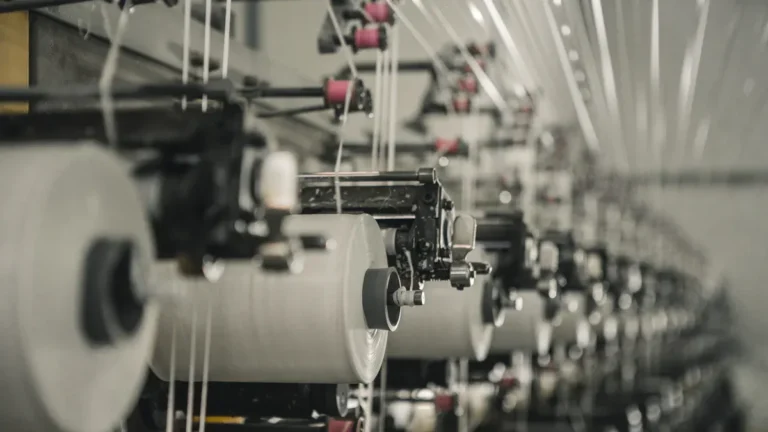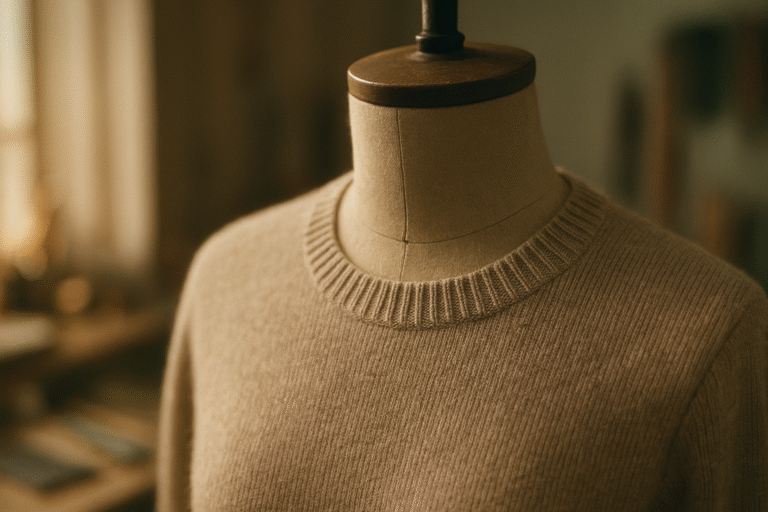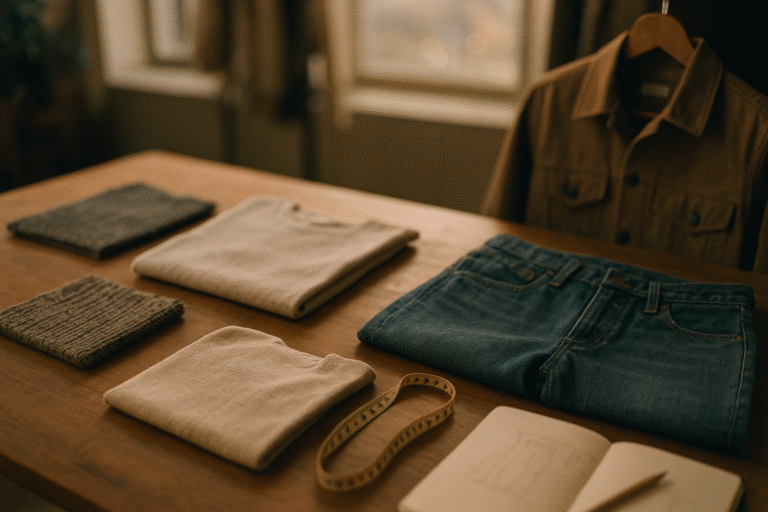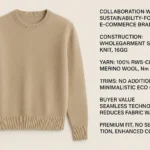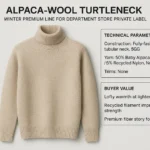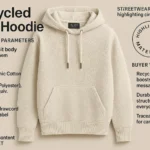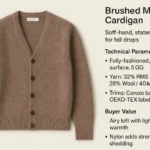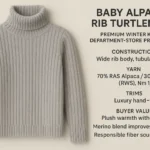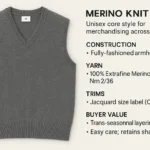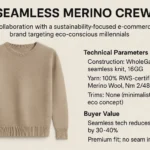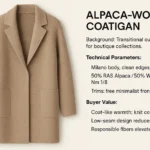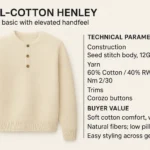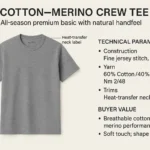

When selecting yarn for bulk knitwear orders, it’s essential to choose anti-pilling yarn solutions for bulk knitwear orders. Focus on yarn that is durable and maintains its appearance over time. Pilling occurs when tiny fibers twist together, leading to fuzz on the surface. This can make knitwear appear worn out quickly, which can frustrate customers. Additionally, it can reduce the longevity of your products. Reliable suppliers provide yarn that performs consistently, helping you maintain high quality for large orders. Careful selection of yarn not only protects your brand but also ensures customer satisfaction.
Key Takeaways
Pick anti-pilling yarn to help knitwear stay nice and new. This also helps stop customers from complaining.
Know what pilling is. It happens when fibers get tangled and make tiny balls on the fabric.
Choose yarn with fibers that are twisted tightly. This helps stop pilling and makes the yarn last longer.
Think about fiber types. Synthetic blends usually pill more than natural fibers like cotton.
Try out yarn samples to see if they resist pilling before you buy a lot. This helps make sure the yarn is good.
Ask suppliers for certificates and lab reports. These show the yarn is good and resists pilling.
Talk clearly with suppliers. This helps keep the yarn quality the same and makes sure you get it on time.
Use a checklist to look at yarn features, how reliable the supplier is, and how they test the yarn before you buy.
Pilling in Knitwear: What and Why
Defining Pilling
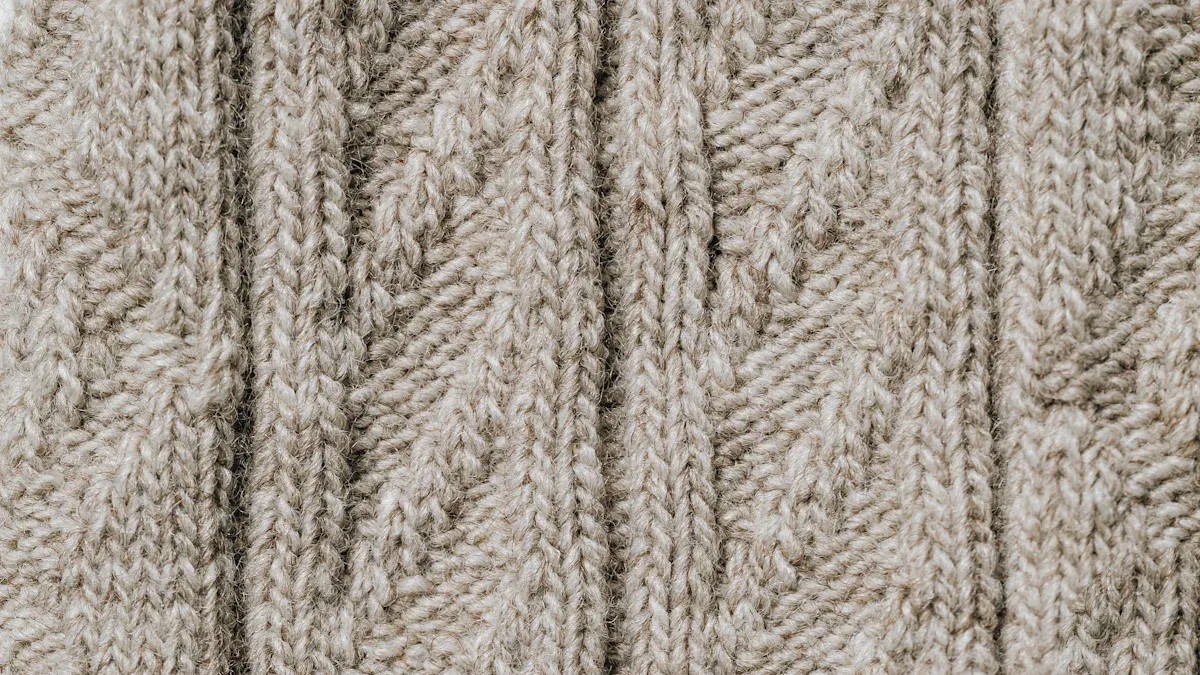
You may notice small, fuzzy balls on the surface of your knitwear after wearing or washing it. This is called pilling. Pilling happens when fibers on the fabric surface tangle together during activities like wearing, washing, or dry cleaning. These tangled fibers form tiny balls, known as pills, that stick to the fabric. The process starts with fuzzing, where fibers stick out from the fabric. Then, these fibers twist and form pills that stay on the surface. Pilling can block light and create shadows, making your knitwear look dull. This issue affects both natural and synthetic fibers, but it is especially common in wool knitwear.
Impact on Bulk Orders
Pilling can cause several problems when you order knitwear in large quantities. You want your products to look new and feel smooth for as long as possible. When pilling appears, it changes the look and feel of the fabric. Here are some common effects:
You see small, fuzzy balls on the fabric, which are hard to remove.
The fabric feels rough or bumpy where pills form.
Pilling shows up most in areas that rub together, like underarms, cuffs, and thighs.
Customers may complain that their new items look old or worn after just a few washes.
High pilling rates can lead to more returns and negative reviews.
If you want to keep your customers happy and reduce returns, you need to focus on pilling resistance. Choosing the right yarn and testing for pilling resistance will help you deliver better products.
Causes of Pilling
Many factors can cause pilling in knitwear. You should know what increases the risk so you can make better choices for your bulk orders.
Coarse fibers are more likely to pill because they have larger scales.
Short fibers create loose ends that tangle and form pills.
Curly fibers can twist and make pilling worse.
Loosely knitted fabrics tend to pill more than tightly knitted ones.
Yarn with a loose twist is more likely to pill, while tightly twisted yarn helps prevent it.
If you select yarn with good pilling resistance, you can reduce these problems. Always check the construction and fiber type before placing a large order.
Choosing Anti-Pilling Yarn Solutions for Bulk Knitwear Orders
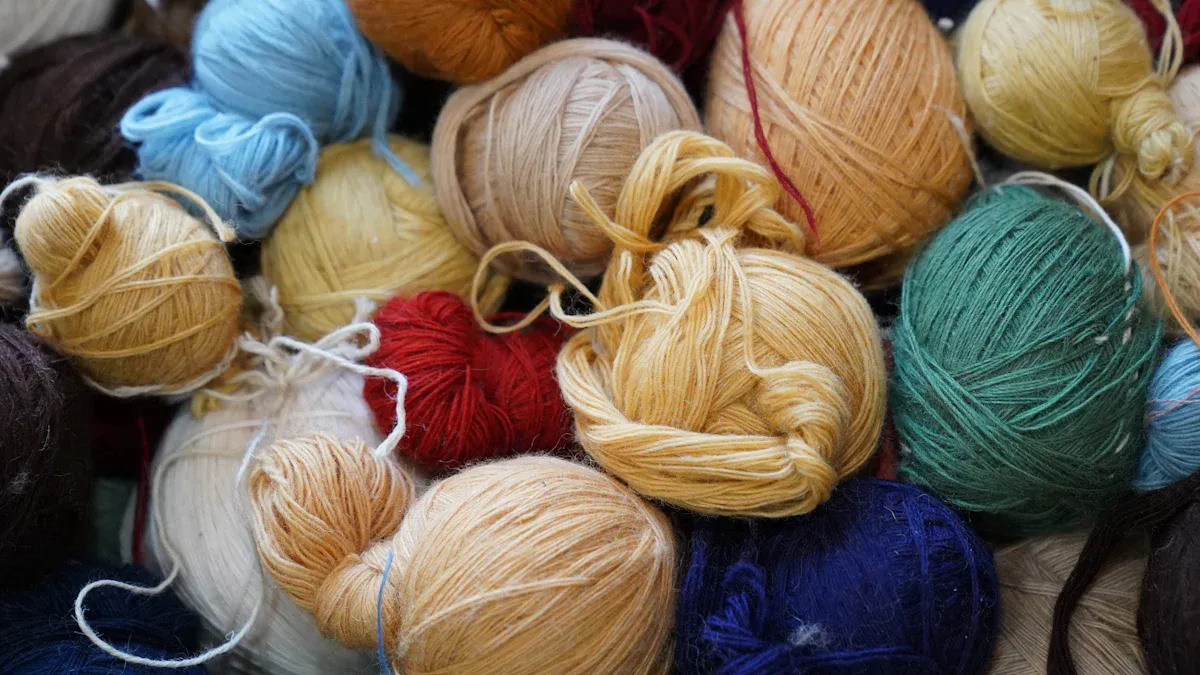
Picking anti-pilling yarn for big knitwear orders helps your products look new and last longer. You should pay attention to fiber types, how the yarn is made, and special treatments that stop pilling. This part will show you what to think about when picking yarn for large orders.
Fiber Types and Blends
The fiber type and blend you pick matter a lot for how your knitwear turns out. Some fibers do not pill as much as others. You should look at different choices to find what works best for you.
Synthetic and Natural Options
You can pick natural fibers, synthetic fibers, or a mix of both. Each one has good and bad points for how clothes wear. The table below shows how each fiber type and blend stands up to pilling:
Fiber Type/Blend | Pilling Resistance | Notes |
|---|---|---|
100% Cotton | Better | Shows better pilling resistance than synthetic blends. |
Cotton/PES Blend | Lower | More polyester means less pilling resistance. |
Wool Blends | Variable | Pilling can happen if yarn is loosely spun or mixed with synthetics. |
Synthetic Blends | Higher susceptibility | Fabrics with acrylic, nylon, or polyester pill more because of their fiber properties. |
You can make yarn work better by mixing acrylic with other fibers. Blends like Pilbloc™ fiber, washable wool, and linen/cotton mixes are strong and comfy. These anti-pilling yarns for big orders help you get both softness and strength.
Tip: Always check if the yarn says anti-pilling or low pile. This means the yarn was made or treated to stop pilling and keep clothes looking good.
Acrylic and Wool Blends
Acrylic blends are used a lot for big knitwear orders because they are soft and last long. Mixing acrylic with wool gives you yarn that pills less and feels nice. Acrylic blends also help you save money and still get good results. Wool blends can pill if the yarn is spun loosely or mixed with synthetics. You should pick high-quality blends with tightly spun yarn for better results.
Acrylic blends make yarn stronger and more stable.
Wool blends are warm and comfy but need careful picking to stop pilling.
Linen/cotton blends feel smooth and resist pilling well.
Yarn Construction
How yarn is made changes how it works and how much it pills. You should look at how tight the twist is, how smooth it feels, and how thick it is when picking anti-pilling yarns.
High-Twist Yarns
Yarn with more twist holds fibers together better. This stops fibers from slipping and getting fuzzy, so pilling happens less. The table below shows how yarn structure affects pilling:
Yarn Structure | Pilling Resistance | Notes |
|---|---|---|
Higher Yarn Twist | Lower | Stops fibers from slipping and getting fuzzy, so less pilling. |
Compact Yarns | Higher | Resist pilling better than ring-spun yarns. |
Carded vs Combed Yarn | Lower in Carded | Combed yarns pill less than carded yarns. |
You should pick high-twist or compact yarns for big orders. These anti-pilling yarns help your clothes stay nice and last longer.
Smoother, Thinner Yarns
Smoother and thinner yarns lose fewer fibers. This means less pilling and a better look. You can use filament yarns or yarns made from longer fibers. The table below explains why these yarns are good:
Evidence Type | Description |
|---|---|
Filament Yarns | These yarns have no fiber ends, so pilling is much less. |
Longer Staple Fibers | Using longer fibers means fewer ends can come loose and make pills. |
Increased Yarn Twist | More twist keeps fibers together, so they do not shed as much during rubbing. |
You should look for anti-pilling yarns made this way. They help you make clothes that look better and pill less.
Anti-Pilling Treatments
Special treatments can make your yarn work better and stop pilling. You can pick chemical or mechanical finishes to help your big knitwear orders.
Chemical and Mechanical Finishes
Chemical finishes use special treatments to keep fibers from getting loose and reduce rubbing. This helps stop pilling. Mechanical finishes use things like singeing and cropping to take off loose fibers and keep the surface neat.
Chemical treatments make strong fibers weaker, so they do not pill as much.
Mechanical steps like singeing and cropping take away loose fibers and keep the surface smooth.
Anti-pilling finishes are often added after dyeing or printing.
Common ways include polymer coatings and enzyme treatments.
How well these finishes work depends on the fiber and fabric. You should ask your supplier what treatments they use on their anti-pilling yarns. This helps you make sure your big knitwear orders meet your needs.
Note: Anti-pilling yarns for big orders often use both chemical and mechanical treatments for the best results. Always ask your supplier for proof of the treatments they use.
By thinking about fiber types, how yarn is made, and anti-pilling treatments, you can make your clothes work better and pill less in big orders. Picking yarn carefully helps you give customers high-quality products that make them happy.
Testing Anti-Pilling Properties
You want your knitwear to last and look nice. Testing helps you see if your yarn resists pilling before you buy a lot. There are different ways to check how much pilling happens over time.
Standard Pill Tests
There are many tests to check pilling resistance. These tests let you compare yarns and fabrics. The table below lists the most used methods:
Method | Application | Best For |
|---|---|---|
Martindale | Circular rubbing motion | Knitted fabrics |
Random Tumble | Tumbling action | Woven fabrics |
Circular Locus | Rotary motion | Most knitted materials |
Pilling Box | Contained tumbling | Dense woven fabrics |
Martindale Method
The Martindale method is common for testing pilling in knitwear. You put fabric samples in a machine that rubs them in circles. This copies real use and shows how yarn holds up. If your fabric lasts over 50,000 Martindale cycles, it should stay strong for 2-3 years of heavy use. Lower scores mean the fabric may pill or wear out faster. The Martindale Tester also shows how yarn type changes pilling and abrasion. Combed yarn pills less than carded yarn.
Martindale testing matches real-life wear.
ISO standards help you compare results from different suppliers.
Clothes with high Martindale scores last longer and look better.
Certifications and Lab Reports
You should ask for certifications and lab reports when buying yarn for big orders. These papers show the yarn meets rules for pilling resistance. The table below explains pilling grades:
Grade | Description |
|---|---|
5 | Best resistance to pilling |
4 | Good resistance to pilling |
3 | Acceptable resistance (passing grade) |
2 | Poor resistance to pilling |
1 | Very poor resistance to pilling |
Certifications prove the yarn passed tough tests. You can trust suppliers who give these papers. Certifications help you avoid problems and make sure your products meet what customers want. Always check that the certifications fit the standards you need for your knitwear.
Sample Swatch Evaluation
Testing samples is a smart way to check pilling resistance before you buy a lot of yarn. You can use the Circular Sample Test to see how the fabric works. The table below explains this test:
Test Method | Description |
|---|---|
Circular Sample Test | Uses three pairs of round samples that rub together under light pressure to copy pilling. Results are rated from level 1 (worst) to level 5 (best). |
You should cut swatches with a fabric swatch cutter. This keeps samples the same size and shape, so your results are fair. Testing should happen before any finishing steps. Fiber type, yarn construction, and finishing all change pilling resistance.
Cut swatches the same way to avoid weight issues.
Use a swatch cutter for smooth edges and good results.
The Random Tumble Pilling Test copies real wear by tumbling fabric samples with cork or rubber balls. This makes fibers tangle and pills form. After a set time, samples are checked against a standard scale.
Lab testing and sample checks help you pick the best yarn for big orders. You can avoid problems and make sure your knitwear meets high standards.
Sourcing for Bulk Knitwear Orders
When you need yarn for many knitwear pieces, you must find good yarn suppliers. You want to get yarn that is high quality and not too expensive. It is also important to work with suppliers you can trust. Here are some ways to make smart choices when you buy yarn for big orders.
Supplier Selection
You should check each supplier before you buy from them. Good yarn suppliers need to meet some key points. You should look at their certifications, test their yarn, and see how they have done in the past. The table below shows what you should check when picking a supplier:
Criteria | Description |
|---|---|
Certifications | Check for certifications like Oeko-Tex and GOTS to make sure the yarn is safe and good. |
Sample Testing | Test yarn samples and send them to a lab before you buy a lot. |
Supplier Evaluation | Look at how well the supplier has done before and if they can make enough yarn for you. |
Make sure the smallest order you can place fits your needs. | |
Customization Capabilities | Ask if the supplier can dye, spin, or blend yarn the way you want. |
Ethical Compliance | Check for BSCI or WRAP certifications to make sure the supplier treats workers fairly. |
Trial Phase | Start with a small order to see if the supplier is a good fit before you buy a lot. |
You should ask about certifications and how the supplier makes their yarn. Make sure they can handle your order size and any special requests. Always check if they deliver on time and keep their yarn quality the same.
Sample Requests
Before you buy a lot of yarn, you should ask for samples. Samples help you see if the yarn is good and works well in your machines. You can ask for small pieces or cones of yarn. Test these samples for pilling, color staying, and strength. You can also send them to a lab for more tests.
Tip: Try samples from different suppliers. This helps you pick the best yarn for your needs.
Keep notes about each sample. Write down how the yarn feels, looks after washing, and works in your machines. This helps you avoid problems when you start making lots of knitwear.
Bulk Pricing and Terms
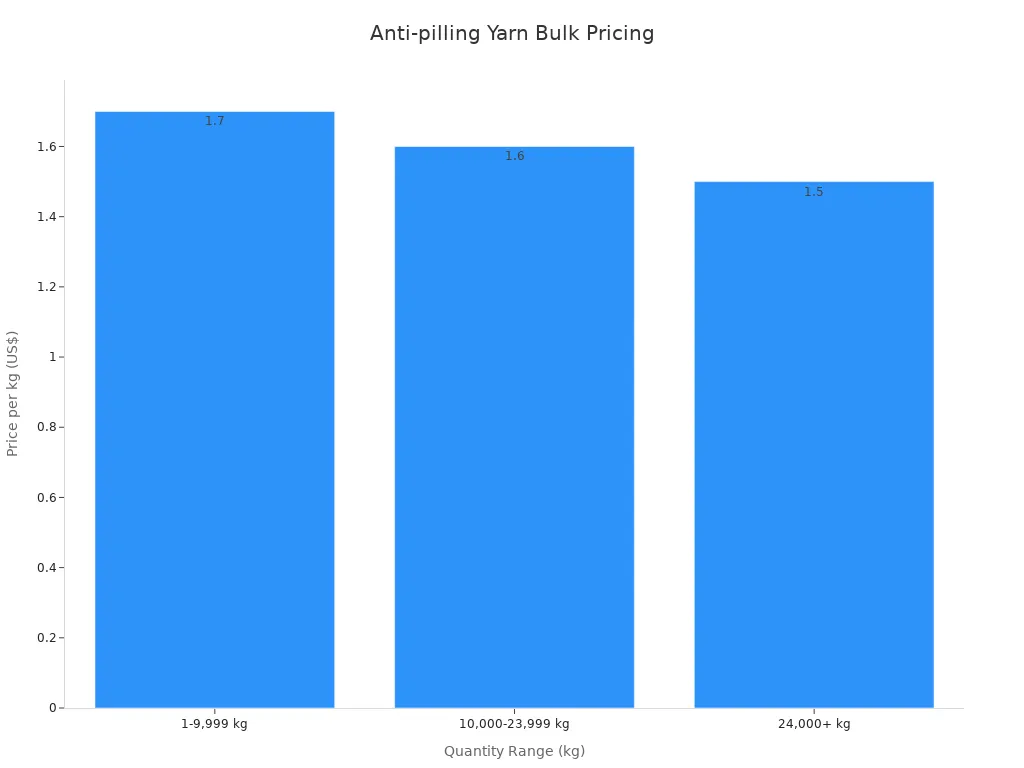
When you buy a lot of yarn, you should look at prices and payment rules. Suppliers often give better prices if you buy more yarn. The table below shows how prices change when you order more anti-pilling yarn:
Quantity (kg) | Price (US$) |
|---|---|
1 – 9,999 | 1.70 |
10,000 – 23,999 | 1.60 |
24,000+ | 1.50 |
You can see that bigger orders cost less per kilogram. This helps you save money when you need a lot of yarn. Suppliers may let you pay in different ways, like L/C, T/T, D/P, Western Union, Paypal, or Money Gram.
You should ask about how long delivery takes, how you can pay, and what happens if you need to return yarn. Make sure you know all the rules before you agree to buy. Good sourcing means you get fair prices and clear rules for your orders.
Note: Always read contracts and check every detail before you finish your deal.
Quality Control in Bulk Knitwear Production
You need strong quality checks to keep your knitwear orders the same and dependable. When you handle big orders, you must check each step, from picking yarn to the last look-over. You can use batch tests, careful checks, and good supplier teamwork to make sure your knitwear is high quality. These steps help you stop problems and give customers products that last.
Batch Testing
Batch testing lets you check if your knitwear resists pilling before you send it out. You should test samples from every batch to see if the yarn and fabric are good enough. This helps you find problems early and avoid big mistakes.
The Martindale tester checks how well fabrics resist pilling. You hold the fabric in place and rub it under set rules. You use certain tools and put on a set pressure, then check for pilling after a number of turns.
You can make batch testing a normal part of your factory work. Start by picking random samples from each batch. Test these for pilling resistance with the Martindale method. Write down the results and see if they match your quality rules. If you find problems, you can stop making more and fix them before shipping.
Batch testing also helps you see if yarn quality changes over time. You can tell if a supplier changes their materials or how they make yarn. This keeps your brand safe and your customers happy.
Inspection Procedures
Inspection steps help you check every knitwear piece before it leaves the factory. You need to look for pilling, color changes, and other mistakes. You can use a checklist so you do not miss anything.
Here is a table that shows common inspection steps and why you use them:
Testing Procedure | Purpose |
|---|---|
Fabric Testing (Before Cutting) | Makes sure fabric matches what the buyer wants. |
Pilling Resistance Test | Checks if the fabric surface forms pills easily. |
You should check the fabric before cutting to make sure it matches your order. Test for pilling resistance to see if the yarn and fabric stay nice after washing and wearing. Look at the finished product for loose threads, bad stitching, and other issues. Write down what you find and share it with your team.
You can use your eyes, your hands, and lab tests to find problems. If you see mistakes, you can fix them before customers get the products. Inspection steps help you keep your factory work steady and good.
Supplier Relationship Management
Working well with your suppliers is important for good yarn quality. You need to talk with your suppliers so they know what you want and follow your rules. Good talks and clear rules help you avoid problems and build trust.
You can use these ideas to work with your suppliers:
Clear Communication: Tell your needs and ask for feedback.
Define Performance Metrics: Use numbers like KPIs to check how suppliers do.
Treat Suppliers as Partners: Let suppliers help make big choices and thank them for their work.
Conduct Regular Supplier Reviews: Meet often to talk about how things are going and how to get better.
Diversify Your Supplier Base: Use more than one supplier to lower risks.
Develop Long-Term Contracts: Make long deals to build trust and keep things steady.
Invest in Technology: Use tools to help work together and watch how suppliers do.
Collaborate on Innovation: Ask suppliers to share new ideas for better products or ways to work.
Address Issues Promptly: Fix problems fast and focus on solutions.
Acknowledge and Reward Good Performance: Thank suppliers for great work to keep standards high.
You should treat your suppliers like partners in your factory work. Work together to fix problems and make quality checks better. Regular meetings and open talks help you keep your knitwear orders steady and good.
Tip: Build long-term ties with your suppliers. This helps you get better prices, faster help, and better yarn for your knitwear.
Quality checks in bulk knitwear mean testing batches, checking products, and working with suppliers. You can use these steps to keep your factory strong and your products free from pilling. Good quality checks protect your brand and keep your customers coming back.
Troubleshooting Bulk Yarn Procurement
Inconsistent Quality
Sometimes, yarn batches do not look or feel the same. This can make problems in your knitwear. Inconsistent quality often happens during making or handling yarn. Here are some reasons why this happens:
Yarn tension can be different between beams, making some parts tighter.
Broken shuttle or rapier parts may hurt or break fibers.
Reed or drop wires that are not lined up can make weaving uneven.
If warp loading is not even, there can be weak spots.
Bad carding or combing leaves short fibers and dirt in the yarn.
Yarn can get dust or moisture if it is not stored or moved right.
Yarn from different-quality suppliers may not meet your needs.
You should check every batch and talk to your supplier if you see changes. Good controls in making yarn help stop these problems.
Supply Chain Delays
Delays in the supply chain can slow down your whole order. You might have to wait longer for anti-pilling yarn, which can hurt your business. These delays can cost more because you may need faster shipping. Rushed suppliers might skip important steps, which can make the yarn worse. Missing deadlines can make customers upset and hurt your brand. In fashion, fast delivery is very important. You should plan ahead and talk often with your suppliers to avoid these problems.
Tip: Always ask your supplier for updates and set clear delivery dates.
Risk Mitigation
You can lower risks by using smart steps when making and buying yarn. The table below shows some ways to protect your orders:
Strategy | Description |
|---|---|
Material Selection | Pick strong, long-staple fibers for better pilling resistance. |
Manufacturing Process | Use high twist multipliers to make fibers stronger together. |
Quality Assurance | Test with Martindale abrasion testers to meet world standards. |
You can also do these things:
Use compact yarns or long-staple fibers to stop loose ends.
Add anti-pilling finishes or enzyme treatments when making yarn.
Wash clothes with mild soap and gentle cycles to keep them nice.
You should work closely with your suppliers and set clear rules for making yarn. Regular testing and good storage help keep your knitwear at a high standard.
Buyer’s Checklist for Anti-Pilling Yarn
Selection Steps
You should plan before buying anti-pilling yarn for big knitwear orders. Use these steps to help you choose well:
Determine Your Project Type: Decide if you need yarn for clothes, accessories, or home things. Each project needs different fiber features.
Check Pattern Requirements: Make sure the yarn weight, gauge, and yardage fit your pattern.
Assess Fiber Needs: Think about the weather and how often you will use the item. Pick fibers that match how you want to care for them.
Evaluate Texture and Color: Look at the yarn in daylight. Check for smooth texture and even color. Do not pick yarn with knots or rough spots.
Verify Dye Lot Numbers: Buy skeins with the same dye lot number. This keeps colors the same in your finished items.
Review Care Labels: Read the cleaning instructions. Choose yarn that fits your washing habits.
Swatch Test: Knit a small sample. Test for gauge, drape, and texture before you buy a lot.
Avoid Red Flags: Stay away from yarn with weak tension, bad color, or strange smells. These signs mean the yarn is not good.
Tip: Always test a sample before you buy a lot. This helps you avoid mistakes that cost money.
Supplier Questions
Ask suppliers important questions before you buy. Good questions help you get the best yarn for your needs.
What anti-pilling treatments do you use?
Can you give lab reports or certifications for pilling resistance?
Do you offer sample swatches for testing?
How do you keep quality the same in every batch?
What is your minimum order size?
Can you change fiber blends or colors?
What are your payment and delivery rules?
How do you fix returns or quality problems?
Question Type | Purpose |
|---|---|
Treatment Details | Learn about anti-pilling processes |
Certifications | Check quality and safety |
Sample Availability | Test before buying a lot |
Quality Assurance | Make sure quality stays the same |
Customization | Match your project needs |
Note: Clear questions help you avoid problems and get the right yarn for your big order.
Documentation
You need good records when you buy anti-pilling yarn in large amounts. Keeping records protects your business and helps you fix problems fast.
Save lab reports and certifications.
Keep contracts and order papers.
Write down dye lot numbers and batch details.
Store care instructions and supplier contact info.
Track delivery dates and payment receipts.
Document Type | Why It Matters |
|---|---|
Lab Reports | Show pilling resistance |
Contracts | Protect your order rules |
Dye Lot Records | Keep colors the same |
Care Instructions | Help with product labels |
Payment Receipts | Track spending |
Tip: Organized records make it easy to fix problems and keep your knitwear quality high.
You can pick good anti-pilling yarn for big orders by using some easy steps. First, look at how long the fibers are and how twisted the yarn is. Try out samples before you buy a lot. Check your suppliers to make sure the yarn stays good. Use finishing treatments like enzyme washes to help the yarn work better. Good quality checks and talking clearly with suppliers stop problems from happening.
Tip: Always use a checklist for fiber type, supplier trust, and testing ways. This helps your knitwear stay nice for a long time.
FAQ
What does anti-pilling mean in knitwear?
Anti-pilling means the fabric resists forming small balls on the surface. This keeps your knitwear looking smooth and new for a longer time.
How can I test if a yarn is anti-pilling?
You can ask for lab reports or certifications. You can also rub a sample swatch together and check for fuzz or pills after washing.
Are anti-pilling treatments safe for sensitive skin?
Most anti-pilling treatments use safe chemicals. You should check for certifications like Oeko-Tex to make sure the yarn is safe for skin.
Can I use anti-pilling yarn for all types of knitwear?
Yes, you can use it for sweaters, hats, scarves, and more. It works well for items that get a lot of wear.
Does anti-pilling yarn cost more?
Anti-pilling yarn may cost a little more than regular yarn. The extra cost helps your knitwear last longer and look better.
How do I care for anti-pilling knitwear?
Wash your items gently in cool water. Avoid harsh detergents and do not rub the fabric hard. This helps keep the surface smooth.
What should I ask my supplier before ordering?
Ask about anti-pilling treatments, certifications, and sample swatches. You should also check their minimum order size and delivery times.