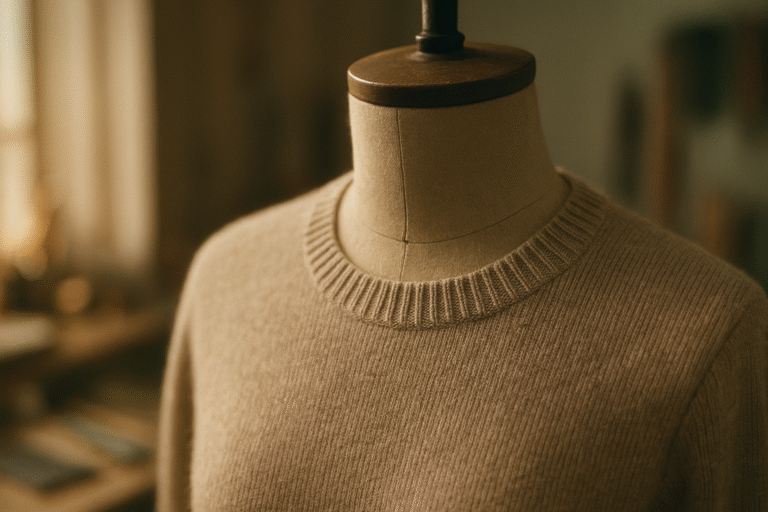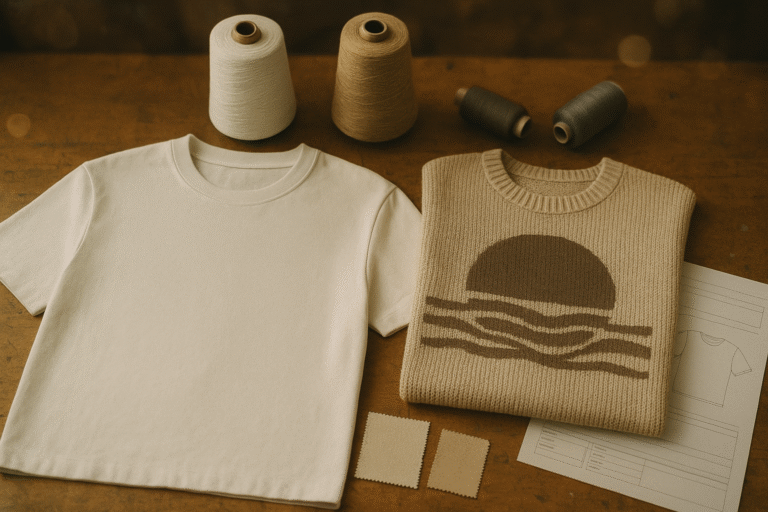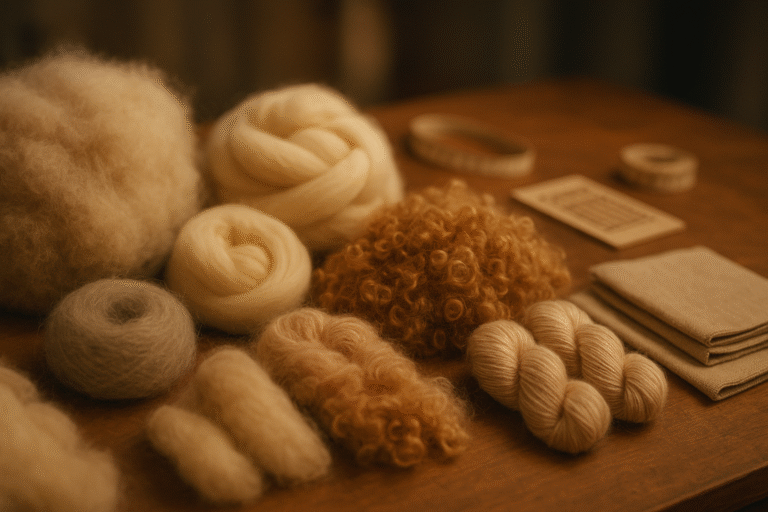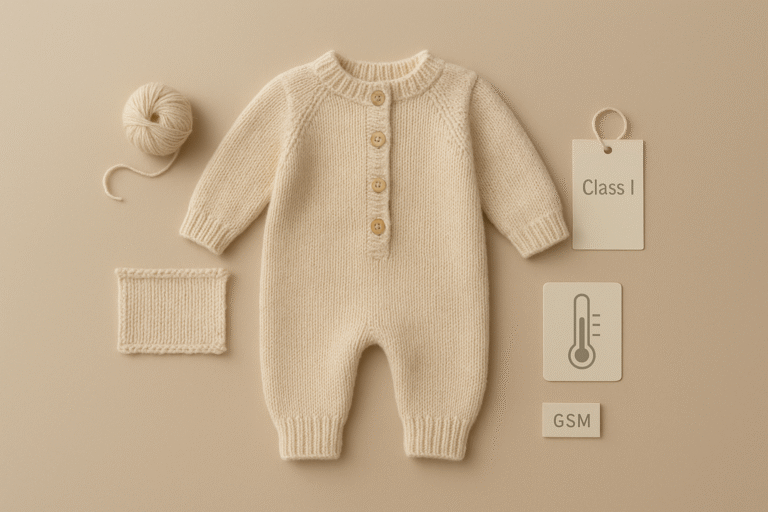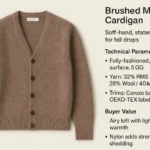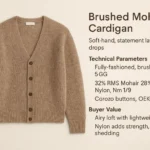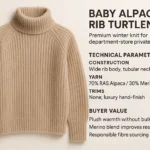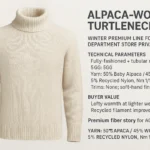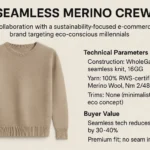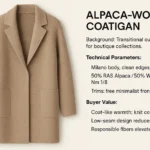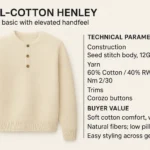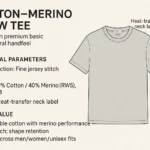


When it comes to knitwear for luxury brands: what they require, you’ll find that they maintain high standards. These brands utilize certifications and select ethical sources to build trust with their customers. You can easily recognize soft fibers and meticulous stitching in their products. Quality materials not only last longer but also feel more pleasant against your skin. When brands are transparent about their manufacturing processes, you gain insight into where your sweater is produced. Choosing garments made with care ensures you receive comfort, value, and style.
Key Takeaways
Luxury knitwear brands use top materials like cashmere and merino wool. These materials feel soft and last a long time.
Look for certifications like GOTS and OEKO-TEX. These show the materials are sourced fairly and are good for the environment.
Good knitwear has careful stitching and strong construction. This makes it look nice and last longer.
Take care of your sweaters by hand washing and drying them flat. This helps keep them in good shape.
Brands that are open about how they make clothes help you learn more. You can see where the materials come from and how they are made.
Buying luxury knitwear supports brands that care about quality and the planet. They also care about fair treatment of workers.
When shopping, check if the knitwear feels soft and has even stitches. Make sure the seams are smooth too.
Many luxury brands can fix your sweaters if they get damaged. This helps you keep your favorite sweaters longer.
Quality in Luxury Knitwear
Defining Quality
When you look at luxury knitwear, quality is very important. Experts say many things make knitwear high quality:
Brands use special fibers like superfine merino wool and grade A cashmere.
Materials must be soft and strong.
Makers use methods that help sweaters last longer, like fully fashioned and hand-linked.
The skill of the person making the sweater matters.
Good equipment helps make better products.
Brands check quality many times during production.
You can see where the sweater comes from because brands share this information.
Luxury brands always want the best. They care about the planet and tell you where your sweater is made. This careful work makes luxury knitwear different from regular sweaters.
Why Quality Matters
Quality is important because it changes how you feel about your sweater. When brands pick great materials and use smart ways to make sweaters, you get a soft, well-fitting sweater that lasts a long time. Luxury brands show quality by:
Picking materials and ways to make sweaters that match their values.
Telling you how the sweater should fit and feel.
Talking with factories to keep standards high.
Adding special touches so you know their brand.
Listening to customers to make better sweaters next time.
Brands that use good materials and care about how they make things attract people who want great products and care about the earth. These brands may cost more, but you get something worth the price.
Evidence | Explanation |
|---|---|
Good materials make customers happy | Happy customers buy again and trust the brand more. |
Bad fabric can hurt a brand’s image | Unhappy customers leave bad reviews, and trust drops. |
Keeping quality high builds trust | When customers always get good sweaters, they stay loyal. |
Impact on Experience
Luxury knitwear gives you more than just a nice look. High-quality sweaters are comfy, last long, and make you feel good about your style. Studies show quality knitwear is better because of these features:
Property | Description |
|---|---|
Thermal Resistance | The sweater keeps you warm in cold or cool weather. |
Moisture Management | It moves sweat away from your skin, which helps if you are active. |
Air Permeability | Your skin can breathe, so you stay comfy when moving. |
Stretch and Recovery | The sweater stretches and goes back to its shape. |
Wicking | It moves sweat through the fabric, good for sports. |
Fabric Structure | Different knits can make sweaters feel better in special ways. |
End Use Versatility | You can wear knitwear for sports, health, or other needs. |
Choosing luxury knitwear helps the planet too. These brands use earth-friendly ways and natural fibers, so there is less waste and pollution. Luxury sweaters do not pill, keep their shape, and feel nicer than regular ones.
Aspect | Luxury Knitwear | Non-Luxury Alternatives |
|---|---|---|
Material Quality | Uses top natural fibers | Uses man-made blends like polyester |
Comfort | Feels soft and lets skin breathe | May not let skin breathe |
Durability | Stays nice and does not pill | Pills fast and wears out quickly |
Environmental Impact | Better for the planet, less waste | More pollution and lots of trash |
Fast fashion costs more than just money. Making clothes creates 10% of the world’s pollution. Fake fibers send tiny plastics into water every time you wash them. Most cheap sweaters end up in the trash in one year—over 92 million tons each year, says the Ellen MacArthur Foundation.
Buying luxury fashion gives you more than a cool sweater. You get comfort, long-lasting wear, and you help brands that care about quality and the earth.
Knitwear for Luxury Brands: What They Require
Certification Standards
Luxury knitwear brands use certifications to show they care. These certifications prove brands want good quality, safety, and to help the planet. You can check these standards to see if a sweater is top quality. Many famous brands use certifications to build trust and show who they are.
Certification Standard | Description |
|---|---|
Fairtrade Textile Standard | Makes sure workers get fair pay and safe jobs. |
Fairtrade Cotton | Cotton comes from Fairtrade groups, so farmers get fair prices. |
Shows brands follow Fair Trade rules and labor laws. | |
Fair Wear Foundation | Means brands work to make jobs better in their supply chain. |
Global Organic Textile Standard (GOTS) | Proves products have mostly organic fibers and meet eco and social rules. |
Look for the Global Organic Textile Standard (GOTS) when you shop. This means at least 70% of the fibers are natural and from organic farms. GOTS checks how sweaters are made, what chemicals are used, and how water is cleaned. These steps help the earth and match what you want from luxury brands. Many brands use GOTS and other certifications to show they use good fibers and care about people and nature.
Sustainability is very important for luxury knitwear brands.
Certifications like GOTS are now common and make products better by showing they are made the right way.
As you learn about luxury knitwear, you will see certifications help brands show what they believe in and make their brand strong.
Ethical Sourcing
Ethical sourcing is also important for luxury knitwear brands. You want to know your sweater comes from a place where people and animals are treated well. Many brands now tell you how they pick their materials and who makes their sweaters. This helps you trust the brand and feel good about what you buy.
Here are some ways brands are getting better:
In 2022, 12% of Chloé’s clothes were fair-trade.
In 2023, this went up to 20%.
Chloé wants to reach 22% by 2024.
Brands use different ways to make sure they get materials the right way:
Fair Trade: They work with the World Fair Trade Organization to follow fair rules.
Lower Impact Materials: They use organic, recycled, and leftover materials.
They follow the Richemont Code of Conduct for their partners.
Look for brands that tell you where their fibers come from. This means you can find out where the wool or cashmere is from. Brands also use animal welfare standards, like the Responsible Wool Standard (RWS) or Good Cashmere Standard, to show they treat animals well. Some brands help nature and do not make false claims about their impact.
When you pick luxury knitwear, you help brands that care about people, animals, and the earth. This helps make their brand special and different from others.
Transparency in Production
Transparency means you can see how a sweater is made from start to finish. Luxury knitwear brands share clear details about every step. Brands use papers to prove where fibers come from, how animals are treated, and what they do for nature.
Here is a table with the types of papers you might see:
Description | |
|---|---|
Traceable Fibre Sourcing | Shows where the wool comes from to make sure it is sourced right. |
Animal Welfare Standards | Certifications like RWS or ZQ prove animals are treated well. |
Environmental Stewardship | Shows brands help nature and do not make fake claims about the environment. |
Brands share this information in different ways:
Brands like Prada and Ermenegildo Zegna work with suppliers to make their supply chain better.
Outland Denim owns its factory, so it can check jobs and show where materials come from.
Brands use Digital Product Passports (DPPs) to give you details about a product’s life.
“We see traceability as a journey and keep working with new suppliers to be as open as possible.” – Erica Bartle, Head of Communications and Impact for Outland Denim
You will see more brands use outside checks and share reports to build trust. People want proof of good actions, so brands use traceability tools to show what they do. This helps you learn the story behind your sweater and makes the brand stronger.
When you choose luxury knitwear, you get more than a sweater. You help brands that are honest, care for the earth, and respect everyone who helps make the sweater.
Quality Sweater Materials

When you pick luxury knitwear, you want to know what is in your sweater. The best brands use quality sweater materials that are soft, last a long time, and look nice. You can find these materials in many fancy sweaters. Let’s see which natural fibers are most popular and why they are important.
Natural Fibers
Luxury knitwear uses natural fibers because they give comfort, warmth, and style. Here are the most common fibers you will find:
Cashmere: This fiber is known for being very soft and warm. You will see it in many luxury sweaters.
Merino Wool: This wool feels soft and keeps you warm. Many brands use it because it is comfy.
Alpaca: This fiber is soft, does not cause allergies, and keeps you warm. People use it for special sweaters.
Silk Blends: These blends feel smooth and look shiny. You might wear them for special times.
Cashmere
Cashmere comes from the undercoat of cashmere goats. You will like how a cashmere sweater feels on your skin. The fibers are very thin, between 12 and 16 microns. This makes them softer than most other wools. Cashmere keeps you warm but lets your skin breathe. Good cashmere can last for many years if you take care of it. You need to be gentle with it, as it can pill if not treated well. Many people pick cashmere sweaters for their luxury and comfort.
Property | Cashmere | Alpaca |
|---|---|---|
Micron Count | 18-30 microns | |
Structure | Natural crimp and loft | Hollow core with tiny air pockets |
Temperature Regulation | Breathable, adapts to body temp | Keeps heat in very well |
Durability | Can pill, but good ones last years | Longer fibers, better at not pilling |
Softness | Very soft | Soft, but not as fine as cashmere |
Maintenance | Needs gentle care | Easy to take care of |
Merino Wool
Merino wool comes from Merino sheep. It feels soft and does not itch. It keeps you warm and lets your skin breathe. Many brands use merino wool for sweaters you can wear every day. It is strong and keeps its shape.
Alpaca
Alpaca fiber comes from alpacas in South America. It feels soft and light. Alpaca sweaters keep you warm, even when it is cold. The fiber does not have lanolin, so it is good for people with allergies. Alpaca is also strong and does not pill much.
Silk Blends
Silk blends mix silk with other fibers like wool or cashmere. These blends feel smooth and look shiny. You might wear a silk blend sweater for a special event. Silk makes the sweater stronger and softer.
Material Testing
You want your sweater to last and look nice. Brands use many tests to check quality sweater materials. These tests help brands pick the best yarns for their sweaters.
Test Category | Specific Tests |
|---|---|
Fabric/Yarn Testing | Fiber content check, Yarn count & twist, Pilling test, Color test, Shrinkage test |
Garment Testing | Looks test, Strength test, Size check, Shrinkage test |
Safety & Compliance Testing | Flammability test, Chemical tests (heavy metals, formaldehyde), Allergy test |
Performance Tests | Pilling test, Color test, Stretch & recovery test |
Optional / Buyer-Specific Tests | Anti-pilling check, Anti-shrink check, Knitting density & gauge check |
Testing shows how strong, soft, and safe the materials are. For example, some yarns stretch more, while others do not pill. Brands use these results to pick the right yarn for each sweater.
Material testing shows that different yarns have special strengths. Some yarns stretch more, while others look smoother or last longer. This helps brands make sweaters that fit what you need.
Traceability
You want to trust the story behind your sweater. Traceability means you can follow the path of the materials from the farm to the finished sweater. Brands use new tools like blockchain and digital records to track every step.
Feature | Description |
|---|---|
Transparency | Blockchain gives clear records for every step in the supply chain. |
Authenticity | It proves the fibers are real and not fake. |
Sustainability | Traceability helps brands use good sources and make less waste. |
IoT Integration | Brands can track materials in real time with smart devices. |
Some brands, like Artknit Studios, use only natural and certified yarns. They keep their supply chain short and share every detail with you. When you know where your sweater comes from, you feel better about your choice. Brands that show true traceability build trust and do not pretend to be green. You can support brands that care about people, animals, and the planet by picking sweaters with clear, honest sourcing.
Advanced Knitting Techniques
Hand vs. Machine Knitting
When you look at luxury knitwear, you will notice two main ways to make sweaters: hand knitting and machine knitting. Hand knitting uses needles and yarn, often by skilled artisans. This method lets you see small details and unique touches in each piece. You may find that hand-knit sweaters feel special because no two are exactly the same.
Machine knitting uses advanced machines to create sweaters quickly and with great accuracy. Brands use machines to make even stitches and complex patterns. Machine knitting helps keep the quality high and allows for large production. You can still get beautiful sweaters, but they may look more uniform.
Tip: If you want a one-of-a-kind piece, choose hand-knitted sweaters. If you want perfect consistency, machine-knitted options are a great choice.
Stitch Patterns
Stitch patterns play a big role in how your sweater looks and lasts. Advanced patterns like ribbing and brioche do more than add style. They also improve durability and comfort.
Ribbing, such as knit one, purl one (k1, p1), gives your sweater stretch and helps it keep its shape. This technique can let the fabric stretch by 10-15%, which is perfect for cuffs and hems.
Brioche stitch makes your sweater warmer. It can increase insulation by about 30% compared to regular patterns. You will love this for scarves and hats in cold weather.
Reversible patterns make both sides of your sweater look good. You do not need to hide the inside, so your sweater looks neat all over.
These advanced stitches add strength and help your sweater last longer, which means better durability.
You can see that luxury knitwear uses these patterns to blend beauty and strength.
Gauge and Density
Gauge and density decide how your sweater feels, looks, and performs. Gauge means the number of stitches in a set space. Density shows how thick or thin the fabric is.
Gauge affects warmth, drape, and the overall look of your sweater. Fine gauges (10GG – 14GG) make light, smooth sweaters. Ultrafine gauges (16GG – 18GG) create very light pieces for layering. Coarse gauges (3GG – 7GG) give you thick, cozy sweaters.
The right gauge helps your sweater fit the season. You can pick a light sweater for spring or a heavy one for winter.
Gauge also changes the weight, price, and durability of your sweater. A tighter gauge often means better durability and a longer-lasting shape.
When you touch a sweater, the gauge affects how it feels. It also shapes the look and helps the sweater keep its form.
Consistency
Consistency means every part of your sweater matches in size and shape. Machine knitting gives you even stitches, while skilled hand knitters can also keep things uniform. Consistent gauge and density make your sweater look neat and fit well.
Durability
Durability is key in luxury knitwear. Advanced stitch patterns and the right gauge help your sweater resist wear and tear. When you choose a sweater with strong stitches and the right density, you get a piece that stays beautiful for years. You will notice less pilling, better shape, and a sweater that stands up to daily use. Brands focus on durability so you can enjoy your luxury knitwear for a long time.
Finishing and Craftsmanship
Seam Construction
When you look at luxury knitwear, you notice the seams first. Seam construction shapes how your sweater feels and lasts. You want seams that look neat and hold up over time. Many luxury brands use special techniques to make sure every seam is strong and smooth.
Overlock stitch works well for stretchy, light fabrics. It keeps the edges from fraying and gives a clean look.
Flat felled seams add strength. You see these in areas that need extra support. They have thick, visible stitching.
Clean hems give your sweater a polished finish. They make the garment look high-end.
French seams hide raw edges inside the seam. This keeps delicate fabrics safe and stops fraying.
Busted seams add more strength. You find these in spots that get a lot of wear.
Consistent stitching is very important. If you see even stitches along the seam, you know the sweater will last longer. The number of stitches per inch can show you the level of quality. Brands use machines like the single-needle lockstitch for straight seams, overlock machines for edges, and coverstitch machines for hems.
Tip: Run your fingers along the inside seams. Smooth, even stitches mean better quality and more comfort.
Edge Treatments
Edge treatments protect your sweater and make it look finished. You want edges that do not fray or snag. Luxury knitwear uses special methods to keep edges neat and strong.
Enhanced stitching quality lets threads glide smoothly. This gives you even stitches and fewer thread breaks.
Reduced friction means less snagging. Your sweater stays smooth and looks new longer.
Technique | Description | Benefits |
|---|---|---|
Uses a machine to trim, sew, and finish the edge in one step. | Prevents fraying, stays stretchy, looks neat, and is fast to sew. |
You can check the edges of your sweater for these treatments. Well-finished edges mean your sweater will last longer and keep its shape.
Embellishments
Luxury knitwear often stands out because of its special details. Embellishments add beauty and show the skill of the maker. You may see beads, lace, or embroidery on high-end sweaters. These touches raise the value and make each piece unique.
Embellishment Type | Description | Effect on Value |
|---|---|---|
Hand-beading | Artisans add beads, crystals, or pearls by hand. | Gives a 3D look and shows time spent on each piece. |
Lace | Uses special lace with unique patterns. | Makes the sweater exclusive and shows technical skill. |
Embroidery | Adds raised designs with thread. | Turns the sweater into a work of art. |
Specialty Trims | Uses trims like silk binding or lace edging. | Improves looks and function, setting luxury apart from basic wear. |
You can spot true craftsmanship in these details. Each embellishment takes time and skill, making your sweater more valuable and special.
Final Touches
When you buy luxury knitwear, you notice the difference in the final touches. These last steps make your sweater stand out from regular ones. You see the care and skill in every detail.
Luxury brands check each sweater carefully before it leaves the workshop. Workers look for loose threads or small flaws. They trim every loose end so your sweater looks neat and feels smooth. This step shows you that the brand cares about quality.
You also see special touch-ups and details. Sometimes, a sweater needs a little more work to look perfect. Workers might add a small piece of embroidery or fix a tiny spot. They make sure every button is tight and every seam is flat. These steps help your sweater look beautiful and last longer.
Here is a table that shows how luxury knitwear finishing compares to standard knitwear:
Process | Description |
|---|---|
Inspecting and Trimming Loose Ends | Each garment undergoes a thorough inspection where any loose threads or ends are carefully trimmed. This attention to detail ensures the knitwear is free from any minor imperfections, reflecting the quality and care put into its creation. |
Final Touch-ups and Detailing | The last step involves any additional touch-ups or detailing required to enhance the garment’s aesthetic. This could include precise embroidery work, the addition of decorative elements, or final adjustments to fit and finish, ensuring the garment is visually appealing and ready for the market. |
You can feel the difference when you wear a luxury sweater. The fabric feels smooth against your skin. The seams do not scratch or poke. The edges stay flat and do not curl up. These small things make your sweater more comfortable and stylish.
Luxury brands want you to enjoy your sweater for a long time. They use these final touches to make sure you get the best product. You can trust that your sweater will look good and last through many wears.
Tip: When you shop for luxury knitwear, look closely at the inside and outside of the garment. Smooth seams, trimmed threads, and neat details show true craftsmanship.
You deserve knitwear that feels special. The final touches make all the difference. When you choose luxury, you choose quality you can see and feel.
Design and Development
Technical Specs
You may wonder how luxury knitwear brands turn ideas into beautiful sweaters. The answer starts with technical specifications. These specs act like a blueprint for your sweater. Designers and factories use them to make sure every detail matches the brand’s high standards.
Here is a table that shows the most important technical specifications in luxury knitwear:
Specification Type | Description |
|---|---|
Material Selection | Choosing yarns and fabrics that work well with special stitches and tension. |
Stitch Codes | Using auto-generated codes for each stitch type to improve accuracy in production. |
3D Rendering | Creating 3D images of designs so you can see the sweater before making it. |
Specification Sheets | Sending detailed packs to factories with fabric details, measurements, and color codes. |
Communication Clarity | Making sure everyone understands the design to avoid mistakes. |
Digital Sampling | Using virtual samples to show how the sweater will look and fit. |
Error Reduction | Using digital tools to cut down on mistakes and save time. |
You can see that these specs help brands keep quality high. They also make it easier to talk with factories and avoid errors. When you buy a luxury sweater, you know a lot of planning went into every detail.
Prototyping
Prototyping is the next big step in making luxury knitwear. You start with a sketch from a designer. Then, you pick the yarn and decide on the knitting technique. This stage lets you test ideas and see what works best.
Designers draw the first sketches to show their vision.
You choose the yarn and test different stitches to find the right look and feel.
Technicians adjust the knitting machines to match the design.
Mathematical calculations help program the machines. This makes the process more exact and reduces mistakes.
Prototyping lets you see and touch a sample before making many sweaters. You can check the shape, feel, and fit. If something does not look right, you can change it early. This step saves time and money. It also helps brands deliver sweaters that meet your expectations.
Tip: Prototyping helps brands catch problems before sweaters reach stores. This means you get better quality and fewer surprises.
Fit Testing
Fit testing makes sure your sweater feels good when you wear it. Brands use real people or special mannequins to check the fit. They look at how the sweater moves and stretches. They also check if the sleeves and body are the right length.
You may notice that luxury brands test sweaters on different body types. This helps them make sweaters that fit many people well. If the fit is not perfect, they adjust the pattern and try again. Brands repeat this process until the sweater fits just right.
Fit testing also checks comfort. You want a sweater that does not itch or pull. Brands look for any tight spots or loose areas. They make changes so you get a sweater that feels as good as it looks.
Note: When you buy luxury knitwear, you can trust that the brand tested the fit many times. This attention to detail gives you comfort and confidence every time you wear your sweater.
Manufacturing and Quality Control

Yarn Selection
You start with the yarn. Yarn is the foundation of every luxury sweater. You want to choose yarn that feels soft, looks beautiful, and lasts a long time. Luxury brands test each batch of yarn before using it. They check for color, thickness, and strength. You can see the difference when you touch a high-quality yarn. It feels smooth and even. It does not have knots or weak spots.
You should know that brands often work with trusted suppliers. These suppliers provide certificates that show the yarn meets high standards. For example, you might see a GOTS or RWS label. These labels mean the yarn comes from ethical and sustainable sources.
Here is a quick checklist for yarn selection:
Check for even color and texture.
Test the yarn for strength by gently pulling it.
Look for certifications on the label.
Feel the yarn for softness and smoothness.
Tip: High-quality yarn makes your sweater more comfortable and helps it last longer.
Assembly
After you pick the yarn, you move to assembly. This step brings all the parts of your sweater together. Skilled workers or advanced machines join the sleeves, body, and collar. Each piece must fit perfectly. If one part is too big or too small, the sweater will not look or feel right.
Luxury brands use special techniques for assembly. Hand-linking is one method. Workers use needles to join pieces with invisible seams. This makes the sweater look neat and feel smooth against your skin. Some brands use seamless knitting machines. These machines knit the sweater in one piece, so there are no bulky seams.
You can spot good assembly by looking at the inside of the sweater. The seams should be flat and even. There should be no loose threads or gaps.
Assembly Method | Description | Benefit |
|---|---|---|
Hand-linking | Joins pieces by hand | Smooth, invisible seams |
Seamless knitting | Knits sweater in one piece | No bulky seams |
Machine assembly | Uses machines for joining | Fast and consistent |
Quality Checks
Quality checks happen at every stage. You want to make sure each sweater meets the brand’s standards. Workers inspect the yarn, the knitted pieces, and the finished sweater. They look for flaws like uneven stitches, holes, or color problems.
You may see brands use special machines to test the fabric. These machines check for stretch, strength, and colorfastness. If a sweater does not pass the tests, workers fix it or remove it from the batch.
Here is a simple list of what quality checks include:
Inspect yarn for knots or weak spots.
Check seams for evenness and strength.
Test fabric for stretch and recovery.
Look for color consistency.
Remove any sweaters with flaws.
Note: Quality control helps you get a sweater that looks great, feels good, and lasts for years.
Final Inspection
You reach the last step before a luxury sweater leaves the factory: the final inspection. This stage is where brands make sure every piece meets their highest standards. You want to know that your sweater looks perfect, feels comfortable, and lasts a long time. Final inspection helps you get that peace of mind.
During final inspection, skilled workers check each sweater by hand. They look for even the smallest flaws. You can expect them to use both their eyes and their hands to find problems that machines might miss. Here is what happens in a typical final inspection:
Workers spread each sweater on a clean table.
They check for loose threads, missed stitches, or holes.
They look at the color to make sure it matches the brand’s standard.
They feel the fabric to check for softness and even texture.
They test the seams and edges for strength.
They measure the sweater to make sure it matches the size chart.
They check labels and tags for accuracy.
You can see that this process is very detailed. Brands want to catch every issue before the sweater reaches you. If they find a problem, they fix it right away or remove the sweater from the batch.
Here is a table that shows what inspectors look for during final inspection:
Inspection Point | What Workers Check For | Why It Matters |
|---|---|---|
Appearance | Color, stains, evenness | Looks good and matches brand |
Construction | Seams, edges, stitching | Lasts longer and feels smooth |
Fit | Measurements, shape | Fits you well |
Comfort | Softness, no scratchy spots | Feels good on your skin |
Labels & Tags | Correct info, placement | Gives you care and brand info |
Tip: When you buy luxury knitwear, check the inside and outside of the sweater. Smooth seams, even color, and neat labels show that the brand did a careful final inspection.
Brands often use a checklist during this step. You can trust that luxury brands do not skip this process. They know that one small flaw can hurt their reputation. You get a sweater that meets strict standards because of this careful work.
Sometimes, brands use special lights or magnifiers to spot tiny defects. They may also use fabric testers to check for pilling or stretching. If a sweater passes all these tests, it gets packed and sent to you.
Final inspection is your last guarantee of quality. You can feel confident that your luxury sweater has passed many tests and careful hands have checked every detail. This step helps you enjoy your knitwear for years to come.
Industry Standards and Testing
Certifications
You want to know that your sweater meets high standards. Certifications help you check this. Many luxury knitwear brands use certifications to prove their products are safe, ethical, and high in quality. You can look for labels like GOTS, OEKO-TEX, and the Good Cashmere Standard. These labels show that the yarn, such as cashmere, comes from trusted sources. You see that these certifications check for things like organic fibers, safe dyes, and fair treatment of workers. When you buy a sweater with these labels, you support brands that care about people and the planet.
Tip: Always check for certification labels on the tag. These labels help you choose sweaters made with care.
In-House Testing
Luxury brands do not stop at certifications. You find that they test their sweaters in their own labs. In-house testing checks for softness, strength, and comfort. Brands test cashmere yarn for smoothness and durability. They stretch the fabric, wash it, and check for changes. You see that these tests help brands catch problems early. You get a sweater that feels good and lasts longer.
Here is a list of common in-house tests:
Stretch and recovery test
Pilling resistance test
Shrinkage test
Colorfastness test
These tests make sure your sweater keeps its shape and color. You enjoy wearing it many times without worry.
Preventing Defects
You want your sweater to look new after many wears. Brands work hard to prevent defects. They use special methods to stop problems like pilling, shrinkage, and fading.
Pilling
Pilling happens when small balls form on the surface of your sweater. You see this most often with cashmere. Brands use long fibers and tight knitting to reduce pilling. They test the yarn by rubbing it to see if pills form. You can help by washing your sweater gently and storing it flat.
Method to Prevent Pilling | How It Works |
|---|---|
Use long staple fibers | Fewer loose ends |
Tight knitting | Less friction |
Gentle washing | Protects the surface |
Shrinkage
Shrinkage makes your sweater smaller after washing. You want to avoid this. Brands test their sweaters by washing them in different ways. They use pre-shrunk yarns, especially for cashmere. You should follow the care label and use cold water.
Note: Always lay your sweater flat to dry. Hanging can stretch and shrink the fabric.
Colorfastness
Colorfastness means your sweater keeps its color after washing. You do not want your cashmere sweater to fade. Brands test the yarn with water and sunlight. They use safe dyes that stay bright. You can help by washing your sweater with mild soap and keeping it out of strong sunlight.
Defect | Brand Solution | Your Action |
|---|---|---|
Pilling | Long fibers, tight knit | Gentle washing |
Shrinkage | Pre-shrunk yarns | Flat drying |
Colorfastness | Safe dyes, testing | Mild soap, shade |
You see that luxury brands work hard to give you sweaters that last. You enjoy better quality and more comfort with every wear.
Identifying Luxury Knitwear Quality
Signs of Quality
You want to know if a sweater meets high standards. Start by feeling the fabric. Softness often means better fibers. When you touch cashmere, it feels smooth and light. Good sweaters use even stitches. Look at the seams and edges. They should look neat and flat. Check the label for fiber content. Pure cashmere or blends with a high percentage of natural fibers show better value.
Use this checklist when you shop:
Touch the sweater. It should feel soft, not scratchy.
Hold it up to the light. You should not see big gaps between stitches.
Stretch the fabric gently. It should return to its shape.
Look for labels that mention cashmere, merino, or alpaca.
Check for even color and no loose threads.
Tip: High-end sweaters often have hand-linked seams. This makes the inside smooth and comfortable.
Red Flags
Some sweaters look nice at first but do not last. Watch for these warning signs:
Red Flag | What It Means |
|---|---|
Itchy or rough fabric | Low-grade fibers or blends |
Loose or uneven stitches | Poor construction |
No fiber content label | Hides what the sweater is made from |
Thin spots or holes | Weak yarn or bad knitting |
Pills after one wear | Short fibers, not real cashmere |
If you see these problems, the sweater may not last long. You might also find that it loses shape or color after washing.
Note: Real cashmere rarely pills right away. If you see pills in the store, the yarn is likely low quality.
Shopping Questions
You can ask smart questions to learn more about a sweater before you buy it. Here are some ideas:
What is the fiber content? Is it 100% cashmere or a blend?
Where do you source the cashmere?
Does the brand use any certifications for animal welfare or sustainability?
How should I care for this sweater to keep it looking new?
Can you tell me about the production process?
These questions help you find out if the brand cares about quality and ethics. You also learn how to keep your sweater in good shape.
Remember: When you ask questions, you show that you value your purchase. Brands that make luxury knitwear will be happy to answer.
Maintaining Quality
Care and Storage
You want your luxury sweater to look and feel great for years. Proper care and storage help you keep your cashmere in top condition. Always read the care label before you wash your sweater. Most luxury knitwear needs gentle washing by hand. Use cold water and a mild detergent made for wool or cashmere. Avoid twisting or wringing the fabric. Lay your sweater flat on a clean towel to dry. Hanging can stretch the fibers and change the shape.
When you store your sweater, keep it in a cool, dry place. Fold it instead of hanging it. You can use breathable cotton bags to protect your cashmere from dust and moths. Cedar blocks or lavender sachets help keep insects away. If you follow these steps, you protect your sweater from damage and keep it soft.
Tip: Always keep your cashmere away from direct sunlight. Sunlight can fade colors and weaken fibers.
Repair Services
Sometimes, your sweater may get a snag or a small hole. You do not need to throw it away. Many luxury brands offer repair services to help you fix your cashmere. You can contact the brand or visit a trusted tailor. They can mend holes, fix seams, and even replace buttons. Some brands provide online forms so you can request repairs easily.
Here is a list of common repairs:
Fixing small holes or snags
Restitching loose seams
Replacing missing buttons
Refreshing the shape after stretching
You save money and reduce waste when you repair your sweater. You also keep your favorite cashmere looking new.
Brand Guarantees
Luxury brands want you to feel confident about your purchase. Many offer guarantees that cover defects or problems with your sweater. You can check the brand’s website or ask in the store about their guarantee policy. Some brands promise free repairs for a set time. Others offer exchanges or refunds if you find a problem with your cashmere.
Here is a table that shows what you might expect from a brand guarantee:
Guarantee Type | What It Covers | How You Benefit |
|---|---|---|
Free Repairs | Holes, loose seams, buttons | Saves you money |
Exchange/Refund | Defects, wrong size | Peace of mind |
Care Advice | Washing, storage tips | Keeps sweater looking good |
You should keep your receipt and any tags. These help you use the guarantee if you need it. When you buy from a luxury brand, you get support that helps you enjoy your cashmere for many years.
Note: Always ask about brand guarantees before you buy. Good brands stand behind their products and help you keep them in great shape.
You now know what makes quality knitwear stand out. Use this guide to check materials, stitching, and labels when you shop. Ask questions and look for trusted certifications. Support brands that share their process and care about people and the planet. When you invest in luxury knitwear, you get comfort, style, and value that lasts for years.
FAQ
What makes luxury knitwear different from regular sweaters?
Luxury knitwear uses special natural fibers like cashmere and merino wool. Brands care about how sweaters are made and where materials come from. They check quality many times. These sweaters feel softer and last longer than regular ones. They also look nicer.
How can you tell if a sweater is made from real cashmere?
Check the label to see what fibers are used. Real cashmere feels very soft and light. The stitches look even and the seams are smooth. Good brands show certifications like the Good Cashmere Standard.
Why do luxury brands use certifications?
Certifications show the brand cares about quality and safety. They also show the brand helps the planet. Labels like GOTS and OEKO-TEX mean the sweater uses safe dyes and organic fibers. These labels help you trust the sweater.
How should you wash and store luxury knitwear?
Wash your sweater by hand in cold water with gentle soap. Lay it flat to dry. Fold it when you put it away. Use cotton bags and cedar blocks to keep dust and moths away.
What questions should you ask before buying luxury knitwear?
Ask about what fibers are in the sweater and where they come from. Ask if the brand has certifications and how to care for the sweater. Check if the brand will fix your sweater or give a guarantee. These questions help you pick a good sweater.
Can luxury knitwear be repaired if damaged?
You can call the brand or a tailor to fix your sweater. Many brands will repair holes, snags, or loose seams. Fixing your sweater keeps it looking nice and helps the planet.
Why does luxury knitwear cost more?
You pay more because brands use the best fibers and skilled workers. They check quality carefully. These sweaters last longer and feel better. You also help support fair work and the earth.
What signs show a sweater is high quality?
Look for soft fabric, even stitches, and smooth seams. Check for clear labels and certifications. High-quality sweaters use natural fibers. You can feel the difference when you wear them.