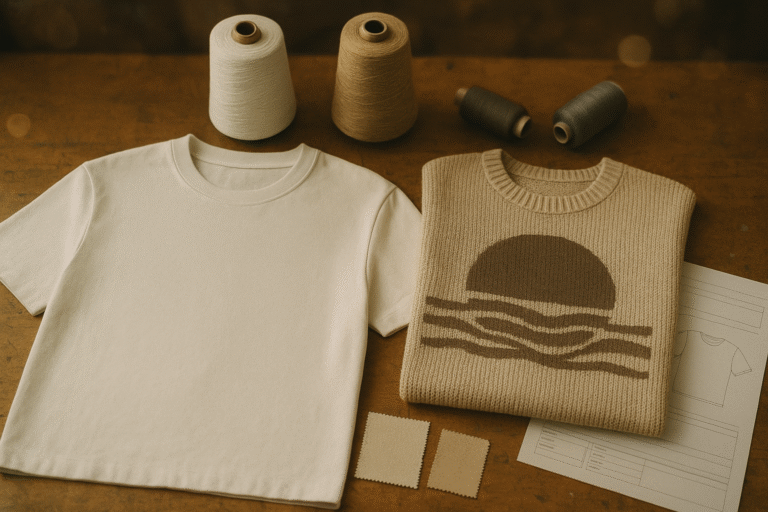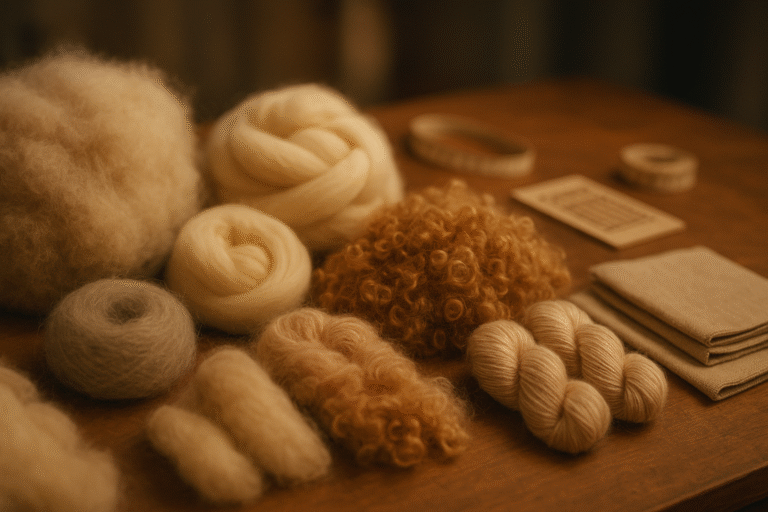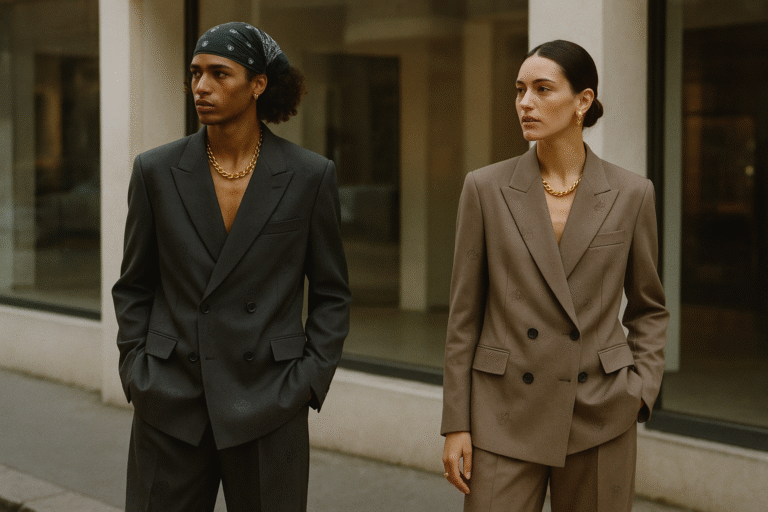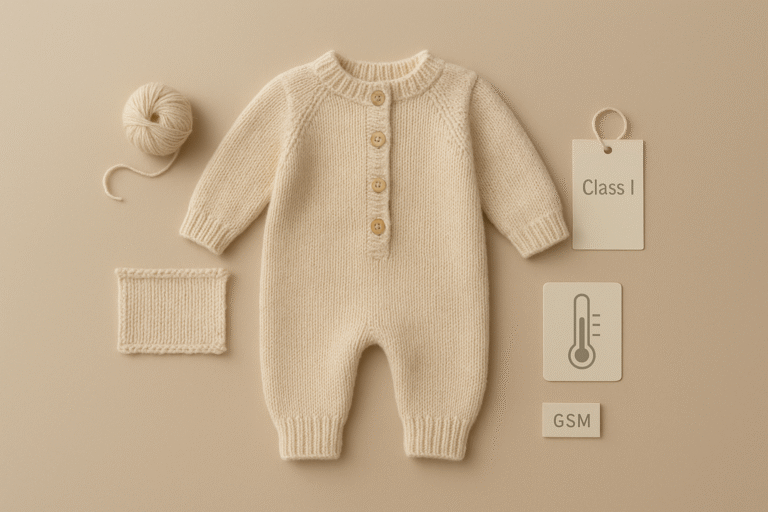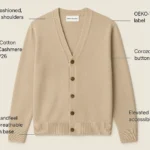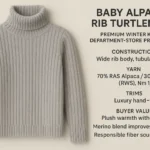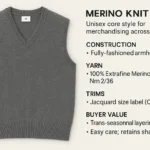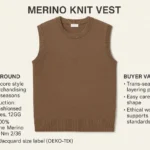

Designing custom knitwear for sports teams starts with knowing what your team wants. You get to pick colors, patterns, and materials that show off your team’s identity. Comfort and performance matter, so you want everyone to feel great wearing it. You don’t need to be an expert to begin. Team members can share ideas, and online tools make the process simple and fun.
Key Takeaways
Let your team help with the design. This way, everyone will like the finished product. Pick materials that feel good and work well for your sport. Decide why you need the knitwear. Is it for games or everyday use? This will help you make design choices. Make a budget early. This stops surprises and helps you pay for what you want. Try online design tools to see your ideas. Get feedback before you finish your order. Choose colors and patterns that show your team’s style. This can help your team feel proud. Add names and numbers to each piece. This makes your team feel special and easy to spot. Always get samples first. Check the fit and quality before you order for everyone.
Team Needs & Goals
When you begin a custom knitwear project, you want everyone to join in. Getting ideas from your team helps you make something everyone likes. You can use different ways to hear from each person. Here are some ways to gather ideas and feedback:
Method | Description |
|---|---|
Let team members help with design. This can help performance and lower problems. | |
Collaborative Design | Designers and team members work together. This connects business needs and user needs. |
Constructive Conflict | Talk openly to find different opinions. This makes the design better for everyone. |
Facilitation Skills | Coaches or leaders help guide talks. They make sure all ideas get respect. |
Assess Team Requirements
Quantity & Types
You need to know how many pieces you want. You also need to know what types of knitwear your team needs. Some teams want jerseys. Others like sweaters, hats, or scarves. Ask your team what they want most. Write down the items and count how many you need for players, coaches, and staff.
Who Will Wear
Think about who will wear the knitwear. Is it only for athletes? Or do you want fans and family to wear it too? If you include more people, you need extra sizes and styles. Personalization is important. Make sure each uniform fits well and feels good.
Define Purpose
Game Day vs. Daily Use
Decide if your knitwear is for game day, practice, or daily wear. Game day gear needs bold colors and clear logos. Daily items should be comfy and last long. Custom sportswear helps teams show unity and pride. This works on the field or off.
Sport-Specific Needs
Each sport has special needs. Soccer teams may want light, airy jerseys. Hockey teams need thick, warm sweaters. Here are some things to think about:
Think about climate when picking materials.
Make sure your design follows league rules.
Custom uniforms help teams build identity and chemistry. They help players feel like they belong. They also help everyone know their role.
Budget & Timeline
Set a budget before you order anything. Custom jerseys can cost $10 to $350 or more. Prices change based on how many you buy, the fabric, and how much you customize. Think about logos, embroidery, printing, and transfers when you plan your budget.
Here is a quick look at the average timeline for custom knitwear projects:
Stage | Estimated Time |
|---|---|
Production | 7–14 days |
Shipping – Economy | 7–14 days |
Shipping – Express | 3–5 days |
Total Timeline | 2–4 weeks |
Tip: Start early and give yourself lots of time. If you rush, you might make mistakes or miss details.
By thinking about your team’s needs, you make sure your design looks great and feels good for everyone.
Design Options for Custom Knitwear
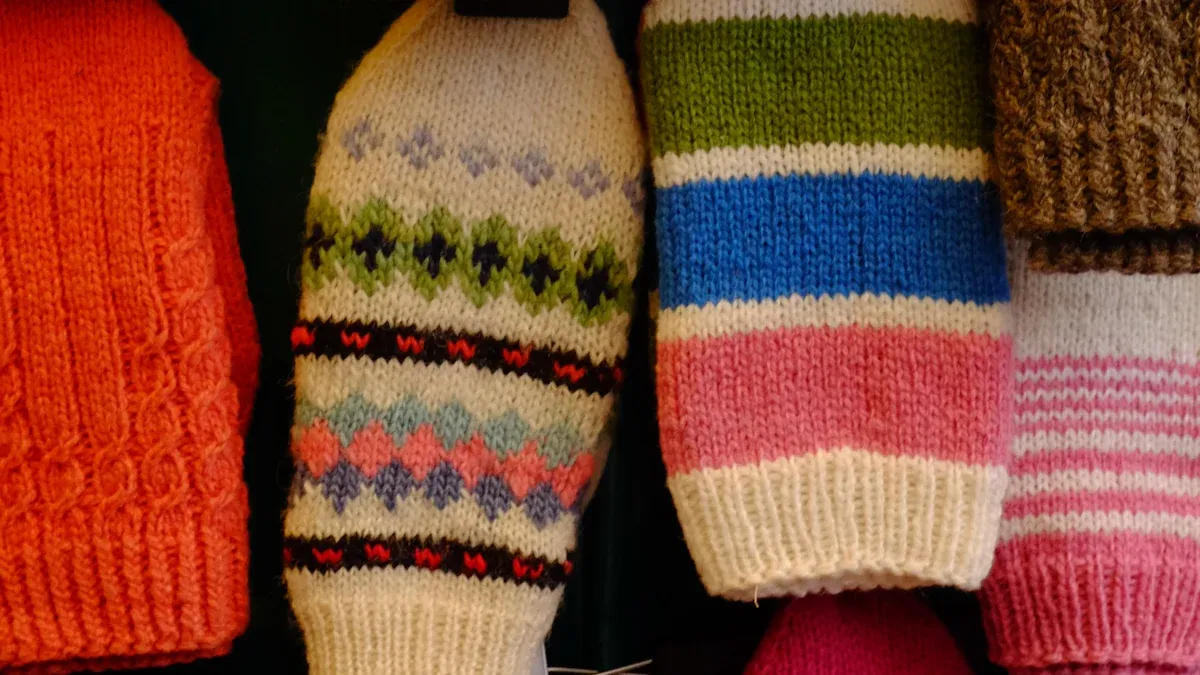
Choosing the right design options sets your team apart. You want your knitwear to show off your team’s spirit and make everyone feel proud. Let’s break down how you can build a strong look for your team, from colors and patterns to logos and personalization.
Team Colors & Patterns
Brand Consistency
You want your team’s sweaters to look unified. Sticking to two or three main colors helps keep things simple and bold. Primary colors make your team easy to spot. Secondary colors add balance. Neutral colors like black, white, or gray help the main colors pop. Color psychology matters too. Red feels energetic. Blue gives a sense of trust. Pick colors that match your team’s vibe.
Tip: Use the same colors for all your branding. This makes your team easy to recognize, whether you’re on the field or in the stands.
Here’s a quick table to help you plan your color choices:
Color Type | Purpose | Example |
|---|---|---|
Primary | Team identity, recognition | Red, Blue |
Secondary | Balance, accent | Gold, Silver |
Neutral | Contrast, clarity | White, Black |
Pattern Choices
Patterns add energy and style to your sweaters. You can choose from bold stripes, geometric shapes, or even abstract designs. Some teams like gradients for a sleek look. Others go for organic patterns inspired by nature. Dynamic patterns, like zigzags or chevrons, show movement and excitement.
Bold color combinations: Try red and white or blue and black for strong contrast.
Geometric patterns: Squares, triangles, or diamonds work well for focus-driven sports.
Abstract patterns: Show off creativity with unique shapes.
Organic patterns: Use flowing lines for a softer feel.
Gradients: Shift colors smoothly for a modern touch.
Patterns help your sweaters stand out and give your team a signature style.
Logos & Branding
Placement
Where you put your logo matters. The left chest is classic and subtle. A big logo on the front grabs attention. You can also add small logos on sleeves or the back. Embroidery works well for a timeless look. Screen printing is best for bold graphics. Direct-to-garment printing lets you use complex designs.
Note: Match your logo style to the texture and color of your sweaters. This keeps your branding sharp and professional.
Readability
Your logo should be easy to see. Use strong contrast between the logo and the sweater color. A simple, memorable logo works best. Make sure names and numbers stand out. If your logo is too small or blends in, people won’t notice it. Balance the size with the style of your sweaters. Avoid clutter so your design stays clean.
Personalization
Names & Numbers
Adding names and numbers makes each sweater special. Players love seeing their own name on their gear. Numbers help fans and coaches spot players quickly. Use bold fonts and clear colors for easy reading. Personalization boosts team pride and helps everyone feel included.
Special Editions
You can create special edition sweaters for big games or events. Try unique patterns or limited colors. Add a patch for championships or anniversaries. These designs become keepsakes for your team. Special editions make the knitwear creation process more exciting and memorable.
Callout: Visualizing your design helps you avoid mistakes. Use online templates or graphic tools to see how your sweaters will look before you order. You can share mockups with your team and get feedback. This step makes sure everyone loves the final design.
Design options give you the power to show off your team’s identity. When you focus on colors, patterns, logos, and personalization, your sweaters become more than just clothing. They turn into symbols of unity and pride.
Tools & Platforms for Custom Knitwear
Picking the right tools makes your project simple and fun. You can use online design tools, manufacturer platforms, or work with designers. Each choice helps you make your team’s ideas real.
Online Design Tools
Online design tools let you make and see your team’s knitwear anywhere. You can use a phone, tablet, or computer. These tools have templates and features to help you change every part.
Templates
Templates help you start fast and save time. You can pick from many designs for different sports. Some tools let you change colors, add logos, and match your team’s brand. Here’s what these tools can do:
Feature | Description |
|---|---|
Pick from lots of templates for your sport or brand. | |
Color Customization | Try out color mixes to match your team’s style. |
Logo Color Match | Use your logo’s colors for perfect branding. |
Live Product Previews | See changes right away on your sweater before you buy. |
User Experience
You want a tool that is easy to use. Many tools work well on phones and tablets. You can pick materials, change colors, and add names or numbers. Some tools show a 3D view, so you see your design from all sides. You can make as many designs as you want and share them for feedback.
Feature | Description |
|---|---|
Mobile Responsiveness | Design and order gear from any device. |
Material and Colour Selection | Pick materials and colors for each part of the uniform. |
Name & Number Feature | Add names and numbers for each player or group. |
Live 3D Preview | Spin your design to see every detail before you buy. |
Tip: Use live previews to spot mistakes before you order. This helps you get what you want.
Manufacturer Platforms
Manufacturer platforms turn your design into real knitwear. These platforms have strong customization and print-on-demand options.
Customization Features
You can make many versions and personalize each piece. The process is quick and helps avoid mistakes. You can order for big teams or just a few people.
Feature | Description |
|---|---|
Customization | Make lots of changes and personal designs. |
Production | Make things faster and cut down on mistakes and wait times. |
Scalability | Order for a whole league or just a few players. |
You don’t need extra inventory.
Test and change your design right away.
Save money and waste less.
Print-on-Demand Options
Print-on-demand lets you order only what you need. You can try new designs or make special editions without buying too much. This is good for small teams or one-time events.
Note: Print-on-demand keeps you flexible and stops leftover stock.
Professional Designers
Sometimes you want expert help. Designers can take your ideas and make them special.
Communicating Vision
Share your team’s story, colors, and goals. The designer listens and draws ideas. You can ask questions and give feedback at every step.
Reviewing Proofs
You get to see proofs before anything is made. Check the fit, colors, and logo spots. Make changes if you need to. This step makes sure your knitwear is just right.
Callout: Working with a designer helps you make a look that stands out on and off the field.
You have many ways to make your team’s knitwear. Try online tools for fast design, manufacturer platforms for easy orders, or work with a designer for a custom look.
Yarn & Material Selection
Choosing the right yarn and materials makes a big difference for your team’s knitwear. You want everyone to feel comfortable, look sharp, and perform their best. Let’s break down what you need to know.
Yarn Types
Wool, Cotton, Synthetics
You have lots of choices for yarn. Each type brings something special to your team’s gear:
Merino wool feels soft and light. It resists odors and pilling, so your sweaters stay fresh and cozy.
Alpaca yarn gives warmth and breathability. It doesn’t shrink or pill easily, which is great for delicate items.
Cotton blends (cotton mixed with acrylic or wool) offer strength and comfort. These blends work well for active teams.
You can mix and match these yarns to get the right feel for your team.
Performance Factors
Yarn affects how your knitwear performs. Some yarns keep you warm, while others help you stay cool. Take a look at this table to see how different materials stack up:
Yarn Material | Thermal Conductivity | Air Permeability | Thermal Resistance | Comfort Level |
|---|---|---|---|---|
Eri-silk | Higher | Moderate | Lower | Better |
Microfibers | Higher | Lower | Lower | Cooler feel |
Bamboo | Lower | Higher | Higher | Moderate |
Cotton + Synthetic | Higher | Moderate | Lower | Better |
Cotton Rib | Higher with twist | Moderate | Lower | Cooler feel |
Eri-silk yarn keeps you warm and comfortable.
Microfibers feel cool but don’t let much air through.
Bamboo yarn lets air and water vapor move easily, which helps with sweat.
Cotton and synthetic blends give you good warmth and comfort.
Twisted yarns improve how your sweaters handle heat and moisture.
Tip: Pick yarns that match your sport and climate. Warm yarns work for cold games, while breathable yarns help in hot weather.
Color Selection
Team Color Matching
Colors matter for team spirit. You want your knitwear to match your team’s colors and boost confidence. Here are some things to think about:
Colors can make players feel strong or calm.
Warm colors like red or orange help in contact sports.
Cool colors like blue or green work well for focus and calmness.
Different cultures see colors in different ways, so think about your fans too.
Durability
You want colors that last. Some yarns fade after washing or sun exposure. Choose yarns with strong dyes and good colorfastness. This keeps your sweaters looking sharp all season.
Sourcing Yarn
Supplier Options
You need reliable suppliers for high-quality yarn. Here are some trusted names:
Manufacturer Name | Year Founded | Location | Products Offered |
|---|---|---|---|
Zhongshan Xingtai Clothing Co., Ltd | 2003 | Zhongshan, China | Crocheted sweaters, Hoodies, Beanie, Hats, Knit scarves |
Otago Knitwear | 1999 | Dunedin, New Zealand | Sweatshirts, Hoodies, Custom Accessories, Cardigans |
Canada Knitwear | 1993 | Etobicoke, Ontario, Canada | Custom sweaters, cardigans, headbands, scarves |
You can reach out to these companies for custom orders and samples.
Eco-Friendly Choices
Eco-friendly yarns help the planet and support fair practices. You can choose cotton, hemp, recycled wool, or man-made cellulosic fibers. These options are flexible, wick moisture, and come from sustainable sources.
Callout: Picking eco-friendly yarns adds responsibility to your design. You help your team and the environment at the same time.
Now you know how to pick the best yarn and materials for your team’s knitwear. The right choices make your gear last longer and feel better.
Knitwear Design Guidelines
Sizing & Fit
Getting the right fit for your team’s knitwear makes a big difference. You want everyone to feel comfortable and confident. Sizes can change from brand to brand, so you need to pay close attention.
Standard vs. Custom
Here’s how you can make sure your team gets the best fit:
Check the size chart for each brand. Sizes can be different because of regional standards and fabric types.
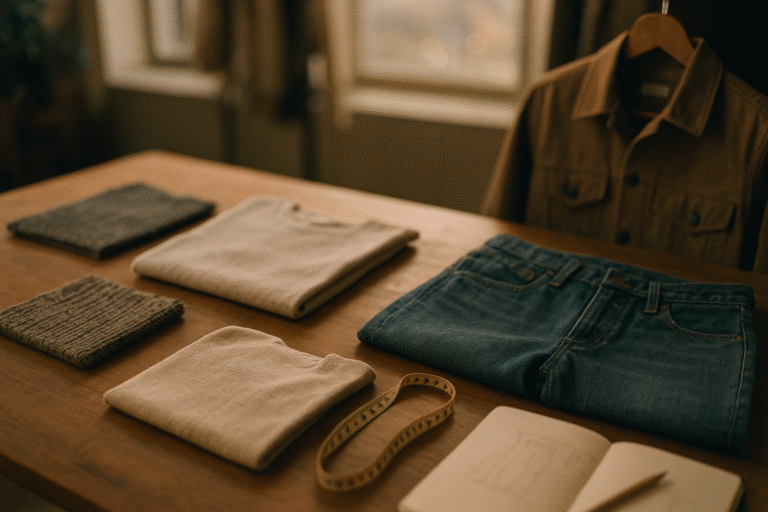
Use a flexible tape measure to measure your chest, waist, hips, sleeve length, and inseam.
Compare your measurements with the brand’s chart. Decide if you want an athletic fit or a relaxed fit.
If you shop online, always look at the fit description and size guide.
If you are between sizes, pick the larger size for a looser fit or the smaller size for a tighter fit.
Tip: Never guess your size. Measure carefully and check for size conversion tables if you order from another country.
Comfort for Athletes
Athletes need knitwear that lets them move easily. You want soft fabrics that stretch and breathe. Always think about layering, especially if your team plays in cold weather. Take your body measurements and compare them to the garment’s actual measurements. This helps you avoid tight or baggy uniforms.
Measure accurately for the best fit.
Choose the fit type your team prefers.
Think about how the knitwear will feel during practice and games.
Design Placement
Where you put logos and text on your knitwear matters. You want your team’s name and logo to stand out but not get lost in the design.
Logos & Text
Put your logo on the left chest for a classic look. Big logos on the front grab attention. Names and numbers should be bold and easy to read. Use strong contrast between the logo and the sweater color. Keep the design clean so nothing looks crowded.
Avoiding Mistakes
Mistakes can happen if you rush or skip steps in the knitwear design process. Always double-check the placement of logos and text. Share a mockup with your team before you order. Ask for feedback to catch any problems early.
Note: A clear and simple design helps your team look sharp and professional.
Knitting Limitations
Knitting technology has some limits. You need to know what is possible before you start your design.
Limitation Type | Description |
|---|---|
Hand knitting can change stitch size and tension. This affects how the garment fits and looks. | |
Custom Fit Requirements | Custom sports knitwear must fit each body type. This can be hard to get right every time. |
One-Time Production | Each piece is made once. If there is a mistake, you cannot fix it after it is finished. |
Detail Level
Knitting can show simple shapes and patterns well. Small details or tiny text may not look clear. If you want a complex logo, talk to your manufacturer about what works best.
Adjusting Designs
If you find a problem with your design, make changes before production starts. Use samples to test fit and look. Ask your team for feedback. Adjust colors, patterns, or logo placement as needed.
Callout: Knowing the limits of knitting helps you avoid surprises. Plan ahead and keep your design simple for the best results.
Sampling & Quality Check
You want your custom knitwear to look great and feel comfortable. Before you order for the whole team, you should always check samples. This step helps you catch problems early and make sure the final pieces meet your expectations for quality.
Order Samples
Getting samples is your chance to see and touch the knitwear before you commit. You can check colors, fit, and how the fabric feels. Samples let you spot issues that might not show up in digital previews.
What to Review
When you get your samples, you should test them in different ways. Teams use several methods to make sure the knitwear meets high standards for quality. Here’s a table that shows what you can check:
Testing Method | Purpose |
|---|---|
Colorfastness Tests | Simulate real-life scenarios like laundering and light exposure to assess color retention. |
Shape Testing | Ensures garments maintain their fit and functionality over time. |
Abrasion and Strength | Evaluates how fabrics withstand wear and tear. |
Laundering Cycles | Measures size changes after washing. |
Wear Simulation | Tests shape retention during use. |
Heat Exposure | Evaluates stability under temperature shifts. |
Stretch Recovery | Assesses the fabric’s ability to return to its original form. |
You want to make sure the colors stay bright, the fit stays true, and the fabric holds up after washing and wearing.
Fit & Comfort
Try on the samples and move around. You want to see if the knitwear feels good during practice or games. Check if the sleeves are the right length and if the sweater feels too tight or too loose. Ask your teammates to try them too. Everyone should feel comfortable and confident.
Tip: If the sample feels itchy or stiff, ask for a softer yarn or a different weave. Comfort is a big part of quality.
Make Adjustments
After you review the samples, you might need to make changes. This step helps you get the best possible quality for your team.
Feedback Process
You should talk with everyone who tried the samples. Listen to what they liked and what they didn’t. Here are some ways teams get helpful feedback:
Engage sample knitters. Their hands-on experience can improve the design.
Maintain clear communication. This keeps the process smooth.
Value feedback. Suggestions from knitters can lead to better quality.
Build relationships. Trust makes the process easier.
Fair compensation and recognition. Respecting their work helps everyone do their best.
Final Changes
Use the feedback to adjust colors, fit, or materials. You might need to change the logo placement or pick a different yarn. Make sure you share the new sample with your team before you order the full batch. This step helps you avoid mistakes and ensures top quality.
Callout: Sampling and feedback help you create knitwear that looks good, feels great, and lasts all season. You get the best results when you focus on quality at every step of the design process.
Finalize & Order Custom Knitwear for Sports Teams
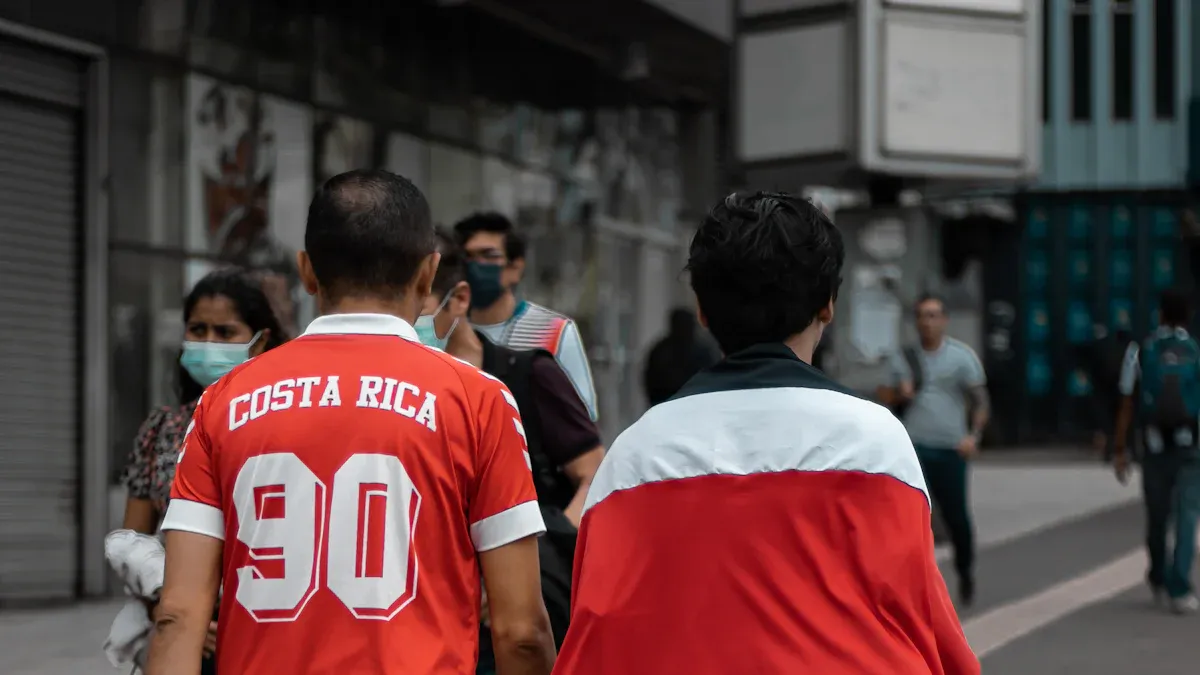
You are almost ready to see your custom knitwear. This last step is about checking every detail. You want to make smart choices. You want your team to get a great product that everyone will like.
Confirm Details
Check everything before you order. Here is a simple checklist to help you:
Decide what you need and pick your knitwear styles.
Get your design files ready and check your design needs. Make sure your graphics are high quality for production.
Check the price and pay for your order.
Wait for your knitwear to be made and checked for quality.
Look at the packaging and shipping details.
Get your custom sweaters and check if they are correct.
Quantities & Sizes
Count how many pieces your team needs. Write down the size for each player, coach, and staff member. If your supplier has a Rosters tool, use it. This tool helps you keep track of names, numbers, and sizes for each sweater. Always check your sizes with real samples so you do not make mistakes.
Delivery & Shipping
Pick how you want your sweaters shipped. Express shipping is fast but costs more. Economy shipping is slower but saves money. Ask your supplier for a tracking number. This way, you know when your sweaters will come. Print-on-demand makes each item when you order it. You do not have to worry about extra sweaters you cannot sell.
Tip: Print-on-demand is good for small teams or special designs. You get high quality, less waste, and a sweater that is unique.
Benefit | Description |
|---|---|
Each item is made when you order, so you do not get stuck with extras. | |
Premium Quality | The knitting method gives you a great product every time. |
Unique Merchandise | Custom knitwear is rare and gives your team a cool look. |
Sustainability | Made-to-order means less waste and helps the planet. |
Higher Perceived Value | Custom sweaters can sell for more, so you can earn more money. |
Payment & Tracking
You have different ways to pay for your knitwear. Some suppliers let you use Affirm, so you can pay over time. This helps you manage your money better.
Payment Options
Pay with a credit card, PayPal, or Affirm for more choices.
Make sure you pay before your sweaters are made.
Order Tracking
Get a tracking number from your supplier.
Watch your order as it ships so you know when your sweaters will come.
Distribution
When your custom knitwear arrives, you need to give it to your team. Delivery is easy if you plan ahead.
Organizing Delivery
For local teams, hand out sweaters at practice.
For big groups, use an online store so people can order sweaters themselves.
Use a system to keep track of sweaters and handle returns or exchanges.
Collecting Feedback
After everyone gets their sweaters, ask what they think. Did the size fit? Did the design look good? Use this information to make your next order better. Good communication with your team and supplier helps you avoid mistakes.
Solutions | |
|---|---|
Inaccurate sizing and fit assumptions | Check sizes with real samples |
Mismatched fabrics for the sport and climate | Pick materials that fit your needs |
Poor design file prep and color control | Use print-ready vector art and Pantone colors |
Wrong decoration method for the artwork | Match the decoration to your design |
Weak communication with manufacturers | Write down what you want with your vendor |
Note: Always check your order details before you finish. This helps you avoid problems and makes sure your custom knitwear is just right.
Now you are ready to order custom knitwear for your sports teams. Take your time, check every detail, and enjoy seeing your team wear sweaters that show your hard work and creativity.
You now know the steps to design custom knitwear for your team. First, ask your teammates for their ideas. Try using design tools to make your ideas real. Follow each step in the process to stay on track. If you get stuck, ask suppliers for help or use online sites. Here are some important things other teams learned:
Key Takeaways | Description |
|---|---|
Custom tracksuits help teams feel united and confident. | |
Professional Appearance | Matching gear makes teams look good to sponsors and recruiters. |
Functional Comfort | Special materials help players feel better and play well. |
FAQ
How do you choose the best yarn for your team’s knitwear?
You want yarn that feels good and lasts long. Try wool for warmth or cotton for breathability. Ask your team what they prefer. Test samples before you decide.
Can you design custom knitwear without graphic design skills?
Yes! Online tools give you templates and easy drag-and-drop features. You can pick colors, add logos, and preview your design. You don’t need to be a designer.
What’s the minimum order for custom knitwear?
Most suppliers let you order as few as one piece. Print-on-demand services work well for small teams or special events. Always check with your supplier first.
How long does it take to get your custom knitwear?
You usually wait 2–4 weeks. Production takes about 7–14 days. Shipping can take another 7–14 days. Express shipping arrives faster but costs more.
Can you wash custom knitwear in a washing machine?
Most custom knitwear is machine washable. Use cold water and gentle cycles. Always check the care label. Air drying helps sweaters keep their shape.
How do you fix mistakes in your design after ordering?
Tip: Always order a sample first. If you spot a mistake, contact your supplier right away. Some companies let you make changes before full production starts.