
Have you ever tried to knit a sweater and felt confused about which custom cable knit sweater pattern options to choose? You want a pattern that fits your skill level and looks good. The sweater also needs to fit well for your project. Tutorials can help you explore different custom cable knit sweater pattern options and get ideas. Apps and online tutorials let you see and compare yarns and styles. Tutorials help you knit a sweater, even if you are new to knitting. Good sweater knitting starts with watching tutorials and learning from others.
Tip: Save the tutorials you like best so you can find them fast while you work!
Tutorials show you new knitting skills.
Tutorials teach you how to change your sweater.
Tutorials help you fix knitting mistakes.
Tutorials help you finish your sweater project.
Key Takeaways
Begin by looking at many custom cable knit sweater patterns. Pick one that fits your skill level.
Watch online tutorials to learn new knitting skills. Use them to fix mistakes.
Find trusted designers like Michele Wang and Hannah Fettig. They make good patterns.
Check out different cable motifs. See which styles you like for your sweater.
Measure your body carefully. This helps your custom sweater fit well.
Pick yarn that shows off your cables. Make sure it matches your design idea.
Make a swatch with your yarn. This helps you check gauge and avoid size problems before you start.
Change patterns if you want. This lets you match your style and make your sweater special.
Explore Custom Cable Knit Sweater Pattern Options
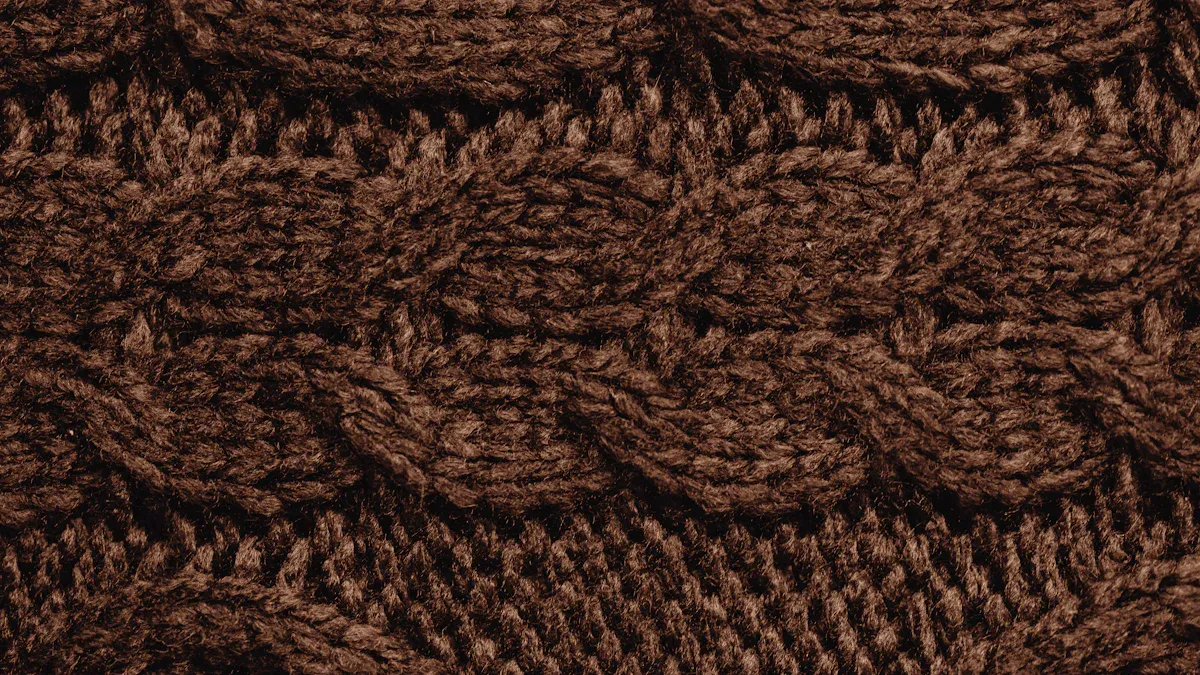
Picking a custom cable knit sweater pattern can be fun. There are lots of choices for you. Start by looking at designers with nice patterns. You can use digital tools to help you find a sweater you like.
Browse Reputable Designers
You want your sweater to look good and fit well. Well-known designers have custom cable knit sweater pattern options that stand out. Many knitters trust designers like Michele Wang, Hannah Fettig, and Thea Colman. You can find a list of the 20 best cable knit sweater patterns on the Flax & Twine blog. These designers make patterns with different cable motifs and styles. You can compare their work to see which style you like most.
Compare styles and cable motifs
Every designer has their own style. Some patterns have thick cables. Others have thin twists. You might like big cables that stand out. Or you might want small, simple designs. Look at different cable motifs. Cables change how a sweater looks and feels. Make a list of styles you like. This helps you pick your custom cable knit sweater pattern options.
Review completed projects for inspiration
Finished sweaters can give you ideas. Many knitters post photos and notes online. You can see how patterns look when finished. You can also read about yarns and colors they used. Some knitters talk about sizing and fit. Their notes help you avoid mistakes and pick the best custom cable knit sweater pattern options for you.
Here are some top-rated designers and their popular patterns:
Designer | Pattern Name | Description |
|---|---|---|
Hannah Fettig | A cozy cardigan with cable details. | |
Veronik Avery | A classic aran sweater with a boat neck. | |
Pamela Wynne | A raglan aran sweater for anyone, with ten sizes. | |
Carrie Bostick Hoge | Has big pockets and simple cable details. | |
Laura Nelkin | A boxy sweater with special cables and options for the hem and neck. | |
Olga Buraya-Kefelian | Cables with eyelets for a pretty edge. | |
Andrea Mowry | A cardigan with color choices and a loose fit. | |
Carrie Bostik Hoge | A button-up cardigan with many knitting techniques. | |
Pamela Wynne | A bright cardigan with flower bobbles and thin cables. | |
Andrea Mowry | A short sweater with a honeycomb cable design. |
Use Pattern Selection Tools
You can use digital tools to look at custom cable knit sweater pattern options. Apps and websites make it easy to search for patterns. These tools help you keep your knitting organized and track your progress.
Apps and online resources
Many knitters use apps to find and save patterns. Here are some popular ones:
KnitCompanion: Lets you count rows and mark patterns.
Pocket Knitting: Imports Ravelry patterns and adds notes.
My Row Counter: Has voice features and keeps stats.
Yarnbook: Has over 800 patterns and lets you filter them.
Knit&Note: Tracks patterns, yarn, and materials.
Stitch Fiddle: Helps you make knitting charts and turn pictures into patterns.
These apps help you find custom cable knit sweater pattern options that match your skill and style.
Filtering by skill level and style
Pattern tools have filters to help you choose patterns. You can sort by skill level, yarn weight, and project type. This helps you find custom cable knit sweater pattern options that fit your experience and style.
Feature | Description |
|---|---|
Difficulty Level | Filter patterns by skill: Beginner, Easy, Intermediate, Advanced. |
Yarn Weight | Pick patterns for lace, fingering, sport, DK, worsted, aran, bulky, or super bulky yarns. |
Project Type | Search for patterns by project, like sweaters or accessories. |
Tip: Always read notes from other knitters. You can learn about yarn, color, and gauge. This helps you avoid mistakes like picking the wrong yarn or missing a step.
You want your sweater to look nice. Light colors show cables well. Variegated yarns can hide the pattern. Always knit a swatch to check your gauge. Cables can make the fabric tighter. You might need to change your needle size. Use a row counter and keep your cable needle close. Even tension makes your cables look neat.
Looking at custom cable knit sweater pattern options is fun. You get to see many styles and find the best sweater for your project. Use digital tools and learn from other knitters. This helps you make good choices and enjoy knitting.
Define Your Sweater Vision
You want your sweater to feel special and fit just right. Before you start knitting, take a moment to picture what you want. This step helps you stay excited and focused as you work.
Design Your Own Sweater
Do you want to design your own sweater? You can! Many knitters love this part because it lets you make something unique. Start by thinking about the shape and style you want. Do you like a loose fit or something more fitted? Maybe you want a classic look, or you want to try modern details like bell sleeves or a funnel neck.
Sketch and diagram your ideal fit
Grab a pencil and paper. Draw a simple outline of your sweater. Mark where you want the cables to go. Add notes about the length, sleeve style, and neckline. This sketch does not have to be perfect. It just helps you see your ideas. You can also use software to help with this step. Here are some tools that make it easier:
Software Name | Description |
|---|---|
Lets you chart cables, change stitch symbols, and create patterns automatically. | |
Sweater Maker by Seedling | Helps you make custom-sized sweaters with diagrams and instructions. |
How to Design Your Own Sweater | A guide that walks you through each step, from measuring to finishing details. |
You can follow these steps to design your own sweater:
Decide who will wear the sweater.
Take measurements and draw a diagram.
Think about design elements and sketch them.
Pick your yarn and figure out how much you need.
Knit swatches to test your needles and fabric.
Finish your design and start knitting.
Visualize cable designs in 3D
It helps to see your cables before you start knitting. Some apps and software let you view your cable patterns in 3D. This makes it easier to plan your design and spot any problems early. When you visualize your cables, you can avoid mistakes and understand how the stitches will cross. You get a clear picture of your finished sweater, which makes knitting more fun and less stressful.
Tip: Planning your cables in 3D helps you chart your pattern and keeps your knitting on track.
Set Project Goals
Think about why you want to knit this sweater. Setting a goal helps you pick the right style and fit.
Everyday wear or special occasion
Will you wear your sweater every day, or is it for a special event? Everyday sweaters need to be comfy and easy to care for. Special sweaters can have fancy cables or unique textures. You might want to mix different knitting textures for extra style.
Gift or personal use
Are you knitting for yourself or someone else? If it is a gift, think about the person’s favorite colors and style. Customization makes the sweater more personal. Many knitters also care about using eco-friendly yarns and sustainable practices.
Here are some design elements knitters often think about:
Design Element | Description |
|---|---|
Choice of Yarn | Changes the feel, color, and weight of your sweater. |
Intricate Stitch Patterns | Adds interest, like cables or lace. |
Sustainability | Using eco-friendly yarns and methods. |
Customization Options | Lets you change the design to match your style. |
When you design your own sweater, you get to make all these choices. You control the fit, the look, and the feel. This makes your knitting project truly yours.
Match Pattern Complexity to Skill Level
Choosing the right cable knit sweater pattern means thinking about your skills and how much you want to challenge yourself. You want a project that helps you grow but does not feel overwhelming. Skill levels in knitting patterns act like a guide. They show you what to expect and help you pick a sweater that matches your abilities. This way, you can enjoy the process and finish with pride.
Assess Cable Techniques
Cables look fancy, but you can master them with practice. You might feel nervous about trying new knitting skills, especially if you see lots of twists and turns in a pattern. Let’s break down what you need to know.
Simple vs. advanced cables
Simple cables use basic stitches and easy crossings. You usually see these in patterns marked as easy or intermediate. Advanced cables have more twists, bigger motifs, and sometimes mix in lace or bobbles. Most cable knit sweater patterns fall into the intermediate category. Take a look at this breakdown:
Count | Percentage | |
|---|---|---|
Beginner | 0 | 0% |
Easy | 12 | 2.86% |
Intermediate | 407 | 97.14% |
Advanced | 18 | 4.29% |
You see that almost all cable knit sweater patterns are intermediate. If you are new to knitting, start with easy cables. You can move up as your skills improve.
Reading charts and instructions
Charts and written instructions help you understand how to knit cables. Some patterns use symbols and diagrams. Others use step-by-step words. You need to read both types to build your skills. Pictures and schematics show you how the finished sweater will look. They help you check if the project matches your vision.
Tip: Practice reading charts with small swatches before you start your main project. This builds your confidence and skills.
Choose Beginner or Advanced Patterns
You want to pick a pattern that matches your skills. Think about what you know and what you want to learn. Here are some things to look for:
Pattern description and skill level
Clear pictures and diagrams
Size and gauge information
List of materials
These details help you decide if a pattern fits your skills. You can use this table to guide your choice:
Factor | Description |
|---|---|
Pattern Description and Skill Level | Check if the pattern matches your skills and goals. |
Pictures, Graphics, and Schematics | Use visuals to see if the cables and fit match your style. |
Size Information and Gauge | Make sure you can follow the sizing and gauge instructions. |
Materials | Prepare all the yarn and tools before you start knitting. |
Pattern recommendations by experience
If you are just starting, look for patterns with basic stitches and clear instructions. Easy patterns introduce new skills without making you feel lost. Intermediate patterns challenge you with more cables and shaping. Advanced patterns push your skills with complex motifs and tricky techniques.
Beginner: Basic stitches, simple cables, and step-by-step instructions.
Easy: New stitches and techniques, but not too many at once.
Intermediate: More cables, shaping, and maybe some lace.
Advanced: Large motifs, mixed techniques, and detailed charts.
Knitting cables may seem hard, but you can learn them step by step. Here’s how you work a cable:
Transfer stitches to a cable needle.
Hold the cable needle in front or behind your work.
Knit the next stitches from your left-hand needle.
Knit the stitches from the cable needle.
Many knitters learn these skills by watching videos, reading guides, and practicing with small projects. You build your skills over time. You can always start with a simple cable and move up as you get better.
Remember, every new skill you learn makes your knitting stronger. Pick a sweater pattern that excites you and matches your skills. You will enjoy the process and love the result.
Ensure Accurate Fit and Sizing
Getting the right fit for your sweater makes all the difference. You want your knitting project to feel comfortable and look great. If you take time to measure and check sizing, you can avoid surprises later.
Take Measurements
Before you start knitting, grab a measuring tape. You need to know your body’s numbers. This step helps you get a custom fit and makes your sweater feel like it was made just for you.
Diagramming for custom fit
Draw a simple outline of your body. Mark the spots where you’ll measure. You can use a sketch or a printed diagram. Write down each number next to the spot. This helps you keep track and compare with pattern instructions.
Here’s a table to guide you through the main measurements:
Measurement Type | Description |
|---|---|
Bust | Measure around the fullest part of your chest, keeping the tape level. |
Natural Waistline | Measure at the smallest part of your midsection. |
Hips | Measure around the fullest part of your hips, below the hip bones. |
Shoulder Width | Measure across your back from shoulder tip to shoulder tip. |
Neck Width | Measure from one neck-shoulder corner to the other. |
Back Waist | Measure from the top of your spine to your natural waist. |
Arm Length | Measure from the center of your back, over your shoulder, to your wrist. |
Desired Length | Measure from your high shoulder to where you want the hem to rest. |
Tip: Write your measurements on a sticky note and keep it with your knitting supplies. You’ll always have it handy!
Adjusting for body shape
Everyone’s body is different. You might have broad shoulders or a long torso. Patterns use standard sizes, but you can change them for your own shape. If your hips are wider, add stitches to that area. If your arms are longer, knit extra rows. These small changes help your sweater fit better.
Check your measurements against the pattern.
Add or subtract stitches where needed.
Adjust sleeve or body length for your height.
Review Sizing Recommendations
Designers give sizing charts and advice, but real-life knitting projects tell a bigger story. You can learn a lot from other knitters who share their notes online.
Learn from others’ project notes
Many knitters post photos and comments about their finished sweaters. They talk about what worked and what didn’t. Sometimes, the designer’s size chart matches well. Other times, knitters need to change the pattern for a better fit.
Here’s a table showing what designers suggest and what users experience:
Aspect | Designer Recommendations | User Experiences |
|---|---|---|
Size Chart Consistency | Designers use a consistent size chart. | Users often find differences based on their measurements. |
Modifications Required | Minimal adjustments suggested. | Users often need to change patterns for better fit. |
Fit Understanding | Designers may not cover every body type. | Users adjust patterns for their unique shapes. |
Note: Always read project notes from other knitters before you start. You’ll find tips about yarn, sizing, and fit that can save you time and trouble.
You can use these notes to guide your own knitting. If you see someone with a similar body shape, check how they changed the pattern. This helps you get a custom fit and enjoy your sweater even more.
Select Yarn and Materials
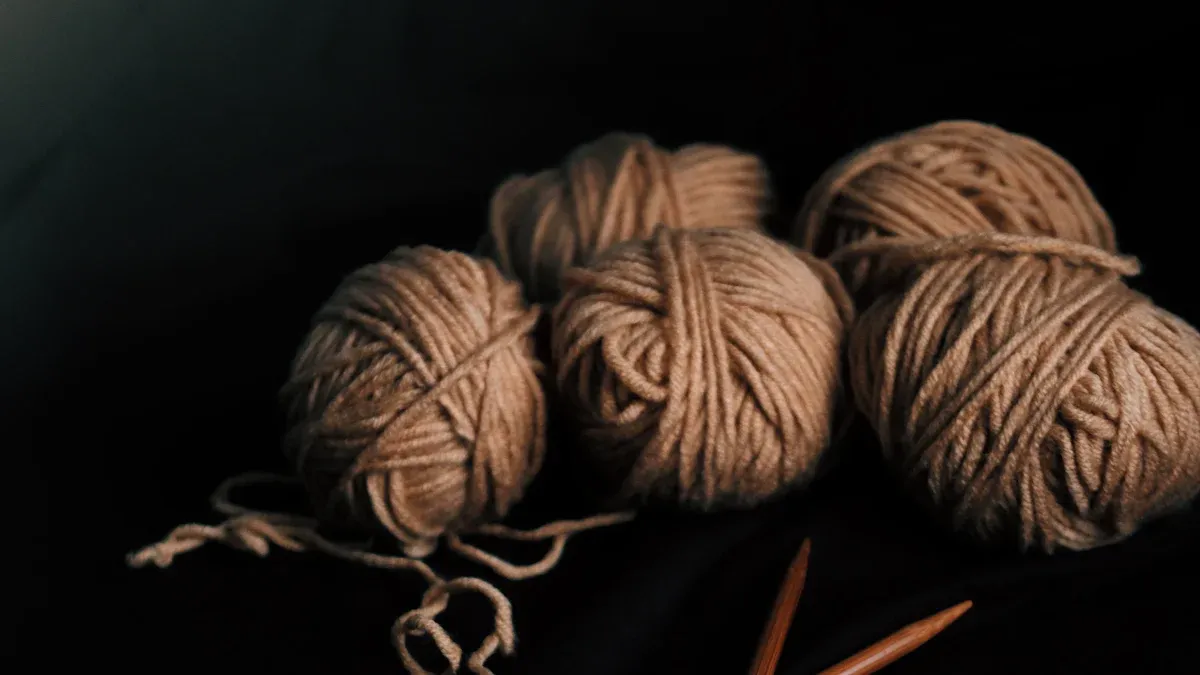
Choosing the right yarn and materials makes your cable knit sweater look amazing and helps it last. You want your knitting project to show off the cables and feel comfortable every time you wear it. Let’s break down how you can pick the best yarn and figure out how much you need.
Choose Yarn for Cables
You want your cables to stand out and keep their shape. Yarn choice affects how your sweater looks and feels. Some yarns make cables pop, while others give a softer look.
Fiber and weight for definition
Plied, superwash merino yarn gives your cables great structure. You see crisp lines and bold twists. Sock weight yarn mixed with lace weight cashmere offers a gentle drape and softer cables. Woollen spun yarns trap air, so your sweater feels bouncy and holds its shape. Worsted spun yarns feel heavier and work best for accessories. Superwash yarns can stretch out, so they don’t always keep cables tight in a full sweater.
Here’s a quick guide to help you compare:
Yarn Type | Characteristics | Recommendation for Cables |
|---|---|---|
Woollen Spun Yarn | Traps air, bouncy, keeps shape | |
Worsted Spun Yarn | Heavier, holds shape, can feel bulky | Good for accessories, use with care |
Superwash Yarn | Can stretch, may lose shape | Not great for full cabled sweaters |
Tip: Woollen spun yarns are your best bet for a sweater with lots of cables. They help your knitting stay neat and keep the fit just right.
Color and texture impact
Light colors show off cables better than dark or variegated shades. If you want your cables to stand out, pick a solid or heathered yarn. Texture matters too. Smooth yarns highlight every twist, while fuzzy yarns can hide details. Think about how you want your sweater to look before you start knitting.
Estimate Yarn Quantity
You want enough yarn to finish your project without running out. Estimating yarn helps you avoid surprises and keeps your knitting stress-free.
Swatching for accuracy
Swatching is a must. Knit a small sample using your chosen yarn and needles. Measure how many stitches you get per inch. Tighter knitting uses more yarn, so check your gauge. If you switch yarns, buy an extra skein for swatching. This helps you see how the yarn behaves and makes sure your sweater will fit.
Knit a swatch with your cable pattern.
Measure your stitches and rows.
Adjust your yarn estimate based on your swatch.
Allowing for extra yardage
Cables use more yarn than plain knitting. Calculate the area of your swatch and weigh it. Use this to estimate how much yarn you need for your size. Patterns with lots of cables or embellishments need extra yardage. Always buy a little more than you think you need. This covers swatching, mistakes, and finishing touches.
Account for pattern complexity.
Allow extra yarn for swatching and details.
Note: If you want a perfect fit, don’t skimp on yarn. Extra yardage means you can fix mistakes or add special touches without worry.
Picking the right yarn and estimating how much you need makes your knitting project smoother. You get a sweater that fits well and shows off your cables. Enjoy the process and watch your skills grow!
Personalize and Modify Patterns
You can make your cable knit sweater truly your own. Changing a pattern lets you match your style and get the perfect fit. You do not have to follow every instruction exactly. You can adjust the design, add special touches, and create something unique.
Modify Existing Patterns
You might find a pattern you like, but want to change the cables or shape. You can do this with a few simple steps.
Adjust cable motifs and layout
Cables form when you knit groups of stitches out of order. You hold some stitches aside, then knit others, and return to the held stitches. This basic technique lets you create many different cable designs. You can make cables thicker, thinner, or even twist them in new ways.
Before you change a cable motif, take time to look at your pattern. Ask yourself these questions:
Does the sweater use flat pieces or is it knit in the round?
Where do you want the cables to go—down the center, on the sleeves, or all over?
Will the new cable design fit into the space you have?
You can sketch your ideas first. Try drawing the cables on a diagram of your sweater. Some knitters use apps to see how the cables will look in 3D. This helps you spot problems before you start knitting.
Tip: Always check your gauge when you change a stitch pattern. If your new cable is tighter or looser, you may need to adjust your stitch count so your sweater still fits.
You can follow these steps to change the layout:
Understand how the sweater is built—flat or in the round.
Figure out if you need extra rows or rounds for sleeves.
Change the decreases for sleeve shaping so the fit stays comfortable.
When you swap out a cable or add a new one, make sure it blends with the rest of the design. If your new cable repeats, check that it lines up with the other parts of the sweater.
Customizing fit and style
You want your sweater to feel good and look great. You can change the fit by adding or removing stitches in certain areas. For example, if you want a looser body, add more stitches at the sides. If you want a closer fit at the waist, decrease a few stitches as you knit.
You can also change the length of the sleeves or the body. If you have long arms, add extra rows. If you like a cropped look, stop knitting sooner. Always compare your measurements to the pattern and adjust as needed.
You can play with style, too. Try adding cables to the cuffs or neckline. Mix in other stitch patterns, like ribbing or lace, for a one-of-a-kind look.
Note: When you change a pattern, write down what you do. This helps you remember your changes and makes it easier to repeat them on the other side.
Add Unique Details
You can make your sweater stand out with special details. These finishing touches show off your creativity and make your knitting project feel extra special.
Embellishments and finishing touches
Many knitters love to add embroidery, patches, or even custom labels to their sweaters. You can sew on leather patches for a classic look or add a woven label with your name. Some people use contrast stitching or colorful yarn to highlight the cables.
Here are some popular ways to personalize your sweater:
Additional Features | |
|---|---|
Embroidery | Fleece Lining |
Jacquard Knitting | Ribbed Cuffs and Hem |
Woven Labels | |
Patchwork | Contrast Stitching |
Leather Patches | Patches |
3D Puff Embroidery | Logos |
Printing | Eco-Friendly Designs |
Appliqué | Knit Patterns |
Hand-Knitted Details | |
Rhinestones | |
Studded Designs |
You can also try these finishing touches:
Use unique stitch patterns for the cuffs or hem.
Add lace details for a delicate look.
Try a tubular cast-on or bind-off for a neat edge.
Attach matching accessories, like a cable knit headband or mittens.
Tip: Visualize your design before you start. Draw or use an app to see how your changes will look. This helps you avoid surprises and makes your knitting more fun.
Personalizing your sweater makes it truly yours. You get to show off your style and enjoy a perfect fit. Every change you make adds to your knitting story.
Final Steps for Success
You are almost ready to start your cable knit sweater project. These last steps help you avoid surprises and make your knitting journey smoother.
Swatch and Test Cables
Swatching is more than just a practice run. It helps you see how your cables will look and lets you check your gauge. You want your sweater to fit well, so take time with this step.
Achieve correct gauge
When you knit a swatch, you check how many stitches and rows fit into an inch. Getting the right gauge means your sweater will match the pattern size. Many knitters find that stitch gauge is easy, but row gauge can be tricky. If your row gauge is off, you can fix it by adding or removing rounds to reach the right length.
Here are some common swatching tips:
Knit your swatch the same way as your project. If your sweater is knit in the round, swatch in the round.
Always block your swatch. Blocking shows how the fabric will behave after washing.
Treat your swatch like the real thing. This helps you spot problems before you start the main knitting.
Tip: Swatching may take as long as actual knitting, but it saves you time later.
Troubleshoot cable appearance
Sometimes cables look uneven or tight. You might see “rowing out,” where some rows look looser than others. This happens if you switch between flat and round knitting. Swatch in the same method as your project to keep tension even. If your cables look messy, try changing your needle size or yarn. Blocking can also help cables relax and look neat.
Prepare to Start Knitting
You have your swatch and your pattern. Now you need to get everything ready for your sweater project.
Gather materials and pattern
Make a checklist before you begin:
Yarn (with extra for swatching and mistakes)
Needles in the right size
Cable needle
Measuring tape
Pattern instructions
Row counter
Stitch markers
Having all your tools nearby keeps your knitting organized. You can focus on making cables and shaping your sweater.
Set realistic expectations
Knitting a cable sweater takes time and patience. You might spend as much time swatching as you do knitting the main pieces. Plan your project using a system like Elizabeth’s Percentage System (EPS). This helps you figure out the size and shape before you start. Remember, every step helps you learn and improve.
Here are some ways to set realistic goals:
Break your project into small steps.
Celebrate each finished section.
Expect some mistakes and learn from them.
Enjoy the process, not just the final result.
Note: Every knitter faces challenges. You can solve problems by testing, planning, and staying patient.
You are ready to begin your cable knit sweater. Take a deep breath, gather your supplies, and start knitting with confidence.
You can choose and change a cable knit sweater pattern by following easy steps. Look at this table for some quick ideas:
Key Factor | Description |
|---|---|
Balance Proportion | Match big cables with tighter bottoms |
Choose Colors | Use colors that make the texture stand out |
Neckline | Try new necklines for different styles |
Use online guides, classes, and expert advice to help you. Believe in your ideas and start your sweater project with confidence. You can do it!
FAQ
What is the best yarn for cable knitting?
You want a yarn that shows off your cables. Choose a smooth, plied wool yarn. Light colors make the cables pop. Avoid fuzzy or variegated yarns because they can hide your hard work.
How do I fix a mistake in my cable pattern?
Don’t panic! Use a crochet hook to drop down to the mistake. Fix the cable twist, then work the stitches back up. You can also use a lifeline to save your progress.
Can I adjust the size of a sweater knit pattern?
Yes, you can! Take your measurements and compare them to the pattern. Add or remove stitches as needed. Try on your sweater as you go to check the fit.
Do I need to block my finished sweater?
Yes, blocking helps your sweater look neat and even. Soak your sweater, lay it flat, and shape it to size. Blocking makes cables stand out and improves the final look.
How do I choose the right needle size?
Knit a swatch using the suggested needle size. Measure your stitches per inch. If your gauge is off, try a different needle. Swatching helps you get the right fit for your project.
What if I am new to cable knitting?
Start with a simple pattern. Practice basic cable stitches on a small project. Watch video tutorials and read guides. You will build confidence and skills as you go.