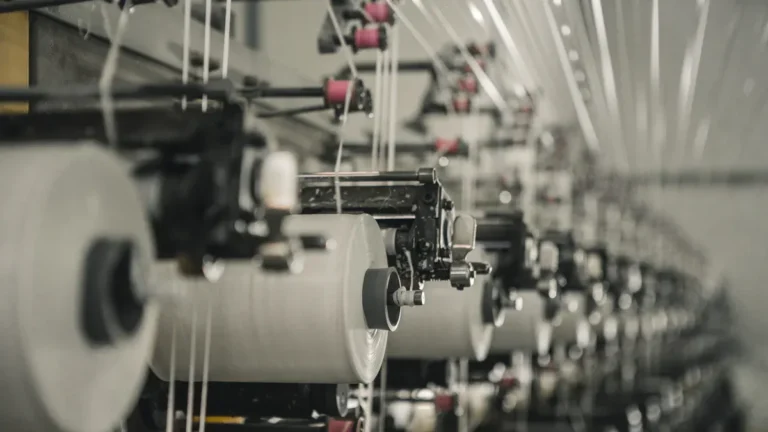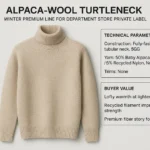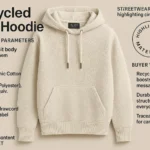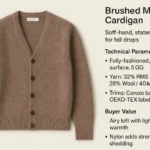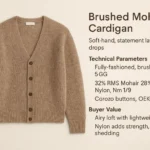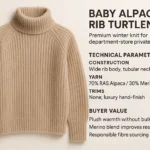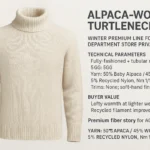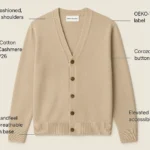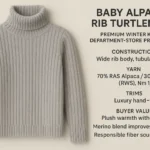

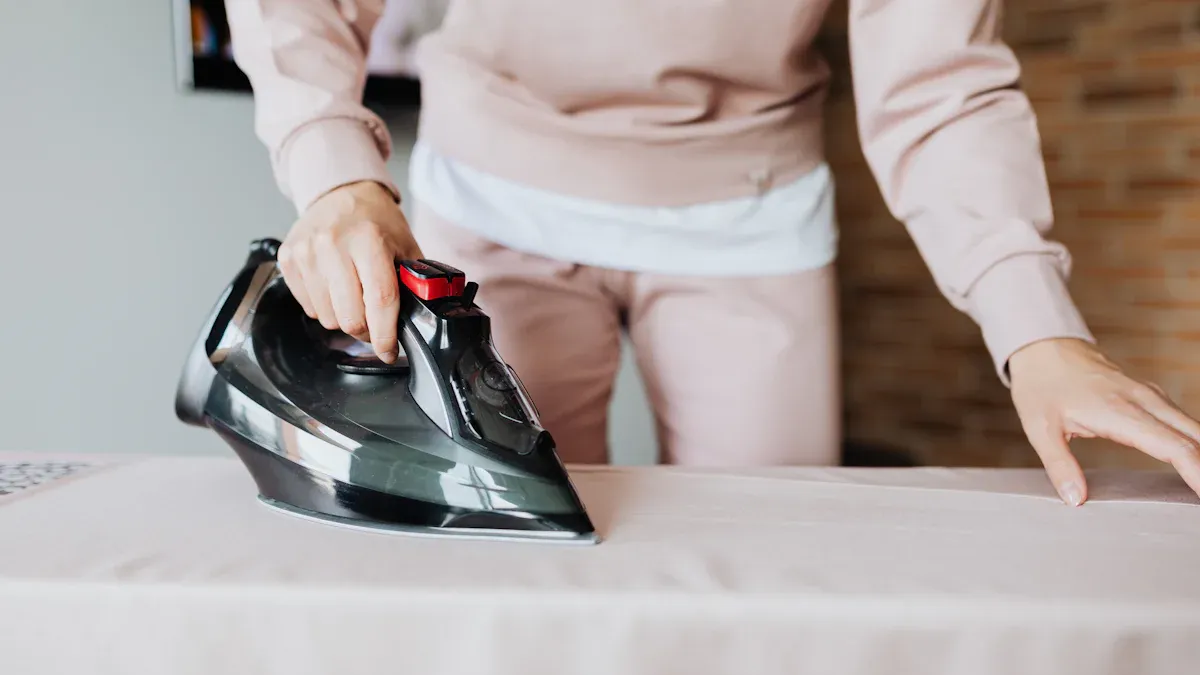
You use textile finishing steps like linking, washing, and steaming. These steps help your clothes look better and last longer. Linking fibers makes a strong network. This network helps clothes stay tough when washed. Washing takes away dirt. It gets fabrics ready for the next step. Steaming makes fibers relax. It also gets rid of wrinkles. Research shows these treatments help fabrics soak up water. They also make fabrics stronger. This helps your clothes stay comfy and look new.
Thermochemical treatments help fabrics last longer.
Hydrolysis can change how strong and stiff fabric is.
More water absorption makes fabric look and work better.
Key Takeaways
Linking makes fabric stronger by joining fibers. This helps clothes last longer and not get damaged easily. Washing takes away dirt and gets fabric ready for finishing. It also makes fabric softer and helps it take in color better. Steaming makes fibers relax and takes out wrinkles. It also helps clothes keep their shape. Using chemical linking can make fabric smoother and cost less to make. Good washing methods can save energy and help the environment. They also keep fabric clean. Steaming is soft on delicate fabrics. It keeps them looking and feeling nice without harm. Linking, washing, and steaming together make textiles stronger and last longer. They also help fabric look and feel better. Taking care of finished fabrics the right way helps them last longer. It also keeps their quality good over time.
Linking in Textile Finishing
What Is Linking
Linking is an important part of textile finishing. It connects fibers to make a strong network inside fabric. This helps clothes stay together and last longer. Linking happens in two ways: chemical cross-linking and mechanical joining.
Chemical Cross-Linking
Chemical cross-linking uses special agents to bond fibers. These agents work at a tiny level. Many modern textiles use this method. Chemical cross-linking makes fabric stronger. It helps fabric resist damage. Chemical linking protects against joint fatigue. It also reduces vibration. This method bonds materials with different expansion rates. Fast curing options help speed up production.
Fiber Durability
Linking makes fibers tougher. Fabrics with strong linking handle tension, compression, torsion, bending, and shear.
Tension stretches fabric. Acrylic is strong and does not break. Chiffon is weak and can tear.
Compression flattens fabric. Heavy knitted wool compresses well. It gives warmth and comfort.
Torsion twists fabric. Towels need to resist twisting.
Bending lets you make pleats and add volume.
Shear pulls fabric in opposite ways. Weaving, knitting, or bonding changes shear strength.
Linking Methods
There are different ways to link fibers in textile finishing. These ways include mechanical and chemical techniques.
Application Techniques
Mechanical joining uses fasteners or stitches. You can take these joints apart without hurting the fabric. This keeps the material’s chemical makeup the same. Mechanical joining works for many materials, like metal and glass. Chemical linking uses adhesives or bonding agents. It spreads stress better and seals out moisture. Chemical linking makes things lighter and bonds complex shapes. Invisible bonds look better.
Tip: Chemical linking can lower costs and give a smoother finish.
Common Fabrics
Many textiles use linking.
Cotton uses both mechanical and chemical linking for strong seams.
Wool uses chemical cross-linking for warmth and durability.
Acrylic uses chemical linking for high strength.
Chiffon uses gentle mechanical linking to avoid damage.
Advantages of Mechanical Joining | Disadvantages of Mechanical Joining |
|---|---|
Easy to take apart without damage | Stress at fastening points |
No bonds, so material stays the same | Can bend or lose strength |
Joins different materials (like metal to glass) | Open joints let in water and cause rust |
Handles damage well | Takes time and costs more |
No change to chemical makeup | Can loosen from shaking or hits |
Linking’s Impact on Appearance
Linking changes how your textile looks and feels. You notice changes in seam strength and how it looks.
Seam Strength
Seam strength is how much force breaks a seam. Fabrics with good linking have stronger seams. Seam strength depends on seam type and fabric weight.
Superimposed seams are stronger in the weft direction.
Lapped and chain stitches are weaker.
Seam efficiency shows how tough the seam is. As fabric gets stronger, seam efficiency goes down.
Visual Finish
Linking changes how your textile looks. Color and texture depend on how fibers link. Textured surfaces reflect light differently than smooth ones. This can make color look different in stores and at home. Linking helps make a smooth, even finish that looks nice and feels good.
Note: Light and surface texture can change how you see the color of your textile.
Washing in Textile Finishing Processes
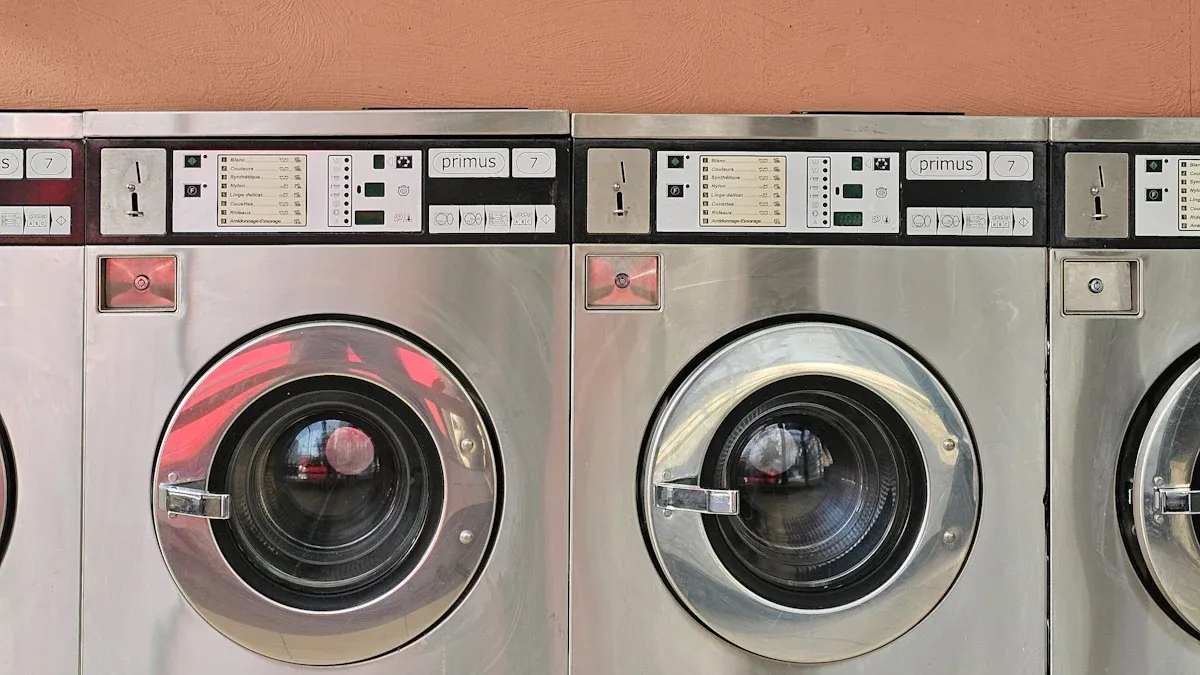
Washing is very important in textile finishing. It is not just about cleaning. Washing gets fabric ready for other steps. It makes fabric softer and helps stop shrinking. Let’s see why washing is needed and how it changes your clothes.
Purpose of Washing
Washing does two main things. It removes dirt and gets fabric ready for more steps.
Removing Impurities
You must take away dirt, grease, and other things from fabric. This is needed for a good finish. Wool has natural dirt from animals. Washing uses chemicals and machines to clean fabric. Scouring and bleaching make fabric clean, white, and soft. These steps help with dyeing and other finishes.
Washing takes away:
Dirt and dust
Grease and oils
Natural waxes
Leftover chemicals
Tip: Clean fabric takes in dyes and finishes better. This gives brighter colors and a smoother feel.
Preparing for Treatments
After washing, fabric is ready for the next steps. Scouring uses alkali to clean away natural dirt. Desizing removes stiff stuff, so dyeing is easier. Bleaching makes fabric lighter and ready for color. Mercerization can make fibers swell and shine. It also helps fabric take in dye. These steps help fabric look better and last longer.
Main washing steps:
Scouring
Desizing
Bleaching
Mercerization (optional)
Washing Techniques
There are many ways to wash fabric. Each way changes how fabric looks, feels, and affects the earth.
Water’s Role
Water carries cleaning stuff and helps take out dirt. The heat and amount of water can change results. Using less heat and air-drying saves energy. Washing at 60°C makes 3.3kg of CO2. Washing at 30°C and air-drying makes only 0.6kg. Washing cold once a week can save 23kg of carbon each year.
ENERGY STAR washers use 25% less energy and 40% less water.
If all washers in the U.S. met these rules, you could save $4 billion and stop 19 billion pounds of greenhouse gases.
Note: New washers use 70% less energy than old ones from 1973.
Quality Standards
You want your washing to be high quality. Garment wash, stone-wash, and enzyme washing make fabric softer and stronger. Garment washing gives a soft feel and a cool worn look. Good washing takes out bad stuff and keeps fabric nice for longer. It helps keep the finish and makes fabric last.
Effects on Fabric Quality
Washing does more than clean. It changes how fabric feels and works in later steps.
Softness
Different washing ways can make fabric softer and nicer to wear. Here is how some ways change softness and help with finishing:
Effects on Softness and Readiness for Processing | |
|---|---|
Bio Washing | Makes fabric soft and shiny, keeps color, and uses natural cleaners for better care. |
Enzyme Washing | Makes color last longer, smooths the surface, and stops pilling, so fabric looks better. |
Silicon Washing | Makes fabric very soft, helps stop shrinking, and keeps fabric soft after many washes. |
You can see each way helps make fabric better and more comfy.
Readiness for Next Steps
Washing gets fabric ready for more finishing. Clean, soft fabric takes in dyes and finishes well. You can add water repellent or other special finishes more easily. Washing also helps stop shrinking, so clothes keep their shape after washing at home. Using the right washing way helps fabric look good and last longer.
Remember: Good washing makes fabric softer and helps it take in water repellent and other special finishes.
Washing also changes how long your fabric lasts. For example, polyester can change after many washes. Washing can make tiny pieces come off and change the surface. This can make fabric weaker. Picking the right washing way helps fabric keep its look and work well for a long time.
Steaming in Textile Finishing Process
Steaming Basics
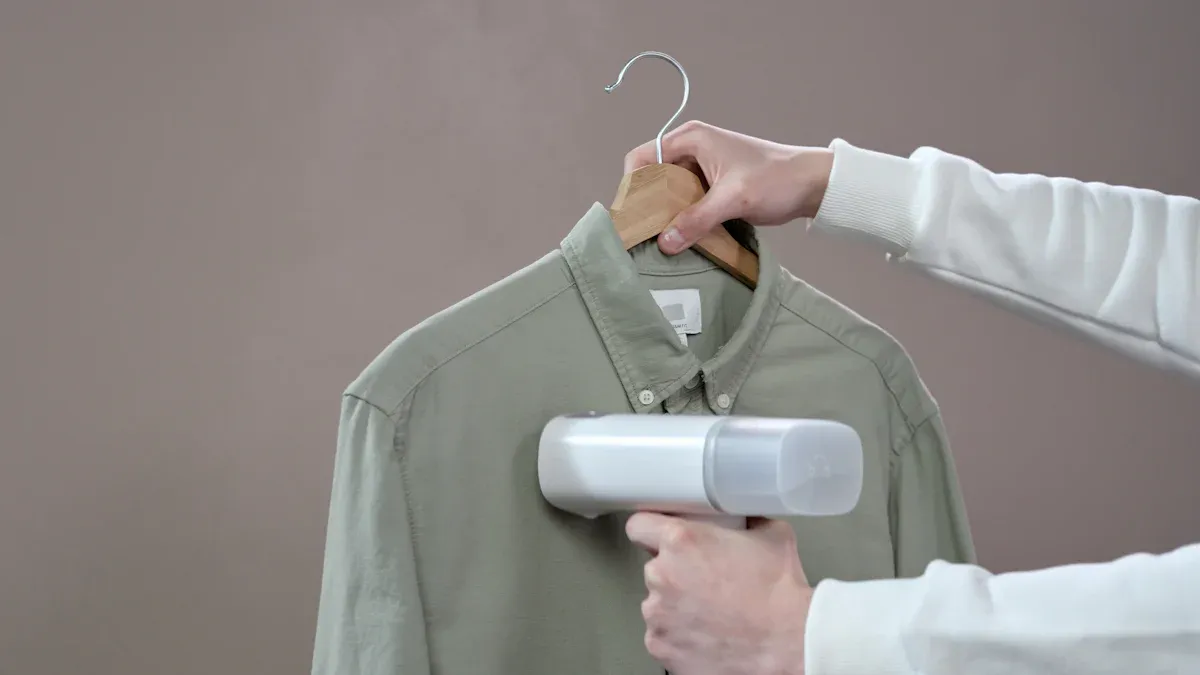
Steaming is an important step in finishing textiles. You use a fabric steamer to treat clothes and other fabrics. This process does not use direct heat like an iron. The steamer sends steam into the fibers instead. This helps you finish your clothes with care. It also keeps them looking fresh.
Relaxing Fibers
When you use a fabric steamer, the fibers in your clothes relax. The hot steam makes the fibers get bigger. This lets them let go of dirt and smells. You can use a fabric steamer on many things, like curtains, furniture, and clothes. Delicate fabrics like silk and satin do well with this gentle finish. You do not hurt the fabric and it stays soft. Steaming also helps keep the anti-crease finish on your clothes.
A fabric steamer uses steam, not heat, to relax fibers.
You can finish napped fabrics like velvet without making them flat.
Delicate fabrics keep their nice look and feel.
Steaming is gentle and helps keep the anti-crease finish.
Tip: Steaming is a good way to finish delicate fabrics and keep them looking new.
Wrinkle Removal
You use a fabric steamer to get rid of wrinkles in your clothes. The steam lifts the fibers and smooths out the creases. This way is faster than ironing. You do not burn your clothes. You can finish your clothes quickly and safely. Steaming also takes away allergens and smells, so your clothes are fresher.
Steaming helps you take out wrinkles from many fabrics.
You finish your clothes without hurting the fibers.
The process is gentle and keeps the anti-crease finish.
Steaming Equipment
You need the right tools to finish your fabrics with steam. Different machines help you treat lots of fabric or just a few pieces.
Stenter Machine
A stenter machine is used a lot in textile finishing. You put the printed fabric in a closed space. The space fills with steam at about 105°C. This steam helps set colors in the fabric. The reaction in the printing mix gives a strong, lasting finish. You can use stenter machines for big batches and get the same results every time.
Key Features | |
|---|---|
Steam Ironing Press | Used to take out wrinkles and creases, comes in different sizes for different clothes. |
Steam Cabinet | Uses steam to remove wrinkles and smells, good for lots of laundry or factory work. |
Laser Cutting Machine | Uses lasers for cutting and finishing, good for detailed designs. |
You can pick the equipment that works best for you. Steam cabinets help you finish many clothes at once. Steam ironing presses let you take out wrinkles from one item. Laser cutting machines help you finish fabrics with special designs.
Temperature Control
You must control the temperature when you steam to get the best finish. Heat setting is important for stretch fabrics. If you use the right temperature, you keep your fabric the right size. For example, a heat setting of 190˚C changes the width, weight, stretch, and how the fabric goes back to shape. You also change how strong the fabric is. Good temperature control helps you keep the anti-crease finish and make your clothes drape better.
Note: Controlling the temperature during steaming helps you finish your fabrics with the right shape and strength.
Dimensional Stability
Steaming helps you keep your fabrics the right shape and size. You want your clothes to fit well and look good after washing.
Shape Maintenance
You use steaming to help your clothes keep their shape. The steam shrinkage method shows how your fabric reacts to steam. You can finish your clothes so they keep their shape for a long time. This is important for stretch fabrics and clothes with an anti-crease finish. You want your clothes to look neat and fit right.
Steaming helps you keep the shape of your fabrics.
You finish your clothes with stable sizes.
The anti-crease finish lasts longer with steam.
Size Changes
Steaming can change the size of your fabrics. You need to know how steam changes shrinking. The steam shrinkage rate tells you how much your fabric changes after finishing. You want to keep the size steady for good quality. If you finish your fabrics with the right steaming, you get better results and happier customers.
Steaming can change fabric size.
You finish your fabrics to meet quality rules.
Knowing about shrinking helps you keep the anti-crease finish and use your clothes well.
Remember: Steaming is an important part of finishing textiles. You use a fabric steamer to relax fibers, take out wrinkles, and keep your clothes in good shape. The right finish gives you clothes that last longer and look better.
How Textile Finishing Processes Work Together
Process Sequence
You might wonder how the steps in textile finishing processes fit together. Each step builds on the last to create strong, beautiful fabric. Here is a typical sequence you will see in a textile finishing process:
Steaming: You place the printed fabric in a steaming machine. The fabric gets exposed to saturated steam at about 105°C. This step helps fix the color to the fabric.
Washing: Next, you wash the fabric with water and special detergents. The water temperature can range from 45° to 90°C, depending on the dye. This step removes impurities and any extra color.
Finishing: Finally, you process the washed fabric in a stenter machine. The fabric stays taut and receives treatments that give it the right feel and look.
Tip: Following this order helps you get the best results from each textile finishing process.
Combined Effects
When you use linking, washing, and steaming together, you get more than just clean fabric. These steps work as a team to improve both the look and the strength of your textile. Here are some ways these processes complement each other:
Interlining adds structure and strength, making your garments fit better and look sharper.
Pre-washing or steaming helps you avoid shrinkage, so your clothes keep their shape.
Choosing the right interlining, like fusible or sew-in, can boost the quality of your finished product.
Factor | Description |
|---|---|
Sodium Hypochlorite Concentration | Using 13% sodium hypochlorite in washing gives you a strong, clean finish. |
Washing for 20 minutes at 40°C helps you get the best results. | |
Mechanical Strength | Industrial washing increases the strength and durability of your fabric. |
You can see how each step in the textile finishing processes supports the next. The right combination gives you fabric that feels good, looks great, and lasts longer.
Professional Results
You want your finished textile to look professional and last a long time. The combined effects of linking, washing, and steaming help you reach this goal. These steps give your fabric a smooth, wrinkle-free finish and make it strong against wear. For example, washing can break old bonds in cotton and let new ones form. This keeps the fabric’s structure solid. Steaming wool with heat creates a permanent set, so pleats and creases stay sharp. You get a fabric that holds its shape and resists wrinkles.
Note: When you follow the right textile finishing process, you get a finish that stands up to daily use and keeps its fresh look.
The teamwork of these finishing steps means you can trust your clothes to look good and feel comfortable every time you wear them.
Benefits of Finishing for Fabrics
Everyday Advantages
You get many good things from finished fabrics every day. The right finish makes your clothes and home items nicer to use. You notice it when you touch a soft shirt or see curtains that do not wrinkle. The finish can give your fabrics special features. These features help your fabrics work better for you.
Here is a table that shows some everyday advantages you get from textile finishing:
Advantage | Description |
|---|---|
Softness | The finish makes items softer and more pleasant to touch. |
Wrinkle Resistance | You spend less time ironing because the finish keeps fabrics smooth. |
Moisture Management | Sportswear stays dry and comfortable during activity. |
UV Protection | The finish helps protect your skin from the sun’s harmful rays. |
Antimicrobial Properties | Bed linens and towels stay fresher and more hygienic. |
Water Repellency | Upholstery and curtains resist stains and soaking. |
Flame Retardancy | Home furniture becomes safer with a flame-retardant finish. |
Resistant Finishes | Tablecloths and sheets keep a neat look with fewer wrinkles. |
Tip: Check product labels for these features. This helps you pick the best fabric for what you need.
Long-Term Durability
A good finish helps your fabrics last a long time. You want your clothes and home things to stay strong and look nice after many uses. The finishing process makes fibers stronger and gives them more protection. This means your favorite shirt or towel will not wear out fast.
Enzyme washing makes fibers stronger and helps stop damage.
Resin finishing keeps fabric tough and stops tears.
Water-repellent agents protect against water and early damage.
UV-resistant agents keep sunlight from fading colors.
Anti-pilling agents help your clothes look new after many washes.
Eco-friendly finishing can make fabrics last 20 to 30 percent longer. This saves you money and helps the planet. You get better quality and help the earth at the same time.
Note: Picking finished fabrics with these features means your things stay nice for years.
Recognizing Quality
You can find high-quality finished fabrics by looking for certain signs. These clues help you choose the best things for your home and clothes.
Look for a high thread count and heavy fabric weight.
Check for double-stitched seams and tight, even stitching.
Feel the fabric to see if it is smooth and even.
Pick items made from good raw fibers like long-staple cotton.
Test colorfastness by rubbing a damp cloth on a small spot.
Look for certifications like GOTS, OEKO-TEX, or Fair Trade.
Ask about special features like water repellency or UV protection.
Make sure buttons and zippers are attached well.
Remember: High-quality finished fabrics feel strong, look bright, and keep their shape and color for a long time.
Challenges in Textile Finishing
Common Issues
You might run into some problems when finishing textiles. These problems can change how your fabric looks and feels. They can also make your fabric not last as long. Here is a table that lists some common problems:
Challenge | Description |
|---|---|
Fragmentation of production chain | Different steps work alone, which can cause delays and cost more money. |
Resource management issues | Not having good data makes it hard to control costs and help the environment. |
Digital disconnection | Old systems make it hard to see what is happening right now, so work is slower. |
These problems can make your work harder. They can also make your products cost more and take longer to finish.
Solutions and Best Practices
You can fix many of these problems with smart ideas and good habits. Here are some ways to make your textile work better:
Solution Type | Description |
|---|---|
Reviewers | Check the size and weight of fabrics to help make things the same and use machines more. |
Sample Washer | Makes washing and drying for shrink tests much faster, from 3 hours to just 15 minutes. |
Eco-Friendly Finishing | Uses safe chemicals instead of harmful ones, so products are better for people and the earth. |
Water Recycling Systems | Saves water and energy by using water again in the factory. |
Try dyeing without water or use dyes from plants to help nature.
Pick safe treatments to use fewer chemicals.
Use old materials again to make less trash.
You can also do these things to help your process:
Use water again to save water and power.
Make less trash and try to make no trash at all.
Make fabrics that last longer and are easy to recycle.
It is important to care about the earth when finishing textiles. Using safe and natural things helps the planet and makes better fabrics. In the future, textiles will be strong, save money, and be good for the earth.
Care Tips for Finished Fabrics
You can keep your finished fabrics nice by following these easy tips:
Learn about your fabric. Each one needs special care.
Use gentle soap and follow the washing rules on the tag.
Always read the care tag before washing or drying.
Some “dry clean only” clothes can be washed gently at home.
Clean up stains fast and treat them the right way for the fabric.
Turn clothes inside out and do not put too many in the washer.
Use an iron or steamer to take out wrinkles and keep clothes neat.
Store clothes in a cool, dry place and make sure they are clean first.
Tip: If you take care of your finished fabrics, they will last longer and look new.
You see how linking, washing, and steaming work together in textile finishing. These steps help you get a strong, clean, and smooth finish. You enjoy fabrics that last longer and look better.
Next time you pick out clothes or home items, remember the skill and care that go into every textile.
Appreciate the value these processes add to your daily life.
Notice the comfort and quality in your favorite fabrics.
FAQ
What does linking do for your fabric?
Linking connects fibers to make your fabric stronger. You get clothes that last longer and keep their shape. This step helps your fabric resist tearing and stretching.
Why should you wash fabric before finishing?
Washing removes dirt, oils, and leftover chemicals. You get a cleaner fabric that absorbs dyes and finishes better. This step also helps prevent shrinking later.
How does steaming help your clothes?
Steaming relaxes fibers and removes wrinkles. You get smooth, fresh-looking clothes. Steaming also helps set the shape and size of your fabric.
Can you steam all types of fabric?
You can steam most fabrics, but delicate ones like silk need gentle care. Always check the care label. Some fabrics, like wool, benefit a lot from steaming.
What is the difference between mechanical and chemical linking?
Mechanical linking uses stitches or fasteners. Chemical linking uses special agents or adhesives. You get stronger, smoother seams with chemical linking, but mechanical linking is easier to undo.
Does finishing make fabric last longer?
Yes! Finishing steps like linking, washing, and steaming make your fabric stronger and more durable. You get clothes that look new and feel soft for a longer time.
How can you care for finished fabrics at home?
Always follow the care label. Use gentle soap, wash in cool water, and avoid overloading the washer. Steam or iron to remove wrinkles. Store your clothes in a dry, cool place.
Why do some fabrics feel softer after finishing?
Finishing processes like enzyme washing and steaming smooth the fibers. You feel a softer, more comfortable fabric. These steps also help your clothes keep their color and shape.