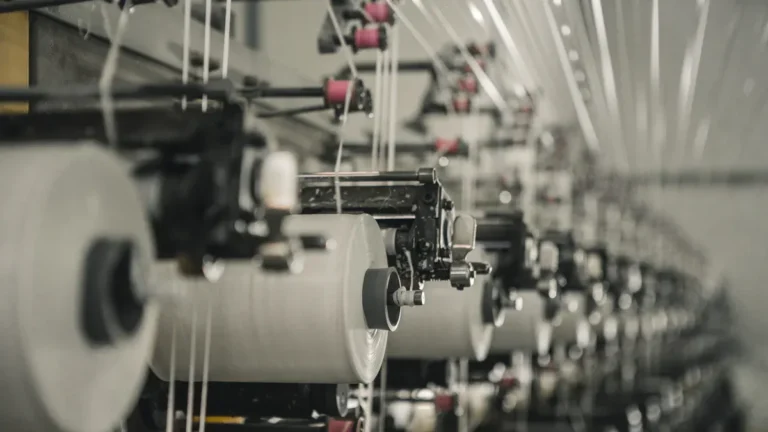
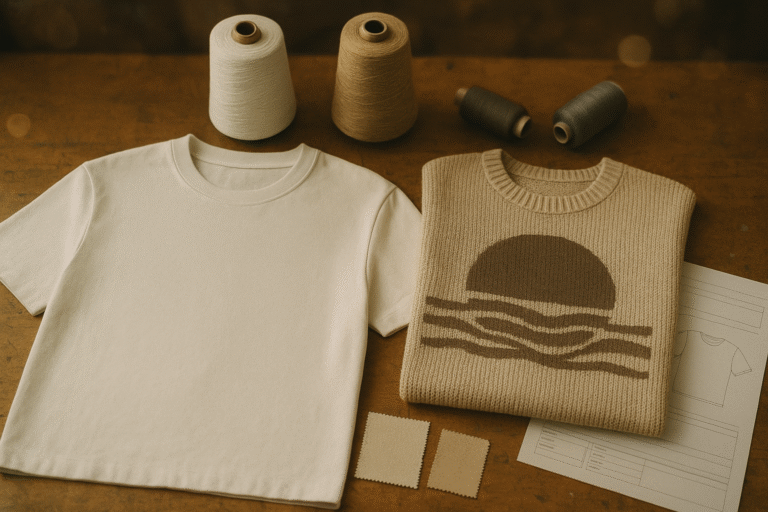
You get custom knitwear faster than other custom clothes, thanks to the production lead time of custom knitwear. The usual lead time is 2–4 weeks, and most orders fit this schedule. Production takes 7–14 days, while shipping takes another 7–14 days. Here is a simple chart:
Stage | Estimated Time |
|---|---|
Production | 7–14 days |
Shipping – Economy | 7–14 days |
Shipping – Express | 3–5 days |
Total Timeline | 2–4 weeks |
Knowing the production lead time of custom knitwear helps you plan effectively and set good expectations. Design complexity can change your lead time, as can material sourcing and shipping method.
Key Takeaways
Most custom knitwear orders need 2 to 4 weeks. This is from design approval to delivery.
Production usually takes 7 to 14 days. Shipping adds another 7 to 14 days.
Big orders or hard designs can take 3 to 6 weeks.
Simple designs and common materials make things faster.
Machine-knitting is quicker than hand-knitting. It works well for big orders.
Shipping choices change how fast you get your order. Fast shipping can take only 3 to 5 days.
Planning early and talking clearly with makers helps stop delays.
Adding extra time to your plan helps with surprises in making or shipping.
Production Lead Time of Custom Knitwear
Standard Timeline Overview
2-4 Weeks for Most Orders
Most orders for custom knitwear take 2 to 4 weeks. This is true if you pick simple designs and regular materials. The timeline starts when you approve the design. It ends when your order ships. If your order is easy, things move fast. Factories finish making items in 7 to 14 days. Shipping takes another 7 to 14 days. The time depends on where you live and how you ship. This lead time helps you plan and know what to expect.
3-6 Weeks for Complex or Bulk Orders
If you want complex designs or order a lot, it takes 3 to 6 weeks. Special patterns, extra colors, or decorations need more time. Big orders take longer because factories make more items. You might wait longer if the factory is busy. Busy seasons can also slow things down. Special yarns or materials add more days. Always ask about the production time for your order.
Tip: You can get your order faster if you pick simple designs and easy-to-find materials.
Comparison to Other Custom Apparel
Knitwear vs. Custom Clothing Lead Times
Custom knitwear is ready faster than other custom clothes. Suits and dresses need more time to make. Cut and sew clothes have extra steps. These steps add days or weeks. Custom knitwear skips some steps. Machines or workers make items straight from yarn. This saves time.
Here is a table to compare:
Apparel Type | Typical Lead Times |
|---|---|
Custom Knitwear | 2–4 weeks (most orders) |
Complex/Bulk Knitwear | 3–6 weeks |
Tailored Suits/Dresses | 4–8 weeks |
Embroidered Apparel | 3–6 weeks |
Printed T-Shirts | 1–3 weeks |
You can see custom knitwear is faster. You get your order with fewer steps. The production time for custom knitwear stays steady. Other custom clothes can take longer.
Note: Many things can change the timeline for custom knitwear and other clothes. These include:
Fabric sourcing
Customizations
Sample changes
How many items you order
How busy the factory is
Printing and decoration steps
Sample and tech pack changes
Cut & sew speed
Factory workload and busy times
Shipping type
Always ask your manufacturer about the production lead time of custom knitwear before you order. This helps you plan and avoid problems.
Factors Affecting Custom Knitwear Production Time

Design Complexity
Patterns and Details
The design you choose has a big impact on custom knitwear production time. Simple patterns, like solid colors or basic stripes, are quick to make. If you want detailed patterns, such as cables, jacquard, or intarsia, the process takes longer. These designs need more steps and careful attention. Adding special features, like embroidery or textured stitches, also increases the time needed. When you plan your order, think about how much detail you want. More details mean more hours spent on each piece.
Number of Colors
The number of colors in your design also affects how custom knitwear is made. Using one or two colors is fast and easy. If you want many colors, the process slows down. Each color change means stopping the machine or switching yarns by hand. This adds extra steps and can lead to mistakes if not done carefully. More colors also mean more time for setup and testing. If you want your order quickly, try to limit the number of colors in your design.
Material Sourcing
Yarn Availability
Yarn is the main material for knitwear. If your chosen yarn is in stock, production starts right away. Sometimes, the yarn you want is out of stock or hard to find. This can delay your order by days or even weeks. Factories may need to order yarn from other suppliers. Waiting for yarn to arrive can push back the whole schedule. Always ask your manufacturer about yarn availability before you place your order.
Specialty Materials
Specialty yarns, like organic cotton, cashmere, or recycled fibers, can add more time to custom knitwear production time. These materials are not always easy to find. Suppliers may have limited stock or longer delivery times. Challenges in sourcing materials can lead to significant delays in custom knitwear production time. These delays can come from limited supplier options, price changes, or delivery problems. If you need your order for a special event or launch, these delays can cause you to miss deadlines and hurt your brand’s reputation for reliability. Choosing common yarns helps you avoid these risks.
Production Method
Hand-Knitting vs. Machine-Knitting
How custom knitwear is made also changes the timeline. Machine-knitting is much faster than hand-knitting. Machines can make many pieces at once and work quickly. Hand-knitting takes more time because each piece is made by a person. If you want a hand-knitted item, expect a longer wait. Machine-knitting is best for large orders or when you need your items fast. Hand-knitting is good for special, one-of-a-kind pieces.
Batch Size
The size of your order affects custom knitwear production time. Small orders move through the factory quickly. Large orders take longer because each piece needs time to make. Here is a table to show how batch size changes production time:
Order Size (Units) | Production Time (Weeks) |
|---|---|
500-1,000 | 3-4 |
1,000-2,500 | 4-5 |
2,500-5,000 | 5-6 |
5,000+ | 6-8 |
If you order more pieces, plan for a longer wait. Factories need more time to finish big batches. You can talk to your manufacturer about splitting your order or starting with a smaller batch if you need items sooner.
Tip: To get your custom knitwear faster, choose simple designs, fewer colors, common yarns, and machine-knitting. Smaller orders also help speed up the process.
Shipping and Delivery
Standard vs. Expedited Shipping
Shipping plays a big role in how fast you get your custom knitwear. After the factory finishes making your order, you must choose how you want it shipped. You have two main options: standard shipping and expedited shipping. Each option changes your total wait time.
Standard shipping is the most common choice. It costs less, but it takes longer. Most standard shipping takes 7 to 14 days to reach you. This method works well if you do not need your knitwear right away. Many people pick standard shipping to save money, especially for large orders.
Expedited shipping moves your order much faster. You pay more, but you get your knitwear sooner. Expedited shipping usually takes only 3 to 5 days. This option helps if you have a tight deadline or need your items for a special event.
Here is a table to show the difference:
Shipping Method | Delivery Time |
|---|---|
Standard Shipping | 7–14 days |
Expedited Shipping | 3–5 days |
You can see that expedited shipping cuts your wait time by more than half. This makes a big difference if you need your order quickly.
Tip: If you want your custom knitwear for a specific date, always check the shipping times before you order. Choosing expedited shipping can help you avoid last-minute stress.
Shipping times can also change based on where you live. Remote areas may take longer, even with expedited shipping. Weather, holidays, and customs checks can also cause delays. Always add a few extra days to your plan, just in case.
You control the final step of your order by picking the right shipping method. Think about your needs, your budget, and your timeline. The right choice helps you get your custom knitwear when you need it.
Step-by-Step Custom Knitwear Production Process

Design and Consultation
The first part is design and consultation. You share your ideas with the manufacturer. You talk about styles, colors, and patterns. The team listens to what you want. They give advice to help you. You might see sketches or digital pictures. These show what your item could look like.
Initial Design Approval
After talking, you look at the designs. You check if the design matches what you want. If you want changes, you tell the designer. The designer updates the plan for you. This can take a few days or a week. It depends on how fast you reply. When you approve the design, the process goes to the next step.
Tip: Talking clearly now helps stop delays later.
Steps in this phase:
You meet the design team and explain your needs.
You look at drafts and give feedback.
You approve the final design before production starts.
Material Procurement
After you approve the design, the next step is material procurement. The factory checks if they have the yarn and trims. If they do, this step is quick. If you pick special yarns or custom colors, it takes longer.
Sourcing Timeline
Here is a table that shows how long materials might take:
Material Type | Duration |
|---|---|
Readily available stock | A few days |
Custom-dyed fabrics | 8–12 weeks |
Specialized components | 8–12 weeks or longer |
Using common yarns makes the custom knitwear manufacturing timeline faster. Special requests add more weeks to your wait.
Note: Always ask about material availability before you finish your order.
Sample Creation
When materials arrive, the team makes a sample. The sample shows what the finished product will look like. You check the fit, color, and details. This step helps catch mistakes early.
Sample Review and Adjustments
You get the sample and look at it closely. You check the size, color, and pattern. If you see problems, you ask for changes. The team fixes the sample and may send a new one. This step makes sure you get what you want.
The sampling stage takes 2–4 weeks. Here is a table that shows average times for each stage:
Stage | Duration | What Happens |
|---|---|---|
Sampling | 2–4 weeks | Make sample, check fit, pick fabric |
Material Sourcing | 1–3 weeks | Order fabric, trims, labels |
Bulk Production | 4–8 weeks | Cutting, sewing, printing, finishing |
Shipping | 1–3 weeks | Packing, customs, send to you |
Total Time | 8–12 weeks | From sample approval to delivery |

You can use this chart to help plan your project. It helps you set good expectations for your custom knitwear order.
Bulk Production
Once you approve the sample, your order moves into bulk production. This stage is where the factory starts making all your custom knitwear pieces. Machines or skilled workers knit each item based on your approved design. You see the process move quickly if you choose machine-knitting. Hand-knitting takes longer because each piece needs careful attention.
Bulk production usually takes 2 to 4 weeks for most orders. If you order a large batch or request complex designs, the process can stretch to 6 weeks. Factories work on your order in batches. They set up machines, prepare yarn, and follow your design instructions. You get faster results with simple patterns and common yarns.
Here is a table to show typical bulk production timeframes:
Order Type | Bulk Production Time |
|---|---|
Simple, small batch | 2–3 weeks |
Complex, large batch | 4–6 weeks |
Tip: You can speed up bulk production by choosing simple designs and limiting special requests.
Knitting and Assembly
During knitting and assembly, the factory creates each piece. Workers or machines knit the fabric, shape the garment, and add details. After knitting, the team assembles the parts. They join sleeves, collars, and trims. You get a finished product that matches your approved sample.
Factories check each piece for consistency. They look for correct sizing, color, and pattern. If you order many items, the team works in stages. They finish one batch before starting the next. You see steady progress as your order moves through the assembly line.
Quality Control
Quality control is a key step in custom knitwear production. The factory inspects every item to make sure it meets your standards. Workers check for loose threads, wrong colors, and sizing errors. You get a product that looks and feels right.
Inspection and Finishing
During inspection, the team reviews each piece. They look for defects and fix small problems. If they find major issues, they remake the item. After inspection, workers finish the garments. They trim threads, steam the fabric, and add labels. You receive knitwear that is clean and ready to wear.
Factories use checklists to keep quality high. You can ask for extra checks if you want. This step usually takes a few days for small orders. Large batches may need a week or more.
Note: Careful inspection helps you avoid returns and unhappy customers.
Packaging and Shipping
After quality control, your order moves to packaging and shipping. The factory packs each item in protective bags or boxes. They label the packages with your details. You get your order ready for delivery.
Delivery Timeframes
Shipping time depends on your location and shipping method. Standard shipping takes 7 to 14 days. Expedited shipping delivers in 3 to 5 days. You can choose the option that fits your timeline.
Here is a quick guide:
Shipping Method | Delivery Time |
|---|---|
Standard Shipping | 7–14 days |
Expedited Shipping | 3–5 days |
You get tracking information once your order ships. You can follow your package until it arrives. If you live in a remote area, delivery may take longer. Weather and holidays can also affect shipping times.
Tip: Plan for a few extra days in case of delays. This helps you avoid last-minute stress and ensures you get your custom knitwear on time.
Custom Knitwear Production Time by Garment Type
Sweaters
You often see sweaters as the fastest custom knitwear to produce. Factories finish most sweater orders in 7 to 14 days. You get your finished sweater in about 2 to 4 weeks, including shipping. Sweaters have simple shapes and fewer panels. You usually choose basic designs, which helps speed up production. If you pick a classic crewneck or V-neck style, the process moves quickly. You can expect a short wait if you order a standard sweater with common yarns.
Tip: If you want your sweater fast, choose a simple design and regular yarn. This helps the factory start production right away.
Dresses
Custom knit dresses take longer than sweaters. You wait 14 to 28 days for production. The total timeline for a dress order is 3 to 6 weeks. Dresses have more parts and details. You see extra steps for sewing, shaping, and finishing. If you ask for special features, such as lace panels or embroidery, you add more days to the process. Dresses need careful attention to fit and style. You get a longer lead time because each dress requires more work.
Here is a table to show the difference:
Item | Production Time | Total Timeline |
|---|---|---|
Sweater | 7–14 days | 2–4 weeks |
Dress | 14–28 days | 3–6 weeks |
Dresses have more parts and details, so you wait longer for sewing and finishing.
Sweaters have simpler shapes and fewer panels, so you get them faster.
Customization in dresses adds extra days compared to sweaters.
If you plan to order a custom knit dress, you should allow more time. You avoid stress by setting realistic expectations.
Hoodies
Custom knit hoodies usually fall between sweaters and dresses in production time. You see hoodies take about 10 to 21 days to make. The total timeline is often 3 to 5 weeks. Hoodies have extra features, such as hoods, pockets, and drawstrings. These parts need more steps than a basic sweater. You get a longer wait if you ask for special linings or custom embroidery. Most factories use machine-knitting for hoodies, which helps speed up the process. You can shorten your wait by choosing simple styles and standard materials.
Note: Hoodies with many details or special requests may take longer. You should ask your manufacturer for a clear timeline before you order.
You see that each garment type has its own production time. Sweaters are the fastest, dresses take the longest, and hoodies fall in the middle. You can plan your order better when you know these differences.
Cardigans
You often choose cardigans for their versatility and style. Cardigans take a bit longer to produce than basic sweaters. Most factories need 10 to 21 days to make a custom cardigan. The total timeline, including shipping, usually falls between 3 and 5 weeks.
Cardigans have extra features that add time to production. You see buttons, buttonholes, and sometimes pockets. These details require careful work. If you pick a cardigan with a simple design and standard yarn, you get your order faster. Complex patterns, special trims, or unique closures add more days.
Here is a table to help you compare cardigan production times:
Garment Type | Production Time | Total Timeline |
|---|---|---|
Sweater | 7–14 days | 2–4 weeks |
Cardigan | 10–21 days | 3–5 weeks |
Dress | 14–28 days | 3–6 weeks |
Tip: You can speed up your cardigan order by choosing classic styles and common materials.
You should also think about the type of knitting. Machine-knitted cardigans move through production quickly. Hand-knitted cardigans take longer because each piece needs more attention. If you want a hand-knitted cardigan, plan for extra time.
You may want special features like embroidery or custom buttons. These requests add to the timeline. Always ask your manufacturer how these choices affect your order.
Other Knitwear
You might want other types of custom knitwear, such as scarves, hats, gloves, or socks. These items usually have shorter production times. Most factories finish small accessories in 5 to 10 days. You get your order in 2 to 3 weeks, including shipping.
Here are some examples:
Scarves: Simple scarves take 5 to 7 days. Complex patterns or extra-long scarves need up to 10 days.
Hats: Most hats finish in 5 to 8 days. Adding pom-poms or ear flaps adds a few days.
Gloves and Socks: These items take 7 to 10 days. Intricate designs or special yarns add time.
Accessory Type | Production Time | Total Timeline |
|---|---|---|
Scarf | 5–10 days | 2–3 weeks |
Hat | 5–8 days | 2–3 weeks |
Gloves/Socks | 7–10 days | 2–3 weeks |
Note: Accessories ship faster because they are smaller and easier to pack.
You can order several types of knitwear at once. Factories often group small items together to save time. If you need a matching set, let your manufacturer know early. This helps them plan your order and keep the timeline short.
You see that each type of knitwear has its own production time. Sweaters and cardigans take longer than hats or scarves. You can plan your order better when you know these differences.
Setting a Realistic Timeline for Your Order
Making a realistic timeline for your custom knitwear order helps you stay calm. You can avoid stress and disappointment. You know what to expect and keep your project on track. Here are ways to plan and manage your order from start to finish.
Planning Ahead
It is smart to start early when you want custom knitwear. Planning ahead gives you more choices. You can avoid last-minute problems. If you need your order for a holiday or event, think about the whole process. For example, if you want knitwear for Christmas, order by mid-October. This gives enough time for making and shipping before November ends.
Here are some steps to help you set a good timeline:
Pick your design and materials quickly.
Place your order early, especially before busy times.
Use preorders to check demand. This helps you and the factory plan better.
Choose your shipping method based on your deadline. Express shipping can deliver in 3–5 days after production.
Tip: Planning ahead gives you more control. You can avoid paying extra for rush orders.
Communicating with Manufacturers
Talking clearly with your manufacturer is important for a good timeline. Share your needs, deadlines, and special requests from the start. Ask for a detailed schedule. This should include design approval, material sourcing, sample making, production, and shipping.
You can use a simple table to track your order:
Stage | Estimated Time | Notes |
|---|---|---|
Design Approval | 2–5 days | Confirm details fast |
Material Sourcing | 3–10 days | Check availability |
Production | 7–21 days | Depends on design |
Shipping | 3–14 days | Choose method |
If you have questions or changes, tell your manufacturer right away. Fast replies help keep your order on schedule. Good communication helps you avoid delays and mistakes.
Buffer Time for Delays
Delays can happen even with good planning. Always add buffer time to your timeline. This extra time helps with problems like material shortages, shipping delays, or design changes.
A good rule is to add at least one extra week. If you live far away or order during busy times, add more time. This buffer keeps your project safe from surprises.
Note: Adding buffer time helps you stay calm if something goes wrong. You get your custom knitwear on time, even if there are small delays.
By planning ahead, talking clearly with your manufacturer, and adding buffer time, you can set a realistic timeline for your custom knitwear order. This helps you get what you want without stress.
Tips to Expedite Custom Knitwear Production
Streamline Design Choices
You can get your custom knitwear faster by picking a simple design. Factories work quickly when you choose basic patterns and classic shapes. Simple stripes and solid colors move through production fast. Standard fits also help speed things up. If you pick detailed patterns, like cables or intarsia, it takes longer. Extra features, such as embroidery or special trims, add more steps and slow things down.
Here are some ways to make your design simple:
Pick one or two colors, not many.
Choose classic styles, like crewneck sweaters or basic cardigans.
Skip extra decorations, like patches or embroidery.
Use standard sizing and shapes.
Tip: Simple designs help you get your order faster and save money.
A simple design means fewer mistakes. You spend less time fixing samples. Factories can start making your order right away when your design is clear.
Choose Readily Available Materials
You can save weeks by picking materials that are already in stock. Factories keep common yarns, like cotton, wool, and acrylic, ready to use. If you pick a rare or special yarn, the factory might need to order it. This can add days or even weeks to your wait.
Check this table to see how your material choice changes your timeline:
Yarn Type | Availability | Impact on Lead Time |
|---|---|---|
Standard Cotton | In Stock | Fastest |
Wool Blend | In Stock | Fast |
Cashmere | Limited Stock | Slower |
Specialty Yarns | Special Order | Slowest |
Always ask your manufacturer if the yarn you want is available before you order. If you need your knitwear soon, pick yarns they already have. You can also ask for a list of colors and types they keep in stock. This helps you decide quickly and avoid waiting.
Note: Picking materials that are ready helps you avoid supply problems and keeps your order moving.
Opt for Machine-Knitting
You can get your custom knitwear much faster if you pick machine-knitting. Machines work quickly and make many pieces at once. Hand-knitting takes longer because people make each item by hand. If you want a big order or need your items soon, machine-knitting is best.
Here are some good things about machine-knitting:
Faster production for small and big orders.
Consistent quality and sizing.
Lower labor costs.
Factories use advanced knitting machines that follow your design exactly. You get a finished product that matches your sample. If you want a special, one-of-a-kind piece, hand-knitting is a good choice, but you should plan for extra time.
Tip: Ask your manufacturer if they offer machine-knitting for your design. This choice can save you weeks on your order.
By keeping your design simple, picking materials that are in stock, and choosing machine-knitting, you can get your custom knitwear faster. These steps help you get your order quickly and with less stress.
Order During Off-Peak Times
You can get your custom knitwear faster if you order during off-peak times. Factories get very busy before holidays and fashion seasons. If you order when things are quiet, workers can focus on your project. They work faster and pay more attention to your order.
Factories get lots of orders from September to December. Many brands want knitwear for fall and winter. Holidays like Christmas and New Year’s also make things busy. If you order during these months, you might wait longer. Workers have many jobs, so your order moves slowly.
You can skip delays by ordering between January and August. Factories have fewer orders then. More machines are free, and workers can start your project fast. You get your knitwear made and shipped quicker.
Here is a table that shows busy and quiet times:
Season | Order Volume | Lead Time Impact |
|---|---|---|
September–December | High | Longer wait |
January–August | Low | Faster turnaround |
Tip: If you need knitwear for a special event, order early in the year. You get your items sooner and skip the holiday rush.
You can ask your manufacturer about their busy times. Some factories have different schedules based on where they are. If you know their calendar, you can pick a good week for your order.
Ordering during quiet times can save you money. Some factories give discounts or cheaper shipping when they have fewer orders. You get better service and more care for your order.
Try these ideas to get your custom knitwear faster:
Order in spring or summer.
Skip busy months and holiday deadlines.
Ask about the factory’s schedule before you order.
Plan your event or launch for off-peak delivery.
You get your knitwear sooner and feel less stress when you order during quiet times. Your manufacturer works quickly, and you get your custom knitwear on time.
Common Concerns About Production Lead Time
Material Delays
You might worry about material delays when you order custom knitwear. Factories need yarn and trims to begin making your items. If your chosen yarn is not in stock, the factory must order it. This can slow down your order. Specialty yarns, like cashmere or recycled fibers, often take longer to arrive. You may see delays if suppliers run out or shipping takes longer than planned.
Factories try to keep common yarns ready for use. You can ask your manufacturer if the yarn is available before you order. Picking materials that are easy to find helps speed up the process. You can also ask for updates while your order is being made. Good communication helps you know if there are any problems.
Tip: Pick standard yarns and colors to avoid waiting for special orders.
Here is a table to show how your material choice affects your timeline:
Yarn Type | Availability | Impact on Lead Time |
|---|---|---|
Standard Cotton | In Stock | Fastest |
Wool Blend | In Stock | Fast |
Cashmere | Limited Stock | Slower |
Specialty Yarns | Special Order | Slowest |
Design Changes
You might want to change your design after you order. Design changes can slow down how fast your knitwear is made. Factories must update patterns, adjust machines, or make new samples. Each change adds more time to your order. You may wait longer if you ask for new colors, patterns, or features.
Factories want you to be happy with your knitwear. You should check your design carefully before you approve it. If you need changes, tell your manufacturer quickly. Fast feedback helps keep your order moving. You can ask for a timeline update if you make changes.
Note: Finish your design early to avoid delays and extra costs.
Many customers think custom knitwear takes longer than print-on-demand options. You trade speed for a special product made just for you. Knowing the process helps you see why changes add time.
Quality Issues
You want high quality from your custom knitwear. Factories check each item for mistakes, like wrong colors or loose threads. Sometimes, problems happen while making your order. If the factory finds a defect, they must fix it or make a new piece. This can add days to your timeline.
You can help by giving clear instructions and checking samples before bulk production starts. Ask your manufacturer about their quality control steps. You can ask for extra checks if you want. Good factories use checklists to keep quality high.
Tip: Quality takes time. You get a better product when factories check each piece carefully.
Customers often worry about waiting longer for custom knitwear. You may wonder if the wait is worth it. High-quality knitwear lasts longer and looks better than fast, mass-produced items. When you know the steps, you see the value in waiting for a well-made product.
Common concerns about production lead time include:
Slow production compared to quick print-on-demand options
Worries about material delays and design changes
Questions about the tradeoff between speed and quality
You can manage these concerns by planning ahead, talking with your manufacturer, and picking simple designs and materials. This helps you get your custom knitwear on time and with the quality you want.
Shipping Delays
Shipping delays can frustrate you when you wait for your custom knitwear. Even if the factory finishes your order on time, shipping problems can slow down delivery. You need to know what causes these delays and how you can prepare for them.
Many things can cause shipping delays. Weather can stop trucks, planes, or ships. Storms, snow, or floods can close roads and airports. Holidays also slow down shipping. Carriers get busy during Christmas, New Year’s, and other big holidays. Customs checks can hold your package if you order from another country. Sometimes, shipping companies lose packages or send them to the wrong place.
You can see the main causes of shipping delays in this table:
Cause of Delay | How It Affects You |
|---|---|
Bad Weather | Slows or stops delivery |
Holidays | Longer wait times |
Customs Checks | Holds at the border |
Lost Packages | Extra days to find or resend |
Wrong Address | Package sent back or lost |
You can take steps to avoid or reduce shipping delays:
Double-check your shipping address before you order.
Choose expedited shipping if you need your knitwear fast.
Order early, especially before holidays or busy seasons.
Track your package online to see where it is.
Ask your manufacturer for a tracking number as soon as your order ships.
Tip: If you see your package stuck in one place for many days, contact the shipping company or your manufacturer. They can help you find out what happened.
Sometimes, delays happen even when you do everything right. You can plan for this by adding extra days to your timeline. If you need your knitwear for a special event, order at least one week earlier than you think you need it. This buffer helps you stay calm if something goes wrong.
You can also talk to your manufacturer about shipping options. Some factories offer express shipping for an extra fee. Express shipping uses faster routes and gets your package to you in 3 to 5 days. Standard shipping costs less but takes longer, usually 7 to 14 days.
Here is a quick comparison:
Shipping Method | Delivery Time | Cost |
|---|---|---|
Standard Shipping | 7–14 days | Lower |
Expedited Shipping | 3–5 days | Higher |
You can choose the best option for your needs and budget.
Shipping delays can happen, but you can prepare for them. By planning ahead, checking your details, and picking the right shipping method, you can get your custom knitwear on time and avoid stress.
Most custom knitwear orders take 2 to 4 weeks. Many things can change how long you wait. Here is a simple table:
Factor | Impact on Lead Time |
|---|---|
Production Capacity | Can slow down orders |
Process Complexity | Adds steps and delays |
Change Orders | Extends production time |
Logistics | Shipping may cause delays |
You can get your knitwear faster if you talk clearly with the factory. Good planning helps you avoid problems. Using tracking tools lets you know where your order is. Careful steps help you get your knitwear on time and without stress.
FAQ
How long does custom knitwear usually take to make?
Most custom knitwear takes 2 to 4 weeks to make. Simple designs and common materials make things faster. If your order is complex or has special requests, it takes longer.
Can you speed up the production process?
You can get your order faster by picking simple designs. Using standard yarns and machine-knitting helps too. Ordering when factories are less busy also speeds things up. Ask your manufacturer about express delivery options.
What causes delays in custom knitwear production?
Delays happen if there are not enough materials. Changing your design or busy factories can slow things down. Shipping problems, like bad weather or holidays, also cause delays.
Is there a minimum order quantity for custom knitwear?
Factories often have a minimum order quantity. Check with your manufacturer before you order. Small batches usually cost more for each piece.
Can you make changes after approving the design?
You can ask for changes after you approve the design. This usually adds more time to your order. Try to finish your design before production starts to avoid delays and extra costs.
What if you need your order by a specific date?
Tell your manufacturer your deadline when you order. Pick expedited shipping if you need your knitwear quickly. Add extra days for possible delays.
How do you track your custom knitwear order?
You get a tracking number when your order ships. Use it to check your package online. Contact your manufacturer if you have questions about delivery.
Does custom knitwear cost more than ready-made items?
Custom knitwear costs more because you get special designs and materials. You pay for better quality, fit, and your own style.