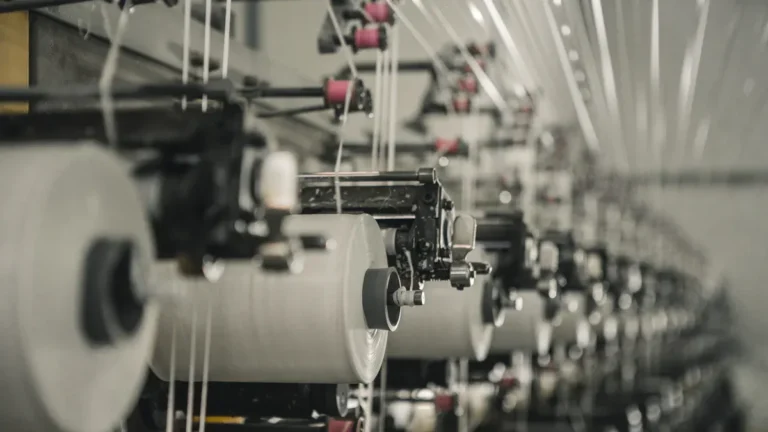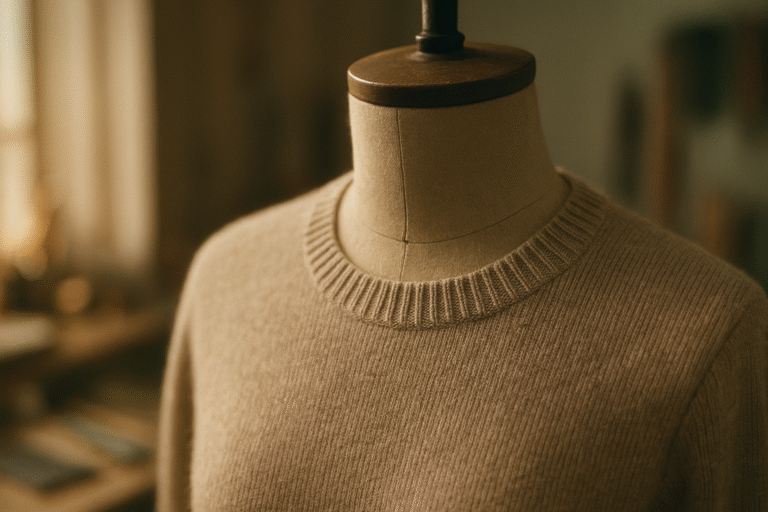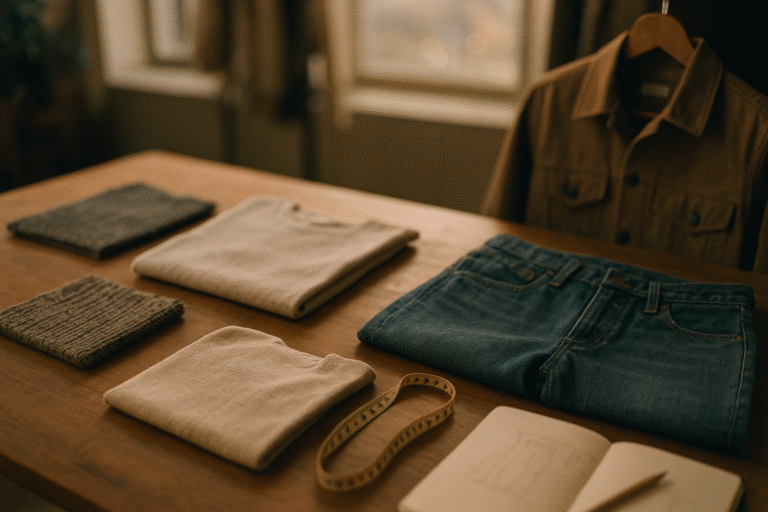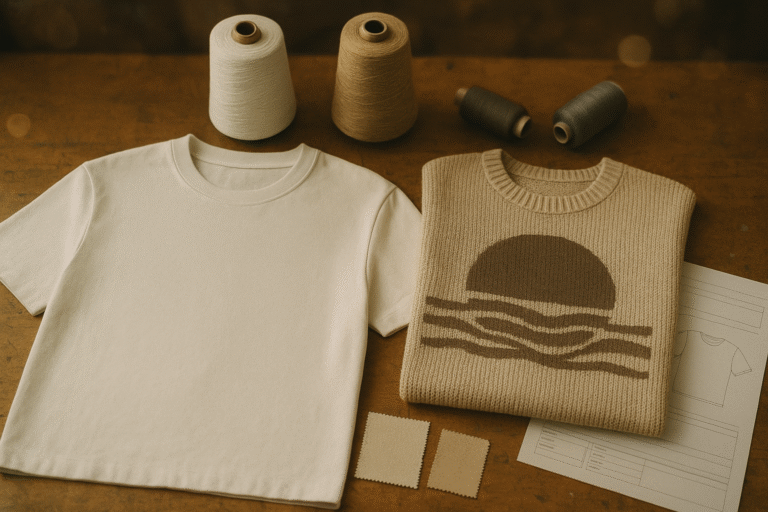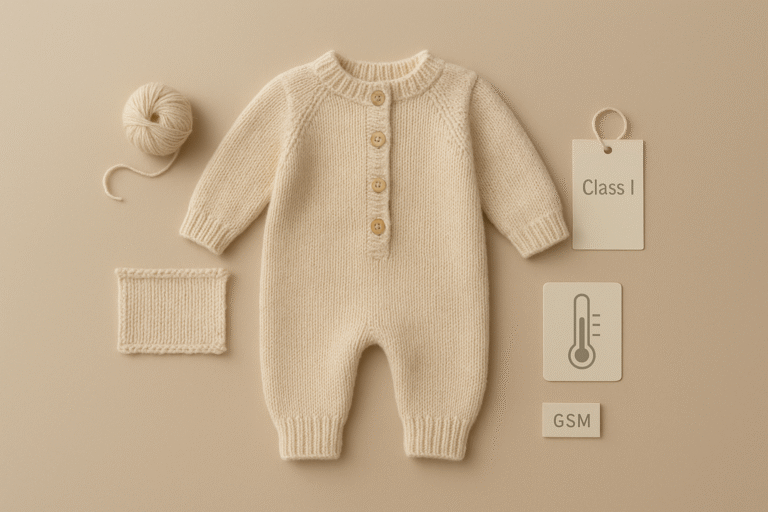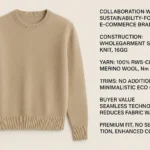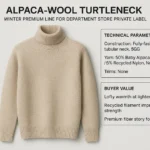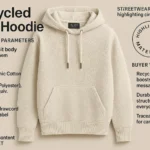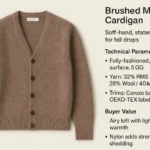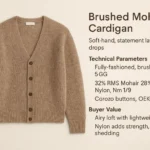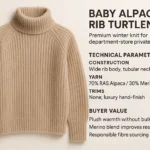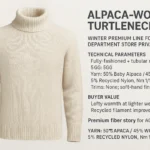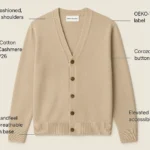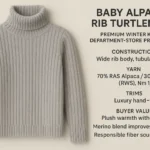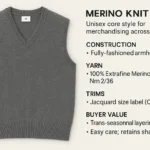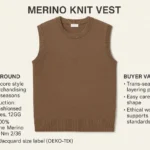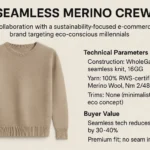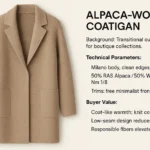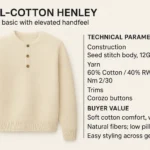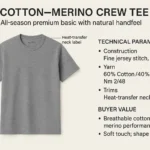

You can see how OEM/ODM knitwear factories manage large volume orders effectively. They produce more or fewer clothes depending on your specific needs. These clothing makers cater to both large and small orders, making them suitable for brands of any size. Many factories provide design-to-production services, allowing you to turn your ideas into real garments. They assist with creating samples, ensuring the fit, and selecting materials. The process is efficient due to strong teamwork and advanced technology. Skilled workers also contribute to making operations fast and smooth. You can communicate directly with the factories to monitor your orders. Additionally, you can compare OEM and ODM methods to achieve the best results.
Key Takeaways
OEM and ODM factories can take big or small orders. This makes them good for brands of any size.
Good factory layouts and new machines help make things faster. They also help lower costs.
Using machines and technology makes work better and faster. It lets people check orders right away.
Skilled workers and training help make good products. They also fix problems quickly.
Strong quality checks at every step make sure brands get good knitwear.
Brands can choose designs, labels, and packaging to make special products. This helps their items stand out.
Talking directly with factories helps brands watch their orders. They also get updates on time.
Good planning and risk plans help factories finish on time. They also help when problems come up.
Factory Infrastructure for Large Volume Production
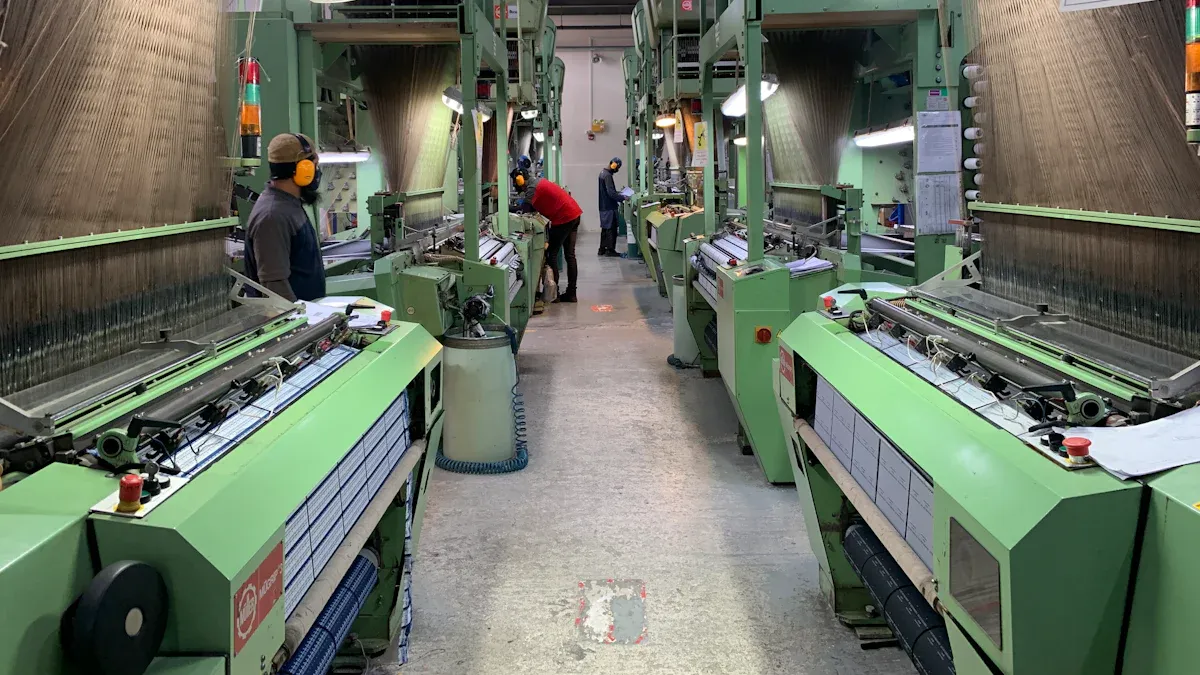
When you look at oem and odm knitwear factories, you notice their buildings and machines are important. These things help them make both small and big orders. The factories set up their spaces and pick equipment to help brands that need a lot of clothes or just a few. Good planning lets clothing makers give you what you want, whether you need many items or only a small group.
Scalable Facility Layout
Efficient Workflow Design
You get help from a smart layout in oem and odm factories. The way they put machines and work tables matters a lot.
A good setup means yarn and materials do not have to go far.
You do not wait long because there are fewer slow spots.
Brands get their clothes faster since work moves easily from step to step.
You save time and money because things travel the shortest way.
Yarn is safer because workers do not have to move it much.
Space Optimization
Factories use all their space to help brands make more clothes.
Yarn is kept close to knitting machines, so work goes fast.
Packing and shipping areas are near the end, so finished clothes leave quickly.
Warehouses hold both big and small orders, so brands can make more or less as needed.
High-Capacity Equipment
Advanced Knitting Machines
You see that oem and odm factories buy new machines. These machines can use different yarns and change styles for many brands.
Fast knitting machines let you make more clothes in less time.
Special machines can use unique yarn or patterns, which helps brands look different.
Maintenance Systems
To keep making clothes, factories use strong maintenance plans.
Regular checks make sure machines work well and do not stop during big orders.
You get steady results, and brands do not have to wait.
Tip: When you pick a factory, ask about their machines and setup. This helps you know if they can make what your brand needs.
Here is how high-capacity equipment helps brands:
Benefit | Description |
|---|---|
Higher Output Capabilities | You get big orders done fast and well. |
Predictable Lead Times | Brands can plan because factories finish on time. |
Reduced Risk of Stockouts | You do not run out of products, even when it is busy. |
You see that oem and odm factories build their spaces to help all brands. They use smart layouts, new machines, and good yarn storage. This setup helps you get fast, steady, and flexible production every time.
Technology and Automation in Knitwear Production
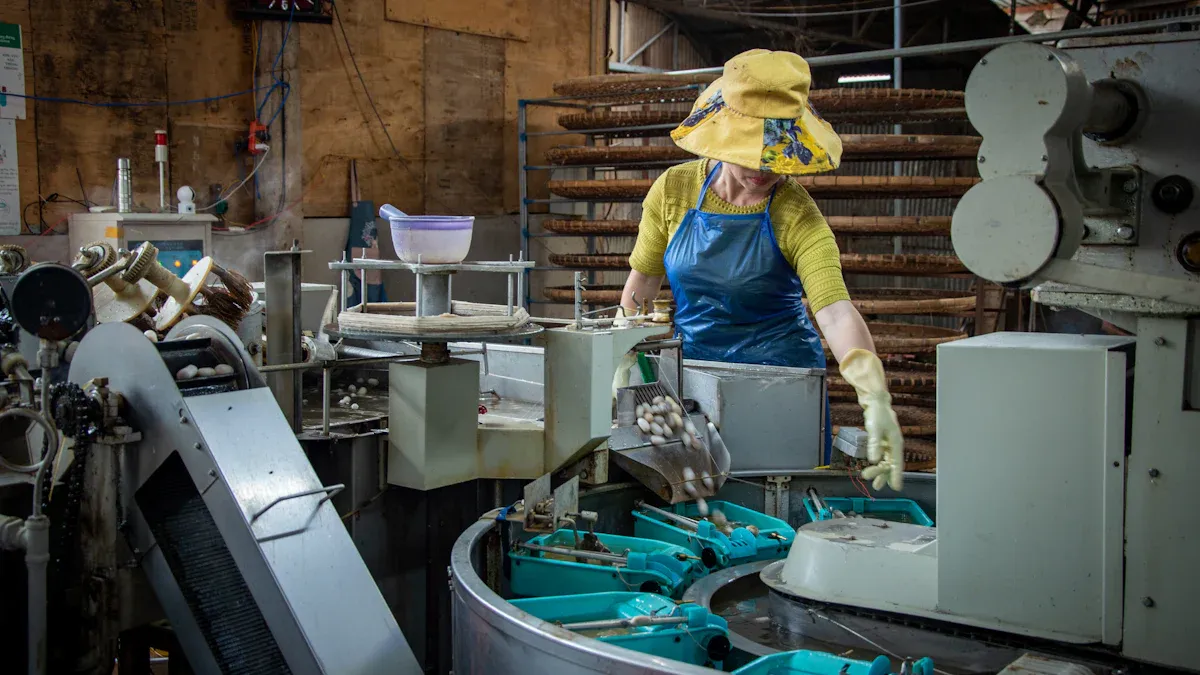
Technology is changing how brands make knitwear. Automation helps you get things done faster. It also makes the quality better. OEM and ODM factories use machines and digital tools. These tools make every step easier. Brands can handle big or small orders without trouble.
Automated Knitting Workflow
Computerized Machines
Computerized machines work with yarn every day. They follow patterns exactly for each piece. Robotic sewing machines stitch clothes quickly. They are very precise. Machines finish tasks faster than people. Automated fabric-cutting systems use yarn well. They help reduce waste. Brands make fewer mistakes and work faster. You get knitwear that meets your standards.
Tip: Computerized machines keep styles the same. This works even if you change yarn or patterns.
Real-Time Monitoring
You watch every step with real-time monitoring. Sensors check machines and yarn as they work. You see problems right away and fix them fast. Brands get updates about their orders. You know when your knitwear will be ready. This system helps you avoid delays. It keeps your workflow smooth.
You find errors early and fix them quickly.
Yarn keeps moving through each stage.
Brands get updates, so you can plan ahead.
Digital Production Management
ERP Integration
ERP systems connect every part of manufacturing. They link inventory, planning, and quality checks. You see all the details in one place. Brands make quick decisions. ERP helps you track orders and manage workflow. You make fewer mistakes. Teams talk to each other better. Brands trust their knitwear will arrive on time.
Benefit | How It Helps Brands |
|---|---|
Centralized Data | You see all yarn and production info easily. |
Faster Decisions | Brands react quickly to changes. |
Fewer Errors | You avoid mix-ups in orders. |
Scheduling Tools
Scheduling tools help you plan each step. The Production Planning System works with ERP. This makes things more efficient. Brands see a 20% speed increase with these systems. You set up machines faster. You make fewer mistakes. Scheduling tools help you manage many orders at once. Brands get their knitwear on time.
You plan yarn use for every order.
You set up machines for new styles quickly.
Brands get updates about their schedule.
Technology and automation help brands get better knitwear faster. You use yarn wisely and keep production steady. Every order meets your standards. OEM and ODM factories give you smart machines and strong digital systems.
Workforce and Training for Efficient Production
You need skilled workers to help your brand grow. OEM and ODM factories hire people who know how to make clothes well. A trained team helps brands do better, even with big orders or special yarn. These factories teach their workers new skills so they can solve problems.
Skilled Team Management
Recruitment Strategies
Factories want workers who care about making good clothes. They look for people who learn quickly and notice small details. Brands do better when workers already know about yarn and garments. Some brands teach new workers by showing them how things work. This helps everyone stay interested and ready to fix problems.
Special training helps workers get better at making clothes.
Learning by doing helps workers remember what to do.
Fixing skill gaps helps brands finish more work faster.
Retention Programs
Brands want workers who stay and get better over time. Factories give rewards and help to keep workers happy. Teams that stay together make fewer mistakes. When workers feel important, they care more about the yarn and clothes.
Teams that stay together make fewer errors.
Happy workers check quality more often.
Brands save time because skilled workers need less teaching.
Ongoing Training
Technical Upskilling
Brands spend money on training to teach new skills. Workers learn to use new machines and yarn types. Some training programs are:
Program Name | Focus Areas | Key Features |
|---|---|---|
Industrial knitwear, sustainable innovation | Custom programs, STOLL machines, collection design | |
PROFESSIONAL KNITWEAR COURSE FOR THE FASHION INDUSTRY | Yarns, machinery, garment construction | Industry knowledge, problem-solving, supplier communication |
Athens Knit Lab | Knit engineering, workflow optimization | Customized training, real-world application, troubleshooting |
These programs help brands keep up with new ways to make clothes.
Cross-Training
Teams learn different jobs so they can help each other. Brands do better because workers can switch jobs if needed. This keeps work going, even if someone is not there. You get steady results, and yarn keeps moving through each step.
Team Coordination
Shift Planning
Brands use good planning to finish orders on time. Factories plan shifts so every hour is used well. Teams know their work times, so there are fewer delays. This helps brands send orders on time, even when things get busy.
Communication Protocols
Clear rules help workers talk and fix problems fast. Brands set rules for sharing news and reporting issues. If a worker finds a problem with yarn or clothes, they tell someone right away. This keeps work smooth and saves brands money.
Teaching workers to report problems quickly keeps work moving.
Random checks help brands keep high quality.
Brands get updates, so you always know what is happening.
Note: Good teamwork and planning help brands finish orders faster. When everyone works together, brands have fewer delays and better results.
A strong team, training, and smart planning help brands do well. If you pick factories that care about their workers, your brand gets better clothes, faster work, and steady results.
Quality Control in Knitwear Production Process
You want your knitwear to be very good. OEM and ODM factories use strong quality control. This helps brands get the best results. The system checks every step in making knitwear. It starts with yarn selection and ends with final qc before shipping.
Multi-Stage Inspections
Factories check quality at many steps. Each stage helps brands avoid problems. This makes sure you get great garments.
Description | |
|---|---|
In-Line Quality Control Methods | Workers check for problems early while making garments. |
In-Process Inspections | Checks for mistakes in stitching, seams, and sizes at different steps. |
Operator Audits | Checks if machine operators follow rules and need more training. |
Process Monitoring | Watches every step to keep quality standards high. |
Worker Training | Teaches workers how to find mistakes and make better clothes. |
Post Production Quality Inspection | Checks finished garments and packaging after making them. |
Final Inspection | Looks for mistakes before sending garments to customers. |
Packaging Check | Checks packaging and makes sure clothes are packed right. |
Shipment Approval | Reviews shipping papers and checks that inspections are done. |
Documentation | Writes down all checks to help improve quality next time. |
In-Line Checks
Workers do in-line checks at every step. They look for yarn problems, missed stitches, or wrong sizes. These checks help brands fix problems early.
Final Audits
Final qc happens before shipping. Each garment gets checked carefully. Brands know only the best products leave the factory. This step also checks packaging and shipment approval.
Standardized Testing
You want every piece to look and feel the same. Standardized testing helps brands keep products the same.
Raw materials are checked for yarn problems and to meet your needs.
Pre-production samples set the standard for all the clothes.
Regular checks during production find mistakes early and help brands fix them.
Material Testing
Yarn is tested for strength, color, and softness. Brands use only the best yarn so clothes last longer.
Durability Checks
Garments are checked to see how they hold up after washing or wearing. Brands want knitwear to stay strong and look nice.
Continuous Improvement
Factories try to get better with every order. They use feedback and data to improve how they make knitwear.
Benefit | Description |
|---|---|
Fewer defects | Problems are found and fixed, so brands get better products. |
Improved quality | Brands know every order meets their standards. |
Enhanced customer satisfaction | Happy customers buy more knitwear from brands. |
Streamlined processes | Brands get faster and more reliable production. |
Environmental benefits | Brands use less yarn and waste less, which helps the planet. |
Feedback Systems
Factories collect feedback from brands and workers. This helps them find ways to improve and waste less yarn.
Root Cause Analysis
Factories look for the real reason behind mistakes. Brands use this to change training, fix machines, or pick better yarn. They follow these steps:
Decide what needs to get better.
Count how often problems happen.
Find out why problems happen.
Make changes to fix the process.
Check results to keep improving.
Tip: If you pick a factory with strong quality control, your brand gets good, reliable knitwear every time.
Customization and Flexible Order Management
You want your knitwear to be special. Clothing manufacturers let you make unique clothes for your brand. Factories use flexible ways to handle big or small orders. You can pick the yarn, design, and packaging you like.
Design-to-Production Services
Factories help turn your ideas into real clothes. You can try new styles and see them before making many pieces.
Rapid Sampling
You get samples fast. Factories use digital tools to make test pieces quickly. This lets you check the fit, yarn, and design. You can try small batches to see what works best for your brand.
Service | Features |
|---|---|
Knitup | Try small batches, check demand right away, restock winners in the same season. |
LotoGarment | Uses CAD and digital patterns for quick samples, supports low-MOQ test orders. |
Design to Produce | Gives full design help, makes samples, and offers low MOQ production. |
Adaptable Designs
You can change designs without much wait. Factories use CAD to adjust patterns and yarn types. You get new looks fast. Brands like quick changes and many choices.
Low MOQ and Bulk Order Handling
You can order just a few or many pieces. Factories set low minimums for custom clothes. This helps new brands test ideas and big brands handle large orders.
Manufacturer Type | MOQ Range |
|---|---|
Low MOQ Streetwear Manufacturer | |
A Professional Manufacturer Of Fast Fashion | 25 pieces/style |
Batch Customization
You can pick yarn, colors, and styles for each order. Factories let you make different looks for every season.
Scalable Production Lines
You get quick changes between big and small orders. Factories use AI to cut materials and guess how much you need. This cuts waste and helps you use yarn better. AI also helps with tricky custom orders, making work faster.
AI cuts materials to save yarn.
It guesses demand to stop making too much.
AI handles tricky orders, so factories work quickly.
Special Requests
You can ask for extra features. Factories offer more options to help your brand stand out.
Labeling Options
You pick custom labels for your clothes. Factories add your brand name, care tips, or special tags. This helps you build a strong brand.
Packaging Solutions
You choose packaging that fits your brand. Factories offer eco-friendly boxes, branded bags, or special wrapping. You make your knitwear look nice and keep yarn safe during shipping.
Tip: Customization lets you make special knitwear and handle big orders easily. Flexible production helps your brand grow.
Direct Client Collaboration and Communication
You want to know what happens with your knitwear order. OEM and ODM factories work closely with you. They talk clearly and use modern tools. This keeps you informed and involved. You feel confident and in control of your brand.
Transparent Order Tracking
You can track your order as it moves. Factories use digital systems to show shipment details. You see where your shipment is and when it will arrive. This open sharing builds trust and helps you plan.
Real-Time Updates
You get live updates about your shipment.
You see where your container is right now.
You know when it will arrive, so you can get ready.
These updates help you manage your stock and avoid surprises. For example, Lenzing Group uses a real-time shipment tracker. This tool gives you clear information and makes the supply chain open. When you know what is coming, you make better choices for your business.
Progress Reports
Factories send you regular reports about your order. These reports show each stage, from knitting to packing. You can spot delays early and ask questions. This open sharing makes you feel like a partner.
Tip: Tracking and reports help you build a strong relationship with your factory.
Collaborative Development
You want your designs to look perfect. Factories work with you to turn ideas into products. They use a step-by-step process to check each stage.
Design Consultations
You join design meetings with the factory team. You share ideas using sketches or CAD files. The team uses pictures and presentations to explain the plan. Experts help find problems before making the clothes.
Sample Approvals
You see and touch samples before full production. The factory asks for your approval at each stage. This process means everyone agrees before moving on. It helps avoid last-minute changes and keeps things smooth.
Steps for successful collaboration:
Include manufacturing teams in design talks.
Hold regular review meetings.
Share responsibility for quality and speed.
Responsive Support
You need quick answers when you have questions. Factories give you account managers to help. These managers know your brand and keep you updated.
Account Managers
Account managers are your main contact. They answer questions and fix problems fast. Their help makes you feel important. When you have a manager, you want to work with the factory again.
Issue Resolution
If something goes wrong, you get help fast. The support team listens and finds solutions quickly. This quick help keeps your project on track and builds trust.
Note: Support from account managers makes you want to return. This makes your partnership stronger over time.
How OEM/ODM Knitwear Factories Manage Large Volume Workflow
You want to know how oem/odm knitwear factories handle big orders. These factories use a smart workflow to keep things organized. You see each step, from planning to shipping, made to help brands get good results. You learn how oem/odm knitwear factories handle big orders by focusing on planning, supply chain teamwork, and risk control.
Production Planning
You start with a clear plan. This helps you go from design to making lots of clothes without surprises. You see how oem/odm knitwear factories handle big orders by using digital tools and talking often. You work with designers and makers to keep things running smoothly.
Step Number | Workflow Step |
|---|---|
1 | Product Development |
2 | Making Sample |
3 | Bulk Production |
4 | Worldwide Shipping |
5 | Photography |
6 | After-Sales Services |
You use digital design tools for mockups and tech packs. This makes planning easier and helps stop mistakes. You use the same tech packs to keep quality high. You talk about minimum order amounts with factories to control stock. You check quality at every step to make sure clothes are good.
Lead Time Management
You focus on lead time to deliver on time. Shorter lead times help you meet deadlines and keep buyers happy. You waste less and guess demand better. You see how oem/odm knitwear factories handle big orders by planning each step and checking progress.
Impact Category | Description |
|---|---|
Improved delivery reliability | Shorter lead times help you avoid delays and deliver on time. |
Enhance customer contentment | Quick response to orders makes customers satisfied. |
Less wasted resources | You use materials wisely and avoid extra inventory. |
Improve forecasting accuracy | You plan better and avoid making too many or too few garments. |
Buffer Strategies
You use buffer strategies to handle surprises. You keep extra materials and plan for delays. You set aside time for emergencies. This helps you stay on track, even if something goes wrong. You see how oem/odm knitwear factories handle big orders by adding flexibility to every step.
Tip: Always keep a buffer in your schedule and stock. This helps you avoid problems and ship on time.
Supply Chain Coordination
You need strong supply chain teamwork to get materials on time. You work with many suppliers to avoid slowdowns. You use just-in-time management to save money and keep things moving. You watch supplier lead times to stop delays.
Sourcing Strategy | Benefits |
|---|---|
Diversification of sourcing | You avoid bottlenecks and gain flexibility. |
You save money and keep inventory low. | |
Monitoring supplier lead times | You prevent shortages and keep the workflow moving. |
You use flexible shipping to balance cost and speed. You manage stock to avoid having too much or too little. You work with makers for clear updates on orders. You use green practices to meet market and ethical rules. You pick ethical sources and energy-saving ways to help your brand stand out.
Material Sourcing
You pick suppliers who give good yarn and fabric. You check if they are reliable and meet your needs. You use different sources to stay flexible. You track shipping times to keep things steady.
Vendor Management
You manage vendors to keep quality high and deliveries on time. You check products at the vendor’s place before shipping. This helps you fix problems early and stop delays. You see how oem/odm knitwear factories handle big orders by working closely with vendors and watching every step.
Note: Good vendor management means you get good clothes and fast shipping. You build strong ties with suppliers for better results.
Risk Management
You use risk management to keep things running well. You look for slow spots and fix them before they cause trouble. You use devices to watch workers. You use digital tools to spread work evenly. This keeps things moving and stops delays.
Bottleneck Identification
You watch each step to find slow spots. You use tech to track worker patterns and spot problems. You balance work to keep things steady. You see how oem/odm knitwear factories handle big orders by fixing slow spots fast.
Contingency Plans
You make backup plans to handle problems. You plan for risks, use tech, and keep improving. You get ready for supply chain issues before they happen. You keep extra materials and have backup suppliers. You see how oem/odm knitwear factories handle big orders by staying ready for anything.
Companies with strong backup plans can do well during problems.
You use risk checks and tech to stay flexible.
You plan ahead to lower the impact of trouble.
Tip: Always have a backup plan for shipping and making clothes. This keeps things steady and helps brands do well.
You see how oem/odm knitwear factories handle big orders by planning each step, working with suppliers, and managing risks. You get steady and reliable results, whether you need a few or many clothes. You keep quality high, control shipping, and help your brand grow.
You can see how factories help you get good knitwear. They use strong buildings, new machines, and skilled workers. You get good checks to make sure your clothes are nice. You can pick different options for your orders. You talk to the factory and get help when you need it. If you pick a factory that is good and flexible, your brand can grow faster.
Pick factories that check quality well.
Find options that match what you need.
Choose factories that give you help and answers.
FAQ
What is the difference between OEM and ODM knitwear factories?
You pick OEM factories if you want your own designs. You pick ODM factories if you want ready-made designs. Both factories help you make knitwear. You have more control over design with OEM.
How do factories handle urgent or rush orders?
You get faster service when you need a rush order. Factories add extra shifts and put your order first. You pay more for urgent production. Always ask about the factory’s rush order rules.
Can you order small quantities from these factories?
You can order small amounts from many factories. Many offer low minimum order quantities (MOQ). This helps you try new styles or start a brand. Always ask about MOQ before you order.
How do factories ensure quality in large orders?
Factories use checks at many steps to keep quality high. Workers look at each stage and machines watch yarn and stitching. You get reports about quality checks. This helps you get good knitwear every time.
What technology do factories use to improve production?
You benefit from computerized knitting machines and digital tools. Factories use ERP systems, real-time monitoring, and scheduling software. These tools help you get faster and better production.
Can you customize labels and packaging for your brand?
You choose custom labels and packaging for your clothes. Factories offer branded tags, eco-friendly boxes, and special wrapping. These choices help you build your brand.
How do you track your order during production?
You use digital tracking systems to watch your order. Factories send real-time updates and progress reports. You see each step of production. This helps you plan your stock and sales.
What should you look for when choosing a knitwear factory?
You check the factory’s quality control and how much it can make. You look at how they talk to you and what technology they use. You ask about options for customization and support. Pick a factory that fits your brand’s needs.