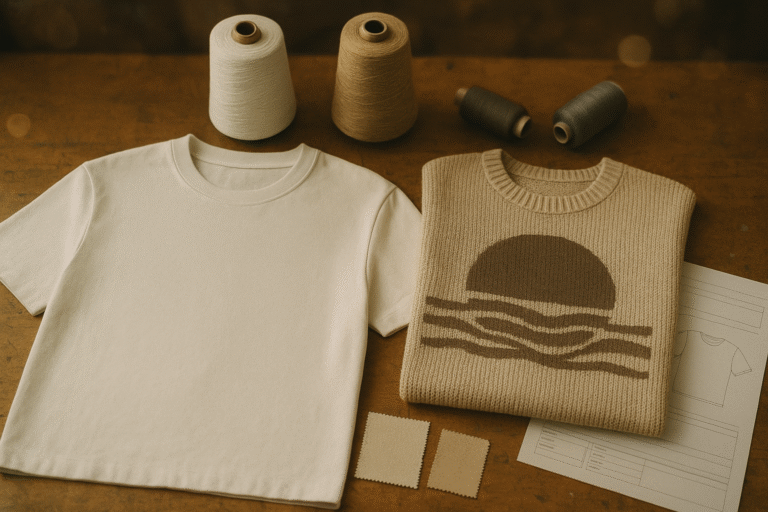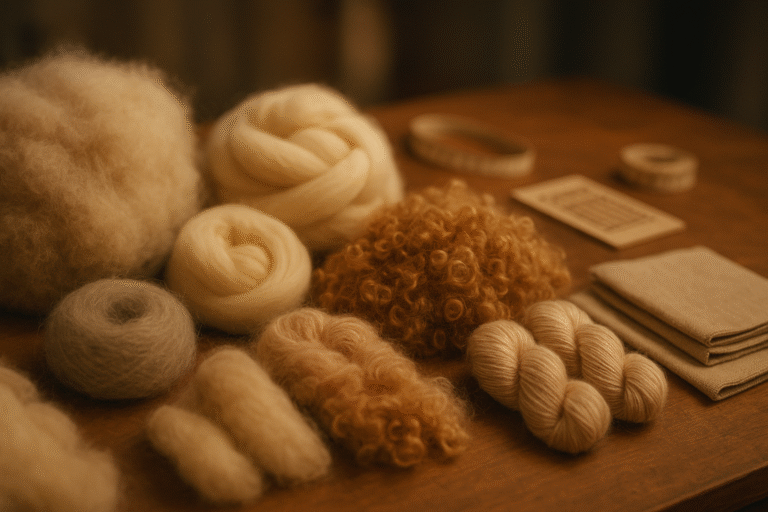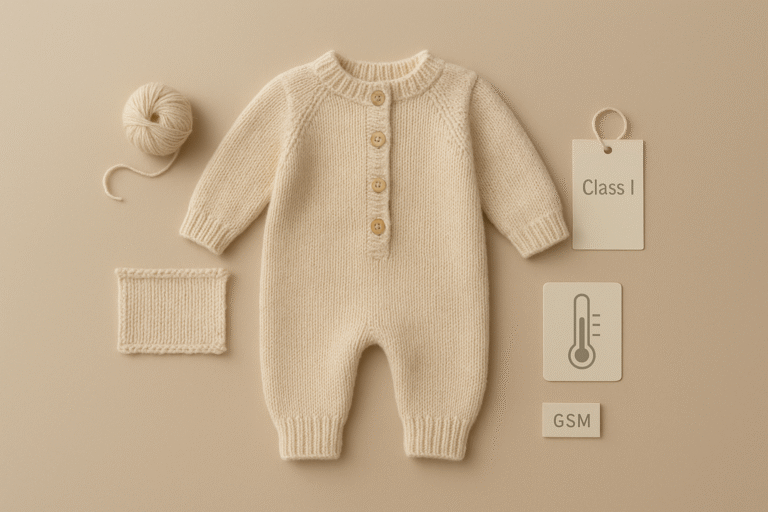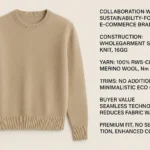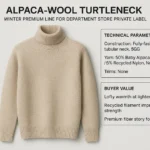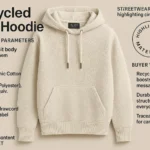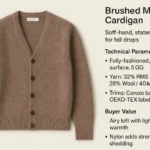

You just launched your clothing brand. You feel excited, but you start seeing mistakes new brands make when ordering knitwear everywhere. Maybe you ordered knitwear that looks great but feels scratchy. Your customers complain. You realize mistakes new brands make when ordering knitwear can ruin your clothing brand’s reputation. Mistakes new brands make when ordering knitwear can lead to unhappy buyers and lost sales. If your clothing brand ignores comfort, mistakes new brands make when ordering knitwear will keep happening. You need knitwear that feels good and lasts. Avoid mistakes new brands make when ordering knitwear to make your clothing brand stand out.
Key Takeaways
Learn how yarn acts and how stretchy fabric is. This helps stop your knitwear from sagging or being too stiff.
Ask for samples made with the same yarn and gauge you will use. This helps you see what your final product will be like.
Spend money on good finishing. This makes your knitwear look nice and helps it last longer.
Pick quality over low price. This helps people trust your brand and keeps customers happy.
Make sure your knitwear is comfy. Use soft, natural fibers and listen to what customers say.
Give easy care instructions. This helps customers take care of their knitwear and keeps it from getting ruined.
Do good market research. This helps you know what customers want and stops you from making mistakes.
Work with manufacturers and suppliers you can trust. This helps you get good products on time.
Common Mistakes New Brands Make When Ordering Knitwear
Overlooking Yarn Behavior and Fabric Elasticity
You might think all yarns act the same, but that’s a big mistake. Yarn behavior and fabric elasticity can make or break your knitwear. If you ignore how yarn stretches or holds its shape, you risk ending up with sweaters that sag, shrink, or feel stiff.
Sampling Issues
When you order samples, you want them to look and feel just right. Many new apparel brands skip testing how yarns behave. You might choose a yarn that looks soft but curls up or loses shape after washing. Some fibers, like wool, stretch and bounce back. Others, like cotton, stay flat and can lose their fit. If you don’t check the fabric composition, you could get samples that don’t match your vision.
Tip: Always request samples in the exact yarn and gauge you plan to use for production. Try washing and wearing them to see how they hold up.
Production Challenges
Production gets tricky if you don’t understand yarn behavior. Weft-knitted fabrics stretch well but can deform under stress. If you ignore elasticity, your garments might come out too loose or too tight. After laundering, some knits lose their shape, which leads to unhappy customers. The way you produce knitwear affects its performance and durability. Abrasion resistance matters too. If you pick the wrong fiber blend, your clothes might pill or wear out fast.
Here’s what you can do to avoid these common mistakes:
Learn about yarn fiber types. Wool stretches; cotton doesn’t.
Use the right needle size for each fiber.
Watch how elastic yarns curl and how inelastic yarns lose shape.
Think about how yarn weight and type affect fit and longevity.
If you pay attention to these details, you’ll get knitwear that fits well and lasts longer.
Ignoring Technical Finishing
Technical finishing is what makes knitwear look polished and feel comfortable. If you skip this step, your products might look messy or fall apart quickly. Proper finishing includes washing, blocking, and joining seams. These steps help your garments keep their shape and look neat.
Common technical finishing errors include:
Holes or needle lines from poor knitting
Drop stitches that create ladder-like lines
Thick and thin places from uneven yarn
Snagging or pulling from rough handling
Barré effect, which causes unwanted stripes
If you ignore finishing, your knitwear can lose its shape and look uneven. Customers notice these flaws right away. Investing time in finishing turns a basic sweater into something special.
Note: Always check for finishing defects before shipping your products. A little extra care goes a long way for quality.
Prioritizing Price Over Quality
It’s tempting to go for the cheapest option, but that often leads to trouble. Ultra-cheap knitwear might look good at first, but it can fade, pill, or fall apart after a few wears. Fast fashion often uses low-quality fabrics and weak construction. You end up with unhappy customers and lots of returns.
Here’s a quick comparison:
Fast Fashion Issues | Sustainable Solutions | |
|---|---|---|
Construction | Poor seams, weak zippers | Double-stitched seams, strong hardware |
Materials | Fabrics that fade or pill | Natural fibers, pre-shrunk fabrics |
Aging Gracefully | Garments deteriorate quickly | Fabrics that stay nice over time |
Repair-Friendly | Hard to mend or alter | Easy to repair designs |
If you focus on quality, your brand builds trust and keeps customers coming back. Don’t let price be your only guide. Choose better materials and construction for knitwear that lasts.
Callout: Always balance cost with quality. Spending a bit more upfront saves you headaches and money in the long run.
Neglecting Comfort and Health
You want your knitwear to look stylish, but comfort matters just as much. If you ignore how your clothes feel, you risk losing customers. Scratchy sweaters, itchy scarves, or tight cuffs can turn a great design into a disappointment. Many new brands make this mistake because they focus only on appearance or price.
Some materials and design choices can cause discomfort or even allergic reactions. Here are a few things you should watch out for:
Quality natural fibers like cotton, silk, and linen usually feel soft and safe for sensitive skin, unless they have heavy chemical treatments.
Synthetic materials such as polyester, nylon, and spandex can make skin reactions worse, especially in areas that rub or sweat.
Wool, even though it’s natural, can irritate skin because of its rough texture or lanolin. Some people get eczema or itching from wool.
Chemical treatments added to fabrics often cause allergic reactions more than the fibers themselves.
If you want to meet customer needs, always think about how your knitwear feels and reacts to skin. Ask yourself: Would you wear this all day? Would you give it to a friend with sensitive skin?
Tip: Request feedback from testers with different skin types before you launch a new product. You can also include a small swatch with your samples so people can check comfort before buying.
A comfortable sweater or scarf keeps customers happy and coming back. If you neglect comfort and health, you risk bad reviews and lost sales. Make comfort a top priority, not an afterthought.
Not Reading Care Instructions
You might think care instructions are just a small detail, but they can make or break your knitwear. If you don’t read or provide clear care instructions, your customers may ruin their new clothes after the first wash. This leads to frustration, complaints, and returns.
Best practices for care instructions help your knitwear last longer and look better. Here’s what you should include:
Washing Instructions: Hand wash or use a gentle cycle with cold water and mild detergent. Avoid hot water and fabric softeners.
Drying Instructions: Never hang to dry. Lay flat to dry and keep away from direct sunlight.
Ironing Instructions: Don’t iron directly. Use steam and protect the fabric with a cloth.
Never Do This with Knitwear: Don’t hang, avoid high heat, and never wring or twist wet knitwear.
If you skip these steps, your knitwear can shrink, stretch, or lose its shape. Customers get upset when their favorite sweater turns into a doll-sized top or a shapeless mess.
Note: Always include easy-to-read care labels on every product. You can also add care tips to your website or packaging for extra support.
Clear care instructions show you care about your customers and your brand’s reputation. They help prevent common mistakes and keep your knitwear looking great for longer.
Research Mistakes in Knitwear Sourcing
Skipping Market and Customer Research
You may want to start your knitwear line quickly. But if you skip market research, you can make big mistakes. Many new brands begin making clothes without asking what people want. If you do not know your customers, your products might not sell. You need to learn what styles, colors, and fits people like. Surveys and focus groups help you find out what buyers wear. Trend analysis shows what is popular now.
Tip: Use online polls and social media to get feedback. Ask about favorite knitwear styles and comfort features.
Market research helps you find what is missing in stores. You can learn if shoppers want eco-friendly yarns or bold patterns. When you listen to customers, you make knitwear that sells well.
Failing to Analyze Competitors
You should not ignore your competition. If you do, you might copy old styles or miss new trends. Many knitwear brands in places like Tongxiang City only copy others. They do not study why top brands do well. This causes poor market positioning and boring products. You lose your chance to stand out.
You need smart tools and strategies to study competitors. Here are some ways to start:
Find competitors – Look for brands like yours.
Collect data – Track their prices and new products.
Use automation tools – Platforms like Competitors App give updates.
Study insights – Change your plan based on what works.
Social media tools compare engagement and brand voice.
Social listening tools track what people say online.
Keyword research tools show SEO and website traffic.
AI-powered tools watch campaigns and competitor moves.
Content analysis tools show top posts.
Ad strategy tools track ads and spending.
When you study competitors, you learn what buyers like and dislike. You can change your designs, prices, and ads to get more customers.
Not Considering Versatility in Knitwear
Versatility is important in knitwear. If you sell only one style, you miss buyers who want choices. New brands often forget to make clothes for different occasions. You need products that fit many wardrobes and lifestyles.
Here is a table of versatile knitwear that did well for new brands:
Brand | Product Name | Price | Description |
|---|---|---|---|
NONAME is needed | Dotty Mini Cardigan | $495 | Vintage-inspired modern prep piece that customers like. |
NONAME is needed | Striped Rugby Pant | $475 | Versatile pant that matches many styles. |
NONAME is needed | Dotty Boyshorts | $295 | Playful style that shoppers enjoy. |
NONAME is needed | Solid Rugby Polo | $495 | Classic piece that fits in modern wardrobes. |
NONAME is needed | Fine Rib Mock Neck | $275 | Stylish mock neck that adds class to any outfit. |
Rafaiel Knitwear | Humanist Varsity Cardigan | $396 | Eye-catching cardigan made from natural fibers. |
Rafaiel Knitwear | The Everyday Basics Set | $228 | Versatile set made from organic cotton. |
Slow Love | Feel Good Hand Knit Jumper | $381 | Hand-knit jumper that fits many sizes, made from cotton. |
Slow Love | Tiger Cardigan | $360 | Stylish cardigan that is comfy and fashionable. |
Slow Love | Old Skool Cotton Tank Top | $184 | Classic tank top made from high-quality cotton. |
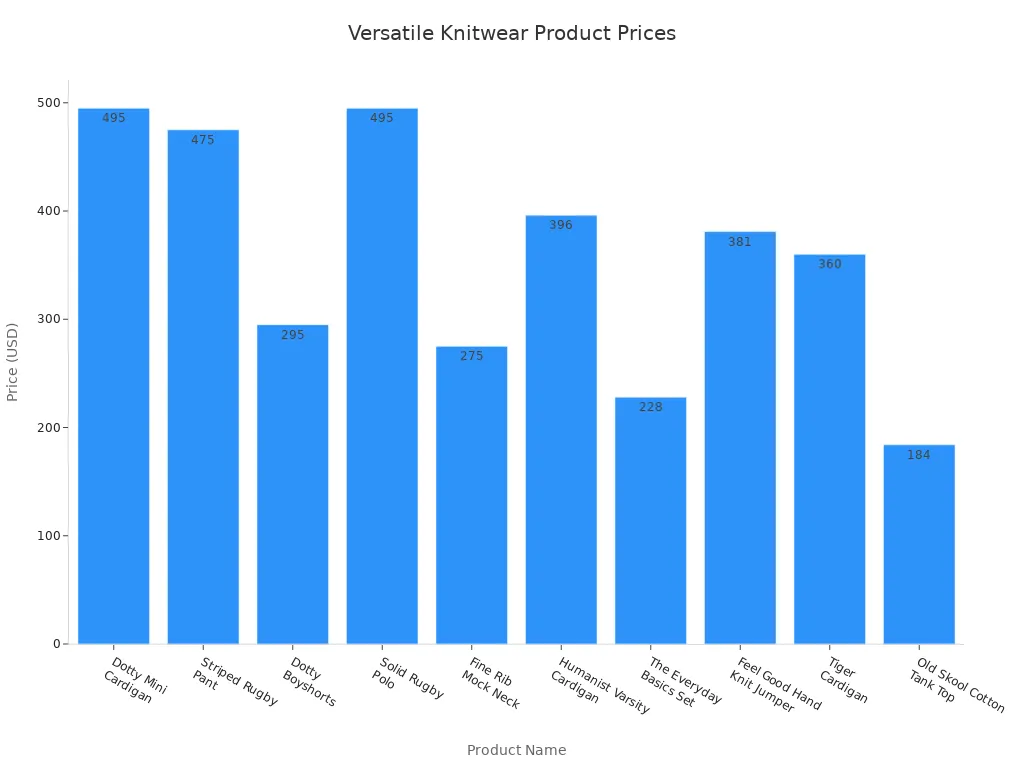
You can see these products attract different shoppers. Some pieces work for school, work, or weekends. If you offer versatile knitwear, you get more buyers and keep your brand fresh.
Note: Always use research to help choose your products. Versatile designs help new brands grow faster.
Budget Planning and Cost Oversights

When you start your knitwear brand, you might feel excited and want to launch fast. Rushing to market can make you miss important details about costs. If you skip budget planning, you risk running out of money or facing surprise bills. Let’s look at the power of budget planning and how you can avoid common mistakes.
Underestimating Hidden Costs
Hidden costs can sneak up on you. You might think you know the price, but extra fees add up quickly. Here are some costs new brands often forget:
Customs duties and import taxes
Shipping fees and insurance
Brokerage charges
Rush production fees
Expedited shipping costs
These hidden costs can increase your expenses by 15-40%. Shipping fabric can cost $0.50 to $2.00 per yard. Import duties range from 0% to over 30%. If you choose air freight, you pay three to four times more than sea freight. Rush production can add 25-50% to your base fabric costs.
Sampling Fees
Sampling sounds simple, but it can get expensive. Factories charge for making samples, and you pay for shipping them to your door. If you order many samples, costs pile up. Always ask for a clear breakdown before you agree.
Shipping and Duties
Shipping and duties can surprise you. Some brands only look at FOB prices, which cover the cost to get goods to the port. You also need to pay for shipping, insurance, and customs duties. A Seattle startup learned this the hard way. They switched to DDP estimates, which include all costs, and avoided big surprises.
Here’s a table to help you plan:
Cost Component | Description |
|---|---|
Raw Materials | Fabric, threads, zippers |
Labor Costs | Cutting, sewing, finishing |
Logistics | Shipping, insurance, customs duties |
Quality Control | Inspection and standards |
Overheads | Utilities and indirect costs |
Not Setting Aside Contingency Funds
You need a safety net. If you don’t set aside extra money, you can’t handle delays or mistakes. Create a buffer in your budget for emergencies. Add a timeline with room for delays. This helps you manage expectations and avoid panic if something goes wrong.
Tip: Make a full estimate of all costs. Include direct and indirect expenses. Factor in logistics and customs duties. Add a buffer for delays.
Stock Shortages Due to Poor Planning
Stock shortages can hurt your brand. If you don’t plan inventory, you run out of products and lose sales. Rushing to market makes this problem worse. You need to calculate safety stock based on past demand and supplier lead times. Build good relationships with suppliers to reduce risks. Diversify your suppliers so you don’t depend on just one.
You can use software like Slim4 to track stock levels and seasonal styles. Data-supported planning helps you build a strong supply chain. Advanced tools with AI can predict demand and keep your shelves full.
Note: Always communicate with suppliers about stock issues. Develop contingency plans to avoid running out of products.
Smart budget planning keeps your brand safe from hidden costs and shortages. Take time to plan, and you’ll avoid costly mistakes.
Manufacturer and Supplier Selection
Choosing the Wrong Manufacturer
Picking the right manufacturer is very important. If you choose the wrong one, you might get bad products. You could miss deadlines or lose money. You need a partner who understands your ideas and gives you what you want.
Here are things to check when picking a manufacturer:
Quality & Craftsmanship: Find one known for good work. Ask for samples and look at the details.
Materials & Sustainability: Make sure they use the right yarns. See if they offer eco-friendly choices if you want them.
Production Capacity: Check if they can make the amount you need. It does not matter if it is a small or big order.
Customization & Design Support: Some help with design changes. This can save you time and make things easier.
Lead Times & Reliability: Ask how long it takes to make your order. See if they finish on time.
Pricing & Costs: Compare prices, but do not pick the cheapest if it means bad quality.
Location & Logistics: Think about shipping costs. Check if it is easy to talk to them, especially if they are far away.
Tip: Always ask for references from other brands. Good manufacturers will share them with you.
Failing to Vet Suppliers
You might want to start fast, but skipping checks can cause problems. Some suppliers promise a lot but do not deliver. Others may not follow your rules or might disappear when you need them.
Follow these steps to check your suppliers:
Request Samples: Always see and touch the product before you agree.
Check References: Talk to other brands who worked with them.
Review Certifications: Look for proof of good quality and fair practices.
Visit the Factory: If you can, go in person or ask for a video tour.
Start Small: Make a small order first to test if they are reliable.
Careful checks help you avoid mistakes and build trust with your partners.
Poor Communication with Suppliers
Good communication keeps your work on track. If you and your supplier do not understand each other, things can go wrong. You might have delays, get the wrong products, or get bad quality.
Some brands had a 10-day delay because no one explained a problem. Others waited five days for an email about updates. When answers came, they were not clear and did not fix the issue. Poor communication causes missed deadlines and confusion.
Note: Set clear rules from the start. Use simple words, write down details, and check in often.
A strong relationship with your supplier means fewer problems and better results. When you talk well, you get the quality and timing your brand needs.
Product Line and Design Strategy Mistakes
Overcomplicating Product Lines
You might feel excited to offer every style, color, and size right away. Many new brands fall into this trap. When you try to do too much at once, you end up with a messy product line. Too many choices can confuse your customers. You also risk spreading your budget and attention too thin. This makes it hard to keep track of inventory and quality.
Instead, focus on a few strong pieces that show off your brand’s style. Start simple. You can always add more options later when you know what your customers want. This approach helps you control costs and keeps your brand message clear.
Tip: Ask your customers which styles they love most before adding new ones. Less can be more when you’re just starting out.
Not Balancing Depth and Breadth
Finding the right mix of products is tricky. If you offer too many types of knitwear, you might not have enough of each style. If you only sell one or two items, you miss out on customers who want variety. Balancing depth (how many of each item) and breadth (how many different items) is key.
Here’s how you can get it right:
Start small to test the market without overcommitting resources.
Track results regularly to adjust inventory breadth and depth based on customer response.
Integrate feedback from your team to refine your product assortment.
You can also follow these steps:
Begin with a moderate range of product categories.
Deepen categories that show positive customer response.
Set a regular review schedule to adjust inventory based on performance.
Launching with an assortment that matches your brand’s vision helps you avoid waste and meet customer needs. When you listen to feedback and watch sales, you can grow your collection the smart way.
Inconsistent Visuals and Messaging
Your brand’s look and message should stay the same everywhere. If your website, social media, and packaging all look different, customers get confused. They might not trust your brand. Mixed messages make it hard for people to know what you stand for.
Check out this table to see what can happen if your visuals and messaging don’t match:
Consequence | Explanation |
|---|---|
Erosion of Trust | Customers may see your brand as unreliable if your visuals are disorganized. |
Creation of Confusion | Mixed messages make it hard for customers to understand your brand. |
Diminished Brand Equity | Weak visuals lower your brand’s strength and customer loyalty. |
Customers want to feel confident when they shop. If you keep your visuals and words consistent, you build trust and make your brand easy to remember.
Note: Use the same colors, fonts, and tone everywhere. Make sure your team knows your brand guidelines.
Missing or Incomplete Tech Packs
You might be excited to send your knitwear designs to the factory. You want your ideas to become real. If you do not make a full tech pack, you can have problems. A tech pack is like a plan for your product. It tells the factory what you want. If you leave out details, things get confusing. Factories start to guess. Guessing leads to mistakes.
A good Tech Pack helps everyone work together. Pattern makers and quality controllers need clear instructions. If Tech Packs are missing details, factories guess. Guessing wastes time and money. It can hurt your brand’s reputation.
You need to put every detail in your tech pack. This means measurements, materials, colors, trims, and care labels. If you forget something, the factory might use the wrong yarn. They might make sleeves too short. Your samples might not match your sketches. You waste time fixing mistakes. You spend more money on extra samples. Your launch can be delayed.
Without a tech pack, even great designs can have problems. You can get errors, delays, or bad quality. A tech pack keeps everything in one place. Your team and suppliers know what to do from the start.
Here is what you should always put in your tech pack:
Clear measurements for every part of the garment
Yarn and fabric details
Stitch type and gauge
Color codes and where colors go
Trims, buttons, and labels
Care instructions
Reference images or sketches
If you keep things organized, you help the factory make your vision real. You avoid confusion. You get better samples. You save money and time.
Here is a simple table showing what happens with and without a tech pack:
With Complete Tech Pack | Without Tech Pack |
|---|---|
Clear communication | Confusion and guessing |
Fewer mistakes | More errors and delays |
Faster production | Slow sampling and fixes |
Consistent quality | Poor or uneven results |
You want your knitwear to look and feel right. Take time to make a strong tech pack. Check every detail before you send it. Ask your factory if they have questions. Good tech packs help your brand grow and keep customers happy.
Tip: Use a checklist for every new style. Make sure you include all details before you start production.
Quality Control and Production Oversights
Overlooking Quality Control
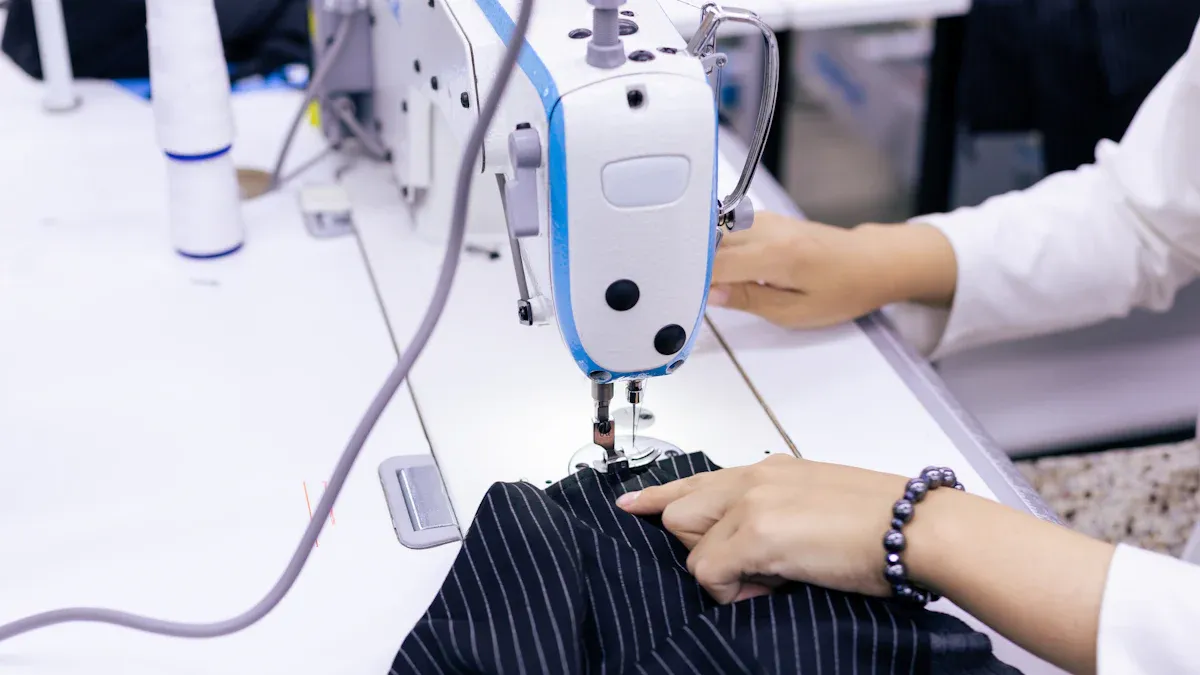
You want your knitwear to look nice and last long. If you skip quality control, you might send out clothes with holes or loose threads. Stitches can be uneven too. Customers see these problems fast. They may write bad reviews or stop buying from you.
Quality control means checking every item before shipping. You need to look for mistakes in stitching, sizing, and finishing. Some brands only check a few pieces. That is risky. You should check every batch. Use a checklist so you do not miss anything.
Here is a simple quality control checklist:
Look for holes or dropped stitches
Check seams and edges
Test buttons and zippers
Measure sizes
Review color consistency
Tip: Teach your team to find problems early. Catching mistakes before shipping saves money and keeps your brand safe.
Not Setting Clear Specifications
You have ideas for your knitwear. If you do not write clear specifications, factories might guess what you want. Guessing causes mistakes. You could get sweaters that are too short or colors that look wrong.
Specifications tell the factory what you expect. You need to include measurements, yarn type, color codes, and finishing details. If you leave out information, you waste time fixing errors.
Here is a table showing what to put in your specifications:
Specification | Why It Matters |
|---|---|
Measurements | Makes sure the fit is right |
Yarn Type | Changes feel and durability |
Color Codes | Keeps colors the same |
Stitch Type | Affects look and strength |
Finishing Details | Adds comfort and polish |
Note: Always check your specs before sending them. Clear instructions help factories give you what you want.
Ignoring Lead Times
You want your knitwear ready for launch day. If you ignore lead times, you might miss your deadline. Factories need time to order yarn, knit pieces, and finish products. Shipping takes time too. If you rush, you risk mistakes and delays.
Lead time means how long it takes from order to delivery. You need to plan ahead. Ask your supplier for a timeline. Add extra days for holidays or shipping problems. If you do not plan, you might run out of stock or upset customers.
Here is how you can manage lead times:
Ask for a production schedule
Add extra time for delays
Track progress with your supplier
Share changes quickly
Alert: Never promise delivery dates without checking lead times. Planning ahead keeps your brand safe and your customers happy.
Sustainability and Packaging in Knitwear
Not Considering Sustainability
Some people think sustainability is just a trend. But it is very important now. Customers want to know how their clothes affect the earth. If you ignore sustainability, you lose buyers who care. You also miss a chance to make your brand stand for something good.
Here are some things you can do:
Choose eco-friendly yarns: Pick organic cotton, recycled polyester, or bamboo. These use less water and energy.
Ask about dyeing processes: Some dyes hurt water and workers. Choose suppliers who use safe, low-impact dyes.
Reduce waste: Plan production so you do not have lots of leftover fabric. Use scraps for accessories or packaging.
Check certifications: Labels like GOTS or OEKO-TEX mean your products meet high standards.
Tip: Tell your sustainability story on your website and social media. Customers like seeing photos of your eco-friendly process.
Here is a table to help you compare sustainable choices:
Material | Eco Benefit | Customer Appeal |
|---|---|---|
Organic Cotton | Less pesticide use | Soft, safe feel |
Recycled Polyester | Reduces plastic waste | Modern look |
Bamboo | Grows fast, needs less water | Lightweight comfort |
If you make sustainability important, you build trust. You stand out in a busy market. You also help protect the earth for the future.
Overlooking Packaging and Branding
You might only think about the clothes and forget packaging. That is a mistake. Packaging is the first thing customers see. If it looks cheap or wastes plastic, people notice. Good packaging makes your brand feel special and keeps products safe.
Here are things to think about:
Pick recyclable or compostable packaging: Cardboard boxes, paper bags, and plant-based wraps are good choices.
Add a personal touch: Put in a thank-you note or care card. Small details make customers feel valued.
Show off your brand: Use your logo, colors, and style on every package. Consistent branding helps people remember you.
Protect your knitwear: Use tissue paper or cloth bags to keep items clean and neat.
Alert: Do not forget shipping labels and return instructions. Clear info makes buying easy.
Try this checklist for packaging:
Is it eco-friendly?
Does it match your brand style?
Will it protect your product?
Is it easy for customers to recycle?
If you get packaging right, you make a great first impression. You show you care about your customers and the earth. Smart packaging and strong branding help your knitwear stand out and keep buyers coming back.
You’ve seen how skipping research, rushing planning, or picking the wrong supplier can hurt your brand. These mistakes lead to wasted money, unhappy customers, and lost trust. If you use the tips in this guide, you can avoid common problems and build a stronger business.
Focus on research and planning.
Choose suppliers you trust.
Always check quality.
Ready to launch your knitwear brand? Take action today and create products your customers love!
FAQ
What is the most common mistake new brands make with knitwear?
You often see brands rush into production without testing samples. This leads to poor fit or low-quality products. Always test your samples before placing a big order.
How do I choose the right yarn for my knitwear line?
Start by thinking about comfort, durability, and style. Ask your supplier for yarn samples. Test them for softness and stretch. Pick yarns that match your brand’s vision and customer needs.
Why is technical finishing important in knitwear?
Technical finishing gives your knitwear a polished look. It helps your products last longer and feel better. Customers notice details like smooth seams and even stitches. Good finishing sets you apart in the fashion industry.
How can I avoid stock shortages?
Plan your inventory using past sales data and supplier lead times. Use software to track stock levels. Communicate with your suppliers often. This helps you avoid running out of popular items.
What should I include in a tech pack for knitwear?
A tech pack should have measurements, yarn type, color codes, stitch details, and care instructions. Add sketches or reference photos. Clear tech packs help factories make your designs correctly.
How does marketing and audience alignment help my knitwear brand?
When you align your marketing with your audience, you reach the right people. You create products and messages that connect with your customers. This builds loyalty and helps your brand grow.
Is sustainable packaging really necessary for new brands?
Yes! Customers care about the environment. Eco-friendly packaging shows you value their concerns. It also helps your brand stand out and builds trust with buyers.