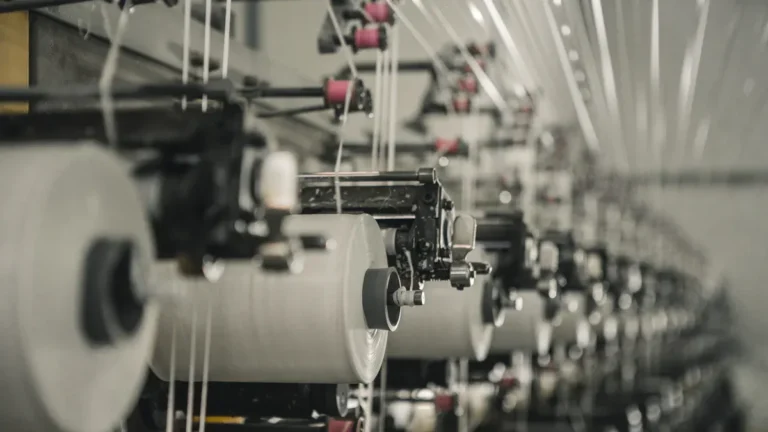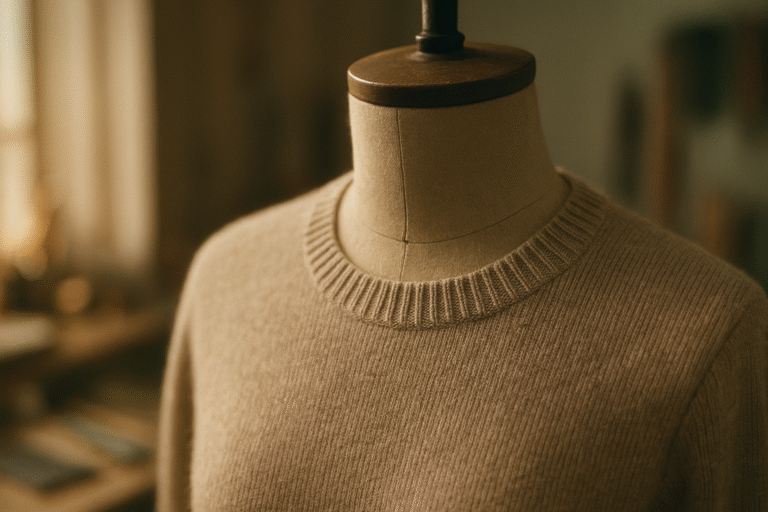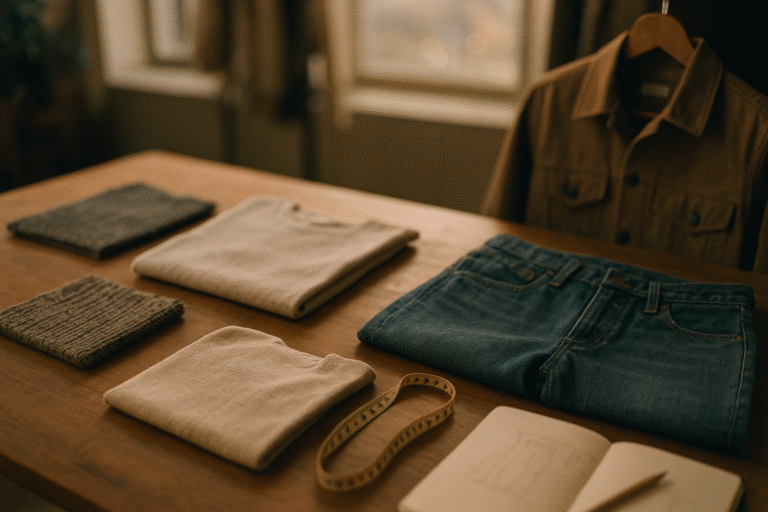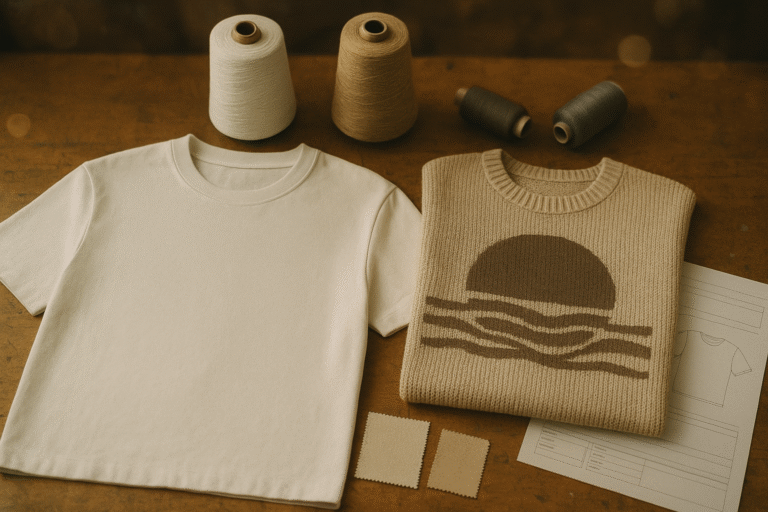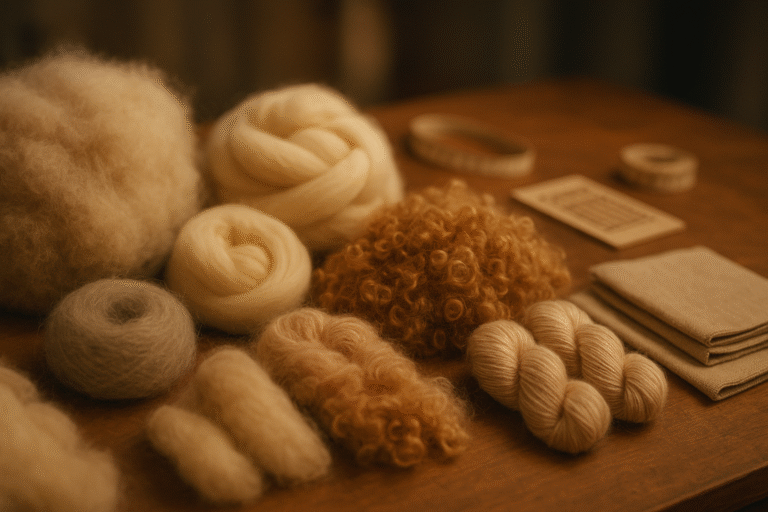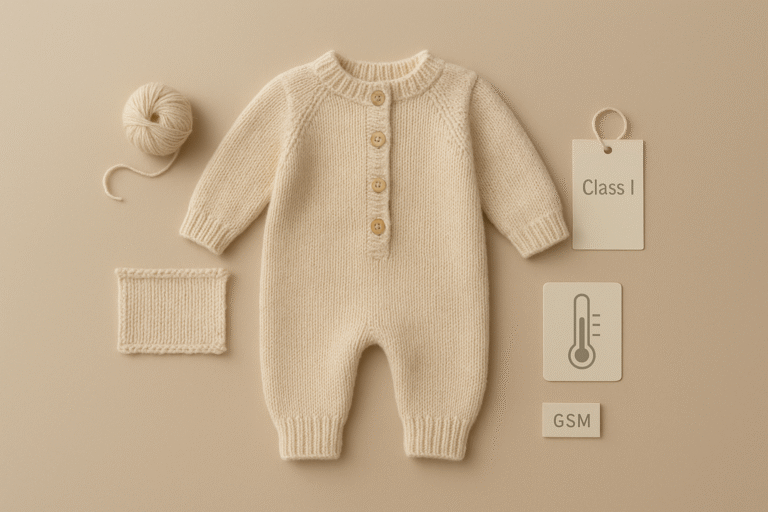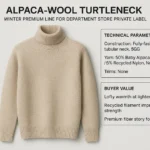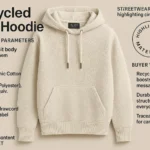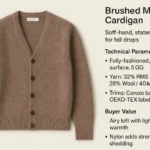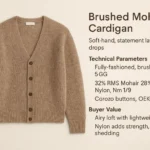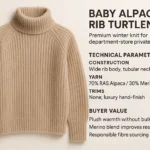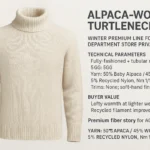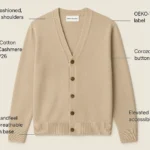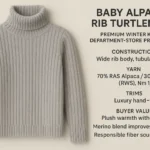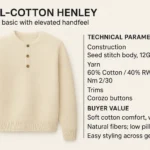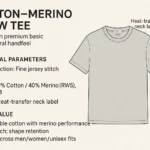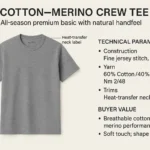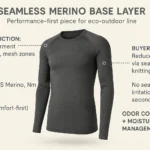

You can create sustainable custom knitwear by following a sustainable custom knitwear manufacturing guide that emphasizes smart choices at each step. Start by selecting eco-friendly yarns. Implement methods that help reduce waste. Fiber production has a significant impact on knitwear. Heavy items generate more emissions than circular knitwear. By choosing organic cotton or recycled fibers, you can decrease greenhouse gas emissions by up to 82% by 2030. Nowadays, more individuals desire knitwear that reflects their style and values. Brands are utilizing new materials and digital tools to produce custom products. These products not only benefit the planet but also express your identity. This sustainable custom knitwear manufacturing guide will assist you in making informed decisions for your knitwear project.
Trend | Description |
|---|---|
Sustainability | People want eco-friendly knitwear and ethical choices. |
Customization | Custom knitwear lets you create unique designs and better fits. |
Market Growth | The knitwear market is growing as more people seek sustainable options. |
Key Takeaways
Pick eco-friendly yarns like organic cotton or recycled fibers. This helps lower your carbon footprint.
Make clear project goals. These goals help you choose designs and materials.
Use digital tools to design and pick patterns. This makes your creative work easier.
Plan your budget and timeline. This helps you avoid surprises and keeps your project smooth.
Add sustainable finishing touches like natural dyes and eco-friendly trims. These make your knitwear better.
Check your knitwear for quality. Fix problems early to make it last longer.
Use leftover yarn to make small things. This cuts down on waste and uses all your resources.
Share your sustainable journey online. This can inspire others and help eco-friendly habits spread.
Sustainable Custom Knitwear Manufacturing Guide
Setting Your Project Goals
Define garment type and purpose
First, decide what you want to make. Is it a warm sweater or a light scarf? Maybe you want custom sweaters for your brand. Think about why you need the knitwear. Will you wear it every day, give it as a gift, or sell it? Your choice affects the design and materials. Knowing what you want helps you start your project the right way.
Identify sustainability priorities
You choose what matters most for the planet. Think about these things:
Try new materials like bamboo and hemp to help the earth.
Pick organic cotton and wool that is grown in good ways.
Use recycled fibers so fewer new resources are needed.
Check for certifications like GOTS, RAF, and GRS to make sure production is ethical.
Use circular economy ideas so your knitwear lasts and can be recycled.
Make sure workers have safe jobs and fair pay.
Look for supply chain certifications like Fair Trade for honesty.
Take care of your knitwear so it lasts longer.
Your choices help the planet and people. Setting clear goals makes a big difference in the knitwear world.
Planning for Success
Assess skills and resources
Check what you know before you begin. Can you knit by hand or with a machine? If you do not know how, you can learn online or in classes. Gather what you need for your project. You can find materials at thrift stores or use old clothes. Look up yarn fibers and see how companies make them. Join yarn swaps in your community to waste less. Make knitted items instead of using throwaway products. If you have extra things, give them away or donate them.
Tip: The KNITWEAR LAB made a collection from Turkish textile waste. This proves you can mix smart design with earth-friendly ideas for a better future.
Set timeline and budget
Plan your time and money before you start. Decide how long each step will take, from design to finish. Make a budget for materials, tools, and help. Planning ahead stops surprises. Your guide will match your goals and what you have.
When you plan well, you can reach your goals. Good planning helps you make knitwear that shows your values and fits your needs.
Design & Planning for Custom Knitwear
Measurements & Sketches
Take accurate measurements
You need to get the right measurements before you start. Good measurements help your knitwear fit well and feel nice. There are rules to help you measure each part. Use a soft tape measure for every step.
Chest/Bust – Put the tape around the biggest part of your chest. Make sure the tape is snug but not too tight.
Center Back Neck–to-Wrist – Hold your arm out straight. Measure from your neck, over your shoulder, down to your wrist.
Back Waist Length – Start at your neck bone and measure to your waist.
Cross Back – Measure from one shoulder to the other.
Arm Length – Bend your arm a little. Measure from your armpit to your wrist.
Upper Arm – Wrap the tape around the thickest part above your elbow.
Armhole Depth – Measure from the top of your shoulder down to your armpit.
Waist – Find the smallest part of your waist, above your belly button.
Hip – Measure the widest part of your lower hip.
These steps help you avoid mistakes. They make sure your knitwear looks how you want.
Create design sketches
Sketches help you show your ideas. You use sketches to share your knitwear design with others. Designers turn ideas into special drawings. These drawings help you make your knitwear. A good drawing helps you start with no mistakes. Your sketches show the quality of your knitwear. Use sketches to plan and share your ideas.
Tip: Sketching helps you find problems early. You can fix your design before you start knitting.
Digital Tools & Pattern Selection
Use graphic design software
Digital tools make designing knitwear easier. You can use online apps to make moodboards and pictures. Canva lets you collect images and move them around. Stitch Fiddle helps you make knitting charts online. Both tools have free versions for beginners.
Tool Name | Description | Key Features |
|---|---|---|
Canva | Make moodboards and graphics for knitwear | Easy to use, drag-and-drop, free for beginners |
Stitch Fiddle | Create knitting charts for custom patterns | Design stitch patterns, free chart making |
You use these tools to plan your knitwear and share ideas with your team.
Choose suitable patterns
Picking patterns helps shape your knitwear. You choose patterns that fit your style and skill. Digital tools let you try patterns before you start. Pick patterns that use earth-friendly ways and waste less. Patterns help you knit and make special pieces.
Finalizing Trims & Details
Select trims, labels, buttons, embroidery
Trims and details make your knitwear special. You pick trims like organic cotton or recycled wool. Many designers use natural fibers and recycled stuff. You can add labels, buttons, or embroidery to make it unique. Using less energy and recycling helps you waste less. Make your knitwear strong and easy to fix.
Organic cotton trims
Recycled wool details
Custom labels and tags
Strong buttons
Embroidery for a personal touch
Consult with specialists
You can make better knitwear by talking to experts. Specialists help you with design, materials, and making your knitwear. Their advice helps you pick earth-friendly materials and waste less. You learn good ways to make knitwear. Working with experts helps your knitwear last and helps the planet.
Note: Talking to specialists helps you make knitwear that lasts and is good for the earth.
Understanding Knitwear Production Methods
Picking how you make knitwear is important. It changes your project a lot. Your choice affects the planet and how your knitwear looks. You should learn about each method before you start.
Cut & Sew vs. Fully-Fashioned
Key differences
There are two main ways to make knitwear. One way is called cut and sew. The other way is fully-fashioned. Each way makes your knitwear look and feel different.
Cut and sew uses fabric pieces that are cut first. You sew these pieces together to finish your knitwear.
Fully-fashioned means you knit each part to the right size. Then you join the parts together for a smooth look.
Method | How It Works | Look and Feel |
|---|---|---|
Cut and Sew | Sew pre-cut panels together | Visible seams, bulkier |
Fully-Fashioned | Knit pieces to shape, then link together | Seamless, neater |
Pros and cons
You need to think about the good and bad parts of each way.
Cut and sew costs less money and is easier to learn. You can make sweaters fast, but there is more waste and thick seams.
Fully-fashioned uses less yarn and makes flat seams. You need more skill and time, and it costs more. Your knitwear will look nice and last longer.
Tip: Fully-fashioned knitwear is better for the earth. You use less yarn and make less waste, which helps nature.
On-Demand Production
Benefits for small brands
On-demand production is a new way to make knitwear. You only make what people order. This helps small brands save money and supplies.
You make less waste because you only make what sells.
You use less fabric, water, and energy, so it is greener.
You do not have extra knitwear that does not sell.
You can give more choices and special designs.
You can change your designs fast when people want new things.
Inventory and risk management
On-demand production helps you keep less extra knitwear. You make each piece when someone buys it. This can cut fabric waste by up to 35%. You also spend less money because you do not have extra items. Your business can change fast and give people what they want.
Note: On-demand production is good for the planet and for custom designs. You only make what is needed, so you help the earth and keep your ideas new.
You can try new ways like 3D knitting or digital textile printing. These ways let you make smooth knitwear and waste less. You can also use microbial dyeing for safer colors.
When you pick the best way to make knitwear, you help the earth and make cool designs. You control waste, money, and how your knitwear looks.
How Custom Knitwear Is Made: Step-by-Step
Yarn & Material Selection
Eco-friendly yarn options
You begin by picking yarn for your knitwear. Your choice helps the earth and your project. There are many eco-friendly yarns you can use. You have lots of choices that are good for the planet and feel nice.
Organic cotton grows without bad chemicals and lasts long.
Recycled yarns come from old clothes and cut down on trash.
Bamboo yarn grows fast, feels soft, and breaks down easily.
Hemp yarn uses little water and no sprays, so it is strong.
Nylon-4 biodegradable nylon breaks down and cuts plastic waste.
Recycled cashmere saves resources and is made the right way.
Algae yarn comes from algae and breaks down in nature.
Tencel (Lyocell) is made in a closed system, so it is green.
Pineapple fiber (Piñatex) uses extra pineapple parts to cut waste.
Soy silk yarn uses tofu leftovers and is a vegan choice.
You can also use alpaca wool, which does not need lanolin taken out and is better for the earth than sheep wool. Sheep wool is natural and breaks down, but needs more work. Lyocell uses less water than cotton and is good for green knitwear.
Sourcing and certifications
When you get yarn, look for trusted labels. These show your yarn is good for the earth and workers. You can check for these labels:
Certification | Description |
|---|---|
GOTS | Global Organic Textile Standard, making sure yarn is organic and made the right way. |
GRS | Global Recycled Standard, checking for real recycled stuff and good making rules. |
Fair Trade | Makes sure workers are treated well and paid fairly. |
RWS | Responsible Wool Standard, caring for animals and land. |
You help the earth and people when you pick yarn with these labels. These labels make sure your knitwear is made in a good and fair way.
Preparing Tools & Workspace
Essential tools
You need the right tools to make knitwear. Your tools depend on your design and how you make it. Digital knitting machines help you waste less and avoid extra stock. This makes green fashion easier for everyone. If you like hand knitting, you use needles, hooks, and other simple tools. Hand knitting lets you make pieces with less waste.
Digital knitting machines
Hand knitting needles
Crochet hooks
Measuring tape
Stitch markers
Yarn winder
Scissors
You should use good, safe materials. Making things close to home and knowing where they come from helps the earth.
Sustainable setup
Set up your workspace to be green. Keep your tools and yarn neat to waste less. Use old boxes, recycle scraps, and let in sunlight. Keep your area clean and safe for your project. Pick machines that use less power if you use tech. Buy from local shops and cut down on shipping. Make sure your space matches your values and goals.
Tip: A neat, green workspace helps you work faster and waste less. You make better knitwear when you plan your space.
Knitting Process
Swatching and testing
Test your yarn before you start your project. Swatching helps you see how the yarn acts and looks. Knit a small piece to check how it feels and hangs. Measure the gauge to see how the fabric will fit. Change your needles to get the right size for your design.
Try the yarn by knitting a swatch.
Check how it hangs and the gauge.
Test the size with your needles.
Take time to knit, block, and fix your swatch.
Use the same steps as your final project.
Swatching before you start helps you learn about the yarn. It saves time later because you fix problems early.
You make fewer mistakes and your knitwear fits and looks better.
Knitting with machines or by hand
You can knit by hand or use machines. Hand knitting takes time and care. You make no waste and use no machines that pollute. Hand knitting also helps local workers and keeps costs low. Machine knitting uses new tech like 3D and seamless knitting. These ways use less yarn and make less waste. For example, 3D knitting can save 20% of the yarn. Pick the way that matches your design and green goals.
Fashion likes things fast, but you can balance speed and being green. Hand knitting lets you control every part of your design. Machine knitting helps you make more pieces and use less yarn. Both ways can be green if you plan well.
Now you know how custom knitwear is made. You pick yarn, set up your space, and knit your design. You can use these steps to make knitwear that fits your style and values.
Assembly & Finishing
When you finish knitting, you need to put your project together. This step helps your knitwear look nice and last longer. You can use easy ways to make your custom knitwear strong and pretty.
Seaming and blocking
You join the knitwear pieces during assembly. This gives your garment its final shape. You want seams that are neat and strong. Good seams help your knitwear last a long time.
Weave in Ends: Tuck in loose yarn ends. This keeps your knitwear tidy and stops it from coming apart.
Block Your Garment: Use water or steam to shape your knitwear. Blocking makes stitches set and helps your piece look smooth.
Seam and Join: Use mattress stitch or another strong way to join. Mattress stitch hides the seams and gives a clean look.
Tip: Take your time with seaming and blocking. Careful work makes your knitwear look better and last longer.
Blocking is important for every custom knitwear project. You soak or steam your knitwear, then lay it flat to dry. This step helps your piece keep its shape and size. You can use mats or towels for blocking. Blocking helps your knitwear fit well and look its best.
Sustainable finishing touches
You can add final touches to make your knitwear eco-friendly and strong. These steps help your knitwear last longer and waste less.
Use good, eco-friendly materials for trims and labels. This makes your knitwear stronger and better for the planet.
Pick ethical ways to make your knitwear. Fair labor and safe methods support sustainable practices.
Try natural anti-microbial finishes. These use plants to keep your knitwear fresh without harsh chemicals.
Think about plasma processing for finishing. This changes the surface without hurting the fabric. Plasma processing makes your knitwear softer and stronger.
Take care of your knitwear. Gentle washing and good storage help your pieces last and stay nice.
Note: When you care for your knitwear, you help the earth. Good care means you do not need to buy new knitwear often, which supports circular fashion.
Here is a table showing how sustainable finishing helps:
Sustainable Touch | How It Helps Your Knitwear |
|---|---|
Eco-friendly materials | Makes it last longer, less waste |
Ethical production | Supports fair jobs, safer making |
Natural anti-microbial | Keeps knitwear fresh, no chemicals |
Plasma processing | Feels better, stays strong |
Lasts longer, fewer replacements |
When you use these finishing touches, your knitwear stands out. You make pieces that last, look good, and help the planet. Every step in assembly and finishing makes your knitwear more sustainable and special.
Quality, Personalization, and Care
Quality Control
Inspect for durability
You want your knitwear to last a long time. First, check the yarn and fibers you use. Strong and eco-friendly yarn helps your knitwear stay nice. Look at each piece for loose stitches or weak seams. Stretch your knitwear to see if it feels strong. If you find a problem, fix it before you finish. Check your work often to catch mistakes early. This keeps your knitwear looking new.
Make sure yarn is strong and soft.
Look for neat stitches and seams.
Stretch your knitwear to test shape.
Fix loose ends or weak spots fast.
Quality control helps your knitwear last longer. You protect your brand and stop waste by finding mistakes early.
Address common issues
Sometimes you see holes or rough edges in your knitwear. Fix these problems as soon as you spot them. Use strong seams and tuck in all yarn ends. Make sure your knitwear fits well and feels good. Ethical manufacturing means checking for fair jobs and safe places to work. Quality control also means using earth-friendly materials and ways to make things.
Tip: Checking your knitwear often helps you waste less and keep high quality.
Personalization Options
Sustainable embellishments
Custom knitwear lets you show your style. You can add special touches like recycled buttons or organic trims. Natural embroidery makes your knitwear unique and helps the planet. Pick details that match your design and use green materials.
Recycled buttons and zippers
Organic cotton trims
Natural fiber embroidery
Plant-based dyes for color
Custom knitwear comes in many styles, like sweaters or scarves. Choose materials that feel good and last long. Personal touches help the earth and cut down on waste.
Custom labels and tags
You can add labels and tags to your knitwear. Labels tell your story and show your brand. Use recycled paper or organic cotton for your tags. You can order small amounts to try new designs and waste less. Custom knitwear gives you choices and helps you share your values.
Personalization Option | Benefit |
|---|---|
Custom labels | Share your brand story |
Unique tags | Add a personal touch |
Flexible designs | Try new styles easily |
Custom knitwear lets you make pieces that show your taste and support fair making.
Care Instructions
Eco-friendly washing
You can keep your knitwear nice with green care. Air out your knitwear instead of washing every time. Use natural laundry soap and skip softeners. Wash on cold and gentle cycles. Lay your knitwear flat to dry so it keeps its shape.
Air out knitwear between wears
Use organic detergents
Wash on cold, gentle cycles
Air-dry flat on a towel
Taking care of your knitwear the right way helps it last. Washing and drying well can lower your carbon footprint by up to 30%.
Repair and upcycling tips
If your knitwear gets a hole, you can fix it. Patch holes with yarn that matches or add fun embroidery. Turn old sweaters into new things for your home or accessories. Mix your knitwear with other green fabrics and pick classic styles. A capsule wardrobe helps you buy less and waste less.
Note: Making your knitwear last nine months longer can lower your impact on the planet by 20–30%. Small changes in care help a lot.
Maintaining Sustainability in Custom Knitwear
Reducing Waste
You can help the planet by making less waste. When you make custom knitwear, you often have leftover yarn. Do not throw these scraps away. Try to use them in fun ways.
Repurpose scraps
Leftover yarn can become small things like hats or wristbands. You can also use scraps to fix holes or make patches. Some people make blankets or toys with their extra yarn. If you have a business, you can give customers matching scrunchies or keychains. These can be made from the same yarn as their sweaters. This helps you use all your yarn and keeps waste out of the trash.
Make small things with leftover yarn.
Give customers extra items.
Use scraps to fix or decorate.
Zero-waste ways help you make clothes with no extra fabric. On-demand production means you only make knitwear when someone buys it. This stops you from having too much extra and wasting it.
Composting natural fibers
If you use yarn like organic cotton or wool, you can compost small scraps. These fibers break down in the dirt and help the earth. Before you compost, check that your yarn does not have fake fibers or strong dyes. Composting is a good way to keep your knitwear project green.
Tip: Composting scraps from natural fibers is easy and helps the earth.
Documenting Your Process
You can be more green and honest by writing down your steps. When you keep track, you learn about your choices and can do better next time.
Track materials and sources
Write down where you get your yarn, trims, and labels. Note which sellers use green ways. You can use a table to keep things neat:
Material | Source | Certification |
|---|---|---|
Organic cotton | Local supplier | GOTS |
Recycled wool | Yarn co-op | GRS |
Tracking helps you see which parts are most green. Some companies use special reports to check their impact. You can start by writing notes in a notebook or on your computer.
Share your journey
When you tell others about your process, you help more people pick green knitwear. Post updates online or on your website. Show how you pick yarn, cut waste, and care for your pieces. Sharing your story helps people trust you and learn with you.
Note: Sharing your knitwear story can help others make green choices.
Planning Future Projects
You can get better at making green knitwear by thinking about each project. Take time to see what went well and what you want to change.
Reflect and set new goals
Ask yourself questions when you finish a knitwear piece:
Did you use all your yarn?
Did you make less waste?
Can you try new zero-waste ways next time?
Set new goals for your next project. You might want to try a new green yarn or a new pattern. Each project helps you learn and get better. When you plan ahead, your knitwear gets more green every time.
You can make custom knitwear that is special if you follow each step carefully. Begin by planning well and picking materials that help the planet. Make sure every piece, like custom knit sweaters or accessories, has good finishing. Experts say quality, fair making, and new technology are important for custom knitwear.
Key Takeaway | Description |
|---|---|
Quality and Sustainability | Good custom knitwear brings in buyers who care about the earth. |
Ethical Manufacturing | Getting materials the right way makes people trust your work. |
Efficient Supply Chain | Smart planning helps your knitwear business do better. |
Integration of Technology | New tools help you waste less when making custom pieces. |
Use these ideas for your own custom knitwear. Keep learning new things and tell others about your work to help more people care about green fashion.
FAQ
What makes custom knitwear sustainable?
You choose eco-friendly yarns and ethical production methods. You reduce waste by making only what you need. You support fair labor and use recycled materials. Sustainable custom knitwear helps the planet and lasts longer.
How do you start a custom knitwear project?
You begin by setting clear goals. You pick the garment type and purpose. You select materials that match your values. You plan your budget and timeline. You gather tools and resources before you start designing.
Can you personalize custom knitwear?
You can add labels, embroidery, or special trims. You choose colors and patterns that fit your style. You work with designers to create unique pieces. Personalization makes custom knitwear special and meaningful.
What yarns work best for custom knitwear?
You can use organic cotton, recycled wool, bamboo, or hemp. These yarns feel soft and last long. You check for certifications like GOTS or GRS. Eco-friendly yarns make your custom knitwear better for the environment.
How do you care for custom knit sweaters?
You wash with cold water and gentle soap. You air-dry flat to keep the shape. You repair small holes with matching yarn. You store your custom knit sweaters in a cool, dry place. Good care helps them last longer.
Is custom knitwear good for small brands?
You make only what customers order. You avoid extra inventory and waste. You offer unique designs and quick changes. Custom knitwear helps small brands stand out and grow responsibly.
What can you do with leftover yarn from custom knitwear?
You create small items like hats or scrunchies. You patch holes or add decorations. You compost natural fiber scraps. You use every bit to reduce waste and support sustainable practices.
Tip: Always track your materials and share your process. This builds trust and helps others learn about custom knitwear.
FAQ Topic | Quick Answer |
|---|---|
Sustainability | Use eco-friendly yarns |
Personalization | Add labels and trims |
Yarn Choices | Pick organic or recycled fibers |
Care Tips | Wash cold, air-dry, repair holes |