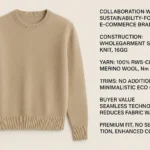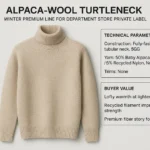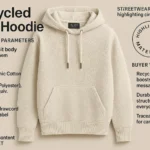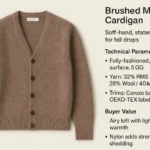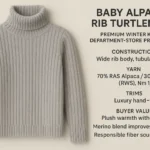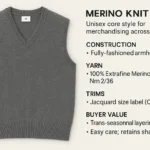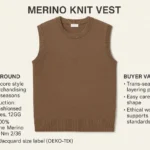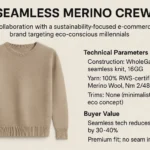


You know that good communication is very important for your knitwear project, especially when considering how to communicate with knitwear factories effectively. If you forget details or use poor methods to talk, you may experience late shipments or quality issues. Look at this table. It shows the most common problems brands face when working with knitwear factories:
Communication Challenge | Description |
|---|---|
Inefficient Information Flow | Messy information causes mistakes and slows down the process. |
Lack of Communication Processes | Outdated tools make it difficult to check progress and resolve issues. |
Cross-Cultural Communication Challenges | Language and cultural differences can lead to confusion and damage relationships. |
Production Failures | Poor communication can disrupt schedules and erode customer trust. |
Quality Issues | If you do not clearly explain quality standards, you may encounter more mistakes and rejected shipments. |
Increased Operational Costs | Not understanding production goals can lead to wasted materials and increased expenses. |
When you use open communication and clear language, you build trust and prevent costly mistakes. Good communication helps you learn how to communicate with knitwear factories effectively, no matter where you are.
Key Takeaways
Talking well helps stop mistakes and builds trust with knitwear factories.
Say your ideas and needs clearly so people do not get confused later.
Use clear words and pictures to show what you want your design to look like.
Make tech packs that have measurements, materials, and how things are made.
Plan regular meetings with the factory to check progress and fix problems early.
Tell the factory what you expect for time, quality, and how many items you want.
Talk about money and payment rules at the start to stop surprises and help trust.
Write down all agreements and changes so everyone knows what is happening.
Define Vision and Specifications
Before you work with a knitwear factory, you must know your vision and specifications. This step sets clear expectations. It helps stop confusion later. Sharing clear ideas makes it easier for the factory to give you what you want.
Articulate Design Intent
You want your ideas to look just like you imagine. To make this happen, you need to explain your design intent clearly. This way, there is no guessing.
Use Descriptive Language
Use simple and clear words to describe your design. For example, say “relaxed fit, cropped length, and ribbed cuffs” instead of just “sweater.” Descriptive language helps the factory understand your style and details. This lowers mistakes and saves time. The team knows what you want. They feel more confident making your product.
Reference Images
Pictures can show your ideas better than words. Collect images that show the mood, colors, and shapes you like. You can use photos, sketches, or magazine clippings. Put these images on a board. This keeps your ideas clear and easy to follow.
Tip: An inspiration board that is neat helps everyone understand your ideas. It keeps your project moving in the right direction.
Here’s a table to help you organize your vision:
Key Element | Description |
|---|---|
Inspirational Images | Collect images that show your vision and mood for the project. |
Color Palette | Make a group of swatches that show the feeling of your design. |
Layout | Organize the board to keep it clear and match the theme. |
Confirm Material Details
Talk about materials early. This helps set expectations for quality and performance.
Yarn Type and Color
Pick the yarn type and color that fit your design. Think about how the yarn feels and looks. The knitting gauge and yarn composition change how your garment fits and wears. If you want a soft sweater, choose fluffy yarn. For a smooth look, pick tight yarn.
Sourcing Preferences
Tell the factory if you want special yarn sources. Maybe you want organic cotton or recycled fibers. Share your preferences so the factory can find the right materials.
Here’s a table of common material issues and ways to fix them:
Issue | Description | Improvement Methods |
|---|---|---|
Shrinkage | Knitted fabrics can shrink after washing. | Pre-shrinking, tighter knitting, fabric washing |
Bursting Strength | Fabric may break under pressure. | Use plied yarn, knit more tightly |
Skewing & Twisting | Fabric may twist or curl after washing. | Use twisted yarns, resin finishing |
Bowing | Weft yarn curves across the fabric width. | Adjust needle cylinder, reduce fabric width |
Pilling | Small balls form on the fabric surface. | Tighter knitting, bio-enzyme washing |
Specify Functional Needs
Think about how you want your knitwear to work. This helps you and the factory set clear goals for the final product.
Performance Requirements
Tell the factory if you need your knitwear to stretch, stay warm, or resist pilling. These details help the team pick the right yarn and knitting method.
Care Instructions
Share how you want people to wash and care for your knitwear. If your sweater needs gentle washing, let the factory know. This helps them choose materials that match your needs.
Finish your design ideas and make technical sketches.
Pick the knitting gauge and yarn composition for the look and feel you want.
When you define your vision and specifications, the process gets easier. You help the factory understand your goals and lower the chance of mistakes.
Use Tech Packs and Visual Aids

When you work with a knitwear factory, you want your ideas to come out just right. Tech packs and visual aids help you do this. They make your instructions clear and easy to follow. You save time and avoid mistakes when you use these tools.
Detailed Tech Packs
A tech pack is like a recipe for your knitwear. It tells the factory exactly what you want. If you skip details, the factory might guess and get it wrong. You want to give them everything they need.
Measurements and Construction
You should include all the measurements for your garment. Write down the chest, length, sleeve, and any other size you need. Add the size range and grading rules. This helps the factory make each size fit well. You also want to explain how the garment goes together. List the steps for assembly and any special stitches or finishes.
Diagrams and Charts
Drawings and charts make your ideas easy to see. Use technical sketches to show the shape and style. Add diagrams for special parts, like collars or cuffs. Charts can show measurements or colorways. These visuals help the factory understand your design without guessing.
Here’s a list of what you should put in a detailed tech pack:
Technical sketches and design drawings
Detailed measurements and grading
Materials and fabric specifications
Construction details and assembly instructions
Trims, hardware, and accessories
Colorways and variations
Grading and size range
Production and costing information
Visual References
Pictures speak louder than words. When you add photos and sketches, you make your ideas clear. The factory can see what you want, not just read about it.
Photos and Sketches
Use lots of images. Show technical sketches, real photos, and diagrams. These pictures help the factory see your vision. You can point out details that are hard to explain with words.
Annotated Visuals
Add notes to your images. Circle important parts or write short comments. This makes sure the factory knows what matters most. When you use visual references, you cut down on mistakes and questions. Some brands see 60-80% fewer errors when they use clear tech packs and images.
Tip: Always check your images for clarity. Blurry or confusing pictures can cause problems.
Update Documentation
Your project will change as you go. You need to keep your documents up to date. This helps everyone stay on the same page.
Version Control
Use a simple system to track changes. Name your files with dates or numbers. Keep old versions in a safe place. Here’s a table to help you manage your files:
Step | Action |
|---|---|
1. Choose a system | Pick Git or SVN based on your team’s needs |
2. Set up storage | Create a main place to keep all versions |
3. Name files clearly | Use dates or numbers in file names |
4. Pick a version system | Use a method like semantic versioning |
You can also tag important updates and keep several versions if you need to. Ask your team to review changes and talk about updates. This way, you catch mistakes early and keep your project running smoothly.
Effective Communication with Knitwear Factories

You want your knitwear project to run smoothly. Open and frequent communication helps you reach that goal. When you talk often and share updates, you catch problems early and keep everyone on track.
Regular Updates and Meetings
You should set up regular check-ins with your factory team. These meetings help you stay in the loop and show the factory that you care about the project. You can use video calls, phone calls, or even short emails. Pick a schedule that works for both sides.
Scheduled Check-Ins
Plan your meetings ahead of time. Weekly or bi-weekly calls work well for most projects. Write down the date and time so no one forgets. You can use a shared calendar to remind everyone. These check-ins give you a chance to ask questions and share feedback.
Progress Tracking
Keep track of what the factory has finished. Ask for updates on each step, like yarn sourcing, knitting, or finishing. You can use a simple table to follow progress:
Task | Status | Notes |
|---|---|---|
Yarn Ordered | Complete | Arrived on time |
Knitting Started | In Progress | Sample sent for review |
Finishing | Pending | Waiting for approval |
This table helps you see what is done and what needs more work.
Designated Points of Contact
You need clear communication channels for your project. Pick one main person from your team and one from the factory. This makes it easy to know who to talk to if you have questions or problems.
Contact Information
Share names, phone numbers, and email addresses. Make sure both sides know who to reach out to. This avoids confusion and saves time.
Availability
Set clear rules for when you can talk. Let each other know your working hours and how fast you will reply. This helps everyone feel respected and keeps the project moving.
Why pick a main contact?
You set clear expectations for communication.
You avoid confusion about who handles what.
You make the process faster and smoother.
You know when to expect answers.
Video Calls and Factory Visits
Sometimes, you need more than emails. Video calls and visits help you build trust and make your ideas clear.
Building Personal Connections
When you see each other face-to-face, you build stronger relationships. You can show samples, ask questions, and solve problems quickly. A friendly chat can go a long way.
Enhancing Clarity
Video calls let you share your screen, show sketches, or look at samples together. If you visit the factory, you can see how things work and explain your needs in person. This helps everyone understand the project better.
Tip: Try to visit the factory at least once during the project. If you cannot visit, use video calls to connect.
When you use these methods, you make sure your project stays on track and everyone feels included.
Set Clear Expectations
You want your knitwear project to run smoothly and finish on time. Setting clear expectations helps you avoid confusion and keeps everyone focused. When you confirm timelines, quality, and quantities, you build a successful partnership with your factory.
Timelines and Delivery
You need to set clear deadlines for each step. This helps your factory plan and keeps your project on track.
Milestones
Break your project into smaller steps. Set a deadline for each one. For example, you can set dates for sample approval, production start, and final delivery. Here are some ways to keep your timeline clear:
Book sample and production runs early so the factory can plan.
Use tech packs that your factory understands for smooth handovers.
Work as a team and talk often to solve problems quickly.
Review your timeline often and adjust if needed.
Buffer Time
Things can go wrong in production. You should add extra time to your schedule. This buffer helps you handle delays from shipping, material shortages, or other surprises. Always have a backup plan so you can adapt if something changes.
Tip: Adding a little extra time to each step can save you from stress later.
Quality Standards
You want your knitwear to look and feel great. Setting clear quality standards helps your factory know what you expect.
Benchmarks
Set clear rules for quality. You can use industry standards to guide you:
Use high-quality yarns and fibers.
Pick skilled workers and modern machines.
Check quality at each step with inspections and tests.
Follow international standards like ISO 9001 or Oeko-Tex.
Keep improving by training workers and updating methods.
Tolerances
Tell your factory how much variation you will accept. For example, you can say, “The chest width can be plus or minus 1 cm.” This helps the factory know what is okay and what is not.
Quantities and Variations
You need to be clear about how many pieces you want and what types you need. This stops mistakes and saves money.
Size Breakdown
List every size you want. Make a chart that shows how many pieces you need in each size. Give your factory a spec sheet with all the measurements and allowed differences.
Colorways
Show your color choices with swatches or sketches. Write down the color codes and where each color goes. You can use a table like this:
Key Point | Description |
|---|---|
Color Documentation | Write down color, position, and process to avoid mistakes. |
Spec Sheet | List all measurements and tolerances for each size. |
Bill of Materials | Organize materials and colors for easy quoting. |
Colorways & Artwork | Use sketches or swatches with color codes for clear sourcing. |
Artwork Placement | Give diagrams with exact placement and size for prints or logos. |
When you set clear expectations, you help your factory deliver what you want. This step builds trust and leads to a successful partnership.
Transparent Budgets and Terms
Talking about money and payment terms early helps you avoid surprises and build trust with your knitwear factory. When you set clear budgets and payment rules, you make the whole process smoother for everyone.
Budget Constraints
You want to get the best value for your money. Factories also need to cover their costs. If you talk about your budget from the start, you can find solutions that work for both sides.
Cost Targets
Factories often ask for a Minimum Order Quantity (MOQ). This helps them manage costs and plan production. You can balance your demand, cost, and inventory by setting clear sales goals and thinking about storage space. If you choose simple designs and standard yarns, you can lower your MOQ and make production more efficient. Some factories offer low MOQ options, so you can test new designs without spending too much.
Balance demand, cost, and inventory with clear MOQ planning.
Plan ahead based on your sales goals and available storage.
Pick simple designs and standard yarns to lower costs.
Look for factories that offer low MOQ for new ideas.
Negotiation Flexibility
Factories may be open to negotiation. If you share your budget limits, you can work together to adjust designs or materials. This helps you stay within your cost targets and still get a product you love.
Tip: Be honest about your budget. Factories appreciate transparency and may suggest ways to save money.
Payment Terms
Payment terms set the rules for when and how you pay your factory. These terms can affect trust and the financial health of both sides.
Deposit and Milestones
Most factories ask for a deposit before starting production. You might pay a percentage up front and the rest after the goods are ready or inspected. Starting with conservative terms, like 30% deposit and 70% after shipment, helps you manage cash flow and build trust over time.
Invoicing Details
You need to know how and when you will get invoices. Some factories use different payment methods. Here’s a table to help you understand the options:
Payment Method | Description |
|---|---|
Letter of Credit (L/C) | Bank guarantees payment when terms are met. |
T/T (Telegraphic Transfer) | Pay in advance or after inspection. |
Open Account | Pay later, usually for trusted partners. |
Documentary Collections | Pay through banks, with different security levels. |
Cash in Advance (CIA) | Pay before production or shipment. |
Consignment | Pay only for goods sold; return unsold items. |
Net Terms | Pay within a set period after invoice date. |
CAD (Cash Against Documents) | Pay when you get shipping documents. |
Revocable/Irrevocable L/C | Flexible or fixed bank commitments. |
Confirmed/Unconfirmed L/C | Extra bank guarantees or not. |
Payment terms show how much trust you have with your factory. Strong relationships can lead to better terms over time.
Additional Costs
You need to plan for extra costs that come with production. These can include sampling fees, shipping, and packaging.
Sampling Fees
Factories often charge for making samples. Standard garment samples can cost between $240 and $320 each. Softgoods samples may be $160 per piece. Some factories also charge a sourcing fee, which can be $160 per hour for finding fabric and supplies.
Shipping and Packaging
Shipping fees add to your total cost. For example, you might pay $80 for shipping a batch of samples. Packaging costs can vary, so ask your factory for details. Slow shipping or long lead times from mills and warehouses can affect your timeline, so plan ahead.
Cost Type | Amount (USD) |
|---|---|
Sampling Fee | $350 |
Shipping Fee | $80 |
Note: Always ask for a full breakdown of costs before you start. This helps you avoid surprises and keeps your project on budget.
When you talk openly about budgets and payment terms, you build a strong partnership with your factory. You also make sure your knitwear project stays on track and within your budget.
How to Communicate with Knitwear Factories Effectively
You want your knitwear project to do well. Knowing how to talk with knitwear factories can really help. Here are some easy ways to give feedback, fix problems, and check in with your factory partners.
Timely and Constructive Feedback
Giving feedback helps the factory do better work. It also keeps your project moving forward. You should share your thoughts quickly and clearly.
Sample Reviews
When you get a sample, look at it right away. Check the fit, color, and details. If you find a problem, show it with clear examples. For example, say, “The sleeve is 2 cm longer than the tech pack.” This tells the factory what needs fixing.
Here is a simple checklist for checking samples:
Compare all measurements to your tech pack.
Look for color or yarn changes.
Test how the fabric stretches and feels.
Notice any finishing problems, like loose threads.
Annotated Notes
Write notes on photos or sketches. Circle the problem spots and add short comments. This makes your feedback easy to see. You can also use the “feedback sandwich” method. Start with something good, then say what needs fixing, and end with a kind word. This keeps things friendly and helpful.
Tip: Give feedback in private and listen to the factory’s side. This builds trust and shows respect.
Addressing Issues
Problems can happen in any project. How you handle them shows you know how to talk with knitwear factories.
Solutions and Adjustments
If you see a problem, stay calm and focus on fixing it. Explain what you need, like a new yarn or a different size chart. Be clear about what you want. Quick, clear messages help stop delays and mistakes.
Share updates often to avoid confusion.
Use open talk to answer questions.
Be honest about price, quality, and delivery times.
Positive Tone
Keep your words friendly, even if things go wrong. Thank the factory for their hard work. Suggest ways to fix the problem together. This helps build trust and makes future projects easier.
Follow-Up Actions
After you give feedback or ask for changes, you need to check in. This is an important part of talking with knitwear factories.
Confirm Changes
Ask the factory to say what they will do next. You can send a short message like, “Please confirm the new sleeve length.” This makes sure everyone knows the plan.
Results Tracking
Keep track of what happens after changes. Use a simple table or a tool to watch progress. Regular updates help you spot problems early and keep your project on time.
Action | Status | Next Step |
|---|---|---|
Feedback given | Complete | Factory to confirm |
Change applied | In progress | Awaiting sample |
Final review | Pending | Schedule meeting |
Note: Keep talking with your factory. Ask for updates and share what you learn. This shows you care about working together and helps everyone get better.
Learning how to talk with knitwear factories means giving clear feedback, fixing problems together, and always checking in. These habits help you build strong and successful partnerships with your factory.
Document Agreements and Changes
You want your knitwear project to go well. Keeping good records helps you stop confusion and mistakes. When you write things down, everyone knows what is happening and what to do.
Written Records
Contracts and Notes
Keep all contracts and notes in order. This helps you find what you need fast. Use clear names for your files. Put similar documents together. Tag your files with keywords to search quickly. Make rules for how long to keep each record. For example, keep money records for seven years. Keep contracts for six years after they end.
Here’s a table to help you keep your records neat:
Best Practice | Description |
|---|---|
Records Classification Techniques | Sort records so you can find them faster and understand them better. |
Metadata Use | Add keywords to documents so you can search for them easily. |
File Naming Conventions | Use the same style for file names to avoid mix-ups. |
Records Retention Policy | Make rules for how long to keep each kind of record. |
Duration Guidelines | Money records: 7 years; Contracts: 6 years after they end. |
Automatic Expiry and Disposition | Use digital tools to delete or save old records. |
Access Control and User Permissions | Only let certain people see or change records. |
Document Version Control | Track changes so you do not get confused. |
Tracking Changes | Use version history to see edits and bring back old versions. |
Secure Storage
Keep your records in a safe place. You can use cloud storage or a locked server. Only let trusted people see or change the files. This keeps your business safe.
Tip: Give access only to team members you trust with important documents.
Revision Tracking
Version Control
You need to track every change in your documents. Use a system that shows who made changes and when. This helps you avoid using old files by mistake. Spreadsheets can cause errors and confusion. Try using a digital tool like MRP or ERP. These tools give updates right away and keep everyone informed.
Evidence Description | Benefit |
|---|---|
Track every revision and update easily, so you always know what changed, when, and who did it. | Helps your team stay clear and stops mix-ups in production. |
Live tech packs update right away, so everyone sees the newest info. | Cuts down on mistakes and confusion. |
Built-in version control and audit trails stop errors. | Makes teamwork better and keeps your data safe. |
Approval Logs
Keep a list of who says yes to each change. This makes it easy to see what everyone agreed on. You can use a checklist or a digital tool. When you track approvals, you do not have to guess. Everyone follows the plan.
Always use the newest version.
Check approval logs before starting new work.
Update logs right after you make a change.
Compliance Requirements
Certifications
You may need special certifications for your knitwear, especially if you sell in other countries. These show your products are safe, good for the planet, or made the right way.
Certification/Standard | Description |
|---|---|
Organic Content Standard (OCS) | Grows more organic crops. |
Recycled Claim Standard (RCS) | Uses more recycled materials. |
Global Recycled Standard (GRS) | Makes sure recycled products are made in a climate-friendly way. |
Responsible Wool Standard (RWS) | Helps sheep and their land. |
Responsible Mohair Standard (RMS) | Cares for animals and the environment for mohair. |
Responsible Alpaca Standard (RAS) | Protects alpacas and their homes. |
Responsible Down Standard (RDS) | Keeps ducks and geese safe for down. |
Content Claim Standard (CCS) | Checks raw materials in the final product. |
Standards
You should also know about other important standards:
Global Organic Textile Standard (GOTS): Needs at least 70% organic content and good work rules.
OEKO-TEX MADE IN GREEN: Focuses on safe, green production and clear supply chains.
OEKO-TEX STeP: Makes sure factories care for the environment and worker safety.
Note: Ask your factory which certifications and standards they use. This helps you follow the law and makes customers trust you.
When you keep good records and track every change, you make things clear and your knitwear project gets stronger.
Good communication helps everyone work together well in knitwear manufacturing. If you follow these seven tips, you make teamwork easier. You stop confusion and help people trust each other. Sharing updates and organizing your ideas helps everyone work together. Using tech packs and pictures makes teamwork better. Giving feedback and keeping clear records helps teamwork stay strong. Fixing problems fast makes teamwork even better. Being open about money and rules helps teamwork. Tracking changes and following standards keeps teamwork going.
You make teamwork better when you:
Help people understand and deliver on time.
Talk often and keep things simple.
Give ideas to make work better.
Use facts to make good decisions.
Obstacle | Solution |
|---|---|
Poor communication between designers and manufacturers | |
Failure to share Tech Pack changes | Tell changes quickly to stop mistakes |
Missing important information in conversations | Keep conversations organized |
Language barriers | Use tools to help with translation |
Always look at how you talk with others. Try new ways and change if needed. Do you have a story or question about working with knitwear factories? Share it below!
FAQ
How often should you check in with your knitwear factory?
You should check in at least once a week. Regular updates help you catch problems early. You can use video calls, emails, or messages. Pick what works best for you and your factory.
What should you include in a tech pack?
A tech pack should have measurements, sketches, materials, colorways, and special instructions. You can add photos or diagrams. The more details you give, the fewer mistakes you will see.
How do you handle language barriers?
You can use simple words and clear visuals. Try translation tools or hire a translator if needed. Ask your factory to repeat key points. This helps you avoid confusion.
What do you do if the sample is wrong?
Stay calm. Point out the mistakes with photos or notes. Ask the factory to fix them. Give clear feedback and check the next sample quickly.
How can you make sure your quality standards are met?
You can set clear benchmarks and tolerances. Ask for photos or videos during production. You can also request third-party inspections.
What is the best way to share changes or updates?
You should use email or a shared document. Mark changes clearly. Let your factory know right away. This keeps everyone on the same page.
Do you need to visit the factory in person?
You do not have to visit, but it helps. A visit builds trust and clears up questions. If you cannot go, use video calls to connect.