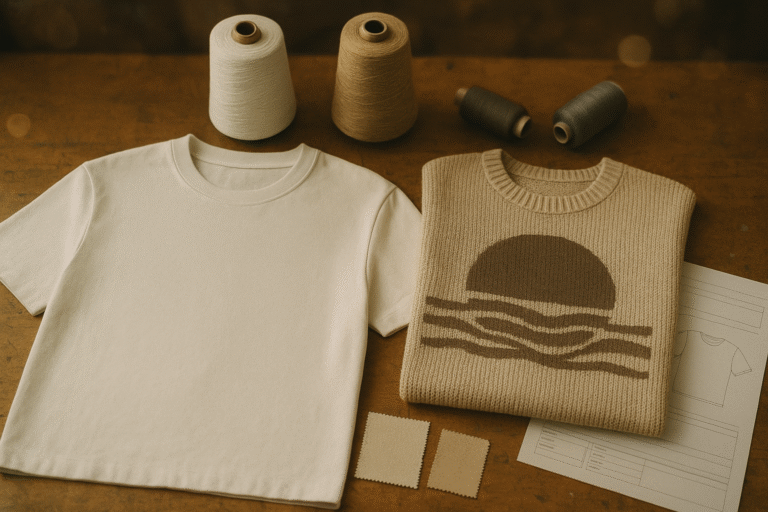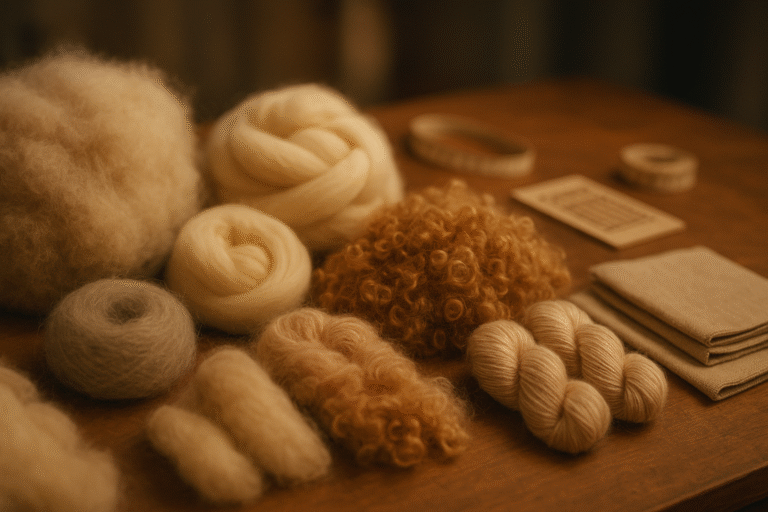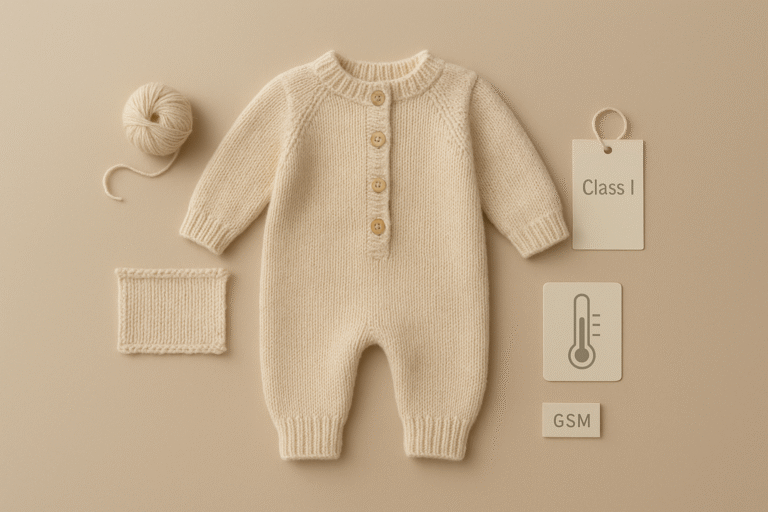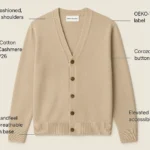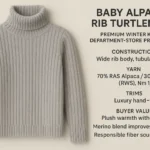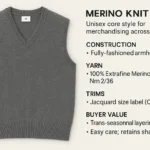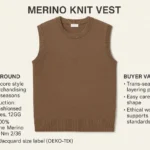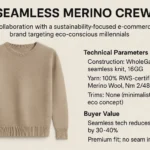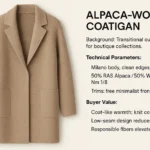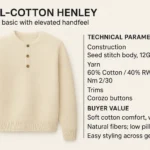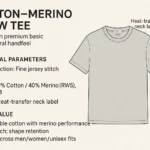

You may ask, how are custom knitwear products made? When you wear a soft sweater or a warm scarf, you notice the difference. Custom knitwear feels special and has a unique look. Here is what makes it different:
Feature | Custom Knitwear | Standard Options |
|---|---|---|
Premium Feel | Yes | No |
Unique Texture | Yes | Limited |
Ideal for Collections | Yes | No |
Visual Appeal | High | Moderate |
You get great comfort and warmth because the process uses soft yarn loops. The fabric stretches easily and lasts a long time. Every step shows skill and careful work.
Key Takeaways
Custom knitwear feels and looks different. It is special compared to regular choices.
You can pick styles, colors, and features. This helps you make knitwear that fits your own taste.
The design process begins with ideas from daily life. This helps you make something new and original.
Working with designers lets your ideas shape the final product. This makes it personal and unique.
Picking the right yarn and colors is very important. It helps your knitwear feel good and look nice.
Quality checks during making help your knitwear stay strong. They make sure it meets high standards and lasts longer.
Using sustainable ways to make knitwear helps the environment. It also supports fair work for people.
Taking care of your knitwear the right way keeps it nice. It helps it look good and last for many years.
What Is Custom Knitwear?
Custom Knitwear Defined
Custom knitwear lets you wear clothes made just for you. You pick styles and features that match what you like. It is not made in big batches like printed shirts. Special ways are used to make custom knitwear. These ways help make less waste than old sewing methods. The designs are part of the fabric, not just printed on top. This makes your knitwear last longer and feel better. You notice the difference each time you wear it.
Unique Features
Custom knitwear is different from other clothes. You feel warmth and texture when you wear it. The patterns are built into the fabric. Look at the table below to see how custom knitwear compares to printed clothes:
Feature | Custom Knitwear | Printed Apparel |
|---|---|---|
Thickness | Usually thicker and warmer | Often thinner |
Yarn Construction | Many yarn layers for warmth and shape | Smooth surface with ink on fabric |
Design Method | Patterns are knitted with many colors | Detailed pictures printed on fabric |
Texture | You can feel the design in the fabric | Smooth surface |
Ideal Use | Great for special merch and premium look | Good for regular clothes |
Custom knitwear is thicker and keeps you warmer. The patterns use many colors and are part of the fabric. You can feel the texture with your hand. This makes custom knitwear perfect for people who want special merch or a high-end look.
Tip: Custom knitwear lasts longer because the design is woven in, not just printed.
Types of Custom Knitwear
There are many kinds of custom knitwear you can buy. Each kind has its own style and use. Here are some popular choices:
Sweaters
Pullovers
Hoodies
Jackets
Sweatshirts
These knitwear types let you show off your style. You can choose colors, patterns, and how it fits. Custom knitwear gives you more options than regular clothes. You always get something special.
How Custom Knitwear Is Made: The Design Stage
Inspiration & Ideas
You start the journey by looking for inspiration. The world around you offers many sources for new ideas. You might find a unique pattern in a tile floor or see a bold graphic pattern on a poster. Sometimes, you spot a sweater in a store and imagine how you could make it your own. Books, even those not about fashion, can spark a new pattern or color idea. Pinterest is a great place to collect images that catch your eye. You may also notice patterns in textiles or fabrics you see every day. Yarn itself can inspire you. Its color, texture, and weight can lead you to a new pattern. People around you can also guide your choices. You might design a pattern with a friend or family member in mind. The knitwear design process often begins with these small sparks of inspiration.
Pinterest: Find images and color ideas.
Out and About: Notice patterns in daily life.
Books: Discover new pattern ideas.
Textiles: Feel and see different patterns.
Tiling: Get ideas for color and texture.
Graphic Patterns: See bold shapes and lines.
Ready-to-wear: Spot details in store clothing.
People: Design for someone special.
Yarn: Let the material guide your pattern.
Tip: Always keep a notebook or phone handy. You never know when a new pattern idea will appear.
Sketching Concepts
Once you have inspiration, you move to sketching. You draw your pattern ideas on paper or a tablet. Sketching helps you see how custom knitwear is made from the start. You can try different shapes, lines, and colors. You might draw a simple pattern or a complex one with many details. Sketching lets you test how a pattern will look on a sweater, scarf, or hat. You can change the size or repeat the pattern to see what works best. This step helps you plan before you start knitting. You can also share your sketches with others to get feedback. Sketching is a key part of how custom knitwear is made because it brings your pattern ideas to life.
Design Tools
You use different tools to turn your sketches into real patterns. These tools help you see how custom knitwear is made in detail.
Digital Platforms
Many designers use computer programs to create patterns. DesignaKnit is a popular choice. It lets you make custom patterns and garments, even if you are new to the knitwear design process. EnvisioKnit Design Studio is another tool that makes it easy to draw and adjust patterns. These programs show you how your pattern will look on finished knitwear. You can change colors, shapes, and sizes with a few clicks. Free online tools also help you design patterns quickly. Digital platforms make it simple to save, share, and edit your pattern ideas. They play a big role in how custom knitwear is made today.
Traditional Methods
Some designers still use traditional tools. You might draw your pattern on graph paper. This method helps you see each stitch and row. You can color in the squares to plan your pattern. Pencils, markers, and colored pencils let you test different looks. You may also use tracing paper to layer patterns and see how they fit together. These hands-on tools give you a direct feel for your pattern. They help you understand how custom knitwear is made, one stitch at a time.
Note: Whether you use digital or traditional tools, the goal is the same. You want to create a pattern that looks great and fits your vision for the knitwear design.
Collaboration
You are important in the custom knitwear design process. Working together helps turn your ideas into real products. You talk with a designer about what you like and need. The designer listens and asks about your daily life. This helps them know how you will wear the knitwear and what matters most.
Designers use their skills to help you choose. Maybe you want a sweater that is soft and warm for winter. The designer shows you yarns and patterns that fit your idea. You look at sketches and digital samples. You give your thoughts and ask for changes. This back-and-forth makes everything easier and more fun.
Collaboration means more than just talking. You and the designer work as a team to make something special. Sometimes, you join projects with other designers. You might help pick colors or patterns for a collection. Yarn dyers also help by making new colors and textures. You may join group releases for new collections or events.
Here is how working together happens in custom knitwear:
Aspect | Description |
|---|---|
Understanding Client Needs | |
Co-Creation | You and designers work together to make custom designs. |
Technical Expertise | Designers use their skills to make sure it looks and works well. |
End-User Focus | Your daily life is used to make knitwear that fits you. |
Seamless Process | Designers make the steps easy and smooth for you. |
You see teamwork at every step:
You and the designer talk about what you want.
The design is made for your comfort and use.
Designers use their skills to make it look and work great.
You help shape the design by sharing your ideas.
Sometimes, teamwork goes even further:
You work with yarn dyers to make special colors and patterns.
You join with other designers to mix styles.
You help with group releases for special collections.
Tip: Always share your ideas and feedback. The more you talk, the better your knitwear will be.
Working together makes designing fun and personal. You help make knitwear that is special and fits your life. The designer helps you, but your ideas shape the final product. Teamwork makes knitwear that is unique and lasts.
Yarn & Color Selection
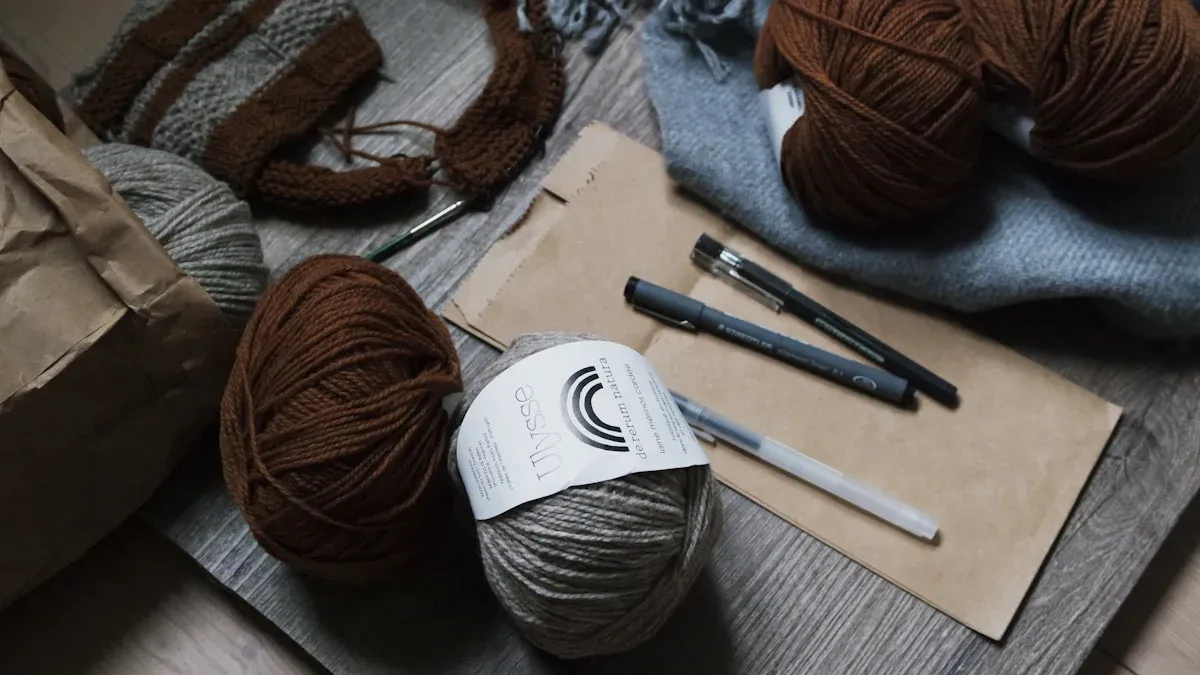
Choosing the right yarn and colors shapes the look and feel of your knitwear. This step helps you create a product that stands out and feels just right.
Yarn Types
You have many yarn options for your custom knitwear. Each type brings its own qualities to the finished piece.
Natural Fibers
Natural fibers give your knitwear softness, warmth, and breathability. You can pick from several popular choices:
Alpaca: This yarn feels soft and keeps you warm. It works well for sweaters, shawls, blankets, and baby items. Alpaca yarn is also hypoallergenic, so it is gentle on your skin.
Cashmere: You get a luxury feel with cashmere. It feels warm and comfortable, making it perfect for sweaters and cardigans.
Wool: Wool comes in many varieties. Merino wool feels soft and easy to wear. Shetland wool is strong and durable, while Icelandic wool protects you from wet and cold weather. Wool yarn gives your knitwear a classic look and long-lasting quality.
Cotton: Cotton yarn feels soft and absorbs moisture. It works well for dish cloths and hand towels. You can use cotton for lighter knitwear pieces.
Synthetic Fibers
Synthetic fibers offer different benefits for your knitwear. They are often more affordable and easy to care for.
Acrylic: Acrylic yarn costs less and works well for large projects like afghans. It holds color well and resists fading. You can wash acrylic knitwear easily, making it a good choice for everyday use.
Tip: Mixing natural and synthetic fibers can give your knitwear the best of both worlds—comfort and durability.
Color Choices
Color plays a big role in how your knitwear looks and feels. The colors you choose can change how people see your product and how they feel when they wear it.
Color choices affect how people feel about your knitwear. Bright colors can make someone feel confident, while soft pinks can bring comfort.
You can use color theory to make your knitwear more appealing. Complementary colors create bold looks. Analogous colors give harmony and balance.
Brands often pick colors that match their identity. Bright colors attract energetic people. Muted tones work well for luxury knitwear.
When you select colors, think about your audience. The right colors can help your knitwear stand out and build loyalty.
Color Choice | Effect on Knitwear | Best For |
|---|---|---|
Bright Colors | Energetic, eye-catching | Youthful, fun brands |
Muted Tones | Elegant, sophisticated | Luxury knitwear |
Complementary | Bold, vibrant | Statement pieces |
Analogous | Calm, harmonious | Everyday knitwear |
Material Sourcing
High-quality yarn makes your knitwear special. You want to know where your materials come from.
Many top knitwear brands use 100% wool or 100% merino wool for their products.
Trusted farms in Norway, the UK, and New Zealand supply these yarns. These sources ensure your knitwear meets high standards.
You can choose from over 150 rich colors. This wide selection lets you match your knitwear to any design or brand vision.
When you pick the right yarn and colors, your knitwear becomes unique. You control the feel, look, and quality of every piece. This step sets the foundation for the rest of your custom knitwear journey.
Sample Creation
Physical Samples
You see the real magic of knitwear when you hold a physical sample in your hands. This step lets you check how your design looks and feels before making a full batch. You usually order two or three key designs in different sizes. This helps you see how the knitwear changes when you scale it up or down. You want to make sure the pattern stays clear and the fit feels right for everyone.
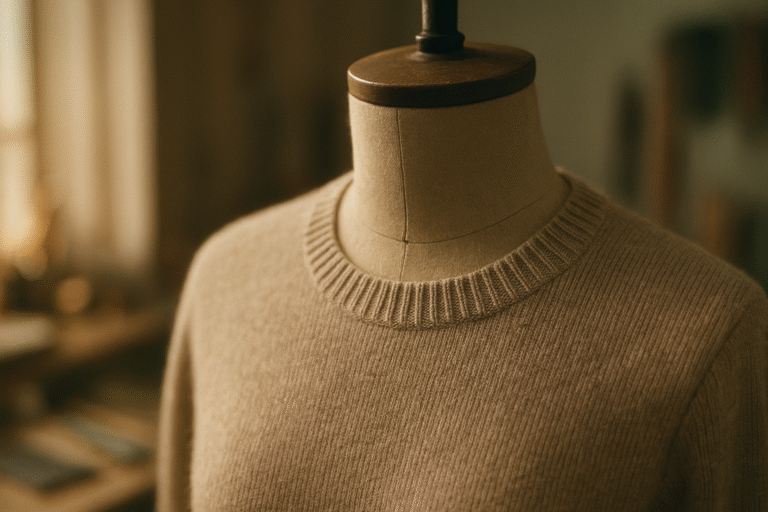
A premium knitwear sample should feel substantial. For example, a high-quality sweater often weighs about one pound. When you touch the sample, you notice the texture and weight. You check if the knitwear feels soft, warm, and comfortable. You also look at the details, like how the seams are finished and if the colors match your vision.
Order 2-3 designs in different sizes to test scaling
Check the weight and feel of the knitwear
Review seams, patterns, and color accuracy
Tip: Always try on the sample or ask someone else to wear it. This gives you a real sense of how the knitwear fits and moves.
Digital Prototypes
You can also use digital prototypes to see your knitwear before making a physical sample. Modern technology makes this step easier and faster. The SDS®-ONE APEX series by Shima Seiki lets you create and view knitwear designs in 3D. You see your patterns, colors, and textures on a virtual model. This helps you spot any issues early and make changes before knitting the real thing.
The APEXFiz software adds even more power. You can plan, design, and simulate your knitwear with realistic fabric effects. These tools also connect directly to production. When you finish your digital prototype, the software creates special code for the knitting machines. This ensures your design looks the same in real life as it does on the screen.
Note: Digital prototypes save time and materials. You can test many ideas without wasting yarn.
Fit & Style Review
You need to review each knitwear sample carefully. This step checks if the design meets your needs and looks great. Follow these steps to review your sample:
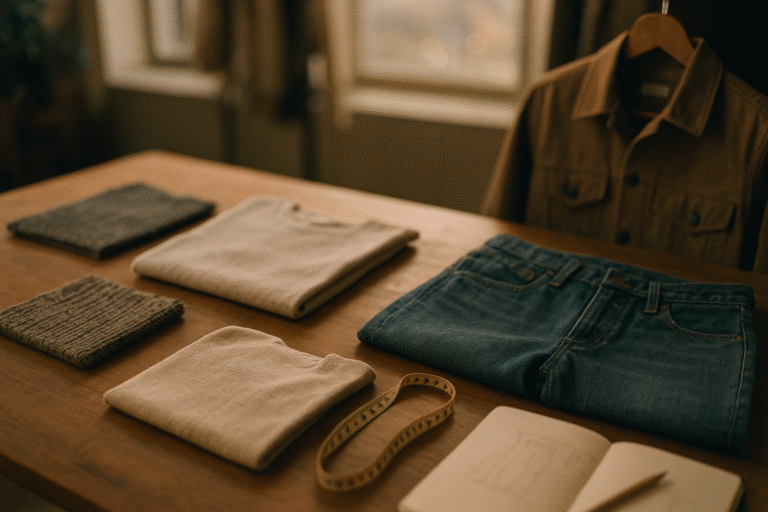
Measure the knitwear to see if it matches your size chart.
Check the construction and stitching for strong seams.
Assess the materials and finishing for a premium feel.
Try on the knitwear to check fit and comfort.
Write down your feedback for future changes.
You also want to look at these points:
Yarn texture and weight—does it feel premium?
Color accuracy—do the colors match your digital design?
Fit and sizing—does the knitwear fit different body types?
Design clarity—are small details sharp and easy to see?
Overall finish quality—do the seams and edges look professional?
Tip: Take photos and notes during your review. This helps you remember what works and what needs fixing.
Design Adjustments
After you review your knitwear sample, you move to the design adjustment stage. This step helps you turn feedback into real improvements. You want your custom knitwear to fit well, look great, and feel comfortable. Design adjustments make sure your ideas become a finished product you love.
You start by looking at the fit of your sample. Try on the knitwear or ask someone else to wear it. Notice how it sits on the body. Does it feel too tight or too loose? Check the sleeves, neckline, and hem. You want every part to match your vision. If something feels off, write it down.
Next, you review the tech pack and design details. The tech pack is a guide for making your knitwear. It lists measurements, shapes, and special features. Compare the sample to these details. Make sure the length, width, and shape match your plan. If you see a difference, mark it for change.
You also need to observe how the fabric behaves. Stretch the knitwear gently. Watch how it drapes and moves. Some yarns stretch more than others. If the fabric sags or feels stiff, you may need to adjust the pattern or choose a different yarn. Comfort matters, so pay attention to how the knitwear feels against your skin.
Here is a simple process you can follow for design adjustments:
Check the fit of the sample to see if the design works.
Review the tech pack and design for measurements, balance, and shape.
Observe the fabric’s behavior, including stretch and drape.
Provide feedback on shape and comfort.
Ensure the fit aligns with brand standards.
Collaborate with the team to prevent mistakes before creating another sample.
Tip: Always share your feedback with your designer or team. Clear notes help everyone understand what needs to change.
After you collect feedback, you update the pattern. You might change the measurements for a better fit. Sometimes, you fix the shaping to help the knitwear move with your body. You may need to update stitch counts or clarify how to assemble the pieces. Add notes about yarn care or washing if needed. Each change should match what you learned from the sample.
You and your team check every adjustment against the fit sample. This step helps you see if the changes improve the knitwear. You want the final product to look and feel just right. Design adjustments are a key part of making custom knitwear that stands out.
Note: Taking time for careful adjustments now saves time and materials later. You get a better product and avoid costly mistakes.
Design adjustments turn your ideas and feedback into a finished piece you can wear with pride. This step brings you closer to custom knitwear that fits your needs and style.
How Are Custom Knitwear Products Made? Knitting & Assembly
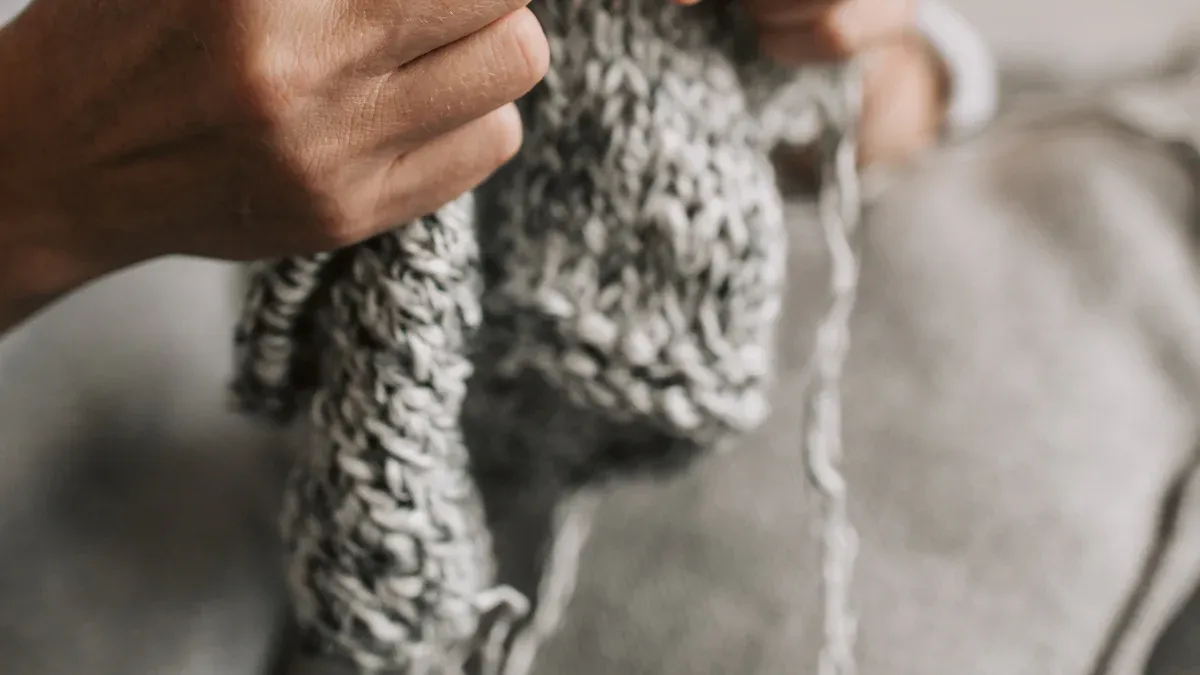
You might wonder, how are custom knitwear products made? This part of the knitwear creation process brings your design to life. You see yarn turn into custom knit sweaters and other knitwear through different knitting techniques. Each method shapes the look, feel, and quality of your custom knitwear.
Knitting Techniques
You have several ways to make custom knitwear. Each technique gives you a different result. Let’s look at the main methods you will find in the knitwear industry.
Jacquard Knitting
Jacquard knitting lets you create colorful patterns right in the fabric. You use special machines or skilled hands to knit many colors at once. This method works well for custom knit sweaters with logos, stripes, or detailed designs. You see the pattern in the fabric, not just on the surface. Jacquard knitting makes your custom knitwear stand out with bold visuals and rich texture.
Full Fashion Machine Knitting
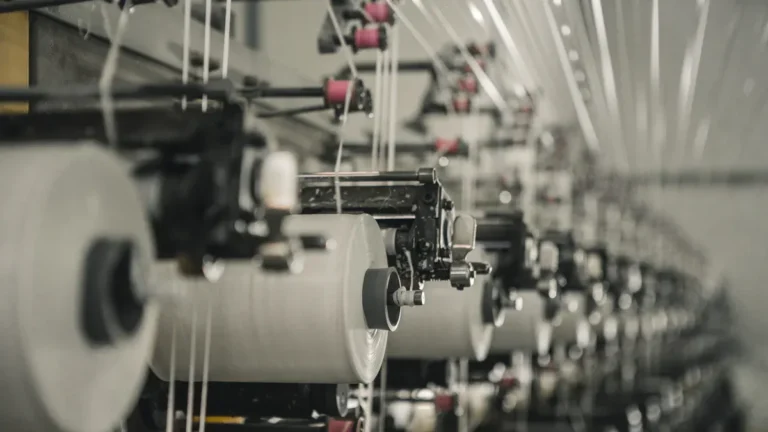
Full fashion machine knitting shapes your custom knitwear as you make it. You use a machine to knit each part to the exact size and shape. This method gives you smooth seams and a better fit. You get fewer mistakes because the machine follows your design closely. You finish custom knit sweaters faster and with more accuracy. You see less waste because you do not cut away extra fabric.
Speed: Machines help you finish custom knitwear quickly.
Accuracy: You get fewer errors, so your custom knit sweaters look sharp.
Fit: Full fashion knitting shapes each piece for comfort and style.
Hand Knitting
Hand knitting gives you the most control over your custom knitwear. You use needles and yarn to make each stitch by hand. You can try many stitch types and patterns. Hand knitting lets you add personal touches to custom knit sweaters. You spend more time on each piece, so every item feels special. You see more variety in stitches, but you work slower than with machines.
Stitch Variety: You can use many stitch types for unique custom knitwear.
Personal Touch: Each piece shows your skill and care.
Time: Hand knitting takes longer, so you make fewer custom knit sweaters.
Cut & Sew Method
The cut and sew method is the most common way to make custom knitwear. You knit large panels of fabric first. You cut these panels into shapes for sleeves, bodies, and collars. You sew the pieces together to build custom knit sweaters and other knitwear. This method helps you make many items quickly. You waste less yarn because you use only what you need.
Cut and Sew: You make custom knitwear fast and with less waste.
Panel Knitting: You knit sections called panels, then join them.
Knit-to-Wear: Some machines knit the whole garment, so you do not need to cut or sew.
Tip: You can mix these methods to get the best results for your custom knitwear.
Assembly & Finishing
After you finish knitting, you need to put your custom knitwear together. You follow a few key steps to make sure your custom knit sweaters look and feel great.
Weave in Ends: You hide loose yarn ends to keep your knitwear neat and strong.
Block Your Garment: You shape your custom knit sweaters and set the stitches for a polished look.
Seam and Join: You use strong stitches to join all the pieces. Mattress stitch works well for smooth seams.
Finishing Touches: You steam, inspect, label, and add final details to your custom knitwear.
You see each step improve the look and feel of your knitwear. You get a product that feels soft, fits well, and lasts a long time.
Note: Careful finishing makes your custom knitwear look professional and helps it last longer.
Quality Checks
You want your custom knitwear to meet high standards. You follow several quality control steps during the knitwear creation process. Each step helps you catch mistakes and improve your custom knit sweaters.
Description | |
|---|---|
Material Inspections | You check yarn and fabric for softness, strength, and color accuracy. |
Craftsmanship Checks | You look for neat stitching and clear patterns in your custom knitwear. |
Product Testing | You test closures, buttons, and fit to make sure your knitwear works well. |
Measurement Verification | You measure custom knit sweaters to match your size chart and design specs. |
Final Inspection | You check labels, branding, and packaging before sending out your knitwear. |
You see quality checks at every stage. You inspect yarn before knitting. You review seams and patterns after assembly. You test fit and comfort before shipping. You make sure every piece of custom knitwear meets your standards.
Tip: Careful quality checks help you avoid returns and keep your customers happy.
You now know how are custom knitwear products made? You see each step, from knitting to assembly and finishing, helps you create custom knit sweaters and other knitwear that stand out. You control the process to make sure your custom knitwear looks great, feels comfortable, and lasts a long time.
Delivery & Aftercare
Packaging
You want your knitwear to arrive safely. Good packaging keeps it from getting damaged. Brands pick packaging that matches each order. Some use plain boxes or envelopes for protection. Others use branded packaging to make it special. You might get a box that fits your knitwear. Some boxes pop open or have windows to show off your item. Printing can make boxes shiny or dull. This helps your knitwear stand out.
Packaging Method | Description |
|---|---|
Utility-based Packaging | Simple boxes or envelopes for basic protection. |
Branded Packaging | Stylish packaging that adds to your experience. |
Corrugated Boxes | Boxes sized for your knitwear, easy to store and ship. |
Styles of Packaging Boxes | Pop-up, trunk, or windowed boxes for a unique look. |
Printing Techniques | Glossy, matte, or foil finishes for brand appeal. |
Protective Layers | Tissue paper, bubble wrap, and packing peanuts for extra safety. |
Knitwear is folded neatly to stop wrinkles. Zippers and buttons are secured so they do not snag. Bubble wrap or packing peanuts protect delicate items. Tape keeps your package closed until you get it.
Tip: Keep branded boxes or tissue paper to store your knitwear at home.
Shipping & Sales
After packaging, your knitwear needs to get to you fast. Brands offer shipping choices to fit your needs. Express shipping brings your knitwear in three to five days. This is good for rush orders or samples. Sea freight takes longer, about twenty to thirty days. It costs less and works for big orders over five hundred kilograms.
Shipping Method | Delivery Time | Cost | Ideal For |
|---|---|---|---|
Express Shipping | 3-5 days | Most expensive | Samples and urgent orders |
Sea Freight | 20-30 days | Lower | Orders over 500kg |
You pick the shipping that fits your time and money. Brands track your knitwear and tell you where it is. When it arrives, you check the box and make sure it looks good.
Customer Support
Good customer support helps you enjoy your knitwear. Brands answer questions about size, care, or returns. They listen to what you say and use it to make better knitwear.
Customer Support Practice | Description |
|---|---|
Quick responses to your questions and help with any concerns. | |
Encouragement of customer feedback | Brands invite you to share your experience with their knitwear. |
You can call customer support if you have problems. Brands want you to be happy with your knitwear. Your feedback helps them improve for everyone.
Note: Always read the care instructions that come with your knitwear. Taking care of it helps it last longer and look nice.
Sustainability in Custom Knitwear
When you pick custom knitwear, you help the planet. Many brands care about the earth and the people who make your clothes. They use better materials and treat workers fairly. You can see this in how they make things and who they hire.
Eco-Friendly Materials
You help nature by choosing knitwear made with eco-friendly materials. These materials use less water and make less waste. Many brands use fibers that are good for the earth. Here is a table that lists some popular eco-friendly materials in custom knitwear:
Material | Description |
|---|---|
Recycled Fibres | Includes nylon and polyester made from waste like plastic bottles. |
Wool | Biodegradable, comes from farms that care for animals, and has good qualities. |
Organic Cotton | Grown without bad chemicals, uses less water. |
Linen | Strong and cool, grows with little water. |
Hemp | Grows fast, needs little water or chemicals, and fights mold and bacteria. |
You can also find knitwear made from organic cotton, linen, and hemp. These fibers use less water and fewer chemicals. Wool is a good choice because it is natural and keeps you warm for years. Recycled fibers turn trash into new yarn, which helps stop pollution.
Tip: Check labels for these materials when you shop for knitwear. Every choice helps the earth.
Ethical Production
You help workers when you buy knitwear made the right way. Many companies follow rules to keep people and the planet safe. Some brands use machines that save energy and use solar power. Others join groups like SEDEX to show they care about workers’ rights and safe jobs.
Manufacturer | |
|---|---|
Appareify | Uses eco-friendly materials, energy-saving machines, and solar power. |
Inde Artisans | SEDEX-certified, cares about fair work, safe jobs, and the earth. |
General Practices | Many companies focus on eco-friendly and fair ways to make knitwear. |
You can trust these brands to make knitwear that is safe for workers and better for the planet. When you buy these products, you help make the world fairer.
Supporting Artisans
You help keep old skills alive when you buy knitwear from brands that support artisans. Many brands work with local craftspeople who use skills from their families. These jobs give artisans fair pay and help their towns.
Norlha lets artisans stay close to their culture and share their work.
Bare Knitwear works with craftspeople in the Peruvian Andes, using good fibers and fair jobs.
Herd works with local experts to care for the earth and protect old skills.
You make a difference by picking knitwear that values people and their stories. Your choice helps families, keeps old skills alive, and builds strong communities.
Note: Every time you choose custom knitwear made with care, you help the earth and the people who make your clothes.
You now know how custom knitwear is made step by step. First, yarn threading and setup begin the process. Next, Jacquard knitting makes panels with special designs. Then, linking and assembly connect pieces for strong seams. After that, washing and drying help shape and soften the knitwear. Last, quality check and packaging get your knitwear ready to ship.
Artisans watch every detail closely. This makes sure your knitwear is high quality and lasts long. You can learn more by reading yarn-to-garment stories and technique guides. Styling guides help you wear knitwear in new ways. Social media like Instagram, TikTok, and Pinterest show fresh knitwear ideas. You can subscribe for early looks and care tips. Try custom knitwear to enjoy comfort, style, and great quality.
FAQ
What makes custom knitwear different from regular sweaters?
You choose the design, colors, and fit. Custom knitwear uses special patterns and yarns. You get a unique piece that matches your style and feels comfortable.
How long does it take to make custom knitwear?
You usually wait two to four weeks. The time depends on the design, yarn choice, and production method. Some brands offer faster options for simple styles.
Can you wash custom knitwear in a machine?
You should check the care label first. Most knitwear needs gentle washing by hand or on a delicate cycle. Use cold water and lay flat to dry.
What yarns work best for custom knitwear?
You can pick natural fibers like wool or cotton for softness and warmth. Synthetic yarns like acrylic offer easy care and bright colors. Your choice depends on comfort and style.
Is custom knitwear good for people with allergies?
You can choose hypoallergenic yarns such as alpaca or cotton. These options help reduce skin irritation. Always ask your designer about safe yarn choices.
Can you order custom knitwear for groups or teams?
You can order matching designs for clubs, teams, or events. Many brands offer bulk orders with custom logos, colors, and sizes.
How do you keep custom knitwear looking new?
You store it folded in a cool, dry place. Avoid hanging to prevent stretching. Use gentle washing and keep away from direct sunlight.
Tip: Always follow the care instructions to help your knitwear last longer.