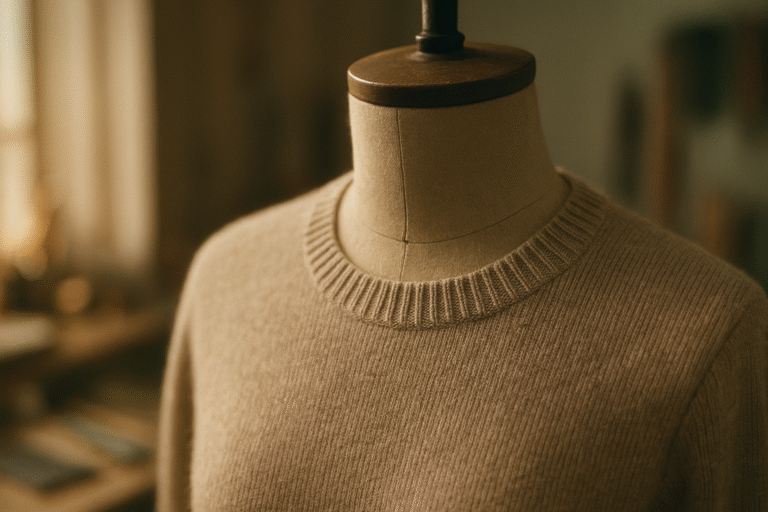

Uneven knitting tension is mainly caused by inconsistent yarn handling, differences between knit and purl stitches, needle and yarn mismatches, and physical factors such as hand fatigue.
From a professional knitwear manufacturing perspective, uneven tension not only affects appearance but can also lead to fabric instability, sizing inconsistency, and higher defect rates in production.
For both hand knitters and commercial knitwear brands, controlling tension requires a combination of correct yarn selection, stable knitting techniques, appropriate needle materials, and consistent process control. When these elements are standardized, knitting tension becomes predictable, repeatable, and visually uniform.

You may ask, what causes uneven knitting tension? Many knitters struggle with this issue. The most common reasons include how tightly you hold your yarn, differences between your knit and purl stitches, and the type of needles or yarn you use. Sometimes, high yarn tension or inconsistent feeding can make your stitches look uneven. Obstructions like fluff or wax in the yarn path can also affect your results. If you feel frustrated because your knitting does not look even, know that you are not alone. You can fix these problems with a few simple changes.
Key TakeawaysInconsistent yarn handling is the most common cause of uneven knitting tension, especially in long knitting sessions or when switching techniques mid-project.
-
Uneven knitting tension happens when you hold yarn too tight. Try to grip the yarn the same way each time. This helps your stitches look even.
-
Knit and purl stitches can feel different. This can make your tension change. Pull your yarn tighter when you purl. This helps keep tension balanced.
-
Needle size and what they are made of matter. Use the same needles for your whole project. This keeps your tension the same.
-
Yarn thickness and texture change your stitches. Pick yarn that is smooth and even. This gives you better results.
-
Take breaks often so your hands do not get tired. Stretch your fingers and wrists. This helps you stay comfortable while knitting.
-
Make swatches to test your tension before big projects. Change how you knit if your swatch looks wrong.
-
Keep a steady rhythm when you knit. Move your hands smoothly and slowly. This helps your tension stay even.
-
Join knitting groups or look online for help. Sharing ideas and tips can make you a better knitter.
What causes uneven knitting tension?
Inconsistent Yarn Handling
Grip Pressure
You might see uneven knitting if your grip changes. Holding the yarn too tight makes stitches small and stiff. If you hold it loosely, stitches get bigger and stretch out. This often happens when you move your hands or get distracted. Keeping yarn tension the same helps stitches look even. Good habits and paying attention can stop this problem. Many knitters have trouble with grip pressure, especially with new patterns. You can fix uneven knitting by practicing a calm, steady hold.
-
Gripping yarn too tight or not the same can make stitches look different.
-
Not watching how much yarn you use can make stitches uneven.
-
Holding needles the wrong way can cause uneven knitting.
Hand Movement Changes
How you move your hands also affects knitting tension. Fast hand movements can pull yarn too hard. Slow movements can make yarn loose. This problem shows up when you knit for a long time or change styles. Uneven hand movement makes stitches look different, called ‘rowing out.’ You can fix this by keeping a steady rhythm and checking your work often.
Knit vs. Purl Tension
Looser Purl Stitches
Many knitters wonder what causes uneven knitting tension. One reason is the difference between knit and purl stitches. Purl stitches need more yarn than knit stitches, which can change tension. This makes rows uneven and fabric bumpy. You might see purl stitches look looser than knit stitches. To make stitches more even, tighten the yarn when you purl or use a smaller needle for purl stitches.
-
Purl stitches often look bigger and looser than knit stitches.
-
Small changes in tension can change how the fabric looks.
-
Tightening yarn during purl stitches helps keep tension even.
Ridges in Stockinette
Switching between knit and purl stitches can make ridges in stockinette fabric. This is called ‘rowing out.’ Uneven tension makes rows look different. Knitting in the round gives more even tension, so rows blend together. When knitting socks, stockinette looks better on the foot because stretching hides rowing. You can fix this by practicing even tension and checking your stitches often.
Needle Size and Type
Mismatched Needles
Needle size and type matter for knitting tension. Using needles that do not match makes stitches uneven. This happens when you change needle sizes or brands. One knitter saw a big change in gauge when switching needle materials. Even the kind of wood, like bamboo or birch, can change tension. Another knitter said wood needles change gauge differently than metal ones. Be careful when picking needles for your project. Needle size and material directly influence stitch formation, making them a critical variable in maintaining consistent knitting tension.
The main point is to always use the same needles for your gauge swatch and your project. If you do not, you might get results you did not expect!
Material Differences
Different needle materials change knitting tension. Metal needles make tighter knitting, while acrylic needles make looser fabric. After using metal needles for an hour, my wrists hurt, so the material affects comfort and tension. Switching to bamboo made knitting feel better. When row gauge matters, I test different needle materials to see changes in gauge. This shows needle material can change tension. Trying different needles before starting helps you avoid uneven knitting.
-
Wood needles change gauge differently than metal needles.
-
Metal needles can make knitting tighter, but acrylic needles can make it looser.
-
Testing needle materials before you start helps stop uneven knitting.
Yarn Characteristics
Thickness and Ply
Yarn thickness and the way the yarn is plied can change how your stitches look. If you use a yarn with uneven plies, you may notice your tension changes from stitch to stitch. Some yarns, like Pirouette, have plies made from strands of different sizes. These strands are twisted together with different amounts of tightness. This can make your knitting look bumpy or uneven. Another yarn, Flette Bulky, uses a fine strand held tight and a fluffy strand that spirals loosely. This mix can make your stitches look different across your project.
-
Yarns with plies of different sizes can make your tension uneven.
-
Plies twisted at different tightness levels can cause bumps or loose spots.
-
Fluffy or textured yarns may hide or show uneven tension more than smooth yarns.
If you want even stitches, choose a yarn with smooth, even plies. Always check your yarn before you start a big project. You can knit a small swatch to see how the yarn behaves.
Texture and Elasticity
Yarn texture and stretchiness also affect your knitting tension. Smooth yarns slide easily on your needles. This can make it harder to keep your tension steady. Sticky or fuzzy yarns grip the needles more, which can slow you down and change how tight you knit. Elastic yarns stretch as you work. If you pull too hard, your stitches may snap back and look smaller. If you knit loosely, the stitches may look bigger after you finish.
Tip: Try different yarns and notice how they feel in your hands. You may find that some yarns help you keep your tension more even.
Physical and Emotional Factors
Fatigue and Hand Strain
Your hands and body play a big role in your knitting tension. If you knit for a long time, your hands can get tired. Tired hands may grip the yarn too tight or too loose. This can make your stitches uneven. Hand strain can also make you change how you hold your needles. You might notice your tension gets worse at the end of a long knitting session.
-
Take breaks to rest your hands.
-
Stretch your fingers and wrists often.
-
If you feel pain, stop and let your hands recover.
Stress and Mood
Your mood can change your knitting tension. When you feel calm, your stitches may look even and smooth. If you feel stressed or upset, you might knit tighter or looser without noticing. Some people find knitting relaxing, while others feel stressed by tricky patterns or small needles. Your feelings can show up in your work.
-
Knitting can help you focus and calm your mind.
-
Some people feel more relaxed with certain needles or yarns.
-
Stress or worry can make your tension uneven.
Note: Pay attention to how you feel when you knit. If you notice your tension changing, take a deep breath or try a short break. Your knitting will look better when you feel comfortable and relaxed.
Fixing uneven knitting tension
Manufacturing Insight: Why Tension Control Matters in Knitwear Production
In commercial knitwear manufacturing, uneven knitting tension leads to more than aesthetic issues. It can cause size deviation, fabric distortion after washing, and inconsistent garment handfeel across batches.
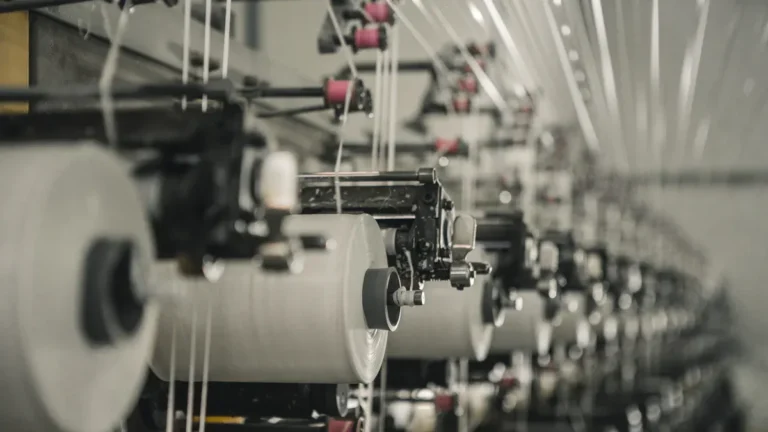
Professional factories control tension through standardized yarn feeding systems, calibrated machine settings, pre-production swatching, and strict in-line quality checks. These processes ensure every panel maintains uniform stitch density, which is essential for scalable, repeatable knitwear production.
Consistent Yarn Handling
Comfortable Grip
You can fix uneven tension by focusing on how you hold your yarn. A comfortable grip helps you control your stitches and keeps your knitting smooth. If you squeeze the yarn too tightly, your knit stitches will look small and stiff. If you hold it too loosely, your stitches may stretch and look uneven. You should find a grip that feels natural and relaxed. Try wrapping the yarn around your fingers in the same way every time. Once you discover a method that works, stick with it for your whole project. This habit helps you avoid the problem of uneven tension.
Tip: Hold your yarn gently. If your hands feel tired or sore, take a break and stretch your fingers.
Even Movements
Steady hand movements help you fix uneven tension. If you rush, your stitches may look uneven. If you slow down too much, your tension may change. You should aim for smooth, even movements as you knit. Practice knitting at a pace that feels comfortable. Focus on making each stitch the same size. You can start with small projects to build your skills. Regular practice helps you spot problems and improve your technique.
Here are steps to achieve consistent yarn handling:
-
Stick with a wrapping method that feels right for you.
-
Choose needles that match your yarn type. For slick yarns, birchwood needles help grip. For structured fibers, copper needles allow smooth knitting.
-
Practice often with small projects to fine-tune your tension.
-
Use yarns with good memory, like wool blends, to help even out tension.
-
Switch needle materials if you notice uneven stitches. Metal tips work for tight stitches, while wood or bamboo help with loose ones.
-
Focus on consistency, not speed.
Balancing Knit and Purl Tension
Practice Techniques
Many knitters see uneven tension between knit stitches and purl stitches. You can fix uneven tension by practicing both types of stitches. Try knitting swatches with rows of only knit stitches, then rows of only purl stitches. Notice if one type looks looser or tighter. Adjust your grip or the way you wrap the yarn until both stitches look even. You may need to tighten your yarn when you purl or loosen it when you knit. Practice helps you balance your tension and avoid the problem of uneven rows.
Note: If you see ridges or bumps in your stockinette, focus on making your knit and purl stitches match in size.
Swatching for Consistency
Swatching is a simple way to check your gauge and fix uneven tension. Knit a small sample before starting your main project. Look at your stitches and feel the fabric. If the swatch looks uneven or feels too tight, adjust your technique. Swatching lets you see problems early and make changes before you knit a large piece. You can try different needles or yarns to see what works best. Making adjustments based on your swatch helps you avoid uneven tension in your finished project.
-
Swatching helps you check your gauge and spot tension problems.
-
You can see if your stitches look even and feel right.
-
Adjust your grip, needle, or yarn based on your swatch results.
Choosing Needles and Yarn
Matching Size and Material
The needles and yarn you choose can fix uneven tension. You should match the size of your needle to your yarn. If your needle is too big, your stitches may look loose and uneven. If it is too small, your stitches may be tight and hard to work. The material of your needle also matters. Metal needles make tight stitches, while wood or bamboo can help loosen them. Pick a needle that feels comfortable and works well with your yarn.
|
Factor |
Description |
|---|---|
|
Needle Type |
Reinforced butt sections keep loops even and prevent needle bending. |
|
Yarn Size |
Yarn tension settings help loops interlock securely. |
|
Fabric Type |
Machine gauge affects fabric density and ladder resistance. |
|
Consistent Yarn Tension |
Small changes in tension can cause weak spots and uneven stitches. |
|
Maintenance |
Regular checks prevent mechanical problems that lead to uneven tension. |
Testing Yarn Properties
You can fix uneven tension by testing your yarn before starting a project. Choose yarn that matches your needle size. If your yarn is too thick or thin for your needle, your stitches may look uneven. The texture and stretch of your yarn also affect tension. Smooth yarns slide easily, while sticky yarns grip the needle. Try knitting a small swatch with your chosen yarn and needles. Notice if your stitches look even or if you see a problem. Adjust your needle size or switch yarns until you get the results you want.
-
Match yarn size to needle size for even stitches.
-
Consider the fabric type and project complexity when choosing needles.
-
Pick needles and yarn that feel comfortable for you.
Tip: Always check your gauge before starting a big project. This step helps you spot uneven tension and fix problems early.
Improving Technique
Slowing Down
You can improve your knitting tension by slowing down. When you rush, your stitches often look uneven. Slow, steady movements help you control each stitch. You should focus on how your hands move and how the yarn feels. Take time to watch your stitches form. This habit helps you spot mistakes early and fix them before they spread across your project.
Tip: If you notice uneven rows, pause and check your work. Slowing down gives you a chance to adjust your grip and yarn flow.
Many experienced knitters suggest that regular practice helps you build muscle memory. You learn how much pressure to use and how to keep your tension even. Practice with small projects, like dishcloths or swatches. These let you see your progress and make changes quickly.
Building Rhythm
Building a rhythm in your knitting makes your tension more consistent. You should try to keep a steady pace as you work. Count your stitches or listen to music to help you find a comfortable flow. Some knitters use a simple mantra, like “in, out, around, off,” to keep their hands moving smoothly.
Here are steps you can follow to build a good knitting rhythm:
-
Practice with both knit stitches and purl stitches to balance your tension.
-
Use the same yarn wrapping method for every row.
-
Experiment with needle swaps if you notice uneven tension between knit stitches and purl stitches.
-
Slip the first stitch of each row for tidy edges.
-
Match your needle material to your yarn type for better control.
Note: The more you practice, the easier it becomes to keep your stitches even. You will notice your hands move with less effort and your fabric looks smoother.
Managing Physical Factors
Taking Breaks
You need to take breaks to keep your hands healthy and your knitting tension even. Long sessions can make your fingers and wrists tired. When your hands feel strained, your tension changes and your stitches look uneven. Experts recommend taking a short break every 30–45 minutes. During these breaks, stretch your fingers and roll your wrists for one or two minutes. If you knit for a longer time, stand up and walk around for five to ten minutes. This helps reset your posture and keeps your body relaxed.
Signs that you need a break include tingling in your fingers, aching wrists, or tight shoulders. Listen to your body and stop when you feel discomfort.
-
Stretch your hands often.
-
Rest when you feel pain or fatigue.
-
Move around to keep your blood flowing.
Hand Care
Caring for your hands helps you knit longer and with better tension. You can wear compression gloves to reduce pain and swelling. These gloves support your fingers and wrists, making it easier to keep your stitches even. Try using bulky yarns with large needles if you want to reduce strain. This combination requires less force and helps you knit comfortably.
Some knitters use hand exercises to keep their fingers flexible. Squeeze a soft ball or gently massage your hands before and after knitting. If you work on large projects, consider using a knitting machine for repetitive tasks. This saves your hand strength for the parts you enjoy most.
Tip: Healthy hands make for happy knitting. Take care of your body so you can enjoy your craft for years to come.
Troubleshooting uneven knitting
Identifying Tension Issues
Visual Signs
You can spot tension problems in your knitting by looking closely at your work. Good tension means your stitches look even and smooth. If you see stitches that are larger or smaller than others, you may have an uneven result. Sometimes, the sides of your project look longer or looser. This happens when the selvedge stitches stretch out. You might also notice gaps or tight spots in your fabric.
-
Compare your work to clear photos of finished knitting to see what even tension looks like.
-
Check for uneven stitch sizes or wavy edges.
-
Watch for sides that pull in or flare out, which signals a tension problem.
Tip: Start each row with a slightly tighter stitch and finish with a looser one. This helps control selvedge tension and keeps your edges neat.
Measuring Consistency
You can measure your tension to find out if you have an uneven problem. Gauge tells you how many stitches and rows fit in a set space. Use a ruler or gauge tool to count stitches over four inches. If the number changes from one spot to another, your tension is not even.
-
Move the old stitch to the tip of your left needle before making a new stitch.
-
Insert your needle and wrap the yarn with the same pressure each time.
-
Pull or push the new loop through, then adjust it to match the needle’s thickness before sliding it off.
Note: Pay attention to how tight or loose your yarn feels as you knit. Small changes can make a big difference in your finished project.
Practice and Resources
Simple Exercises
You can improve your knitting tension with practice. Try these exercises to build even stitches:
-
Knit small swatches using only knit stitches, then only purl stitches.
-
Practice holding your yarn in different ways until you find a method that feels comfortable and keeps the yarn taut.
-
Stick with one wrapping method for the whole project to avoid an uneven look.
-
Slip the first stitch of each row to create clean edges and prevent floppy sides.
-
If you see a loose stitch, gently pull the yarn to tighten it before moving on.
Try using different needle materials with the same yarn. Notice how your tension changes and choose what works best for you.
Where to Find Help
You do not have to solve every knitting problem alone. Many resources can help you fix uneven tension:
-
Join a local knitting group to share tips and get feedback.
-
Watch online videos that show how to adjust your technique for even results.
-
Look for books or guides with clear photos of common tension problems and solutions.
-
Ask experienced knitters for advice if you feel stuck.
A table can help you remember where to look for support:
|
Resource Type |
How It Helps |
|---|---|
|
Knitting Groups |
Share tips and get feedback |
|
Online Videos |
Watch step-by-step demonstrations |
|
Books & Guides |
See photos and read instructions |
|
Experienced Friends |
Get personal advice |
Remember, every knitter faces an uneven problem at some point. With practice and the right help, you can achieve smooth, even knitting.
Preventing uneven tension
Good Habits
Consistent Setup
You set yourself up for success when you start each project the same way. Lay out your tools and yarn before you begin. Make sure your needles match your yarn size. Sit in a comfortable chair with good lighting. You keep your hands relaxed and your posture straight. This helps you avoid strain and keeps your stitches even. You can use a small basket to organize your supplies. If you always start with the same setup, you build muscle memory and make your knitting look smoother.
Tip: Choose a spot where you feel calm and focused. A quiet space helps you pay attention to your tension.
Tracking Progress
You improve your results when you track your progress. Use a notebook or a digital app to record your projects. Write down the needle size, yarn type, and any changes you make. Take photos of your work at different stages. You notice patterns in your tension and spot problems early. If you see uneven stitches, you can adjust your technique next time. Tracking helps you learn from each project and build better habits.
|
What to Track |
Why It Helps |
|---|---|
|
Needle Size |
Keeps tension consistent |
|
Yarn Type |
Matches yarn to needles |
|
Stitch Count |
Spots changes in tension |
|
Project Photos |
Shows progress over time |
Adapting to New Materials
Testing Before Projects
You test new yarns and needles before starting a big project. Knit a small swatch with your chosen materials. Look at the stitches and feel the fabric. You see if the yarn stretches or slips. You notice if the needles grip or slide. Testing helps you find the best combination for even tension. If you see loose or tight spots, you can switch tools or change your grip. You save time and avoid frustration by testing first.
Note: Swatching with new materials helps you avoid surprises later. You get a preview of how your finished project will look.
Adjusting Techniques
You adjust your technique when you use new materials. Try holding the yarn differently or changing your knitting speed. If the yarn feels slippery, wrap it around your fingers for more control. If the needles feel rough, slow down and watch each stitch. You experiment with different grips and movements until your tension looks even. You learn what works best for each yarn and needle type.
-
Change your grip for sticky or slippery yarns.
-
Slow down with new needles to watch your tension.
-
Practice with small projects before starting something big.
You build confidence as you adapt to new materials. Each project teaches you something new about tension and technique. You become a better knitter by staying flexible and open to change.
Encouragement and Progress
Patience and Practice
You improve your skills when you show patience and keep practicing. Every knitter faces uneven stitches at some point. You may feel frustrated when your work does not look perfect. Mistakes help you learn. You see what went wrong and try new ways to fix it. Over time, you notice your hands move more smoothly. Your stitches become more even.
Learning from Mistakes
Mistakes teach you important lessons. When you see uneven tension, you can look at your yarn loops. If you wrap each stitch with the same tightness, your knitting will look more uniform. You learn to place each loop evenly on the needle. This habit helps you avoid irregular stitches. You build confidence as you practice and see your progress.
Tip: Do not worry about making mistakes. Each error shows you what to improve next time.
Celebrating Improvements
You should celebrate every improvement, no matter how small. When you finish a project with smoother stitches, take a moment to enjoy your success. You can keep a photo journal of your work. Compare your first project to your latest one. You will see how much you have grown. Sharing your progress with friends or family can make you feel proud.
-
Take photos of your projects.
-
Write down what you learned after each project.
-
Share your achievements with others.
Seeking Support
You do not have to knit alone. Support from others helps you stay motivated and learn new techniques. You can find advice and encouragement in many places.
Knitting Groups
Joining a knitting group gives you a chance to meet other knitters. You can share tips, ask questions, and get feedback on your work. Group members often help each other solve problems. You may find new friends who enjoy the same craft. Many groups meet in person or online.
|
Benefit |
Description |
|---|---|
|
Shared Tips |
Learn new methods from others |
|
Feedback |
Get advice on your technique |
|
Motivation |
Stay inspired to keep practicing |
Expert Advice
You can seek expert advice when you want to improve faster. Many experienced knitters offer classes or tutorials. You can watch videos or read guides to learn advanced techniques. Experts can show you how to fix tension problems and make your stitches more even. Asking questions helps you understand your mistakes and find solutions.
Note: Do not hesitate to reach out for help. Learning from others makes your knitting journey easier and more enjoyable.
You now know what causes uneven knitting tension and how to fix it. Common issues include grip changes, differences in knit and purl stitches, and yarn or needle choices. You can improve your results by practicing, checking your setup, and staying patient.
-
Focus on one change at a time.
-
Track your progress with each project.
-
Celebrate small wins.
Tip: Be kind to yourself as you learn. Consistent, even knitting comes with time and effort.
Quick Summary: How to Prevent Uneven Knitting Tension
-
Maintain consistent yarn handling and grip pressure
-
Balance knit and purl stitch tension through practice
-
Match needle size and material to yarn characteristics
-
Test yarn and needles with swatches before production
-
Take breaks to reduce fatigue-related tension changes
-
In manufacturing, standardize machine settings and yarn feeding systems
FAQ
Why do my stitches look bigger on one side of my project?
You may pull the yarn tighter on one edge or loosen your grip as you turn your work. Try to keep your grip and yarn tension the same at the start and end of each row.
How can I fix loose purl stitches?
You can tighten your purl stitches by wrapping the yarn a bit more firmly around your needle. Practice purl rows and compare them to your knit rows. Adjust your grip until both sides look even.
Does the type of yarn affect my tension?
Yes, yarn texture and thickness change how your stitches look. Smooth yarns may slip and create loose stitches. Fuzzy or sticky yarns grip the needle and may tighten your tension.
What should I do if my hands get tired while knitting?
Take short breaks every 30–45 minutes. Stretch your fingers and wrists. You can use a stress ball or massage your hands. Healthy hands help you keep your tension even.
Can changing needles help with uneven tension?
Switching needle material or size can help. Metal needles make stitches tighter. Wood or bamboo needles may loosen your tension. Test different needles with your yarn to find the best match.
How do I know if my tension is even?
Lay your knitting flat and look for stitches that match in size. Use a ruler to count stitches in a small area. If the number changes, your tension is uneven.
Will blocking fix uneven tension?
Blocking can help smooth out minor tension issues. Wet your project, shape it, and let it dry flat. Blocking will not fix very loose or tight stitches, but it can improve the overall look.
Is it normal for beginners to have uneven tension?
Yes, most beginners see uneven stitches. Practice helps you build muscle memory. Over time, your tension will improve. Stay patient and keep knitting!