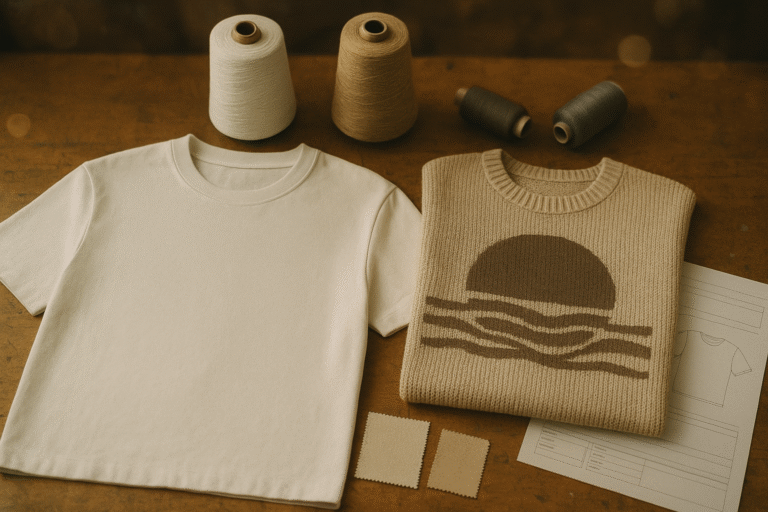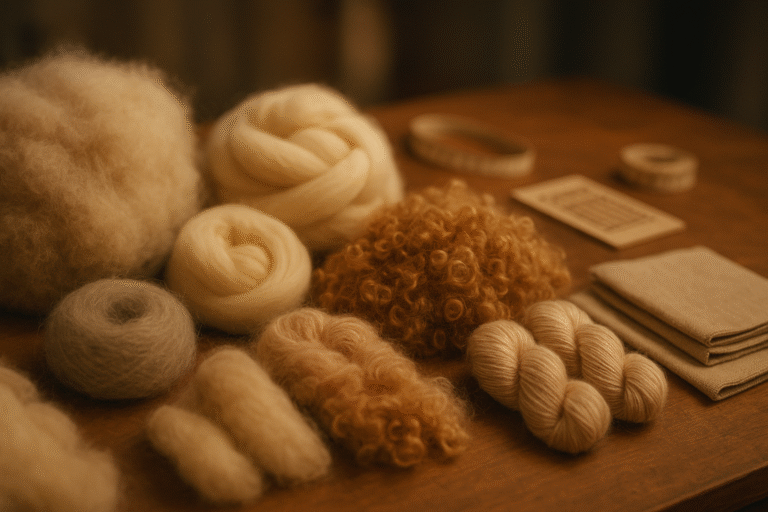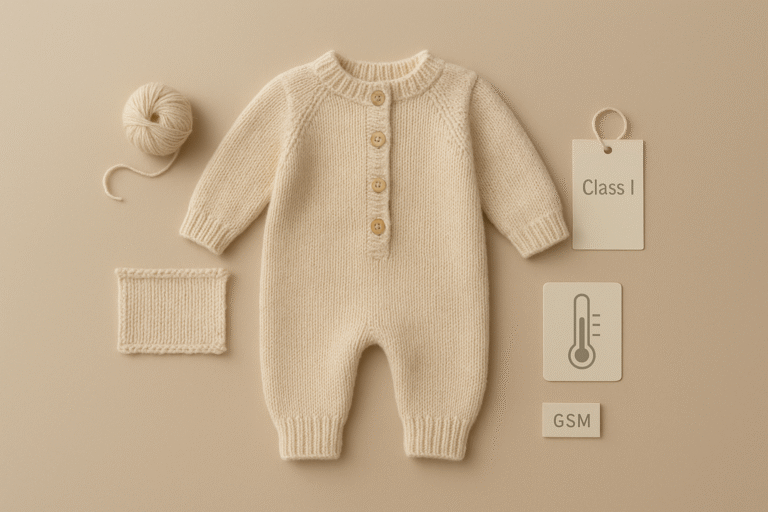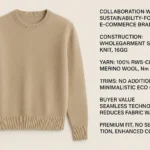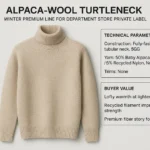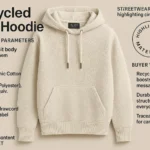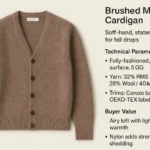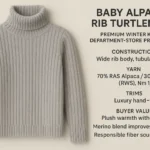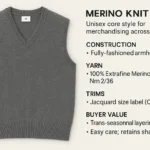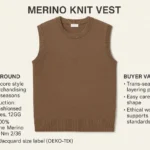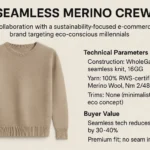

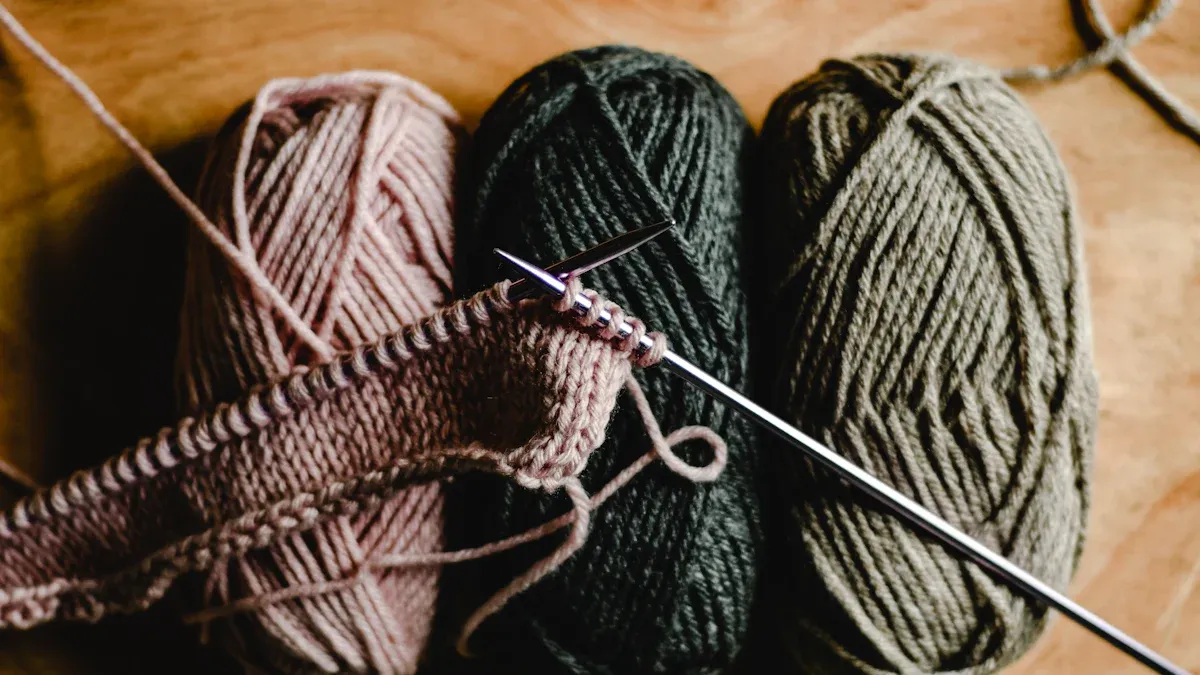
If you wonder what is the best yarn for custom knitwear?, you might start with Merino wool and worsted weight. Merino wool feels soft and stretches well, making it a favorite yarn for many people. Worsted weight yarn stands out in custom knitwear because:
You get the most common choice for projects.
It balances thickness with detail.
You finish projects quickly and keep warmth.
Think about what matters most to you—do you want softness, strength, or a yarn that keeps its shape? Your preferences help you pick the right yarn for your project.
Key Takeaways
Merino wool feels soft and stretches easily. It is very comfy, so it works well for custom knitwear. Worsted weight yarn is useful for many things. People like it because you can use it for sweaters and scarves. Think about what you want in your yarn. Do you want it soft, strong, or easy to take care of? Natural fibers like Merino wool let air through and are good for the planet. Synthetic fibers last a long time and are simple to clean. Always look at yarn labels. They tell you what is in the yarn, how to wash it, and what to make with it. Make a small sample with your yarn before you start. This helps you check if it feels right and fits your project. Keep your knitwear in a safe place. This stops it from getting ruined and helps it keep its shape for a long time. You can mix different yarns to make your project better. But make sure they are the same weight and fiber type.
What Is the Best Yarn for Custom Knitwear?
Merino Wool Advantages
Softness and Elasticity
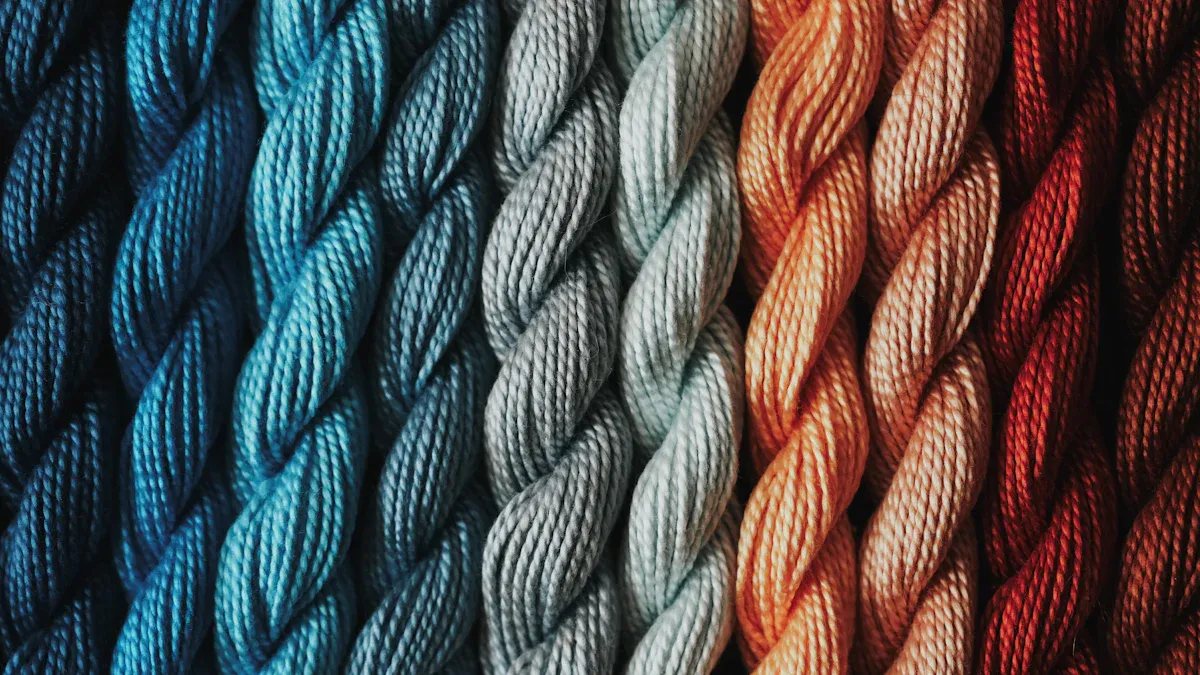
When people ask about the best yarn for custom knitwear, Merino wool is a top choice. You can feel how soft it is right away. Merino wool fibers are much thinner than regular wool. This makes them feel nice on your skin and not itchy. The fibers move with your body, so your sweater or scarf stays comfy all day. Each Merino wool fiber has a special crimp. This crimp makes tiny air pockets, so the yarn feels fluffy and gentle.
Merino wool fibers are thinner than regular wool, so they do not bother your skin and feel softer.
Merino wool fibers are flexible, so they move with you and feel comfortable.
The crimp in Merino wool makes air pockets, which makes the yarn soft and fluffy.
You can wear Merino wool right on your skin, even if your skin is sensitive. It stretches and goes back to its shape, so your knitwear does not get loose.
Breathability and Comfort
You want your custom knitwear to feel good in all weather. Merino wool lets your skin breathe. It pulls sweat away from your body and keeps you dry. You stay warm in winter and cool in spring or fall. This is why Merino wool is a smart pick for sweaters, hats, and socks.
Worsted Weight Versatility
Project Suitability
If you are looking for the best yarn for custom knitwear, you should check out worsted weight yarn. This yarn works for almost any project. You can use it for sweaters, hats, scarves, and blankets. Worsted weight yarn is easy to use, so you finish projects faster. It is thick but still shows details. Your stitches look neat, and your finished piece feels strong.
Worsted weight yarn is used for many projects because it is so useful.
It is the most popular yarn type, so many knitters use it.
Market Popularity
Worsted weight yarn is sold everywhere. The market for worsted wool yarn is worth about $2.1 billion in 2024. More people want to knit and crochet, so stores have more yarn choices now. You can find worsted yarn in supermarkets and craft stores. Knitting is about 40% of the market for worsted wool yarn. Online videos and patterns help you try new things, so worsted yarn stays popular.
Natural vs. Synthetic Fibers
Luxury and Durability
You might still wonder, what is the best yarn for custom knitwear? The answer depends on what you want. Natural fibers like Merino wool feel soft and let your skin breathe. They break down in nature, so they are better for the planet. Merino wool is strong and lasts a long time. Its crimped fibers can stretch without breaking. If you take care of it, your Merino wool knitwear can last for years. Merino wool is thinner and softer than regular wool, but it is still strong and does not wear out fast.
Synthetic fibers, like acrylic or polyester, are very tough. They do not break down quickly and can handle rough use. Some yarns mix natural and synthetic fibers to give you both softness and strength.
Here is a quick look at how natural and synthetic fibers are different:
Feature | Natural Fibers | Synthetic Fibers |
|---|---|---|
Comfort | Great breathability and softness | Can be less breathable, so not as comfy |
Durability | Usually strong, but can shrink or wrinkle | Often stronger, less likely to get damaged |
Environmental Impact | Breaks down in nature, good for Earth | Can cause microplastic pollution |
Maintenance | Needs more care | Easy to clean and take care of |
Care and Maintenance
You want your custom knitwear to last a long time. Natural fibers like Merino wool need gentle washing and careful drying. They can shrink if you use hot water or a dryer. Synthetic yarns are easier to wash. You can put them in the washing machine, and they dry fast. Some blends give you both easy care and comfort.
Characteristic | Natural Fibers | Synthetic Fibers |
|---|---|---|
Durability | Not as tough, but still strong (like hemp) | Very tough and does not wear out fast |
Warmth | Keeps you warm (like wool) | Not always as warm as natural yarn |
Breathability | Lets air in (like cotton, linen) | Not as breathable, can get hot |
Water Absorption | Soaks up water well (like cotton) | Does not soak up water much |
So, when you ask what is the best yarn for custom knitwear, think about how you will use and care for your finished piece. Do you want something soft and natural, or do you need something that is easy to wash? Your answer will help you pick the right yarn for your next project.
Essential Qualities When Choosing Yarn
When you choose yarn for your next project, you want to make sure it feels good, lasts long, and keeps you comfortable. Let’s look at the most important qualities you should think about.
Softness and Comfort
Skin Sensitivity
If you have sensitive skin, you know how important it is to pick a yarn that feels soft and gentle. Some fibers, like Merino wool and superwash yarn, are famous for their smooth touch. You can wear them right next to your skin without feeling itchy. Cotton and bamboo yarns also work well for people who need extra comfort. Always check the yarn label and, if you can, touch the yarn before you buy it.
Everyday Wear
You want your custom knitwear to feel good every day. Soft yarns make sweaters, scarves, and hats that you’ll love to wear again and again. Superwash yarn is a great choice for daily use because it stays soft even after many washes. It also keeps its shape, so your favorite sweater won’t stretch out or get baggy.
Durability and Longevity
Pilling Resistance
No one likes when their knitwear gets fuzzy balls, called pills, after just a few wears. Some yarns resist pilling better than others. Plied yarns, which have several strands twisted together, usually last longer and look neat. Superwash yarn is also known for its ability to resist pilling, making it a smart pick for busy families or anyone who wants their knits to look new.
Fiber Strength
Strong yarn means your knitwear will last longer. Here’s a quick look at how experts test yarn strength and durability:
Test Name | Description |
|---|---|
Tensile Strength Test | Measures how much force the yarn can take before breaking. |
Abrasion Resistance Test | Checks how well the yarn stands up to rubbing and friction. |
Fatigue Testing | Sees how yarn holds up after lots of stretching and moving. |
When you pick a yarn with good fiber strength, your projects will resist stretching, snagging, and everyday wear. High-quality knitwear keeps its shape and looks great for years, so you don’t have to replace your favorite pieces often.
Warmth and Breathability
Seasonal Use
You want your knitwear to feel just right, no matter the season. Yarn with good breathability, like Merino wool or cotton, lets air flow and keeps you comfortable. Research shows that looser, lighter yarns help your skin breathe and make your sweaters feel cooler in spring and warmer in winter.
Layering
If you like to layer your clothes, pick a yarn that is both warm and light. Breathable yarns work well for layering because they don’t trap too much heat. This way, you can wear your custom knitwear indoors or outside and always feel comfortable.
Tip: Always think about how you’ll use your finished project. The right yarn makes all the difference in comfort and durability!
Stitch Definition
Pattern Clarity
When you choose yarn for custom knitwear, stitch definition matters a lot. You want your stitches to stand out, especially if you plan to knit cables, lace, or colorwork. Yarn with clear stitch definition helps you see every detail in your pattern. If you use a smooth yarn, your stitches look crisp and neat. This makes your sweater or scarf look professional and polished.
Yarns with strong stitch definition make complex patterns pop.
Fuzzy or haloed yarns can hide details, so they work better for simple designs.
You notice the difference right away when you compare a smooth yarn to a fuzzy one.
If you love showing off your knitting skills, pick a yarn that highlights your hard work. You will see every twist and turn in your stitches. Your friends will notice the beautiful patterns you create.
Texture Impact
Texture changes the whole look and feel of your knitwear. Some yarns feel soft and smooth, while others have a fuzzy or bumpy texture. When you use textured yarn, your project gets a cozy and warm vibe. If you want a classic look, go for yarn with a smooth finish. This type of yarn shows off stitch definition and makes patterns clear.
You can mix textures to add interest to your project. Try using a smooth yarn for the main body and a fuzzy yarn for the trim. Your knitwear will stand out and feel unique. Texture also affects how your knitwear drapes and moves. Soft, elastic yarns hug your body, while stiffer yarns hold their shape.
Tip: Always swatch with your chosen yarn before starting your project. You will see how the stitch definition and texture work together.
Ease of Care
Washability
You want your custom knitwear to last, so you need to think about how easy it is to wash. Some yarns, like superwash wool or acrylic, can go in the washing machine. Others, like regular wool or alpaca, need gentle hand-washing. If you wash your knitwear too often, it can wear out faster. Most natural fibers, like wool, do not need washing after every wear. They stay fresh longer because they breathe and resist odors.
Yarn Type | Washability | Care Level |
|---|---|---|
Superwash Wool | Machine Washable | Easy |
Regular Wool | Hand Wash Only | Moderate |
Acrylic | Machine Washable | Easy |
Alpaca | Hand Wash Only | Moderate |
Maintenance
Taking care of your knitwear keeps it looking new. You should air dry your sweaters and scarves to help them keep their shape. Heat from dryers can shrink or damage the fibers. Store your knitwear folded in a drawer or on a shelf. Hanging sweaters can stretch them out and ruin the fit. Rotate your sweaters so the fibers get a break. This helps them stay strong and last longer.
Here are some common care tips for custom knitwear:
Wash only when needed, especially with natural fibers.
Hand-wash gently to avoid damage.
Air dry flat to keep the shape.
Store folded, not on hangers.
Rotate your sweaters to let the fibers rest.
If you follow these steps, your custom knitwear will stay soft, strong, and beautiful for years. You will enjoy wearing your favorite pieces again and again.
Comparing Yarn Fibers and Blends
Wool and Merino
Traditional Choice
When you think about yarn for custom knitwear, wool often comes to mind first. Wool has been a favorite for generations. It keeps you warm and feels sturdy. Not all wool feels the same, though. Standard wool can feel rough and sometimes itchy, especially if you have sensitive skin. Merino wool changes the game. Its fibers are much finer, so you get a soft, non-itchy feel. You can wear Merino wool right against your skin and stay comfortable all day.
Here’s a quick look at how Merino wool and standard wool compare:
Wool Type | Softness | Luxury Aspect |
|---|---|---|
Merino Wool | Softer, fine fibers | Preferred for luxury knitwear |
Standard Wool | Coarser, can be itchy | Less comfortable on the skin |
Merino wool has fine fibers that do not itch.
Standard wool can feel scratchy and cause irritation.
Merino wool helps wick away moisture, so you stay dry.
High-End Knitwear
If you want something special, Merino wool is the top pick for high-end knitwear. It feels soft, looks smooth, and keeps its shape. You get a sweater that feels light but still keeps you warm. Merino wool dries quickly, so you stay comfortable even if you get a little wet. Many luxury brands use Merino wool for their best pieces. You can enjoy both comfort and style.
Cashmere and Alpaca Blends
Softness and Luxury
Cashmere and alpaca blends bring a touch of luxury to your projects. Cashmere feels incredibly soft and light. Alpaca yarn feels silky and warm. When you blend these fibers, you get a yarn that feels gentle on your skin and looks elegant. You might notice that cashmere is often used in scarves and hats for its softness. Alpaca adds extra warmth and a smooth finish.
Durability with Acrylic/Nylon
You want your knitwear to last, so durability matters. Cashmere can pill and needs gentle care. Alpaca fibers are longer and stronger, so they hold up better over time. When you mix these fibers with acrylic or nylon, you get a yarn that is both soft and tough. This kind of wool blend gives you the best of both worlds—luxury and strength.
Fiber Type | Durability | Maintenance |
|---|---|---|
Cashmere | Moderate, can pill | Needs gentle care |
Alpaca | High, strong fibers | Easier to maintain |
Pure Wool | Varies by quality | Moderate care needed |
Tip: If you want a soft sweater that lasts, look for blends with alpaca or a touch of synthetic fiber.
Cotton and Silk
Lightweight Options
Cotton and silk blends are perfect for lightweight knitwear. You get comfort and breathability from cotton. Silk adds a smooth, cool touch. This blend works well for spring and summer projects. Your sweater or top will feel soft and keep you cool when the weather gets warm.
Cotton absorbs heat, so you stay comfortable.
Silk gives a touch of shine and elegance.
The blend feels soft and light on your skin.
Texture Variety
You can find many textures with cotton and silk blends. Some yarns feel crisp and smooth, while others have a gentle drape. This variety lets you create different looks and feels for your projects. Blending silk with cotton also makes the yarn more affordable than pure silk, but you still get a touch of luxury.
Note: Cotton and silk blends are great if you want a project that feels special but stays within your budget.
Acrylic and Polyester
Strength and Absorbency
You might see acrylic and polyester yarns everywhere. These yarns stand out because they are strong and easy to use. Polyester yarn has great tensile strength, so you can use it for heavy items like bags or rugs. Acrylic yarn is softer but not as tough. If you want a yarn that holds up to lots of wear, polyester is a smart choice.
Check out this table to see how acrylic and polyester yarns compare:
Property | Polyester Yarn | Acrylic Yarn |
|---|---|---|
Tensile Strength | Superior, suitable for heavy items | Lower, less suitable for heavy use |
Moisture Management | Excellent, draws moisture away | Poor, absorbs moisture |
Thermal Stability | Higher melting point | Deforms at lower temperatures |
UV Resistance | More resistant to UV rays | Less resistant, but improving |
Abrasion Resistance | Superior, does not wear easily | More prone to pilling |
Water Uptake | Low (0.4-0.8%) | Higher, attracts moisture |
Chemical Resistance | High, inert to many substances | Low, can accelerate aging |
Polyester yarn keeps its shape and does not soak up much water. You can use it for outdoor projects or sportswear. Acrylic yarn feels soft and warm, but it can pill and absorb more moisture. If you want a cozy blanket or scarf, acrylic works well. Polyester is better for items that need to last and stay dry.
Tip: If you want your knitwear to handle rough use or lots of washing, polyester yarn is a good pick.
Budget-Friendly
You might want to save money on your next project. Acrylic and polyester yarns cost less than natural fibers like wool or silk. You can buy them in big skeins and find them in almost every craft store. These yarns come in many colors and textures, so you have lots of choices.
Acrylic yarn is perfect for beginners because it is cheap and easy to work with.
Polyester yarn lasts a long time, so you get more value for your money.
Both yarns are machine washable, so you do not have to worry about special care.
If you want to make gifts or try new patterns, acrylic and polyester yarns help you stay on budget. You can knit sweaters, hats, or blankets without spending a lot.
Specialty Blends
Custom Project Benefits
You might want your knitwear to have special qualities. Specialty yarn blends give you that option. By mixing different fibers, you get yarns that are soft, strong, and easy to care for. For example, blending wool and acrylic makes yarn that is both durable and comfortable.
Specialty blends work well for many projects:
Winter garments that keep you warm
Easy-care clothing for busy days
Durable home accessories like pillows or throws
Soft baby blankets for sensitive skin
Sportswear that handles sweat and movement
Blended yarns offer several advantages:
You get yarn that is stronger and lasts longer than pure natural fibers.
Your knitwear can wick away moisture and help regulate temperature.
Colors stay bright, and the yarn resists wear and tear.
When you choose a specialty blend, you unlock new possibilities for your custom knitwear. You can match the yarn to your needs, whether you want softness, toughness, or easy care. Specialty blends help you create projects that look great and last.
Note: Try swatching with different blends before starting your project. You will see how each yarn feels and behaves, making it easier to pick the best one for your needs.
Yarn Structure and Project Impact
When you pick yarn for your project, the structure of the yarn changes how your finished knitwear looks and feels. Let’s break down what you need to know about ply, yarn weight, and twist.
Ply and Construction
Single vs. Multi-Ply
The number of plies in a yarn makes a big difference. A single-ply yarn has just one strand. It feels soft and gives your project a cozy, rustic look. But it can pill more easily and might not last as long. Multi-ply yarns twist several strands together. This makes the yarn stronger and helps your stitches stand out.
Here’s a quick table to show the difference:
Yarn Type | Durability | Texture Effect |
|---|---|---|
Single-Ply | Less durable, more prone to pilling | Softer, rustic look, less stitch definition |
Plied | More durable, resists pilling better | Clearer stitch definition, more structured look |
Plied yarns usually last longer and resist pilling.
Three-ply yarn works well for projects that need to be tough and look sharp.
Single-ply yarns feel softer but can wear out faster.
Texture and Strength
If you want your cables or textured patterns to pop, go for a plied yarn. The extra strands give your stitches crisp edges. Single-ply yarns feel gentle and fluffy, but they might not show off fancy patterns as well. Think about what matters most for your project—softness or stitch detail.
Yarn Weight Choices
Fingering to Bulky
Yarn weight tells you how thick or thin the yarn is. This affects how your project turns out. Lighter yarns, like lace or fingering, make delicate and airy pieces. Heavier yarns, like bulky or super bulky, knit up fast and feel extra cozy.
Yarn Weight | Description | Suitable Projects |
|---|---|---|
Lace Weight (0) | Delicate and lightweight, great for lace patterns | Shawls, doilies, delicate garments |
Fingering/Sock (1) | Lightweight, good for fine details | Socks, baby clothes, light accessories |
Sport Weight (2) | A bit thicker, warm but not heavy | Light sweaters, baby blankets, hats |
Worsted/Medium (4) | Balanced, works for many projects | Scarves, blankets, sweaters, afghans |
Bulky (5) | Thick, quick to knit, very warm | Chunky scarves, blankets, winter hats |
Super Bulky (6) | Very thick, fastest to knit | Thick blankets, chunky scarves, quick gifts |
Matching Weight to Project
You want to match the yarn weight to your project. If you knit socks, fingering or sport weight works best. For a cozy winter scarf, try bulky or super bulky. Worsted weight is a favorite for sweaters and blankets because it balances warmth and detail. Always check your pattern to see which yarn weight it recommends.
Tip: Swatch with your yarn before you start. This helps you see how the yarn weight affects the look and feel.
Twist and Finish
Smooth vs. Textured
Yarn twist changes how your knitwear feels and looks. More twist makes the yarn stronger and helps it resist pilling. Less twist gives a softer feel but can split when you knit. The direction and amount of twist also affect how the yarn behaves.
Yarn with more twist feels firm and holds up well.
Less twist makes yarn soft but can cause it to fall apart.
Proper twist helps your project look neat and last longer.
Sheen Options
The finish of the yarn adds another layer of style. Some yarns look shiny and smooth, while others have a matte or fuzzy look. If you want your stitches to shine, pick a yarn with a glossy finish. For a cozy, rustic vibe, choose a matte or textured yarn.
Note: The right yarn structure helps your project last longer and look just the way you want.
How to Choose Yarn for Your Project
You want your custom knitwear to look great and feel comfortable. Choosing yarn can feel tricky, but you can make it easy by following a few steps. Let’s break down what you need to know before you start your next project.
Swatching and Testing
Gauge and Feel
Before you begin, knit a gauge swatch. This small sample helps you see how your yarn and needles work together. You avoid surprises later, like a sweater that is too tight or too loose. Make your swatch at least 6 to 8 inches square. Cast on more stitches than you think you need. Knit with the same tension and technique you plan to use for your project. Wash and block your swatch to see how the yarn changes. This step shows you the true size and feel of your fabric.
Tip: Swatch in the round if your project will be worked in the round. You get a more accurate gauge this way.
Colorfastness
You want your colors to stay bright. Test for colorfastness by soaking your swatch in cool water. If the water changes color, the yarn may bleed. This test helps you avoid problems, especially for colorwork or multi-colored projects.
Reading Labels
Fiber Content
When you pick yarn, always read the label. The label tells you the fiber content, yarn weight, and recommended gauge. You learn if the yarn is wool, cotton, acrylic, or a blend. Knowing the fiber helps you match the yarn to your project. Wool keeps you warm. Cotton feels cool. Acrylic is easy to wash. You can choose yarn that fits your needs.
Label Info | What It Tells You |
|---|---|
Fiber Content | Wool, cotton, acrylic, blend |
Yarn Weight | Thickness of the yarn |
Gauge | Stitches per inch |
Care Instructions
Check the care instructions on the label. Some yarns need hand washing. Others can go in the machine. You want to know if your knitwear will shrink or stretch. Labels help you plan how to care for your finished piece.
Shopping Tips
Local vs. Online
You can shop for yarn at local stores or online. Local shops let you touch and feel the yarn. You see the true color and texture. Online stores offer more choices and sometimes better prices. Order samples if you can. Try them out before you buy a lot.
Budget
Think about your budget when choosing yarn. High-quality yarn costs more, but it lasts longer and feels better. Inspect samples for color, texture, and stitching. Check for loose threads and strong seams. Review the yarn composition to make sure it fits your project. You want softness and durability in your knitwear.
Note: Choosing yarn is about finding the right balance between feel, look, and price. Take your time and enjoy the process!
Yarn for Colourwork Sweater Projects
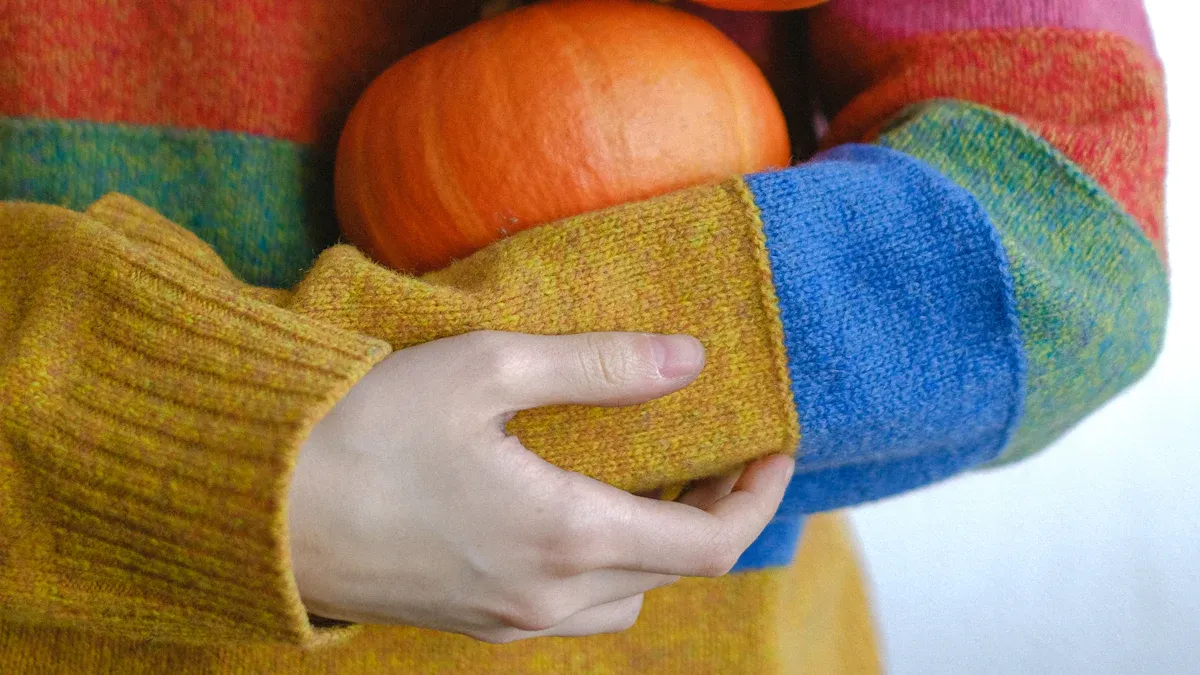
Choosing the right yarn for a colourwork sweater can make your project stand out. You want your colors to pop and your stitches to look neat. Let’s look at what matters most when you pick yarn for colourwork.
Fiber Selection
Merino and Blends
Merino wool is a favorite for colourwork sweater projects. It feels soft and keeps you warm. Merino also has great stretch, so your sweater moves with you. Many knitters like blends that mix Merino with other fibers. These blends can add strength or shine. Wool yarns have “memory,” which means your stitches hold their shape. This helps your colourwork sweater look crisp and tidy.
You might also see rustic Shetland yarn used in colorwork. This yarn has a fuzzy texture. It hides small mistakes and makes your color changes look smooth. Some popular yarns for colourwork include:
Brooklyn Tweed Shelter
Icelandic Lopi
Quince and Co Chickadee
Stone Wool Cormo
These yarns work well because they keep your stitches even and your colors bright.
Acrylic for Colorwork
Acrylic yarn is another option for a colourwork sweater. It comes in many colors and costs less than wool. Acrylic holds up to lots of washing, so it’s good for sweaters you wear often. If you want easy care and lots of color choices, acrylic might be the right yarn for colourwork.
Color Choices
Dye Consistency
Color matters a lot in a colourwork sweater. You want your colors to match from start to finish. Sometimes, yarn from different dye lots can look a little different. This can make your sweater look patchy. To keep your colors even:
Buy enough yarn for your whole project at once.
Alternate skeins as you knit to blend any small changes.
Keep your yarn labels and write notes about dye lots.
These steps help your colourwork sweater look smooth and professional.
Pattern Impact
The colors you pick change how your pattern looks. Bright colors make your design stand out. Soft colors give a gentle, blended look. Think about how your colors will work together. Try laying out your yarn before you start. This helps you see if your colors match your vision for your colourwork sweater.
Structure and Definition
Stitch Clarity
You want your stitches to show off your hard work. Wool yarns, especially those with a bit of fuzz, help hide small mistakes. They also make your color changes look neat. Smooth yarns give sharp stitch lines, which is great for bold patterns.
Durability
A colourwork sweater should last a long time. Wool is strong and keeps its shape. Acrylic adds extra toughness. If you want a sweater that stands up to lots of wear, look for yarns that mix both. Your colourwork sweater will stay bright and beautiful, even after many washes.
Tip: Always knit a small swatch before you start your colourwork sweater. This helps you see how your yarn and colors work together.
Caring for Custom Knitwear
Taking care of your custom knitwear helps you keep it looking fresh and cozy for years. You put time and effort into every stitch, so it makes sense to protect your favorite pieces. Let’s talk about the best ways to wash, dry, store, and repair your knitwear.
Washing and Drying
Shape Preservation
You want your knitwear to keep its shape and softness. The way you wash and dry it matters a lot. Here’s a simple routine you can follow:
Use a mild, pH-neutral detergent. Harsh chemicals can break down fibers and fade colors.
Turn your knitwear inside out. This step helps reduce friction and keeps the outside looking new.
Wash by hand or use a mesh bag in the machine. Hand washing is gentle, but if you use a machine, a mesh bag protects your garment.
Never wring or twist wet knitwear. Press out water gently with a towel.
Lay flat to dry. Hanging stretches out the fabric and ruins the shape.
Keep away from direct heat and sunlight. Dry your knitwear in a cool, airy spot.
Tip: Always check the care label before you start. Some yarns need extra care.
Avoiding Damage
You can avoid damage by treating your knitwear gently. Don’t use hot water or strong detergents. If you spot a stain, dab it softly with a damp cloth. Never scrub or rub hard. When you dry your knitwear, shape it with your hands and smooth out wrinkles. This helps your sweater or scarf look neat and last longer.
Storage Tips
Moth Prevention
Moths love natural fibers like wool. You can keep them away with a few tricks:
Store your knitwear clean. Dirt and sweat attract moths.
Use cedar blocks or lavender sachets in your drawers. These scents help repel insects.
Keep your storage area dry and cool. Moths prefer damp, dark places.
Storage Tip | Benefit |
|---|---|
Cedar blocks | Repels moths |
Lavender sachets | Adds fresh scent |
Clean before storing | Reduces moth risk |
Seasonal Storage
When the weather changes, you might pack away your knitwear. Fold each piece neatly and place it in a breathable cotton bag. Avoid plastic bags because they trap moisture. Store your knitwear on a shelf, not a hanger, to prevent stretching. If you have many sweaters, rotate them so each one gets a break.
Note: Check your stored knitwear every few months for signs of moths or moisture.
Repair and Maintenance
Fixing Snags
Snags happen, but you can fix them easily. Use a crochet hook or blunt needle to pull the loose yarn back inside. Don’t cut the snag. If you see a hole, stitch it up with matching yarn. Small repairs keep your knitwear looking new.
Refreshing Knitwear
Sometimes your knitwear needs a little boost. You can use a fabric shaver to remove pills and fuzz. Wash your piece gently and lay it flat to dry. If your sweater feels stretched, reshape it while damp. A quick refresh brings back softness and style.
Callout: Taking a few minutes to care for your custom knitwear helps you enjoy it for years. Your favorite sweater will always feel just right.
Merino wool and worsted weight yarns give you softness, warmth, and flexibility. They work for many custom knitwear projects. Always match the yarn’s qualities to your needs. Want something soft? Choose Merino. Need easy care? Try a blend.
Read labels before you buy.
Swatch your yarn to test feel and color.
Wash gently and store flat.
Tip: Trust your hands and eyes. Try new yarns and see what you love!
FAQ
What yarn is best for beginners?
You should start with worsted weight acrylic yarn. It’s easy to handle, affordable, and comes in many colors. You can practice stitches without worrying about expensive mistakes.
How do I know if yarn is soft enough for sensitive skin?
Touch the yarn before you buy it. Look for labels that say “Merino,” “baby,” or “superwash.” You can also check reviews online. Soft yarns feel smooth and don’t scratch.
Can I mix different yarns in one project?
Yes, you can mix yarns. Try to match the weight and fiber type. If you mix wool and acrylic, swatch first. You want your project to look even and feel comfortable.
How much yarn do I need for a sweater?
You usually need 800 to 1200 yards for an adult sweater. Check your pattern for exact amounts. Buy a little extra to match dye lots and avoid running out.
What’s the easiest way to care for custom knitwear?
Wash gently by hand or use a mesh bag in the machine. Lay flat to dry. Avoid heat and sunlight. You keep your knitwear looking new with simple care.
Why does my yarn pill after washing?
Yarn pills because fibers rub together. Plied yarns and blends with nylon pill less. Use a fabric shaver to remove pills. You can keep your knitwear smooth with regular care.