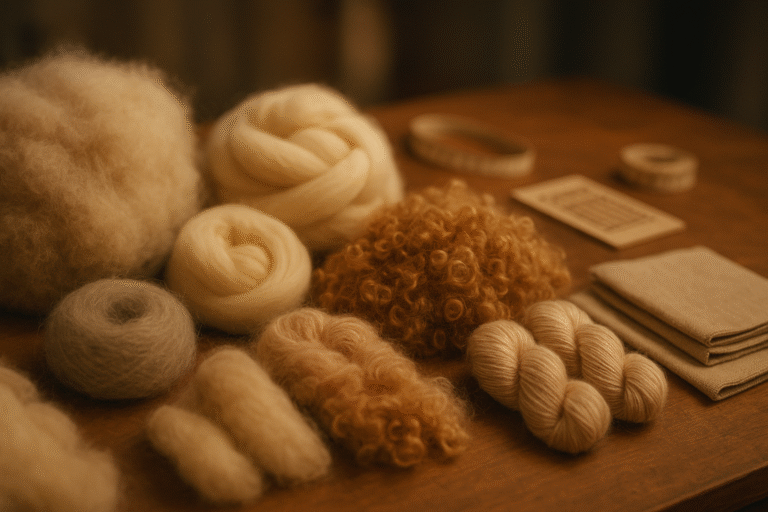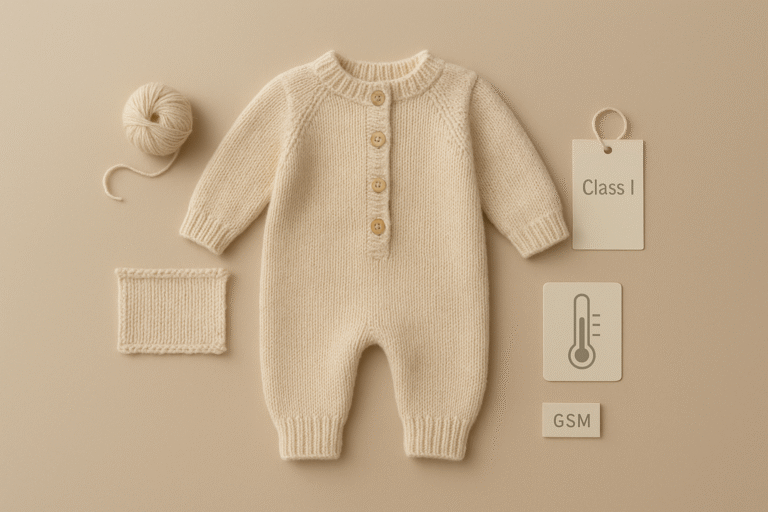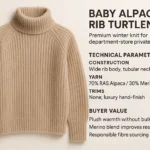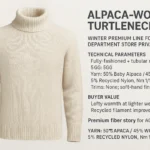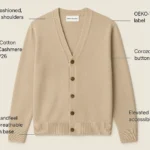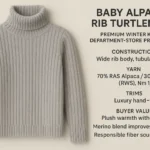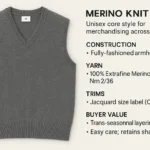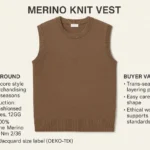

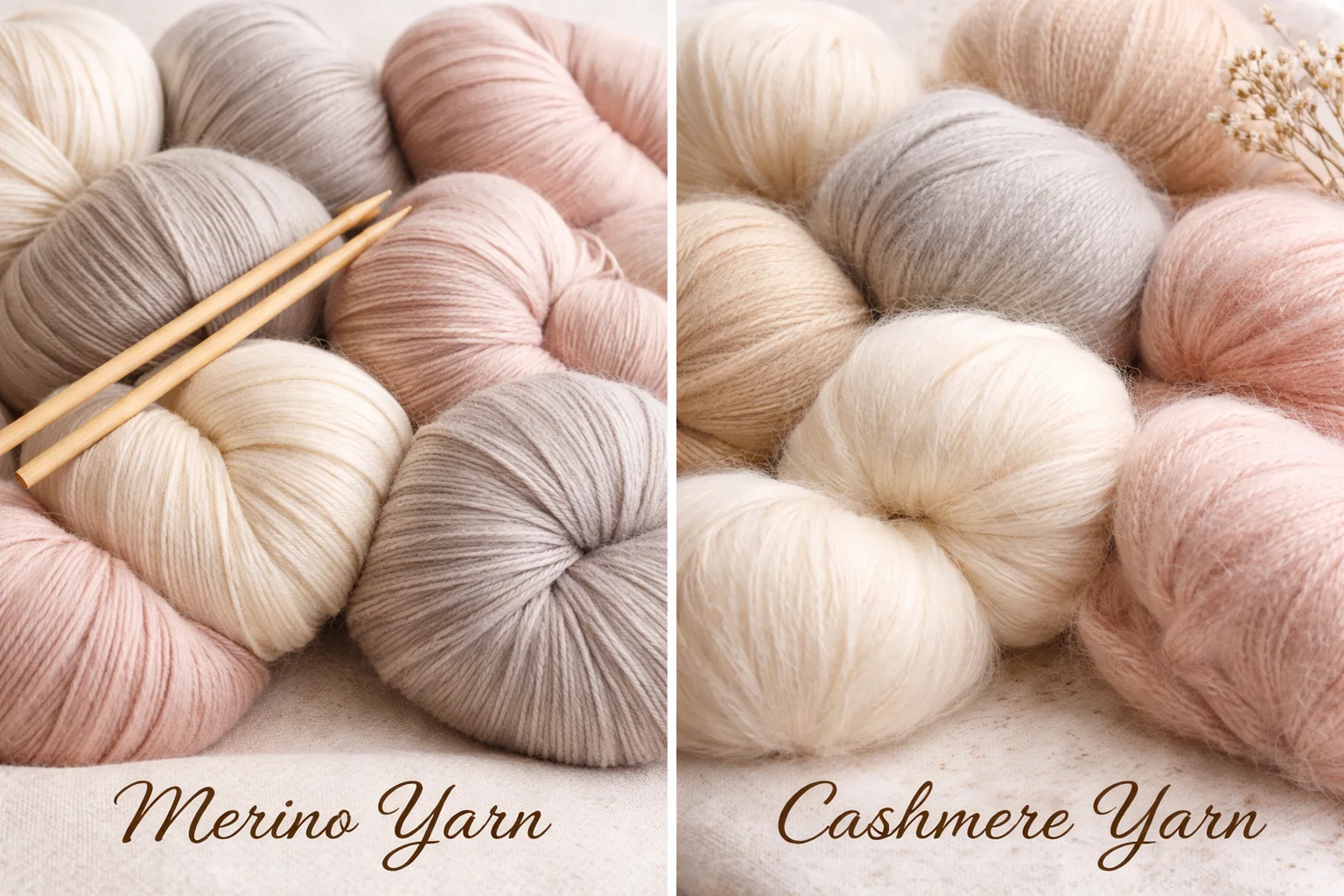
If you’re asking, what is the difference between merino and cashmere yarn?, there are several factors to consider. Merino yarn is a great option if you want something that lasts, is easy to care for, and is generally more affordable. On the other hand, if you’re looking for something extremely soft and luxurious, cashmere yarn is the way to go. When thinking about what is the difference between merino and cashmere yarn?, you should look at:
-
Softness
-
Warmth
-
Durability
-
Comfort
-
Care
-
Cost
-
Sustainability
-
Skin sensitivity
Many people also consider quality, comfort, eco-friendliness, and price when deciding. Ultimately, what is the difference between merino and cashmere yarn? comes down to your personal needs and lifestyle, so choose the yarn that best matches what you’re looking for.
Key Takeaways
-
Merino yarn is strong and costs less. It is simple to clean. This makes it great for clothes you wear often.
-
Cashmere yarn is very soft and warm. It is best for fancy clothes and special days.
-
Merino wool lets air pass through. It pulls sweat away from your skin. This helps you stay comfy in many kinds of weather.
-
Cashmere does not cause allergies. It is gentle for people with sensitive skin. Merino can bother some people because of lanolin.
-
Think about your money. Merino yarn usually costs less than cashmere. Cashmere is a fancy choice.
-
Each yarn is special in its own way. Pick merino if you want strong yarn. Pick cashmere if you want soft and fancy yarn.
-
Caring for the planet is important. Merino often comes from farms that do things right. Cashmere can sometimes hurt the environment.
-
If you want your project to be soft and fancy, use cashmere. If you need yarn for daily use, choose merino.
Merino Yarn Overview
Merino Basics
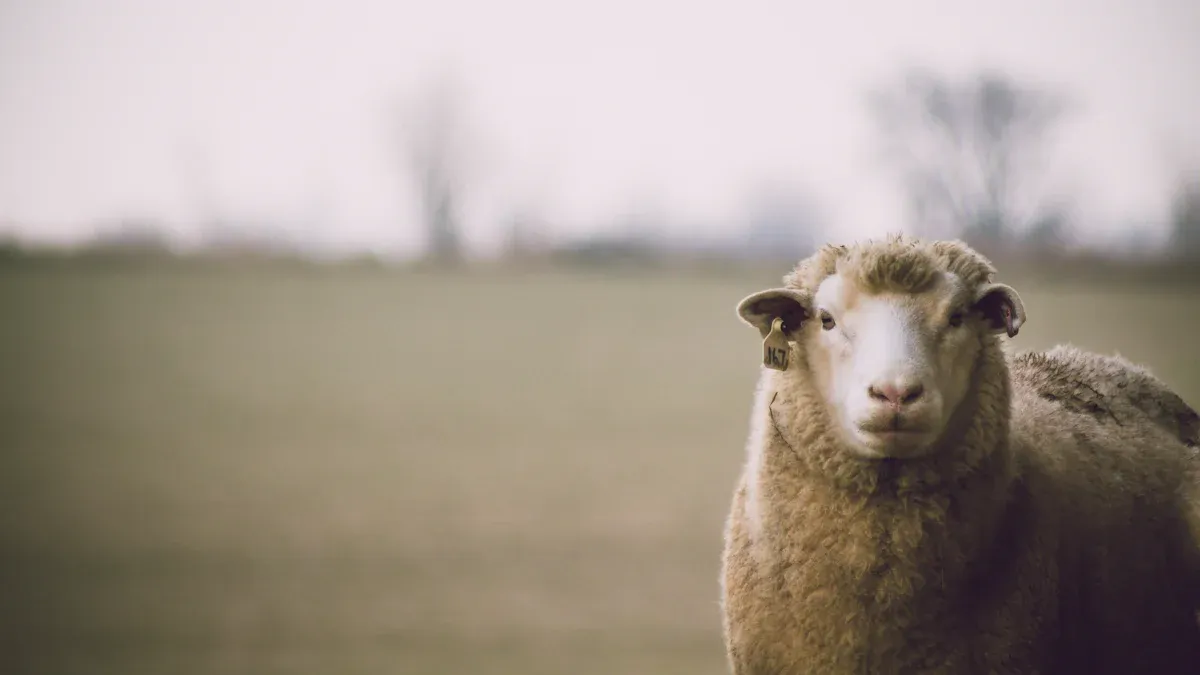
When you think of merino wool, you might imagine soft fibers. These fibers feel nice and gentle on your skin. Merino wool comes from Merino sheep. These sheep live in many countries. Australia is the biggest producer of merino wool. They make about 345 million kilos each year. Peru makes chunky merino yarn. Some companies, like Zegna Baruffa and Lanerossi, make extra fine merino yarn. Other countries help too. These include New Zealand, Argentina, South Africa, Russia, the UK, and Uruguay.
Here’s a quick look at where merino wool comes from:
|
Country |
Production Details |
|---|---|
|
Australia |
Leading producer of merino wool, about 25% of the world’s wool. |
|
China |
Major importer, involved in early clothing manufacturing. |
|
Other |
Russia, New Zealand, Argentina, South Africa, the UK, and Uruguay contribute to the supply. |
Merino wool yarn is special because of its fiber size. The fibers are usually 17 to 25 microns wide. The staple length is about 3.5 to 5 inches. These numbers mean the yarn feels soft and smooth. It is great for making merino wool clothing.
Merino Qualities
Many people pick merino wool for their projects. The reason is simple. Merino wool yarn gives comfort, warmth, and breathability. You can wear merino wool clothing in any season. It helps keep your body temperature just right. The fibers trap air. This keeps you warm in winter and cool in summer.
Merino wool works well for many reasons. It does not hold odors. It pulls moisture away from your skin. It dries fast. You can wear merino wool for outdoor fun or daily life. The yarn stretches, so your clothes move with you. Merino wool clothing lasts a long time and looks good after many washes.
Tip: If your skin is sensitive, merino wool yarn feels soft and rarely makes you itch.
Merino Uses
People use merino wool yarn for lots of clothing and accessories. It is used to make sweaters, hats, scarves, and socks. Merino wool clothing is good for sportswear and athleisure. It handles sweat and movement well. Outdoor clothing made from merino wool yarn keeps you comfy on hikes or cold mornings.
Here’s a table showing popular uses for merino wool yarn:
|
Category |
Popular Uses |
|---|---|
|
Apparel |
Fashion, Sportswear |
|
Accessories |
Outdoor Clothing, Athleisure Wear |
|
Key Opportunities |
Sustainable fashion, New wool technology |
Merino wool yarn meets many needs. It gives warmth, softness, and lasts a long time. If you want merino wool clothing that feels nice and works hard, this yarn is a great pick.
Cashmere Yarn Overview
Cashmere Basics
When you touch cashmere yarn, it feels different right away. This yarn comes from the soft undercoat of cashmere goats. These goats live in cold places like Mongolia and China. Herders collect the fine fibers by hand each spring. The yarn feels light and soft, but it is also strong.
Here’s a quick look at the main countries that make cashmere wool:
|
Country |
Annual Output (metric tons) |
|---|---|
|
China |
|
|
Mongolia |
9,500 |
Cashmere yarn is special because it has very fine fibers. Most cashmere fibers are between 14 and 16.5 microns wide. These fibers are even finer than most merino wool. That is why cashmere clothing feels extra gentle on your skin.
Cashmere Qualities
People say cashmere clothing is super comfortable. This is true. Cashmere yarn gives you warmth that feels fancy but never heavy. The fibers trap air, so you stay warm on cold days. Your skin can still breathe, so you do not get too hot.
Let’s look at what makes cashmere yarn special:
-
The fibers are longer and finer than regular wool. This helps your cashmere sweater last and keep its shape.
-
Cashmere yarn feels soft and smooth. The fibers have no medulla, so nothing feels scratchy.
-
You get warmth up to eight times better than regular wool. Your sweater stays light, not heavy.
-
Each piece of cashmere clothing takes a lot of care to make. People collect the fibers and spin the yarn with care.
Note: Cashmere clothing is called a luxury because it is rare and made with care.
Cashmere Uses
Cashmere yarn is used in many soft and stylish things. If you like soft layers, a cashmere sweater is a great choice. Many people wear cashmere clothing for daily life or special events. The yarn is also good for accessories like scarves and shawls. These feel light but keep you warm.
Here’s a table showing popular uses for cashmere yarn:
|
Application Type |
Description |
|---|---|
|
Sweaters & Pullovers |
Soft, warm, and light layers for daily or fancy outfits. |
|
Scarves & Shawls |
Light and warm, these are classic luxury accessories. |
|
Cardigans & Knitwear Sets |
Nice matching sets often worn with skirts or pants. |
|
Coats & Outerwear |
Soft coats that keep you warm without being heavy, sometimes mixed with wool. |
|
Dresses & Skirts |
Fine cashmere used in fitted or loose styles for fall and winter. |
|
Loungewear & Travel Sets |
Cashmere joggers, hoodies, and robes for comfort at home or while traveling. |
|
Socks, Hats & Gloves |
Soft, warm accessories that are gentle on your skin. |
|
Blankets & Wraps |
Home and travel items that show off cashmere’s luxury feel. |
You might pick cashmere clothing if you want something that feels special every time. A cashmere sweater can make you look nice or keep you cozy at home. Many people like cashmere clothing for travel because it is warm but not bulky. If you want yarn that gives both style and comfort, cashmere yarn is a great choice.
What Is the Difference Between Merino and Cashmere Yarn?
Softness
When you pick up yarn, the first thing you notice is how it feels in your hands. If you want to know what is the difference between merino and cashmere yarn?, softness is a big part of the answer. Cashmere yarn feels incredibly soft because its fibers are much finer than merino wool. Most cashmere fibers measure between 14 and 16.5 microns. Merino wool fibers are usually around 22 microns. Finer fibers mean a softer touch, and that’s why cashmere yarn feels almost silky against your skin.
User reviews often say cashmere is the softest yarn you can buy. You might find merino wool soft and comfortable, but cashmere stands out for its extra loft and gentle feel. If you want yarn for a project that needs a luxurious finish, cashmere is the top choice. Merino wool still feels nice, especially if you have sensitive skin, but it does not match the softness of cashmere.
Here’s a quick comparison:
|
Yarn Type |
Fiber Diameter (microns) |
Softness Level |
|---|---|---|
|
Merino Wool |
~22 |
Soft and comfortable |
|
Cashmere |
14–16.5 |
Extremely soft, silky |
Warmth
You want warm clothes for chilly days, so warmth matters when you ask what is the difference between merino and cashmere yarn?. Both yarns keep you cozy, but cashmere yarn is famous for its warmth. Cashmere is seven to eight times warmer than merino wool. The fine fibers trap air and hold heat close to your body. You can wear cashmere in cold climates and feel comfortable without heavy layers.
Merino wool also helps you stay warm. It works well for outdoor activities and sports. If you layer merino wool, you get good insulation and can handle extreme conditions. Merino wool is breathable, so you do not overheat. You get warmth and comfort, whether you are hiking or relaxing at home.
Let’s break down the warmth factor:
-
Cashmere yarn gives you superior warmth, perfect for winter and cold weather.
-
Merino wool keeps you warm, especially when you layer your clothes.
-
Both yarns help you stay comfortable, but cashmere is the winner if you want the warmest option.
Durability
Durability is another key point when you wonder what is the difference between merino and cashmere yarn?. You want your warm clothes to last, especially if you wear them often. Merino wool is strong and holds up well to daily use. The fibers resist pilling, so your yarn projects look good after many washes. You can wear merino wool for sports, outdoor fun, or everyday life, and it stays in shape.
Cashmere yarn feels delicate because of its fine fibers. It needs gentle care. Cashmere is more likely to pill if you do not handle it carefully. You might save cashmere for special occasions or luxury garments. If you want yarn for something you wear every day, merino wool is the better choice.
Here’s a quick look at durability:
-
Merino wool is tough, resists pilling, and works for everyday wear.
-
Cashmere yarn is softer but needs gentle care and pills more easily.
-
Choose merino wool for long-lasting projects. Pick cashmere for luxury items you treat with care.
Comfort
When you think about comfort, you want clothes that feel good all day. Merino wool gives you a soft touch and gentle warmth. You can wear merino wool for hours, and it keeps you cozy without making you sweat. The fibers help your skin breathe, so you stay comfortable whether you’re inside or outside. If you move a lot, merino wool stretches with you. You won’t feel restricted, and your clothes won’t lose their shape.
Cashmere yarn feels even softer. When you put on a cashmere sweater, it feels light and smooth against your skin. The fine fibers make it feel luxurious. You might notice that cashmere yarn has a special loft, so it feels fluffy but never heavy. If you want something that feels fancy and gentle, cashmere is a great choice. Some people say cashmere is the most comfortable yarn they’ve ever worn.
Both merino wool and cashmere yarn work well for sensitive skin. You won’t get itchy or uncomfortable. If you want comfort for everyday wear, merino wool is a smart pick. If you want a treat for special days, cashmere yarn gives you that extra softness.
Care
Taking care of your yarn garments helps them last longer. Merino wool is easy to maintain. You can usually wash it in a machine on a gentle cycle. If you want to be extra careful, handwashing works best. Use cold water and mild soap. Lay your merino wool sweater flat to dry, and keep it out of direct sunlight. You don’t need to iron merino wool. If you see any pilling, use a sweater stone or comb to remove it.
Cashmere yarn needs more attention. You should always handwash cashmere in cold water with a gentle shampoo. If your cashmere sweater has a stain, treat it quickly with cold water. To remove odors, soak it in cool water with a little vinegar. After washing, lay your cashmere flat on a towel and reshape it. Never use a dryer. Cashmere is delicate and can pill easily, so use a sweater comb to keep it looking nice. Store your cashmere in a breathable cotton bag to protect it.
Here’s a quick care guide for both types:
-
Handwash in cold water with mild soap.
-
Lay flat to dry and reshape while damp.
-
Remove pilling with a sweater stone or comb.
-
Store folded in breathable bags.
Tip: Skip the dry cleaner for both merino wool and cashmere. Home care keeps fibers strong and saves you money.
Cost
When you shop for yarn, cost matters. Merino wool is usually more affordable. Merino sheep produce wool often, so there’s plenty available. You can find merino wool yarn at a good price, and it’s easy to buy in many stores.
Cashmere yarn costs more. Cashmere goats only give their soft undercoat once a year. This makes cashmere rare and expensive. You’ll notice that cashmere yarn has a higher price per gram compared to merino wool. For example, cashmere yarn can cost over a dollar per gram, while some merino blends are much less. If you want luxury, you pay more for cashmere.
Here’s a table to help you compare prices:
|
Yarn Type |
Price per Gram |
Typical Ball Weight |
Total Price |
|---|---|---|---|
|
Cashmere Yarn |
$1.48 |
25g |
$37.00 |
|
Cashmere 1 |
$1.28 |
50g |
$63.95 |
|
Caprino Yarn |
$0.37 |
50g |
$18.40 |
You might spend less on merino wool, and it’s easier to care for. Cashmere yarn costs more, and you need to handle it gently. Think about your budget and how often you want to wear your garment. If you want something special, cashmere is worth the cost. If you want everyday comfort, merino wool is a smart choice.
Sustainability
You might think about how yarn affects the earth. Sustainability is important when you compare merino and cashmere. Merino wool often gets praise for good farming. Many farmers follow the Responsible Wool Standard. This means they treat sheep kindly and care for the land. You can buy merino yarn with this label. It shows the yarn comes from ethical farms.
Cashmere is different. Studies show cashmere can hurt the environment. Cashmere goats need lots of land to eat. Their grazing can damage grasslands. Making cashmere also creates high carbon emissions. Moving fibers around the world adds to this problem. Chemicals used in cashmere can pollute water. Some people think cashmere is always ethical. But making lots of cashmere has caused problems in goat areas.
If you want a greener choice, look for eco-cashmere. This yarn uses recycled fibers. It sometimes has the Global Recycled Standard label. You can also check for the Good Cashmere Standard. This supports animal care and helps herders.
Here’s a quick look at certifications for both yarns:
|
Yarn Type |
Certifications |
|---|---|
|
Merino Wool |
Responsible Wool Standard (responsible sheep care, land management) |
|
Eco-Cashmere |
Global Recycled Standard (recycled content), Responsible Wool Standard (animal welfare) |
-
Merino wool: Certified for good farming and kind treatment.
-
Eco-cashmere: Uses recycled fibers and supports better animal care.
-
Good Cashmere Standard: Focuses on animal care and the environment.
If you care about the planet, merino yarn is usually safer. Eco-cashmere is a good pick if you want luxury with less harm.
Skin Sensitivity
You want yarn that feels nice on your skin. This matters if you have allergies or sensitive skin. Merino wool is soft, but it has lanolin. Lanolin is a natural oil. It can cause itching or allergies for some people. Kids and people with sensitive skin may feel itchy or see redness when wearing merino wool.
Cashmere is not the same. It does not have lanolin, so it is hypoallergenic. Most people with sensitive skin can wear cashmere with no problems. Studies show fine merino wool may help people with eczema. People who wore merino wool saw their skin get better. They did not report bad reactions. The fibers in both yarns are too big to get into your skin.
-
Merino wool may cause problems for people allergic to lanolin.
-
Cashmere is hypoallergenic and safe for sensitive skin.
-
Fine merino wool can help people with eczema feel better.
-
Both yarns are soft, but cashmere is best for allergies.
If you have sensitive skin or want to make something for a child, cashmere yarn is the safest choice. Merino wool is good for most people, but test a small piece first if you worry about allergies.
Decision Guide
Everyday Wear
If you want yarn for daily clothes, pick something comfy and strong. Merino wool is a great choice for this. You can wear merino sweaters, socks, or hats all day long. The fibers stretch, so your clothes fit well and bounce back. Merino wool does not pill much, so it looks new after many washes. It soaks up sweat, so you stay dry even if you get hot. This yarn helps keep your body at the right temperature. You can wear merino wool in summer or winter and feel good.
Merino wool is also good for outdoor clothes. If you like hiking or running, you need clothes that move with you. Merino yarn lets you do that. You can wash your merino shirt and wear it again the next day. Cashmere feels soft, but it needs special care. For daily use, merino wool is the smart pick.
Tip: If you want easy washing and strong clothes, merino wool is best for everyday wear.
Luxury Garments
Do you want something fancy for special days? Cashmere yarn makes your clothes feel extra nice. When you touch cashmere, it feels super soft. Cashmere sweaters and scarves are light but keep you warm. You stay cozy without wearing heavy layers. Cashmere is great at keeping in heat, so it is perfect for cold weather.
Let’s see how the two yarns compare for fancy clothes:
|
Fiber Type |
Softness |
Thermal Regulation |
Durability |
Unique Traits |
|---|---|---|---|---|
|
Cashmere |
Ultra soft |
Excellent |
Good |
Lightweight, sourced from goats |
|
Merino Wool |
Soft |
Excellent |
Durable |
Fine fibers, resists pilling |
Cashmere costs more because it is rare and takes time to make. You pay more for the soft feel and special look. Merino wool also works for fancy clothes. You get soft sweaters that last and keep their color. Both yarns soak up sweat, do not pill much, and keep their color bright. If you want a sweater that feels fancy and looks great, cashmere is the best pick. If you want something soft and strong, merino wool is a good choice.
-
Cashmere: Best for warmth and a fancy feel.
-
Merino wool: Great for keeping cool or warm and lasting a long time.
Sensitive Skin
If your skin is sensitive, you want yarn that feels gentle. Cashmere is hypoallergenic, so it does not cause itching. The fine fibers do not scratch or make your skin red. Merino wool is soft too, but it has lanolin. Some people react to lanolin and feel itchy. Fine merino wool can help people with eczema, but you should try a small piece first.
Here’s what you should know:
-
Cashmere: Safe for sensitive skin, no lanolin, feels smooth.
-
Merino wool: Soft, but may bother some people, though fine merino can help with eczema.
Note: If you make clothes for kids or people with allergies, cashmere is the safest pick.
Budget
When you start a new knitting or crochet project, your budget often decides which yarn you pick. Merino and cashmere yarns look and feel great, but their prices can be very different. Let’s talk about how each yarn fits into your spending plan.
Merino yarn is usually the friendliest choice for your wallet. You can find merino yarn in many stores, and it comes in lots of colors and weights. If you want to make a big project like a blanket or a sweater, merino yarn helps you save money. You get soft, warm yarn without spending too much. Many knitters and crocheters choose merino for everyday wear and gifts because it’s affordable and easy to work with.
Cashmere yarn feels fancy and soft, but it costs a lot more. You might see cashmere yarn priced between $25 and $40 for just 100 grams. If you plan to make a large project, the cost can add up fast. Cashmere is perfect for small luxury items like scarves, hats, or special gifts. If you want to make something big, you need to think about your budget first.
Here’s a quick look at how the two yarns compare for big projects:
|
Yarn Type |
Price Range (per 100g) |
Best For |
Budget Impact |
|---|---|---|---|
|
Merino Wool |
$10–$20 |
Large projects, daily wear |
Budget-friendly |
|
Cashmere |
$25–$40 |
Small luxury items, gifts |
Expensive for large projects |
You don’t have to give up on cashmere if you want something soft but need to watch your spending. Grade B cashmere is a good choice for bigger projects. It costs less than top-grade cashmere, but still feels soft and warm. Many people use Grade B cashmere for blankets or scarves when they want a balance between price and quality.
Here are some tips to help you stick to your budget:
-
Choose merino yarn for sweaters, blankets, or anything you use often.
-
Pick cashmere yarn for small, special projects or gifts.
-
Try Grade B cashmere if you want luxury without the high price.
-
Mix merino and cashmere yarns for a project that feels soft and costs less.
Tip: Always check the yarn label for weight and price before you buy. Planning ahead helps you avoid surprises at checkout.
If you want to make something big and cozy, merino yarn is your best bet for saving money. If you dream of a soft, fancy scarf or hat, cashmere is worth the splurge. You get to decide what matters most—softness, luxury, or sticking to your budget.
Picking Merino or Cashmere yarn depends on what you need. Let’s compare them:
|
Feature |
Merino Yarn |
Cashmere Yarn |
|---|---|---|
|
Comfort |
Soft and gentle |
Super soft and fancy |
|
Warmth |
Keeps you warm |
|
|
Durability |
Lasts a long time |
Needs careful handling |
|
Cost |
Costs less |
Costs more |
|
Best Use |
Good for daily use |
Great for special days |
Think about what matters most to you. If you want strong yarn for every day, pick Merino. If you want something soft and special, choose Cashmere. Both yarns are great in their own way!
FAQ
Can you machine wash Merino or Cashmere yarn?
Most Merino yarn can go in the washing machine. Use a gentle cycle and cold water. Cashmere yarn needs to be washed by hand. Always read the label before you wash your yarn.
Which yarn is better for beginners?
Merino yarn is great for people just starting out. It is easy to use and stretches well. If you make a mistake, it is easy to fix. Cashmere is soft but needs careful handling.
Does Merino wool itch less than regular wool?
Yes, Merino wool is much softer than regular wool. Most people think it feels nice on their skin. Even people with sensitive skin can wear it.
Is Cashmere yarn worth the higher price?
Cashmere costs more, but it feels very soft and fancy. If you want something special, it is worth the price. For everyday projects, Merino is cheaper and still feels good.
Can you blend Merino and Cashmere yarn?
Yes, you can mix Merino and Cashmere yarn together. Blended yarn is soft, warm, and strong. Many companies sell blends for hats, scarves, and sweaters.
How do you store Merino and Cashmere garments?
Tip: Fold your clothes and put them in cotton bags. Do not hang them up. Keep them in a cool, dry place so moths stay away.
Which yarn is more eco-friendly?
|
Yarn Type |
Eco-Friendly Features |
|---|---|
|
Merino |
Responsible Wool Standard |
|
Cashmere |
Eco-cashmere, recycled fibers |
Merino yarn often has better eco-labels. Eco-cashmere uses recycled fibers to help the planet.