

Trying to find ways to cut costs but keep quality? You are not alone. About 70% of businesses want to spend less, but they do not want to lose quality. Why is that? Good products and services make customers trust you and help you earn more money. Look at companies like Microsoft and Ford. They change their plans, spend less, and use what they have better, but they still maintain high quality. If you want to save money or need new ideas, remember—how do I reduce cost without losing quality? That question helps you focus on what is important. Keep asking how do I reduce cost without losing quality? as you work. How do I reduce cost without losing quality? That question should guide every financial decision you make.
Evidence | Explanation |
|---|---|
High-quality products lead to more happy customers and loyalty. | This means you earn trust with every sale. |
Better service makes customers come back. | Your good name grows with every happy customer. |
Key Takeaways
Check your spending often to find ways to save money without lowering quality.
Use automation for tasks that repeat. This helps your team work faster and saves money. Your team can then do more important jobs.
Talk with vendors every year about contracts. Try to get better prices and spend less.
Use cloud-based tools to cut IT costs. This also lets people work from home and saves on office bills.
Teach workers different jobs. This helps your team be flexible and means you need less overtime or extra help.
Watch your inventory closely. Do not buy too much or waste supplies. Use just-in-time systems to manage what you need.
Train your team so they make fewer mistakes and work better. This helps everyone think about saving money.
Lease equipment instead of buying it. This saves your money and lets you use new technology without paying a lot at once.
Audit Expenses to Cut Business Costs
Saving money starts with knowing where it goes. You should check every dollar you spend. When you look at your expenses, you can find ways to save money. You can do this without lowering quality. Here’s how you can start.
Identify Major Cost Areas
Operational and supply costs
Begin by checking your daily work. Look at what you spend on supplies, utilities, and equipment. Accounting software helps you keep track of these costs. You can spot patterns and see where you spend too much. For example, you might buy more supplies than you need. This is a chance to save money.
Labor and overhead
Labor costs are usually the biggest. Check your payroll, benefits, and overtime. Overhead means rent, insurance, and office supplies. Compare your costs to other businesses. Benchmarking shows if you spend more than others. Company ABC did this and saved money. They changed how they bought supplies and made better deals.
Tip: Use accounting software often. It helps you watch your spending and find problems early.
Spot Inefficiencies
Redundant processes
Sometimes, you do things that don’t help. Matching receipts by hand takes a lot of time. Confusing rules cause mistakes. Too many emails slow down your work. At the end of the month, everyone rushes to finish. This makes things stressful. If your business grows, these problems get worse.
Common Inefficiencies | Impact on Costs |
|---|---|
Wastes time | |
Confusing policies | Causes errors |
Too many emails | Slows audits |
End-of-month rush | Creates stress |
Hard to scale | Increases costs |
Unused subscriptions
Subscriptions can add up fast. You might pay for tools no one uses. Make a list of all your subscriptions. Write down who uses each one and why. Check how often people use them. If seats are not used, cancel them. Review your subscriptions every few months. Ask vendors for better prices. This helps you save money.
Note: Keeping a subscription list helps you make good choices. You see what you need and what you can stop using.
Benchmarking is smart too. Pick what you want to measure, like supply or labor costs. Compare your numbers to other companies. Collect data from your business and theirs. Make changes based on what you learn.
When you check your expenses, you find ways to save money. You keep your quality high and your costs low.
Streamline Operations with Automation
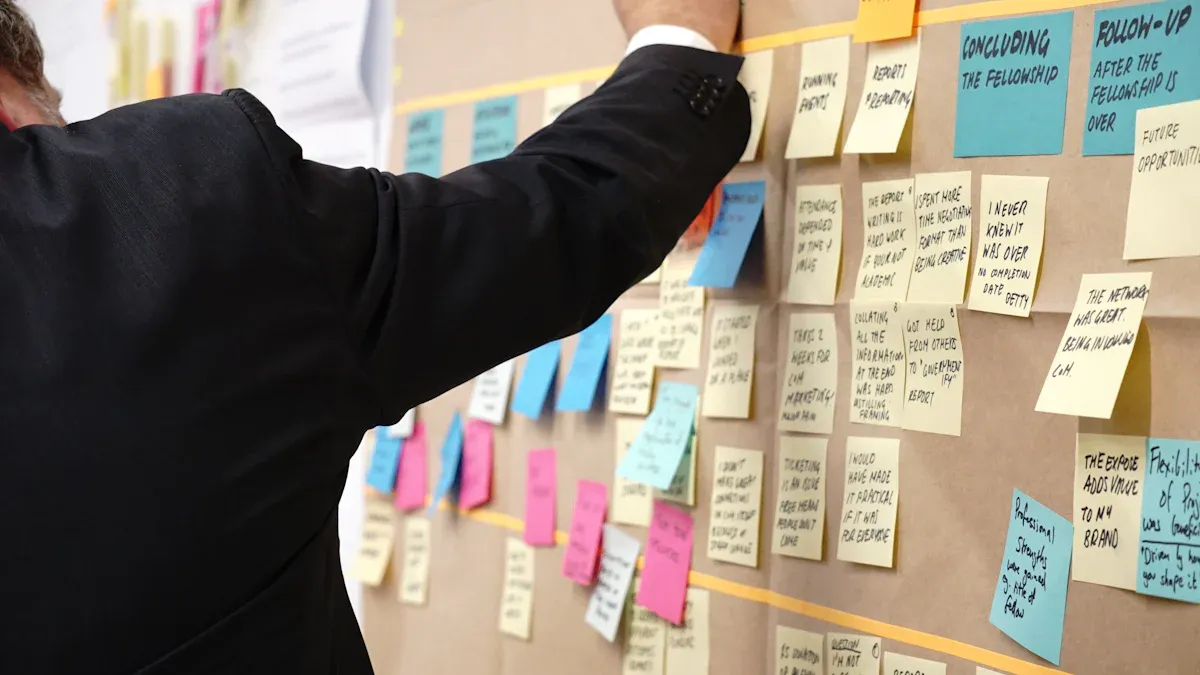
You want your business to work better and faster. Automation is a smart way to save time and money. Many companies use automation to lower costs and keep quality high. You can do this too.
Automate Repetitive Tasks
Use affordable automation tools
You spend lots of time on things like data entry and emails. These jobs take up your day and can cause mistakes. Automation tools do these jobs for you. You finish more work and make fewer errors.
51% of businesses say automation lowers costs by 10% to 50%.
Companies save from $10,000 to millions each year, depending on their workflow.
A car company saved $2 million every year by using AI for predictive maintenance.
Robotic Process Automation can cut administrative costs by 15% or more.
You have many affordable tools to pick from:
Solvexia: No-code platform for finance tasks, with dashboards and analytics.
UiPath: Automates repetitive work and has a strong support community.
Automation Anywhere: Uses AI bots for big companies.
Zapier: Connects thousands of apps for simple workflows, great for small businesses.
Microsoft Power Automate: Links Microsoft apps and other services, perfect if you use Microsoft.
These tools help you save time, make fewer mistakes, and get more done. Your team can focus on important work instead of boring jobs.
Implement live chat for customer service
Live chat is another way to use automation. Customers get answers fast, even at night. Automated chat systems handle easy questions and send hard ones to your team. This makes your service better and keeps customers happy.
Enhanced efficiency: Automation does simple jobs so your team can solve tough problems.
Faster response times: Customers get help right away.
24/7 availability: Support is always there, day or night.
Personalized experiences: AI gives answers that fit each customer.
Intelligent ticketing: Questions go to the right person quickly.
Predictive support: The system knows what customers need before they ask.
Data-driven insights: You learn from every chat and improve your service.
Cost reduction: You spend less on labor and operations.
Improved self-service: Customers find answers on their own.
Enhanced employee satisfaction: Your team works on rewarding tasks.
Standardize Processes
Create clear SOPs
Standard Operating Procedures help everyone know what to do. You write down each step for common jobs. This keeps work the same and lowers mistakes. When you use SOPs, training is easier and new employees learn faster.
Evidence | Explanation |
|---|---|
Optimizing processes and eliminating inefficiencies | Directly helps save money and cut waste in a business. |
Streamlined and standardized processes | Help lower costs and boost productivity by removing repeated jobs. |
By buying in bulk, manufacturers can lower their costs a lot. |
Monitor for consistency
You need to check your steps often. Make sure everyone follows the SOPs. Look for steps that slow you down or cause mistakes. Fix problems right away. When you keep your steps the same, you keep quality high and costs low.
Tip: Review your SOPs every few months. Ask your team for ideas and update steps that do not work well.
Automation and standardization work together. You save money, keep your quality high, and make your business stronger.
Negotiate and Renegotiate Vendor Contracts
Cutting costs does not mean you have to sacrifice quality. One of the best ways to reduce business costs is to look at your vendor contracts. Many businesses sign a contract and forget about it. You should not do that. You can save money if you review and renegotiate with vendors every year.
Renegotiate Annually to Reduce Expenses
You can often reduce expenses just by asking. Start by looking at your current contracts. Check if you are getting the best deal. Prices change, and vendors may offer new discounts. If you buy in larger amounts, ask for volume discounts. Vendors want to keep your business, so they may give you better prices if you order more.
Seek volume discounts
When you buy more, you can often pay less per item. Ask your vendors if they offer volume discounts. Sometimes, you only need to ask to get a better rate. This helps you control spending and keep your costs low.
Compare multiple vendors
Do not stick with the same vendor just because it feels easy. Take time to compare what other vendors offer. Make a simple table to see the differences:
Vendor Name | Price per Unit | Delivery Time | Extra Services |
|---|---|---|---|
Vendor A | $10 | 2 days | Free returns |
Vendor B | $9 | 3 days | No returns |
Vendor C | $11 | 1 day | Setup help |
You can use this table to decide which vendor gives you the best value. Sometimes, switching vendors can save you a lot of money.
Build Strong Vendor Relationships
Good relationships with your vendors help you get better deals. When you work together, both sides win. You can build trust and find ways to help each other.
Open communication
Talk openly with your vendors. Share your needs and listen to their concerns. Set clear expectations so everyone knows their role. If you face a problem, be honest about it. This builds trust and helps you solve issues faster.
Collaborate for better terms
Work with your vendors to reach shared goals. Ask for feedback and look for ways to improve together. You can even create a scorecard to track how well your vendors perform. This helps everyone get better over time.
Get to know your vendor contacts.
Join events or meetings they host.
Use tools to track your vendor relationships and spot problems early.
Tip: When you treat vendors as partners, you both benefit. You get better service, and they get a loyal customer.
Building strong vendor relationships helps you reduce costs and keep quality high. Review your contracts every year, compare your options, and work closely with your vendors. These steps make it easier to control spending and keep your business strong.
Embrace Technology to Reduce Business Costs
Technology helps you save money and work better. The right tools can lower costs and make your team happy. Here are ways to use technology for smart choices.
Use Cloud-Based Solutions
Cloud-based solutions change how you pay for IT. You do not need to buy servers or hire a big IT team. The cloud lets you pay only for what you use. You can make your plan bigger or smaller when you need.
Lower IT infrastructure cost
Moving to the cloud cuts IT costs in many ways. You do not spend much on hardware or repairs. The cloud company handles updates and keeps things safe. Here are some big benefits:
Cloud computing costs less than old hardware.
You switch from big spending to small monthly payments.
You save money because you need less IT help.
Moving to the cloud can cut carbon emissions by 84%.
Companies with high ESG scores often earn more money.
Tip: Check your IT costs before you move to the cloud. This helps you find the best ways to save.
Enable remote work
Cloud solutions let your team work from anywhere. You can share files, have meetings, and manage projects online. You do not need a big office, so you spend less. Your team stays connected and gets work done, no matter where they are.
Invest in Cost-Effective Software
You do not need to spend a lot for good software. Many tools help you run your business and save money. Pick software that fits your needs and can grow with you.
Scalable and affordable options
Find software that lets you add or remove users as you grow. You only pay for what you need. Many small businesses use these tools to save money:
Expensify: Easy to use, tracks receipts automatically.
Zoho Expense: Low cost, makes reports and approvals easy.
SAP Concur: Good for global expense management.
Navan: Combines expense and travel management with AI.
QuickBooks Online: Tracks expenses and cash flow live.
Spendesk: Smart expense tracking with virtual and physical cards.
Ramp: Gives virtual corporate cards and cashback.
Free or low-cost alternatives
You can find free or cheap software for many jobs. These tools help you manage tasks, track spending, and keep your team working together. Try a few to see which one works best.
Note: Make sure the software fits your needs before you buy. Many companies let you try it for free first.
Using technology makes your business stronger and more flexible. You save money, work faster, and keep your quality high.
Optimize Workforce and Staffing Costs
You want your business to stay strong. You also want to spend less money. You do not want to lose quality. Here are some smart ways to manage your team and save money.
Cross-Train Employees
Teach your team to do more than one job. This helps your business run well. It works even if someone is sick or work changes quickly.
Increase flexibility
If workers know many tasks, you can move them around. This helps when you need extra help. Your team can handle busy times or changes easily.
Employees with many skills can help with different jobs. This makes your team flexible.
Cross-training uses your current workers better. You save money on hiring and training new people.
Cross-training keeps your business running if someone is gone.
Workers get more done when they know more jobs.
You spend less money because you do not hire outside help.
Reduce overtime
When your team can switch jobs, you pay less overtime. You do not need to hire temporary workers. You use your own staff better and save money.
Cross-training saves money by using your own workers for new jobs.
It lowers the need for overtime and temp workers. These cost more during busy times.
Tip: Try switching jobs every few months. Your team learns new things. Everyone stays interested in their work.
Hire Freelancers for Projects
Sometimes you need extra help for a short time. Freelancers can help you finish projects. You only pay for the work you need.
Cost-effective for short-term needs
Freelancers help you spend less on office costs. You do not pay for benefits or long contracts. You can check value by looking at different costs:
Description | |
|---|---|
Total Cost of Ownership | This means all costs, like direct costs, time to manage, fixing mistakes, and keeping things working. |
Project Success Metrics | These are things like finishing on time, staying on budget, good work, and business results. |
Indirect Costs | These are costs not in the first price, but still matter for the whole project. |
Risk Costs | These are costs from delays, mistakes, changes, or problems with vendors. |
Maintain quality with clear guidelines
You want freelancers to do good work. Give them clear steps and goals for each job. Check their work often and give feedback. This keeps quality high and saves money.
Implement Remote Work
Remote work helps you save on office costs. Your team can work from anywhere.
Lower office expenses
When people work from home, you spend less on rent and supplies. You can use that money for other things.
Maintain productivity
Remote work does not mean less work gets done. Many people work better at home. You can check progress with online tools and meetings.
Note: Make clear rules for remote work. Make sure everyone knows what to do and how to stay in touch.
Smart choices about your team help you spend less. Your business runs well. You get more from your team and keep your standards high.
Reduce Supply and Resource Expenses
Cutting supply and resource expenses can make a big difference for your business. You do not have to lower your standards to save money. You just need to get smart about how you buy and manage your supplies.
Lower Supply Costs
Negotiate with suppliers
You can often get better deals from your suppliers if you ask. Start by knowing what you need and how much you use. When you talk to suppliers, show them you are serious about working together for the long term. Suppliers like steady customers and may offer you better prices or terms.
Here are some best practices for getting volume discounts:
Understand your needs and share them with your supplier.
Do your homework on market prices.
Use bigger orders to ask for better deals.
Stay flexible and talk about more than just price.
Build a strong relationship for future savings.
Give suppliers a good forecast of what you will order.
Promise to buy a certain amount if you get a discount.
Bundle products together for better pricing.
Check if the discount is worth it compared to holding extra stock.
Plan your orders to match discount opportunities.
You can also use technology to help you track orders and spot savings. Many businesses use automation and data tools to find the best deals and keep costs down.
Buy in bulk when possible
Buying in bulk can save you money, but only if you plan well. If you know you will use a lot of something, ask your supplier for a bulk price. Make sure you have space to store extra items and that you will use them before they expire. Bulk buying works best when you have a clear plan and good storage.
Here is a table with some top strategies for lowering supply costs:
Strategy | Description |
|---|---|
Lean Inventory Management Practices | Keep just enough stock to meet demand and avoid waste. |
Streamline Transportation and Logistics | Use smart routes and combine shipments to save on delivery. |
Optimize Supplier Relationships | Build strong partnerships for better prices and contract terms. |
Leverage Technology for Efficiency | Use automation and data to cut costs and improve how you order supplies. |
Monitor Inventory Closely
Just-in-time systems
You can save money by only ordering what you need, when you need it. This is called a just-in-time system. It helps you avoid having too much stock sitting around. You get supplies right before you need them, which means less waste and lower storage costs.
Benefit | Explanation |
|---|---|
Waste Reduction | You do not buy more than you need, so you waste less. |
Improved Efficiency | You spend less on storing extra items. |
Greater Productivity | Your team spends less time managing extra stock. |
Lower Costs | You pay less for storage and only buy what you use. |
Improve Quality | You focus on quality, not just quantity, so customers stay happy. |
Prevent overstocking
Keeping too much inventory can hurt your cash flow and lead to waste. You want to track your stock closely. Use tools that give you real-time updates on what you have and what you need. Set alerts for low stock or when something is not selling. This helps you act fast and avoid costly mistakes.
Description | |
|---|---|
End-to-End Tracking | Watch your stock from warehouse to store in real time. |
Unified View | See all your sales and inventory in one place. |
Instant Alerts | Get notified right away if there is a problem or low stock. |
Key Benefits | Description |
|---|---|
Improved Accuracy | Real-time data helps you make smart choices. |
Faster Response Times | You can fix problems before they get big. |
Enhanced Customer Satisfaction | Customers find what they want, so they come back to you. |
When you watch your inventory and work with your suppliers, you can reduce business costs without losing quality. Smart supply management keeps your business strong and your customers happy.
Lease Equipment to Preserve Capital

Leasing equipment helps you keep more money in your business. You do not need to pay a lot at the start. You pay smaller amounts over time. This makes it easier to handle your money and plan ahead.
Lease vs. Buy Analysis
Should you lease or buy? Here are the main differences. Use this table to help you choose:
Aspect | Leasing | Buying |
|---|---|---|
Initial Cost | Lower initial expense, often no down payment | High upfront costs, significant cash outflow |
Ownership | No ownership, no equity built | Full ownership, builds asset value |
Tax Benefits | Lease payments are often tax-deductible | Depreciation and Section 179 deductions |
Flexibility | Easier to upgrade, flexible terms | Less flexibility, ownership limits upgrades |
Long-term Cost | Generally higher overall cost | Potential long-term savings |
Maintenance Responsibility | Lessor typically handles maintenance | Business responsible for all maintenance |
Obsolescence Risk | Less risk, equipment can be updated easily | Higher risk, equipment may become outdated |
Lower upfront cost
Leasing means you do not need a big down payment. You can save your money for other things, like hiring or buying supplies. Leasing helps you start new projects or grow your business.
Access to latest technology
Leasing lets you use the newest equipment. You can get upgrades when your lease ends. This means you always have the latest tools. You do not get stuck with old machines. Having new equipment helps you stay ahead of others.
Tip: Leasing often includes maintenance. If something breaks, the company fixes it. This saves you time and money.
Review Equipment Needs Regularly
Check your equipment needs often. This helps you avoid paying for things you do not use. It also keeps your business running well.
Avoid unnecessary leases
Look at what you lease every few months. Ask, “Do I still need this?” If you do not use something, return it or end the lease. This helps you spend less and control your costs.
Upgrade as needed
When your lease ends, think about getting new equipment. New machines can work faster and better. Upgrading helps you save on repairs and keeps your team happy. You also lower the risk of old machines breaking down.
Here are some benefits of upgrading leased equipment:
Benefit | Description |
|---|---|
You keep more cash for other business needs. | |
Access to Newer Technology | You always have the latest tools. |
Tax Benefits | Lease payments may lower your taxes. |
Reduced Maintenance Burdens | The leasing company often handles repairs and upkeep. |
Note: Checking and upgrading your equipment helps you save money and work better.
Leasing gives you more choices. You can change as your business grows. You avoid big costs and keep your equipment new. This is a smart way to use your resources and keep your business strong.
Invest in Employee Training to Reduce Errors
You want your team to work smarter. Training helps your team do this. Ongoing training programs help your business succeed for a long time. You do not have to pick between saving money and keeping quality. Training helps you lower costs and keep quality high.
Ongoing Training Programs
Enhance efficiency
Training teaches your team new skills. People learn faster ways to do their jobs. You see fewer mistakes and better results. When your team works better, you save time and money. Here are some real examples of how training helps:
A sales training program cost $50,000. It led to $200,000 more revenue. That is a 300% return on investment.
Leadership training cost $75,000 plus time. The total was $147,000. The company saw a 12% boost in productivity. 9% came directly from training. That is a 22% ROI.
You need to track benefits and costs closely to see real savings.
You can use short workshops, online classes, or peer mentoring. Pick what works best for your team. Training helps your staff and makes your business stronger.
Reduce costly mistakes
Mistakes cost money. Training helps your team avoid errors. People learn the right way to do things. You spend less time fixing problems. Customers see better quality. Your reputation stays strong.
Tip: Plan regular training sessions. Even short refreshers help your team stay sharp and avoid mistakes.
Foster a Cost-Conscious Culture
Encourage staff input
You want everyone to help find ways to save. A cost-conscious culture makes your team look for waste and suggest improvements. People feel free to speak up. You get new ideas and spot problems early.
A cost-conscious culture helps employees find waste and fix it.
Employees suggest improvements, which boosts productivity.
This approach lowers waste and brings long-term savings.
Ask your team for feedback. Hold meetings where people share ideas. Use suggestion boxes or online forms. Listening helps you find new ways to work better.
Recognize cost-saving ideas
Celebrate good ideas. When someone helps save money, let everyone know. Give rewards or shout-outs. People work harder when they feel valued. You build a team that cares about quality and savings.
Employee cost-saving plans can backfire if you keep unproductive workers. This can lower morale and hurt business performance. High performers may get upset if you do not hold everyone accountable. You need to balance saving money with keeping a strong team.
Action | Result |
|---|---|
Reward smart ideas | More people share solutions |
Track improvements | See real savings over time |
Hold team challenges | Boost engagement and morale |
You can lower business costs and improve efficiency by training your team and building a cost-conscious culture. Your team will help you save money and keep quality high.
You can spend less money and still give good quality. Many businesses have problems with teamwork, keeping standards high, and making old mistakes again:
Challenge | Description |
|---|---|
Effective Inter-team Collaboration | Teams need to work together to save money. |
Maintaining Quality | You must save money but still give great service or products. |
Pitfalls of Traditional Methodologies | Be careful not to repeat mistakes from old ways of saving money. |
Take small steps and check your plan often.
Look at how you are doing and make savings goals.
Pay attention to what is happening in the market and try new ideas.
Change your plan when your business gets bigger.
Keep learning and changing. You can do well and keep costs low!
FAQ
How can I reduce business costs without hurting quality?
You can look for waste, use automation, and train your team. Focus on smart changes. Review your spending often. Ask vendors for better deals. These steps help you keep quality high while you reduce business costs.
What is the best way to track cost savings?
Try using accounting software or spreadsheets. Set clear goals for savings. Check your numbers every month. Make a simple table to compare old and new costs. This helps you see progress and spot problems fast.
Should I lease or buy equipment for my business?
Leasing works well if you want lower upfront cost and newer technology. Buying gives you ownership. Think about your cash flow and how fast equipment changes. Review your needs before you decide.
How do I keep employees motivated when cutting costs?
Talk openly with your team. Share your goals. Offer training and rewards for good ideas. Ask for feedback. When people feel valued, they work harder and help you save costs.
What are some quick ways to cut supply costs?
Negotiate with suppliers. Buy in bulk if you use items often. Use technology to track inventory. Watch for unused subscriptions. These steps help you lower costs without losing quality.
Can remote work help my business save money?
Yes! Remote work lowers office expenses. Your team can work from anywhere. Use online tools to stay connected. Set clear rules so everyone knows what to do.
How often should I review my vendor contracts?
Check your contracts at least once a year. Compare prices and services. Ask vendors for better terms. Building strong relationships helps you get better deals and control costs.
What training helps reduce mistakes and save money?
Offer regular workshops, online courses, or peer mentoring. Focus on skills that improve efficiency. Training helps your team avoid errors and keeps your business strong.