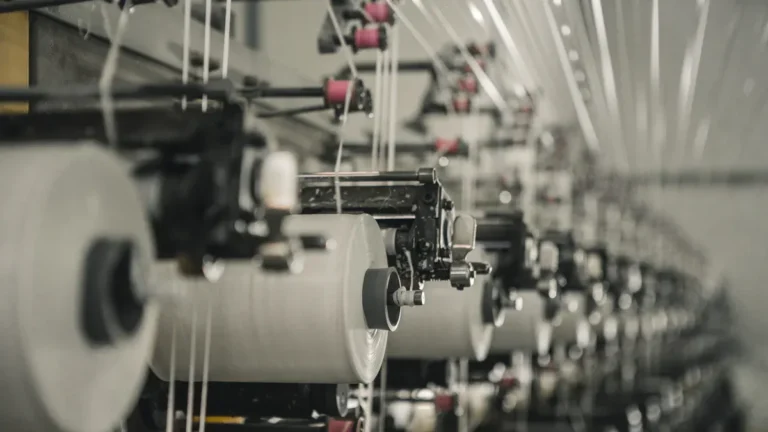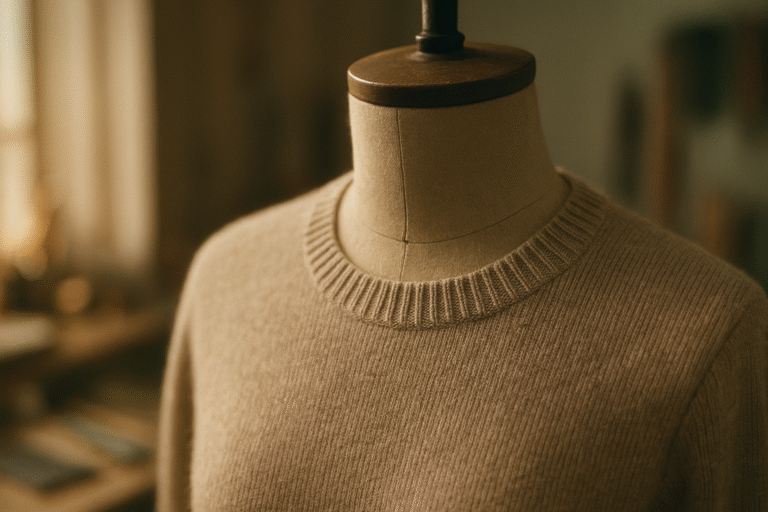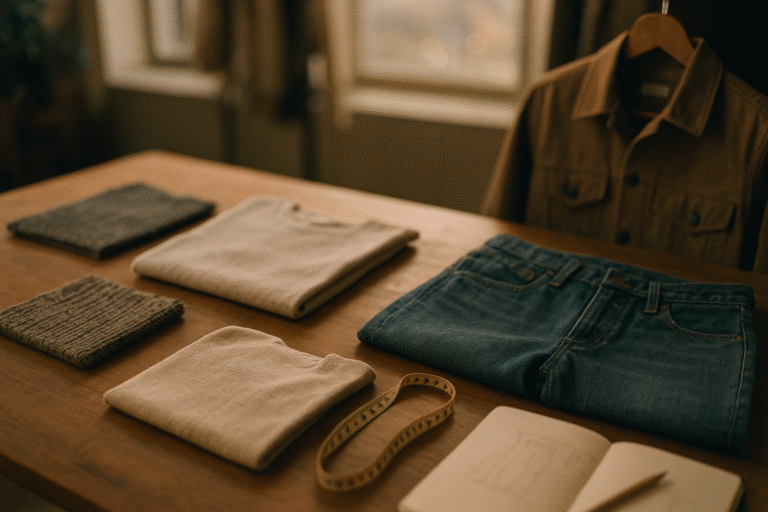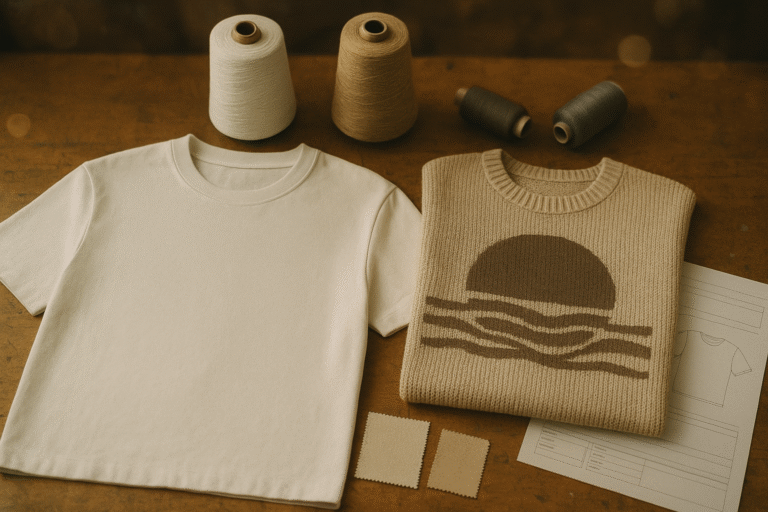

If you’re wondering what is the production capacity of a typical knitwear factory, it’s helpful to look at the numbers. Many medium-sized factories have a production capacity of about 15,000 pieces each day, which means what is the production capacity of a typical knitwear factory can reach up to 300,000 pieces every month. Some larger factories have an even higher production capacity, producing up to 25 tons of knitwear daily. Companies invest millions to boost what is the production capacity of a typical knitwear factory. For instance, in 2023, Fakir Knitwear Limited spent $45.82 million to build a new factory and increase their production capacity.
|
Year |
Company |
Investment Amount |
Purpose of Investment |
|---|---|---|---|
|
2023 |
Fakir Knitwear Limited |
$45.82 million |
Build a new knit composite factory to increase capacity |
Understanding what is the production capacity of a typical knitwear factory is important for planning and purchasing. Many factories are also focusing on new materials and caring for the environment by using organic fibers.
Key Takeaways
-
Medium-sized knitwear factories make about 15,000 pieces each day. This adds up to 300,000 pieces every month.
-
Large factories make 8,000 to 10,000 units daily. These factories are good for big orders.
-
Small factories work on custom orders. They make 50 to 150 units each day. This lets them pay more attention to details.
-
Knowing a factory’s production capacity helps you plan orders well. It also helps you avoid delays.
-
Machine count, workforce size, technology level, and product complexity affect production capacity.
-
Always ask for unit and tonnage output when talking about capacity. This gives you a full idea of what the factory can do.
-
Pick simple designs and standard yarns for big orders. This helps the factory work faster and deliver on time.
-
Think about the factory’s shift patterns. More shifts can raise daily output. This helps meet tight deadlines.
What is the production capacity of a typical knitwear factory?
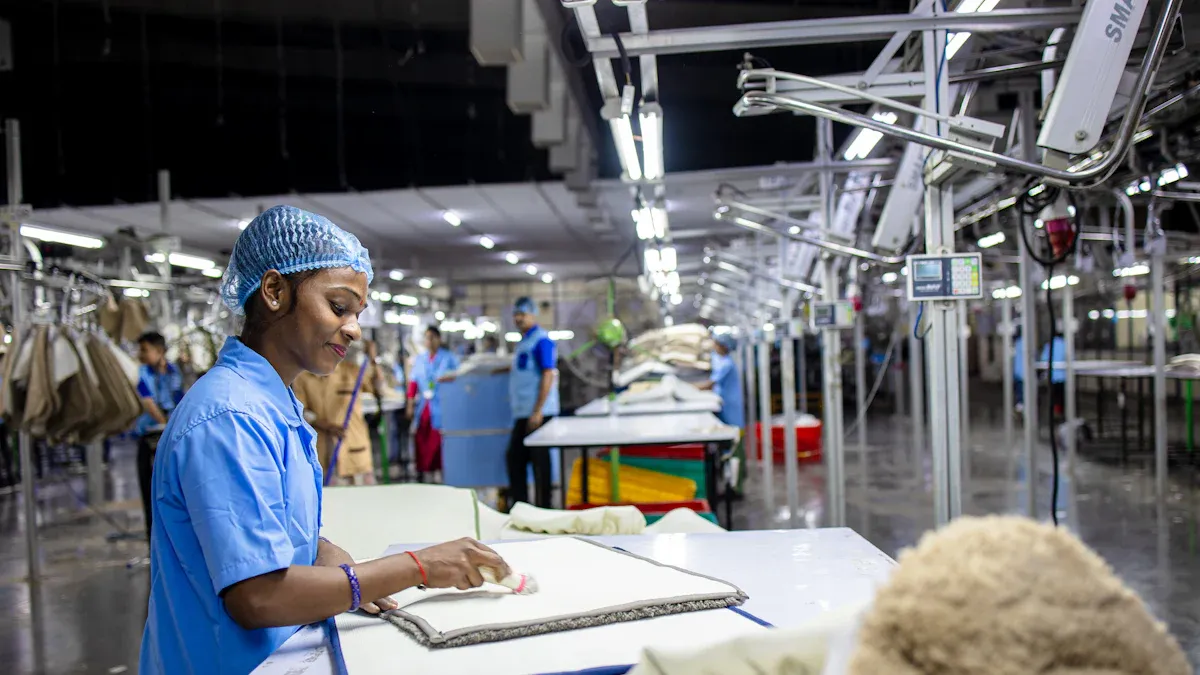
When you check what is the production capacity of a typical knitwear factory, you will notice big differences. Small, medium, and large factories all have different numbers. Knowing these numbers helps you plan your orders. It also shows how much a factory can make for you.
Daily Output Ranges
Factories come in different sizes. Each size makes a different number of pieces each day. The table below lets you see how many units each type of factory can make daily.
|
Factory Size |
Daily Output (Units) |
Description |
|---|---|---|
|
Large |
8,000 – 10,000 |
High output with many workers in a managed line |
|
Medium |
300 |
Custom production with more care, less speed |
|
Small |
50 – 150 |
Varies based on garment complexity and workflow |
Small Factories
Small factories often make special items or custom orders. They might only make 50 units a day. Sometimes, they can make up to 150 units. These factories have fewer machines and workers. They spend more time on each piece if the design is hard.
Medium Factories
Medium factories try to work fast but keep good quality. They usually make about 300 units each day. These factories take mid-sized orders and can change plans if needed. They use some machines but still need skilled workers to finish the products.
Large Factories
Large factories make the most pieces each day. They can make between 8,000 and 10,000 units daily. These factories use advanced machines and have lots of workers. They can handle big orders and finish them quickly. Large factories show the highest production numbers.
Monthly and Yearly Output
You should also look at monthly and yearly numbers. Factories count their output in pieces and tons. This helps you know how much knitwear you can get over time.
Sweater Production
Sweaters are a big part of knitwear. Here are some important facts:
-
The world market for sweaters may reach 5.1 billion units by 2025.
-
Sweaters make up 62% of all knitwear made. Most factories use a lot of their space to make sweaters.
If you want to know what is the production capacity of a typical knitwear factory for sweaters, remember most factories focus on sweaters. You can use these facts to plan your orders and compare different factories.
Tonnage Output
Factories also count how much they make by weight. Large factories can make up to 25 tons of knitwear each day. Medium factories can make up to 12 tons daily. Small factories usually make less than 5 tons per day. These numbers help you see how much a factory can make, especially if you need a lot.
Tip: Always ask for both unit and tonnage numbers when you talk to a factory. This helps you see what is the production capacity of a typical knitwear factory and find the right one for your needs.
Now you know how factory size changes daily, monthly, and yearly output. This helps you make better choices when you buy knitwear.
Key Factors Affecting Capacity
If you want to know what is the production capacity of a typical knitwear factory, you need to look at a few main things. These things decide how much a factory can make each day, month, or year. Let’s look at the most important ones.
Machine Count
How many machines a factory has is very important. More machines help the factory make more knitwear at once. If there are only a few machines, big orders take longer to finish. Factories with lots of machines can do big jobs faster. Always ask how many knitting machines the factory uses before you order.
-
More machines means the factory makes more pieces.
-
Fewer machines means slower work.
Note: Machines need to be taken care of. Good machines work well and help the factory keep making knitwear.
Workforce Size
The number of workers is also important. Skilled workers run the machines, check the quality, and finish the clothes. If a factory has many trained workers, it can use more machines and finish big orders. A small team might do special or high-quality work, but they will not make as many pieces each day.
-
A big team can finish large orders and keep things moving.
-
A small team does careful work but makes fewer pieces.
You should check if the factory has enough workers to finish your order on time.
Technology Level
Technology changes how factories work. New machines and smart systems help factories make more knitwear faster. Smart knitting machines help factories work better and make special designs. They also help use materials wisely and make less waste. Fast machines save fabric and make sure each piece is made right. Modern machines last longer, so factories do not need to buy new ones often. This is good for the planet and saves money.
Factories with 3D knitting machines that use AI and IoT can watch their work as it happens. These machines can fix problems by themselves and find mistakes early. This means you get better knitwear and faster shipping.
Here are some ways technology helps:
-
Smart machines work faster and make fewer mistakes.
-
Automation lets factories make special designs.
-
Watching work in real time helps fix problems fast.
-
Eco-friendly machines make less waste and save materials.
Tip: Factories that buy new technology can make more knitwear and check quality better.
Always ask about the technology when you want to know what is the production capacity of a typical knitwear factory. Technology, machine count, and workforce size all decide how much a factory can make.
Product Complexity
Product complexity plays a big role in how much knitwear a factory can produce. When you choose a simple design, the factory can make more pieces in less time. If you ask for a complex pattern or use special yarns, the process slows down. The machines need extra setup, and workers must pay close attention to details.
You should know that the type of yarn and the design you pick can change how fast the machines work. Some yarns need special handling. If you want a sweater with many colors or a unique texture, the factory must adjust its machines. This setup takes time and can lower the number of pieces made each day.
Here are some ways product complexity affects output:
-
The technology of the yarn changes how well machines perform. Complex yarns can slow down production.
-
Different yarn counts can make machines work differently. If you choose a thick or thin yarn, the output changes.
-
Complicated designs need longer setup times. Workers must prepare machines for each new style.
-
The quality of raw materials matters. If the yarn is hard to work with, the factory may produce fewer pieces.
Tip: If you want a large order, choose simple designs and standard yarns. This helps the factory work faster and deliver more products on time.
Factories often balance speed and quality. When you ask for a complex product, expect a lower daily output. You should talk to the factory about your design and ask how it will affect production numbers.
Shift Patterns
Shift patterns also affect how much knitwear a factory can make. Factories use different work schedules to boost output. Some factories run one shift each day. Others use two or even three shifts to keep machines working longer.
If a factory uses more shifts, it can make more pieces in a day. Workers take turns, so machines do not stop. This helps the factory fill big orders and meet tight deadlines. You should ask the factory how many shifts they run. More shifts mean higher capacity, but you must also think about worker fatigue and quality control.
Factories that use night shifts or split shifts can double or triple their output. You should check if the factory has enough skilled workers for each shift. If the team is tired or not trained well, mistakes can happen. Good shift planning helps keep quality high and production steady.
Here is a simple table to show how shift patterns change output:
|
Shift Pattern |
Typical Output Increase |
Notes |
|---|---|---|
|
Single Shift |
Baseline |
Standard working hours |
|
Double Shift |
1.5x – 2x |
Longer machine operation |
|
Triple Shift |
2x – 3x |
Machines run almost nonstop |
Note: Always ask about shift patterns when you plan your order. Factories with flexible shifts can handle urgent requests and large orders better.
When you understand product complexity and shift patterns, you can make smarter choices. These factors help you estimate how much knitwear a factory can deliver and how fast you will get your products.
Factory Types and Capacity Comparison
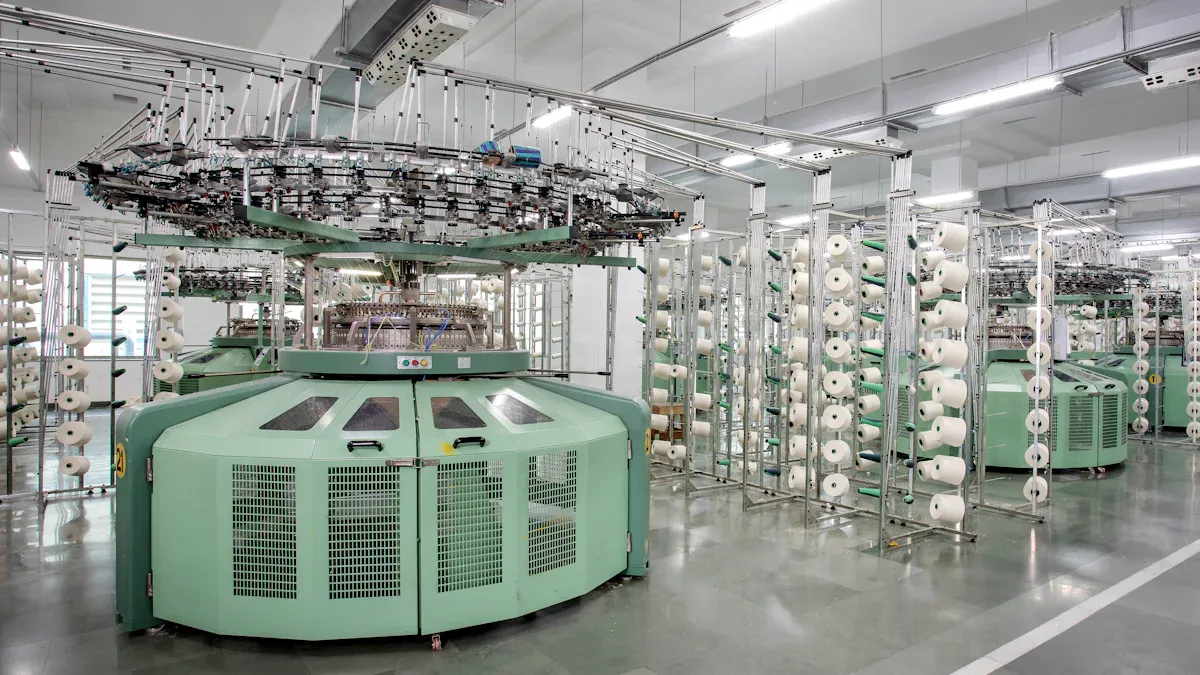
Knitwear factories are set up in different ways. Each type affects how much knitwear you can get. You should learn about these types to make good choices.
In-House vs Outsourced
Some factories do all the work themselves. They handle everything from knitting to finishing. These factories have steady output. They check quality often and fix problems fast. If you want a steady supply, in-house factories help you plan.
Other factories send some work to other companies. This is called outsourcing. Outsourcing can help factories make more knitwear quickly. You might get big orders filled faster. It can also save money. But sometimes, there are delays or changes in quality. Talking to many companies can be harder.
Tip: Pick in-house production for strict quality and timing. Choose outsourcing for bigger orders and lower costs.
Vertical vs Horizontal Integration
Factories use vertical or horizontal integration to organize work. Vertical integration means the factory does every step. They control yarn, knitting, and finishing. You get better quality and faster delivery. Vertical factories can change plans quickly.
Horizontal integration means the factory does one step, like knitting. They work with other companies for other steps. Horizontal factories can make more knitwear if they have good partners. Costs may be lower, but you need to check quality at each step.
Here is a table to show the difference:
|
Integration Type |
Control Level |
Speed |
Quality |
Flexibility |
|---|---|---|---|---|
|
Vertical |
High |
Fast |
Strong |
High |
|
Horizontal |
Medium |
Varies |
Mixed |
Medium |
Note: Vertical integration gives you more control. Horizontal integration gives you more choices.
Domestic vs Overseas
You can pick factories in your country or overseas. Domestic factories ship faster and are easier to talk to. You can visit and check their work. Local factories may cost more, but you get quick help.
Overseas factories can make more knitwear for less money. Many big overseas factories have high capacity. You save money, but shipping takes longer. You need to plan for customs and delays. Quality can change, so you must check it well.
-
Domestic factories: Fast shipping, easy visits, higher prices.
-
Overseas factories: More knitwear, lower prices, slower shipping.
When you ask about the production capacity of a typical knitwear factory, look at the factory type. Each setup changes how much you get, how fast you get it, and what you pay.
Real-World Capacity Examples
You can learn a lot by looking at real-world examples. These cases show how different factories work and what you can expect when you place an order.
Small Factory Case
Imagine you want to order custom knit hats for your brand. You find a small factory with 15 workers and 10 knitting machines. This factory focuses on special designs and small batches. You see that they can make about 100 hats each day. If you order 500 hats, you can expect your order to be ready in about five days.
Tip: Small factories work best for custom orders and limited runs. You get more attention to detail, but you need to plan for longer production times.
Here is a quick look at what you get from a small factory:
|
Factory Size |
Daily Output |
Monthly Output |
Best For |
|---|---|---|---|
|
Small |
50-150 units |
1,500-4,500 |
Custom, small orders |
Medium Factory Case
You want to launch a new sweater collection. You contact a medium-sized factory with 80 workers and 40 machines. This factory can make about 300 sweaters each day. You order 3,000 sweaters. The factory tells you they need about ten days to finish your order. Medium factories balance speed and quality. You get reliable output and flexible options.
-
Medium factories handle mid-sized orders.
-
You can ask for changes or special packaging.
-
Production stays steady, and quality checks happen often.
|
Factory Size |
Daily Output |
Monthly Output |
Best For |
|---|---|---|---|
|
Medium |
300 units |
9,000 |
Fashion brands, retailers |
Large Factory Case
You need a big order for a retail chain. You reach out to a large factory with 500 workers and 200 machines. This factory can make up to 10,000 knitwear pieces each day. You order 50,000 sweaters. The factory can finish your order in about five days. Large factories use advanced machines and strict schedules. You get fast delivery and high volume.
Note: Large factories work best for bulk orders and tight deadlines. You get quick results, but you may have less control over small details.
|
Factory Size |
Daily Output |
Monthly Output |
Best For |
|---|---|---|---|
|
Large |
8,000-10,000 |
240,000-300,000 |
Big brands, mass retail |
You can see how each factory size fits different needs. Small factories give you custom work. Medium factories offer balance. Large factories deliver speed and volume. You should match your order size to the right factory for the best results.
Estimating Your Required Capacity
When you want to work with a knitwear factory, you should know how much you need. You also need to know how quickly you want your products. Estimating your required capacity helps you avoid problems and delays. You can follow some easy steps to get the right amount of knitwear on time.
Capacity Checklist
Begin with a checklist to help you figure out what you need. This list helps you get ready to talk to suppliers.
-
Write down the total pieces you want.
-
Pick your delivery date.
-
Split your order by style, size, and color.
-
Decide how often you will order, like once or every month.
-
Check if you need samples before the big order.
-
Write your quality rules.
-
Plan for extra pieces in case some have mistakes.
Tip: Always order a few more pieces than you need. Factories can make small mistakes or have delays, so extras help you stay safe.
Supplier Questions
Ask good questions when you talk to a knitwear supplier. These questions help you see if the factory can do what you want. Use the table below to help you ask the right things:
|
Question |
Purpose |
|---|---|
|
What Are Your MOQ Requirements? |
Find out if they take small orders. |
|
What Are Your Lead Times? |
Make sure they can finish on time. |
|
Do You Offer Sample Production? |
Test the product before a big order. |
|
What Quality Control Measures Do You Have? |
See how they check for mistakes. |
|
Can You Provide Certifications? |
Make sure they follow the rules. |
|
Do You Have Experience With Similar Brands? |
Past work shows they know your market. |
Ask about minimum order quantity (MOQ) first. This tells you if the factory can make small or big orders. Ask about lead times to see if they can deliver when you need it. Sample production lets you check quality before you buy a lot. Quality control and certifications show if the factory does good work. If they have worked with brands like yours, they know what you want.
Common Pitfalls
People sometimes make mistakes when they estimate capacity. You can avoid these problems if you know what to look for.
-
Not checking the factory’s real output. Always make sure the factory can handle your order.
-
Forgetting about busy seasons. Factories can slow down when they are very busy.
-
Not planning for shipping time. Making the product is only one part.
-
Skipping quality checks. Rushing can cause mistakes.
-
Not asking for clear timelines. If answers are not clear, you might get delays.
Note: Check all details before you order. Talking clearly with your supplier helps you avoid expensive mistakes.
Estimating your required capacity takes some time, but it helps you get the best results. Use your checklist, ask smart questions, and watch out for common mistakes. This way, you can plan your knitwear orders and feel confident.
Why Capacity Matters
Meeting Deadlines
You must meet deadlines in a knitwear business. Production capacity affects how fast you finish orders. If your factory has enough machines and skilled workers, you finish on time. If you do not have enough capacity, you get delays. Problems like broken machines or yarn slow down work. These problems make bottlenecks and break promises to customers.
Factories use different ways to manage lead times. The table below shows how some things change delivery speed:
|
Factor |
Impact on Lead Time |
|---|---|
|
Modularity based manufacturing |
Negative relationship |
|
Supply chain relationship management |
Negative relationship |
|
Supply chain responsiveness |
Negative relationship |
|
Supply chain integration |
Non-significant positive |
Better supply chain management and quick response help cut lead times. For simple knitwear like tees and polos, you need 8-10 weeks to deliver. Harder items, like technical outerwear, can take up to 16 weeks. To keep customers happy, plan your capacity and watch for slowdowns.
-
Basic knitwear (tees, polos): 8-10 weeks
-
Woven shirts: 9-11 weeks
-
Denim: 10-12 weeks
-
Technical outerwear: 12-16 weeks
Tip: Always check your factory’s capacity before you promise a delivery date. This helps you avoid late shipments.
Planning for Growth
You want your business to get bigger. Production capacity helps you reach more people and fill big orders. When you know your factory’s limits, you can plan for busy times and new products. Good planning helps you use machines and workers well. This lets you follow market trends and meet customer needs.
Production capacity helps you use resources wisely. You avoid waste and make sure every machine and worker helps. When your production matches what people want, your business grows steadily.
Note: Smart planning keeps your business ready for new chances.
Quality vs Quantity
You must balance quality and quantity as you grow. If you only try to make more pieces, you might get mistakes or lower quality. Factories that want to grow must check both output and standards.
Here are ways to keep quality high while making more:
-
Check your maximum production capacity before big orders.
-
Know lead times for different order sizes.
-
Make sure your factory can handle urgent changes.
-
Pick high-quality yarns and fabrics.
-
Train workers and use good technology.
Remember: High capacity does not matter if your products are not good. Always check both before you grow your business.
Now you know small factories make 50 to 150 units a day. Medium factories can make about 300 pieces each day. Large factories can make up to 10,000 pieces daily. Knowing these numbers helps you plan your orders better. The table below shows what is most important to think about:
|
Factor |
Description |
|---|---|
|
Capacity |
Shows how flexible the factory is and how fast they work |
|
Price & Tariff |
Affects how much you pay and any extra import fees |
|
Stability |
Tells you about the country’s politics and economy |
|
Sustainability |
Means the factory follows social and environmental rules |
|
Quality |
Checks how skilled the workers are and how good the products are |
Try these tips to help you choose a supplier:
-
Ask about the types of fabrics and the minimum order size.
-
Find out if you can change designs or add special features.
-
Check if the supplier has good prices, samples, and quality.
Then, follow these steps:
-
Guess how many pieces you will need.
-
List what you need to make your order.
-
Make a plan for when to start and finish making your products.
Talk to factories and use these ideas to help you make better choices.
FAQ
What does production capacity mean in a knitwear factory?
Production capacity shows how many knitwear pieces a factory can make in a set time. You use this number to plan orders and check if a factory fits your needs.
How do you calculate a factory’s daily output?
You count the number of machines and workers. You check how many pieces each machine makes in one shift. Multiply by the number of shifts for the total daily output.
Why do factories measure output in both units and tons?
Factories use units for counting finished pieces. They use tons to measure the total weight of knitwear. You get a better idea of volume and material use with both numbers.
Can you increase your order if a factory is at full capacity?
You can ask, but the factory may need more time or extra shifts. Sometimes, you must wait for space in their schedule. Always check before placing a large order.
What happens if your design is very complex?
Complex designs slow down production. Workers need more time for setup and finishing. You may get fewer pieces each day. Simple designs help you get faster results.
How do you know if a factory can handle your order?
You ask for their daily and monthly capacity. You check their past work and ask for references. You can also request a sample run to see their real output.
Do all factories offer the same lead times?
No, lead times change based on factory size, workload, and product type. Large factories often finish orders faster. Small factories may need more time, especially for custom work.