
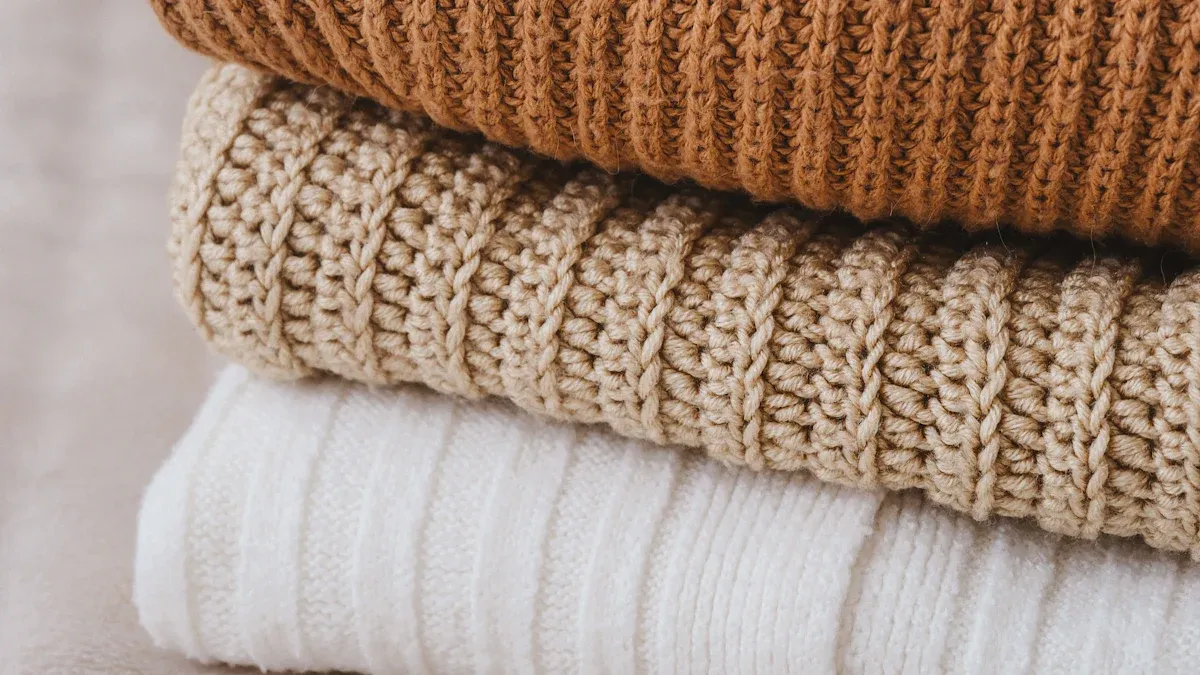
You want to know what is the best way to order re-stock knitwear? Start by making smart decisions with your sales data. Watch your inventory closely and set clear triggers when it is time to reorder. Work with your suppliers so you never miss out on popular styles. When you restock efficiently, you help your store avoid overstock and keep customers happy. Take a look at the table below to see how good restocking can boost your business:
Benefit | How It Helps Your Store |
|---|---|
Customers get what they want with fewer out-of-stock moments. | |
No overstock | You avoid markdowns and protect your profit. |
Right stock levels | You make more sales and keep cash flowing. |
Key Takeaways
Look at old sales numbers to find which knitwear sells best. Use this to help you decide what to order next.
Check your inventory often. Set clear points for when to order more. This helps you not run out and keeps customers happy.
Listen to what customers say about your products. Ask them questions or use surveys to learn what they like. This helps you choose what to restock.
Use tools to guess how much you will sell. Try simple software or spreadsheets to watch sales patterns. Change your orders if you see new trends.
Use Just-In-Time (JIT) replenishment. Order more stock only when you need it. This stops you from having too much and keeps your stock new.
Make good connections with your suppliers. Talk clearly about what you need. This helps you get your orders on time and get good products.
Keep your warehouse neat and organized. A clean stockroom helps you fill orders faster. It also lets you react quickly if things change.
Change your product mix to have both basic and trendy styles. Offer different prices so more people can buy from you.
Analyze Sales Data and Forecast Demand
Review Past Knitwear Sales
You can learn a lot from your store’s past knitwear sales. Start by looking at which styles sold quickly and which ones sat on the shelves. This helps you spot patterns and trends. When you check your sales history, you see what your customers like and what they skip. Try making a simple table to compare sales numbers for each knitwear item. Here’s a quick look at some methods you can use:
Method | Description |
|---|---|
Past Sales Data | Look at old sales numbers to find patterns in demand. |
Market Research | Study what shoppers want and how the market is changing. |
Trend Analysis | Watch current trends to guess what will be popular next. |
Advanced Forecasting Techniques | Use smart tools like data mining or neural networks for better predictions. |
You don’t need fancy software to start. Even a spreadsheet can help you track which knitwear pieces sell best. If you see a sweater selling out every month, you know it’s time to order more before you run out.
Spot Seasonal Patterns
Knitwear sales change with the seasons. You probably notice more customers looking for cozy sweaters in fall and winter. If you track these patterns, you can plan your restocks so you never miss a busy season. Retailers who watch seasonal cycles make smarter buying decisions. They keep just enough stock to meet demand without overfilling their shelves.
Tip: Use last year’s sales numbers to predict what you’ll need this year. If you sold twice as many cardigans in October, plan to order extra before fall starts.
Here’s how seasonal patterns affect your restocking:
You see demand cycles and trends more clearly.
You can react fast when customers start searching for new styles.
You avoid outdated inventory by stocking what’s in demand.
Adapting to seasonal demand works best when you mix old sales data with real-time insights. Some stores use advanced analytics or machine learning to predict what will sell next. You don’t have to be a tech expert—just keep an eye on what’s popular and adjust your orders.
Use Customer Feedback
Your customers know what they want. Listen to their feedback to help you decide which knitwear to restock. Ask shoppers what styles or colors they love. You can use surveys, online reviews, or even quick chats at the register. When you pay attention to what people say, you get a better idea of future demand.
Customer feedback helps you keep your inventory fresh. If you hear that people want more oversized sweaters, you can order those before the trend peaks. This keeps your store ahead of the curve and makes shoppers feel heard. By using customer insights, you avoid guessing and make smarter choices for your next knitwear order.
Apply Forecasting Tools
You want to make smart choices when you order knitwear for your store. Forecasting tools help you do that. These tools use your sales data, trends, and even weather patterns to predict what you will sell next. You do not need to be a math expert to use them. Many tools come with easy dashboards and simple charts.
Let’s look at some popular forecasting tools you can try:
Tool Name | What It Does | Why You’ll Like It |
|---|---|---|
Excel/Google Sheets | Tracks sales and predicts demand | Free and easy to use |
Inventory Software | Automates reorder points | Saves you time |
POS Analytics | Shows real-time sales trends | Helps you react fast |
AI Forecasting | Uses smart algorithms for predictions | Gives you deeper insights |
You can start with a basic spreadsheet. Enter your weekly sales numbers for each knitwear item. Make a simple chart to see which sweaters sell best. If you want more power, try inventory management software. These programs track your stock and tell you when to reorder. Some even send alerts to your phone.
Tip: Use your POS system to spot fast-selling items. If you see a spike in sales for chunky cardigans, you can order more before you run out.
AI forecasting tools sound fancy, but many are easy to use. You upload your sales data, and the tool predicts what you need to order next month. Some tools even look at weather forecasts. If cold weather is coming, you might need more knitwear.
You do not have to use every tool at once. Pick one that fits your store size and budget. If you run a small shop, a spreadsheet might be enough. Bigger stores may need software with more features.
Here’s how you can use forecasting tools step by step:
Gather your sales data from last year.
Enter the numbers into your chosen tool.
Look for patterns in the charts or reports.
Set alerts for low stock levels.
Adjust your orders based on the predictions.
Forecasting tools help you avoid guessing. You order the right amount of knitwear and keep your shelves stocked. Customers find what they want, and you keep your cash flow healthy. Try a tool this season and see how much easier restocking can be.
Monitor Inventory and Set Replenishment Triggers
Track Inventory Levels Regularly
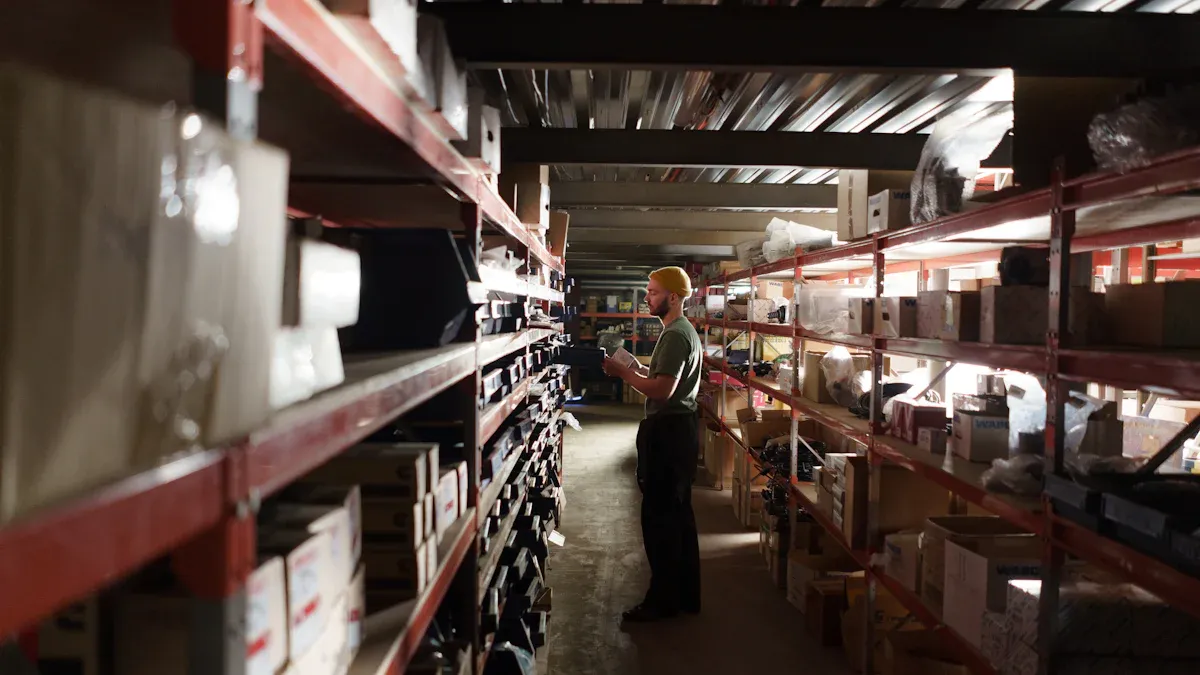
You want to know what’s in your stockroom at all times. Tracking your knitwear inventory helps you spot problems before they grow. If you check your numbers often, you can catch low stock early and avoid running out. Real-time inventory systems make this easy. They show you what’s on hand, what’s selling, and what needs to be reordered. You can use a simple spreadsheet or a smart inventory app. Both work if you update them often.
Here’s a quick checklist to help you stay on top of your inventory:
Count your knitwear every week.
Update your records after each sale.
Use barcodes or SKUs for faster tracking.
Review your bestsellers and slow movers.
Set aside time each month for a full inventory check.
Tip: When you track inventory closely, you can react fast to trends and avoid overstocking slow sellers.
Set Reorder Points
You don’t want to guess when to order more knitwear. Setting reorder points gives you a clear signal. A reorder point tells you the exact moment to place a new order. This keeps your shelves full and your customers happy.
To find your reorder point, use this simple formula:
Reorder Point = (Daily Average Demand × Lead Time) + Safety Stock
Daily Average Demand: How many pieces you sell each day.
Lead Time: How many days it takes for new stock to arrive.
Safety Stock: Extra items you keep for surprises.
Let’s say you sell 5 sweaters a day. Your supplier takes 7 days to deliver. You keep 10 sweaters as safety stock. Your reorder point is (5 × 7) + 10 = 45 sweaters. When you reach 45 sweaters, it’s time to order more.
Setting reorder points helps you:
Keep cash flow steady.
Make inventory management simple.
Calculate Replenishment Quantities
Now you know when to order, but how much should you buy? You want enough knitwear to meet demand, but not so much that it sits unsold. The Economic Order Quantity (EOQ) model can help. This formula finds the best order size by balancing ordering costs and storage costs.
Here’s the EOQ formula:
EOQ = √((2 × D × S) / H)
D: Annual demand for the item.
S: Cost to place one order.
H: Cost to hold one item for a year.
You don’t need to be a math whiz. Many inventory apps can do this for you. If you prefer, start with a simple estimate based on last year’s sales and your budget.
Note: Calculating the right quantity means you won’t tie up money in extra stock, and you’ll always have what your customers want.
By tracking inventory, setting reorder points, and calculating smart order sizes, you keep your knitwear section running smoothly. You’ll see fewer stockouts, less waste, and happier shoppers.
Implement Just-In-Time (JIT) Replenishment
You want to keep your knitwear shelves stocked, but you don’t want piles of sweaters sitting around. Just-In-Time (JIT) replenishment helps you order only what you need, right when you need it. This method keeps your inventory lean and your cash flow strong.
JIT works by timing your orders so new stock arrives just as you run low. You don’t have to guess or over-order. You use your sales data and reorder points to trigger each purchase. When you set up JIT, you avoid clutter and make room for fresh styles.
Here’s how you can start using JIT in your store:
Track sales daily. Watch which knitwear items sell fastest. You want to know when stock drops below your reorder point.
Set clear reorder triggers. Use your inventory system to send alerts when it’s time to order more.
Work closely with suppliers. Tell them your JIT plan. Ask for quick delivery times and flexible order sizes.
Order smaller batches. Instead of buying a huge shipment, order just enough to last until the next delivery.
Review your process often. Check if JIT is helping you avoid overstock and stockouts. Adjust your triggers if you see problems.
Tip: JIT works best when you trust your suppliers. If they deliver on time, you never run out of popular knitwear.
Let’s look at a simple example:
Knitwear Item | Daily Sales | Lead Time (Days) | Reorder Point | JIT Order Size |
|---|---|---|---|---|
Crewneck Sweater | 4 | 5 | 25 | 20 |
Cable Knit Cardigan | 2 | 7 | 21 | 14 |
Chunky Scarf | 3 | 4 | 16 | 12 |
You see that crewneck sweaters sell fast. When your stock drops to 25, your system tells you to order 20 more. The new sweaters arrive in five days, just in time to keep your shelves full.
JIT helps you:
Cut down on storage costs.
Keep your knitwear selection fresh.
React quickly to changing trends.
Free up cash for other needs.
You don’t need fancy software to start. A spreadsheet or simple inventory app can help you set up JIT. If you want to go further, look for inventory tools with automatic alerts and supplier integration.
Note: JIT is not perfect for every store. If your supplier has long delays, you might need extra safety stock. Always test your system before you rely on it for every order.
Try JIT replenishment this season. You’ll see less clutter, happier customers, and a smoother ordering process. Your knitwear section will look sharp, and you’ll spend less time worrying about what’s in stock.
What is the Best Way to Order Re-Stock Knitwear?
Choose the Right Ordering Method
You want to make sure your knitwear shelves stay full without wasting money or space. So, what is the best way to order re-stock knitwear? Start by picking an ordering method that matches your store’s needs. Some stores like to place big orders once a season. Others prefer smaller, more frequent orders. You can even mix both styles, depending on how fast your knitwear sells.
Here are some practical tips and real-world examples to help you decide:
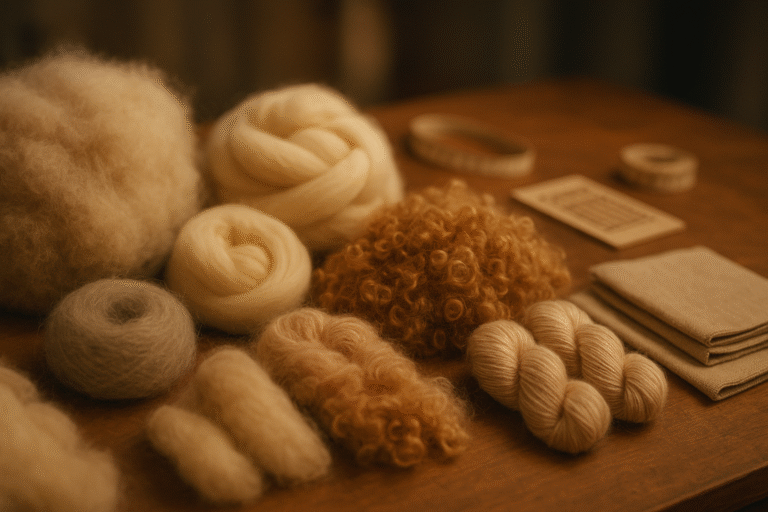
Try testing yarn swatches before you buy in bulk. This helps you check quality and make sure the knitwear matches your store’s style.
Use organic cotton when possible. It lasts longer and is better for the environment.
Pick the right yarn and needles for your designs. This makes your knitwear look and feel better, which keeps customers coming back.
If you want to avoid overstock, order smaller batches of your bestsellers more often. For slower sellers, place larger orders less often to save on shipping.
Tip: Ask your supplier about their minimum order sizes and lead times. This helps you plan your orders so you never run out of popular styles.
You can also use automated purchase order tools. These tools track your sales and tell you when it’s time to reorder. They help you answer the question, what is the best way to order re-stock knitwear, by making the process faster and more accurate.
Organize Warehouse for Fast-Movers
A messy stockroom slows you down. When you organize your warehouse, you find items faster and restock shelves quickly. This is key if you want to keep up with busy seasons or sudden spikes in demand.
Here’s how a well-organized warehouse helps your store:
You speed up order fulfillment because you know exactly where each item is.
Workers spend less time searching, which saves you money on labor.
You handle returns and damaged items more easily, which keeps customers happy.
You can react quickly to trends since you have shorter order cycles.
Note: Place your best-selling knitwear near the front of your warehouse. This makes it easy to grab fast-movers when you need to restock.
Try grouping knitwear by type, size, or color. Use clear labels and keep your most popular items within easy reach. If you use shelves or bins, label them with both the product name and SKU. This simple step can make a big difference in how quickly you fill orders.
Use SKUs for Knitwear Management
SKUs, or Stock Keeping Units, help you track every piece of knitwear in your store. When you use SKUs, you know exactly what you have, what you need, and what is selling fast. This makes your inventory system much stronger.
Here’s why SKUs matter for your knitwear business:
You reduce mistakes because each item has a unique code.
Automated tools help you track inventory and spot trends.
You can forecast demand better, which means fewer stockouts and less overstock.
You improve customer satisfaction by always having the right items on hand.
Automated purchase order systems use SKUs to give you real-time updates on your stock. This helps you answer what is the best way to order re-stock knitwear, especially when trends change quickly. In fashion, you deal with lots of SKUs, which can lead to mistakes if you track everything by hand. Automated systems cut down on errors and help you make smarter buying decisions.
Tip: Review your SKUs every season. Remove old or duplicate codes to keep your system clean and easy to use.
When you use SKUs and keep your warehouse organized, you make your whole ordering process smoother. You spend less time fixing mistakes and more time helping customers find the knitwear they love.
Build Efficient Order Routing
You want your knitwear orders to move fast from supplier to shelf. Efficient order routing helps you get the right products to the right place at the right time. When you set up a smart system, you save money and keep customers happy.
Order routing means you decide how and where each order goes. You can send orders straight to your store, split them between locations, or even ship some items directly to customers. You choose the best path for every order. This keeps your knitwear section stocked and ready for shoppers.
Let’s break down how you can build efficient order routing:
Map Your Store Locations
Write down every spot where you sell knitwear. This could be your main store, a pop-up shop, or an online warehouse. When you know your locations, you can send orders where they are needed most.Set Up Routing Rules
Make simple rules for each type of order. For example, send fast-selling sweaters to your busiest store first. Ship slow movers to outlets or online. You can use a table to keep track:Knitwear Item
Store Location
Routing Rule
Crewneck Sweater
Main Store
Ship full stock
Cable Knit Scarf
Online Shop
Ship half, hold half
Trendy Cardigan
Pop-Up Shop
Ship only new arrivals
Use Technology to Track Orders
Inventory software helps you see where each order goes. You get alerts when stock runs low at one location. You can move products before you run out. This answers what is the best way to order re-stock knitwear? You stay ahead of demand and avoid delays.Work With Your Suppliers
Tell your suppliers about your routing plan. Ask if they can ship to different locations or split orders. Some suppliers offer drop-shipping, which sends knitwear straight to your customer. This saves you time and storage space.Review and Adjust Your Routing
Check your routing system every month. Look for slow spots or mistakes. If one store sells out fast, change your rules to send more stock there. You want your routing to match real sales, not just guesses.
Tip: Use order routing to test new knitwear styles. Send a small batch to one store. If it sells out, route more there next time.
Efficient order routing helps you answer what is the best way to order re-stock knitwear? You get the right products to the right place, right when you need them. You avoid wasted time and keep your shelves full. Customers find what they want, and you spend less time fixing mistakes.
Here are some quick wins for better order routing:
Group orders by location and product type.
Use software to track shipments and stock levels.
Set alerts for low inventory at each store.
Work with suppliers who offer flexible shipping.
Review your routing plan often and make changes as needed.
When you build efficient order routing, you make your knitwear business run smoother. You keep up with trends, avoid stockouts, and make shopping easy for your customers.
Optimize Product Mix and Assortment Strategy
Balance Core and Trend Styles
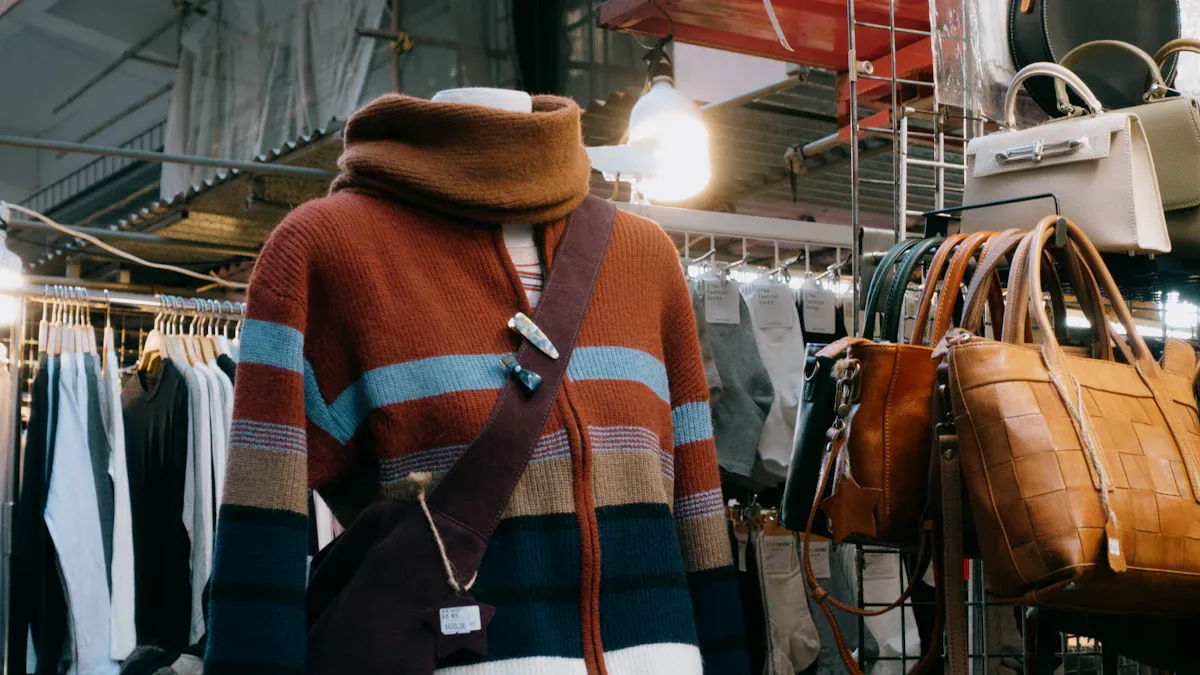
You want every shopper to like your knitwear collection. The trick is to have both classic and trendy pieces. Core products like simple sweaters and cardigans are always popular. They help your store have steady sales. Trend styles, like bright colors or cool patterns, bring in people who love new fashion.
Look at how stores split their product mix:
Product Type | Description | Purpose |
|---|---|---|
Core Products | Staple items that define your brand and maintain consistent demand. | Generate most of your revenue and keep your business strong. |
Seasonal Products | High-demand items for special times or events. | Bring excitement and engage shoppers with new trends each season. |
Most stores use a mix like this: 60% Timeless Staples are your top sellers that never get old. 40% Trend-Driven Items are special designs that grab attention and make people buy quickly.
When you pick your assortment, think about what your shoppers want. A good mix gives them both the basics and the newest styles. This keeps them coming back for more.
Plan for Seasonality and Category Mix
Knitwear sales go up and down with the seasons. You need to plan so you don’t miss busy times. Start by checking last year’s sales and what’s trending now. Use a buying calendar to plan when to order for big sales or new launches. This helps you get ready before everyone wants knitwear.
Here are some smart ways to plan your mix:
Strategy | Description |
|---|---|
Trend Forecasting and Line Planning | Watch market signals and past sales to predict what will be hot. |
Pre-Season Demand Planning | Use old data to forecast sales and set inventory levels for top styles. |
Merchandise Buying Calendar | Schedule your buying around delivery dates and sales events. |
Allocation and Channel Strategy | Send the right products to the right locations based on demand. |
In-Season Replenishment Strategy | Track sales and reorder bestsellers during the season. |
End-of-Season Exit Strategy | Plan markdowns and promotions to clear out old stock. |
Inventory Performance Review Loop | Review sales after the season to improve next year’s buying. |
Tip: Always check your inventory after each season. You will see what sold well and what did not. This helps you make better choices next time.
Set a Re-Stocking Budget
You want full shelves, but you must watch your money. Setting a re-stocking budget helps you make a profit and not waste cash on slow sellers. Start by listing all your costs, like materials, labor, and bills. Remember to add wholesale prices if you buy in bulk.
Here’s a simple checklist for your knitwear budget:
Add up yarn and supplies for each style.
Count your time and skill when pricing handmade items.
Include business costs like tools and utilities.
Give a lower price for bulk orders, but still make a profit.
Always add a margin so your business stays strong.
If you follow your budget, you can try new styles and react to trends. You will also avoid too much stock and keep your cash flow healthy.
Adjust for Price Points
You want your knitwear to appeal to every shopper who walks into your store. Some people look for a bargain. Others want a luxury piece that feels special. When you adjust for price points, you make sure everyone finds something they love—and can afford.
Start by looking at your current knitwear selection. Do you only offer high-end sweaters? Maybe you have mostly budget-friendly options. A good mix of price points helps you reach more customers and boost your sales.
Here’s a simple way to break down your assortment:
Price Range | Example Products | Customer Type |
|---|---|---|
Entry-Level | Basic pullovers, scarves | Budget shoppers |
Mid-Range | Patterned cardigans, vests | Everyday buyers |
Premium | Designer knits, cashmere | Gift or luxury buyers |
You can use this table to check if you have enough choices in each range. If you see gaps, plan your next order to fill them.
Tip: Ask your customers what they want to spend. A quick survey or a chat at checkout can give you clues about the right price mix.
When you set your prices, think about the value each item brings. A simple cotton sweater might sell best at a lower price. A hand-knit or branded piece can command more. You don’t have to guess. Look at your sales data. Which price points move fastest? Which ones sit on the shelf?
Try these steps to adjust your price points:
Review your sales by price. See which items sell out and which ones linger.
Check your competition. Visit other stores or browse online. Notice what they charge for similar knitwear.
Test new price points. Bring in a few higher-end or budget pieces. Watch how customers react.
Bundle items. Offer a scarf and hat set at a small discount. This can move more product and please bargain hunters.
Highlight value. Use signs or tags to show why a piece costs more. Maybe it’s made from organic yarn or crafted by hand.
You can also use markdowns to adjust your mix. If a premium item isn’t selling, try a small discount. This helps you clear space for new stock and keeps your assortment fresh.
Remember: A wide range of price points makes your store welcoming. Shoppers feel like they have choices, and you get more chances to make a sale.
Keep checking your price mix each season. Trends change, and so do your customers’ budgets. When you adjust for price points, you keep your knitwear section lively and your business growing.
Strengthen Supplier Relationships
Building strong relationships with your knitwear suppliers can make your restocking process smoother and more reliable. When you work well with your suppliers, you get better products, faster deliveries, and fewer surprises. Let’s look at how you can pick the right partners, set clear terms, and keep communication open.
Select Reliable Suppliers
You want to work with suppliers who help your business grow. Picking the right ones takes more than just looking at price tags. Here are the most important things to check:
Supplier Compliance and Certifications: Make sure your suppliers follow international labor laws and ethical standards. Certifications show they care about fair work and safe factories.
Production Capacity and Lead Times: Check if the supplier can handle your order size and deliver on time. You don’t want delays when your shelves run low.
Quality Control and Assurance Measures: Ask about their quality checks. Good suppliers test their knitwear at every step to avoid defects.
Pricing and Cost Negotiations: Look at their prices, but don’t pick the cheapest if it means poor quality. Fair prices often mean better products.
Ethical and Sustainable Sourcing: Choose suppliers who use eco-friendly fabrics and treat workers fairly. This helps your brand stand out and meets what shoppers want today.
Sustainability and ethics matter more than ever. When you choose suppliers who care about the planet and people, you show your customers that your store stands for something good. This can build trust and loyalty.
Negotiate Terms and Lead Times
Once you find a good supplier, talk about the details. Clear terms help you avoid problems later. You want to agree on prices, payment schedules, and delivery times. Ask about their minimum order sizes and how fast they can ship new stock. If you need faster restocks during busy seasons, see if they can speed up production or offer rush shipping.
Try to get everything in writing. A simple contract or order form can protect both you and your supplier. If you order often, ask for better prices or flexible payment plans. Good suppliers want to keep your business, so don’t be afraid to ask for what you need.
Tip: Always plan ahead for holidays or peak seasons. Let your supplier know early if you expect bigger orders.
Communicate for Timely Restocks
Good communication keeps your restocking on track. You need to share updates and solve problems quickly. Here are some ways to keep things running smoothly:
Stay in touch with your supplier and your team.
Share all the details about your orders, like sizes, colors, and delivery dates.
Use technology, like email or inventory apps, to get real-time updates on your shipments.
When everyone knows what’s happening, you avoid mix-ups and delays. If you spot a problem, tell your supplier right away. Quick fixes keep your shelves full and your customers happy.
Keeping your suppliers in the loop helps you get the knitwear you need, right when you need it. Strong relationships mean fewer headaches and more sales for your store.
Leverage Technology for Inventory Management
Use Inventory Management Software
You need to know where every sweater and scarf is. Inventory management software helps you do this. You can check what you have and what you need. You also see which items are selling quickly. Some programs, like Craftybase, are made for knitting stores. They help you keep track of yarn, materials, and finished knitwear. You get updates right away, so you always know your stock.
Here are some features you should look for:
Feature | Description |
|---|---|
Tailored for Knitting Businesses | Craftybase focuses on yarn and knitwear, making it perfect for your store. |
Material Management Capabilities | Track raw materials, work-in-progress, and finished products. |
Real-time Visibility | See your inventory numbers instantly, so you can make fast decisions. |
Free Trial | Try the software for 14 days without using a credit card. |
You can use barcodes, SKUs, or QR codes to help manage your stock. Cloud-based systems let you check your inventory from anywhere. Advanced reports show you trends and help you plan your next order.
Tip: Try a free trial first to see which software works best for your store.
Automate Re-Order Points
You do not want to run out of popular knitwear. You also do not want to order too much. Automation helps you keep the right amount in stock. Automated systems watch your sales and guess what you need. They can reorder items for you or tell you what to buy.
Here is how automation helps:
The system checks sales and guesses demand.
It reorders items or tells you what to order.
You avoid running out and keep shoppers happy.
Automated inventory systems make fewer mistakes than people. You do not have to count by hand or type in numbers. The system updates your records right away. This means your numbers are more correct.
Aspect | Description |
|---|---|
Manual Work Reduction | Automation saves you time by watching inventory for you. |
Real-time Tracking | You see your stock right away, so you do not need to check shelves. |
Error Reduction | No hand counts or typing, so you make fewer mistakes. |
Automated systems use smart rules to reorder when stock gets low. You get new items on time and avoid empty shelves or too much stock.
Integrate POS and Analytics
Your POS system does more than just ring up sales. When you connect it with inventory software and analytics, you get better tools. Every time you sell something, your inventory updates right away. You can see which styles are popular and which need help.
Benefit | Description |
|---|---|
Your stock updates with every sale, so you never get surprised. | |
Improved Customer Service | Staff can check if an item is in stock right away. |
Efficient Inventory Control | Automation cuts mistakes and lets your team do other jobs. |
Data-Driven Decision Making | Reports show what sells best, so you can plan better. |
Cost Reduction and Profit Maximization | You keep just enough stock, save money, and make more profit. |
When you use POS and analytics together, you make better choices. You see what sells, change your orders, and keep your knitwear section fresh. Customers find what they want, and you spend less time worrying about stock.
Avoid Overstock and Stockouts
Monitor Turnover and Sell-Through
You want to keep your knitwear shelves stocked just right. If you watch your turnover and sell-through rates, you can spot problems before they grow. Sell-through rate shows how much knitwear you sell compared to what you buy. This helps you predict what customers want next. When you check sales reports often, you make smarter choices about what to order.
Here’s how you can track these numbers:
Look at your sell-through rate to see which styles move fast.
Check sales reports every week to spot trends.
Use real-time inventory tracking to see what’s selling and what’s sitting.
Connect your POS system with your warehouse updates. This helps you see demand changes quickly.
Set up inventory alerts. These notify you when stock drops below a safe level, so you don’t miss a reorder.
Tip: If you notice a sweater selling out faster than usual, order more right away. This keeps your customers happy and your shelves full.
Adjust Orders with Real-Time Data
You need to react quickly when sales change. Real-time data gives you instant updates on your stock levels. You see what’s selling and what’s not, so you can adjust your orders before you run into trouble. If chunky cardigans start flying off the shelves, you can order more without waiting for a weekly report.
Real-time data helps you avoid both overstock and stockouts. You make decisions based on what’s happening now, not last month. This keeps your inventory balanced and your customers satisfied. You also save money because you don’t buy too much or too little.
When you use real-time data, you stay ahead of trends and keep your knitwear section running smoothly.
Plan Promotions and Clearance
Sometimes you end up with knitwear that doesn’t sell as fast as you hoped. Promotions and clearance events help you move these items and free up space for new styles. You can use different strategies to boost sales and clear out old stock.
Strategy | Purpose |
|---|---|
Clearance sale | Give discounts to sell unsold items fast. |
Product bundling | Group related products together to increase sales. |
Off-season promotions | Advertise items that can be used anytime, even if they were meant for a specific season. |
Try a clearance sale for sweaters that didn’t sell last winter. Bundle a scarf and hat together for a special price. Run off-season promotions to show customers how knitwear works year-round.
Note: Planning these events keeps your inventory fresh and your cash flow strong. You make room for new styles and keep shoppers coming back.
Prepare for Supply Chain Disruptions
You never know when a supply chain problem will hit your store. Maybe a shipment gets stuck at customs. Sometimes your supplier runs out of yarn. Bad weather can slow down deliveries. You want to keep your knitwear shelves full, even when things go wrong. Let’s talk about how you can get ready for these surprises.
First, make a backup plan for your most popular knitwear. If your main supplier has trouble, you need a second option. Find at least one backup supplier for each key item. Keep their contact info handy. Ask them about their lead times and minimum order sizes. This way, you can switch quickly if you need to.
Next, build a small safety stock for your bestsellers. You don’t need to fill your whole stockroom, but a few extra pieces can save you during a delay. Store these items in a spot that’s easy to reach. Check your safety stock every month. Replace anything you sell so you always have a buffer.
Stay in touch with your suppliers. Ask them for updates on orders. If you hear about a delay, you can warn your team and your customers. Good communication helps you react fast. You can also ask your supplier if they have other shipping options. Sometimes, a faster courier or a different route can help.
Use a simple checklist to get ready for supply chain disruptions:
List your top-selling knitwear items.
Find at least one backup supplier for each item.
Keep a small safety stock of bestsellers.
Check your safety stock every month.
Ask suppliers for regular updates.
Set up alerts in your inventory system for low stock.
Make a plan for quick promotions if you need to move extra stock.
Tip: If you know a big storm or holiday is coming, order early. This gives you more time to get your knitwear before demand spikes.
Here’s a quick table to help you organize your backup plans:
Knitwear Item | Main Supplier | Backup Supplier | Safety Stock Level | Lead Time (Days) |
|---|---|---|---|---|
Crewneck Sweater | KnitCo | YarnHouse | 15 | 7 |
Cable Knit Scarf | CozyMakers | ThreadWorks | 10 | 10 |
Trendy Cardigan | UrbanKnits | KnitExpress | 12 | 8 |
Stay flexible. If you see a problem coming, act fast. You might need to change your order size or try a new style. Sometimes, you can offer pre-orders to customers if a shipment is late. This keeps shoppers happy and shows you care.
Supply chain disruptions happen to every store. When you plan ahead, you keep your knitwear section running smoothly. Your customers will notice your store always has what they want—even when things get tough.
Now you know how to restock knitwear the right way. Here are the main things to do:
Look at your sales numbers a lot.
Make good rules for when to order more.
Think about what kinds of knitwear to sell.
Work well with your suppliers.
Give these ideas a try and use the checklist above to help your store run better. Keep learning and making small changes. You will have less empty shelves, happier shoppers, and more sales!
FAQ
How often should you restock knitwear?
You should check your sales and inventory every week. If you see popular styles selling fast, restock right away. Busy seasons may need more frequent orders.
What is a reorder point?
A reorder point tells you when to buy more knitwear. You set this number based on daily sales and delivery time. When stock drops to this level, you place a new order.
How do you avoid overstocking knitwear?
Track your sales and use forecasting tools. Order smaller batches of bestsellers. Run clearance sales for slow movers. This keeps your shelves fresh and your cash flow strong.
What should you look for in a knitwear supplier?
Pick suppliers with fast delivery, good quality, and fair prices. Ask about their certifications and ethical practices. Reliable partners help you avoid delays and keep customers happy.
Can inventory software help small stores?
Yes! Inventory software works for any size store. You get real-time updates, automatic reorder alerts, and easy tracking. Try a free trial to see which system fits your needs.
How do you handle supply chain disruptions?
Stay flexible. Keep backup suppliers and a small safety stock. Communicate with your partners often. Order early before busy seasons or bad weather.
What is the best way to track knitwear styles?
Use SKUs for each style and color. Label shelves clearly. Update your records after every sale. This helps you find items fast and avoid mistakes.