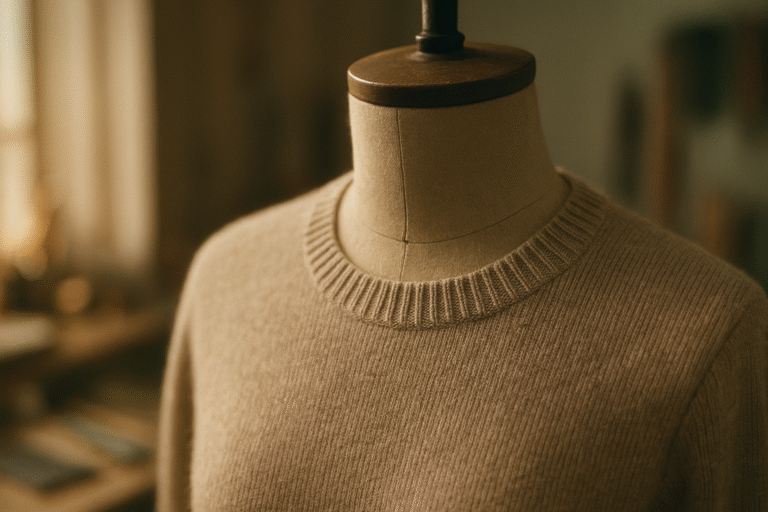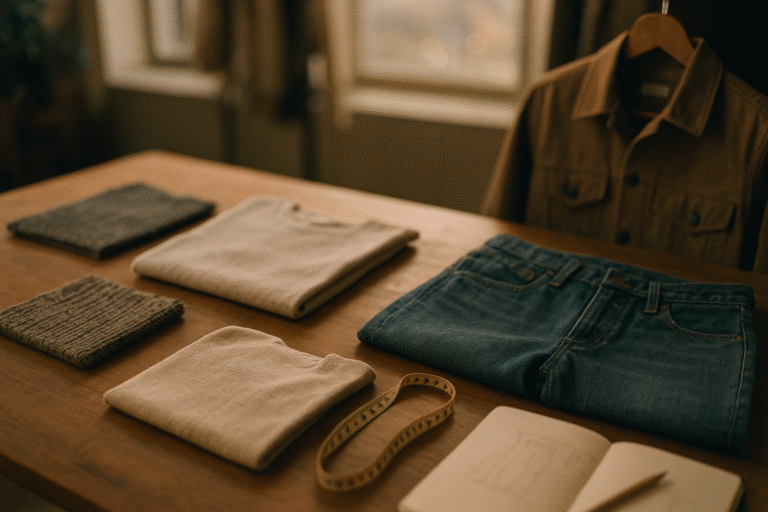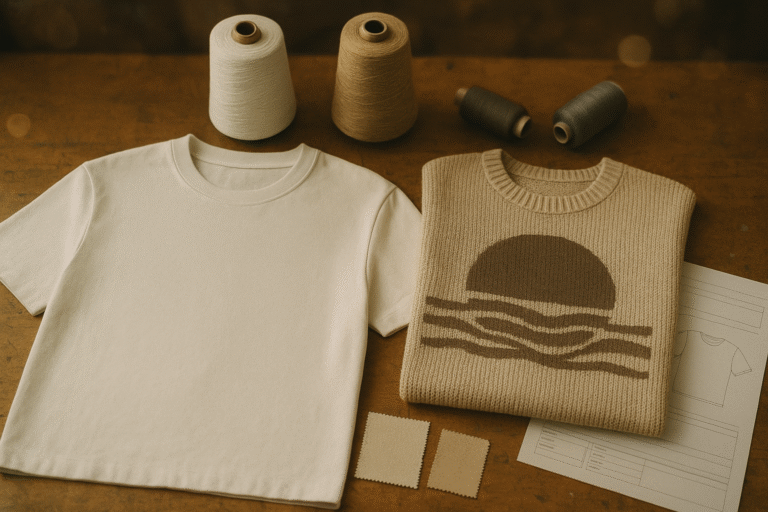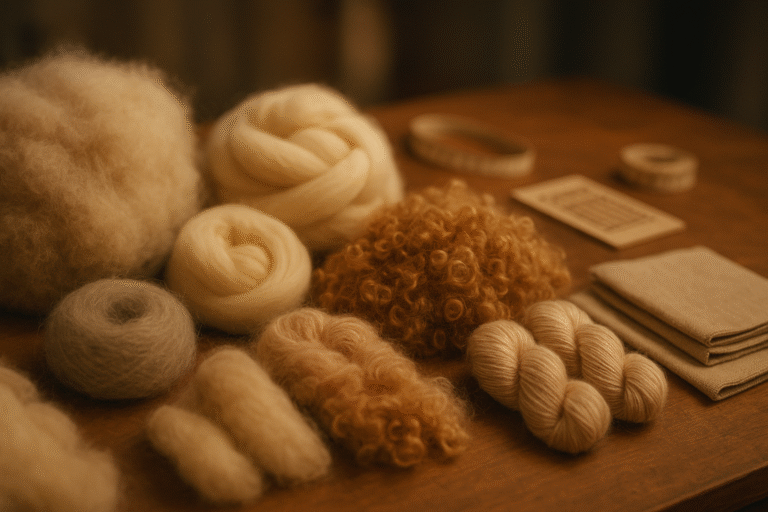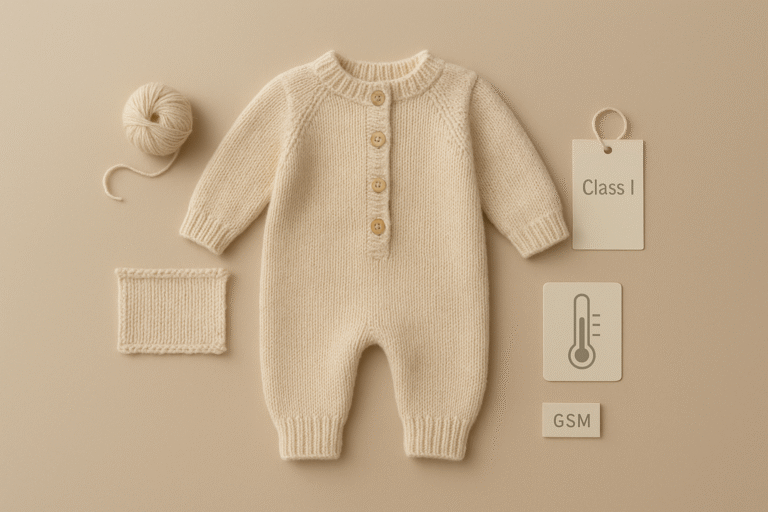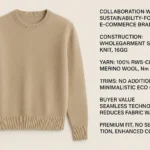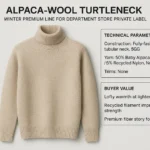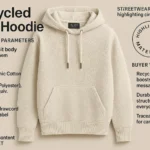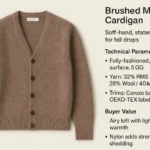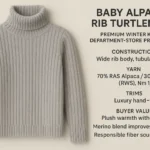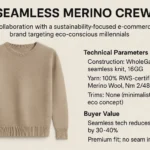


When you ask how are school uniform sweaters manufactured?, you begin to learn about design, materials, and skilled work. Makers pick each fiber and part so your sweater feels soft and stays nice after many washes. Every sweater is designed, then materials are chosen, then it is made, finished, and checked for quality. Each step is important because you need comfort and strong clothes for school.
Key Takeaways
School uniform sweaters are made to be comfortable and strong. They use soft and breathable fabrics.
Patternmaking helps sweaters fit well. It creates sizes that match students’ bodies. This lets students move easily.
Picking the right materials is important. Cotton and polyester blends help sweaters keep their shape and color. They stay nice after many washes.
Yarn quality changes how a sweater feels. Well-spun yarn makes sweaters softer and stronger.
Machine knitting is used for most school sweaters. It gives sweaters the same quality and fit. It also costs less.
Dyeing makes colors bright and helps them last. Sweaters look new for a longer time.
Finishing treatments make sweaters soft. They also stop shrinking and pilling after washing.
Quality control checks every sweater. This makes sure sweaters are comfortable and strong before students get them.
Product Design & Planning
Design Requirements
Comfort & Durability Focus
When you wonder how are school uniform sweaters manufactured?, you start with what schools want. Schools need sweaters that feel nice and last a long time. You want a sweater that is comfy all day, in class or outside. Most schools look for these things:
Soft fabrics that are gentle on your skin.
Flexible materials that move with you.
Breathable fabrics that let air pass through.
Designs that do not stop you from moving.
Sweaters are often made from cotton or polyester blends. These materials help you feel good and move easily. Schools also want sweaters to look neat after many washes. Comfort and durability are important in every step of making sweaters.
Tip: When you try a new uniform sweater, see if you can move your arms and if the fabric feels soft. That means it is well designed.
Patternmaking & Grading
Patternmaking and grading help your sweater fit right. Patternmakers make the shapes for each sweater part. They use sizes that match your body. Grading means making these patterns in many sizes, so everyone finds a good fit.
Research shows ease allowance is very important. Ease allowance is extra space in clothes so you can move. If a sweater is too tight, you will not feel good. If it is too loose, it may not look tidy. Patternmakers also think about what students like. They look at your lifestyle and what makes you feel good.
Schools have rules for how sweaters should look. Here is a table with some common design parts:
Design Element | Description |
|---|---|
Blazers or Cardigans | Often have school emblems, worn in formal or cold weather. |
Polo Shirts | Usually white, light blue, or pastel colors. |
Skirts or Trousers | Plaid skirts or solid trousers are common in many schools. |
Jumpers or Pinafores | Common in primary schools, especially for girls. |
Shorts or Skorts | Used for warm weather uniforms. |
Neckties or Ribbons | Add a formal look and often show school colors. |
Accessories | Hats, belts, and socks are sometimes required for a matching look. |
Manufacturers plan for you by making many sweater styles. You can pick sweaters with or without stripes, and there are up to 16 colors. Some companies let you design your own sweater online, choosing things like pocket color or sleeve stripes. This helps you feel good and happy in your uniform.
Patternmaking, grading, and planning make sure sweaters fit well and follow school rules. These steps are the first parts of making a high-quality, comfortable uniform.
Raw Materials Selection
Picking the right materials is very important. It helps make a school uniform sweater comfy and strong. You notice the difference when you wear a sweater with good fibers. Good materials help your sweater keep its shape and color. They also keep it soft, even after many washes. This means you do not have to buy a new sweater often.
Fiber Choices
Cotton, Wool, Synthetics
School sweaters use many types of fibers. Each fiber has its own good points for comfort and strength. Here is a table to help you see the most common choices:
Fabric Type | Comfort Characteristics | Durability Characteristics |
|---|---|---|
Cotton | Soft, breathable, hypoallergenic | Wrinkles easily, may shrink in the wash |
Polyester | Less breathable, not ideal in hot weather | Durable, wrinkle-resistant, fast-drying |
Poly-Cotton Blends | Softer and more breathable than polyester | Stronger and more wrinkle-resistant than cotton |
Twill | Slightly heavier feel | Hard-wearing, wrinkle-resistant |
Wool and Wool Blends | Warm, natural fiber, great drape | Expensive, can be itchy, needs special care |
Gabardine | Limited breathability | Tough, tightly-woven, stylish |
Knit Fabrics | Stretchy, breathable, moisture-wicking | Less formal appearance |
You want a sweater that feels soft and lets air in. Cotton and poly-cotton blends are good for this. Polyester makes sweaters strong and helps them dry fast. Wool keeps you warm in winter, but it needs special care.
Australian Wool Benefits
Australian wool is known for being high quality. Sweaters made from it are renewable and can break down in nature. Wool fights germs and dirt, so you do not need to wash it as much. It does not catch fire easily, which is safer. Wool lasts longer than cotton, so you save money and help the earth.
Additional Materials
Labels, Buttons, Zippers, Threads
Sweaters need more than just fabric to be finished. Labels, buttons, zippers, and threads are all important. These parts must be strong and safe for daily use. Using recycled polyester for labels or buttons helps cut down on waste. Organic cotton threads are soft and better for the planet.
Here is a table that shows how different materials change how long your sweater lasts:
Material | Longevity Impact |
|---|---|
Wool | Lasts about 50% longer than cotton, reducing replacement costs and environmental footprint. |
Organic Cotton | Sustainable but generally less durable than wool. |
Recycled Polyester | Helps reduce resource use but varies in durability. |
When companies make sweaters, they use safe and fair ways to get materials. They pick suppliers who treat workers well and care for the earth. This means less waste and safer places to work. You can trust sweaters that show where their materials come from and have special certifications.
Note: Good raw materials make your sweater comfy and strong. They help your uniform last longer and look nice every day.
Yarn Production
When you wear a school uniform sweater, you might not think about how yarn makes a difference in comfort. The yarn production process shapes how your sweater feels and lasts. You can learn a lot by looking at how fibers turn into yarn.
Spinning Process
Techniques & Yarn Quality
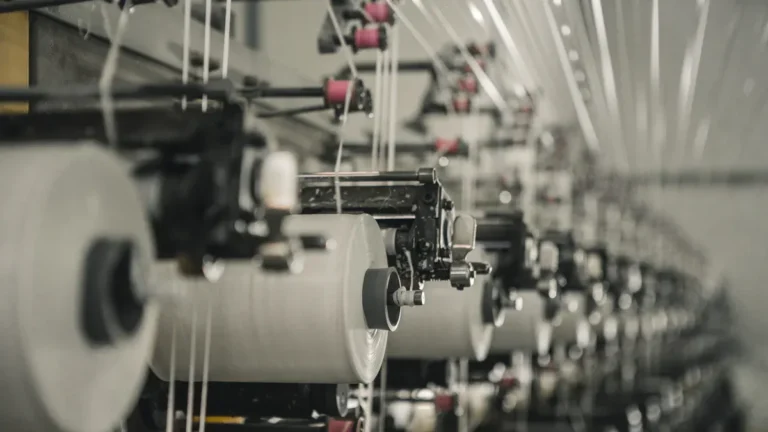
Yarn spinning starts with raw fibers, such as wool or cotton. Workers use several steps to make sure the yarn is strong and soft. Each step in the production process matters for the final garment. Here is a table that shows the main steps and how they affect yarn quality:
Step | Description | Impact on Yarn Quality |
|---|---|---|
Shearing | Removal of fleece in one piece to preserve fiber length. | Ensures longer fibers for stronger yarn. |
Skirting | Removal of dirty and matted sections from fleece. | Cleaner fleece leads to better spinning and yarn quality. |
Scouring | Washing fleece to remove dirt and lanolin. | Prevents felting and maintains fiber integrity. |
Carding | Aligning fibers and removing debris. | Creates uniform fibers for consistent yarn texture. |
Spinning | Twisting fibers together to form yarn. | Determines the final strength and texture of the yarn. |
You see that each step helps make yarn that feels good and lasts longer. Shearing gives you long fibers, which make the yarn stronger. Skirting and scouring clean the fibers, so your sweater does not feel rough or itchy. Carding lines up the fibers, making the yarn smooth. Spinning twists the fibers together, which sets the final texture and strength.
Tip: Sweaters made with well-spun yarn feel softer and do not pill as much. You can check the label to see what kind of yarn was used.
Impact on Sweater Feel
The way yarn is spun changes how your sweater feels on your skin. If the yarn is thick and tightly twisted, your sweater feels sturdy and warm. If the yarn is soft and loosely spun, you get a lighter, more breathable garment. Yarn quality also affects how much your sweater stretches and how well it keeps its shape.
You notice the difference when you wear a sweater made with high-quality yarn. It feels smooth, does not itch, and stays comfortable all day. Good yarn also helps your sweater look new after many washes. The production of yarn is a key part of making sure your uniform sweater gives you lasting comfort.
🧶 Yarn quality is the secret to a sweater that feels great and lasts through every school day.
Knitting Methods
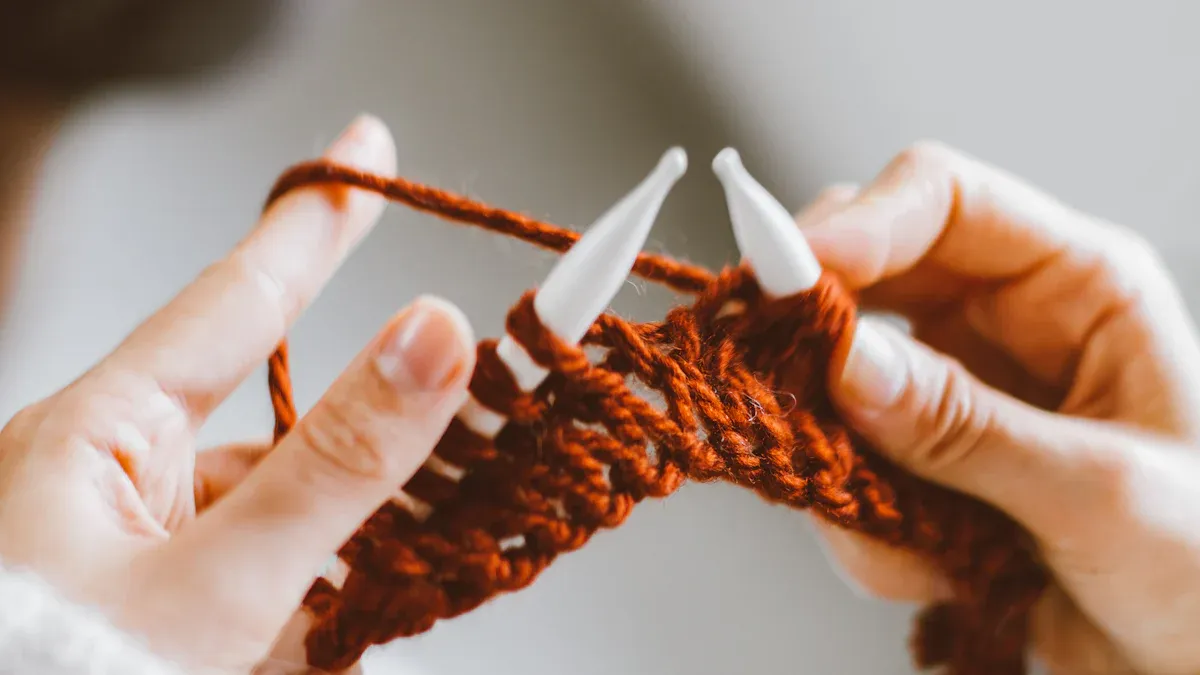
When you look at how school uniform sweaters are made, you see that knitting plays a big role in comfort and durability. The way yarn turns into fabric shapes how your sweater feels and lasts. You can learn about two main knitting methods: machine knitting and hand knitting.
Machine vs. Hand Knitting
Machine knitting uses advanced equipment to create sweaters quickly and with consistent quality. You find that most school uniform sweaters come from machine knitting. Machines can make hundreds of sweaters in a day. This method helps keep costs low and sizes accurate. You get a sweater that fits well and looks neat.
Hand knitting takes more time and skill. A person uses needles to knit each sweater by hand. You might see hand-knitted sweaters in small schools or special orders. Hand knitting gives you a unique garment with a personal touch. The stitches may look different, and the sweater can feel softer. You notice that hand-knitted sweaters often have more stretch and warmth.
Here is a table to help you compare the two methods:
Knitting Method | Speed | Consistency | Comfort Level | Cost |
|---|---|---|---|---|
Machine Knitting | Fast | High | Good | Lower |
Hand Knitting | Slow | Variable | Excellent | Higher |
Tip: If you want a sweater that matches every other student’s, machine knitting is best. If you want a special sweater, hand knitting might be for you.
Knit Patterns
The pattern used in knitting changes how your sweater feels and works. You see many types of knit patterns in the production process. Each pattern gives you different benefits.
Breathability & Stretch
Some knit patterns let air move through the fabric. You feel cooler and more comfortable during warm days. Ribbed and mesh patterns help your sweater stretch. You can move your arms and body easily. These patterns make the garment flexible and easy to wear.
Rib knit: Stretches well and fits snugly.
Mesh knit: Allows air to pass through, keeping you cool.
Jersey knit: Soft and smooth, good for everyday comfort.
Sweaters with breathable patterns help you stay fresh during long school hours.
Durability
Durable knit patterns help your sweater last longer. You want a sweater that does not tear or lose shape. Tight knit patterns, like cable or double-knit, make the fabric strong. You notice that these patterns resist pilling and wear.
Cable knit: Thick and sturdy, holds up to daily use.
Double-knit: Extra layers for strength and warmth.
Interlock knit: Prevents stretching out and keeps its shape.
You see that the right knit pattern makes your sweater tough and comfortable. Manufacturers choose patterns based on school needs and student activities. The knitting method and pattern work together to create a sweater that feels good and lasts all year.
When you pick a school sweater, check the knit pattern. It can make a big difference in comfort and durability.
Dyeing & Finishing
Dyeing Process
When you look at a school uniform sweater, you notice the bright and even color. The dyeing process gives your sweater its color and helps it stay that way. You want your sweater to look good after many washes and days in the sun. The best dyeing methods make sure the color does not fade or bleed.
Dyeing methods like vat, reactive, and dispersed dyeing work by forming a chemical bond between the dye and the fabric fibers. This bond makes the color last longer. You see these methods used in the production of most school uniform sweaters. Reactive and vat dyeing work especially well for cotton fabrics. They help your sweater resist fading, even if you wash it often or wear it outside a lot.
Note: Sweaters dyed with these methods keep their color better than those made with surface printing, which only puts color on the outside.
Colorfastness
Colorfastness means the color stays strong and does not wash out. You want your garment to look new, even after many laundry cycles. The production process uses special dyes and treatments to lock in color. This helps your sweater keep its school colors bright and sharp.
Here is a quick comparison of dyeing methods:
Dyeing Method | How It Works | Colorfastness Level |
|---|---|---|
Reactive Dyeing | Bonds dye to cotton fibers | High |
Vat Dyeing | Dyes penetrate deep into fibers | High |
Dispersed Dyeing | Used for synthetic fibers | High |
Pigment Printing | Dye sits on fabric surface | Low |
Finishing Treatments
After dyeing, your sweater goes through finishing treatments. These steps make the fabric soft, safe for your skin, and strong enough for daily wear.
Softness & Skin-Friendliness
You want a sweater that feels gentle and smooth. Finishing treatments wash and soften the fabric. This removes any roughness left from earlier steps. Some sweaters get extra treatments to make them hypoallergenic. This means they are less likely to cause itching or rashes.
🧼 Always check if your sweater feels soft before you wear it to school. A good finishing process makes a big difference.
Shrink & Pilling Resistance
Sweaters can shrink or form little balls called pills after washing. You do not want your sweater to get smaller or look old too soon. Finishing treatments help prevent these problems.
Special finishes stabilize the fibers, so your sweater keeps its shape.
Anti-pilling treatments make the surface smoother and tougher.
Some fabric blends, like a 90/10 cotton-polyester mix, resist both shrinking and pilling.
You get a sweater that stays the right size and looks neat, even after many washes. The finishing process helps your uniform last longer and stay comfortable.
Tip: If you want a sweater that lasts, look for one with anti-pilling and shrink-resistant features.
By focusing on dyeing and finishing, manufacturers make sure your school sweater stays bright, soft, and strong. These steps protect your garment and help you feel comfortable every day.
Cut & Sew Assembly
The cut and sew method is the most common way to make school uniform sweaters. You see this method in many factories because it helps create sweaters that fit well and last long. Each step in this part of the production process shapes how your sweater feels and looks.
Cutting & Spreading
You start with large rolls of fabric. Workers spread the fabric out on long tables to make sure it stays flat and smooth. This step is called spreading. If the fabric has wrinkles or folds, the final garment will not look right.
Next, workers mark the fabric with chalk or use computer-guided markers. These marks show where to cut each piece for the sweater. Precision matters here. If you cut the fabric wrong, you cannot fix it. People in the industry say, “Once you cut it, there is no turning back.” You want every piece to match the pattern exactly.
Factories use different cutting methods. Here is a table that shows the main types:
Procedure Type | Description |
|---|---|
Manual Cutting | Workers cut fabric by hand, following instructions and patterns. |
Computerized Cutting | Machines use technology to cut many layers at once with high accuracy. |
Heat Cutting | Uses heat to cut non-woven fabrics, sealing the edges to stop fraying. |
Laser Cutting | Uses a laser for very precise cuts, but costs more. |
Best Practices | Focus on clean edges, precision, and consistency for every piece. |
You want the edges to be clean so the fabric does not fray. Consistency is key. Every layer must match, or the sweater will not fit right. Here are some best practices you see in factories:
Cut each piece with care, following the marker plan.
Keep edges clean to prevent fraying.
Make sure all layers match for a consistent fit.
After cutting, workers bundle the pieces together. Each bundle has all the parts needed for one sweater. This step helps keep the production organized and reduces waste.
Sewing & Construction
Once you have all the cut pieces, you move to sewing and construction. This step brings your sweater to life. Skilled workers use sewing machines to join the pieces. They follow the pattern to make sure every seam lines up.
Seams & Fit
Seams hold the sweater together. You want seams that are strong but not bulky. Workers use tacking and pinning to make sure the sweater fits your body well. They mark seam lines with tailor’s chalk for accuracy. Careful inspection at each stage helps the sweater keep its shape and last longer.
Here is a table that shows how different techniques affect fit and durability:
Technique | Impact on Fit and Durability |
|---|---|
Tacking and pinning | Helps the sweater fit your body for comfort and movement. |
Careful inspection | Keeps the shape and strength of the sweater. |
Alterations | Fixes fit problems so you feel comfortable. |
Marking with tailor’s chalk | Guides sewing for better fitting seams. |
Repinning and alterations | Improves fit in tricky areas like sleeves and necklines. |
You notice that good seams help your sweater last through many washes and busy school days. If the seams are weak, the sweater may fall apart or lose its shape.
Bundling & Waste Reduction
Bundling means grouping all the parts for one sweater together before sewing. This step keeps the process organized and helps workers avoid mistakes. You also see less fabric wasted because workers plan each cut to use as much fabric as possible.
Factories use smart layouts to reduce leftover scraps. They recycle or reuse any extra fabric when possible. This helps the environment and keeps costs down.
🧵 When you wear your school sweater, you benefit from careful planning and skilled work at every step.
The cut and sew assembly is a key part of sweater production. You get a garment that fits well, feels comfortable, and stands up to daily use. Each step, from cutting to sewing, helps make your school uniform sweater strong and reliable.
Uniform Manufacturing Process: Quality Control & Standards
Inspection & Testing
Durability & Comfort Checks
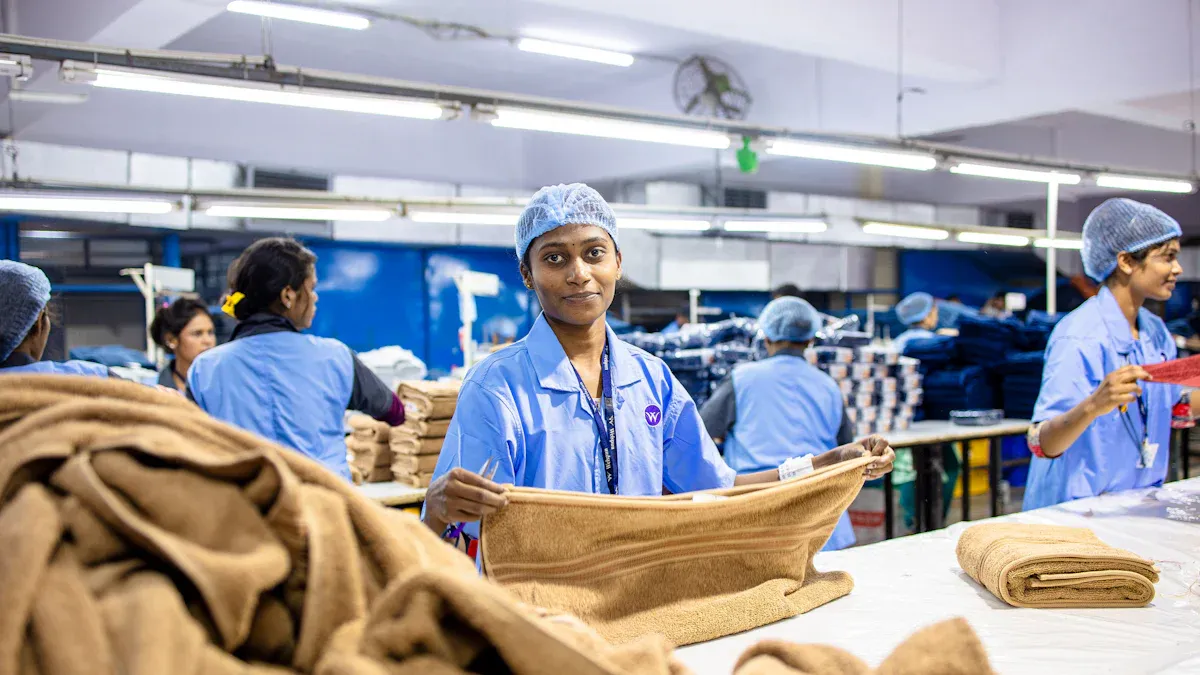
You want your school sweater to last a long time. Factories check every sweater before it leaves. They use many tests to make sure sweaters are strong and comfy. These tests help answer how are school uniform sweaters manufactured for comfort.
Here are some main tests used in making sweaters:
Test Type | Purpose |
|---|---|
Physical Tests | Check if the sweater is strong and seams do not break. |
Performance Tests | See how sweaters handle washing, stretching, and rubbing. |
Moisture Management Testing | Make sure sweaters keep you dry by moving sweat away. |
Air Permeability Testing | Test if air can move through the fabric for breathability. |
Wicking Performance Testing | Measure how sweat moves from inside to outside for drying. |
Heat Regulation Testing | Check if sweaters help your body stay cool or warm. |
Each test checks if the sweater feels good and stays strong. Physical tests look for weak seams. Performance tests show if the sweater lasts after washing. Moisture and air tests help you stay cool and dry. Wicking and heat tests check if the sweater keeps you comfortable.
🧪 Tip: If your sweater passes these tests, it will last and feel good every day.
Compliance with School Requirements
Your uniform must follow your school’s rules. Factories use steps to make sure every sweater matches these rules. When you ask how are school uniform sweaters manufactured, you learn about these checks.
Factories use quality control standards like these:
ISO Certification helps factories keep quality high.
ASTM International Standards check fabric strength and color.
ANSI/ISEA Standards make sure uniforms protect you if needed.
AATCC Test Methods check how well the fabric handles moisture and wear.
Client Specifications let schools pick colors, logos, or special features.
Factories do not just make sweaters. They also check every detail to match what your school wants. If your school has a logo or color, every sweater looks the same. This keeps your uniform neat and helps you feel proud to wear it.
✅ Note: When you wear your school sweater, you know it passed many tests and follows all school rules.
Factories use careful checks and strict rules. This makes sure your sweater is comfy, strong, and right for your school.
Sweater Production: Packaging & Distribution
Packaging for Protection
After making your school sweater, it is ready to ship. You want your sweater to arrive looking perfect. Factories use different ways to keep sweaters safe while shipping. Custom apparel boxes are strong and protect sweaters well. They also make opening your sweater feel special. For small orders, bubble mailers add soft padding. This helps stop bumps from hurting your sweater.
Eco-friendly packaging is getting more common. Compostable mailer bags use plant materials to keep sweaters clean and dry. Recycled paper mailers and boxes also protect your sweater. These options help the planet by cutting down on waste. You can feel proud that your uniform uses packaging that helps the environment.
Workers fold each sweater neatly before shipping. This keeps the shape nice. They put each sweater in a bag or box. Labels show the size, fabric, care tips, and brand name. Big school orders use barcodes to track sweaters and sort them fast.
Tip: When you get your new sweater, look at the label for care tips. If you follow them, your sweater will last longer.
Here is a table with the main packaging steps:
Step | Description |
|---|---|
Sweaters are folded to keep their form and placed in protective packaging. | |
Labeling | Each garment gets a label with important information for easy identification. |
Delivery to Schools
After packaging, your sweater starts its trip to your school. Reliable delivery workers and planned routes help sweaters arrive safely and on time. Many companies use online stores and apps to manage orders and track shipping. You can order your uniform online and check sizes. Some companies even bring your sweater right to your door.
Schools and parents want uniforms that last and are made fairly. Some companies let you return or fix old sweaters instead of throwing them away. This helps the earth by cutting down on waste.
Here is a table with new trends in distribution:
Aspect | Details |
|---|---|
Eco-consciousness | Durable, ethically produced uniforms reduce waste. |
Technological integration | E-commerce and data analytics improve inventory and delivery. |
Customization | Embroidery and school-specific pages make ordering easier. |
Bundled packages | Summer, winter, and sports kits add value for families. |
You get your uniform sweater faster and easier because of these new systems. Subscription plans and smart computer systems help schools order and reorder sweaters. This means you always have the uniform you need.
Note: Good packaging and smart delivery keep your sweater looking and feeling great from the factory to your classroom.
Every part of making a school uniform is important. Designers plan each detail with care. Workers use strong materials to make the sweater last. Skilled people sew the pieces together so it feels soft. When you wear a good uniform, you get these benefits:
The fabric lets air in and feels soft on your skin.
The fit helps you move and pay attention in class.
Comfortable clothes help you feel sure of yourself and ready to learn.
A well-made uniform helps you feel good and confident every day at school.
FAQ
What makes a school uniform sweater comfortable?
You feel comfortable because manufacturers use soft fibers, smooth seams, and breathable knit patterns. These features help your sweater feel gentle on your skin and allow air to move through the fabric.
How do you wash a school uniform sweater to keep it looking new?
You should wash your sweater in cold water with mild detergent. Avoid bleach. Lay it flat to dry. This helps prevent shrinking and keeps the color bright.
Why do schools choose certain sweater colors?
Schools pick colors to match their identity and create a sense of unity. You wear these colors to show school spirit and follow dress code rules.
Can you recycle old school uniform sweaters?
Yes, you can recycle many sweaters. Some companies offer take-back programs. You help the environment by donating or recycling your old uniform.
What materials last the longest in school sweaters?
Wool and poly-cotton blends last longer than pure cotton. You get more wear from these materials because they resist shrinking and pilling.
How do you know if a sweater fits well?
Check if you can move your arms easily and the sweater sits flat on your shoulders. You should feel comfortable without tightness or bagginess.
Are school uniform sweaters safe for sensitive skin?
Manufacturers use hypoallergenic finishes and soft fibers. You can look for labels that mention skin-friendly treatments if you have sensitive skin.
What should you do if your sweater gets damaged?
You can repair small holes or loose seams with a needle and thread. For bigger problems, ask your school or a tailor for help.