
If you’re wondering where are Old Navy clothes made in 2025, the answer includes countries like Vietnam, Bangladesh, China, Mexico, Nicaragua, Indonesia, India, Sri Lanka, and Guatemala. When asking where are Old Navy clothes made, it’s important to know that Old Navy sources its clothing from factories across Asia and Central America. This global supply chain is a key reason why Old Navy can offer clothes at affordable prices. Here’s how Old Navy’s supply chain stacks up against other brands:
Aspect | Old Navy | Other Brands (e.g., Athleta) |
|---|---|---|
Product Focus | High-volume, value-oriented products | Specialized, technical apparel |
Heavily concentrated in Asia | Diversified sourcing |
Understanding where are Old Navy clothes made can influence your shopping choices and what matters to you as a consumer.
Key Takeaways
Old Navy gets its clothes from many countries like Vietnam, Bangladesh, China, and Mexico. This helps keep prices low. Vietnam and China each make about 20% of Old Navy’s clothes. Vietnam makes basics, and China makes denim. Bangladesh is good at making cheap jeans. Mexico helps Old Navy keep up with fast fashion trends. Old Navy checks the clothes at every step to make sure they are good quality. They use strong quality control rules. Where the clothes are made can change the price and quality. Some countries have lower labor costs, so clothes can be cheaper. Old Navy tries to get clothes in a fair way. But some factories still have problems with worker rights and safety. Shoppers can look at clothing labels to see where their Old Navy items come from. This helps them make smart choices. People can also use online tools like Good On You. These tools help shoppers learn about how brands like Old Navy treat workers and the planet.
Where Are Old Navy Clothes Made
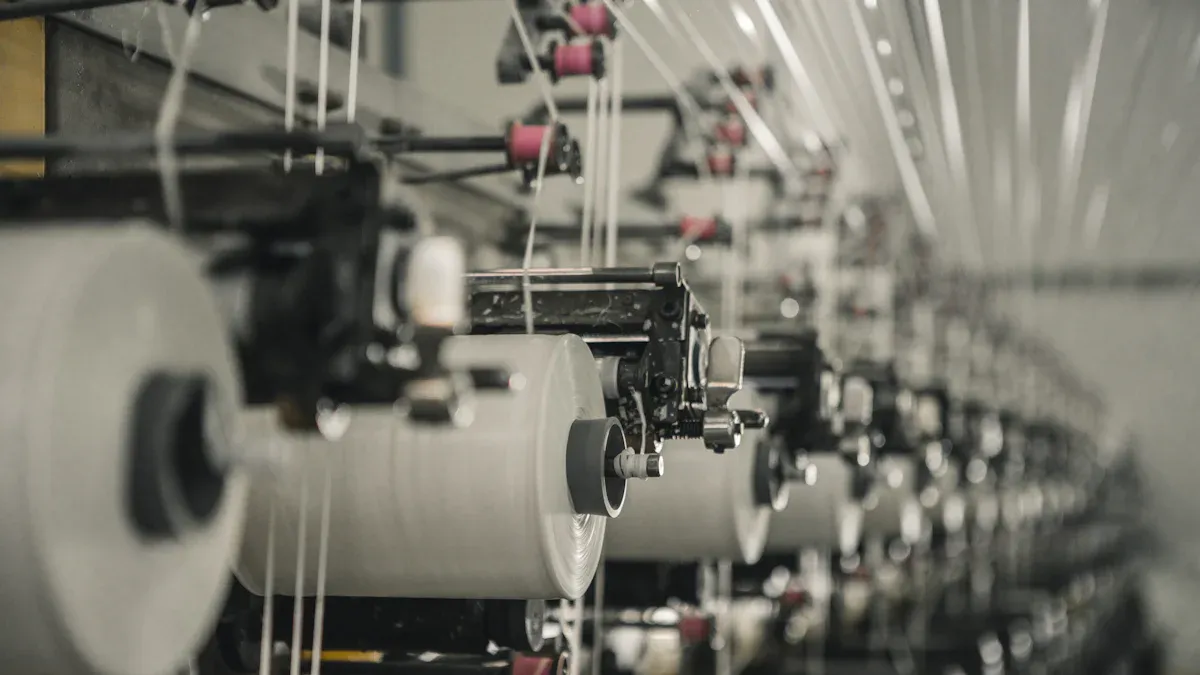
Old Navy makes clothes in many countries in 2025. These countries are in Asia and Central America. Factories in Vietnam, Bangladesh, China, India, Indonesia, Sri Lanka, Mexico, Nicaragua, and Guatemala help make the clothes. Each country does something special for Old Navy. Let’s look at where most clothes are made and what that means for you.
Main Manufacturing Countries
Vietnam
Vietnam is a top country for making Old Navy clothes. About 20% of their clothes come from Vietnam. Factories use cotton and synthetic blends. Many basics like t-shirts and polos are made here. Workers in Vietnam have lots of experience. This helps Old Navy keep prices low and quality good.
Bangladesh
Bangladesh is important for Old Navy clothes. The country has cheap labor and big factories. Old Navy uses Bangladesh for jeans, especially baggy and straight-fit styles. Many affordable jeans and casual clothes are made here. Bangladesh makes lots of clothes, so Old Navy can meet demand.
China
China is a key part of Old Navy’s supply chain. About 20% of their denim comes from China. You see “made in China” on many tags. Factories in China have good technology and low labor costs. Old Navy uses China for fast and quality production. Many new styles and quick items come from China. If you buy jeans or jackets, they might be made in China.
India
India is also important for Old Navy. Factories in India make cotton clothes, dresses, and kids’ wear. They use old and new ways to make clothes. This gives Old Navy many styles and fabrics. India’s workers help Old Navy offer variety and quality.
Indonesia
Indonesia makes basics and special items for Old Navy. Many light shirts and summer clothes come from Indonesia. Factories use both synthetic and natural fibers. Old Navy likes Indonesia for its flexibility. It can handle many types of orders.
Sri Lanka
Sri Lanka is known for careful work and quality checks. Old Navy uses Sri Lanka for items needing extra care. Lingerie and performance wear are made here. You might see “made in Sri Lanka” on sports bras or leggings. Sri Lanka helps Old Navy keep high standards.
Mexico
Mexico makes about 15% of Old Navy’s clothes. Factories focus on trendy and fast styles. If you see a new item, it may be made in Mexico. Mexico’s location helps Old Navy stock stores quickly. Mexico keeps shelves full of the latest looks.
Nicaragua
Nicaragua helps Old Navy with special and quick orders. Factories here work on small batches. You might find limited or seasonal items from Nicaragua. Old Navy uses Nicaragua to keep up with trends.
Guatemala
Guatemala is also a main place for making clothes. Factories make basics and some special items. Old Navy likes Guatemala for skilled workers and small runs.
Tip: To know where are Old Navy clothes made, check your shirt or jeans label. The country is printed near the care instructions.
Country Share Overview
Here’s a simple look at how much each country makes for Old Navy:
Country | Description |
|---|---|
China | Makes about 20% of Old Navy’s denim, with low labor costs. |
Vietnam | Also makes around 20%, with strong supply chains for cotton and blends. |
Bangladesh | Has cheap labor, makes mid-tier denim, especially baggy and straight-fit jeans. |
Mexico | Makes about 15%, focusing on fast styles. |
Nicaragua | Handles special or quick items in small batches. |
USA | Makes small amounts in Los Angeles and North Carolina for premium or limited lines. |
China and Vietnam make the most, each with about 20%. Bangladesh is next, mostly for jeans. Mexico helps Old Navy keep up with fast fashion. Nicaragua and Guatemala help with small, flexible orders.
Recent Shifts in Production
Old Navy changed some of its sourcing last year. You may see more “made in Vietnam” or “made in Bangladesh” labels now. This helps Old Navy save money and deal with supply chain problems. Old Navy still uses China for lots of denim and outerwear. But now, clothes come from more places.
Old Navy saw a 4.8% rise in foot traffic in the second quarter of 2025.
Visits to all Gap Inc. brands went up by 3.6% from last year, while other brands dropped.
These numbers show shoppers still pick Old Navy for value and variety.
Old Navy uses many countries to make clothes for a reason. It helps with cost, speed, and skill. By using factories in Vietnam, Bangladesh, China, and others, Old Navy keeps prices low and quality good. When you see “made in China” or “made in Vietnam,” Old Navy is balancing price and quality.
If you care about where are Old Navy clothes made, look at the labels. The country tells you about your clothes’ journey. Whether your jeans are from China or your t-shirt is from Vietnam, you wear a piece of a global story.
Why Old Navy Chooses These Countries
Cost and Labor Factors
Old Navy sells clothes at low prices. This is because making clothes in Vietnam, Bangladesh, and China costs less. These countries pay workers much less than the U.S. or Europe. In Bangladesh, workers get about $95 to $110 each month. In Vietnam, workers earn $145 to $165 a month. These wages are lower than in Western countries. That helps Old Navy keep prices low for shoppers.
Big factories make Old Navy clothes in these countries. Many people work in these factories. They can make thousands of shirts and jeans every day. Because labor is cheap, Old Navy can have sales all year. If you like deals, you benefit from these choices.
Here are some reasons Old Navy picks these countries:
Factories have good machines and skilled workers.
These countries are close to cotton farms and ports.
Factories can make lots of clothes at once.
Old Navy checks that factories meet their standards.
Manufacturing Expertise
Old Navy wants clothes to look nice and last long. So, they pick countries with strong skills in making clothes. Vietnam has modern factories and skilled workers. China is the top country for making and selling clothes. It uses new technology. Bangladesh is known for making lots of clothes fast and cheap.
Here is what each country does best:
Country | Key Strengths | Challenges |
|---|---|---|
Vietnam | Skilled workers, modern factories, good trade deals, cares about the environment | Can’t always handle as many orders as China. |
China | Makes the most clothes, uses new machines, big supply chain, many styles | Wages are going up, trade problems, more rivals. |
Bangladesh | Makes lots of clothes for less money, many workers, cheap sewing | Worker rights issues, safety problems, some factory troubles. |
These countries have the right skills and speed. Old Navy can get new styles and basics made fast. That’s why you see new clothes in stores often.
Supply Chain Logistics
Getting clothes to stores takes good planning. Old Navy’s supply chain helps bring new styles each season. Bangladesh, Vietnam, and China have factories near cotton farms and big ports. This makes shipping faster and cheaper.
Factories work quickly in these places. In Cambodia, it takes about 11 to 15 minutes to make jeans. Workers there earn about $70 a month. This keeps costs low. When clothes are ready, Old Navy ships them by sea, air, or truck. Shipping by truck costs about $2.02 for each mile. This smart plan helps Old Navy fill stores fast and keep prices low.
If you want to know where your clothes come from, learning about Old Navy’s supply chain helps. You get cool, affordable clothes because of these choices.
Tip: When you shop, look at the label. You’ll see how Old Navy’s supply chain links you to workers around the world.
Regulatory Compliance
You may wonder how Old Navy makes sure its clothes follow the rules. Regulatory compliance means Old Navy checks if factories follow laws and standards. This helps keep workers safe and makes sure products are safe for you.
Old Navy works with many countries. Each country has different rules. Some have strict labor laws. Others care more about safety or the environment. Old Navy pays attention to these differences. You get safe clothes because Old Navy checks every step.
Here is how Old Navy handles regulatory compliance:
Factory Audits: Old Navy sends teams to check factories. They look for safe work and fair pay. If a factory breaks rules, Old Navy asks for changes.
Certifications: Old Navy likes factories with certifications. These show the factory meets global standards. You might see tags like “WRAP” or “OEKO-TEX.” These mean the clothes are made in safe places.
Product Safety: Old Navy tests clothes for bad chemicals. You can trust your jeans or shirts are safe. Old Navy follows rules from the U.S., Europe, and other places.
Environmental Rules: Old Navy checks if factories follow local environmental laws. They want factories to use less water and energy. Old Navy also wants safe ways to handle waste.
Note: Old Navy does not use factories that break big rules. If a factory fails an audit, Old Navy stops using it until things get better.
You might notice changes in where Old Navy makes clothes. Sometimes, a country changes its laws. Old Navy moves production to places with better compliance. This helps avoid problems and keeps your clothes safe.
Old Navy listens to groups that care about workers and the environment. They join programs that push for better standards. You get clothes that meet these standards because Old Navy wants to do the right thing.
Here is a quick look at what Old Navy checks for:
Area | What Old Navy Looks For |
|---|---|
Labor | Fair pay, safe work, no child labor |
Safety | Clean factories, safe chemicals |
Environment | Less water, less energy, safe waste |
Laws | Local and global rules followed |
You can feel good about buying Old Navy clothes. The company works hard to follow the rules and keep you safe. Next time you shop, remember Old Navy checks every detail so you get quality clothes.
Old Navy Clothing Quality and Standards
Quality Control Measures
You want your old navy clothes to last. Old Navy knows this, so they check every step of making clothes. Workers look for loose threads, weak seams, and color problems. If something looks wrong, they fix it before you see it in stores. Old Navy uses special machines to test fabric strength. You get shirts and jeans that hold up after many washes.
Here’s how old navy keeps quality high:
Inspect clothes at every stage
Use machines to test fabric and seams
Train workers to spot problems fast
Tip: If you ever find a problem with old navy clothes, you can return them. Old Navy stands behind their products.
Consistency Across Countries
You might wonder if old navy clothes from Vietnam feel different than ones from Mexico. Old Navy wants you to get the same quality no matter where your clothes come from. They use the same rules and checks in every factory. Old Navy sends teams to visit factories in China, Bangladesh, and other places. These teams teach workers how to make clothes the old navy way.
Factories follow a checklist. This list covers stitching, fabric, and even how tags look. Old Navy uses this checklist everywhere. You get jeans and shirts that look and feel the same, whether they come from Indonesia or Guatemala.
Here’s a quick look at how old navy keeps things consistent:
Country | Training | Final Inspection | |
|---|---|---|---|
Vietnam | Yes | Yes | Yes |
China | Yes | Yes | Yes |
Mexico | Yes | Yes | Yes |
Bangladesh | Yes | Yes | Yes |
Product Testing
Old Navy wants you to trust their clothes. Before old navy clothes reach stores, they go through tough tests. Old Navy checks if colors fade, if buttons stay on, and if zippers work. They wash clothes many times to see if they shrink or lose shape. Old Navy also tests for safety. You get clothes without harmful chemicals.
Here’s what old navy tests for:
Color fading
Shrinking
Button and zipper strength
Chemical safety
Note: Old Navy uses outside labs for some tests. This helps make sure old navy clothes meet high standards.
You can feel good about buying old navy clothes. Old Navy works hard to give you quality, no matter where your clothes are made.
Ethical Sourcing and Sustainability in Old Navy Clothes

Labor Practices
You might wonder how Old Navy treats its workers. Old Navy says it cares about fair labor. But some factories in their supply chain have problems. For example, Old Navy has used companies in Bangladesh. These companies do not always follow worker rights rules. Sometimes, you may hear news about unsafe places or low pay. Old Navy says it checks factories and tries to make them safer. But you do not get to see most of their reports. If you care about worker rights, look for updates. You can also pick brands that share more details.
Workers in Old Navy factories make clothes in big groups. Some factories are safe, but others need to get better. You can help by asking questions and learning where your clothes come from.
Environmental Initiatives
Old Navy has started projects to help the planet. You will see changes in stores and on tags. Here are some things Old Navy is doing:
Old Navy wants to stop using plastic bags.
The company plans to make all denim with less water.
By 2025, Old Navy wants 85% of fibers to be more sustainable.
Old Navy has goals to lower greenhouse gas emissions.
You may see Old Navy talk about these goals in stores or online. But some groups say Old Navy needs to do more. The Fashion Transparency Index gave Old Navy a score of 33 out of 100 for climate and nature. This means Old Navy can still improve. You can look for denim with water-saving tags. You can also ask about fiber sources when you shop.
Transparency Efforts
You may want to know how open Old Navy is about its work. Old Navy says it checks factories and tries to keep workers safe. Gap Inc., the parent company, has programs to help workers and share info. But you do not get to see all the reports or every detail. Some people say Old Navy should show more about what they do.
Here’s a quick look at what Old Navy shares:
Area | What You See | What’s Missing |
|---|---|---|
Factory List | Some locations online | Full audit results |
Worker Programs | General info on websites | Details about effectiveness |
Environmental Goals | Updates on denim and bags | Progress reports |
You can ask Old Navy for more details or check the Gap Inc. website. If you want brands to be more open, your questions can help make change.
Where Are Old Navy Jeans Manufactured
You probably own a pair of Old Navy jeans. Have you ever wondered where Old Navy jeans manufactured today come from? The answer might surprise you. Old Navy uses a global network to make its denim. You will find that most Old Navy jeans manufactured in 2025 come from a handful of countries with strong denim industries.
Denim Sourcing Countries
Old Navy picks countries with skilled workers and big factories for its jeans. Here are the main places where you will find Old Navy jeans manufactured:
Vietnam
Bangladesh
Mexico
Nicaragua
You might also see jeans from Indonesia, Cambodia, Pakistan, and India. But the top five countries above make most of the jeans you see in stores.
China
china leads the way for Old Navy jeans manufactured. You will spot many jeans with a “made in china” label. Factories in china use advanced machines and can make lots of jeans quickly. Old Navy trusts china for both classic and trendy denim styles. You get a wide range of fits and washes because china can handle big orders and fast changes. Many stores stock jeans from china because they arrive on time and meet Old Navy’s quality checks.
Vietnam
Vietnam is another big player for Old Navy jeans manufactured. Factories in Vietnam focus on comfort and style. You will find soft denim and relaxed fits from Vietnam. Old Navy likes Vietnam because workers pay attention to detail. Jeans from Vietnam often have neat stitching and smooth zippers. You might notice that some of your favorite jeans come from Vietnam.
Bangladesh
Bangladesh makes a lot of affordable jeans for Old Navy. If you like baggy or straight-fit jeans, there is a good chance they come from Bangladesh. Factories here can make large batches at low cost. Old Navy uses Bangladesh to keep prices low for shoppers. You get value and style when you pick jeans from this country.
Mexico
Mexico helps Old Navy keep up with fast fashion trends. Factories in Mexico can make new styles quickly. If you see a new denim trend in stores, it might come from Mexico. Old Navy uses Mexico for both classic and trendy jeans. You get fresh looks and quick restocks because Mexico is close to the United States.
Nicaragua
Nicaragua handles special orders and small batches for Old Navy. You might find limited-edition jeans or seasonal styles from Nicaragua. Old Navy likes Nicaragua for its flexibility. Factories here can switch styles fast and deliver unique jeans to stores.
Tip: Always check the inside label of your jeans. You can see which country made them. This helps you learn more about your clothes.
Denim Quality and Standards
Old Navy wants you to feel good in your jeans. The company sets high standards for every pair. Factories in china, Vietnam, Bangladesh, Mexico, and Nicaragua follow strict rules. Old Navy checks for strong seams, smooth zippers, and even color. You get jeans that last through many washes.
Old Navy tests denim for comfort and fit. Workers check if the fabric stretches and returns to shape. You will notice that jeans from different countries feel similar. Old Navy uses the same quality checklist everywhere. This means you get the same comfort and style, no matter where your jeans come from.
Here’s a quick look at what Old Navy checks for:
Quality Check | What It Means for You |
|---|---|
Fabric Strength | Jeans do not rip easily |
Color Fastness | Colors stay bright |
Stitching | Seams do not come apart |
Fit Consistency | Same fit in every store |
You can trust that Old Navy jeans manufactured in china or any other country meet these standards. Next time you shop, you know your jeans have passed many tests before reaching you.
How to Identify Old Navy Clothing Origin
You might want to know where your old navy clothes come from. It’s easy to find out if you know what to look for. You can check labels, use online tools, or study batch codes and tags. Each method gives you clues about your shirt, jeans, or jacket.
Reading Labels
The fastest way to spot where your old navy clothes are made is by reading the label. You’ll usually find a “Made in ___” statement inside your shirt or jeans. This tells you the country where the item was produced. You might see Vietnam, Bangladesh, or China listed. These countries make most old navy jeans and basics. The label sits near the care instructions, so you can check it while folding laundry or shopping in the store.
Tip: If you want to learn about your clothes, always check the label first. It’s the most direct clue.
Online Tools
Sometimes you want more details than the label gives. You can use online tools to dig deeper into old navy’s supply chain. These tools help you see how brands work and where they make their clothes.
Good On You app lets you track brand supply chains and see how they rate for ethics.
Fashion Transparency Index scores brands like old navy on how much they share about their factories and sourcing.
SourceMap shows supply chain data for many brands, including old navy.
You can use these tools to compare old navy with other brands. They help you make smart choices if you care about ethics or sustainability.
Batch Codes and Tags
You might notice extra codes or words on your old navy clothing tags. These can tell you more about where and when your clothes were made. Tags with the word “lot” mean the item was part of a big batch on an assembly line. This practice started in the 1970s and changed when production moved overseas. If you see “lot” on a tag, it often points to older production methods.
Tags with “lot” show the item came from a larger run.
These tags help you trace the country of origin by linking the tag to certain production styles.
You can use batch codes to learn about the history of your old navy clothes.
If you want to know more, look for these codes next time you shop or clean out your closet. They add another layer to your understanding of old navy’s global story.
Note: Not every old navy item has a batch code, but if you find one, it’s a fun way to learn about your clothing’s journey.
Now you know how to spot where your old navy clothes come from. You can use labels, online tools, and tags to get the full picture. This helps you shop with confidence and learn more about the story behind your favorite outfits.
What Country of Origin Means for Shoppers
Price and Value
When you shop for old navy clothes, you probably notice the price first. The country of origin can change how much you pay. Clothes made in countries like Bangladesh or Vietnam often cost less. These countries have lower labor costs, so old navy can offer deals and sales. If you see a shirt from China or Indonesia, you might get good value for your money. Old navy uses many countries to keep prices low and choices wide. You get more options for your budget, whether you want basics or trendy styles.
Tip: If you want the best value, check the label for the origin. Sometimes, clothes from certain countries last longer or feel softer.
Ethical Impact
You may care about more than just price. The origin of your old navy clothes can affect workers, animals, and the planet. Some countries have strong worker protections, but others do not. Old navy’s labor rating has dropped, and none of its supply chain is certified for worker health and safety. The brand has not made much progress on paying a living wage. You should know that old navy uses leather, which brings up animal welfare and environmental concerns. There is no clear policy for leather sourcing or sustainable tanners.
Here are some things to think about when you look at the origin of old navy clothes:
Many countries do not guarantee safe working conditions.
Workers may not earn enough to support their families.
Old navy uses leather, but there is no promise of animal-friendly or eco-friendly sources.
If you care about ethics, you can ask questions or look for updates from old navy. Your choices can help push brands to do better.
Making Informed Choices
You have the power to choose what matters most to you. The origin of old navy clothes gives you clues about price, quality, and ethics. You can use resources to learn more about where your clothes come from. Here is a table to help you check the origin of old navy items:
Country | Description |
|---|---|
China | A significant portion of Old Navy’s clothing is produced here. |
Vietnam | Another country where Old Navy sources its apparel. |
Bangladesh | Also a source for Old Navy clothing. |
Indonesia | Contributes to the production of Old Navy apparel. |
Sri Lanka | Part of the manufacturing origins for Old Navy clothing. |
Label Check | Always check the ‘Made In’ tag on garments to determine the specific origin. |
When you shop, read the label for the country of origin. You can use online tools to compare countries and see how old navy stacks up. If you want to support better labor or environmental practices, you can choose clothes from countries with stronger standards. Your choices matter, and you can help shape the future of fashion.
Old Navy makes clothes in lots of countries. Here are the main ones:
Country | Role in Manufacturing |
|---|---|
China | Big part of making clothes |
Bangladesh | Makes many items |
Vietnam | Main supplier |
Indonesia | Important for production |
Sri Lanka | Noted for making clothes |
If you look at the label, you see where it was made. This helps you learn about your clothes. You can pick what matters most to you. You might care about price, the planet, or style. Your choices help you shop in a way that fits your values.
FAQ
Where can I find the country of origin on my clothes?
You can look inside your shirt or jeans for a tag. The tag usually says “Made in” and lists the country. It’s near the care instructions.
Why does Old Navy use so many countries for manufacturing?
Old Navy works with many countries to keep prices low and offer lots of styles. Each country has special skills or lower costs, so you get more choices.
Are Old Navy clothes made in the USA?
Most Old Navy clothes come from other countries. A small number of special items may be made in the USA, but you won’t see this often.
Do all Old Navy jeans come from the same country?
No, Old Navy jeans come from different countries like China, Vietnam, Bangladesh, Mexico, and Nicaragua. You might see different countries on the labels.
How does Old Navy check for quality?
Old Navy uses teams to check clothes at every step. They test fabric, seams, and colors. If something is wrong, they fix it before you buy it.
Can I trust that Old Navy clothes are made ethically?
Old Navy says it checks factories for safety and fair pay. Some places still need to improve. You can ask questions or look for updates if you care about ethics.
What should I do if I want more information about my clothes?
Try using online tools like Good On You or SourceMap. These can help you learn more about where your clothes come from and how they are made.