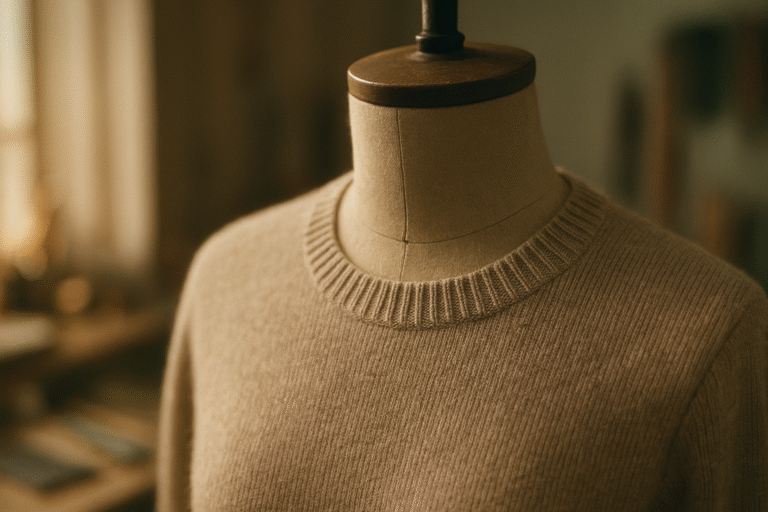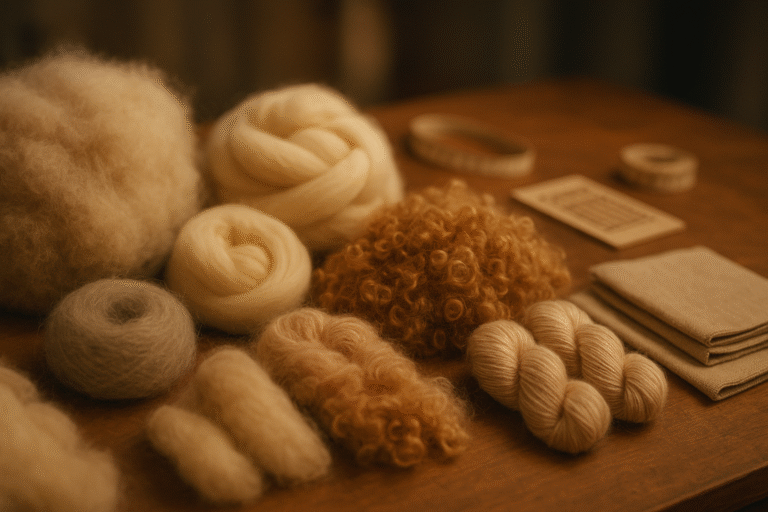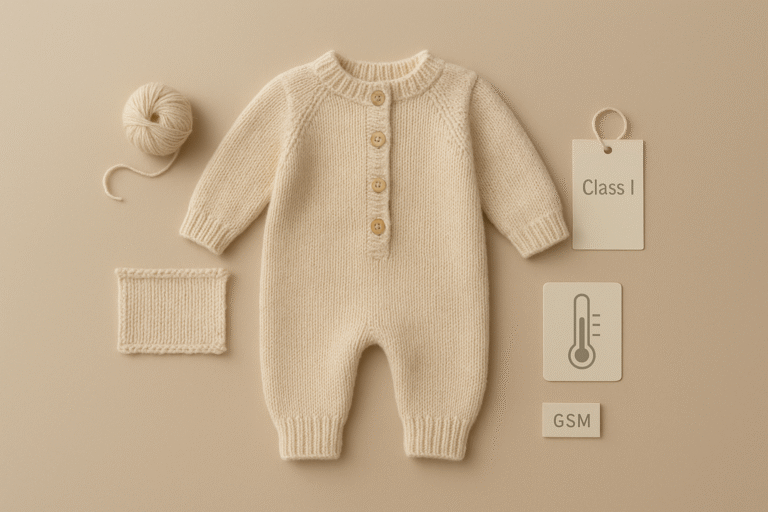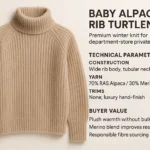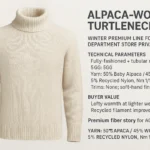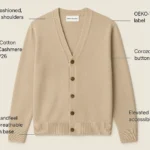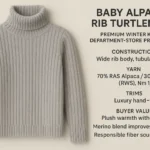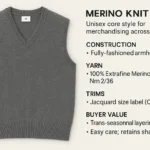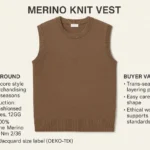

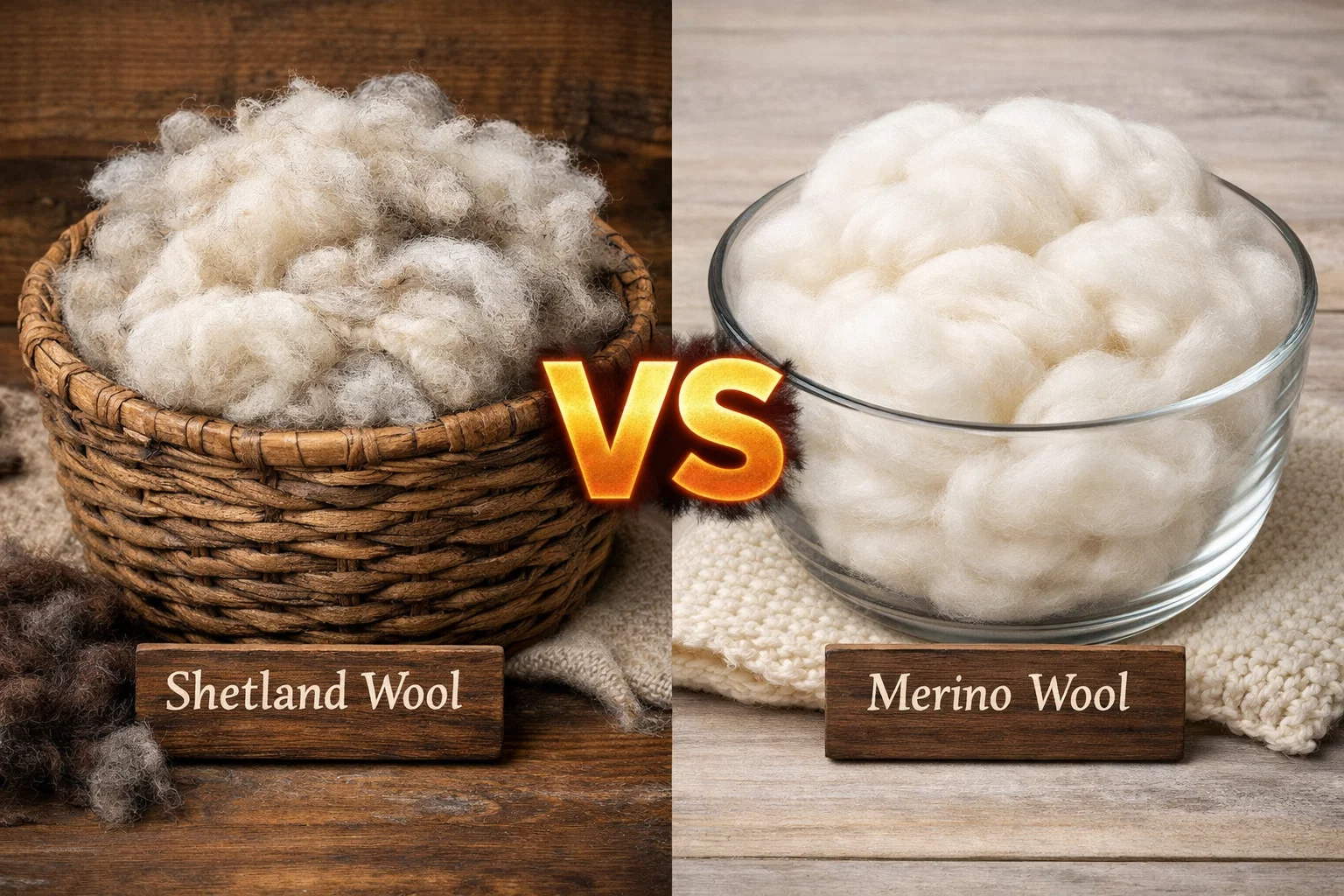
If you want a sweater that feels soft, merino wool is very gentle. Many people pick merino wool for sportswear or fashion. It keeps you warm in winter and feels smooth on your skin. Shetland wool gives you more warmth and has a special texture. It is great for crafting or cold weather. Shetland wool gives you better insulation. Merino wool gives you steady warmth and can be used in many ways. Each type has something special for you in 2026.
Key Takeaways
Shetland wool lasts a long time and keeps you warm. It works well in cold weather and for outdoor fun.
Merino wool feels soft and is very comfy. You can wear it every day or use it for layering.
Pick Shetland wool if you want warmth that lasts and like classic crafts.
Choose Merino wool if your skin is sensitive. It feels gentle and does not make you itch.
Both kinds of wool have special good points. Pick the one that fits what you need for comfort and warmth.
Shetland Wool vs. Merino Wool: Key Differences
Shetland Wool: Tough and Warm
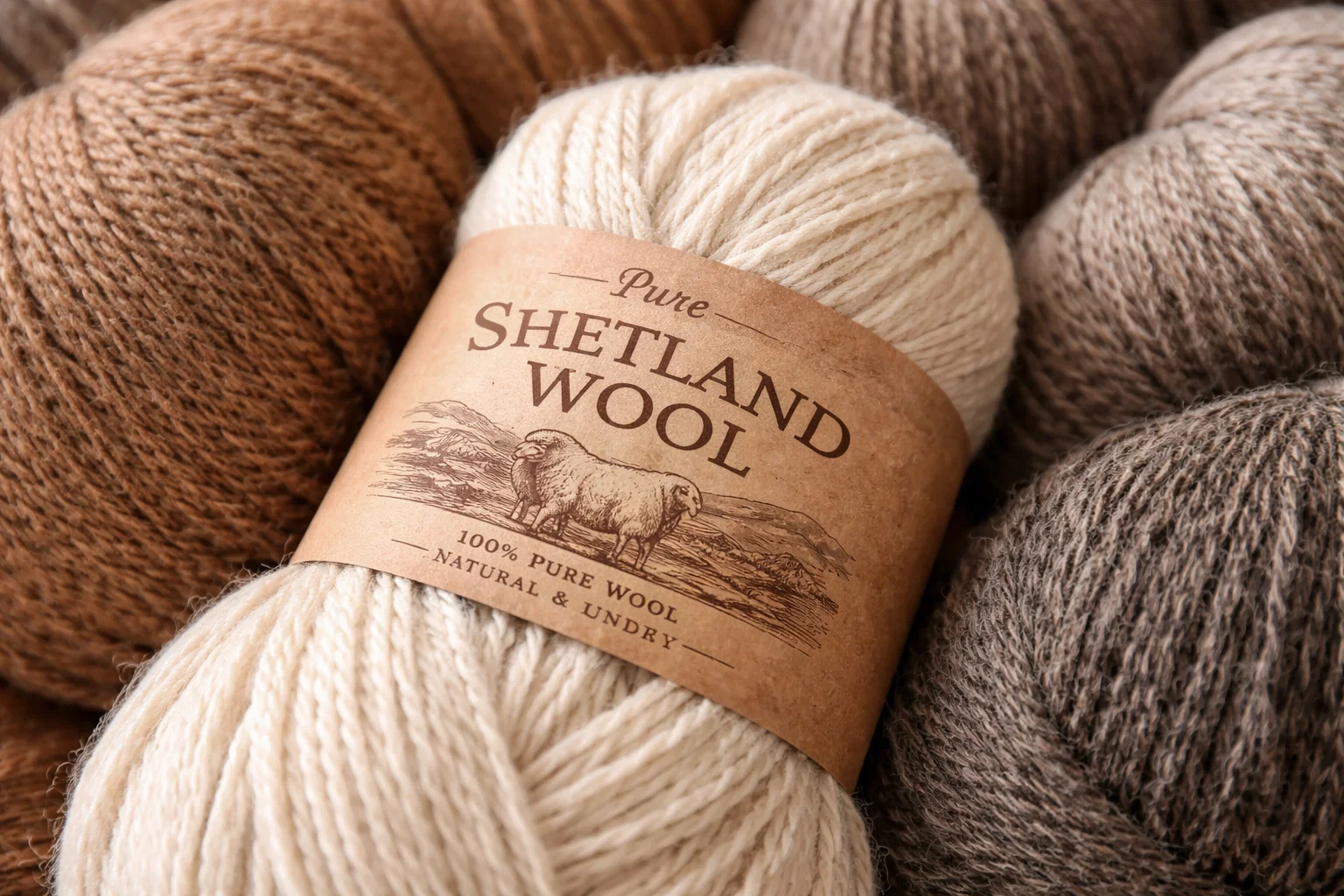
Shetland wool feels strong when you touch it. The sheep live in places with cold weather. The fibers can stretch and go back to their shape. You can find many natural colors in shetland wool. This makes it good for old-style projects. People use it for “Fair Isle” patterns and lace shawls. Clothes made from shetland wool keep you warm in the cold. The texture helps trap heat, especially if you wear layers. Shetland wool lasts a long time. You can use it for crafts or outdoor clothes.
Merino Wool: Soft and Fine
Merino wool is very soft. The fibers are thinner than most other fabrics. You can see this by looking at the micron count. This number shows how thick each fiber is. Merino wool has a micron count between 11.5 and 22.9. This means it does not itch much and feels nice. You can wear merino wool next to your skin. Even babies can wear it. The wool soaks up sweat and does not smell bad. You stay fresh when you wear it. People use merino wool for thermal underwear, socks, hats, and scarves. Every piece feels gentle and keeps you warm.
Quality Comparison
You can look at shetland wool and merino wool by checking their fiber qualities. The table below shows how they are not the same in fineness, fiber length, and uses.
Breed | Fineness (microns) | Fiber Length | Annual Production | Main Characteristics | Recommended Uses |
|---|---|---|---|---|---|
Merino | 11.5 – 22.9 μm | Variable | 3 – 6 kg | Exceptional softness, Thermoregulating, Odor resistant, Moisture absorption | Garments worn close to the body, Thermal underwear, Socks, Hats and scarves, Baby clothes |
Shetland | Variable, finer at neck | Variable | 0.9 – 1.8 kg | Wide variety of natural colors, Fine, downy, and light, Specific elasticity, Authenticity and traditional character | “Fair Isle” multicolored knitting, Fine lace shawls, Warm but lightweight garments, Traditional projects |
Merino wool is softer and more comfy. Shetland wool is stronger and warmer. Both types have special things about them. Pick shetland wool for tough, warm clothes. Pick merino wool for soft, gentle layers.
The Itch Factor: Shetland Wool vs. Merino Wool
Is Shetland Wool Itchy?
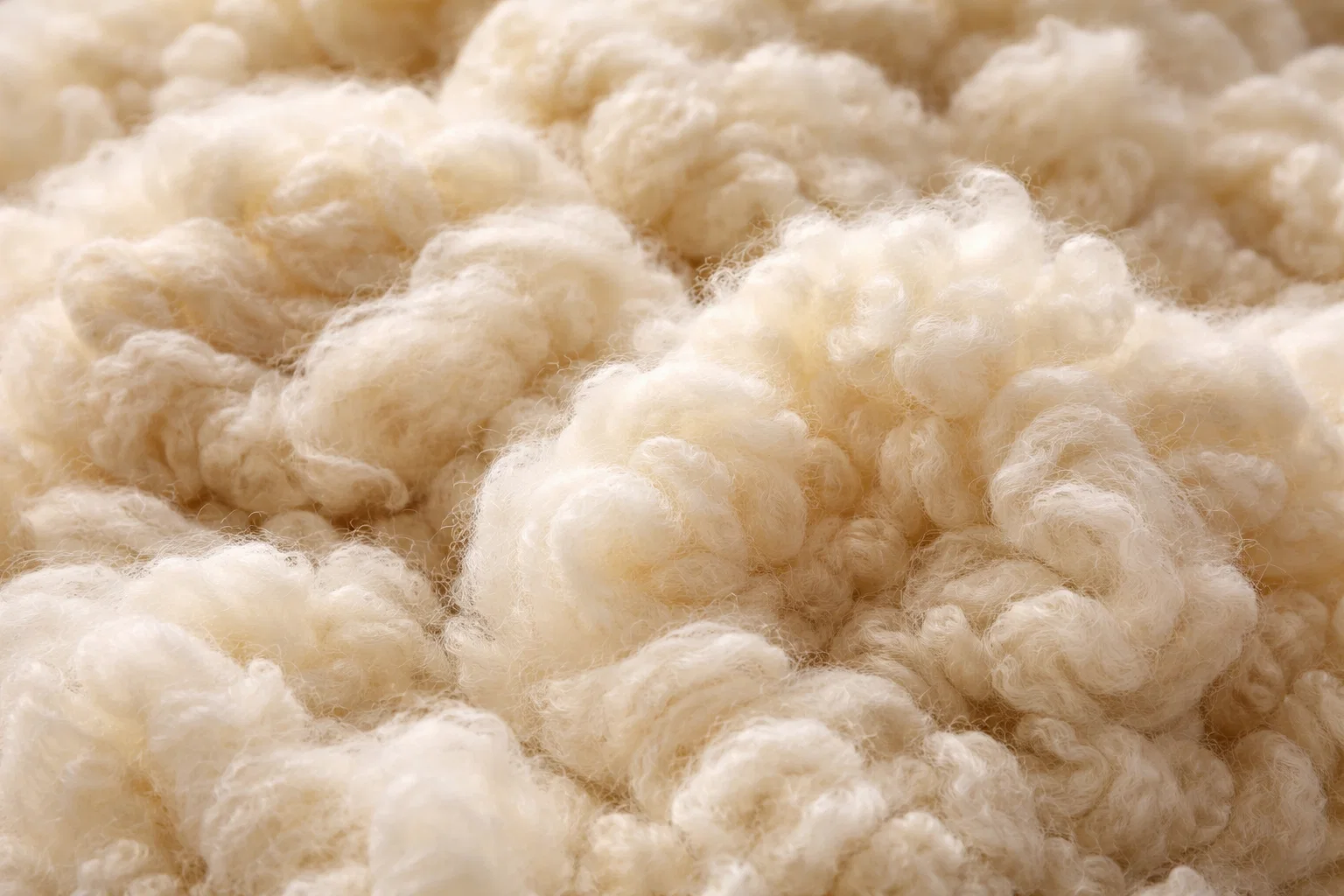
You may wonder if Shetland wool feels itchy. Shetland wool usually has a thickness of 23-25 microns. This is a bit thicker than most Merino wool. Some people find Shetland wool comfortable, while others notice a slight itch. The feeling depends on your skin and the part of the wool used. Some Shetland fibers can be as fine as 10 microns, but others reach up to 30 microns. This range means you might get a soft or a rougher sweater. Many people who react to regular wool say Shetland wool does not bother them. Still, if you have very sensitive skin, you may want to test it first.
Why Merino Wool Feels Softer
Merino wool stands out for its softness. The fibers are usually under 24 microns thick. This fine texture makes Merino wool gentle on your skin. You can wear it right next to your body, even if you have sensitive skin. Some people still feel a little itch, but most find Merino wool smooth and pleasant. The softness comes from the thin fibers, which bend easily and do not poke your skin. If you want a wool that feels good all day, Merino is a safe choice.
Wool Blends and Comfort
You can find many wool blends that improve comfort. For example, mixing wool with cashmere or silk makes the fabric softer and less itchy. Dermatology studies show that fine Merino wool clothing can help people with eczema. These studies found that wearing fine Merino wool reduced skin problems and improved quality of life. Most people in these studies felt less itchiness and more comfort. If you want extra comfort, look for blends with cashmere, alpaca, or silk.
Study Findings | Description |
|---|---|
Improvement in Eczema Symptoms | Fine Merino wool led to less severe eczema symptoms. |
Quality of Life Enhancement | People felt better overall when wearing Merino wool. |
Comfort Perception | Most noticed less itchiness and more comfort with fine Merino wool clothing. |
Most Itchy Wool Types
Some wool types feel itchier than others. Coarse wools, like those from older sheep or certain breeds, can cause more irritation. Even Merino wool can feel itchy if it has thicker fibers or if the quality is low. Sometimes, blends with synthetic fibers or chemical treatments make wool less comfortable. You should always check the quality before you buy. If you have sensitive skin, choose fine Merino or soft blends for the best experience.
Tip: Always read reviews and check the fiber content before buying wool clothing. High-quality, fine fibers give you the best comfort.
Warmth and Durability: Which Wool Performs Better?
Shetland Wool in Cold Weather
You want to stay warm when the temperature drops. Shetland wool gives you excellent warmth because the fibers trap air. This air acts as insulation. You feel cozy even when the wind blows. Many people choose a wool sweater made from shetland wool for outdoor activities. The fibers come from sheep that live in cold places. You get a sweater that keeps you comfortable in winter. Shetland wool works well for thick jackets and heavy layers. You can wear it for hiking or working outside. The warmth lasts for hours, so you do not need extra layers. You notice the toughness of shetland wool when you wear it in rough weather. The fabric resists wear and tear. You can use it for years without losing warmth.
Merino Wool for Layering
You might prefer merino wool if you want softness and flexibility. Merino wool feels light and smooth. You can wear it close to your skin. Many people use merino wool for layering. You put on a thin merino wool sweater under a wool jacket. This helps you control warmth. You can add or remove layers as needed. Merino wool works well for sports and travel. The fabric lets your skin breathe. You stay dry and comfortable. You can use merino wool for base layers in winter. The warmth is gentle, and the softness makes it easy to wear all day. You do not feel bulky when you wear merino wool. You can move freely and stay active.
Tip: If you want to build layers for winter, start with merino wool. Add a shetland wool jacket for extra warmth.
Waterproof Qualities
You may wonder if wool keeps you dry. Both shetland wool and merino wool have natural waterproof qualities. The fibers repel water because they contain lanolin. You can wear a wool jacket in light rain. The water rolls off the surface. You stay dry for a short time. Shetland wool has more lanolin, so it resists moisture better. You get extra protection in wet weather. Merino wool also helps you stay dry, but it works best as an inner layer. You should not rely on wool fabrics for heavy rain. For strong waterproofing, you need a special jacket.
Wool Type | Waterproof Quality | Best Use in Wet Weather |
|---|---|---|
Shetland Wool | High | Outer layers, wool jacket |
Merino Wool | Moderate | Base layers, sweater |
Durability Issues
You want your clothes to last. Shetland wool stands out for durability. The fibers are thick and strong. You can wear a shetland wool sweater for many winters. The fabric resists pilling and stretching. You do not see holes or tears easily. Merino wool feels softer, but it is less durable. The fine fibers can break down faster. You may notice wear after many washes. You need to take care of merino wool fabrics. Use gentle washing and avoid rough surfaces. If you want a jacket that lasts, pick shetland wool. If you want softness and comfort, choose merino wool for layering.
Note: Durability depends on how you use and wash your wool sweater. Always follow care instructions to keep warmth and softness.
Care Guide: Washing Shetland Wool and Merino Wool
Can You Dry Shetland Wool?
You want your shetland wool sweater to last for years. Drying it the right way helps keep its shape and warmth. After washing, lay your garment flat on a clean towel. This method prevents stretching and shrinking. Avoid hanging your wool sweater, because gravity can pull the fibers and change the shape. Keep your sweater away from direct sunlight and heat sources. High heat can damage the fibers and cause fading. If you use a dryer, you risk shrinking and felting the wool. Always choose flat drying for the best results.
Tip: Place your sweater on a dry towel and roll it up gently to remove extra water. Then lay it flat to finish drying.
Merino Wool: Superwash vs. Regular
You may see labels like “superwash” or “regular” on merino wool clothing. Superwash merino wool has a special treatment that makes it easier to care for. You can wash it in a machine without worrying about shrinking or felting. Regular merino wool needs gentle hand washing and careful drying. The table below shows the main differences:
Aspect | Superwash Merino | Untreated Merino |
|---|---|---|
Durability | Enhanced, resistant to felting and shrinkage | Less durable, prone to felting |
Softness | Altered natural feel | Retains authentic softness |
Care | Machine washable, easy maintenance | Requires careful hand washing |
If you want easy care, pick superwash merino. If you prefer the natural feel, choose untreated merino and wash it by hand.
Washing Tips
You can keep your wool clothes looking new by following simple steps. Textile care experts recommend these methods:
Wash wool garments on the wool setting or use cold water for delicates.
Use a neutral, mild detergent made for wool.
Turn your garment inside out before washing.
For hand washing, soak in lukewarm water for ten minutes, then rinse gently.
Dry your wool sweater flat on a towel.
Many people make mistakes when caring for wool. You can avoid problems by following these tips:
Use cold or lukewarm water to prevent shrinking.
Choose a detergent made for wool.
Hand wash or use the delicate cycle, and avoid rubbing or twisting.
Dry flat and keep away from heat or sunlight.
Note: Good care helps your wool clothes stay soft, warm, and beautiful for many seasons.
Buying Guide: Choosing the Best Wool for You
Benefits of Shetland Wool
You may want a wool that works well for outdoor adventures and fashion. Shetland wool gives you durability and warmth, which helps you stay comfortable outside. Many product reviews say this wool feels lightweight but still keeps you warm. You can wear it for hiking, camping, or just walking in cold weather. The fine texture adds comfort, so you do not feel bulky. Shetland wool also looks stylish in sweaters and scarves. You get a fabric that lasts for years and keeps its shape. If you want a classic look with reliable warmth, this wool is a smart choice.
Merino Wool for Base Layers
You need a base layer that keeps you dry and comfortable. Merino wool fibers wick moisture away from your skin, so you do not feel damp. The STERLING™ fabric boosts this effect, making moisture management even better. Merino wool is breathable, which means air moves through the fabric and helps regulate your temperature. The wool layering system lets you add or remove layers as needed. Heavyweight merino wool works well for colder days, while lighter fabrics suit mild weather. You can trust merino wool to keep a stable microclimate next to your skin. This helps you stay comfortable during sports or outdoor activities.
Merino wool absorbs moisture vapor without feeling wet.
The fabric provides thermal comfort and reduces your body’s effort to stay warm.
Wool layers buffer moisture better than other fabrics.
Wool Blends: Pros and Cons
You might see blends that mix wool with other fibers. These blends can improve softness and make the fabric less itchy. Some blends use cashmere or silk for extra comfort. Blended fabrics often cost less and are easier to care for. You may notice that blends do not last as long as pure wool. Some blends pill or lose shape after many washes. If you want the best warmth and durability, pure wool is often better. Blends work well for fashion and light use.
Health and Sustainability
You want fabrics that are safe and good for the planet. Wool is a natural fiber and breaks down easily in the environment. Many brands use eco-friendly methods to process wool. Wool does not trap bacteria, so it stays fresh longer. You can wear wool layers without worrying about skin irritation. Merino wool is gentle and helps people with sensitive skin. Shetland wool also offers comfort and warmth with less impact on nature. Choosing wool supports sustainable farming and healthy living.
Wool for 2026: Trends and Recommendations
Sustainability and Future Needs
Wool production will change a lot by 2026. More people want natural fibers that help the planet. Wool makers now use new ways to protect nature. They make sure their wool is tracked from farm to store. This helps you pick products that fit your values. The wool market gets bigger every year. Millennial shoppers want good quality and clear information. You can look at the table below to see what is new:
Aspect | Details |
|---|---|
Projected CAGR | |
Key Consumer Demographic | Millennial consumers prioritizing quality and transparency |
Influencing Factors | Technology, sustainability, and quality measures |
Market Dynamics | More production and better market opportunities |
Fashion and Outdoor Uses
You have lots of options for wool in clothes and gear. Shetland wool is great for Fair Isle sweaters and jackets. It also works for tweed, blankets, and throws. These items feel light but keep you warm. Many green brands now use shetland wool. Merino wool is good for clothes that breathe and wick away sweat. You can wear merino wool in hot or cold weather. It does not smell bad, so you stay fresh when you travel or play sports. Merino wool breaks down in nature and can be used again, which is good for the earth.
Shetland wool: Fair Isle sweaters, jackets, blankets, tweed, eco-friendly clothes
Merino wool: Sportswear, travel clothes, base layers, all-season comfort
Best Choice for Comfort
You want your clothes to feel good. Merino wool is light and keeps you warm. It fits your body and feels soft. You can wear it for hiking, running, or just relaxing. Many people pick merino wool because it is comfy in every season. More people now want comfort and care about the planet. Merino wool will be even more popular in the future. You can count on merino wool for clothes that work for sports and daily life.
Tip: Pick merino wool if you want comfort, style, and to help the planet in 2026.
You want a wool sweater that fits your needs for winter. Shetland wool gives you strong warmth and stays tough in cold weather. Merino wool offers softness and comfort, making your sweater feel gentle against your skin. If you need a warm layer for outdoor activities, choose Shetland wool. For everyday wear and softness, pick Merino wool. Both types last long and keep you comfortable.
Shetland wool: warm, durable, perfect for cold climates.
Merino wool: softness, comfort, great for daily sweaters.
FAQ
What makes Shetland wool warmer than Merino wool?
Shetland wool traps more air inside its fibers. You get better insulation against cold weather. The thicker fibers help you stay warm during winter activities.
Can you wear Merino wool if you have sensitive skin?
You can wear Merino wool even if your skin feels sensitive. The fine fibers feel soft and gentle. Many people with skin issues choose Merino for comfort.
How do you wash Shetland wool safely?
You should wash Shetland wool by hand using cold water. Lay your sweater flat to dry. This method keeps the shape and prevents shrinking.
Is Merino wool good for sports and travel?
Merino wool works well for sports and travel. The fabric breathes and wicks away sweat. You stay dry and comfortable during activities.
Which wool lasts longer: Shetland or Merino?
Shetland wool lasts longer because the fibers resist wear. You get a sweater that keeps its shape for years. Merino wool feels softer but needs gentle care.