
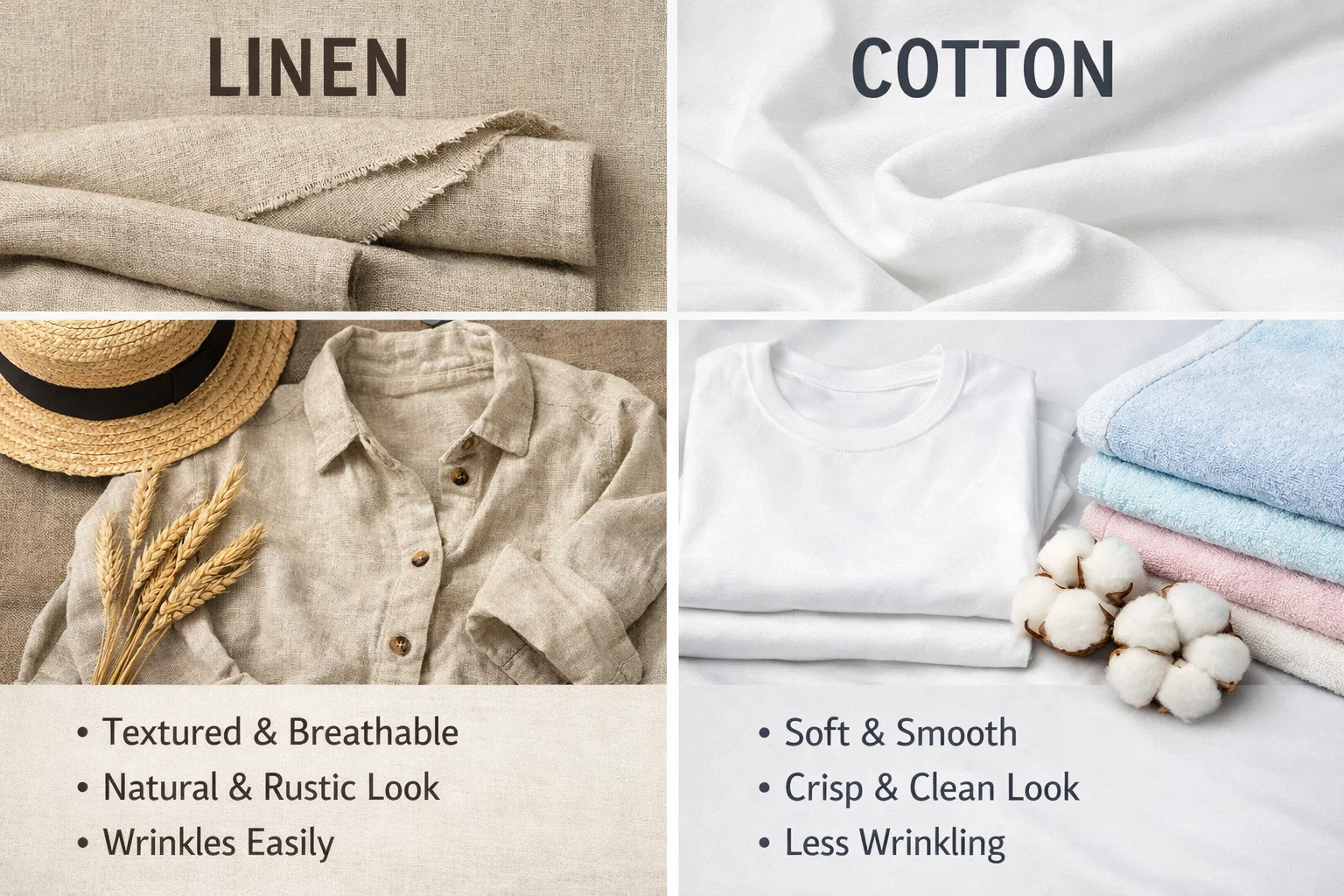
You might wonder which fabric suits you best in the linen vs cotton debate. Linen gives you a crisp texture and stays cool in hot weather. Cotton feels soft and gentle on your skin. Linen resists wear and dries quickly, while cotton offers comfort and flexibility. Linen works well for summer clothes and bedding. Cotton fits many styles and budgets. You should think about your climate, skin type, and how you plan to use each fabric. Your lifestyle helps you decide whether linen or cotton meets your needs.
Key Takeaways
-
Linen is great for hot days because it lets air in. It also pulls sweat away from your skin. This helps you stay cool and dry.
-
Cotton feels soft and comfy right away. You can use it for many things like clothes and bedding.
-
Think about how long the fabric lasts. Linen stays good for a long time and gets better as it gets older. Cotton might not last as long if you wash it a lot.
-
Linen needs more work to keep it nice. Cotton is simple to wash and take care of.
-
Think about what you need and how you live. Pick linen if you want it to last and keep you cool. Pick cotton if you want something cheaper and easy to care for.
Linen vs Cotton Overview
What Is Linen?
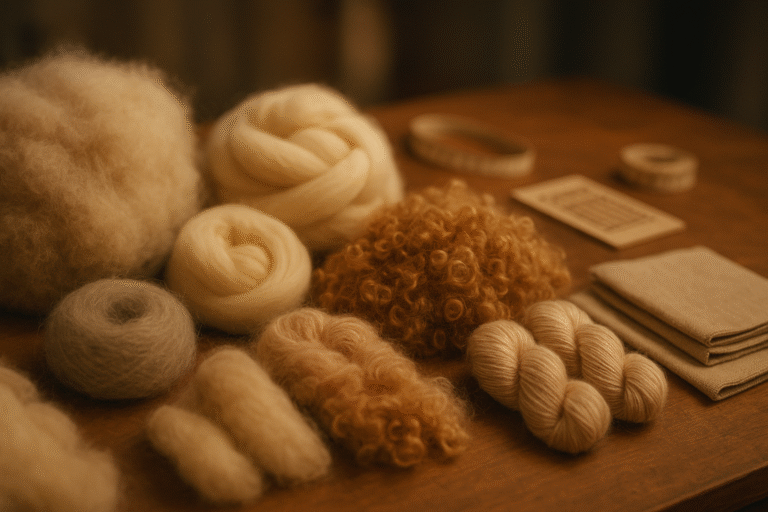
Linen fabric is made from the flax plant. People have used linen for a very long time. Ancient Mesopotamia grew flax first. Ancient Egypt liked linen because it stayed cool in hot weather. Linen became well-known in Ireland. Belfast was called ‘Linenopolis’ in the 18th century. Linen is a natural fabric used for many things.
Linen fibers come from the flax plant’s stalk. Linen fabric feels rough and crisp. The fibers can be as long as 36 inches. This makes linen strong. Linen soaks up water well and dries fast. You can see tiny bumps called slubs on linen. These slubs make linen look special.
Making linen takes a lot of work. There are many steps like retting, breaking, scutching, and hackling. These steps pull the fibers out of the stalk. Linen needs more work than other fabrics. Linen feels cool and fresh, especially in summer.
-
Linen comes from flax plant fibers.
-
Linen has been around for thousands of years.
-
Linen feels crisp and soaks up water.
-
Making linen takes many steps and hard work.
-
Linen has slubs and dries quickly.
What Is Cotton?
Cotton fabric comes from the cotton plant. Cotton grows in warm places all over the world. Cotton is popular because it feels soft and smooth. People use cotton for clothes, bedding, and many things at home. Cotton is a natural fabric that can be used in many ways.
Cotton fibers grow around the seeds of the plant. The fibers are between 0.5 and 2 inches long. Cotton feels gentle on your skin. Cotton fabric looks smooth without bumps. Cotton soaks up water, but not as much as linen. Cotton is flexible and comfortable.
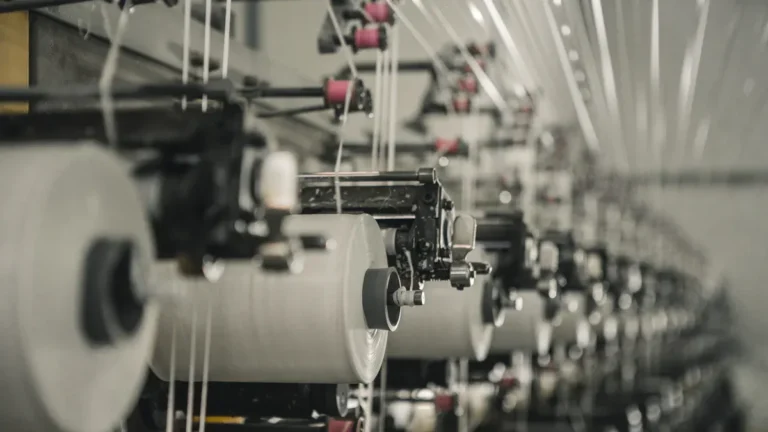
Machines are used to make cotton fabric. The fibers are ginned, carded, and combed before spinning. This is faster and easier than making linen. Cotton costs less and is easy to find. Cotton is a natural fiber that fits many styles and budgets.
|
Property |
Linen (Flax) |
Cotton |
|---|---|---|
|
Source |
Flax stalk |
Cotton seed |
|
Fiber Length |
Up to 36 inches |
0.5–2 inches |
|
Texture |
Coarse, crisp |
Soft, smooth |
|
Absorbency |
Very high |
High |
|
Visual Appearance |
Natural slubs |
Uniform surface |
-
Cotton comes from the cotton plant.
-
Cotton feels soft and smooth.
-
Machines make cotton fabric quickly.
-
Cotton costs less and can be used for many things.
-
Cotton is a natural fiber that soaks up water.
Linen and cotton are both natural fabrics. They are different in how they feel, how they are made, and their history. Linen is strong and cool. Cotton is soft and can be used in many ways.
Key Differences: Linen vs Cotton
Texture & Feel
When you touch linen and cotton, you feel the difference right away. Linen feels rough at first but gets softer after washing. Cotton feels soft and smooth from the start. Linen has a rustic look with bumps you can see. Cotton looks even and smooth. Some people like how linen looks special. Others like how cotton feels nice right away.
|
Fabric |
Texture Description |
Feel Description |
|---|---|---|
|
Linen |
Unique charm, rustic look |
|
|
Cotton |
Smoother and softer from the beginning |
Comfortable to wear immediately |
You can see the style and look are not the same. Linen stands out because of its bumps and crisp feel. Cotton is gentle and smooth, so it is easy to wear for a long time. Linen changes and gets better as you use it. Cotton gives you comfort right away.
Breathability & Comfort
You notice how linen and cotton feel in hot or sticky weather. Linen has hollow fibers that let air move through. This keeps your skin cool and dry. Linen can soak up a lot of water and dries faster than cotton. Linen sheets help you sleep better by keeping you less sweaty at night.
|
Evidence Type |
Description |
|---|---|
|
Breathability |
Linen’s unique hollow flax fibers allow better air flow and moisture management compared to cotton. |
|
Moisture Absorption |
Linen can absorb 20% of its weight in water and releases it 40% faster than cotton. |
|
Temperature Regulation |
Linen sheets can reduce perceived nighttime humidity by 41%, improving sleep quality in humid conditions. |
Linen works best if you live somewhere hot or use it a lot. Cotton lets your skin breathe too, but it does not dry as fast. Cotton blends keep you warm and let you move in cold weather. Linen soaks up sweat and dries quickly, so you stay comfy when it is humid.
|
Fabric Type |
Hot Weather Performance |
Cold Weather Performance |
Moisture Handling |
|---|---|---|---|
|
Linen |
Superior breathability and moisture-wicking, ideal for humid climates |
Provides thermal regulation |
Absorbs sweat quickly and dries faster than cotton |
|
Cotton |
Breathable but less effective at wicking moisture |
Cotton blends provide warmth and flexibility |
Absorbs moisture well but dries slower than linen |
You can tell linen and cotton handle sweat and air differently. Linen keeps you cooler and drier. Cotton is soft and comfy, but it might not keep you as dry when it is very humid.
Durability & Longevity
You want your fabric to last a long time. Linen and cotton are not the same in strength. Linen is strong and does not wear out fast. Cotton is softer but can get thin if you wash it a lot. Linen can last through 100 to 150 washes if you take care of it. Cotton lasts for 150 to 200 washes, which is about one to one and a half years if you use it a lot.
-
Cotton: Lasts 150–200 wash cycles, typically 12–18 months in high-turnover settings.
-
Linen: Endures 100–150 washes with proper care.
Linen does better in tests that check how much rubbing it can take. Linen gets higher scores in Martindale and Taber tests.
|
Fabric Type |
Martindale Cycles |
Taber Cycles |
|---|---|---|
|
Linen |
5500 |
1500-2000 |
|
Cotton |
2500 |
1000 |
Linen is known for being tough and lasting a long time. Linen gets softer and nicer as it gets older. Cotton is soft and lets air in, but it can wrinkle and shrink. Linen wrinkles too, but some people like how it looks.
Care & Maintenance
You need to think about how to take care of your fabric. Linen needs more care to keep it nice. You should wash linen gently and not use strong soap. Linen wrinkles a lot, so you might need to iron it if you want it smooth. Cotton is easier to wash and does not need special care. But cotton can wear out faster if you wash it a lot.
-
Linen requires extra effort to maintain its condition, which can lead to longer-lasting fabric.
-
Cotton may disintegrate over time, especially with frequent washing, indicating a shorter lifespan.
-
Linen requires delicate maintenance and tends to wrinkle easily, needing gentle washing to maintain its quality over time.
-
Cotton is easier to care for and can be machine washed, but it may wear out faster with rigorous washing.
Linen needs more attention, but it lasts longer and feels better over time. Cotton is easy to care for, but it might not last as long if you wash it often.
Cost & Value
You should look at the price and value before you pick linen or cotton. Linen costs more because it takes longer to make and needs more care. Cotton is cheaper and easy to find. In 2024, the average price to import cotton bed linen was $9,124 per ton. The average price to export it was $9,260 per ton. Prices change by country, like $12,313 per ton in Australia and $7,576 per ton in Italy.
-
The average import price for cotton bed linen in 2024 was $9,124 per ton.
-
The average export price for cotton bed linen in 2024 was $9,260 per ton.
-
Prices varied by country, with Australia at $12,313 per ton and Italy at $7,576 per ton.
Linen is known for lasting a long time and staying strong, so it is a good choice if you want something that lasts. Linen gets softer and better as it gets older. Many people think linen is a smart buy for the future. Cotton is soft and lets air in, but it can wrinkle and shrink. Linen is strong and gets better with age, but it wrinkles easily.
Linen costs more at first, but it lasts longer and gets nicer with use. Cotton costs less and can be used in many ways, but it might not last as long.
Tip: If you want a fabric that lasts and improves with age, linen is a smart investment. If you want easy care and lower cost, cotton is a practical choice.
The choice between linen and cotton depends on what you need. Linen is best for hot places and if you use it a lot. Cotton is softer and works for many things. Think about texture, breathability, strength, care, and price before you choose.
Uses & Versatility
Clothing
You see linen and cotton in many types of clothing. Linen works best for summer shirts, dresses, and trousers because it feels light and lets air move through. You notice that linen becomes softer each time you wear and wash it. Cotton feels soft from the start and fits well for everyday wear like T-shirts, jeans, and pajamas. Linen vs cotton for clothing often depends on how long you want your clothes to last. Linen stays strong and comfortable over time, while cotton may thin out faster. You find linen in suits and dresses that need to look crisp. Cotton gives you more choices in colors and patterns.
-
Linen is popular for summer shirts, dresses, and pants.
-
Cotton is used for T-shirts, jeans, and pajamas.
-
Linen lasts longer and gets softer with age.
-
Cotton feels soft right away but may wear out faster.
Bedding
You want comfortable bedding for a good night’s sleep. Linen sheets and duvet covers help you stay cool and dry. Cotton bedding feels cozy and smooth when you first use it. Linen vs cotton for bedding is a common question for people who want the best sleep. Linen bedding lets air flow and absorbs moisture, which helps you sleep better in warm weather. Cotton bedding adapts to different seasons and is easy to wash. You find both linen and cotton in sheets, pillowcases, and blankets.
|
Material |
Pros |
Cons |
|---|---|---|
|
Linen |
Maximum airflow, Highly breathable, Becomes softer over time, Unique texture, Naturally antibacterial, Requires less frequent washing, Durable |
May feel too airy for those who prefer warmth, Initially coarse, Takes time to soften, Wrinkles easily, Requires careful drying |
|
Cotton |
Breathable with more structure, Adapts to different seasons, Soft from the start, Smooth and cozy, Easy to care for, Machine washable |
Less moisture-wicking compared to linen, Can become thin with frequent use, More prone to shrinkage and pilling over time |
You notice that linen bedding may improve sleep quality, especially in warm conditions. Cotton bedding gives you comfort and is easy to care for, but linen bedding lasts longer and needs less washing.
Seasonal & Climate Considerations
You choose linen for warm climates because it absorbs moisture and keeps you dry. Linen works well in summer because it lets heat and sweat escape. Cotton also breathes, but it holds more moisture, which can make you feel sticky in hot weather. Linen helps you stay cool in summer and traps warmth in cooler months. Cotton fits many seasons and works for both summer and winter. You see linen with loose weaves for summer and cotton with tighter weaves for winter.
-
Linen is best for warm climates and summer.
-
Cotton works for all seasons and adapts to different weather.
-
Linen keeps you dry and cool, while cotton may feel damp in heat.
Skin Sensitivity
You want fabrics that feel gentle on your skin. Linen and cotton are both good choices for sensitive skin. Linen uses long fibers that feel smooth and do not cause irritation. Cotton rarely causes skin reactions, but chemicals and dyes used in cotton can lead to problems. Linen bedding is free from lignin, which can bother your skin. European Flax linen is grown without harmful chemicals and tested for allergies. Cotton sometimes uses pesticides and dyes that may cause skin issues. Both linen and cotton let air move, which helps prevent sweating and friction.
-
Linen and cotton are gentle on sensitive skin.
-
Linen is recommended for allergy sufferers.
-
Cotton can cause irritation if treated with chemicals or dyes.
-
Both fabrics help keep your skin cool and dry.
Choosing Linen or Cotton
Decision Factors
You want to pick the best fabric for your needs. There are many things to think about before you choose. Price is important because linen usually costs more than cotton. If you live where it is hot or humid, breathability matters a lot. Linen keeps you cool and dry better than cotton. Cotton feels soft but can hold onto water. Durability is also something to consider. Linen lasts a long time and gets softer as you use it. Cotton might wear out faster, especially if you wash it a lot.
Sustainability is another thing to think about. Linen is better for the environment and lasts longer, so it can save you money in the long run. How your bedding or clothes look and feel is important too. Cotton gives a neat look and feels smooth, which is good for modern styles. Linen has a rougher look and feels more relaxed, which is nice for casual spaces. If you have sensitive skin, absorbency and allergy control matter. Linen helps keep your body cool and dries fast, which is good if you are active. Cotton is gentle but does not dry as quickly.
Tip: Think about your weather, how active you are, and what style you like before you pick linen or cotton.
Key factors to consider:
-
Price
-
Breathability
-
Durability
-
Sustainability
-
Appearance
-
Texture
-
Absorbency
-
Allergy control
Quick Guide
A simple guide can help you pick between linen and cotton. This table shows which fabric is best for different needs:
|
Need/Preference |
Choose Linen |
Choose Cotton |
|---|---|---|
|
Hot, humid climate |
✔ Best for cooling & drying |
Good, but less moisture control |
|
Active lifestyle |
✔ Dries quickly, moisture-wicking |
May retain moisture |
|
Modern, crisp look |
|
✔ Crisp texture, polished |
|
Casual luxury style |
✔ Rustic, relaxed texture |
|
|
Sensitive skin |
✔ Allergy-friendly, breathable |
✔ Gentle, soft |
|
Budget-friendly |
|
✔ Lower cost, easy care |
|
Long-term value |
✔ Lasts longer, sustainable |
May wear out faster |
Linen is best if you live somewhere hot, move around a lot, or want something that lasts. Cotton is a good pick if you want something soft, easy to wash, and not too expensive. The choice between linen and cotton depends on what you need and like. Use this guide to help you decide quickly and easily.
You can spot big differences between linen and cotton. Linen lets air move well and feels tough. It lasts a long time and has a firm texture. Cotton feels softer and comes in many styles. It is easier to wash and take care of. Linen is great for hot places and stays strong for years. Cotton works for lots of things and costs less. Pick the fabric that matches your comfort, style, and where you live.
|
Feature |
Linen |
Cotton |
|---|---|---|
|
Excellent |
Changes with weave |
|
|
Strong, lasts long |
Wears out faster |
|
|
Care |
Needs gentle washing |
Simple to clean |
|
Cost |
Costs more |
Cheaper |
|
Versatility |
Best for hot weather |
Good for many uses |
Checklist for choosing:
-
Do you want fabric that lasts long?
-
Is it important for air to move through?
-
Do you want something easy to wash?
-
Is saving money important to you?
-
Do you care about the environment?
Think about your daily life and what you need. This helps you pick the best fabric for you.
FAQ
What makes linen different from cotton?
You notice linen feels crisp and has a textured look. Cotton feels soft and smooth. Linen dries quickly and lasts a long time. Cotton gives you comfort and fits many styles. Linen works best in hot weather. Cotton adapts to many uses.
Can you use linen and cotton for all seasons?
You can use linen in summer because it keeps you cool. Cotton works for every season. Linen helps you stay dry when it is humid. Cotton keeps you warm in winter. Linen bedding feels fresh in hot climates. Cotton bedding feels cozy all year.
Is linen better for sensitive skin than cotton?
You find linen gentle and breathable. Cotton feels soft and rarely causes irritation. Linen uses long fibers that do not bother your skin. Cotton sometimes uses dyes that may cause problems. Linen bedding helps allergy sufferers. Cotton bedding is safe for most people.
How do you care for linen and cotton fabrics?
You wash linen gently and avoid strong soap. Cotton is easy to clean in a machine. Linen wrinkles easily and needs careful drying. Cotton may shrink if you use hot water. Linen lasts longer with gentle care. Cotton wears out faster with frequent washing.
Which is more eco-friendly, linen or cotton?
You see linen uses less water and fewer chemicals. Cotton needs more water to grow. Linen lasts longer and breaks down naturally. Cotton is easy to recycle but may harm the environment. Linen is a smart choice for sustainability. Cotton is common but less eco-friendly.