
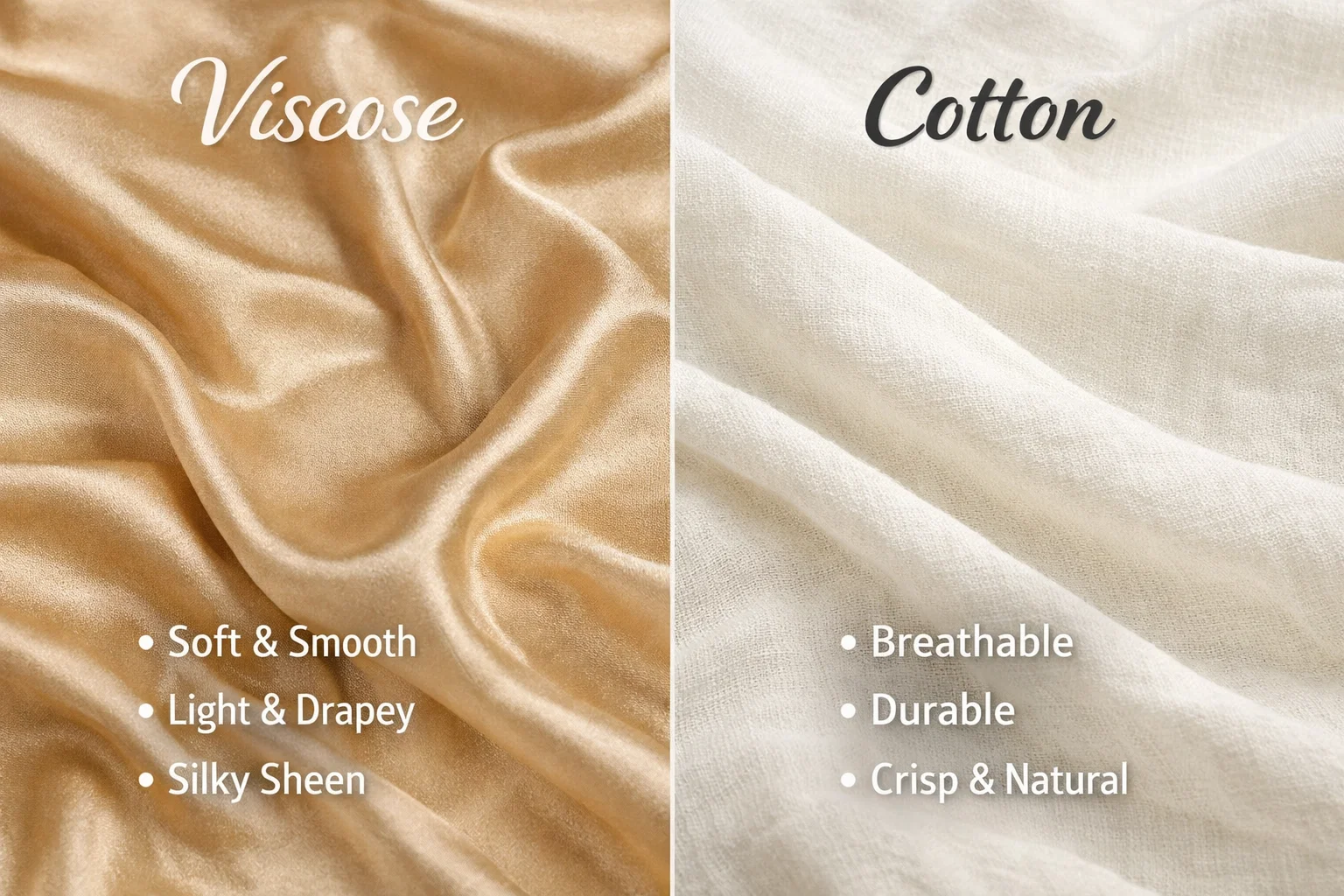
When comparing viscose vs cotton, you’ll notice each has its own strengths. Viscose vs cotton shows that viscose feels soft and luxurious, with a beautiful drape that makes it perfect for elegant clothing. On the other hand, cotton is durable, easy to care for, and comfortable for everyday wear. In 2024, cotton made up 19% of all fiber produced worldwide, while viscose accounted for 6%. When deciding between viscose vs cotton, consider your lifestyle, the climate, and your personal preferences before making a choice.
Key Takeaways
Viscose feels soft and smooth. It hangs nicely, so it is good for fancy clothes. Cotton is strong and comfy for daily use. Cotton comes from plants and is simple to clean. Viscose is made in a factory and needs gentle washing to stay nice. Both fabrics let air through in hot weather. Cotton is usually better for staying cool and soaking up sweat. Think about your daily life when picking fabric. Cotton works well for busy days. Viscose is best for special events. Always read the care tags before washing. This helps your fabric last longer and look good.
Viscose vs Cotton: Key Differences
When you look at viscose and cotton, you find some big differences. These differences help you pick the fabric that works best for you. Each fabric has special qualities. These qualities change how they feel, how you take care of them, and how they work in daily life.
Natural vs Semi-Synthetic
You may ask what makes cotton and viscose different from the start. Cotton is a natural fiber. Farmers get it from the cotton plant. This makes cotton a good choice for people who want something natural.
Viscose is a semi-synthetic fiber. Makers use cellulose from wood pulp or bamboo to make viscose. They use chemicals to break down the cellulose and then turn it into fibers. This gives viscose a different structure than cotton.
Cotton comes right from plants.
Viscose starts with natural cellulose but needs chemicals.
Making viscose takes more steps and uses more chemicals than cotton.
Here is a simple comparison of cotton and viscose:
Aspect | Cotton | Viscose |
|---|---|---|
Source of Fiber | Natural fibers from the cotton plant | Regenerated cellulose from wood pulp or bamboo |
Production Process | Mechanical or chemical transformation into yarns | Complex chemical process involving dissolution and regeneration of cellulose |
Key Characteristics | Soft, breathable, and durable | Soft texture, good drape, and air permeability, but with environmental concerns due to chemical processes |
Texture and Feel
How a fabric feels on your skin is important. Cotton feels soft but can be a little rough. Pure cotton can change after you wash it. Cotton can get softer if you use fabric softener.
Viscose feels smooth and silky. Many people think viscose feels like silk. It hangs nicely, so people like it for fancy clothes. If you want a fabric that feels rich and flows well, viscose is a good pick.
Cotton gives a classic, warm feel.
Viscose gives a smooth, fancy touch and drape.
The way cotton and viscose feel can help you choose the best one for comfort.
Breathability and Moisture
Breathability is very important when picking cotton or viscose. You want a fabric that lets air in for hot days or sports. Cotton lets air move through easily. It keeps you cool and comfy. That is why cotton is great for summer clothes and sheets.
Viscose also lets air in. It is better than polyester, which can trap heat. Viscose helps pull sweat away from your skin, so you stay dry. But viscose may not last as long as cotton when it gets wet.
Tip: If you need a fabric for hot weather or sports, choose one that breathes well. Both cotton and viscose work, but cotton is usually best for everyday comfort.
Care and Maintenance
How you clean your clothes matters for how long they last. Cotton is easy to wash and dry. You can use a washing machine and dryer for cotton. This makes cotton simple for busy families.
Viscose needs gentle care. You should wash viscose by hand or use a gentle cycle with cold water and mild soap. Lay viscose flat to dry and do not hang or use a dryer. Iron viscose on low heat and keep it folded to hold its shape.
Here are some tips for caring for viscose:
Wash by hand or use a gentle cycle with cold water.
Lay flat to dry in the air.
Iron on low heat with a cloth.
Store folded in a cool, dry spot.
The way you care for cotton and viscose can help you pick the right one for your needs.
Note: If you want a fabric that is easy to care for, cotton is usually simpler than viscose.
Viscose Fabric Overview
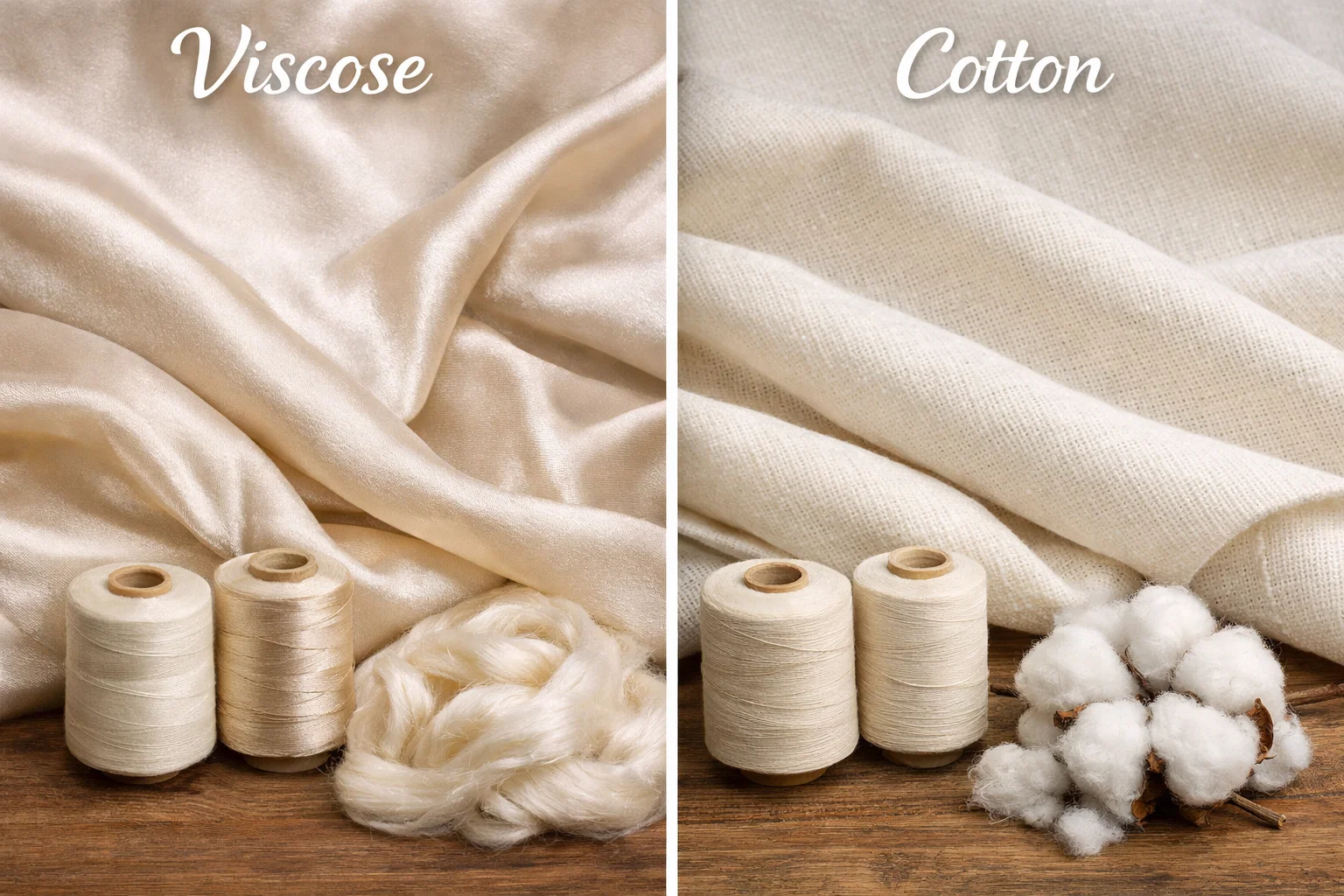
What Is Viscose?
You may wonder what makes viscose fabric unique. Viscose comes from cellulose, which is a natural part of plants. Most factories use wood pulp from trees like eucalyptus, bamboo, or sugar cane. To create viscose fabric, workers follow a special process:
They extract cellulose from wood pulp.
They dissolve the cellulose in caustic soda to make alkali cellulose.
They press the mixture to remove extra liquid, forming a white crumb.
They age the crumb and treat it with carbon disulfide, turning it yellow.
They dissolve and ripen the yellow crumb.
They filter and push the mixture through tiny holes, called a spinneret.
They dip the threads in sulfuric acid, which turns them into rayon filaments. These filaments become viscose fabric.
You get a material that feels soft and smooth. Many people choose viscose for its silk-like touch and beautiful drape. You often see viscose in dresses, blouses, and scarves because it hangs well and looks elegant.
Tip: If you want a fabric that offers a luxurious drape but costs less than silk, viscose fabric is a smart choice.
Main Properties
Viscose fabric stands out for its special qualities. You will notice how it feels cool and comfortable against your skin. It absorbs moisture well, even more than cotton. This makes viscose a good pick for hot weather or active days.
Here is a table that shows the main properties of viscose fabric:
Property | Description |
|---|---|
Moisture Absorption | Absorbs more moisture than cotton (13% vs. 6% at 70°F and 65% RH) |
Tensile Strength | Weaker when wet; dry: 1.5-2.4 gpd, wet: 0.7-1.2 gpd |
Elasticity | Less than 2-3%, which affects how you handle it during sewing |
Elongation at Break | Stretches 15-30% before breaking |
Density | Heavier than most natural and synthetic fibers (1.52 g/cm³) |
Action of Heat and Light | Loses strength at high heat; sunlight can weaken the fibers |
Action of Acids | Less resistant to acids than cotton |
You will love how viscose fabric drapes. The drape gives your clothes a flowing, elegant look. You can wear viscose for both casual and formal events. Just remember, viscose needs gentle care to keep its shape and softness.
Note: If you want a fabric that feels soft, drapes beautifully, and keeps you cool, viscose fabric is a great option.
Cotton Fabric Overview
What Is Cotton?
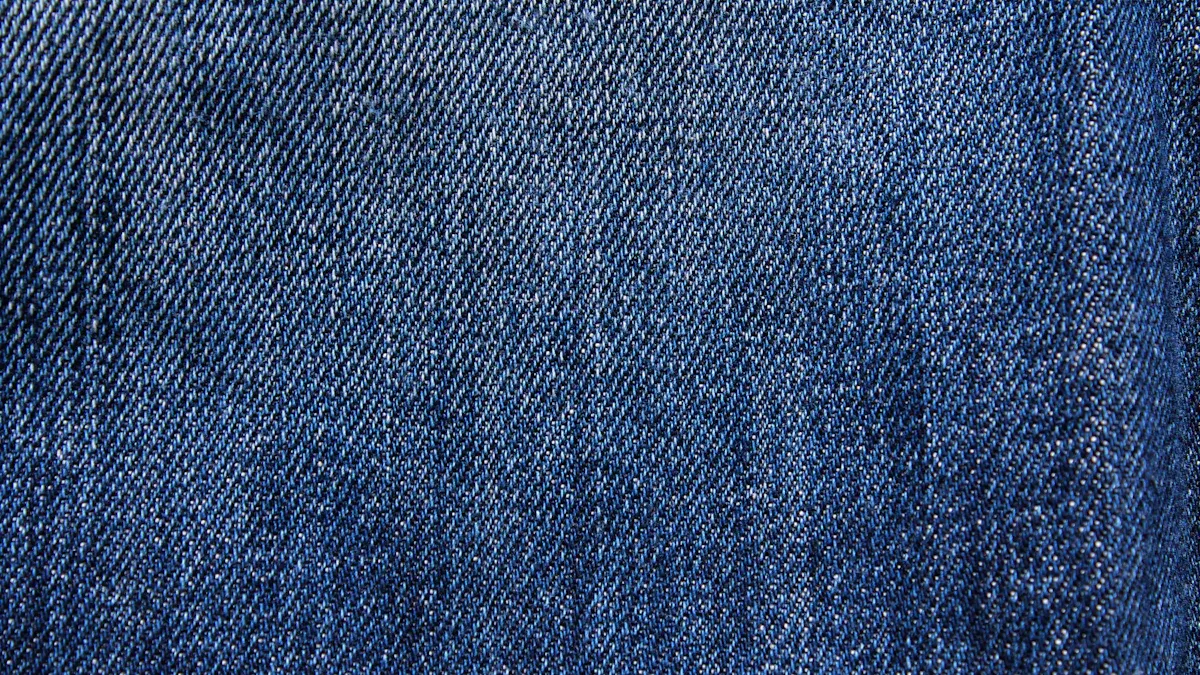
You see cotton fabric everywhere in daily life. This fabric comes from the fluffy fibers that grow around the seeds of the cotton plant. People have used cotton for thousands of years because it feels soft and works well for many uses. You can find cotton fabric in T-shirts, jeans, towels, and even bedsheets.
To make cotton fabric, you follow several important steps. Each step helps turn the raw cotton into the fabric you use every day:
Cotton Cultivation: Farmers plant cotton seeds. The plants grow and develop fluffy bolls. Workers harvest the cotton when it is ready.
Cotton Processing: Machines separate the fibers from the seeds in a process called ginning. The fibers get cleaned, carded, and combed to remove dirt and make them smooth.
Fabric Manufacturing: Factories spin the fibers into yarn. Workers weave or knit the yarn into fabric. The fabric goes through finishing steps, then gets cut and sewn into clothes or other items.
Tip: When you choose cotton fabric, you pick a material with a long history and a simple, natural origin.
Main Properties
Cotton fabric stands out for its comfort and strength. You will notice that it absorbs moisture well, which keeps you cool and dry. The fabric feels soft on your skin and does not cause static electricity. You can wash cotton fabric easily, and it gets stronger when wet.
Here is a table that shows the main properties of cotton fabric:
Property | Description |
|---|---|
Tenacity | Strong and gets even stronger when wet. |
Elasticity | Stretches a little but wrinkles easily. |
Hydroscopic Nature | Absorbs water well and does not build up static. |
Thermal Properties | Does not melt; burns and chars when exposed to heat. |
Luster | Looks dull unless treated; mercerization adds shine. |
Strength | Resists tearing and pulling. |
Resilience | Returns to shape after being pressed, but can wrinkle. |
Drapability | Hangs well and forms nice shapes, depending on how it is made. |
Absorbency | Soaks up water quickly; depends on how the yarn and fabric are made. |
Specific Gravity | 1.52 |
Moisture Regain | 7.5 |
Effects of Alkalis | Stays strong during washing with soap or detergent. |
Effects of Acids | Can break down if exposed to acids. |
Effects of Bleaches | Handles most bleaches, but strong chemicals may damage it. |
Effects of Sunlight | Sun can fade and weaken the fabric over time. |
Color Fastness | Takes dye well and holds color. |
Mildew | Can get damaged if stored damp; keep it dry to prevent mold. |
Insects | Not harmed by moths or beetles, but silverfish may eat it if starched. |
You can trust cotton fabric for comfort, breathability, and easy care. This makes it a favorite for clothing and home use.
Key Differences Between Cotton and Viscose
Comfort and Skin Sensitivity
You want your clothes to feel good on your skin. Comfort is important when you choose between viscose and cotton. Cotton feels soft and gentle. Many people with sensitive skin like cotton because it rarely causes itching. Viscose feels smooth and cool. It can feel like silk, which makes it a favorite for dresses and blouses. The performance properties of cotton and viscose both help your skin breathe. You can wear either fabric in warm weather. The application of cotton and viscose in dresses shows how both fabrics can give you comfort and style. If you have allergies, you may prefer cotton because it is natural.
Durability and Longevity
You want your clothes to last. Cotton is strong and can last for years if you take care of it. Over time, cotton gets softer but keeps its shape. Viscose is also durable, but it may pill or wear out faster, especially if you wash it often. When viscose gets wet, it becomes weaker and can stretch out of shape. Cotton stays strong even when wet. You can see the difference in this table:
Feature | Viscose | Cotton |
|---|---|---|
Durability (Dry) | Durable, lasts for years | |
Durability (Wet) | Weak, prone to stretching | Strong, holds shape |
Egyptian cotton is known for being extremely durable and lasting a long time. The performance properties of cotton and viscose affect how long your clothes look new. The application of cotton and viscose in dresses means you can pick the one that fits your needs for special events or daily wear.
Care and Maintenance
You need to know how to care for your clothes. Cotton is easy to wash and dry. You can use a washing machine and dryer for most cotton items. Viscose needs more gentle care. You should wash viscose by hand or use a gentle cycle with cold water. Lay viscose flat to dry. If you do not handle viscose carefully, it can shrink or wrinkle. Here are some tips:
Wash viscose gently to keep it soft.
Store viscose folded to prevent stretching.
Use low heat when ironing viscose.
Cotton can handle stronger washing and drying. Viscose needs careful handling to keep its softness and shape. If you follow the right steps, both fabrics can last longer and keep their comfort.
Tip: Always check the care label before washing your clothes. This helps you keep your favorite items looking their best.
Environmental Impact
Sustainability of Viscose
You might wonder how viscose affects nature. Making viscose uses lots of water and energy. Factories need about 30 tons of water for each ton of viscose. This can cause water shortages in some places. The process also puts about 15 tons of bad chemicals into the air and water. These chemicals can hurt people and animals.
Viscose is made from wood pulp. To get enough wood, companies sometimes cut down forests. Cutting trees destroys animal homes and lowers the number of different plants and animals. It can also make climate change worse. Less than 30% of viscose comes from forests that are managed well.
There are better choices for viscose. EcoVero and LENZING™ ECOVERO™ use wood from approved forests. These brands follow strict rules to help nature. They also use less water and energy. Some products have the EU Ecolabel, which means they are better for the planet.
If you want to help the earth, pick viscose with FSC or PEFC labels. These show the wood comes from forests that are cared for.
Sustainability of Cotton
Cotton farming also affects the earth a lot. Farmers use lots of water to grow cotton. The Aral Sea almost dried up because of cotton farms. This caused big problems for people and animals nearby.
Cotton needs a lot of water, which can dry up lakes and rivers.
Farmers use many pesticides, which can hurt their health and pollute the land.
Growing cotton in the same place every year makes the soil worse.
Cotton is only 2.5% of farmland but uses 16% of all pesticides. Making one cotton t-shirt can use about 2,700 liters of water.
Organic cotton is better for the earth. Farmers use natural ways to stop bugs and change crops to keep the soil healthy. Organic cotton uses less energy and makes fewer greenhouse gases. It also helps save water and animals.
Picking organic cotton helps support safer and cleaner ways to farm.
Cost and Value
Price Comparison
You may wonder how much viscose and cotton cost. The price can change based on where you live and the quality of the fabric. In many places, viscose often costs less than cotton. This makes viscose a good choice if you want a soft and stylish fabric without spending too much.
Here is a table that shows the average price of viscose staple fiber in different regions:
Region | Viscose Staple Fiber Price (USD/MT) |
|---|---|
USA | 2,225 |
China | 1,933 |
Germany | 2,193 |
Cotton prices can be higher, especially for premium types like Egyptian or organic cotton. You may pay more for cotton, but you get a fabric that lasts longer and is easy to care for. When you shop for clothes or home textiles, you should check the label to see what type of cotton or viscose you are buying.
Tip: If you want to save money on stylish clothing, viscose can be a smart pick. If you want long-lasting basics, cotton may be worth the extra cost.
Long-Term Value
You should think about more than just the price when you buy fabric. The long-term value depends on how long the fabric lasts and how easy it is to care for. Cotton usually gives you better value over time. It stays strong, even after many washes. You can use a washing machine and dryer for most cotton items.
Viscose feels soft and looks nice, but it needs gentle care. It can wrinkle and lose strength when wet. You may need to wash viscose by hand or use a gentle cycle. This can take more time and effort.
Here is a table to help you compare:
Feature | Viscose | Cotton |
|---|---|---|
Durability | Moderate, weak when wet | High |
Wrinkle Resistance | Prone to wrinkling | Moderate |
Moisture Absorption | Excellent | Excellent |
Care Requirements | Careful washing and drying | Withstands regular washing |
If you want clothes that last and are easy to care for, cotton is a strong choice. If you want a fabric that feels luxurious and looks elegant, viscose is a good option, but you may need to replace it sooner.
Note: Think about how often you will wear and wash your clothes. This helps you choose the best value for your needs.
Best Uses for Viscose and Cotton
Clothing and Fashion
Cotton is in many clothes you wear every day. People pick cotton for T-shirts, jeans, and kids’ clothes. Cotton is also used for fancy bedding and stylish outfits. You get strong and useful clothes with cotton. That is why many people like cotton for daily wear. Viscose is popular in fancy clothing. You see viscose in dresses, blouses, and scarves. The fabric looks rich and hangs nicely. Many people choose viscose for trendy outfits or light summer clothes. If you want something soft and fancy, viscose is a good choice for special events.
Cotton is found in daily clothes, fancy bedding, and kids’ wear.
Viscose is used in dresses, blouses, and scarves.
Cotton is strong and useful.
Viscose gives a rich look and nice drape.
Bedding and Home
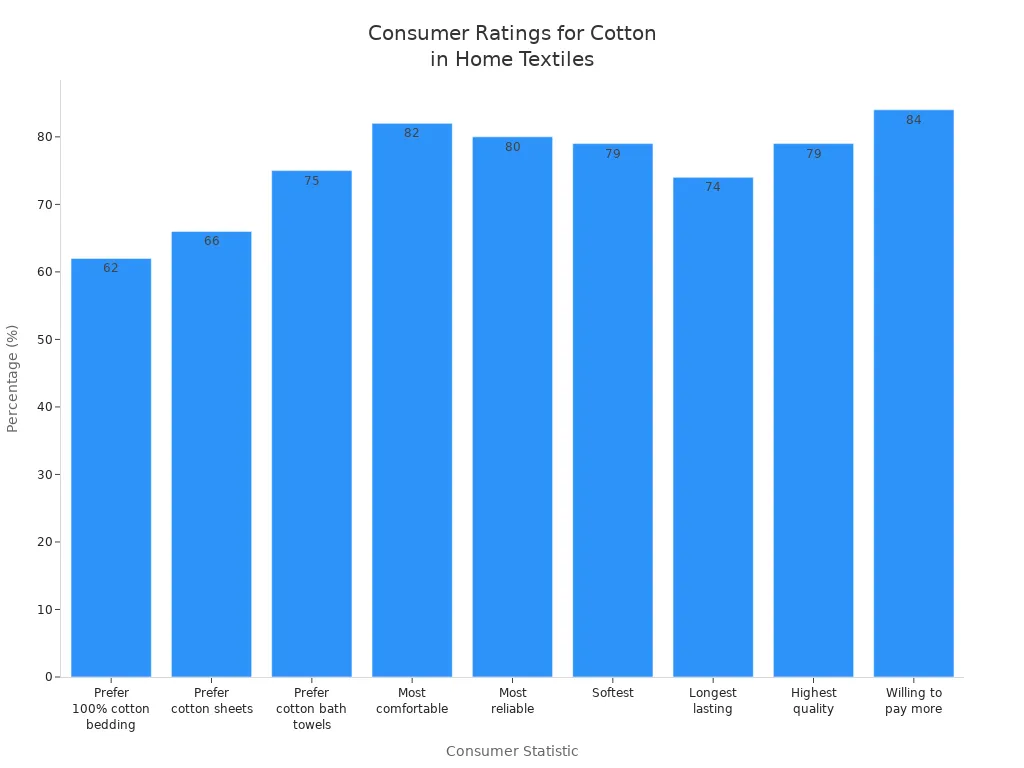
When you buy sheets, most people pick cotton. Cotton sheets feel soft and last a long time. They stay comfy after many washes. You see cotton sheets in lots of homes because they are easy to care for. Reports show 62% of people like 100% cotton bedding, and 66% choose cotton sheets. Cotton sheets are rated best for comfort, softness, and quality. Viscose sheets feel smooth and look shiny. These sheets look fancy and feel cool. Some people like viscose sheets for their rich look, but most still use cotton sheets every day.
Statistic | Value |
|---|---|
Consumers preferring 100% cotton bedding | 62% |
Consumers preferring cotton sheets | 66% |
Consumers preferring cotton bath towels | 75% |
Consumers rating cotton products as most comfortable | 82% |
Consumers rating cotton products as most reliable | 80% |
Consumers rating cotton products as softest | 79% |
Consumers rating cotton products as longest lasting | 74% |
Consumers rating cotton products as highest quality | 79% |
Consumers willing to pay more for higher quality | 84% |
Special Considerations
You should think about special needs when picking sheets. Cotton sheets are good for kids and people with sensitive skin. Cotton sheets are gentle, let air in, and last long. You can wash cotton sheets many times, and they stay soft and strong. Viscose sheets are made with chemicals, which may bother sensitive skin. Viscose sheets can shrink or stretch, so you must be careful with them. If you want the best uses for cotton, pick cotton sheets for kids, bedding, and daily clothes. For special uses for viscose, choose viscose sheets for a fancy look in guest rooms or special days.
Cotton sheets are safe for sensitive skin and kids.
Viscose sheets need gentle care and may not last long.
Cotton sheets are best for daily use.
Viscose sheets are great for a fancy touch.
How to Choose
Picking the right fabric can be tricky. You should think about your daily life, the weather, and what you like. This part helps you decide between viscose and cotton.
Lifestyle and Preferences
Your habits and likes matter when you pick fabric. Some people want clothes for busy days. Others want soft and fancy clothes for relaxing or parties.
Cotton is good for active days and sports. It lets air in and lasts long. Cotton stays comfy even if it gets wet. It is gentle for people with sensitive skin.
Viscose feels soft and hangs nicely. You may like viscose for relaxing, work, or fancy times.
If you care about how fabric feels, cotton is textured and lets air in. Viscose is smooth and silky.
Cotton is simple to wash in a machine. Viscose needs gentle washing and no twisting.
Here is a table to help you compare what you like:
Fabric | Texture | Appearance | Care Requirements |
|---|---|---|---|
Viscose | Soft, smooth, luxurious | Shiny, fluid drape | Needs gentle care |
Cotton | Textured, breathable | Natural, matte finish | Easy to care for |
You might pick viscose for its fancy look and soft feel. Cotton is great for daily comfort and use. When to pick cotton or viscose depends on how you wear your clothes and what you want most.
Climate and Season
The weather matters when you choose fabric. Both cotton and viscose help you stay cool and dry. Each has special strengths.
Viscose is great for summer. It is light and airy for hot days. Viscose lets air move and pulls sweat away. You will feel cool and comfy when it is hot. Many people wear viscose for summer dresses and relaxing clothes.
Cotton is also good for warm days. It soaks up sweat and lets skin breathe. You can wear cotton all year. Thick cotton keeps you warm in winter. Thin cotton is nice for summer.
Both fabrics soak up moisture, but viscose does it better. If you live where it is hot or wet, viscose can help you stay cool. When to pick cotton or viscose depends on the season and how much you sweat.
Practical Tips
Here are some easy tips to help you choose. Think about these things before you buy:
For daily clothes, pick cotton for strength and easy washing.
Pick viscose if you want a fancy look and flowing style.
Think about your body shape. Cotton keeps its shape. Viscose hangs and flows.
Both are good for summer, but viscose feels cooler and dries fast.
Cotton works for all seasons. You can find thick or thin cotton.
Cotton is easy to wash and can handle hot water.
Viscose needs gentle washing in cold water. Do not twist viscose.
Here is a table to show the main things to think about:
Factor | Cotton | Viscose |
|---|---|---|
Sustainability | Uses lots of water and pesticides; organic cotton is better. | Made from plants; making it can use bad chemicals. |
Comfort | Soft, lets air in, and soaks up sweat. | Smooth, silky, hangs well, and looks fancy. |
Durability | Strong but may shrink or fade. | Not as strong; can wrinkle and lose shape. |
Affordability | Easy to find and not expensive. | Price changes; eco-friendly types cost more. |
Versatility | Used for many things like shirts and sheets. | Good for clothes and home items with a flowing look. |
Tip: Always read the care label before washing. This helps your clothes last longer and look good.
If you need clothes for sports or busy days, cotton is a good choice. For parties or a soft, flowing look, viscose is best. Choosing is easier when you match the fabric to your needs and life.
You now know how viscose and cotton are different. Viscose looks shiny and feels silky. Cotton is strong, comfy, and lets air in. This table can help you pick:
Feature | Viscose | Cotton |
|---|---|---|
Appearance | Luxurious, shiny | Sturdy, practical |
Comfort | Soft, smooth | Breathable, lightweight |
Use | Elegant garments | Everyday wear |
Durability | Less durable | More durable |
Checklist for choosing your fabric:
Want clothes that look fancy? Pick viscose.
Need something easy to wash and strong? Choose cotton.
Want comfort for every day? Cotton is best.
Like soft and flowing clothes? Try viscose.
Think about what you need and how you live. Pick the fabric that works for you.
FAQ
Is viscose fabric good for hot weather?
You can wear viscose in hot weather. It feels cool and lets air move. Viscose absorbs sweat well. You stay comfortable on warm days. Many people pick viscose for summer clothes.
Does cotton shrink after washing?
Cotton can shrink if you wash it in hot water or dry it on high heat. To avoid shrinking, you should use cold water and low heat. Always check the care label before washing.
Which fabric is better for sensitive skin?
Cotton works best for sensitive skin. It feels soft and natural. You do not find harsh chemicals in pure cotton. Many people with allergies or skin problems choose cotton for comfort.
Can you iron viscose and cotton?
You can iron both fabrics. Use low heat for viscose and place a cloth between the iron and fabric. For cotton, use medium to high heat. Always check the care label for the best results.