
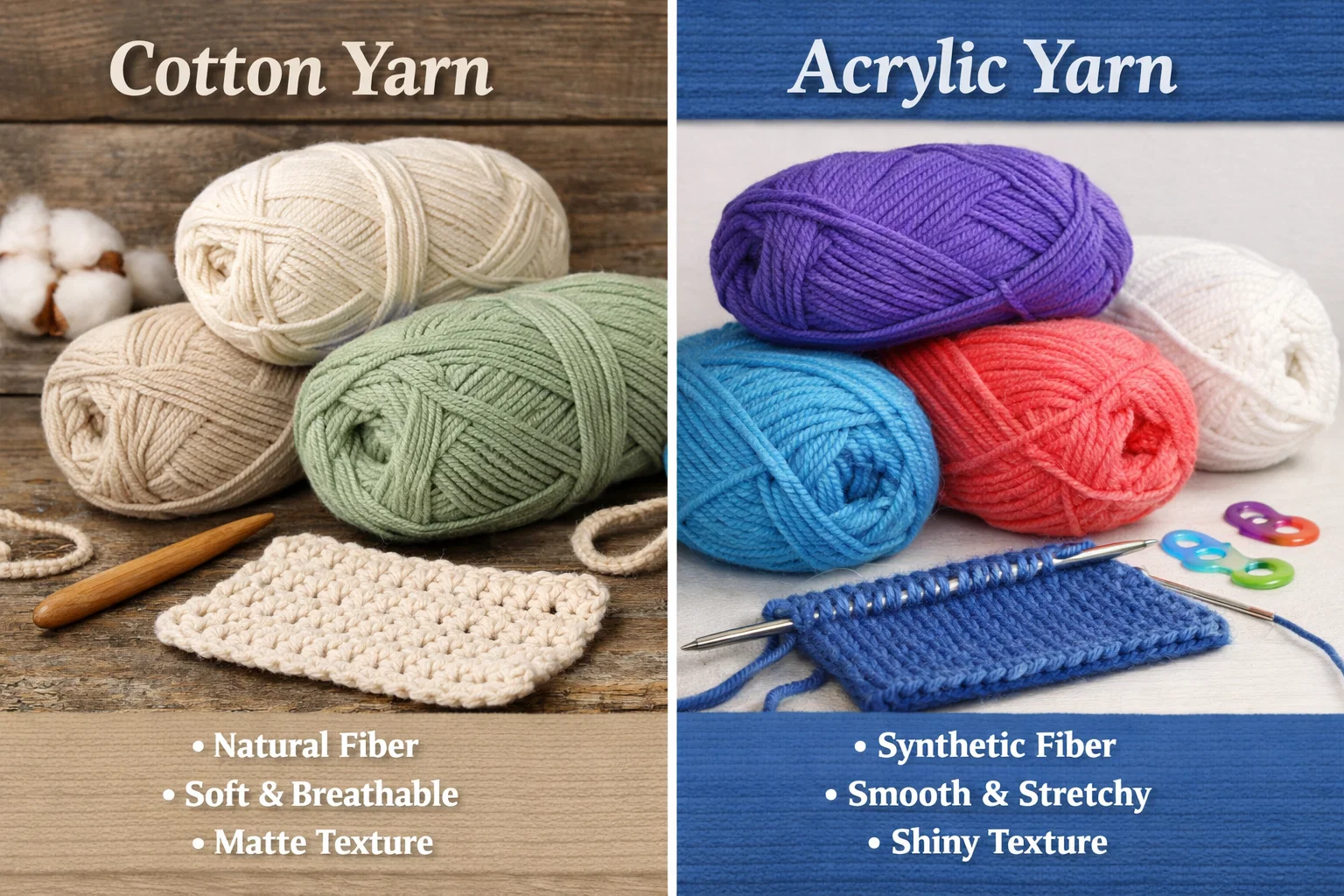
Are you trying to decide between cotton vs acrylic yarn for your project? You’re not alone in wondering about cotton vs acrylic yarn. Both types have their own advantages, and the best choice depends on your needs. When comparing cotton vs acrylic yarn, you’ll notice that cotton yarn feels soft and is plant-based, while acrylic yarn offers more color options and is easier to wash. Many beginners enjoy working with both, but the right pick for you depends on your project’s requirements. Check out this simple table to see a direct comparison of cotton vs acrylic yarn:
Factor | Cotton Yarn | Acrylic Yarn |
|---|---|---|
Environmental Impact | Lower if organic | Synthetic, more pollution |
Project Suitability | Breathable, great for summer | Vibrant, suits many projects |
Texture | Soft and natural | Often softer, versatile |
Durability | Less durable | More resistant to wear |
Care Requirements | Needs careful washing | Usually machine washable |
No matter which you choose in the cotton vs acrylic yarn debate, you can feel confident. Both yarns are excellent options for beginners.
Key Takeaways
Cotton yarn feels soft and lets air through. It is good for summer crafts. Acrylic yarn lasts a long time. It comes in many colors and is simple to clean. Think about what your project needs. Pick cotton if you want comfort and air flow. Pick acrylic if you want bright colors and easy washing. Always read the yarn label for care steps. This helps you not shrink or ruin your work. Try both yarns to see which one you like to use. Choose the one that fits your craft style. Think about the weather where you live. Cotton is nice for hot days. Acrylic keeps you warm when it is cold.
Cotton vs Acrylic Yarn Comparison
Key Features Side-by-Side
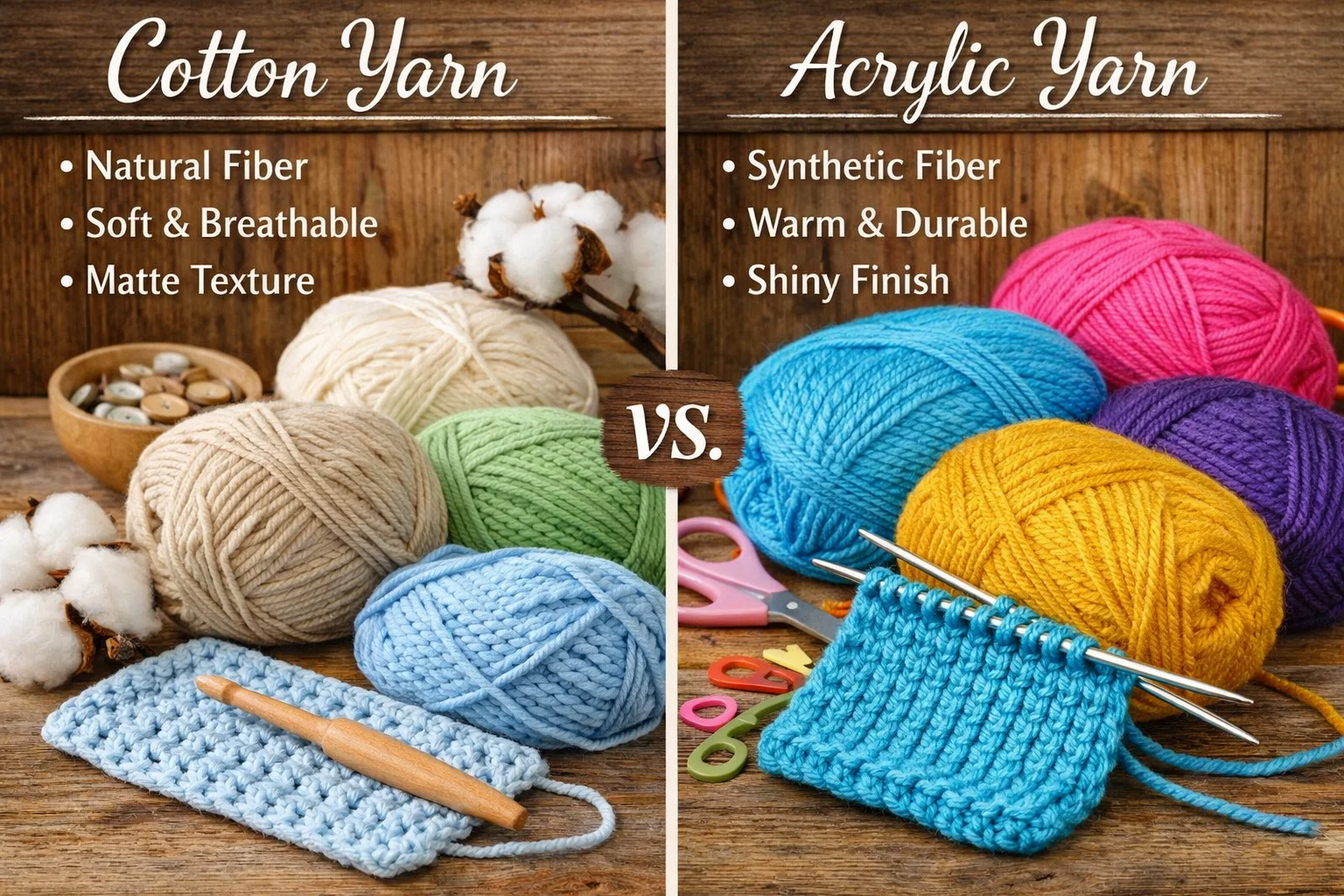
When you look at cotton vs acrylic yarn, you’ll notice some clear differences in how they feel, how you care for them, and what projects they suit best. Here’s a quick table to help you compare the most important features:
Attribute | Cotton Yarn | Acrylic Yarn |
|---|---|---|
Softness | Softer than acrylic, gets softer with each wash | Generally soft and elastic, sometimes scratchy |
Durability | Strong, but can sag and feel heavy when wet | Highly durable, stands up to machine washes |
Care | Machine washable, may need extra care | Easy care, machine washable on gentle cycle |
Cost | Cheaper than other natural fibers | More affordable than cotton, budget-friendly |
Medium to small garments, summer clothing | Great for blankets, garments, and many projects |
You can see that cotton vs acrylic yarn each have their own strengths. Cotton yarn feels soft and natural. It gets even softer every time you wash it. Acrylic yarn is usually more elastic and can be softer than you expect, but sometimes it feels a bit scratchy. If you want something that lasts through lots of washes, acrylic yarn is a solid choice. Cotton yarn is strong, but it can stretch out or feel heavy when it gets wet.
Pros and Cons Overview
Let’s break down the main pros and cons of cotton vs acrylic yarn so you can pick the right one for your next project:
Cotton Yarn Pros
Natural fiber, so it feels breathable and cool.
Gets softer with each wash.
Great stitch definition, which makes your patterns stand out.
Perfect for warm weather clothes and accessories.
Cotton Yarn Cons
Can sag or stretch when wet.
Needs a bit more care when washing.
Sometimes feels slippery to work with.
Acrylic Yarn Pros
Super affordable and easy to find.
Comes in tons of bright colors.
Very durable and stands up to machine washing.
Beginner-friendly and easy to handle.
Acrylic Yarn Cons
Sometimes feels scratchy or less soft than cotton.
Can hold onto odors.
Not as breathable, so it can feel warm in hot weather.
Tip: If you want a yarn that’s easy to care for and works for almost any project, acrylic yarn is a great pick. If you want something soft, natural, and perfect for summer, cotton yarn might be your best bet.
When you compare cotton vs acrylic yarn, think about what you want from your project. Do you want something soft and cool for summer? Cotton yarn is the way to go. Do you need a budget-friendly yarn that’s easy to wash and comes in lots of colors? Acrylic yarn will make your life easier.
Cotton vs acrylic yarn is a common question for beginners. You don’t have to pick just one. Try both and see which yarn feels best in your hands and suits your project. Each yarn has its own place in your crafting journey.
Cotton Yarn Guide
Cotton Yarn Pros
You’ll love working with cotton yarn if you want comfort and breathability in your projects. Cotton yarn feels soft against your skin, which makes it a favorite for many crafters. The natural fibers in cotton yarn allow air to flow, so you stay cool even when the weather gets warm. Cotton yarn absorbs moisture well, which boosts comfort for clothing and accessories. If you care about the environment, you can find cotton yarn made from recycled fibers. Blending cotton with other fibers like acrylic or linen can make your yarn even more versatile. Cotton yarn gives you great stitch definition, so your patterns look crisp and clear.
Here’s a quick look at what makes cotton yarn stand out:
Soft texture for maximum comfort
Breathable fibers keep you cool
Blends well with other fibers for versatility
Excellent stitch definition for detailed work
Property | Description |
|---|---|
Moisture Absorption | Cotton yarn can absorb up to 25% of its weight, adding to comfort. |
Air Permeability | The fibers let air pass through, making cotton yarn very breathable. |
Bursting Strength | Cotton yarn can handle tension, especially with the right treatments. |
Cotton Yarn Cons
Cotton yarn has a few drawbacks you should know about before you start your next project. Cotton yarn does not stretch much, so it can be hard to keep your tension even. The fibers can feel slippery, which might make knitting or crocheting tricky at first. Cotton yarn absorbs a lot of water, so your project can get heavy and take a long time to dry. Some colors may bleed, and cotton yarn can fade after washing. Cotton yarn may shrink if you don’t follow care instructions. High-quality cotton yarn can cost more than synthetic yarn.
Low elasticity makes tension tricky
Can pill or thin in areas with lots of friction
Absorbs water, gets heavy, and dries slowly
Some colors may bleed or fade
Needs careful washing to avoid shrinking
Tip: Always check the label for care instructions before washing your cotton yarn projects.
Best Uses for Cotton Yarn
Cotton yarn shines in projects where comfort and breathability matter most. You’ll find cotton yarn perfect for summer tops, baby clothes, and lightweight sweaters. The soft fibers make it a great choice for scarves and hats that touch your skin. Cotton yarn works well for home items like dishcloths, towels, and table runners because it absorbs water and stands up to daily use. You can use cotton yarn for many crafts, including knitting, crocheting, weaving, and embroidery.
Project Type | Why Cotton Yarn Works Well |
|---|---|
Garments | Soft, breathable, and comfortable for everyday wear |
Home Decor | Absorbent fibers make it ideal for dishcloths, towels, and table linens |
Crafts | Versatile for many techniques and detailed patterns |
If you want comfort, durability, and a natural feel, cotton yarn is a smart pick for your next project.
Acrylic Yarn Guide
Acrylic Yarn Pros
You might love working with acrylic yarn if you want something affordable and easy to find. Acrylic yarn costs less than most natural fibers, so you can make big projects without spending a lot. You will see that acrylic yarn comes in almost every color you can imagine. The colors stay bright, even after many washes. Acrylic yarn is also very durable. It holds up well to wear and tear, so your projects last longer.
Here’s a quick table to show you the main benefits of acrylic yarn:
Benefit | Description |
|---|---|
Color Variability | You get a huge range of vibrant colors for any project. |
Ease of Care | Most acrylic yarn is machine washable, so cleaning is simple. |
Durability | Acrylic yarn resists wear and keeps its shape over time. |
Cost-Effectiveness | You can buy more yarn for less money, perfect for large projects. |
Acrylic yarn is often called hypoallergenic. Many people with wool allergies use acrylic yarn without problems. If you want a yarn that is easy to care for and keeps its color, acrylic yarn is a smart choice.
Acrylic Yarn Cons
Acrylic yarn does have some downsides. Some crafters say acrylic yarn feels rough or clammy, especially compared to cotton or wool. Certain brands of acrylic, like Red Heart Super Saver, can feel scratchy on your skin. Acrylic yarn can pill after several washes, which means little balls of fiber form on the surface. You might notice that acrylic yarn does not block or iron well, so your projects can curl at the edges. Some people with sensitive skin may feel itchy or uncomfortable because of the chemicals and dyes in acrylic yarn. Pre-washing can help, but not always.
Here are the most common complaints about acrylic yarn:
Acrylic yarn can feel rough or clammy.
It may pill after washing.
Some brands are too scratchy for comfort.
Blocking and ironing do not work well.
Sensitive skin may react to chemicals or dyes.
Acrylic yarn does not breathe like cotton, so it can feel warm.
Tip: If you have sensitive skin, try pre-washing your acrylic yarn before starting your project.
Best Uses for Acrylic Yarn
Acrylic yarn works well for many projects. You can use it to make warm blankets and cozy afghans. Acrylic yarn is great for hats, scarves, and mittens because it keeps you warm. Sweaters and cardigans made from acrylic yarn last a long time and are easy to wash. If you like making toys, acrylic yarn is perfect for amigurumi and stuffed animals. You can also use acrylic yarn for bags, wall hangings, and mandalas.
Here are some popular projects for acrylic yarn:
Blankets and afghans
Hats and scarves
Mittens and gloves
Sweaters and cardigans
Amigurumi toys
Bags and totes
Wall hangings and mandalas
Acrylic yarn gives you lots of options. You can make gifts, home decor, or fun accessories. If you want a yarn that is colorful, strong, and easy to care for, acrylic yarn is a great pick.
Choosing the Right Yarn
Picking the right yarn can feel tricky, but you can make it simple by thinking about your project, your needs, and your comfort. Let’s break it down so you can feel confident when selecting yarn for any project.
Project Type
You want your finished project to look good and last. Start by thinking about what you’re making. Here’s how you can match the right yarn to your project:
Soft and washable yarn works best for baby blankets and clothes.
Strong yarn that resists stretching is great for bags or items that get a lot of use.
If you plan to use fancy stitches like cables or lace, remember these patterns use more yarn than simple stitches.
Always check the yarn label for care instructions. Some yarns need gentle washing, while others can go in the machine.
If you need more than one skein, try to buy them all at once. Dye lots can change, even if the color name is the same.
Smoother yarns are easier to work with, especially if you’re just starting out.
Project Type | Why It Works | |
|---|---|---|
Baby Blanket | Soft, washable yarn | Gentle on skin, easy to clean |
Sturdy Bag | Strong, low-stretch yarn | Keeps shape, stands up to daily use |
Amigurumi Toy | Firm, machine-washable | Holds shape, easy to clean |
Summer Top | Breathable, light yarn | Feels cool, comfortable in warm weather |
Tip: When selecting yarn, think about how your project will be used. Will it need to be washed often? Does it need to hold its shape?
Skin Sensitivity
Your comfort matters. Some people have sensitive skin and need to be careful when choosing yarn. Here’s what you should know:
Cotton yarn is usually a safe pick for sensitive skin. It’s breathable and gentle.
Acrylic yarn can sometimes cause irritation, especially if you have allergies to synthetic materials or dyes.
If you have allergies, look for organic cotton yarn. It’s less likely to have harsh chemicals.
Even natural yarns can cause irritation if they have a lot of dye or processing. Always check the label.
Note: If you notice itching or redness, try a different yarn or wash your project before using it.
Budget and Care
You want your project to last, but you also want to stick to your budget. Here’s how you can balance cost and care:
Acrylic yarn is usually more affordable. It’s a good choice if you want to make big projects without spending a lot.
Cotton yarn can cost more, especially if it’s organic or high quality.
Always read the care instructions. Some yarns need hand washing, while others are machine washable.
Use mild detergent and wash on a gentle cycle to keep your project looking new.
Lay your finished items flat to dry. This helps them keep their shape and last longer.
Store your projects in a drawer or box to protect them from dust and sunlight.
Tip: If you want easy care, look for yarn that says “machine washable” on the label.
Climate Considerations
Where you live can help you choose the right yarn. The weather makes a big difference in how your project feels when you wear or use it.
Cotton yarn is perfect for hot or humid climates. It’s breathable, absorbs moisture, and keeps you cool.
Acrylic yarn holds heat, so it’s better for cold weather. It keeps you warm and cozy.
In humid places, cotton stays comfortable and dries quickly.
In cold or dry places, acrylic gives you extra warmth.
Callout: For summer clothes or dishcloths, cotton yarn is your best friend. For winter hats and blankets, acrylic yarn will keep you warm.
When you look at all these factors, you can see that different types of yarn work better for different projects and needs. Selecting yarn doesn’t have to be hard. Think about your project, your skin, your budget, and your climate. You’ll find the right yarn for every project, and you’ll enjoy the process even more.
Beginner Yarn Mistakes
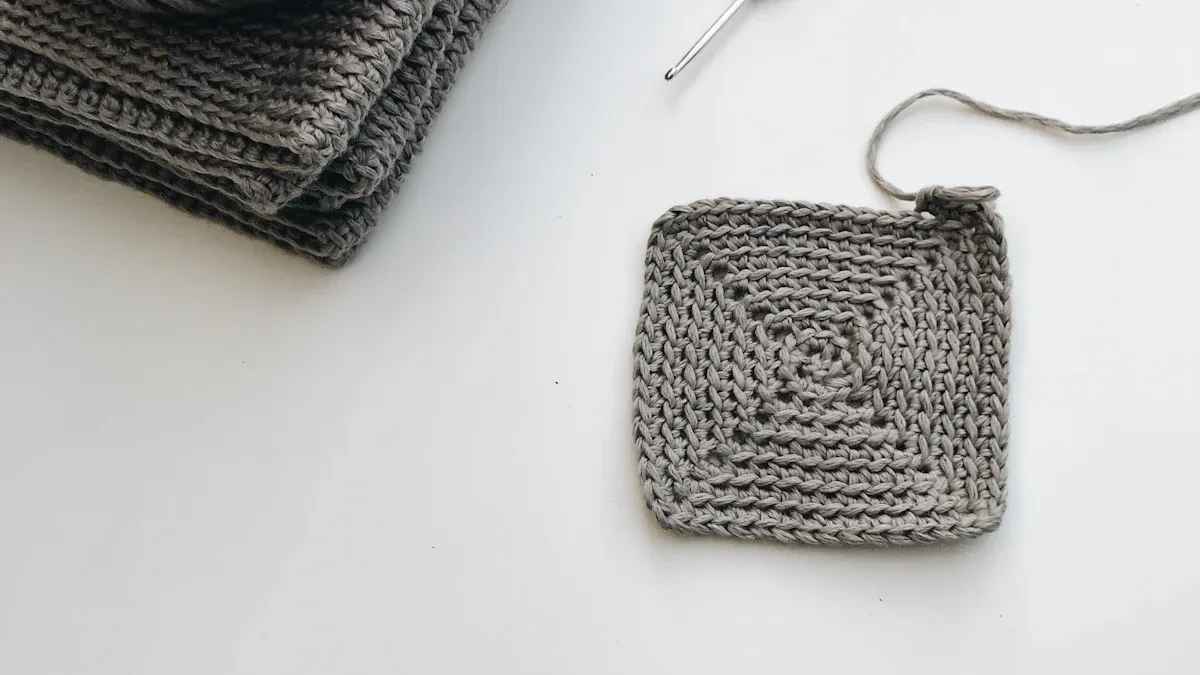
Everyone makes mistakes when starting out with yarn. You can avoid a lot of frustration if you know what to watch for. Here are some common beginner mistakes and how you can sidestep them.
Wrong Yarn for Project
You might pick up a pretty skein and think it will work for anything. That’s not always true. Many beginners choose the wrong yarn for their project. Sometimes, you may not check the yarn weight or fiber content. This can lead to a scarf that feels stiff or a hat that stretches out. You want to match your yarn to your project’s needs.
Always look at the yarn label for weight and fiber type.
Think about what you want your finished item to do. Should it be soft, sturdy, or stretchy?
Try crocheting or knitting a small sample first. This helps you see how the yarn behaves.
Tip: Choose yarn materials that fit your project. For example, cotton works well for dishcloths, while acrylic is great for blankets.
Ignoring Care Instructions
You finish your project and toss it in the wash. Suddenly, it shrinks or loses its shape. Ignoring care instructions is a common mistake. Each yarn has its own care needs. Some need gentle washing, while others can handle the machine.
Read the care instructions on the yarn label before you start.
Wash a test swatch if you’re unsure how the yarn will react.
Use mild detergent and lay your project flat to dry.
Note: High-quality yarns often keep their shape better after washing.
Overlooking Texture and Feel
You might focus on color and forget about texture. Yarn properties like softness, stretch, and thickness matter a lot. If you skip this step, your project might not feel good against your skin or may not hold up over time.
Touch the yarn before you buy it if you can.
Make a small swatch to check how it feels and looks.
Understand the characteristics of each fiber in blends to avoid surprises.
Callout: The right yarn makes your project fun to use and beautiful to see.
Quick Tips for Better Results
Always check yarn properties before starting.
Crochet or knit a sample to test tension and texture.
Pick yarn that matches your project’s purpose.
Follow care instructions to keep your work looking great.
You’ll learn as you go, but these tips will help you avoid the most common beginner yarn mistakes.
Yarn for Projects
Blankets and Afghans
When you want to make a cozy blanket or afghan, you need a yarn that feels soft and lasts a long time. Acrylic yarn is a top pick for these projects. It comes in many colors, so you can match any room or style. Acrylic yarn also stands up to lots of washing, which is great for items that get used every day. If you want a lighter blanket for summer, you can try cotton yarn. Cotton feels cool and soft, but it can get heavy if your blanket is large.
Tip: For big knitting projects like afghans, acrylic yarn keeps your work light and easy to care for.
Garments and Accessories
You want your clothing and accessories to feel good against your skin. Cotton yarn works well for summer tops, light sweaters, and scarves. It lets your skin breathe and keeps you cool. Acrylic yarn is a smart choice for winter hats, gloves, and thick sweaters. This material holds warmth and keeps its shape. If you like to make crochet projects, both yarn types work for hats and scarves. Just think about the season and how you want your clothing to feel.
Project Type | Best Yarn Choice | Why It Works |
|---|---|---|
Summer Clothing | Cotton | Breathable and soft on the skin |
Winter Clothing | Acrylic | Warm, holds shape, easy to wash |
Toys and Amigurumi
Toys and amigurumi need a strong, easy-care material. Acrylic yarn is perfect for these projects. It comes in bright colors, so your toys look fun and cheerful. This yarn is also safe for kids because you can wash it often. Cotton yarn works too, especially if you want a soft, natural feel. Just remember, cotton can lose its shape if you wash it a lot.
Note: For toys that get lots of hugs, acrylic yarn is the best choice for durability.
You can pick the right yarn for any project by thinking about how the finished item will be used. The right material makes your knitting projects and crochet projects last longer and feel better.
You now understand the main differences between cotton and acrylic yarn. Here’s a simple table to help you remember:
Feature | Cotton | Acrylic |
|---|---|---|
Texture | Crisp stitches, more structure | Softer, sometimes scratchy |
Weight | Heavier projects | Lighter projects |
Cost | Often more expensive | Usually cheaper |
Stretch | Holds shape better | More stretchy |
Checklist for choosing yarn:
Think about how you will use your project.
Choose if you want yarn that is soft or holds its shape.
Look at how much money you want to spend.
Try both types! You learn the most by trying new things. 😊
FAQ
Can I mix cotton and acrylic yarn in one project?
Yes, you can mix them! You get the softness of cotton and the durability of acrylic. Just check that both yarns have a similar weight and care instructions. Mixing can give your project a unique look and feel.
Which yarn is better for beginners?
Acrylic yarn is usually easier for beginners. It costs less and comes in many colors. You can wash it in the machine. Cotton yarn works well too, but it can feel slippery. Try both and see which one you like best!
Will my project shrink if I use cotton yarn?
Cotton yarn can shrink if you wash it in hot water or dry it with high heat. Always read the care label. Wash your cotton projects gently and lay them flat to dry. This helps keep their shape and size.
Is acrylic yarn safe for babies?
Acrylic yarn is safe for most baby projects. It feels soft and does not cause allergies for most people. Look for yarn labeled “baby safe” or “hypoallergenic.” Always wash your finished items before giving them to a baby.