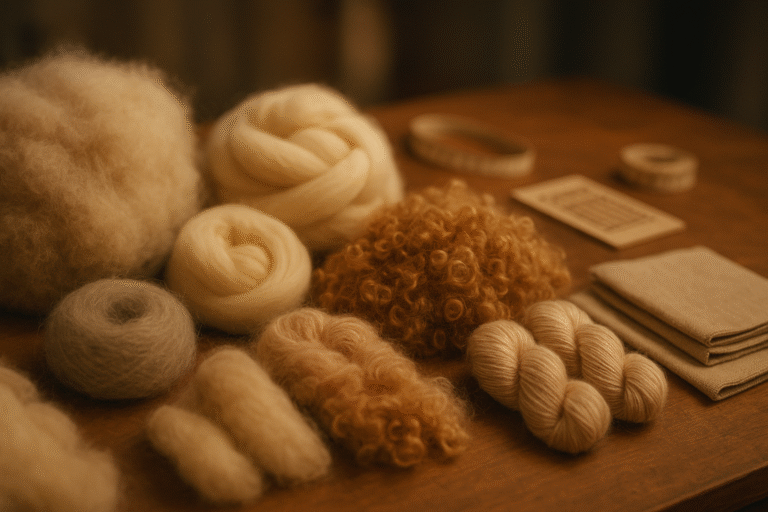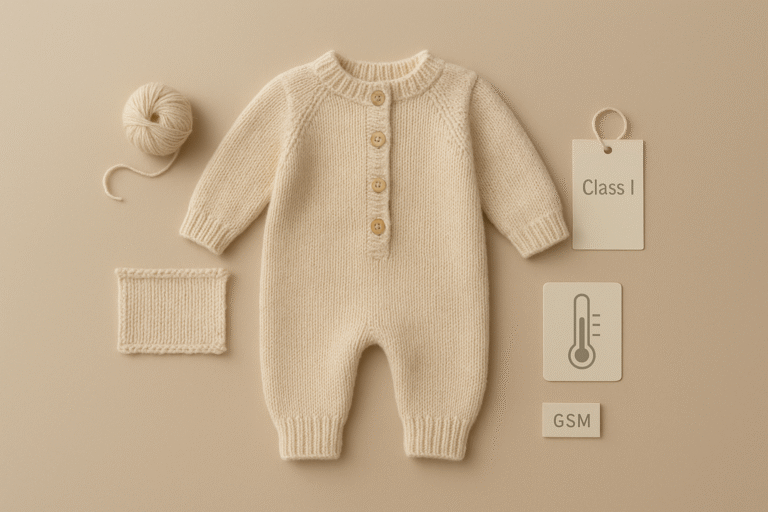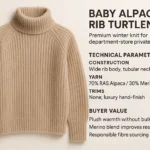

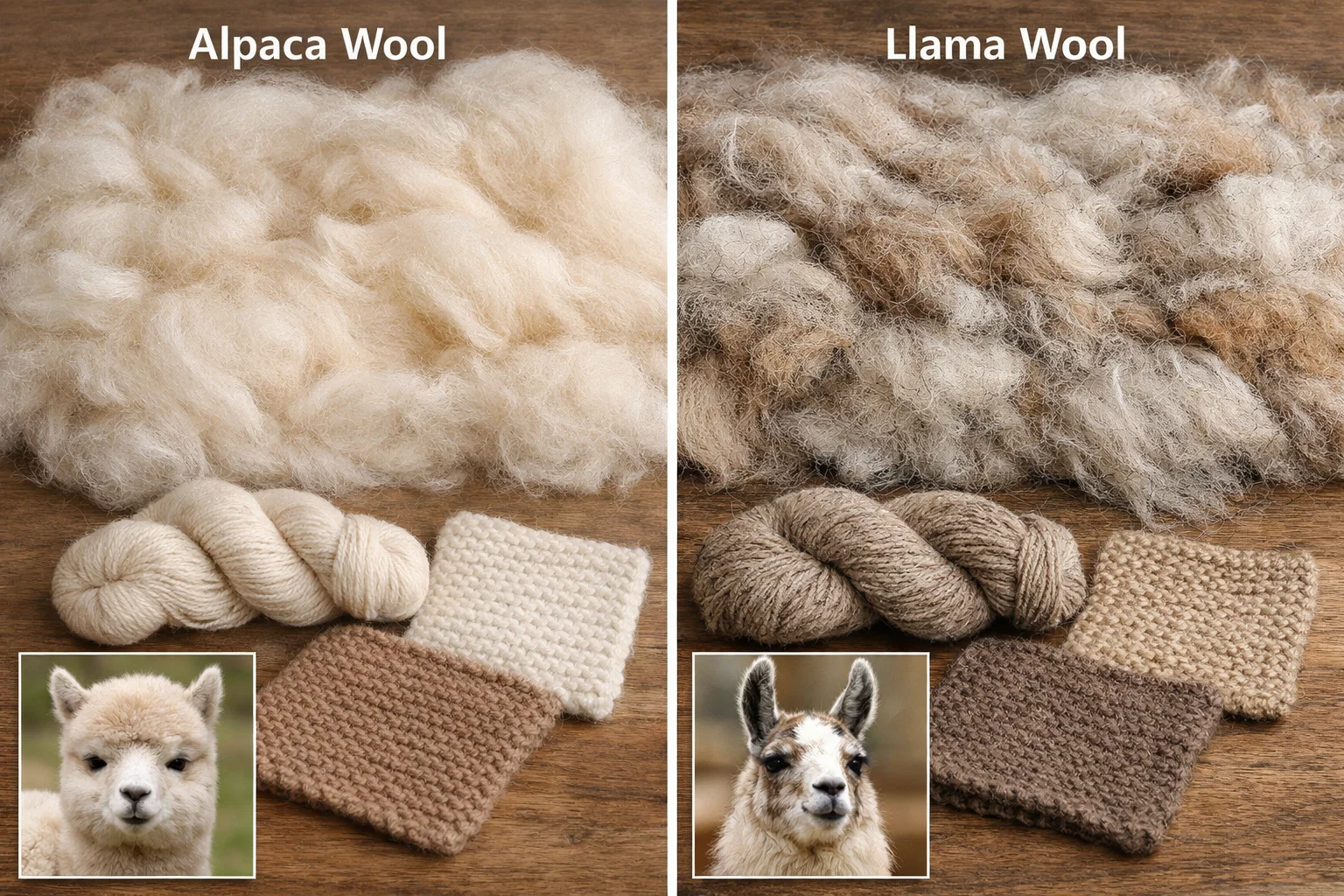
If you’re curious about alpaca vs llama wool, it’s important to know what sets them apart. Alpaca vs llama wool shows that alpaca wool is softer due to its very thin fibers, averaging just 25.31 micrometers. In contrast, alpaca vs llama wool reveals that llama wool feels warmer because its fibers are thicker, which helps trap more heat. When deciding between alpaca vs llama wool, choose alpaca wool for sweaters, mittens, or light shirts, as these garments feel gentle on your skin. On the other hand, alpaca vs llama wool suggests llama wool is ideal when you need extra warmth, making it perfect for outdoor gear or sturdy blankets.
Key Takeaways
Alpaca wool feels softer because it has fine fibers. This makes it great for clothes like sweaters and scarves that touch your skin. Llama wool is warmer and lasts longer. It works well for outdoor gear and thick blankets that get used a lot. Pick alpaca wool if you want comfort and a fancy feel. It is good for people with sensitive skin because it does not cause allergies. Llama wool feels rougher but keeps heat in very well. It is good for cold weather and tough places. Think about what you need when picking wool. Choose soft wool for clothes or strong wool for outdoor things.
Key Differences Between Alpaca and Llama Wool
Fiber Structure and Diameter
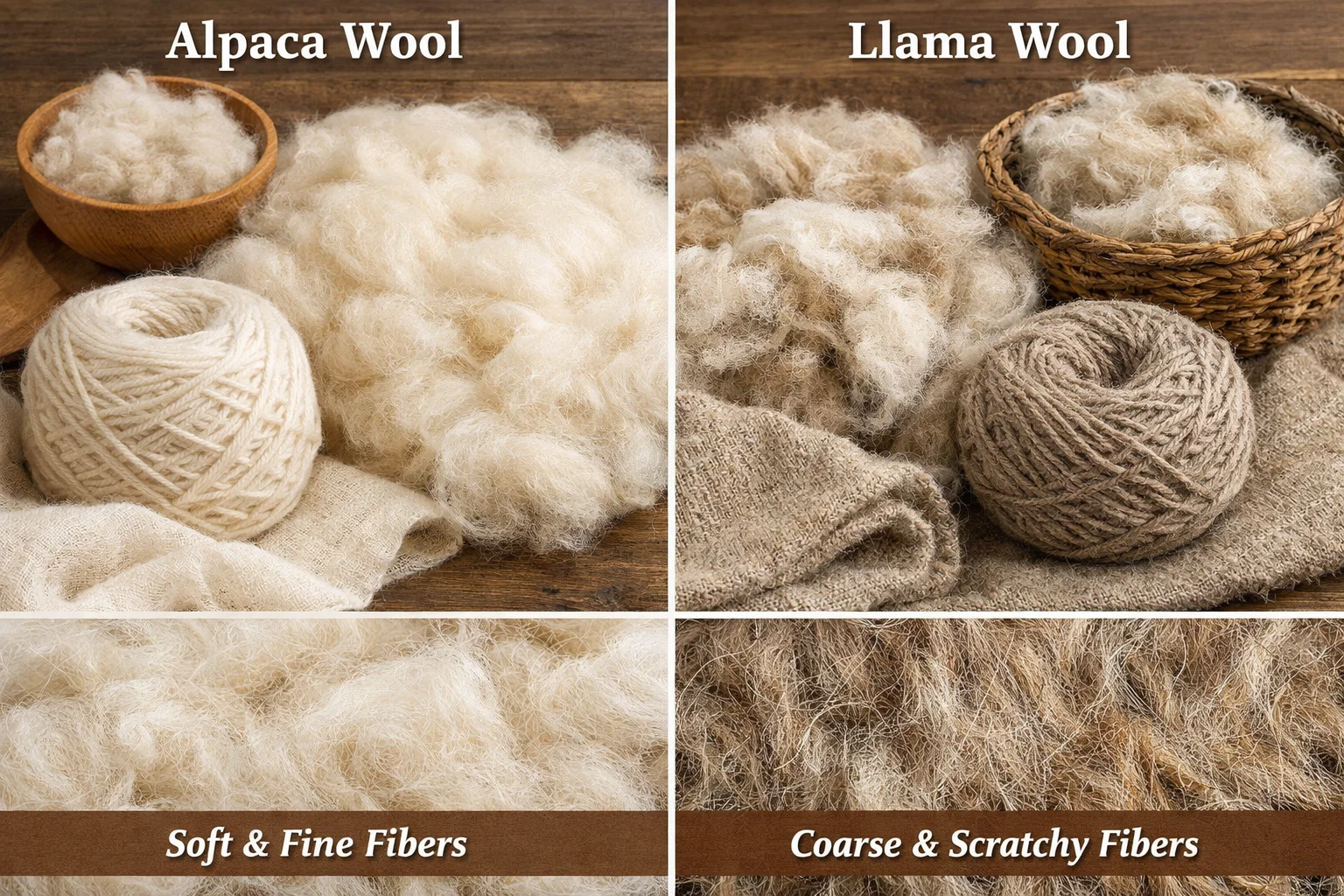
When you look at alpaca and llama wool, you see big differences. The fiber structure is very important. Alpaca wool has longer fibers. This makes it feel soft and fancy. Llama wool has shorter and rougher fibers. Alpaca fibers are good for light clothes. Llama fibers work better for heavy things like carpets and coats. You can check the fiber size in this table:
Wool Type | Average Fiber Diameter (microns) |
|---|---|
Alpaca Wool | Finer than 25-30 microns |
Llama Wool | 25-30 microns |
Texture and Feel
Alpaca wool feels smooth, almost like silk. It is softer than Merino wool because of its crimp and smoothness. Alpaca fiber is smoother than llama wool. Llama wool has a rough, scaly surface. Alpaca fibers have lower scales, so they do not feel scratchy. Alpaca also has a lower prickle factor. This means it feels nice on your skin. Here are some facts about how they feel:
Alpaca wool feels soft and silky.
Llama wool feels rough because of its scales.
Alpaca fiber is smoother and less itchy.
You can wear alpaca wool close to your skin.
Durability and Use Cases
Llama wool is known for being strong. You can use it for things that need to last, like outdoor gear. Its rough fibers make it tough and able to handle lots of washing. Alpaca wool is strong too, but its fine fibers can pill more. You should take care of alpaca wool to keep it soft and looking good. Knowing these differences helps you pick the right wool. Choose alpaca for soft clothes or llama for tough outdoor things.
Alpaca vs Llama Wool: Softness
Alpaca Wool Softness
When you touch alpaca wool, you notice how soft it feels. The softness comes from the fine fibers. These fibers have a low mean fiber diameter, which means they are thin and gentle on your skin. You can wear alpaca wool close to your body without feeling itchy. Many people choose alpaca wool for scarves, sweaters, and baby clothes because it feels smooth and comfortable.
Laboratories use special measurements to test the characteristics of alpaca wool. You can see these measurements in the table below:
Measurement | Description |
|---|---|
Shows how fine the fleece is; lower numbers mean softer wool. | |
Standard Deviation (SD) | Tells how much the fiber size changes; lower values mean more even softness. |
Comfort Factor | Higher values mean the wool feels better against your skin. |
Fibers Greater Than 30 microns | Fewer thick fibers mean less itchiness and more comfort. |
Spin Fineness | Shows how the fiber will perform when spun into yarn. |
You get many benefits of alpaca wool when you choose it for clothing. The fiber is soft, light, and warm. You can enjoy wearing it all day, even if you have sensitive skin. The characteristics of alpaca wool make it a favorite for fine garments.
Llama Wool Softness
Llama wool feels different when you touch it. The fibers are thicker, so the wool is not as soft as alpaca wool. You may notice a rougher texture, especially if you wear it next to your skin. Llama wool works well for items that need to last a long time, like rugs or outdoor blankets.
Here are some facts about llama wool softness:
Finer fibers with lower micron counts feel soft and flexible. You can use them for clothing.
Thicker fibers with higher micron counts feel rougher. These fibers work best for carpets or coats.
You may find some llama wool that feels soft, but most of it is coarser than alpaca wool. If you want something gentle for your skin, alpaca wool is usually the better choice.
Primary Difference Between Alpaca and Llama Wool
The primary difference between alpaca and llama wool is the softness. Alpaca wool has finer fibers, so it feels soft and smooth. Llama wool has thicker fibers, so it feels rougher and warmer. You should choose alpaca wool if you want soft clothing for sensitive skin. Llama wool is better for strong, warm items.
Tip: If you want a soft sweater or scarf, pick alpaca wool. If you need a tough blanket for outdoor use, llama wool is a good choice.
You can see that alpaca vs llama wool shows clear differences in softness. Alpaca fiber gives you comfort and style, while llama wool gives you strength and warmth.
Alpaca Wool vs Llama Wool: Warmth
Insulating Properties
You might wonder which wool is warmer when you compare alpaca vs llama wool. The answer depends on how each type of wool traps heat. Alpaca wool has a unique hollow fiber structure. This design lets it trap air, which helps keep you warm without adding much weight. Llama wool, on the other hand, feels heavier and bulkier. Its coarser texture gives it good thermal insulation, but it does not trap air as efficiently as alpaca wool.
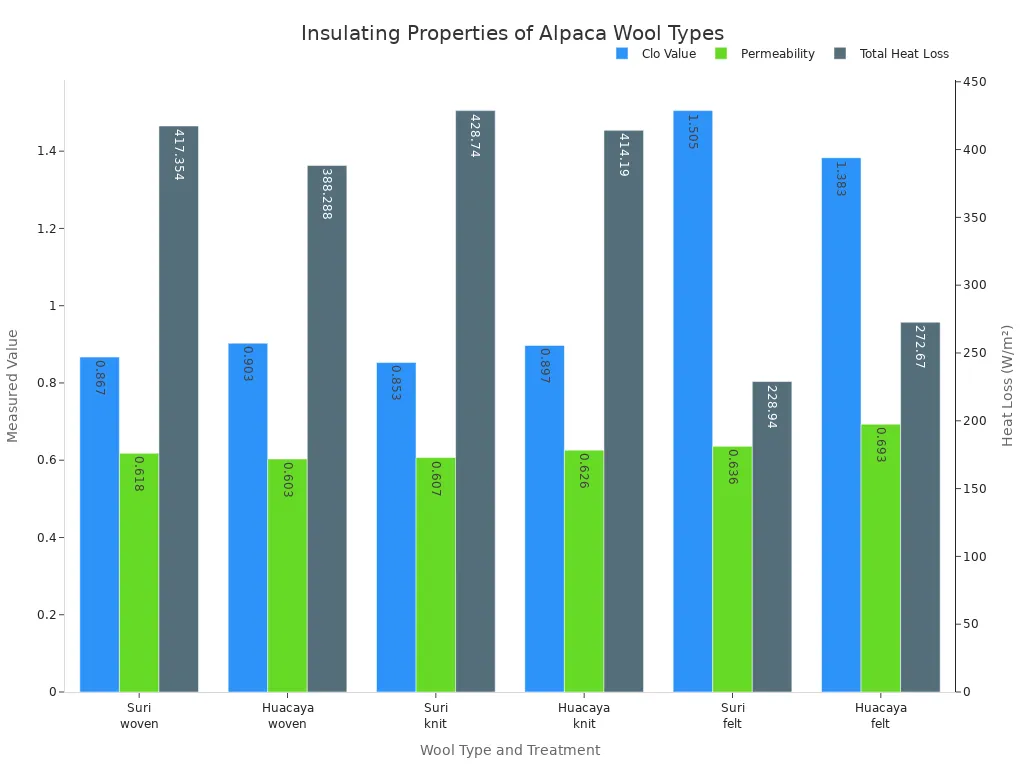
You can see how different types of alpaca wool perform in the table below. The “Clo Value” shows how well the material insulates. Higher numbers mean better warmth.
Type | Clo Value | Permeability | Total Heat Loss |
|---|---|---|---|
Suri woven | 0.867 | 0.618 | 417.354 |
Huacaya woven | 0.903 | 0.603 | 388.288 |
Suri knit | 0.853 | 0.607 | 428.74 |
Huacaya knit | 0.897 | 0.626 | 414.19 |
Suri felt | 1.505 | 0.636 | 228.94 |
Huacaya felt | 1.383 | 0.693 | 272.67 |
Llama wool stands out for its durability and warmth. Its coarser fibers make it less comfortable for clothing worn next to your skin, but they help block cold air and keep you warm in harsh weather.
Practical Warmth in Use
When you wear alpaca wool, you notice how light it feels. The hollow fiber traps heat, so you stay warm without feeling weighed down. This makes alpaca wool a great choice for layering in cold weather. You can wear it as a sweater or scarf and feel cozy all day.
Llama wool feels heavier and bulkier. You might use it for thick blankets or outdoor coats. The characteristics of llama wool make it perfect for situations where you need extra warmth and durability. If you spend time outside in the cold, llama wool can help protect you from the wind and chill.
Here is a quick comparison:
Wool Type | Coarseness | Warmth Characteristics | Weight |
|---|---|---|---|
Llama Wool | Coarser | Good thermal insulation, heavier and bulkier | Heavier |
Alpaca Wool | Softer | Superior warmth due to hollow fiber structure | Lighter |
Note: Llama wool is coarser and bulkier, which gives it good insulation. Alpaca wool uses its hollow fibers to trap more heat, making it both warm and light.
Best Uses for Warmth
You should choose alpaca wool if you want warmth without bulk. Its light weight and soft feel make it perfect for sweaters, hats, and scarves. You can wear these items close to your skin and stay comfortable.
Llama wool works best for heavy-duty warmth. You might pick it for thick blankets, ponchos, or rugged outdoor clothing. The characteristics of llama wool help it last longer and keep you warm in tough conditions.
If you ask which wool is warmer, the answer depends on your needs. Alpaca wool offers excellent insulation with less weight, while llama wool provides strong warmth and durability for outdoor use.
Tip: For everyday cold-weather clothing, alpaca wool keeps you warm and comfortable. For outdoor adventures or heavy blankets, llama wool gives you the extra warmth and toughness you need.
Why Alpaca and Llama Wool Differ
Animal Fiber Structure
When you look at alpaca and llama wool, you see big differences. Alpacas have fleece with fine and soft fibers. These fibers feel smooth and gentle on your skin. Llamas grow wool with thicker fibers and a hollow center. This makes their wool strong and good at keeping heat in. Llamas have two layers in their coat, so they can live in many climates. Alpaca wool is more even, so it is great for making soft clothes. Llama wool feels rougher and gives better insulation.
Here is a table that shows how their wool properties differ:
Property | Alpaca Wool | Llama Wool |
|---|---|---|
Fiber Quality | Finer, softer wool | Coarser fibers |
Color Variety | Wide array of colors | Less variety |
Economic Value | Higher prices in the market | Lower prices |
Insulation | Less insulating | Excellent insulation |
Environmental Adaptations
Alpacas and llamas changed to fit their homes. Alpacas live high up in the mountains. Their soft fleece keeps them warm from cold winds but does not feel heavy. Llamas live where the weather changes a lot. Their wool has a thick outside and a soft inside. This double coat keeps them warm when it is cold and cool when it is hot.
You can learn more about their adaptations from these facts:
Alpacas make thick, soft fleece that is good for clothes.
Llamas have two layers in their coat for different weather.
Llama wool is thicker and has a hollow center for strength and warmth.
Llama wool fibers are usually thicker and have a hollow center. This helps them stay strong and warm. Alpaca wool is fine and even, so it is softer but not as different in texture. These changes happened because each animal needed to survive where it lives.
Alpacas vs Llamas: Choosing Wool
Best Uses for Alpaca Wool
You might want to use alpaca wool when you need something soft and gentle. This wool feels smooth against your skin. You can wear it all day without itching. Many people choose alpaca wool for sweaters, scarves, hats, and baby clothes. It works well for garments that touch your skin because it is hypoallergenic. You can also use it for lightweight blankets or throws. Alpaca wool gives you warmth without feeling heavy.
Tip: If you have sensitive skin, alpaca wool is a smart choice for comfort.
Best Uses for Llama Wool
Llama wool works best for items that need to last a long time. You can use it for outerwear, ponchos, and thick blankets. The fibers are strong and resist wear. Llama wool keeps you warm in cold weather. You might pick it for rugs or durable coats. This wool is not as soft as alpaca wool, but it protects you from wind and cold. Llama wool is a good option for outdoor gear.
Note: Llama wool is great for heavy-duty projects and tough conditions.
Tips for Selection
When you compare alpaca vs llama wool, you should think about softness, warmth, and durability. Use the table below to help you decide:
Factor | Alpaca Wool | Llama Wool |
|---|---|---|
Softness | Luxuriously soft and fine | Coarser and less soft |
Warmth | Exceptional warmth | Good insulating properties |
Durability | Less durable | Highly durable and resilient |
Hypoallergenic | Yes | No |
Ideal Use | Close-to-skin garments | Outerwear, heavier garments |
You can see that alpacas vs llamas offer different benefits. Choose alpaca wool for soft clothing and gentle blankets. Pick llama wool for strong, warm items like coats or rugs. Think about your project and how you want the finished item to feel.
Remember: Softness matters for clothes, but durability is key for outdoor gear.
You now know alpaca wool feels softer because of its fine fibers, while llama wool gives you more warmth and strength. Many people think both wools feel the same, but alpaca is best for soft clothes. Llama wool works well for tough, warm items.
Alpaca wool: fine, soft, perfect for high-quality garments
Llama wool: coarser, valued for resilience
Choose the wool that fits your needs. Enjoy making or wearing something special! 😊
FAQ
Is alpaca wool hypoallergenic?
You can wear alpaca wool if you have sensitive skin. Alpaca fibers do not contain lanolin, so they rarely cause allergic reactions. Many people choose alpaca wool for comfort and safety.
Can you wash alpaca and llama wool at home?
You can wash both types by hand using cold water and mild soap. Avoid twisting or wringing the wool. Lay items flat to dry.
Tip: Always check the care label before washing.
Which wool lasts longer, alpaca or llama?
Llama wool lasts longer because it has coarser and stronger fibers. You can use it for rugs, blankets, and outdoor gear. Alpaca wool feels softer but may pill if you do not handle it gently.
What clothing works best with alpaca wool?
You can use alpaca wool for sweaters, scarves, hats, and baby clothes. The soft fibers feel comfortable against your skin.
Garment Type | Alpaca Wool Benefit |
|---|---|
Sweater | Soft, warm |
Scarf | Gentle, cozy |
Hat | Lightweight, warm |