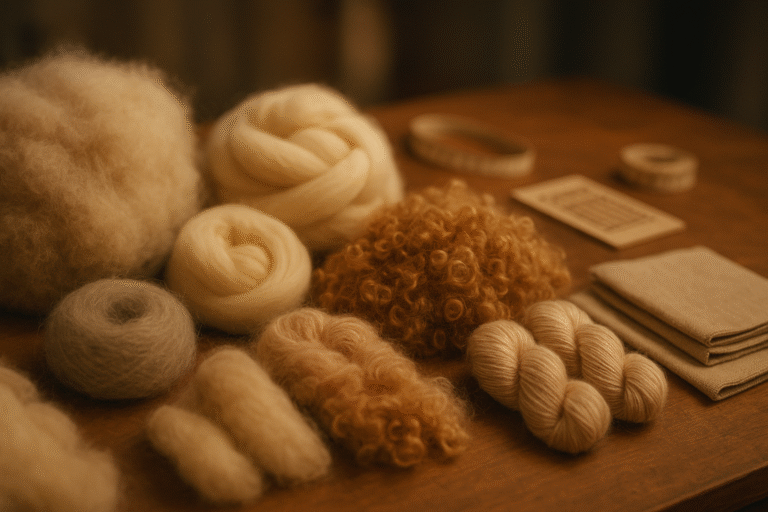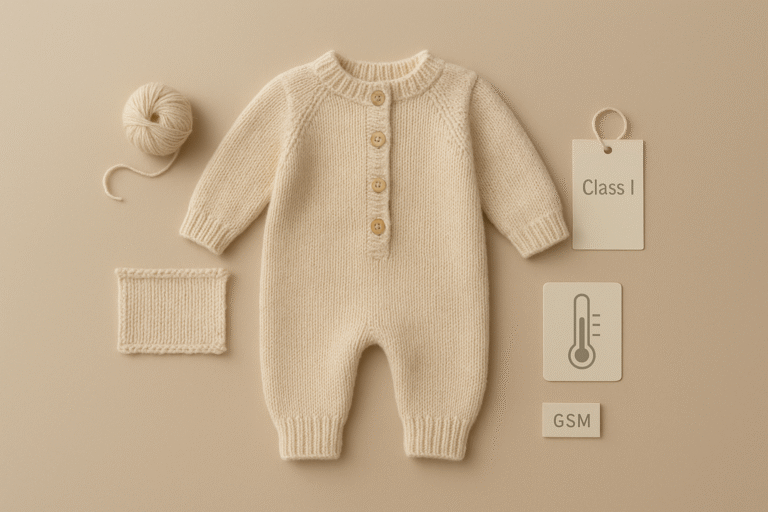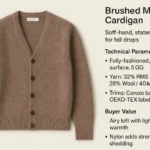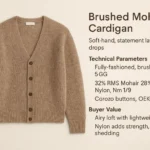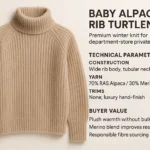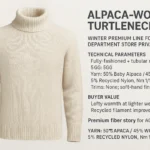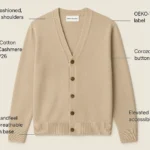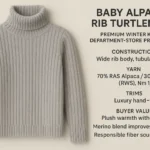


If you’re comparing angora wool vs cashmere for the warmest winter fiber, angora truly delivers. You might be surprised by how lightweight it feels, but its hollow fibers trap more air than cashmere, providing superior insulation. So, when considering angora wool vs cashmere, angora stands out for offering more warmth without the extra bulk, keeping you extra cozy when temperatures drop.
Key Takeaways
Angora wool is warmer than cashmere. Its hollow fibers trap more air. This gives better insulation. Cashmere feels soft and smooth. It is great for everyday wear. You may need extra layers to stay warm with cashmere. Angora needs gentle care to keep it soft and in shape. Cashmere is stronger and easier to take care of. Think about what you need. Pick angora for the most warmth in cold weather. Choose cashmere for style and comfort in mild weather. You can find blends of angora and cashmere. These blends give you both warmth and softness.
Angora Wool vs Cashmere: Warmth

Which Is Warmer?
If you compare angora wool and cashmere, you want to know which is warmer. The answer is easy: angora is warmer. Angora feels light, but it traps more air. This means you stay warmer without wearing heavy clothes. When you go outside on a cold day, angora keeps you warm right away and keeps working. Cashmere is soft and cozy, but it gives gentle warmth. It works best inside or with other layers. If you want to be warm in real winter, angora is the better choice.
Fiber Structure & Insulation
Angora’s warmth comes from its special fibers. Angora fibers are hollow, so they hold more air. The air inside acts like a shield. It keeps your body heat in and the cold out. Cashmere fibers are solid and very thin. They feel nice but do not trap as much air. Here is a quick look at both:
Angora fibers are hollow and trap more air, so you get insulation that works even when it is very cold.
Cashmere fibers are solid and fine, so they give some warmth but not as much as angora.
Angora’s hollow fibers give you more warmth with less weight, so you do not feel bulky.
Studies show angora fibers are about 9 to 24 microns wide. This size and their hollow core make angora great for insulation in cold places. Cashmere has solid fibers, so it cannot keep you as warm as angora.
Warmth in Use
You might wonder how angora wool and cashmere feel when you wear them. People who wear angora say they do not feel warm right away. After a few minutes, the warmth builds up and stays steady. You do not need to add more layers or change your clothes. Angora keeps you comfortable for a long time, even outside.
Angora fibers are hollow, so they trap more air and give better insulation. This means you feel warmer slowly, but you do not need bulky clothes. Angora works well for staying warm in the cold. Cashmere feels nice but does not keep you as warm for a long time. You may need extra layers with cashmere.
Angora keeps you warm and steady, so you do not have to change your clothes often. Cashmere feels good, but it does not get warmer over time. It is not as good for staying outside in the cold.
If you want a sweater for a cool office, cashmere feels soft and nice. If you need a scarf or hat for a snowy walk, angora is better. Angora keeps you warm longer and works well for outdoor fun. Cashmere is good for style and comfort, but angora is best for real warmth.
Softness & Comfort

Angora Wool Feel
When you touch angora, you notice how light and fluffy it feels. The fibers almost float in your hand. You might think it feels like a soft cloud. Angora gives you a gentle touch on your skin. Some people say it feels ticklish at first, but it gets smoother as you wear it. If you have sensitive skin, you may want to try a small piece before buying a whole sweater. Angora’s softness stands out, but it can shed tiny hairs. You might see these fibers on your shirt or coat. That is normal for angora.
Tip: If you want less shedding, look for angora blends. These mix angora with other fibers to keep the softness and reduce loose hairs.
Cashmere Softness
Cashmere is famous for its softness. When you run your hand over cashmere, you feel a silky and smooth surface. It does not tickle or itch. You can wear cashmere right on your skin, and it feels gentle all day. Many people love cashmere for scarves and sweaters because it feels so nice. Cashmere does not shed much, so your clothes stay neat. If you want a sweater that feels soft every time, cashmere is a great choice.
Here is a quick look at both fibers:
Feature | Angora | Cashmere |
|---|---|---|
Softness | Fluffy, light | Silky, smooth |
Shedding | Sheds more | Sheds less |
Skin Feel | Tickly at first | Gentle always |
Everyday Comfort
You want comfort every day, not just on special occasions. Angora gives you warmth and a soft touch, but it may feel too warm indoors. Cashmere works well in many places. You can wear cashmere at work, at home, or outside. It keeps you cozy without making you sweat. If you want both softness and insulation, you can choose a blend of angora and cashmere. This gives you the best of both worlds. Try different pieces and see what feels best for you. Your comfort matters most.
Durability & Care
Angora Wool Durability
When you pick angora, you get amazing warmth and softness. You also need to think about durability. Angora feels delicate. The fibers break or pull apart if you stretch or rub them too much. You might notice shedding, especially when you wear angora often. If you want your angora sweater to last, treat it gently. Avoid rough surfaces and sharp jewelry. You should fold angora instead of hanging it, so the shape stays nice. Angora does not like heavy washing or strong detergents. If you want to keep the fibers fluffy, use a gentle hand wash.
Tip: Store angora in a cool, dry place. Use a breathable bag to protect it from moths.
Cashmere Durability
Cashmere gives you a soft feel and better durability than angora. You can wear cashmere more often without worrying about damage. The fibers hold together well, so you see less shedding. Cashmere sweaters keep their shape if you care for them. You should still avoid rough handling, but cashmere handles everyday use better. If you want a fiber that lasts longer, cashmere is a smart choice. You can enjoy cashmere for years with simple care.
Here’s a quick table to compare durability:
Feature | Angora | Cashmere |
|---|---|---|
Durability | Delicate | Stronger |
Shedding | High | Low |
Care Needed | Very gentle | Gentle |
Maintenance Tips
You want your angora and cashmere pieces to look great for a long time. Here are some easy care tips:
Hand wash both fibers in cold water. Use mild soap.
Lay flat to dry. Avoid wringing or twisting.
Fold sweaters and store them in breathable bags.
Keep away from direct sunlight and heat.
Brush angora gently to keep it fluffy.
Note: If you see pilling on cashmere, use a fabric comb. For angora, remove loose hairs with a soft brush.
You can enjoy the warmth and softness of angora and cashmere if you follow these simple steps. Take care of your clothes, and they will last longer.
Other Factors
Price & Value
When you shop for angora wool and cashmere, you may see a big price gap. Cashmere usually costs more than angora. This is because cashmere comes from goats that live in special places. The way cashmere gets to stores is not always easy. Sometimes, farmers do not get paid much because it is hard to know where the cashmere came from. That makes a good cashmere sweater cost more. Angora can also be expensive, but blends are often cheaper. If you think about value, cashmere lasts longer and does not shed as much. You can wear cashmere more times for your money. Angora is warmer, but you have to be gentle with it.
Availability
You can find cashmere sweaters in lots of stores, but the supply can change. There is no set way to track cashmere from goat to store. This makes it hard for brands to say where their cashmere comes from. Sometimes, there are fewer cashmere items in shops because of these problems. Angora is not as easy to find. Most angora comes from China. Many brands stopped selling angora because they worry about animal care. If you want angora, you may need to shop online or go to special stores.
Ethical Considerations
You may care about how your clothes are made. Both angora and cashmere have some problems. Here are some main things to think about:
Angora rabbits often live in small cages. This can hurt them.
Workers sometimes use painful ways to get the wool. This can stress the rabbits.
Many rabbits are killed young, even though they could live longer.
Cashmere goats also have hard lives. Too many goats can hurt the land. Some farms keep goats in crowded places. Both angora and cashmere can have animal and land problems.
Aspect | Cashmere Production | Angora Wool Production |
|---|---|---|
Animal Source | Mongolian goats | Angora rabbits |
Welfare Conditions | Overcrowding, poor living conditions | Inhumane living, painful fur plucking |
Environmental Impact | High resource use, but can be sustainable | |
Industry Response | Some brands seek better practices | Many brands avoid angora due to cruelty |
If you want to shop in a good way, look for brands that use kind and green ways. You can also check for labels or ask where the fiber comes from.
You want the warmest choice for winter? Angora wins because its hollow fibers trap air and keep you cozy, even in freezing weather. Here’s a quick guide to help you decide:
Angora feels super soft and light, but it needs gentle care and sheds more.
Cashmere is smooth, strong, and perfect for everyday wear or travel.
Think about your needs. If you want warmth without bulk, pick angora. For style and long-lasting comfort, cashmere is a smart pick.
FAQ
Is angora wool itchy on skin?
You might feel a little tickle when you first wear angora. Most people get used to it quickly. If you have very sensitive skin, try a small angora item before buying a sweater.
Can you wash angora or cashmere in a machine?
You should not use a washing machine for angora or cashmere. Hand wash both in cold water with mild soap. Lay flat to dry. This keeps your clothes soft and looking new.
Which is better for people with allergies?
Cashmere works better for most people with allergies. Angora can shed tiny hairs that may bother your nose or skin. If you have allergies, choose cashmere or an angora blend with less shedding.
Does angora wool pill more than cashmere?
Yes, angora pills and sheds more than cashmere. You may see little balls of fiber on your angora sweater. Use a soft brush to remove them. Cashmere pills less and stays smooth longer.