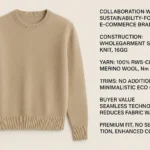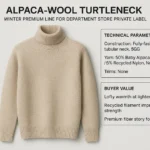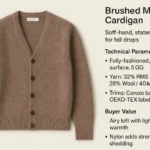

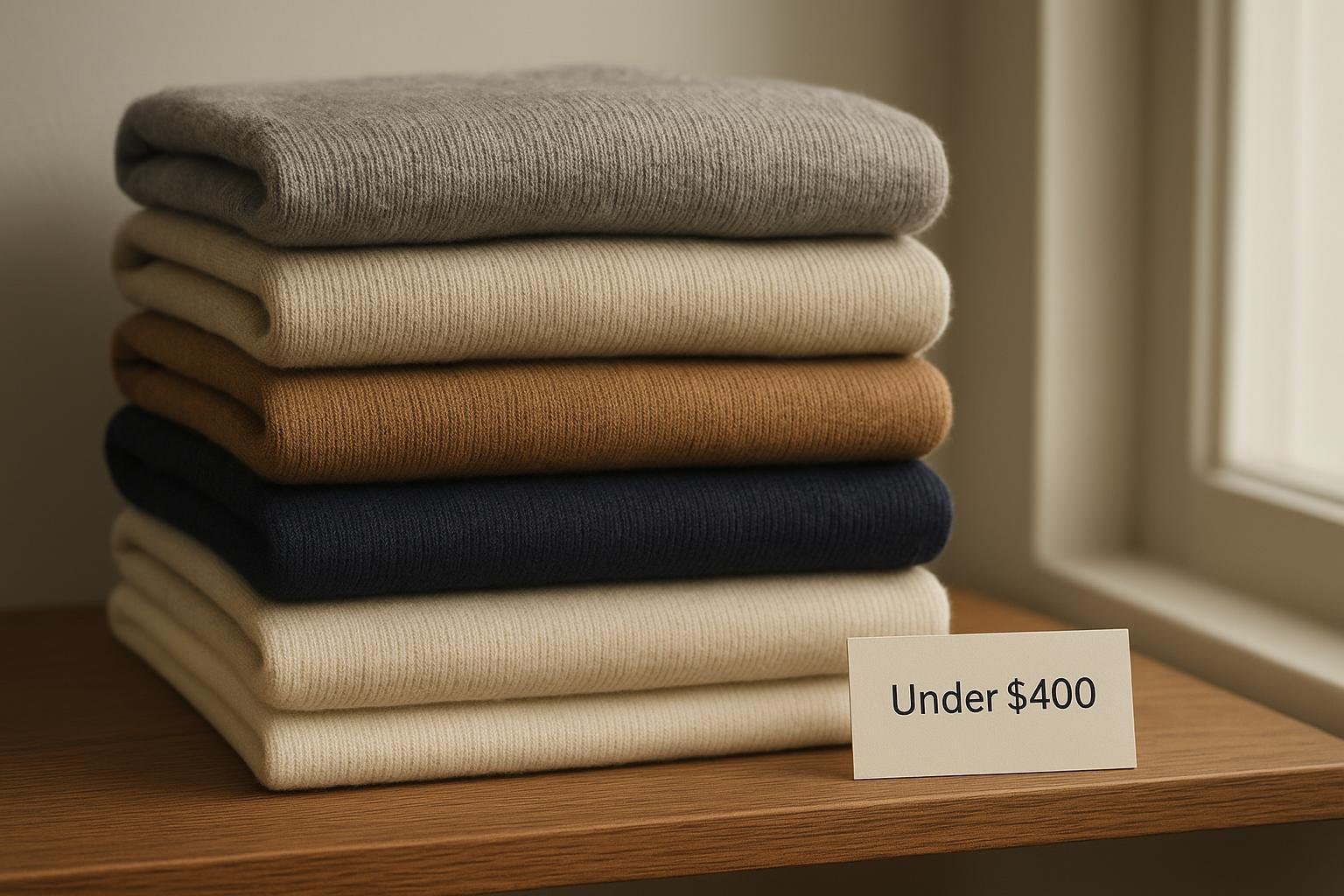
If you’re shopping for the best cashmere cardigans under $400, durability matters as much as drape. This guide ranks perennial, always-in-stock styles by evidence: fiber fineness targets (14–16µ or a published proxy), 2–3‑ply construction and/or knit density when available, transparent durability signals, and clear return policies.
“Proven durable” here means a blend of transparent specs (micron, ply, gauge/GSM when brands share them) plus credible wear evidence or policy safeguards. We prioritize models that publish fiber quality or link to recognized standards, then factor in construction, returns/warranty, and real‑world availability.
— and yes, everything listed is at or under $400 pre‑tax at time of writing.
Key takeaways
Look for 14–16µ fiber fineness or a published proxy (e.g., Grade‑A Mongolian cashmere with fiber length around 34–36 mm). When brands don’t publish, favor those with traceable standards and clear policies.
For everyday durability, 2–3‑ply yarns and moderate gauges (often 7–12 GG) tend to resist pilling better than ultra‑loose, airy knits.
Returns matter: 30 days is a solid baseline; a longer window suggests confidence. Note final‑sale exclusions.
Only a few brands disclose micron/length openly; transparency earns ranking priority. Quince is a standout for publishing micron and fiber length on multiple cardigan pages.
Care and wash habits still drive outcomes. Gentle hand-wash or dry-clean cycles and depilling when needed can extend life.
Soft note: We compile specs from brand product pages, policy pages, and credible standards sources. Evidence links appear where they materially aid your decision.
How we chose (methodology and disclosure)
We scored perennial/basic cardigans (not limited collabs) under $400 against seven weighted criteria:
Verified fiber quality (micron range or grade proxy) — 22%
Yarn construction & knit density (2–3‑ply; gauge/GSM/stitch density if available) — 18%
Durability evidence transparency (lab tests to ISO/ASTM/DIN, or standardized wash/wear‑tests) — 20%
Policy confidence (returns ≥30 days preferred; warranty/repairs) — 12%
Fit, sizing breadth, and availability (stock consistency; global/NA access) — 10%
Value for price — 10%
Ethics & certifications (e.g., GCS, OEKO‑TEX, traceability) — 8%
Evidence sources included brand/product spec pages and official policy pages; where applicable, we referenced standard test frameworks such as ISO 12945‑2 for pilling (grades 1–5 after defined rub cycles) and Martindale abrasion norms explained by testing providers (overview links in the Primer below).
Disclosure: AzKnit is our own manufacturing brand. We evaluated it using the same criteria as other options and will only reference it in toolbox-style notes where it adds manufacturer-level context—not as a ranked consumer pick. Learn more at AzKnit.
Comparison table (scan-first)
Brand/Model | Price (USD) | Micron/Grade | Ply | GSM/Density | Durability Evidence | Returns | Best for | Limitations |
|---|---|---|---|---|---|---|---|---|
Quince Cardigan (e.g., Duster; Oversized Boyfriend; Structured V‑Neck) | ~$150–$200 | Grade‑A; 15.8–16.2µ; 34–36 mm (published) | Not published | Gauge 7–12 GG (varies by style) | No lab data; transparency + long returns | 365‑day returns (conditions apply) | Value seekers who want published micron | Ply undisclosed; specs vary by region page |
Naadam Signature Cardigan family | ~$100–$198 (promos common) | Not published | Not published | Signature line ~12 GG (published) | No lab data; gauge proxy | Standard returns; final‑sale exclusions | Style variety under cap | Micron/ply not published; final-sale caveats |
Everlane Cashmere Cardigan (Cropped/Rib V‑Neck) | ~$198–$228 | GCS/recycled cashmere signals on range | Not published | Not published | No lab data | 30‑day returns (U.S.) | Minimalist staples + clear policies | Sparse tech specs on exact models |
J.Crew Cashmere Cardigan (Classic/Perfect) | Commonly <$300 | GCS mentioned on range | Not published | Not published | No lab data | 30‑day returns (U.S.) | Broad sizing and easy access | Variant pilling risk; sparse specs |
Uniqlo Cashmere Cardigan (perennial family) | Typically <$180 | Not published | Not published | Not published | Brand-level JIS knit testing (merino proxy) | 30‑day returns; $7 U.S. label fee | Entry‑mid budgets | Specs sparse; return fee on mail‑in |
Marks & Spencer Autograph Cashmere Cardigan | ~$120–$222 eq. | Not published | Not published | Not published | No lab data | Generally 35‑day (region rules) | UK/EU shoppers; steady value | International shipping considerations |
ARKET Pure Cashmere Cardigan | ~$140–$195 eq. | Not published | Not published | Not published | No lab data | Region returns apply | EU availability + minimalist design | Sparse specs; confirm local policy |
John Lewis Cashmere Cardigan (perennial) | ~$75–$130 eq. | Category ethics signals | Not published | Not published | No lab data | UK free returns (qualifying) | Budget classic basics | NA availability varies; sparse specs |
Price/status captured on 2026‑02‑07 from brand pages; promos change frequently—always verify on the product page.
The best cashmere cardigans under $400 (ranked picks)
Below, we start with the most transparent spec sets. Where micron or ply aren’t published, we clearly say so and weight other factors accordingly.
1) Quince — Mongolian Cashmere Cardigan family (Best for spec transparency under $200)
Model examples: Duster; Oversized Boyfriend; Structured V‑Neck
Why it ranks: Quince publicly lists Grade‑A Mongolian cashmere with 15.8–16.2µ micron and 34–36 mm fiber length on multiple cardigan pages, a rarity at this price point. See its Duster Cardigan specs. Some models also publish knit gauge (often 7–12 GG). Returns are unusually long at 365 days (Shipping & Returns).
Specs snapshot: Micron published (15.8–16.2µ); ply not published; gauge varies by style.
Durability evidence: No formal lab data posted; transparency + long returns serve as market signals. Follow gentle care.
Price/availability: Commonly ~$150–$200; global pages vary.
Pros: Published micron/length; strong value; long return window.
Cons: Ply undisclosed; regional page specs can differ.
2) Naadam — Signature Cashmere Cardigan family (Best for style variety and gauge disclosure)
Why it ranks: The Signature line commonly discloses knit gauge (around 12 GG), which is a useful construction proxy. See the Signature Boxy Cardigan. Sale pricing often lands well below $200, though some items are final sale (e.g., Signature Fitted Cardigan).
Specs snapshot: Micron/ply not published; Signature ~12 GG.
Durability evidence: No lab data; gauge + community wear feedback.
Price/availability: ~$100–$198 on promo; check final‑sale terms.
Pros: Transparent gauge; frequent promos; modern fits.
Cons: Micron/ply undisclosed; final‑sale reduces policy flexibility.
3) Everlane — Cashmere Cropped Cardigan / Cashmere Ribbed V‑Neck (Best minimalist basics with clear policies)
Why it ranks: Clean staples with straightforward returns via Help Center. Some cashmere categories reference Good Cashmere Standard® sourcing, a responsible‑sourcing proxy. See the Cropped Cardigan and Everlane returns.
Specs snapshot: Micron/ply/GSM not published for the exact cardigans.
Durability evidence: No lab data; policy clarity is a plus.
Price/availability: ~$198–$228; frequent color refreshes.
Pros: Easy policies; clean aesthetic; consistent availability.
Cons: Sparse technical specs; not the warmest knits.
Mid‑list reminder: Before buying, confirm your size coverage and the exact returns window (some sale items are final). Skim knit weight/gauge where brands publish it—it’s a handy proxy for day‑to‑day durability.
4) J.Crew — Classic/Perfect Cashmere Cardigan (Best for broad sizes and easy access)
Why it ranks: Wide sizes and color runs, with Good Cashmere Standard® mentioned across the cashmere range. Representative product and returns reference: Perfect Cashmere Cardigan and J.Crew 30‑day return note.
Specs snapshot: Micron/ply/GSM not published for the exact models.
Durability evidence: No lab data; mainstream fit and styling.
Price/availability: Commonly <$300–$350 in‑season.
Pros: Inclusive fits and distribution; frequent stock.
Cons: Sparse specs; textured variants may pill faster.
5) Uniqlo — Women’s Cashmere Cardigan family (Best budget-friendly entry)
Why it ranks: Reliable pricing under ~$180 in-season, with a standardized return flow in the U.S. (mail‑in label fee applies). See a current product example and U.S. exchange/return policy.
Specs snapshot: Micron/ply/GSM not published on cashmere cardigans.
Durability evidence: No cashmere‑specific lab data; Uniqlo references knit testing (e.g., JIS) on other wool lines as a brand‑level signal.
Price/availability: Typically <$150–$180; seasonal availability.
Pros: Accessible price; retail footprint.
Cons: Sparse specs; $7 return‑label fee for U.S. online orders.
6) Marks & Spencer (Autograph) — Pure Cashmere Cardigan (Best for UK shoppers)
Why it ranks: Consistent assortment under the Autograph line with a generous returns framework. See representative V‑Neck Button Front and M&S Returns & Refunds.
Specs snapshot: Micron/ply/GSM not published.
Durability evidence: No lab data; standard care.
Price/availability: ~£95–£175 (~$120–$222 equivalent).
Pros: Good value; reliable restocks.
Cons: Cross‑border delivery time/cost for NA buyers.
7) ARKET — Pure Cashmere Cardigan (Best minimalist EU staple)
Why it ranks: Clean, minimalist basics that often land well under $200 equivalent in EU regions. Product examples: Pure Cashmere Cardigan (NL) and Pure Brushed Cashmere Cardigan (EU).
Specs snapshot: Micron/ply/GSM not published.
Durability evidence: No lab data.
Price/availability: ~€129–€179 (~$140–$195 equivalent), promos vary.
Pros: Minimalist design; fair pricing.
Cons: Sparse specs; confirm returns by locale.
8) John Lewis — Pure Cashmere Cardigan (perennial) (Best budget classic for UK)
Why it ranks: Department‑store mainstay with category‑level ethics signals and aggressive promotions. See Women’s Cashmere category.
Specs snapshot: Micron/ply/GSM not published on specific product cards reviewed.
Durability evidence: No lab data.
Price/availability: ~£59–£99 (~$75–$130 equivalent) depending on color/promo.
Pros: Strong value; wide color ranges.
Cons: NA availability varies; specs sparse.
Buyer’s primer: micron, ply, GSM, and tests
Micron & fiber length: Finer fibers (around 14–16µ) with adequate staple length tend to feel softer and can pill less when paired with balanced twist and finish. Only a few consumer brands publish exact micron; when they do (e.g., Quince at 15.8–16.2µ and 34–36 mm), it’s a strong quality signal.
2–3‑ply vs durability: More plies don’t automatically mean tougher, but a well‑twisted 2–3‑ply yarn often resists fuzzing better than ultra‑lofty singles in daily wear. Construction and finishing matter as much as the number.
Knit density/GSM: Mid‑density jerseys (often 7–12 GG for cardigans) balance warmth with structure. Extremely open stitches may feel airy but can show wear faster at contact points.
What lab tests mean: Pilling resistance is commonly reported using ISO 12945‑2 (Modified Martindale), graded 1 (poor) to 5 (excellent) after set rub cycles; abrasion is often assessed with Martindale methods; colorfastness appears under ISO 105 families. A high-level primer is available via global testing providers (overview example in the FAQ sources).
Care & wash‑test notes: If you hand‑wash cool with a wool‑safe detergent, press water out in a towel (don’t wring), lay flat to dry, and depill as needed, you’ll drastically extend life. Even great cashmere can pill early—light depilling restores the surface.
Toolbox (manufacturer insight — neutral): Brand owners validating a cardigan design before retail often prototype 2–3‑ply cashmere at common gauges (e.g., ~12 GG) and check handfeel, pilling, and colorfastness across a few washes. For example, AzKnit is set up for rapid prototyping, often turning samples around in about 3–5 days, and follows recognized standards to support consistency; see its yarn options and sampling workflow at the following knowledge‑base sources: AzKnit Yarn Parameters and AzKnit Samples & Swatches. This mention is provided for manufacturing context only and is not a consumer pick.
FAQ
How do I verify real cashmere?
Look for clear composition (100% cashmere) on the product page and, where possible, standards like the Good Cashmere Standard®. Some brands publish micron or fiber‑length ranges; those are the most concrete consumer‑facing signals.Is 2‑ply always more durable than 1‑ply?
Not always. Twist level, gauge, finishing, and fiber quality all interact. That said, many everyday cardigans use 2–3‑ply yarns because they balance softness with surface stability.What GSM should a cardigan have for durability?
Few brands publish GSM, but mid‑weight knits often land roughly in the 220–320 g range for a typical women’s M. Use knit gauge or product weight as rough proxies and compare against fit (cropped vs longer).How much pilling is normal, and how do I manage it?
Some early pilling at elbows and underarms is common with soft fibers. A gentle fabric shaver or cashmere comb restores the surface. Consistent over‑washing or rough abrasion accelerates pilling.Are under‑$400 cardigans worth it long term?
Yes—if you favor balanced construction and responsible care. Transparent specs (micron, gauge) and a fair returns window increase your odds of long‑term satisfaction.
For lab test overviews mentioned in this guide: see ISO’s pilling method family (ISO 12945‑2) and a global testing provider’s Martindale/pilling summaries.
Pricing and where to buy
We captured prices on 2026‑02‑07. Promotions change; check each product page before purchasing. Region availability and return rules can differ by locale and final‑sale status.
Quince: Product pages with micron/length on several cardigans; 365‑day return policy on the Shipping & Returns page.
Naadam: Signature gauge disclosed; verify whether an item is final sale on its product page (examples linked above).
Everlane: 30‑day returns via the Everlane Help Center.
J.Crew: 30‑day returns notes appear on product pages; see a representative returns statement.
Uniqlo: U.S. online orders use a mail‑in label with a $7 fee; see exchange/return details.
Marks & Spencer: Region‑specific rules; see Returns & Refunds.
What to do next (soft CTA)
Shortlist two or three options that match your fit and climate.
Check for any published specs (micron, gauge) and confirm the return window isn’t final‑sale restricted.
Start with the most transparent pick first—because what you can verify, you can trust.
If you’re a brand owner or designer who wants to sanity‑check cardigan specs (micron targets, 2–3‑ply options, common gauges), skim manufacturer resources like the neutral knowledge‑base pages at AzKnit Yarn Parameters and AzKnit Samples & Swatches for general construction context before you brief a factory.