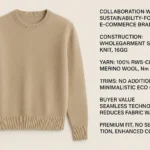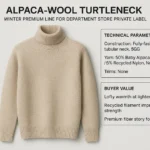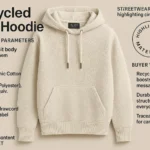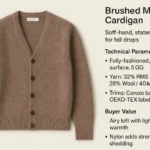


You can make your custom knit sweater projects easier by having clear steps. It also helps to have good relationships with your suppliers. When you run your project, these tools help you stay on track:
-
Trello
-
Asana
-
Wrike
-
Zoho
The knitwear market is always changing. Now, more buyers want premium branded knitwear because of these reasons:
-
People care more about the environment.
-
More people want clothes that break down naturally and are made the right way.
-
Natural fibers like organic cotton and bamboo are getting more popular.
Key Takeaways
-
Talk clearly with suppliers so your sweater project goes well.
-
Try project tools like Trello or Asana to stay organized.
-
Ask suppliers about the minimum order quantity before you start.
-
This helps you pick what works best for testing designs.
-
Add your brand by putting custom logos and text on sweaters.
-
This makes your sweaters special and different from others.
-
Learn about lead times and set clear deadlines with your supplier.
-
This helps you avoid late deliveries.
-
Focus on quality by asking suppliers about their quality checks.
-
Ask if they have any certifications for their work.
-
Use mood boards and tech packs to show your design ideas.
-
This helps your designer understand what you want.
-
Try sampling to test your designs before making many sweaters.
-
This lets you fix any problems before full production.
Project Scope
Volume
Minimums
You should start by checking the minimum order quantity (MOQ) for your project. Some suppliers require you to order a certain number of sweaters at once. This helps them keep costs low and manage production better. However, some platforms like Fourthwall and Knitup offer no minimums. This means you can order just one custom knit sweater if you want to test a design or create a sample. No-minimum platforms work well for small teams, special events, or when you want to try new ideas without a big commitment.
Bulk Orders
If you need a large number of sweaters, you should plan for bulk orders. Bulk orders often come with discounts and better pricing per piece. You can also get more options for customization when you order in bulk. Suppliers may offer special services for big orders, such as dedicated account managers or faster production times. Make sure you talk with your supplier about your exact needs and ask about price breaks for larger quantities.
Branding
Logos
Branding is a key part of any custom knit sweater project. You can add your company logo to the sweater in many ways. Most manufacturers let you choose where to place your logo, such as on the chest, sleeve, or back. You can also request private label tags and unique designs that match your brand’s style. Here are some common branding options you can request:
-
Custom logos on the sweater
-
Private label tags
-
Unique design elements
Custom Text
You can also add custom text to your sweaters. This works well for team names, event dates, or special messages. Many suppliers let you pick the font, color, and placement of the text. You can even add custom packaging to make your sweaters stand out. Other popular branding options include:
-
Custom text on the sweater
-
Private label tags
-
Custom packaging
Timeline
Lead Times
You need to know how long it will take to make your sweaters. Lead times can change based on the size of your order and the level of customization. Some suppliers can make samples in just a few days, while others may need several weeks for large orders. Always ask your supplier for an estimated timeline before you place your order.
Deadlines
Set clear deadlines for your project. Tell your supplier when you need the sweaters delivered. This helps avoid delays and keeps your project on track. If you have a special event or launch date, share this information early. Good communication helps your supplier meet your needs and deliver on time.
Quality
Standards
You want your custom knit sweater to be high quality. Quality standards help make sure every sweater is the same. When you talk to your supplier, ask about their quality checks. Good suppliers look at each sweater for things like:
-
Even stitching
-
No loose threads
-
Correct sizing
-
Soft and comfortable fabric
-
Accurate colors
You can ask for a sample before you order a lot. This lets you see the quality yourself. If you need extra-soft yarn or a special fit, tell your supplier early. Giving clear instructions helps stop mistakes.
Tip: Make a checklist of your quality needs. Share your list with your supplier. This helps everyone understand what you want.
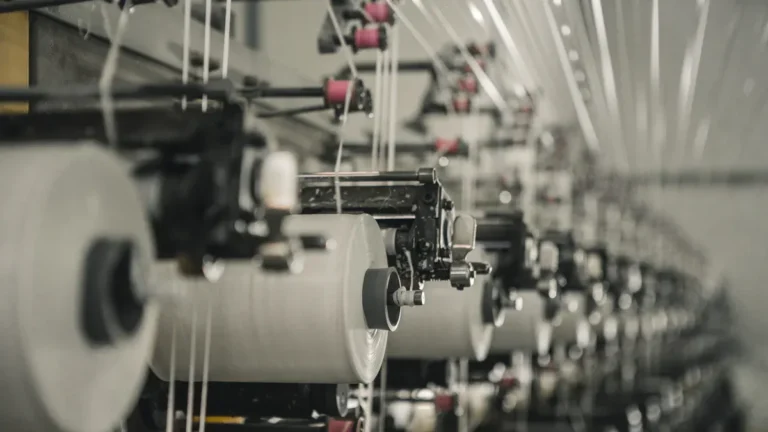
Some suppliers use special machines to make sweaters. Jacquard knitting machines can make detailed patterns and keep quality high. Platforms like Knitwise use these machines to make sure each custom knit sweater meets your standards.
Certifications
Certifications show your sweaters follow industry rules and safety standards. You should ask your supplier if they have certifications. Common certifications for knitwear include:
-
OEKO-TEX® Standard 100 (safe from harmful chemicals)
-
GOTS (Global Organic Textile Standard for organic fibers)
-
ISO 9001 (quality management system)
These certifications help you feel sure about your order. They show the factory uses safe dyes, follows fair labor rules, and cares about the environment. If you want eco-friendly sweaters, look for suppliers with GOTS or OEKO-TEX® certificates.
Note: Always ask for proof of certification. Some suppliers show certificates on their website. Others can send you copies if you ask.
Certifications can help you sell your sweaters. You can tell customers your products are safe, high-quality, and made the right way. This helps people trust you and can help you stand out in the market.
Custom Knit Sweater Design

Designer Collaboration
Requirements
You need to start your project by sharing clear requirements with your designer. Tell them what type of knitwear you want, such as sweaters, cardigans, hoodies, jumpers, or tops. Give details about the style, fit, and any special features. Good communication helps you avoid mistakes and get the results you want.
-
Set up strong quality control systems.
-
Ask for sample making and tech pack help.
-
Check for ethical manufacturing certifications.
-
Stay flexible to follow new trends.
These steps help you work better with your designer and keep your custom knit sweater project on track.
Mood Boards
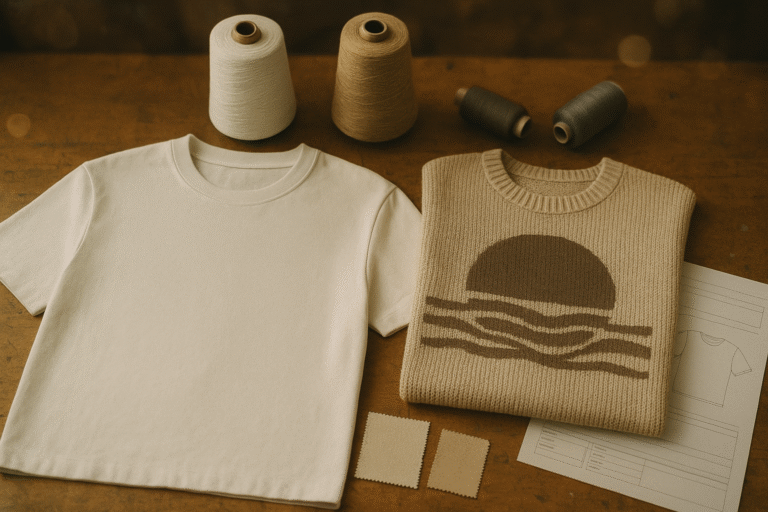
Mood boards help you show your ideas visually. You can collect images, colors, and patterns that match your brand or event. Share your mood board with your designer. This makes it easier for them to understand your vision and create a design that fits your needs.
Tech Packs
A tech pack is like a blueprint for your custom knit sweater. It includes all the technical details, such as measurements, materials, and colors. Tech packs help you and your designer stay on the same page. They reduce errors and make sure the final product matches your vision. When you use a tech pack, you give clear instructions to the manufacturer, which helps avoid misunderstandings.
Tech packs act as a single source of truth. They help turn your design idea into a real product by outlining every detail.
Materials
Yarn Types
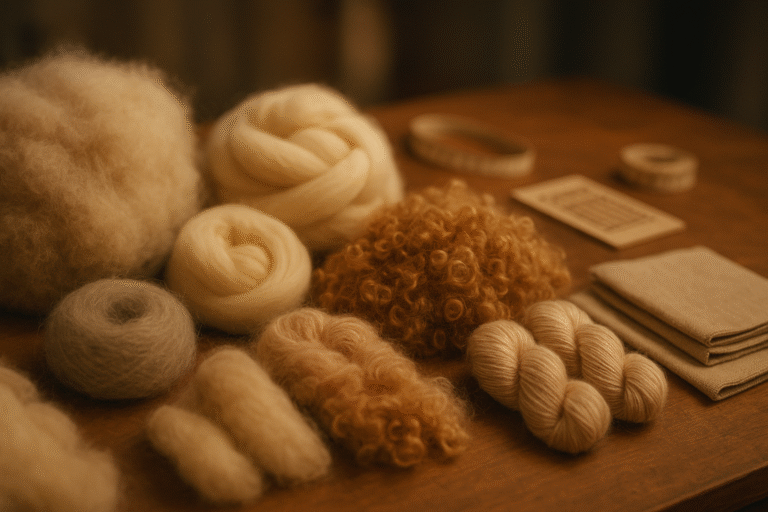
Choosing the right yarn is important for comfort and style. Here are some popular yarn types:
-
Merino wool: Soft, warm, and breathable.
-
Shetland wool: Fine, soft, and durable.
-
Cotton, silk, and synthetic fibers: Each offers different textures and benefits.
You can select from many yarns to match your needs for sweaters, cardigans, and more.
Sustainability
Many buyers now want eco-friendly options. You can pick organic cotton, bamboo, or recycled yarns. Look for suppliers with certifications like GOTS or OEKO-TEX® to make sure your custom knit sweater meets green standards.
Color
You can choose from a wide range of colors. Some platforms let you pick from color cards or give your own color samples. Jacquard technology, like that used by Knitwise, allows for detailed patterns and vibrant colors in your knitwear.
Sampling
Prototyping
Sampling lets you see and feel your design before full production. Platforms like Knitup and Printful offer fast sampling for sweaters, cardigans, hoodies, jumpers, and tops. You can test your design and make changes if needed.
Revisions
After you get your sample, you can ask for changes. This step helps you fix any issues and make sure your custom knit sweater looks and feels right.
|
Step |
Description |
|---|---|
|
1 |
Custom Design and Sample Development: Share your design files or samples. |
|
2 |
Custom Yarn Material: Pick from over 100 yarn types. |
|
3 |
Custom Color & Size: Choose colors and sizes. |
|
4 |
Custom Logo & Label: Add your branding. |
|
5 |
Quality Control & Inspection: Check for defects. |
|
6 |
Packaging & Shipping: Pack and ship your order. |
Production
Quantities
MOQ
You should decide how many sweaters you want before you start. Most manufacturers have a minimum order quantity, called MOQ, for each style. This helps them save money and work faster. Some suppliers let you pick a smaller MOQ that fits your needs.
|
MOQ Type |
Quantity Range |
|---|---|
|
Standard MOQ |
|
|
No Minimum Order Quantity |
Available for sampling |
|
Zero MOQ for Private Labeling |
Any volume |
-
Some MOQs start at 200 sweaters for each style.
-
You can order samples or small groups with no minimum.
-
Private labeling lets you order any amount you want.
If you want to try a new design, look for suppliers with no-minimum choices. This lets you test ideas without a big risk.
Schedules
How long production takes depends on your order size and the factory. Some factories finish small orders fast. Others need more time for big orders.
|
Manufacturer |
Minimum Order Quantity |
Lead Time |
|---|---|---|
|
Little Good Knits |
as low as 14 days + shipping |
|
|
Other Factories |
500 |
3-6 months |
-
Little Good Knits can make small orders in about two weeks.
-
Some factories take months for large batches.
-
Knitup lets you try small batches and see what sells.
-
On-demand production helps you avoid extra stock and long waits.
Always ask your supplier for a clear schedule. Tell them your deadlines early so you get your sweaters on time.
Quality Control
Inspections
Quality control checks help make sure every sweater is made right. You should check at every step of making your sweaters.
-
First Piece Inspection: Look at the first sweater to see if it matches your plan.
-
Regular Inspections: Watch for problems like uneven stitches or wrong sizes.
-
Final Inspection: Check the finished sweaters for color, fit, and comfort.
|
Quality Control Stage |
Key Measures |
Purpose |
|---|---|---|
|
Pre-Production |
Material & Yarn Inspection |
Make sure raw materials meet your standards. |
|
In-Production |
Stitch Evenness Monitoring |
Stop defects before they reach the final product. |
|
Post-Production |
Confirm the finished sweaters match your order. |
-
Check yarn and fabric for color and softness.
-
Watch for even stitches and correct sizes during knitting.
-
Test finished sweaters for fit, shrinking, and problems.
Tip: Ask your supplier for photos or videos of their checks. This helps you see the quality before your sweaters ship.
Compliance
You must make sure your sweaters follow safety and green rules. Many buyers want proof that their sweaters are safe and good for the planet.
|
Certification |
Description |
|---|---|
|
Ensures textiles are free from harmful substances and meets EU regulations. |
|
|
GOTS |
Guarantees at least 70% organic fibers and strict environmental standards. |
-
Global Organic Textile Standard (GOTS) checks for organic fibers and fair work.
-
OEKO-TEX® Standard 100 tests for bad chemicals and keeps people safe.
These certificates help you sell in big markets and show customers you care about safety. You should ask your supplier for copies of their certificates.
Note: Picking certified suppliers like Little Good Knits or Hongyu Apparel helps you meet these rules and builds trust with buyers.
Delivery
Shipping
Domestic
You can send sweaters inside your country with local carriers. Domestic shipping is usually faster than shipping to other countries. Most suppliers use trusted delivery companies to keep your order safe. Ask your supplier who they use for shipping and how long it takes. Some platforms, like Fourthwall, ship quickly and give you a tracking number when your order goes out.
International
If you need to send sweaters to other countries, you have choices. Air shipping is the fastest way to send things far. Air express shipping can get your order to you in about one week. Air economy shipping takes about two or three weeks. The total time for international orders is usually 20 to 35 days. This depends on how long it takes to make your sweaters, customs checks, and the shipping method.
|
Shipping Method |
Estimated Delivery Time |
|---|---|
|
Air Express Shipping |
1 week |
|
Air Economy Shipping |
2-3 weeks |
-
It takes 7-14 days to make your sweaters.
-
Air express shipping takes about 1 week.
-
Air economy shipping takes 2-3 weeks.
Platforms like Printful and Fourthwall can ship to many countries. They help you reach customers everywhere and give updates on your order.
Freight
If you order a lot of sweaters, you might use freight shipping. Freight shipping moves sweaters by sea or land. This way costs less for big orders but takes more time. You should plan for extra days if you pick freight. Ask your supplier about freight choices and how they handle customs forms.
Tip: Always ask if your supplier has insurance for lost or damaged packages.
Tracking
Updates
You can follow your order from the factory to your home. Many suppliers use tracking tools to give you updates. RFID tracking systems let you see where your sweaters are during making and shipping. Real-time inventory updates show your order’s status at every step.
|
Tracking Technology |
Description |
|---|---|
|
RFID Tracking Systems |
Gives real-time updates on products being made and shipped. |
|
Real-time Inventory Updates |
Lets you monitor your order status live. |
Platforms like Printful and Fourthwall send tracking numbers and updates by email or on their website. You always know where your custom knit sweater order is.
Issue Resolution
Sometimes, things go wrong during shipping. Packages can be late, lost, or damaged. Good suppliers help you fix these problems fast. Contact your supplier right away if you see a problem. Many platforms have support teams to help with lost or late packages. They can talk to the shipping company to find your order or send a new one if needed.
Note: Keep your order number and tracking info ready. This helps support teams help you faster.
Post-Delivery
Reorders
You might want to order more sweaters after your first batch arrives. Reordering helps you keep enough sweaters in stock. It also lets you meet new customer needs. Many suppliers make reordering easy for you. You can use your old tech packs and design files again. This makes the next order faster to produce. Some platforms save your past orders for you. You can repeat an order with just one click. Check if your supplier gives discounts for repeat or big orders.
If you want new styles or colors, talk to your supplier early. You can ask for new samples before making a big order. Suppliers often make samples quickly for returning customers. This lets you try new ideas without waiting a long time.
Tip: Keep your tech packs and order details in one place. This helps you reorder faster and avoid mistakes.
Feedback
You help your supplier get better by giving feedback after delivery. There are many ways to share your thoughts and ideas:
-
Social media listening helps suppliers see what you post online.
-
Online reviews help other buyers and build trust.
-
Customer interviews let you give detailed feedback.
-
Customer support chats show common problems and ways to improve.
-
Net Promoter Score (NPS) surveys measure how happy you are.
-
Customer feedback portals let you share ideas and suggestions.
Pick the way that works best for you. Suppliers want honest feedback so they can fix problems. If you liked your order, leave a review or fill out a survey. This helps the supplier and other buyers too.
Note: Giving feedback helps you and your supplier work better together. You get better service and products next time.
Support
After you get your sweaters, you might need help with sizing, returns, or new projects. Good suppliers keep helping you after delivery. You can contact them by email, phone, or online chat. Many platforms have special support teams for B2B buyers. They help you reorder, track shipments, and fix problems fast.
If you want to start a new sweater project, your supplier can help you. You can ask for tips on new designs, materials, or branding. Some suppliers give design advice and share new trends to keep your sweaters fresh.
|
Support Service |
What You Get |
|---|---|
|
Order Tracking |
Updates on your shipment status |
|
Returns & Exchanges |
Help with product issues |
|
Design Consultation |
Advice for new sweater projects |
|
Trend Updates |
Information on latest knitwear |
Use these support services to make your next project better. Working with your supplier for a long time brings new chances for custom knitwear. It also helps your business grow.
You can do well with custom knit sweater projects if you follow simple steps and pick good partners. First, choose suppliers who make sweaters with skill, use many kinds of materials, give you samples that match your design, and work quickly. Use technology like advanced knitting machines, AI-driven design, and 3D modeling to make things faster and better.
|
Innovation Type |
Impact on Efficiency |
|---|---|
|
Advanced Knitting Machines |
Makes sweaters quickly and looks handmade |
|
AI-Driven Design |
Checks quality as you go and stops mistakes |
|
3D Modeling |
Makes designing easier and quicker |
Work with your partners for a long time by understanding their needs, sharing your plans, and talking often. Pay on time and care about making good sweaters, not just saving money. If you do these things, you can start your next custom knit sweater project and feel sure about it.
FAQ
How do you start a custom knit sweater order?
You begin by sharing your design ideas and order details with your supplier. You pick the style, color, and size. The supplier helps you with samples and confirms your choices before making the full order.
What is a tech pack, and why do you need it?
A tech pack is a document with all your design details. It shows measurements, materials, and colors. You use it to make sure the factory understands your sweater design. This helps avoid mistakes.
Can you order just one custom sweater?
Yes, some platforms let you order only one sweater. This is good for testing a design or making a sample. You do not need to buy in bulk if you use services like Knitup or Fourthwall.
How long does it take to get your sweaters?
Production and shipping times depend on your order size and location. Small orders can take two to four weeks. Large orders may take longer. Always ask your supplier for a timeline before you order.
What if you need to change your design after seeing a sample?
You can ask for changes after you see your sample. Most suppliers allow revisions. You share your feedback, and the supplier updates the design. This helps you get the sweater you want.
How do you track your order?
Suppliers give you a tracking number when they ship your sweaters. You use this number to check your order status online. Some platforms send email updates so you always know where your sweaters are.
What certifications should you look for in a supplier?
Look for certifications like OEKO-TEX® and GOTS. These show the supplier uses safe materials and follows good practices. Certified suppliers help you offer safe and eco-friendly sweaters to your customers.
Who do you contact if there is a problem with your order?
You contact your supplier’s support team. They help with lost packages, delays, or product issues. Keep your order number ready. Good suppliers respond quickly and work to fix any problems.