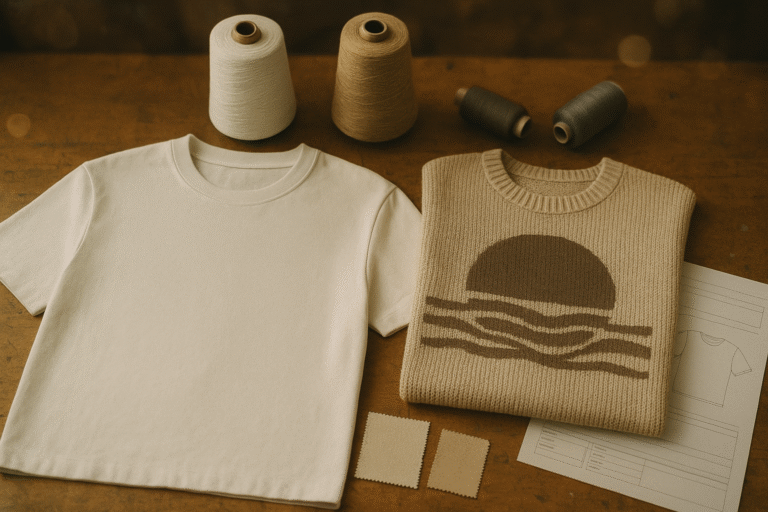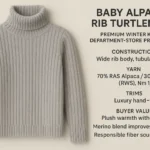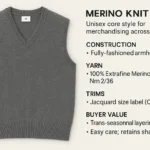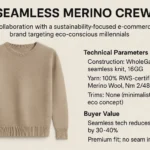

You can learn three big lessons from the cashmere sweater case study. These are supply chain transparency, quality factors, and market trends. Experts found these lessons by using data collection, triangulation, and analytical models. The table below shows how they did it:
Method | Description |
|---|---|
Data Collection | They got market information from many places. |
Data Triangulation | They mixed data mining with expert checking. |
Analytical Models | They used models to study the market more deeply. |
The market for cashmere clothes is growing quickly.
The whole world market made USD 2,797.1 million in 2023.
Sweaters and coats earned USD 1,436.6 million of that money.
The market could reach USD 4,244.7 million by 2030.
Key Takeaways
Learn about supply chain transparency. Find brands that show where their cashmere comes from. This helps you trust them and supports good practices.
Look at quality when you buy cashmere. Check yarn count, fiber length, and softness. These things help you get a strong and comfy sweater.
Watch market trends. More people want luxury cashmere now. Pick brands that care about quality and the planet to stay ahead.
Support ethical sourcing. Look for certifications like the Good Cashmere Standard. This makes sure your sweater helps animals and nature.
Think about price and quality. Sweaters that cost more often use better materials and skill. Buy a good sweater that will last a long time.
Cashmere Sweater Case Study Overview
Industry Background
Cashmere is known for being soft and fancy. The case study explains how cashmere turns into a luxury item. Cashmere comes from goats’ soft undercoat. Most goats live in places like Puyuan Township, China. This area makes the most cashmere in the world. Making luxury items needs skill and time. The study found production time went down. It used to take 200 days. Now it takes only 80 days with better ways. You can check the table below for the main results:
Metric | Result |
|---|---|
Production Time | |
Prototype Approval | 2nd attempt (usually 3) |
Rework or Replacement | 0 garments |
The first samples had some quality issues. The team looked for better materials. They worked with Italian experts. These experts know how to make luxury cashmere clothes. Every step had fiber tests and checks. This made sure only the best sweaters were sold.
Key Players
Many brands lead the luxury cashmere market. Loro Piana, Brunello Cucinelli, and Ralph Lauren set high standards. These brands own about 30% of the world market. In the U.S., brands like Ralph Lauren, Autumn Cashmere, and Naadam mix old and new styles. New brands like Everlane and Naadam attract young buyers. These buyers care about the planet. J.Crew, Uniqlo, and H&M sell cheaper cashmere for more people. The U.S. uses about 27% of the world’s luxury cashmere clothes. Real examples show how brands compete and get better.
Supply Chain Transparency in Cashmere

Traceability
It is important to know where cashmere comes from. Big brands like Loro Piana make this possible for buyers. They use special technology to watch every step in the supply chain. Here is what they do:
Loro Piana uses blockchain so you can see where the raw materials start.
You can track your sweater from the farm to the store.
The brand gives digital certificates for each item. These show who owns it and give supply chain facts.
LVMH, the parent company, uses blockchain more to make things clear and honest.
Loro Piana lets you follow baby cashmere sweaters from Mongolia to stores.
When you buy a cashmere sweater, you can learn its story. This helps you trust the brand and feel happy with your choice.
Traceability systems do more than show where clothes come from. Certifications like the Global Recycled Standard help you know if brands use recycled fibers. Some companies use up to 95% recycled cashmere. These systems help you pick products that are good for people and the planet. New tools like TrusTrace give brands more control over their supply chains. This change helps stop problems like unsafe factories.
Ethical Sourcing
Ethical sourcing means brands care about animals, people, and nature. The Good Cashmere Standard is a top certification for the cashmere supply chain. Here are some facts you should know:
The Good Cashmere Standard cares about animal welfare.
It supports safe farming and protects goats, the land, and herders.
Some bad things, like killing young goats and painful castration, still happen under this standard.
Starting a business in the cashmere supply chain is not easy. In places like South Korea, strict rules and high costs make it hard for new companies. Many new brands must work with others or find a special market to do well.
The cashmere sweater case study shows that ethical sourcing has real problems. Fast fashion brands want to make cheap sweaters fast. This can cause issues like shrinking and poor quality. When you pick a sweater, look for brands that share how they get and make their products. This helps you support better ways in the industry.
Tip: Always look for certifications and ask brands about their supply chain. Your choices can help make the cashmere industry better for everyone.
Cashmere Sweater Quality and Consumer Perception
Quality Factors
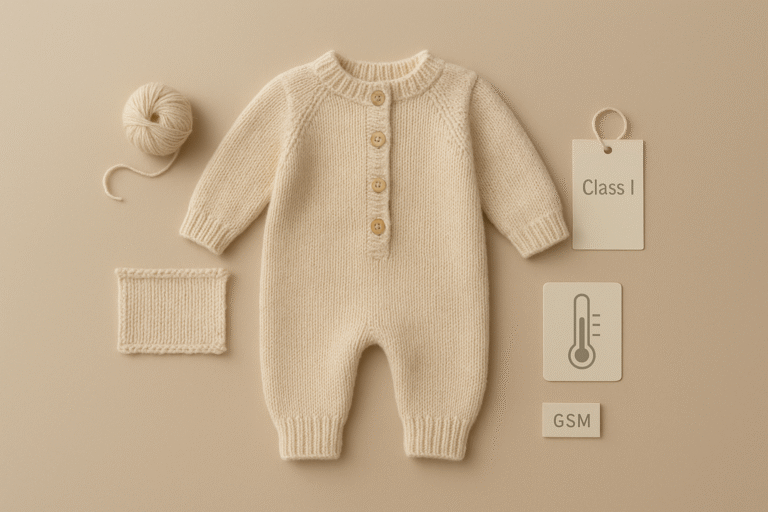
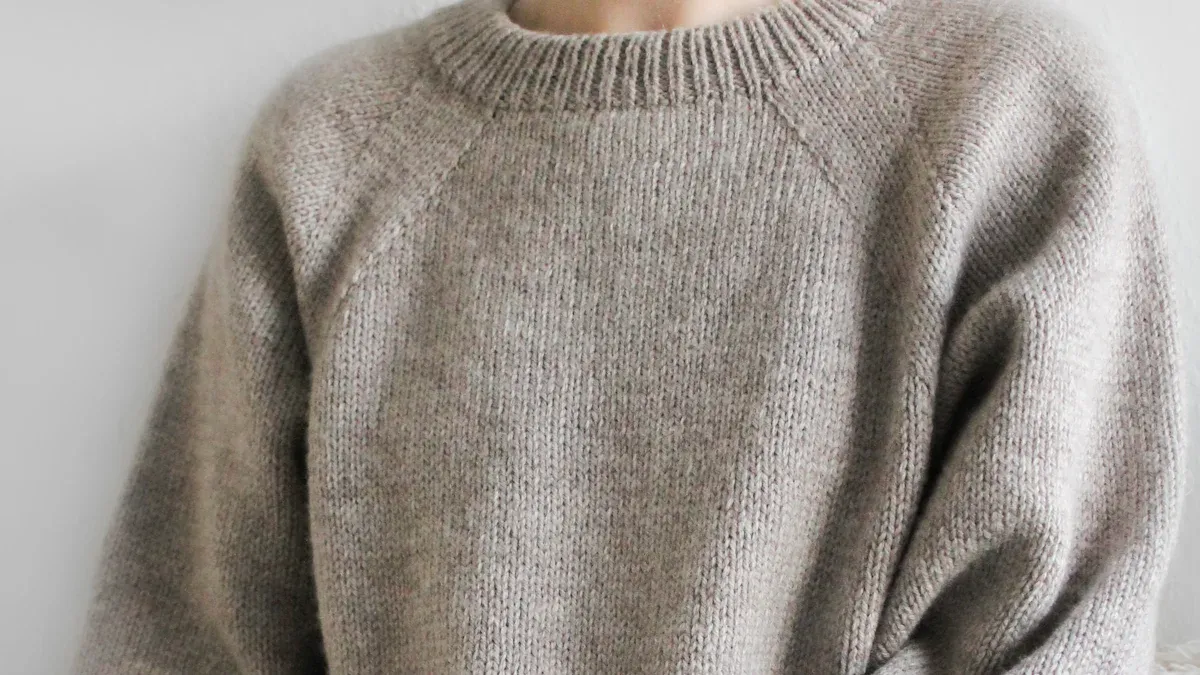
When you shop for a cashmere sweater, you want to know what makes it special. The quality of cashmere depends on several key factors. You should look at the yarn, the softness, and how well the sweater keeps its shape. The cashmere sweater case study shows that not all cashmere garments are the same. Some feel softer, last longer, and look better over time.
The main factors that affect quality include:
Yarn count: This tells you how many threads twist together to make the yarn. A higher count often means a finer, softer feel.
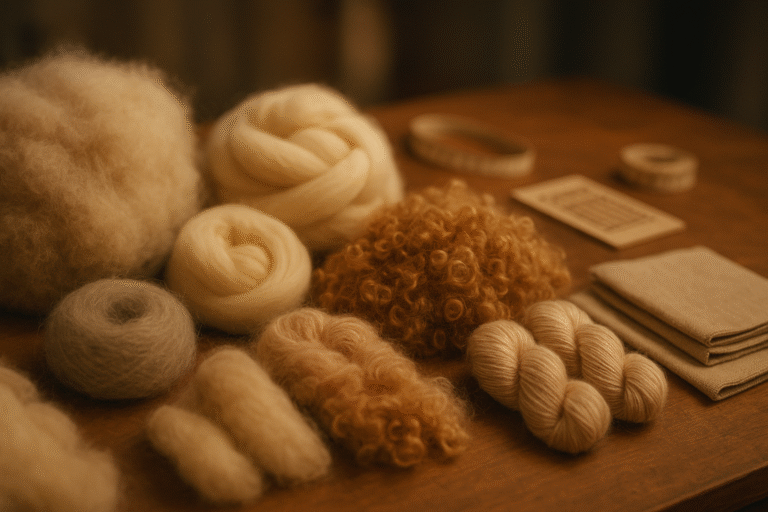
Fiber length: Longer cashmere fibers, usually 34-36mm, make the sweater stronger and less likely to pill.
Fiber diameter: The best cashmere fibers measure 14-16 microns. These thin fibers give you that famous softness.
Color: Pure white cashmere fibers are rare and more valuable. They also dye better, making colors look richer.
Ply: The number of yarns twisted together matters.
1-ply yarn feels light and stretchy, but it is not as warm.
2-ply yarn gives you the best mix of warmth and lightness.
3 or 4-ply yarn feels heavier but does not always mean better quality.
Here is a table to help you compare different grades of cashmere:
Grade | Fiber Diameter (microns) | Characteristics | Performance | Usage |
|---|---|---|---|---|
A | 14-15.5 | Exceptionally soft, lightweight | Superior insulation and durability | Reserved for the finest luxury garments |
B | 16-19 | Very soft with slightly more substance | Excellent warmth-to-weight ratio | High-quality commercial garments |
C | 20-30 | Good quality but notably thicker | Durable but less refined | Mass-market productions |
You should also think about shrinkage. Quality cashmere does not shrink if you wash it the right way. With good care, your cashmere sweater can keep its shape better than wool. Many people find that high-quality cashmere sweaters last up to 10 years.
Tip: Always check the label for yarn count and ply. Ask about the fiber length and diameter if you want a sweater that feels soft and lasts long.
Price Range
The price of a luxury cashmere sweater can surprise you. Most luxury brands sell cashmere sweaters for $50 to $500. The price changes based on the quality of the cashmere, how the yarn is made, and the brand name. Sweaters made from combed cashmere cost more because the fibers are finer and softer.
Here are some things that affect the price:
The way companies gather the cashmere. Combing gives you better fibers than shearing.
The grade of the cashmere. Grade A costs more than Grade C.
The brand. Well-known luxury brands charge more for their name and quality.
When you shop, you will notice that price matters to most people. About 62% of buyers say price is the most important thing when picking cashmere clothing. Almost half of mid-range buyers choose synthetic or blended sweaters because they cost less. The high price of real cashmere keeps some people from buying it. Many people want luxury, but not everyone can pay for it.
Note: If you want the best value, look for clear information about the yarn, fiber, and care instructions. This helps you get a sweater that matches your needs and budget.
Cashmere Market Trends
Growth Projections
You can see strong growth in the cashmere market over the next decade. Many experts expect the global cashmere market to rise from USD 1.68 billion in 2024 to USD 1.78 billion in 2025. By 2033, the market could reach USD 2.9 billion, showing a steady annual growth rate of 6.42%. The pure cashmere market looks even stronger. In 2024, it stands at USD 3.80 billion. By 2032, it may grow to USD 6.95 billion, with a yearly growth rate of 7.8%.
The demand for luxury cashmere sweaters and accessories keeps rising.
More people want high-quality, long-lasting products.
Brands invest in better technology and supply chain systems.
You can use these numbers to understand why many companies focus on cashmere. The cashmere sweater case study shows how brands adapt to meet this growing demand.
Industry Challenges
You face several challenges if you work in the cashmere industry. Fast fashion has changed the market. Cheaper cashmere products now flood stores. This trend causes environmental problems and hurts the land where goats live. Herders must raise more goats to keep up with demand. Overgrazing leads to less grass and more soil damage. Many herders earn less money because raw cashmere prices have dropped. Some move to cities, leaving behind their traditional way of life.
The rise in demand puts pressure on the environment.
Lower prices for raw cashmere make it hard for herders to survive.
Climate change adds new risks for goat farmers.
Ethical issues grow as people care more about animal welfare and sustainability.
Some brands now buy cashmere from farms that protect animals and the land. These ethical practices help slow down the damage caused by fast fashion. You can support these efforts by choosing brands that share their sourcing and care about the planet. Clustering effects also shape the market. Many top brands work in the same regions, which helps them share resources and ideas. This competition pushes everyone to improve quality and find new ways to stand out.
Other Luxury Fabric Case Study
Silk Supply Chain Insights
The silk industry is known for clear supply chains. Farmers, companies, and brands all help track silk’s path. They test yarn, fabric, and finished items to make sure they know where it comes from. Some brands even use DNA marks on silk fibers to check them.
Aspect | Description |
|---|---|
Ethical Production Methods | Makes sure silkworms are treated well and silk is made in a good way. |
Traceability Technologies | Uses digital tools like TextileGenesis™ for strong tracking. |
Importance of Transparency | Helps buyers trust brands and supports green goals in luxury silk. |
Some companies, like Haelixa and Trudel Silk, work together to lead these changes. These steps help you feel sure your silk is made the right way. Full tracking lets luxury brands set better rules for everyone.
Wool and Mohair: Quality and Sourcing
Wool, mohair, and cashmere are not the same. Cashmere feels much softer than mohair because its fibers are finer. Cashmere keeps you warmer, but mohair feels heavier and thicker. Mohair is strong and shiny, but it is not as warm or soft as cashmere.
Quality Factor | Mohair | Cashmere |
|---|---|---|
Strength | Strong because of long fibers | More delicate |
Softness | Feels rougher, not as smooth | Very soft |
Warmth | Warm, but bulkier | Keeps you warmer |
Durability | Lasts a long time | Lasts long if you care for it |
Visual Appeal | Very shiny | Not as shiny |
Versatility | Good for all seasons | Best for winter |
Care | Easy to wash and keep | Needs gentle care |
Getting these fibers is not always easy. It is hard to know if mohair is made in a fair way. Prices for raw silk and mohair go up and down a lot. This makes it tough for brands to plan. Making these fibers into clothes takes special skills.
Tip: Pick cashmere if you want a sweater that is soft and warm. Choose mohair if you want something strong and shiny.
Comparative Lessons for the Cashmere Industry
You can learn from silk, wool, and mohair. The silk industry shows that tracking every step builds trust and helps the planet. Mohair and wool show why clear rules and fair ways to get fibers matter.
Look for brands that tell you how they get and make their products.
Brands can use digital tracking like the silk industry does.
Many people now want natural and strong fibers, so you might too.
If brands and buyers use these ideas, they can make smarter choices in the luxury fabric world.
AzKnit Case Study: Partnering with a Luxury Brand
Client Background and Objectives
A luxury brand wanted to make better cashmere sweaters. They had trouble with quality and needed more control. The brand also wanted to find new buyers and sell in more places. Their main goals were to keep quality high, sell in more stores, reach new markets, and use better supply chain practices.
They wanted top quality sweaters.
They hoped to sell in more shops.
They planned to enter new markets.
They aimed for a supply base that is good for the planet.
These goals show luxury brands care about more than looks. They want to give you sweaters that last and feel special.
AzKnit’s Sourcing Approach
AzKnit uses a simple plan to help brands get what they need. First, they pick suppliers who care about the planet and people. They check every supplier for quality. They make sure the cashmere fibers are very good. You get sweaters that are soft, strong, and have nice colors.
AzKnit’s way of getting cashmere is good for the earth and fair to workers. They make sure the sweaters are high quality because buyers want that. They let stores buy small amounts to try new styles. This helps stores take less risk and try new ideas.
AzKnit uses digital tools to watch every step. You can see where the cashmere comes from and how it moves. This makes you trust the brand and feel good about your sweater.
Results and Key Takeaways
AzKnit’s way helps you in many ways. The brand got sweaters faster and had fewer delays. The quality stayed the same for all sweaters. Costs went down because AzKnit wasted less and worked better with suppliers.
Result | Impact on Brand |
|---|---|
Lead Time | 30% faster |
Quality Consistency | 98% pass rate |
Cost Savings | 15% reduction |
AzKnit’s plan matches the three big lessons: clear supply chains, good quality, and new market trends. You get sweaters that look nice, come from good sources, and fit what buyers want now.
If you pick a brand that works with AzKnit, you help make the cashmere industry better.
Sweater Buying and Business Strategies
For Businesses
You can make your cashmere sweater business better with some smart steps. First, know where your cashmere comes from. Places like Mongolia, China, and Iran have the best fibers. Pick suppliers who give you top-grade fibers that are long and fine. This makes sweaters soft and helps them last longer.
Work with partners who care about animals and nature. Make sure you can track your cashmere from farm to store. This helps customers trust you. Always check the fiber for strength and to stop pilling. Keep yarn thickness the same for a smooth look. Use dyes that are safe for the earth to get bright colors. Try finishing steps like steaming and brushing to make sweaters look and feel nice.
Here is a table that matches problems with new trends in the industry:
Key Challenges | Key Trends |
|---|---|
Supply Chain Vulnerabilities | Sustainability and Ethical Sourcing |
Environmental Concerns | Omnichannel Retailing |
Industry Competition | Casualization of Fashion |
Tip: If you focus on quality and being open, you will stand out in the luxury market and get loyal buyers.
For Consumers
When you shop for a cashmere sweater, look for signs of good quality and fair sourcing. Check the label to see if it says 100% cashmere. Feel the fabric. It should be light, soft, and smooth. Look at the stitches and seams to see if they are even and strong. Pick sweaters made from Mongolian cashmere if you want them to last longer.
You should also look for these things:
Softness: The sweater should feel smooth, not rough.
Fiber Length: Longer fibers mean better sweaters and less pilling.
Pilling: Stay away from sweaters that already have pilling.
Warmth: Good cashmere keeps you warm but does not feel heavy.
Color: Bright, rich colors show good dyes.
Finishing: Look for neat stitches and careful work.
Now, you can find more sweaters that are made in ways that are good for people and the planet. There are new styles and brands you can buy online. Many new sweaters mix comfort, style, and earth-friendly materials. If you want a sweater that lasts, pay close attention to these details.
Note: A good cashmere sweater is worth the money. Take your time and check everything before you buy.
You have learned that supply chain transparency, quality, and market trends are important in the cashmere industry. If you know what affects the market, you can make better choices when buying or selling. Some companies, like Sephora, use what shoppers like to give them better service. In luxury sweaters, new styles and famous people help brands stay popular and grow. Remember these ideas when you look for products that match what you want and believe in.
FAQ
What makes cashmere sweaters different from regular wool sweaters?
Cashmere sweaters feel softer and lighter than regular wool. You get more warmth without extra weight. The fibers come from cashmere goats, not sheep. This makes cashmere rare and special.
How can you tell if a cashmere sweater is high quality?
You should check the label for 100% cashmere. Feel the fabric. It should feel soft and smooth. Look for long, fine fibers. High-quality sweaters do not pill easily and keep their shape.
Why does supply chain transparency matter in cashmere?
Supply chain transparency lets you know where your sweater comes from. You can trust that brands treat animals and workers fairly. This helps you make better choices and support ethical companies.
How should you care for your cashmere sweater?
Hand wash your sweater in cold water. Use a gentle soap. Lay it flat to dry. Do not hang it. This keeps the fibers strong and the sweater looking new.