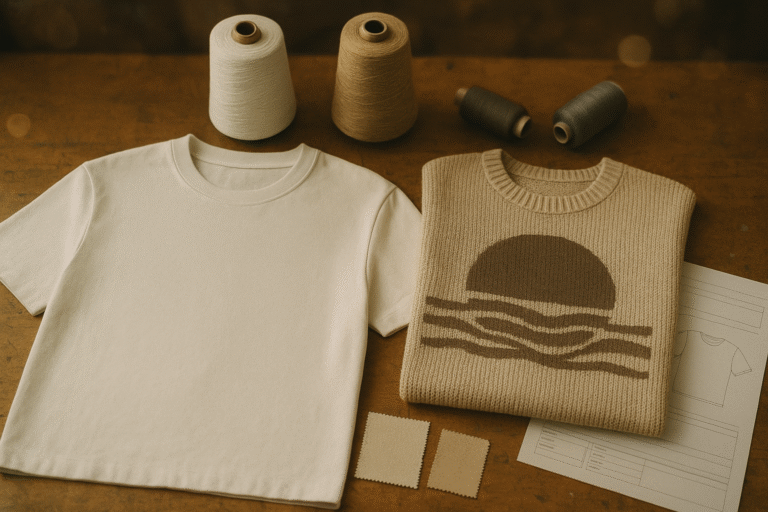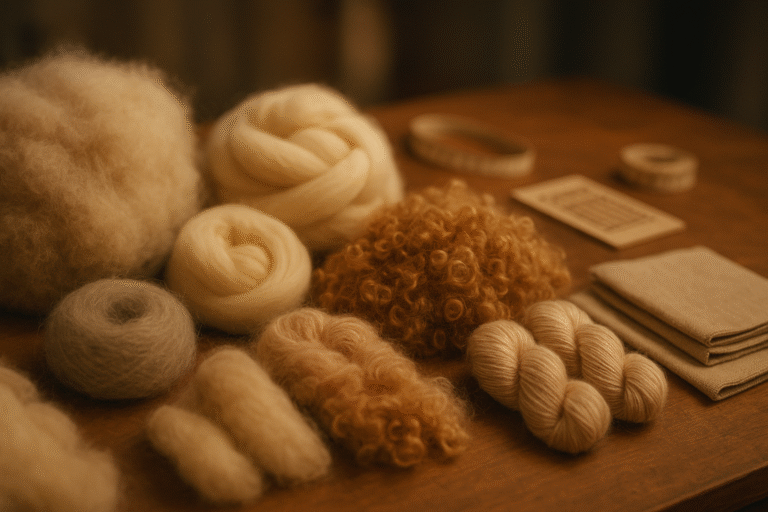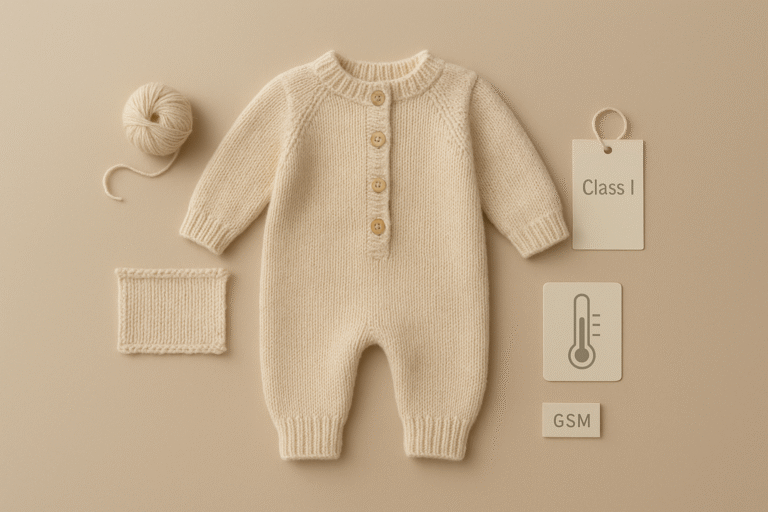


If you want to Launch Your Private Label knitwear business, you need a clear goal. You should know who your customers are. Many beginners forget how important it is to know your customers and what they like. This guide explains why knowing your customer helps your white-label brand stand out.
Tip: Beginners should pay attention to the most important details when starting a private label.
Here is what experts say you should check when you Launch Your Private Label knitwear business:
Factor | Description |
|---|---|
Quality & Craftsmanship | Find manufacturers known for making high-quality products. |
Materials & Sustainability | Pick manufacturers with eco-friendly choices if you care about sustainability. |
Production Capacity | Make sure the manufacturer can handle your order size. |
Customization & Design Support | Some manufacturers help you improve your product designs. |
Lead Times & Reliability | On-time delivery is important; ask about how long production takes. |
Pricing & Costs | Compare prices to fit your budget but do not lose quality. |
Location & Logistics | Think about shipping costs and how easy it is to talk to the manufacturer. |
You need a strong brand, good manufacturing, and smart marketing. This guide shows you how to Launch Your Private Label and build a white-label business. Many beginners use this guide to make a white-label brand that lasts. You can start your private label knitwear line with confidence.
Know your target customer well.
Find out who they are and what clothes they like.
Use this guide to choose the best white-label clothing types.
A good plan, focus on quality, and the right partners help you Launch Your Private Label with success. You can build a private-label business that grows, even if you are new. This guide is for anyone ready to Launch Your Private Label and stand out with white-label knitwear.
Key Takeaways
Learn about your target customer. Knowing what they like helps you make products they want.
Pick good manufacturers. Good materials and skilled work are important for your brand to do well.
Begin with a small product range. Selling a few items lets you see what works. You do not need to spend a lot at first.
Use smart marketing plans. Social media and email help you reach people and share your brand.
Make strong partnerships with manufacturers. Good relationships help you get products on time. They also help your business grow.
Research Your Market
Identify Your Audience
You want your private label clothing to reach real people. First, think about who will wear your white-label clothing. Are you making clothes for teens, young adults, or parents? Think about what styles they like and how much money they spend. Ask what makes them excited about new knitwear. When you know your audience, you make better choices for your private-label line. You can use surveys or social media polls to learn what people want. You can also talk to friends to get ideas. This step helps you find private label clothing ideas that fit your customers’ needs.
Tip: If you know your audience well, it is easier to make white-label clothing they will love.
Analyze Competitors
You should know what other brands do in private label clothing. Look at their products and prices. See how they talk to customers. Check their social media and online stores. Some tools can help you do this faster. Here is a table with some tools for competitor analysis:
Tool Type | Purpose |
|---|---|
Social media management tools | Compare engagement, content performance, and brand voice. |
Social listening tools | Track sentiment, audience perception, and emerging conversations. |
Social media analytics tools | Highlight engagement trends, audience growth, and post-level metrics. |
Keyword research tools | Analyze SEO performance, keyword rankings, and traffic volumes. |
AI-powered tools | Automate updates, monitor campaigns, and surface competitor moves in real time. |
SEO competitor analysis tools | Show backlink profiles, top-performing pages, and ranking gaps. |
Content analysis tools | Uncover competitors’ top-performing content and engagement trends. |
Ad strategy monitoring tools | Track competitors’ ad creatives, placements, and spending across search and social platforms. |
You can also look at online shops and fashion sites like Amazon or Etsy. Read customer reviews and market reports to see what works for other private-label brands.
Validate Demand
Before you start your private label clothing, make sure people want it. You can talk to experts or ask shoppers what they think about your white-label clothing. Check government reports, competitor reports, and surveys for market trends. Reports like “Global Knitwear Market Size By Product Type” and “Knitwear Market Report” show what is popular now. When you use these sources, you see if people want private-label clothing. This helps you avoid mistakes and build a brand that grows.
Note: Checking demand saves you time and money. You want your private label clothing to sell, not just sit on shelves.
Why Private Label Knitwear Is Growing Among Small Brands
Private Label Knitwear: Flexibility and Speed
You want your brand to move fast. Private label knitwear lets you do that. Many small brands now choose private label knits because they can react to trends quickly. You do not have to wait for big companies to set the style. You can spot what’s hot on social media and launch new designs in weeks, not months.
Recent apparel trade reports show that private label brands can cut their time-to-market by up to 40% compared to traditional brands. That means you can test new ideas, see what sells, and adjust your collection without a huge risk. You also get more control over your designs and branding. If you see a color or pattern trending, you can add it to your line right away. This flexibility helps you stand out and build a loyal customer base.
Note: Many small brands use private label knitwear to fill gaps in the market that big brands miss. You can offer unique styles that speak to your audience.
OEM, ODM, and Private Label
You might hear the terms OEM, ODM, and private label when you look for a manufacturer. Each model works a bit differently. Here’s a simple table to help you understand:
Model | Description | Pros | Cons | Suitable for |
|---|---|---|---|---|
OEM | You design the product, and the manufacturer makes it. | Full control and unique products. | Higher cost and longer wait times. | Big brands with special designs. |
ODM | The manufacturer designs and makes the product for your brand. | Fast and affordable. | Less unique, more generic styles. | Brands wanting quick solutions. |
Private label | You control branding and design, but use ready-made options. | High profit and loyal customers. | You manage inventory and risk. | Brands with strong identity. |
If you want your own look and feel, private label gives you the best mix of control and speed. You can work with a manufacturer to tweak designs, add your logo, and create a collection that feels like you. This approach works well for small brands that want to grow fast and keep their customers coming back.
Build Your Brand Identity

Create a Memorable Name and Logo
Your brand needs a name and logo people remember. You want your private-label to feel friendly and trusted. Think about how your brand talks to customers. A good name and logo show what you care about. Simple shapes and ideas help people spot your brand quickly. You need something special that is different from other brands. Your logo should look good on tags, websites, and social media. It must connect with people and make them remember you.
Key Element | Description |
|---|---|
Easy to see and remember. | |
Uniqueness | Shows what makes your brand special. |
Memorability | Stays in people’s minds. |
Versatility | Works everywhere, like hangtags and online. |
Emotional Connection | Makes people feel something about your brand. |
Tip: Your logo should tell a story that fits your brand.
Define Your Brand Aesthetic
You want your knitwear to look and feel special. Many brands now focus on comfort and casual style. People like cozy hoodies, joggers, and big sweaters. You can use stretchy and soft fabrics to stand out. Some brands use sea themes or mix styles from around the world. Personal touches and custom designs are popular now. You can try simple looks or styles for any season. New materials like biodegradable yarns show you care about the planet.
Cozy and casual styles are popular now.
Custom designs make your knitwear special.
Simple and eco-friendly styles attract shoppers.
Develop Your Unique Selling Proposition
Your brand needs a reason for people to pick it. You want your brand to solve problems for customers. Ask what makes your knitwear different. Maybe you ship fast, use eco-friendly materials, or have cool designs. You can share stories about your mission and values. Look for things other brands do not offer. Test your ideas and listen to what people say. Keep making your brand better until you find what works.
Strategy | Description |
|---|---|
Customer Experience | Make shopping easy and personal. |
Identifying Market Gaps | Offer something other brands do not. |
Storytelling | Share your brand’s journey and values. |
Aligning with Customer Values | Match what shoppers care about, like quality or sustainability. |
Testing and Tweaking | Try new ideas and change based on feedback. |
Note: A strong brand identity and clear message help your private label succeed.
Plan and Launch Your Private Label
How to Start a Private Label Clothing Line
You want to start your own private-label clothing line. You need a simple plan and clear steps. Many experts say you should do these things to begin:
Decide what clothes you want to sell. Start with just a few items, like knit sweaters or hoodies.
Pick your business model. Choose private-label and think about using white-label clothes or your own designs.
Figure out who will buy your clothes. Think about your audience and what makes your brand different.
Find what makes your brand special. Look at style, fit, and design. Make sure your clothes stand out.
Write your business plan. Set your goals, budget, and how you will grow your business.
Plan your prices. Check your costs and decide how much to charge for your clothes.
Look for a manufacturer or distributor. Find partners who make good white-label clothes and deliver on time.
Decide on your brand’s main ideas and look. Make sure your clothes match your brand story.
Open your store. You can sell online or open a small shop for your private-label clothes.
Tip: Start with just a few products. This helps you save money and see what sells before you add more clothes.
Business Plan and Financials
You need a strong business plan for your private-label clothing business. Your plan should list your goals, your customers, and how you will reach them. You also need to think about how much money you need to start. Here is a table that shows common costs for a private-label clothing line:
Category | Description | Estimated Cost Range |
|---|---|---|
Knitting Machines | Needed to make knitted fabric; prices are very different. | |
Dyeing and Finishing Equipment | Used to color and finish fabric; special machines are needed. | Varies a lot |
Warehouse and Storage Facilities | Space for materials and finished clothes; can cost a lot. | Depends on where you are |
Packaging and Shipping Supplies | Boxes and bags for sending products; costs add up. | Depends on how much you ship |
Computer Software and Technology | Programs for tracking inventory and money; may need computers too. | Depends on what you need |
Staff Costs | Pay and benefits for workers and managers. | Depends on how many people |
Raw Materials | Cost of yarn and other things to make clothes. | Depends on where you buy |
Utilities | Bills for power, water, and gas. | Depends on how much you use |
Rent | Money paid for your factory if you do not own it. | Depends on location |
Equipment Maintenance | Money to fix and care for machines. | Depends on the machines |
Marketing and Advertising | Money spent to tell people about your business. | Depends on your plan |
Insurance Costs | Insurance for your building and workers. | Depends on what you cover |
Professional Fees | Money for experts or lawyers. | Depends on what you need |
Training and Development | Money to help workers learn new skills. | Depends on the classes |
Office Supplies | Things you use every day in the office. | Depends on what you buy |
You should guess your costs and make a budget before you start. Your business plan helps you watch your spending and make good choices. You can change your plan as you learn what works for your private-label clothing line.
Note: A good business plan helps you avoid problems and keeps your private-label clothing business running well.
Legal and Compliance Steps
You must follow the law when you start a private-label clothing line. The US and EU have strict rules for private-label clothing. Here is a table that shows some important rules:
Requirement | US Regulations | EU Regulations |
|---|---|---|
Fiber Content Disclosure | Must have | Must have |
Country of Origin | Must have | Not always needed |
Care Instructions | Use ASTM symbols | Use GINETEX symbols |
Manufacturer Identification | RN number needed | Usually not needed |
You need to keep records about fiber content and where your clothes are made. Ask your suppliers to promise their products follow all rules. You should check FTC rules for private-label clothing in the US. In the EU, use the right care symbols and follow local laws.
Keep records for every item in your private-label clothing line.
Get written promises from your suppliers.
Check all labels and safety rules before you start selling.
Alert: Following the law keeps your private-label clothing business safe from fines and helps customers trust you.
Branding Options That Strengthen Your Label
When you build your private label knitwear business, you want your brand to stand out. The right branding options help your products look professional and memorable. Let’s look at some ways you can make your label shine.
Label
Your label is the first thing customers see inside your knitwear. You can choose woven, printed, or heat-pressed labels. A well-designed label shows your brand name and logo. It also gives care instructions and sizing. When you use a unique label, your knitwear feels more like custom apparel. Customers remember your brand every time they wear your clothes.
Hangtag
Hangtags do more than just show the price. They tell your brand’s story and make your knitwear feel special. Many brands use custom hang tags to boost brand perception and create a memorable experience for shoppers. Here are some reasons why hangtags matter:
Custom hang tags help people remember your brand.
They let you share your story or values.
Well-designed tags can influence buying decisions.
You might wonder why so many brands invest in hangtags. Take a look at this table:
Evidence Type | Description |
|---|---|
Market Projection | The global hang tag market may reach USD 3,335.6 million by 2035. |
Consumer Engagement | Brands use hang tags to connect with shoppers and build loyalty. |
Strategic Investment | Many businesses see custom hang tags as a smart way to strengthen their brand identity. |
Tip: A creative hangtag can turn a simple sweater into a gift-worthy item.
Embroidery
Embroidery adds a touch of class to your knitwear. You can use direct embroidery or patches. Many people like embroidered patches because they cost less than direct embroidery, which can be $3 to $5 per piece. Patches are flexible. You can move them to other garments. They look professional and you can reuse them. Embroidery makes your brand look high-quality and unique.
Custom trims
Custom trims include buttons, zippers, and even special threads. These small details make your knitwear stand out. You can pick colors and shapes that match your brand. When you use custom trims, your products feel more personal. Customers notice these touches and remember your brand.
Minimum Order Quantity (MOQ) Explained
Why factories set MOQ
When you start your private label knitwear line, you will hear about minimum order quantity, or MOQ. This is the smallest number of pieces a factory will make for you in one order. Factories set MOQs for a few important reasons:
Cost Efficiency: Factories want to make many pieces at once. This lowers the cost for each sweater or hoodie. It helps them cover the cost of setting up machines and buying materials.
Profitability: Factories need to make sure they sell enough to make a profit. If they take small orders, they might lose money or waste time.
Inventory Control: By setting MOQs, factories can manage their yarn and fabric better. They avoid having too many small orders that are hard to track.
You might notice that MOQs can be a big challenge for small brands. High MOQs mean you need more money up front. You also take a bigger risk if your new style does not sell. Here is a quick look at typical MOQs for different knitwear items:
Item Type | Typical MOQ Range |
|---|---|
Basic Sweaters | 100 – 300 pcs |
Complex Jacquard Knits | 200 – 500 pcs |
Cashmere Garments | 100 pcs (with surcharge) |
Custom Yarn Colors | 300+ pcs per color |
High MOQs can make it hard for new brands to test ideas. You might end up with too much stock or less freedom to try new designs.
How AZKnit offers MOQ from 100 pcs
AZKnit makes it easier for you to start small. Their MOQ is just 100 pieces, which is much lower than the usual 500 to 1000 pieces many factories ask for. This lower MOQ lets you try new styles without a huge risk. You can order a small batch, see what your customers like, and then decide if you want to make more.
AZKnit’s 100-piece MOQ helps you save money and avoid extra stock.
You can test new colors or patterns without a big commitment.
Many factories only offer low MOQs for standard colors, but AZKnit gives you more options.
If you want to grow your brand step by step, starting with a low MOQ is a smart move. You get to learn what works, build your collection, and keep your business flexible.
Design and Manufacture Your Knitwear
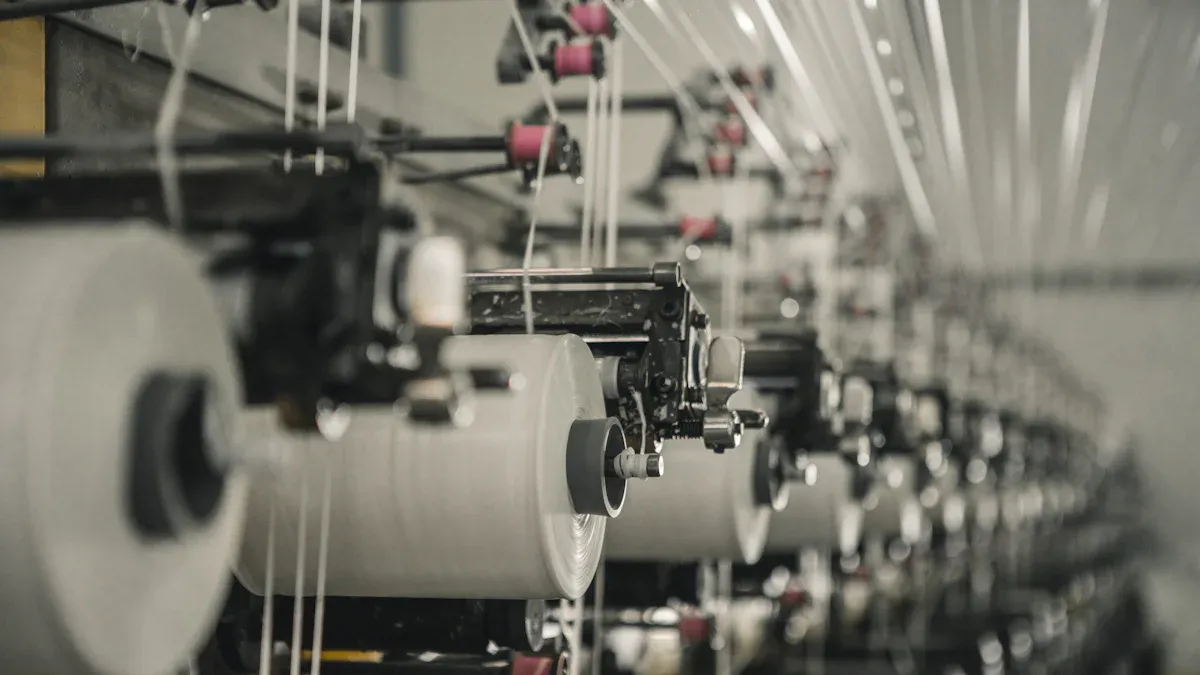
Private Label Clothing Design
You want your knitwear to stand out. Start by sketching your ideas and picking yarns and colors that match your brand. When you design your clothing line, look at what’s trending and what your customers like. Here’s a simple way to get started:
Choose yarns and colors that fit your brand story.
Work with suppliers to source the best materials.
Research fashion trends and see what’s popular now.
Make samples and check the fit and quality.
Prepare presentations to show off your new styles.
Keep track of your projects and set clear deadlines.
Tip: If you keep your designs fresh and follow trends, your knitwear will attract more buyers.
Find Reliable Manufacturers
You need a partner who can bring your designs to life. To find a manufacturer, start by making a list of what you need. Use online platforms or visit trade shows to meet suppliers. Always check their certifications and compare prices. Ask for samples so you can test the quality. Negotiate terms before you sign any agreement.
Criteria | Description |
|---|---|
Quality | |
Reliability | Pick someone who delivers on time and communicates well. |
Production Capacity | Make sure they can handle your orders as you grow. |
Experience | Choose a reliable private label clothing manufacturer with a good reputation. |
Check the minimum order quantity (MOQ) before you commit.
Make sure the manufacturer knows how to make your type of knitwear.
Ask about certifications and standards.
Note: A good manufacturer helps you avoid delays and keeps your business running smoothly.
Quality Control Process
You want every piece of knitwear to meet your standards. Quality control starts with checking the fabric. Test for thickness, weight, and any defects. Look at the stitching to make sure it’s even and strong. Test colorfastness so your clothes keep their color after washing. Sometimes, you need third-party labs to check materials. Inspect the yarn for strength and stretch.
Quality Control Process | Specific Tests/Techniques |
|---|---|
Fabric Quality Assessment | Check for defects, measure thickness, weight, and width. |
Stitching Quality Evaluation | Look for even stitching, no loose threads, and strong seams. |
Colorfastness Testing | Test if colors stay bright after washing and exposure to light. |
Third-party Lab Testing | Use outside labs for unbiased checks. |
Yarn Inspection | Test yarn for strength and flexibility. |
Alert: Strong quality control keeps your customers happy and builds trust in your brand.
Launch and Grow Your Private Label Clothing Line
Packaging and Presentation
When you start selling your private-label clothing, you want customers to feel happy when they get their package. Good packaging makes your white-label clothing look cool and helps people remember your brand. You can use special labels, stickers, or thank-you cards to show off your brand’s style. Some brands add tissue paper, ribbons, or small gifts to make opening the box fun. If you care about the planet, you can pick packaging that can be recycled or breaks down easily. This choice brings in shoppers who care about the environment and shows you care too.
Here are some smart ways to package your private-label clothing:
Best Practice | Description |
|---|---|
Customization | Use special labels and stickers to help people know your brand and share important info. |
Thoughtful Accessories | Add tissue paper, ribbons, or thank-you cards to make your package look nice. |
Sustainability | Pick packaging that can be recycled or breaks down to attract eco-friendly buyers. |
Quality and Attention to Detail | Keep your packaging the same every time to build trust and make it feel fancy. |
Protection | Use strong boxes or mailers so your white-label clothing gets to customers safely. |
Personal Touch | Put in thank-you notes or small gifts to make customers remember you. |
Tip: Adding a personal touch to your packaging can turn a new customer into someone who buys again.
Sales Channels and Launch Strategy
You have lots of ways to sell private label clothing. You can open an online store, use places like Amazon or Etsy, or sell in local shops. Some brands start with pop-up shops or trunk shows to meet people in person. When you launch your clothing line, pick one or two ways to sell that fit your brand and budget. Selling online helps you reach more people, while local shops help you make friends in your area.
Here are some steps to help you start and market your brand:
Choose where you want to sell. Decide if you want to sell online, in stores, or both. 2. Set up your online shop with good pictures and easy-to-use pages. 3. Put your white-label clothing on big websites to get more buyers. 4. Plan a launch event or give a special deal to get people interested. 5. Ask your first customers what they think and use their ideas to make your clothing line better.
Note: Start with just a few ways to sell and add more as you learn what works best for your private-label clothing.
Digital Marketing for Private Label Clothing
You need to tell people about your brand if you want them to find your private-label clothing. Social media is a great place to begin. Sites like Instagram and Pinterest let you show pictures and videos of your white-label clothing. You can share behind-the-scenes looks, new styles, and stories from customers. Email is good too. Send news, special deals, and style tips to people who sign up.
Here are some top digital marketing ideas for private-label clothing:
Use Instagram and Pinterest to share pictures and talk to shoppers. – Send emails with special messages and clear things to do. – Use SEO so people can find your white-label clothing when they search online. – Post great photos and videos to show off your clothes. – Work with influencers to reach new people and build trust.
Did you know that 59% of shoppers say ads help them decide what to buy? Almost half of buyers read reviews online before buying something. If you want your clothing line to do well, focus on building trust and telling your story.
Callout: Using digital marketing all the time helps your private-label clothing business grow and keeps your brand in people’s minds.
How to Build Long-Term Factory Partnerships
Good partnerships with your factory help your private-label clothing business get bigger. You want your manufacturer to see you as a good partner. Pay your bills on time and meet your deadlines. This makes factories want to work with you first. Trust is important. Show your factory you believe in them and that you care about your business.
Sometimes problems happen. Stay calm and work together to fix things. Write down your agreements so everyone knows what to do. This helps stop problems later and keeps your partnership strong.
Here are some important things for building long-term partnerships:
Key Factor | Description |
|---|---|
Reliability | Pay on time and meet deadlines so your manufacturer likes working with you. |
Trust | Show you care and believe in your factory’s work to build a strong relationship. |
Constructive Problem-Solving | Work together to fix problems and write down agreements to stop future issues. |
Tip: When you treat your factory like a partner, not just a supplier, you help your private-label clothing line last a long time.
You can start your fashion brand with confidence if you focus on packaging, sales, digital marketing, and strong partnerships. These steps help you make your first product, get people to know your brand, and handle growth after you launch your clothing line. If you want to know where to sell private label clothing, try online shops and local stores first. As you grow, keep trying new ideas and listen to your customers. Your white-label clothing business can do well with the right plan and some creativity.
Case Study — How a New Brand Launched Its First 5 Knitwear Styles
Brand Positioning and Initial Concept
Imagine you want to start your own knitwear brand. You begin by thinking about what makes your style different. You pick a name that feels fresh and friendly. You decide your brand will focus on cozy sweaters with bold colors. You want each piece to feel special and make people smile. Your brand story grows as you learn more about design and fashion. Over time, your identity changes with your experiences.
Tip: Your brand can change as you grow. Stay open to new ideas and let your journey shape your style.
Designing the First Collection
You sketch five knitwear styles. You choose colors that feel warm and inviting. You want each sweater to look cool and feel soft. You mix classic shapes with fun details. You test different yarns to find the best texture. You ask friends for feedback and tweak your designs. You focus on making each piece stand out in a crowded market.
Eye-catching designs help people notice your brand.
Soft textures make your clothes comfortable and memorable.
Unique color choices create an emotional connection.
Sourcing Materials and Choosing a Manufacturer
You search for yarns that match your vision. You look for suppliers who offer eco-friendly options. You visit trade shows and compare samples. You pick a manufacturer with a low minimum order quantity. You want someone who understands private label clothing and can deliver on time. You check their reputation and ask for references.
Step | Action Taken | Challenge Faced | Solution Found |
|---|---|---|---|
Sourcing Yarn | Compared eco-friendly yarns | High cost | Chose a blend for value |
Picking Manufacturer | Asked for samples | Long lead times | Picked local partner |
Managing Production and Quality Control
You work closely with your factory. You set clear deadlines and check samples before full production. You inspect each sweater for stitching and color. You fix problems quickly and keep communication open. You learn that small mistakes can happen, but you solve them by staying organized.
Note: Good quality control builds trust with your customers and helps your brand grow.
Launching and Marketing the First Styles
You launch your collection online. You use social media to show off your designs. You send samples to influencers and ask for honest reviews. You host a small event to meet customers and share your story. You listen to feedback and adjust your next collection. Collaborating with other brands helps you reach new shoppers and build credibility.
Sharing your journey connects you with buyers.
Understanding the business side helps you succeed.
You’ve learned the main steps to launch your private label knitwear business. Focus on market research, build a strong brand, and choose quality materials. Use smart marketing to reach your audience. Stay flexible and keep improving your products. Here’s what you can do next:
Start with a small collection
Test your ideas with real customers
Build strong partnerships
Tip: Take action now. Every step you make helps your brand grow!
FAQ
What is private label knitwear?
Private label knitwear means you sell clothing with your own brand name. You pick the designs and work with a manufacturer. You control the look and feel of your products.
How much money do I need to start?
You can start with a small budget. Many brands begin with $2,000 to $5,000 for samples, branding, and marketing. You save money by starting with a limited product range.
How do I find a reliable manufacturer?
Search online platforms like Alibaba or attend trade shows.
Ask for samples before you order.
Check reviews and certifications.
Talk to other brands for recommendations.
What is MOQ and why does it matter?
Term | Meaning | Why It Matters |
|---|---|---|
MOQ | Minimum Order Quantity | You must order at least this number of pieces. Lower MOQ helps you test new styles with less risk. |
Can I sell private label knitwear online?
Absolutely! You can open your own website or use marketplaces like Etsy and Amazon. Social media helps you reach more customers and build your brand.