
When you look at hemp vs linen in 2025, hemp is the best natural fiber. It is strong, good for the environment, and becoming more popular in luxury items. Hemp fabric is very tough and keeps you cool or warm. This makes it great for bedding. The hemp fiber market is growing fast because more people want eco-friendly and fancy products. Many people think hemp is a smart pick if you want comfort, care about the planet, and like modern luxury.
Key Takeaways
Hemp is stronger and lasts longer than linen. This makes hemp good for bedding and clothes that last a long time. Both hemp and linen are good for the environment. They use less water and fewer chemicals than cotton. This helps keep the planet safe. Hemp sheets pull away sweat well. They help you stay cool and dry. Linen sheets feel soft and fancy. They get even softer after each wash. More people are buying hemp products now. The market may reach $27.7 billion by 2034. People want things that are good for the earth and high quality. You should pick hemp or linen based on what you want. Hemp is tough and green. Linen is soft and classic.
Hemp vs Linen Overview
Origins
You may wonder where hemp and linen come from. Hemp comes from the Cannabis sativa plant. People started growing it about 10,000 years ago in China and Eurasia. Ancient stories say Emperor Shen Nong taught people to grow hemp in 2,800 BC. Hemp was important in many dynasties. In Japan, it was used in Shinto rituals for purity and fertility.
Linen comes from the flax plant. Egyptians grew flax over 4,000 years ago. Linen showed purity and was used for clothes and bandages. In Europe, people wore linen in the Middle Ages. The word ‘lingerie’ comes from linen.
Here is a quick comparison:
Fiber Type | Origin | Historical Significance |
|---|---|---|
Linen | Egypt (over 4,000 years ago) | Used for clothing, bandages, symbol of purity |
Hemp | China and Eurasia (about 10,000 years ago) | Used for textiles, ropes, food, rituals |
Uses
Today, hemp and linen are used in many ways. Both are popular for bedding because they are good for the planet and feel nice. People who care about the earth pick these instead of cotton. Hemp uses less water, land, and fertilizer. It does not need pesticides. Linen also needs little help to grow and breaks down easily.
Hemp and linen are chosen for bedding because they are eco-friendly.
You can find both in clothes, home items, and even in factories.
Hemp costs less to make than cotton, so companies like it.
Linen uses less water and energy to make.
The market for hemp products is growing quickly. In 2023, it was $5.4 billion. By 2034, it could be $27.7 billion. The industrial hemp market might reach $116.82 billion by 2030. New technology, like circular structures and new mixes, helps hemp and linen work better in tough jobs.
Hemp vs linen is not just about old times. Both have a long history and are now important for green living today.
Similarities and Differences
Shared Qualities
Hemp and linen have many things in common. Both are natural fibers that help the planet. People use them for bedding, clothes, and other items. They come from plants and do not need chemicals to grow. These fibers break down in nature and do not harm the earth. Both fabrics let air pass through, so you stay cool or warm. They soak up moisture, which makes them nice to wear or sleep on. Hemp and linen fight bacteria, so you do not need to wash them often. Bugs like moths do not bother these fibers, so you can use them outside. If you take care of them, they last a long time. Many people with sensitive skin pick these fabrics because they do not cause problems.
Hemp and linen are good for the environment.
Both are soft and comfortable for many uses.
They last for years if you care for them.
Key Differences
Hemp and linen are not exactly the same. The table below shows how they are different:
Property | Hemp | Linen |
|---|---|---|
Strength | Eight times stronger than linen | Weaker than hemp |
Elasticity | Least elastic of natural fibers | Greater elasticity than hemp |
UV Resistance | Highly UV-resistant | Good UV resistance, but less than hemp |
Hemp is much stronger than linen. Linen stretches more and does not wrinkle as much. Hemp blocks sunlight better, so it is good for outdoor use.
Some people think hemp and linen are the same. But hemp is stronger and lasts longer. Experts say people get confused because of wrong information. Knowing the truth helps you choose better.
Both fibers let your skin breathe and feel nice. They are great for people who care about the earth. Hemp gives you more strength and sun protection. Linen feels softer and stretches more.
Hemp Properties
Strength & Durability
Hemp is one of the toughest natural fibers you can pick. It is much stronger than flax, which is used to make linen. Hemp can be up to eight times stronger than flax. This means hemp bedding and clothes last a long time, even if you use them a lot. You can see how they compare in this table:
Fiber Type | Strength Comparison | Durability | Additional Notes |
|---|---|---|---|
Hemp | Up to 8 times stronger than flax | One of the longest-lasting natural fibers | Rougher texture due to higher lignin content |
Linen | Not specified in comparison | Not as durable as hemp | Generally smoother texture than hemp |
Hemp does not stretch much, so your sheets and clothes keep their shape. It also blocks the sun well, so your fabrics do not get damaged easily. Hemp lets air move through and pulls sweat away from your skin. This helps you stay cool and dry. That is why hemp is a good pick for bedding and things you use outside.
Tip: If you want bedding that lasts and stays fresh, hemp fibers are a great choice because they are strong and tough.
Texture & Comfort
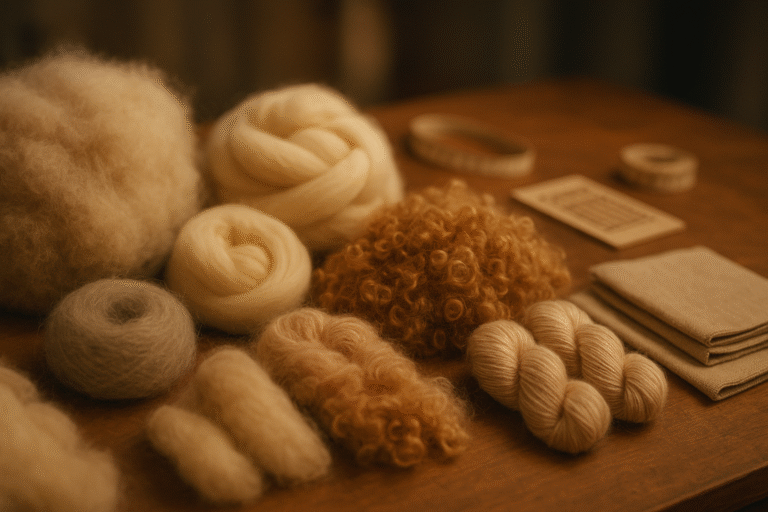
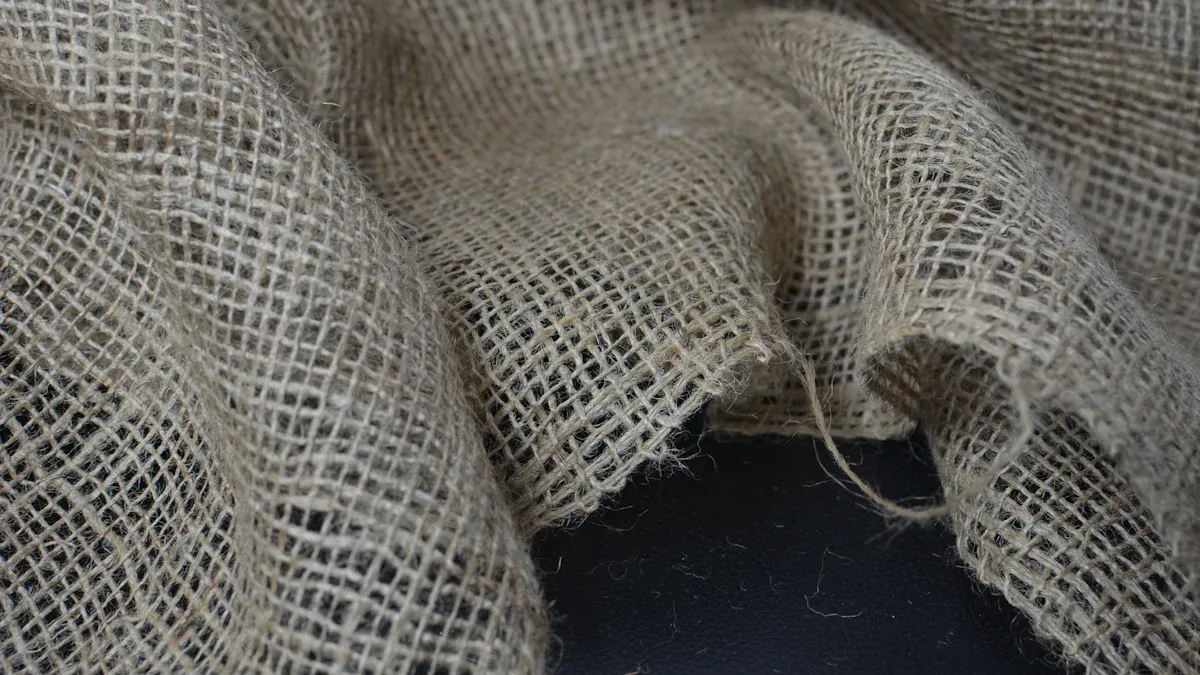
You may wonder what hemp feels like on your skin. When it is not mixed with other fibers, hemp can feel stiff and rough. Some people say shirts made from only hemp feel scratchy, almost like a sack. This is because hemp has more lignin in its fibers. But if you mix hemp with cotton or bamboo, it feels much softer. For example, a company in the U.S. found that when they blended hemp with organic cotton, people liked it more and bought more shirts. They sold 33% more because customers felt more comfortable.
Hemp is strong and soaks up water well. It also fights germs, which is good for bedding and clothes. If you want your fabric to feel softer, look for things made with hemp and other fibers mixed together. This way, you get both strength and comfort.
Hemp lets air pass through and keeps you dry.
Blended hemp fabrics feel softer and nicer.
Pure hemp is not best for soft, stretchy clothes, but it is great for strong items.
When you pick hemp blends, you get both the toughness of hemp and the softness of other fibers.
Linen Properties
Softness & Feel
When you touch linen, you notice its unique feel right away. Many people choose linen for bedding and clothing because it feels rich and comfortable. You might find that linen can feel a bit stiff at first. Over time, though, it becomes softer and more pleasant against your skin. This change happens as you wash and use the fabric more often.
Here is a quick comparison of softness and feel between linen and hemp:
Fabric | Softness Characteristics | Feel Characteristics |
|---|---|---|
Linen | Comfortable to wear, needs time to soften | Rich feel and comfort |
Hemp | Comfortable, softens faster, but rougher | Slightly rougher than linen |
Linen stands out for its breathability and cool touch. You stay comfortable in warm weather because air moves easily through the fibres. If you want a fabric that feels better with age, linen is a smart choice. You may notice that linen requires more time to break in and build softness, but many people enjoy this process. The natural fibres in linen give it a texture that feels both crisp and luxurious.
Tip: If you want bedding that gets softer every time you wash it, linen is a great pick.
Elasticity & Wrinkling
Linen has some special properties that you should know about. One thing you will notice is that linen wrinkles very easily. Even if you fold or wear it for a short time, creases appear quickly. This happens because linen fibres have low elasticity. They do not stretch much, so the fabric does not bounce back after bending or folding.
Linen is famous for wrinkling, and you cannot do much to stop it.
The same spots on linen often wrinkle again and again.
Hemp also creases, but not as much as linen.
Flax fibres, which make linen, are a bit more elastic than hemp fibres. Still, you will see that linen does not stretch much. Some people like the natural, relaxed look that comes from these wrinkles. If you want a fabric that stays smooth, linen may not be the best option. However, many people love linen for its classic, lived-in appearance.
Note: Linen’s tendency to wrinkle is part of its charm. If you enjoy a casual, natural look, you will appreciate this property.
Environmental Impact
Cultivation & Resources
Hemp and linen grow in different ways. Hemp is very good for the environment. It uses much less water than cotton. This is helpful in dry places. Hemp roots go deep and help keep the soil wet. You do not need to water hemp often. Hemp grows quickly and needs less land than cotton. It can make a lot of fabric in a short time.
Here is a table that shows how hemp does:
Aspect | Hemp Cultivation |
|---|---|
Water Usage | Uses much less water than cotton. Deep roots keep soil wet. |
Land Efficiency | Needs about half the land and water of cotton. Grows in four months. |
Pesticide Requirements | Needs fewer pesticides because it fights pests on its own. This helps nature. |
Linen comes from flax, which is also a natural plant. Flax does not need much water or chemicals to grow. Both hemp and linen make fabrics that break down in nature. They are good for the earth. You can feel good when you pick these materials because they do not hurt the planet.
Tip: If you want to save water and land, hemp fibers are a great choice.
Biodiversity & Sustainability
Choosing hemp or linen helps the planet. Both crops help many living things. Hemp fields are good for bees and other insects. The plants give bees food, so more bees can live. This helps other plants nearby too.
Here is how hemp farming helps nature:
Aspect | Description |
|---|---|
Impact on Biodiversity | Does not harm nature. Helps bees and other insects. |
Soil Erosion Prevention | Deep roots and thick plants stop soil from washing away. |
Chemical Use | Needs fewer chemicals. This keeps plants and animals safe. |
Carbon Sequestration | Takes in carbon dioxide, which helps slow climate change. |
Water Usage | Needs little water, so it grows well in dry places. |
Hemp and linen farming keeps nature healthy.
Both crops help bees and make the land better.
You get strong, natural fabric that is good for the earth.
When you pick hemp or linen, you help the planet. These crops give you green choices that last long and break down safely.
Bedding & Luxury Use
Comfort & Performance
Picking bedding for your home means you want comfort and good quality. Hemp sheets and linen sheets both feel fancy, but they are not the same. Many people think hemp sheets are more comfortable. Hemp sheets pull sweat away from your skin, so you stay dry at night. Linen sheets feel soft and cool when you touch them. Both help you sleep at the right temperature.
Here is a table to compare:
Feature | Hemp Sheets | Linen Sheets |
|---|---|---|
Comfort | Usually more comfortable | Very soft and comfy |
Moisture-wicking | Very good | Good |
Temperature regulation | Excellent | Good |
Tip: If you sweat a lot or live where it is hot, hemp sheets can help you sleep better. They move sweat away and keep you cool.
Design & Maintenance
Luxury bedding should look nice and be simple to care for. You can wash hemp sheets and linen bedding in a machine. Use cold water and do not use high heat to dry them. Hemp sheets feel rough at first, but get softer after each wash. Linen bedding feels soft right away and gets even better with time.
Here is a table to show the differences:
Feature | Hemp Sheets | Linen Bedding |
|---|---|---|
Cleanability | Wash in machine; use cold water | Easy to wash; do not use high heat |
Softness | Starts rough, gets softer later | Soft from the start, gets softer |
Durability | Very strong; does not tear or pill easily | Strong; lasts long with good care |
Sustainability | Needs little water, grows without chemicals | Saves water, makes almost no waste |
Design Sensibility | Looks neat and modern | Has a relaxed, natural look |
You can find fancy styles in both hemp and linen bedding. Hemp sheets look neat and modern. Linen bedding looks relaxed and natural. Both give you a fancy feel and help the earth.
Note: If you want bedding that stays nice for years, hemp and linen are both good picks. You get comfort, style, and easy care all together.
Other Applications
Apparel & Fashion
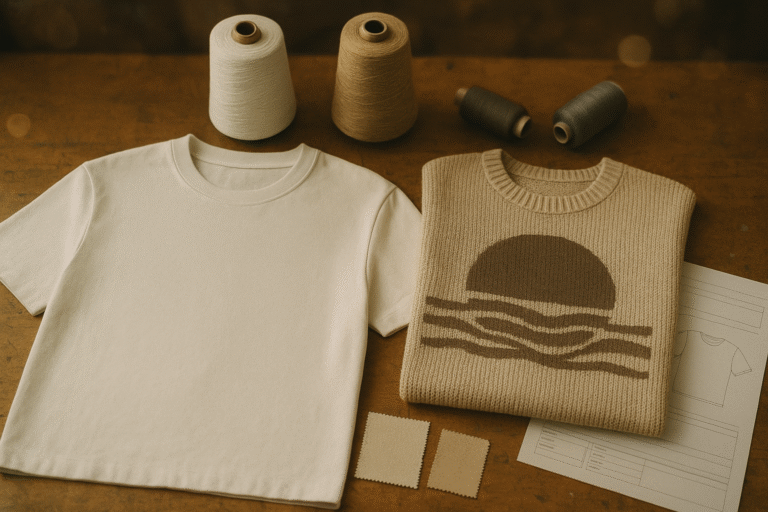
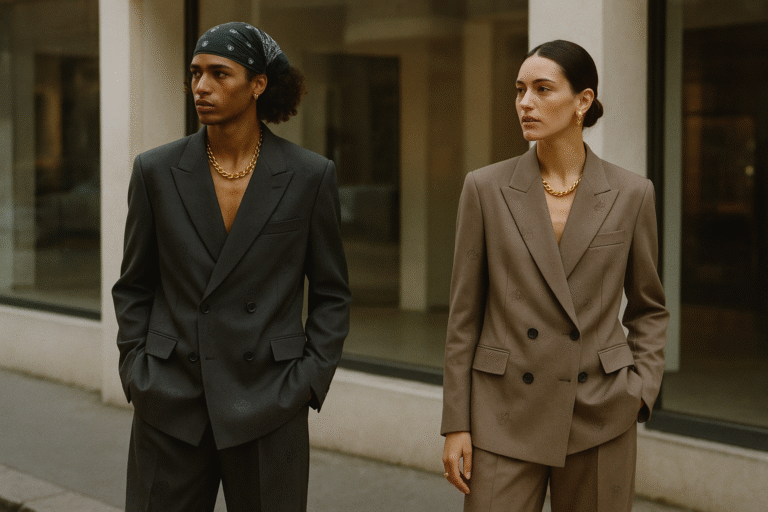
In 2025, hemp and linen are popular in fashion. These fibers make clothes strong and comfy. They last a long time. Hemp is stronger than cotton. It keeps its shape after many washes. You can find hemp in lots of clothes. Here are some ways people use hemp:
Jeans and jackets made with hemp are tough and last.
Dresses, skirts, and T-shirts use hemp for coolness and comfort.
Hoodies and kids’ clothes use hemp because it is light and soft.
Towels and bed linens use hemp because it soaks up water and lasts.
Linen is also used for summer dresses, shirts, and pants. Linen feels cool and soft, especially when it is hot. Both fibers help you look good and feel good. They are also better for the earth.
When you pick hemp or linen for your clothes, you help the planet. These choices are smart and good for nature.
Industrial Uses
Hemp and linen are used for more than just clothes. These fibers are found in many big jobs. Companies use them in cars, buildings, and packaging. They are strong and safe for the earth. Here is a table that shows how they are used:
Industry | Application Description | Benefits |
|---|---|---|
Automotive | Used in car parts, seats, and inside the car. | Strong, breaks down in nature, and lighter than other stuff. |
Construction | Used in hempcrete, insulation, and green building. | Keeps heat in, resists water, and can be recycled. |
Packaging | Hemp fibers are used to make green plastic for boxes and wraps. | Strong, breaks down in nature, and helps cut down on plastic trash. |
These uses help cut down on waste and pollution. Hempcrete keeps buildings warm and safe. Green plastic packaging breaks down and does not hurt the earth. When you choose these things, you help make the world cleaner.
Choosing in 2025
Personal Preference
When you pick between hemp and linen, what you like matters most. Some people want bedding that feels soft and gentle on their skin. Hemp sheets are good for people with sensitive skin because they do not cause allergies. You can wear hemp clothes if you want comfort and care about the earth. Linen sheets feel crisp and light, which is nice in summer.
Here is a table to show how your choices can help you decide:
Aspect | Hemp Clothing Benefits |
|---|---|
Skin Sensitivity | Hypoallergenic nature, suitable for sensitive skin |
Lifestyle | Eco-friendliness and comfort cater to sustainable choices |
Aesthetic Taste | Versatile style options align with personal aesthetic |
Hemp sheets get softer each time you wash them. This makes them great for using every day. Linen sheets keep their shape and feel fresh in hot weather. Both fibers help your body stay at a good temperature, so you feel comfy in any season.
Washing makes hemp softer, so it feels nicer.
Both soak up sweat, so you stay dry and comfy.
Tip: If you want bedding that feels better over time and is gentle on skin, hemp sheets are a smart choice.
Environmental Factors
If you care about nature, you want to know which fiber is better for the earth. Hemp and linen are both good, but they help the planet in different ways. Hemp uses very little water and grows well without chemicals. Linen also needs less water than cotton, but how it is grown can change its impact.
Here is a table that shows how each fiber helps the environment:
Environmental Factor | Hemp | Linen |
|---|---|---|
Water Usage | Drought-resistant, requires little water | Requires significantly less water than cotton |
Biodegradability | Decomposes naturally, no harmful residues | Decomposes naturally, no harmful residues |
Carbon Footprint | Absorbs significant CO2, low emissions | Absorbs CO2, low energy processing |
Pesticide and Chemical Use | Naturally resistant, minimal chemicals | Thrives in poor soil, minimal chemicals |
Durability | Long-lasting, reduces waste | Long-lasting, reduces waste |
Multi-Purpose Usage | Seeds and oil used in various products | Seeds used for food and oil |
Choosing hemp or linen helps the earth. Hemp sheets last longer, so you throw away less. Linen sheets break down in nature, so they do not harm the planet. Both choices lower your carbon footprint and help keep the world clean.
Note: If you want to help the earth, both hemp and linen are good. Hemp is special because it uses less water and helps fight climate change.
Value & Cost
You want to spend your money wisely. Hemp and linen cost more than regular fabrics, but they last longer. Hemp sheets are strong and need less care, so you save money over time. Linen sheets can cost more because they are delicate and need gentle washing.
Here is a table to compare what matters when you buy:
Factor | Hemp | Linen |
|---|---|---|
Sustainability | Requires minimal water, no pesticides, improves soil health | Requires less water than cotton, but can vary in impact based on farming methods |
Texture | Smoother and softer feel, improves with washing | Crisp, lightweight, retains structured feel |
Durability | Highly durable, withstands frequent washing | More delicate, prone to wrinkling |
Maintenance | Easy to care for, maintains integrity | Requires gentler care to maintain appearance |
Cost | Generally more cost-effective due to durability | Can be more expensive due to delicate nature |
Best Use | Bedding, upholstery, eco-friendly accessories | Summer clothing, curtains, breathable bedding |
Prices for hemp and linen sheets may go up. More people want green products, so demand is higher. Problems with shipping and getting organic labels also make things cost more. Hemp sheets give you better value because they last longer and are easy to care for. Linen sheets feel fancy, but you might pay more for their soft touch.
Shipping problems make costs go up.
Getting organic labels adds to the price.
Not much is made, so prices are higher for both.
Callout: If you want bedding that lasts and saves money, hemp sheets are a smart buy. Linen sheets feel fancy, but you may pay more for their special feel.
In 2025, people want green and healthy products. The hemp market is growing fast because of new ideas and better ways to use hemp. You can find more bedding, clothes, and other things made from natural fibers.
Trend/Insight | Description |
|---|---|
Eco-friendly Products | There is a growing demand for eco-friendly and health-oriented hemp products among consumers. |
Innovations in Hemp | Advancements in technology are leading to new applications and formulations for hemp-derived products. |
Market Growth | The global hemp market is projected to achieve a CAGR exceeding 20%, driven by consumer demand for sustainable products. |
Tip: If you want to follow new trends and get the best value, pick natural fibers like hemp sheets for strength and helping the earth. Linen sheets look classic and feel fancy, but hemp is stronger and saves you money in the long run.
In 2025, you will see hemp stand out for its strength, low cost, and eco-friendly farming. Studies show hemp uses less water and land than cotton or linen. If you want bedding that lasts, hemp is the best pick. For a softer, luxury feel, linen is a classic choice.
Priority | Choose Hemp | Choose Linen |
|---|---|---|
Durability | ✅ | |
Eco-friendliness | ✅ | ✅ |
Luxury | ✅ | |
Comfort | ✅ | ✅ |
Think about what matters most to you—comfort, the planet, or style—before you decide.
FAQ
What makes hemp more durable than linen?
You get more durability from hemp because its fibers are stronger and resist wear. Hemp sheets and clothes last longer, even with frequent use. You can wash hemp many times without losing strength.
Is linen or hemp better for sensitive skin?
You can choose either. Both hemp and linen are hypoallergenic and gentle. Hemp resists bacteria, so you stay fresh. Linen feels soft and smooth, which helps if you have sensitive skin.
How do you care for hemp and linen bedding?
You should wash both in cold water. Use a gentle cycle. Avoid high heat when drying. Hemp gets softer after each wash. Linen becomes smoother over time. You do not need special detergents.
Which fiber is more eco-friendly in 2025?
You help the planet with both. Hemp uses less water and grows fast. Linen also needs little water and few chemicals. Hemp absorbs more carbon dioxide, which helps fight climate change.
Can you use hemp and linen for luxury bedding?
You can enjoy luxury with both. Hemp bedding feels modern and strong. Linen bedding gives you a classic, soft touch. Both look stylish and last for years.