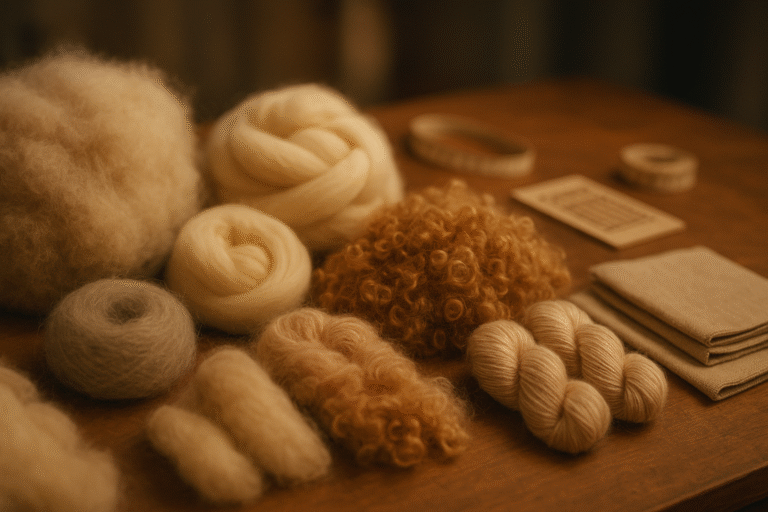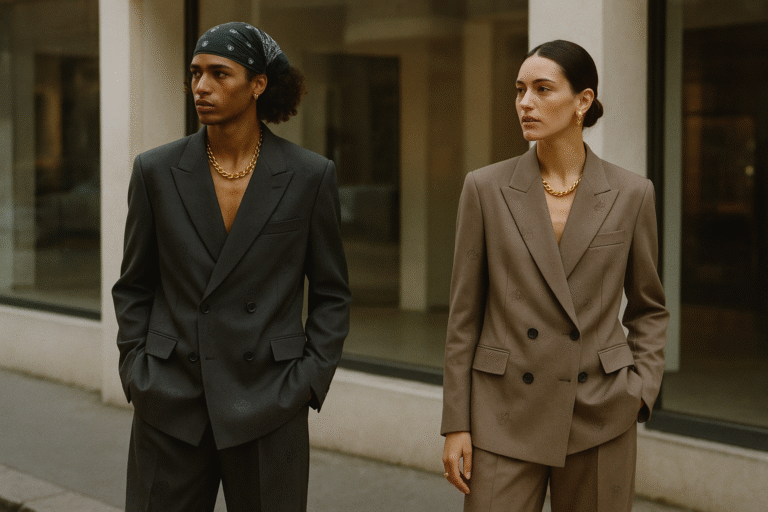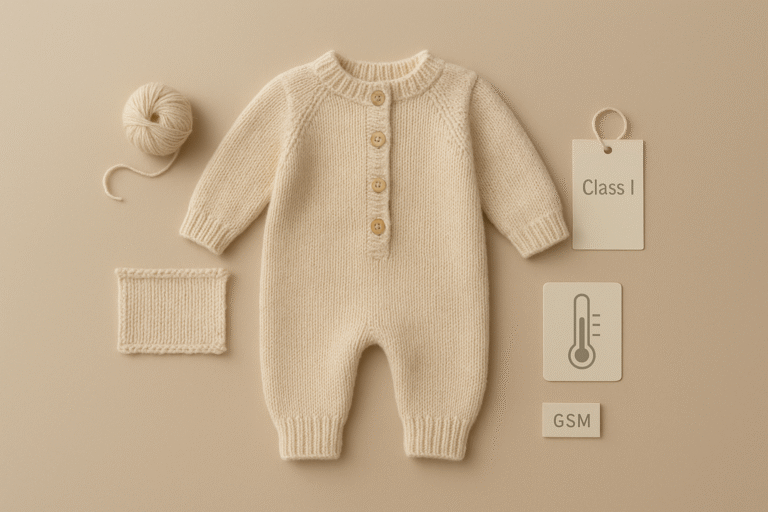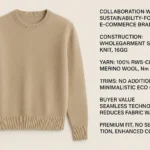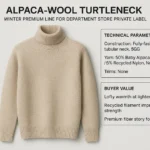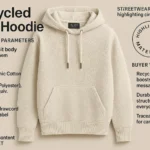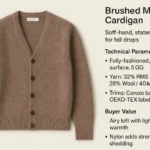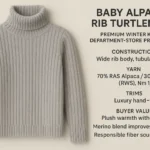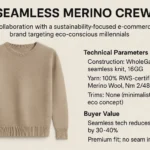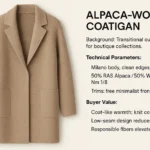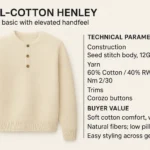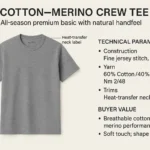


When choosing clothes, comfort and performance matter, along with their impact on the environment. If you’re considering bamboo vs merino wool, each has its own benefits. Bamboo feels soft and cool against your skin, making it a great option if you want affordable, vegan, and breathable clothing. On the other hand, merino wool keeps you warm and naturally resists odors, offering extra warmth in colder weather. The bamboo vs merino wool debate often comes down to your personal needs and values. Consider your climate, daily activities, and beliefs to help you decide between bamboo vs merino wool for your next clothing purchase.
Key Takeaways
Bamboo fabric feels soft and lets air pass through. It does not cause allergies, so it is good for sensitive skin. It is also great for hot weather.
Merino wool keeps you warm and pulls sweat away from your skin. It does not smell bad easily. It is perfect for cold places and outdoor fun.
Think about your daily life and the weather where you live. This will help you pick bamboo or merino wool for comfort and how well it works.
Bamboo costs less and is better for the planet. Merino wool is strong and lasts a long time.
You can get both benefits by choosing clothes made with bamboo and merino wool. These clothes feel nice and help control your body temperature.
Bamboo vs Merino Wool Overview
Quick Comparison Table
You want to see how bamboo and merino wool compare. The table below shows their main features. This helps you pick the fabric that fits your needs.
Feature | Merino Wool | Bamboo Fabric |
|---|---|---|
Comfort | Soft, gentle on skin | Silky, smooth, hypoallergenic |
Breathability | High | Breathable |
Moisture-Wicking | Excellent, wicks moisture away from skin | Moderate, less effective than merino wool |
Odor Resistance | Naturally resists odors | Antibacterial properties help reduce odors |
Durability | Strong, holds shape well | Good, but can pill over time |
Sustainability | Renewable, but animal-based | Fast-growing, vegan, eco-friendly |
Care | Needs gentle washing, air dry | Easy to wash, machine-friendly |
Cost | Higher price, premium quality | More affordable, budget-friendly |
Key Differences
Bamboo and merino wool are different in many ways. Bamboo is vegan, so it does not use animal products. Merino comes from sheep, so it is a type of wool. If you have sensitive skin, bamboo is a good choice. It is hypoallergenic and rarely causes skin problems. Merino is soft, but some people may react to wool.
Bamboo lets air move through it, so you stay cool. Merino keeps you warm because it traps heat. If you sweat a lot, merino pulls moisture away from your skin. Bamboo soaks up moisture, but not as fast as merino.
Merino is great at fighting odors. You can wear it for days and not smell bad. Bamboo helps with smells too, but not as much as merino.
Merino lasts a long time and keeps its shape. Bamboo is soft and strong, but it can pill if you wear it a lot. Both are good for activewear, but merino is tougher.
Bamboo grows quickly and uses less water. It is better for the planet. Merino is renewable, but it is not vegan. If you care about animals, bamboo is the better pick.
Bamboo is easy to wash in a machine and dries fast. Merino needs gentle washing and air drying. Bamboo costs less, so you save money. Merino is more expensive because it is a special wool.
Tip: Pick bamboo if you want vegan, hypoallergenic, and cheap clothes. Choose merino if you need warmth, odor control, and strong fabric.
You might also think about cotton. Bamboo feels softer and cooler than cotton. It is also better for the environment. Wool is warmer than cotton, but it costs more. People often pick bamboo over cotton for summer. Cotton vs wool is a bigger deal for winter.
Think about your weather, what you do, and what matters to you. Bamboo is good for warm days and daily use. Merino is best for cold weather and outdoor fun. Both are comfy, but each has its own strengths.
Some brands mix bamboo and merino wool. These blends give you comfort, breathability, and help control temperature. You get a fabric that works for travel and sports.
To pick the right fabric, look at comfort, breathability, moisture-wicking, odor control, strength, eco-friendliness, care, and price. Bamboo and merino wool give you choices for every need.
Comfort
Bamboo Fabric Softness
When you touch bamboo fabric, you notice how smooth and gentle it feels. Many people say it is even softer than cotton. This comes from the unique structure of bamboo fibers and the way they are processed. The softness makes bamboo fabric a favorite for people with sensitive skin. Babies and those with skin conditions like eczema often wear bamboo clothing for this reason.
Bamboo fabric is smoother and more breathable than cotton.
The fibers feel similar to cashmere or silk.
You get a cool, fresh feeling when you wear bamboo clothing.
The fabric wicks away moisture, so you stay dry and comfortable.
You might find that bamboo fabric keeps you feeling cool on hot days. It lets air move easily, which helps your skin breathe. If you want comfort and softness, bamboo is a great choice for everyday wear.
Tip: If you have allergies or sensitive skin, bamboo fabric can help you avoid irritation.
Merino Feel
Merino wool gives you a different kind of comfort. When you wear merino clothing, you feel warmth without heaviness. Many people describe merino as super soft and lightweight. You do not get the itch that comes with regular wool. This makes merino wool a top pick for people who want comfort in colder weather.
Merino wool feels soft and smooth against your skin.
The fabric is breathable and manages moisture well.
You stay dry because merino wool pulls sweat away from your body.
Merino clothing does not itch, so you can wear it all day.
The fabric is strong and lasts through many wears.
You can wear merino wool for outdoor activities or just relaxing at home. It keeps you warm but does not make you sweat. If you want a fabric that feels good and works hard, merino wool is a smart choice.
Note: Merino wool offers comfort and warmth, making it ideal for layering in cold climates.
Performance
Breathability
You want clothes that keep you comfy all year. Breathability helps with this. Bamboo is a very breathable fabric. Air moves through bamboo easily. You stay cool and fresh in bamboo. You sweat less in bamboo shirts or underwear. Merino also lets air flow, but it is better for cold weather. Merino wool fibers trap heat but still let skin breathe. You can wear merino outside and not feel too warm. Both fabrics help your body control temperature. Bamboo works best when it is hot outside.
Tip: Wear bamboo in summer and merino in winter. Both fabrics keep you comfy, but each is best for a different season.
Moisture-Wicking
Moisture-wicking means the fabric pulls sweat away. This keeps you dry when you exercise or move around. Bamboo can soak up three times its weight in moisture. You feel cool and comfy, even if you sweat. Merino wool can soak up 30% of its weight. You do not feel wet because merino moves sweat away. Athletes like merino for tough workouts.
Here is a quick look at how bamboo and merino wool compare in moisture-wicking tests:
Fabric Type | Moisture Absorption | Performance Description |
|---|---|---|
Bamboo | Up to 3 times its weight | Absorbs moisture well, keeps athletes cool and comfy. |
Merino Wool | Up to 30% of its weight | Absorbs moisture, does not feel wet, great for hard exercise. |
Both fabrics work well. Bamboo is good for light workouts and daily wear. Merino wool is great for hiking, running, or sweaty activities.
Odor Resistance
No one likes clothes that smell after wearing them. Odor resistance is important for both bamboo and merino. Merino wool fights odors naturally. You can wear merino for days and it still smells fine. The fibers trap bacteria and keep clothes clean. Bamboo also helps with smells. Bamboo fabric has antibacterial properties that slow bacteria growth. You notice less smell in bamboo shirts or socks.
Note: Merino wool is better at stopping odors, but bamboo still helps you smell clean.
Both bamboo and merino give you good performance. Pick bamboo for breathability and comfort. Choose merino wool for the best moisture-wicking and odor resistance.
Durability
Everyday Wear
You want clothes that last through daily use. Merino wool stands out for its strength. You can wear merino shirts or socks many times before they show signs of wear. The fibers hold their shape and resist wrinkles. You notice that merino wool does not pill easily, even after many washes. This means your clothes look new for longer.
Bamboo fabric feels soft and smooth. You enjoy the comfort, but you may see pilling after repeated wear. Bamboo blends tend to show wear faster than merino wool. If you wear bamboo shirts often, you might notice small balls of fiber forming on the surface. Bamboo dries quickly, which helps when you need clothes ready fast. However, bamboo may not keep its shape as well as merino wool over time.
Here is a quick look at how both fabrics perform in everyday use:
Feature | Merino Wool | Bamboo Fabric |
|---|---|---|
Shape Retention | Excellent | Good, may stretch |
Pilling | Rare | Common after washes |
Wrinkle Resistance | High | Moderate |
Odor Resistance | Strong | Moderate |
Tip: Choose merino wool for clothes you wear often and need to last. Pick bamboo for comfort and easy care, but expect some wear over time.
Bamboo is easy to care for and dries fast.
Merino wool keeps its shape and looks new after many wears.
Bamboo may pill and show wear sooner.
Washing
You want your clothes to last, so washing them the right way matters. Merino wool needs gentle care. Wash merino items by hand or use a gentle cycle with cold water. Air drying helps keep the fibers strong. Avoid high heat, which can damage merino wool. If you follow these steps, your merino clothes stay durable and fresh.
Bamboo clothing is easier to wash. You can use a gentle cycle and cold water. Handwashing works well too. Air drying in the shade helps bamboo fabric last longer. If you use a dryer, pick a cool and gentle setting. Keep bamboo clothes out of direct sunlight and away from high heat. This prevents the fibers from breaking down.
Note: Proper washing keeps both fabrics looking good and feeling comfortable. Gentle care helps merino wool last longer. Bamboo is easy to wash, but you need to avoid heat and sunlight.
You get the best results when you follow care instructions. Merino wool rewards you with durability. Bamboo gives you easy care and quick drying. Both fabrics need attention to stay in top shape.
Sustainability
Bamboo Eco Impact
Bamboo is known as an eco-friendly fabric. It grows very fast, sometimes 3 feet in one day. Bamboo does not need pesticides or fertilizers. This is because it has natural antimicrobial properties. Bamboo uses 30% less water than cotton. It can grow in many different places. Bamboo covers over 30 million hectares around the world. This makes it a big resource for sustainable clothing.
Bamboo helps the earth by taking in carbon and making soil better. Its roots keep soil from washing away. Bamboo gives almost twice as much timber per acre as pine. These things make bamboo a great choice for people who care about the planet.
But not all bamboo fabric is made the same way. Some companies use chemicals to turn bamboo into fabric. The viscose process can cause waste and pollution if not handled right. New closed-loop systems recycle almost all the solvents. This makes the process better for the environment. Mechanical processing is even safer for nature, but it is harder and costs more.
Tip: Try to buy bamboo clothes made with closed-loop or mechanical processing. These are the best for the environment.
Merino Sourcing
When you choose merino wool, you use a renewable resource. But you should think about animal care and land use. Merino sheep need good management. Some farms use mulesing, which can hurt the sheep. This may mean using more chemicals to stop pests. These chemicals can be bad for the environment.
You can see the main issues in the table below:
Evidence Type | Description |
|---|---|
Animal Welfare | Mulesing can hurt sheep and may mean more chemicals for pest control. |
Environmental Impact | More chemicals can pollute and cause resistance problems. |
Industry Response | The Australian Wool Sustainability Scheme wants better animal care and more openness. |
Many wool makers now follow strict rules to help the planet. They stop using harmful ways and work to keep land healthy. When you buy merino, look for labels that show good animal care and eco-friendly fabric. This helps you pick clothes that are better for animals and the earth.
Care
Washing Bamboo
You want your bamboo clothes to stay soft and last a long time. Good care helps keep the fabric looking new. Here are the best steps for washing bamboo clothing:
Pre-treat stains. If you see a stain, use an enzyme-based remover or a bit of strong detergent. Let it soak for about 15 minutes before washing.
Pick the right cycle and water temperature. Use the gentlest cycle on your washing machine. Cold water works best for lightly stained items. For tough stains, warm water helps.
Use a laundry bag. Turn your clothes inside out. Button and zip everything. This stops tangling and protects the fabric.
Drying. Lay your bamboo clothes flat or hang them to dry. This keeps them from stretching. If you use a dryer, pick a low heat setting.
Ironing. Use a low heat setting on your iron. Skip the steam to avoid burning the fibers.
Stain removal. For oily spots, try mild dish soap or a vinegar solution.
Storage. Hang shirts to keep them wrinkle-free. Make sure the fabric can breathe.
Tip: Gentle care keeps bamboo fabric soft and strong. Avoid high heat and harsh chemicals.
Caring for Merino
Merino wool needs special care to stay in good shape. You can keep your merino clothes looking great by following these steps:
Check the care label. Always read the label for washing instructions.
Choose the right detergent. Use a mild wool detergent. Stay away from regular detergents and fabric softeners.
Washing method. Hand wash or use your washing machine’s wool or gentle cycle.
Temperature matters. Wash with cold or tepid water. Hot water can shrink merino wool.
Drying techniques. Lay your merino clothes flat on a towel to dry. Keep them out of direct sunlight. Do not use a tumble dryer.
Stain removal. Treat stains gently with wool detergent. Rinse with cold water.
Frequent washing. You do not need to wash merino wool often. Air it out between wears to keep it fresh.
Note: Merino wool stays soft and keeps its shape when you wash it gently and let it air dry.
By following these steps, you help your bamboo and merino clothes last longer and feel better every time you wear them.
Cost
Price Comparison
When you shop for new clothes, price often matters. You want to know if bamboo or merino wool gives you better value for your money. Bamboo fabric usually costs less than merino wool. You can find bamboo shirts, underwear, and socks at budget-friendly prices. Many stores offer bamboo fabric clothing for everyday wear.
Merino wool fabric comes from sheep raised in special conditions. This process takes more time and care. Because of this, merino wool clothing often costs more. You might see higher prices for merino shirts, base layers, and socks. The price reflects the quality and the work that goes into making this fabric.
Here is a quick look at the average price range for each fabric:
Clothing Type | Bamboo Fabric (USD) | Merino Wool Fabric (USD) |
|---|---|---|
T-shirt | $15 – $35 | $40 – $80 |
Underwear | $10 – $25 | $25 – $50 |
Socks | $5 – $15 | $15 – $30 |
Note: Bamboo fabric gives you a soft feel at a lower price. Merino wool fabric costs more but offers extra features.
Value
You want to get the most out of your clothing. Value means more than just the price tag. Bamboo fabric gives you comfort, breathability, and easy care. You can buy more pieces for less money. This fabric works well for daily wear and warm weather.
Merino wool fabric lasts longer and resists odors. You may pay more at first, but you wash it less often and it stays fresh. This fabric keeps you warm and dry during outdoor activities. If you need clothing for hiking, travel, or cold weather, merino wool fabric can be worth the investment.
Choose bamboo fabric if you want affordable, soft, and easy-to-care-for clothes.
Pick merino wool fabric if you need warmth, durability, and odor resistance.
Tip: Think about how often you will wear the fabric and what you need it to do. Sometimes paying more for quality saves you money in the long run.
Best Uses
Activewear
When you pick clothes for exercise, you want to stay dry and comfy. Bamboo is good for light workouts and hot days. It feels soft and lets air move around your skin. Merino wool is better for hard workouts and sports outside. It pulls sweat away and stops bad smells, so you feel fresh. Many runners and hikers like merino wool. Synthetic fabrics like polyester and polyamide also help keep you dry. These fabrics dry fast and feel cool when you move. If you want both comfort and strength, try bamboo and merino wool blends. These blends help control temperature and last a long time.
Underwear
You want underwear that feels nice and keeps you clean. Bamboo is safe for sensitive skin because it is hypoallergenic. It also fights bacteria, so it helps stop odors. Merino wool is another good choice. It is antimicrobial and antibacterial, which helps keep you clean. Both bamboo and merino wool underwear are comfy all day. If you have allergies or want to avoid itchy skin, these are great picks. They help your skin stay dry and healthy.
Travel
When you travel, you need clothes that are easy to pack and care for. Merino wool is light and does not take up much space. It does not smell bad, so you can wear it many days. Merino wool dries fast and is easy to wash by hand or in a machine. Bamboo is soft and packs well, but it may not stop odors as well as merino. For long trips, merino wool helps you stay fresh and comfy. Blends of bamboo and merino wool help control temperature and make travel easier.
Performance Aspect | Merino Wool Characteristics |
|---|---|
Packability | Lightweight and less bulky |
Odor Control | Anti-microbial and odor-resistant |
Quick-Drying | Moisture-wicking and breathable |
Cold Weather
You need warm clothes when it gets cold outside. Merino wool is much warmer than bamboo. It keeps heat in and makes you feel cozy. Merino wool helps you stay comfortable in the cold. Bamboo lets air move, so it is better for warm or mild days. For winter or cold places, pick merino wool for the best warmth. Some brands mix bamboo and merino wool for comfort and better temperature control.
Tip: Pick bamboo for hot weather and daily use. Choose merino wool for cold days and outdoor fun. Blends of both fabrics give you comfort and help control temperature.
You want to pick the right fabric for you. Merino wool is best if you need warmth and less smell. It is also great for sports and outdoor fun. Bamboo is good if you want soft and cool clothes. It lets your skin breathe and is better for the planet. Look at this table to help you choose:
Fabric Type | Best For |
|---|---|
Bamboo | Warm weather, casual wear, sensitive skin |
Merino Wool | Cold weather, active wear, odor control |
Tip: Look for OEKO-TEX on bamboo and ZQ on merino. Try a blend if you want both comfort and to stay the right temperature. Always choose fabric that fits your weather, what you do, and what you care about.
FAQ
Is bamboo fabric really better for sensitive skin?
Yes, you can wear bamboo fabric if you have sensitive skin. Bamboo feels soft and smooth. It rarely causes itching or irritation. Many people with allergies or eczema choose bamboo clothing for comfort.
Can you wear merino wool in summer?
You can wear merino wool in summer. Merino wool breathes well and wicks away sweat. It keeps you cool and dry. Lightweight merino shirts work well for warm weather and outdoor activities.
How do you stop bamboo clothes from pilling?
To reduce pilling, wash bamboo clothes inside out on a gentle cycle. Use cold water and mild detergent. Avoid high heat when drying. Air drying helps keep the fabric smooth.
Do bamboo and merino wool shrink in the wash?
Both fabrics can shrink if you use hot water or high heat. Always wash in cold water. Air dry or use a low heat setting. Read the care label before washing.
Which fabric is more eco-friendly?
Bamboo grows fast and uses less water. It is vegan and renewable. Merino wool comes from sheep and is also renewable. Choose bamboo for a plant-based option. Look for eco-certifications on both fabrics for the best choice.