Short, Direct Answer (Featured-Snippet Friendly)
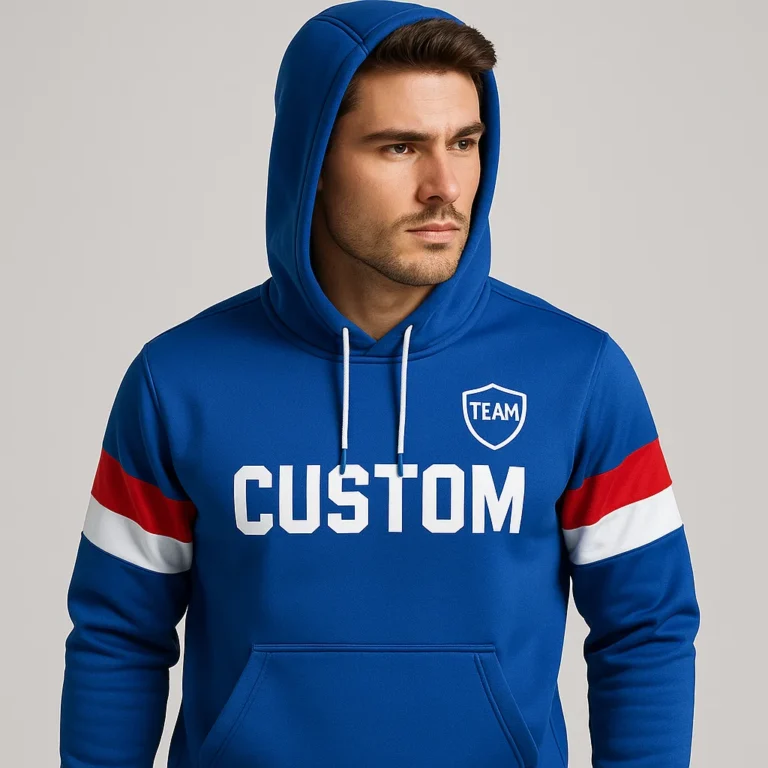
Teens today are primarily wearing relaxed-fit hoodies with medium-to-heavy weight fabrics, minimal but intentional graphics, and neutral or muted colors, with an emphasis on comfort, layering versatility, and durability rather than novelty. From a manufacturing perspective, the dominant direction favors simple silhouettes with controlled details that balance trend relevance and cost efficiency.
Why Teen Hoodie Trends Change Differently From Adult Fashion
Teen hoodie trends do not follow the same cycle as adult apparel for one key reason:
they are not driven by wardrobe planning, but by usage frequency and peer visibility.
From factory and buyer feedback, teen consumers:
-
Wear hoodies multiple times per week
-
Prioritize comfort and fit tolerance over precision tailoring
-
Replace garments faster due to growth, wear, and trend turnover
This leads to a product environment where:
-
Styles must be visually current but structurally forgiving
-
Fabric durability matters more than premium hand feel
-
Trends shift at the surface level (fit, graphics, color) rather than construction innovation
For brands, this means hoodie trends for teens are incremental, not experimental.
Key Teen Hoodie Trends Explained From a Product Development Angle
1. Relaxed and Oversized Fits (Controlled, Not Extreme)
From a development standpoint, oversized teen hoodies are popular because they:
-
Reduce fit risk across size ranges
-
Allow longer wear across growth stages
-
Simplify grading and lower return rates
Factories typically interpret this as:
Overly extreme silhouettes tend to fail in bulk because they:
-
Increase fabric consumption disproportionately
-
Create imbalance in size ratios
-
Trigger higher rejection rates in wholesale channels
2. Comfort-First Fabric Choices
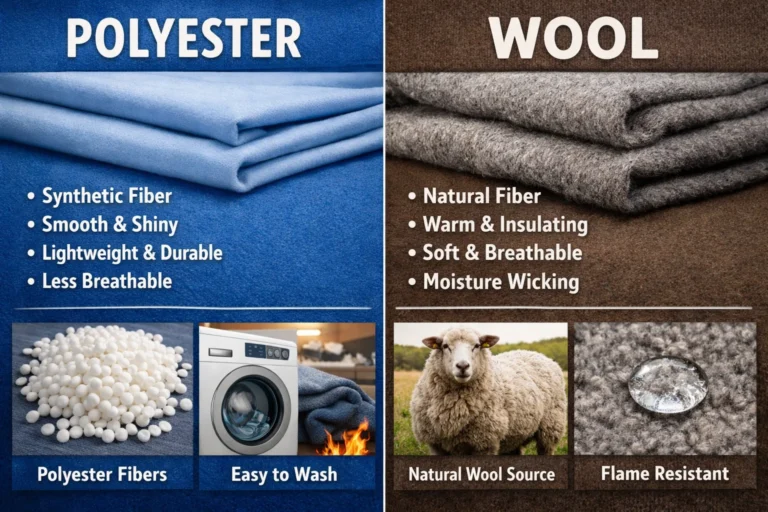
Teen hoodies trend toward predictable, repeatable fabrics, not experimental blends.
Common factory-approved directions include:
-
Cotton-poly fleece (typically 280–360 GSM)
-
Compact French terry for lighter seasons
-
Low-pile brushed fleece rather than heavy sherpa textures
From production experience, these fabrics:
-
Perform well in repeated washing
-
Maintain shape with moderate quality control
-
Support stable costing at teen-market price points
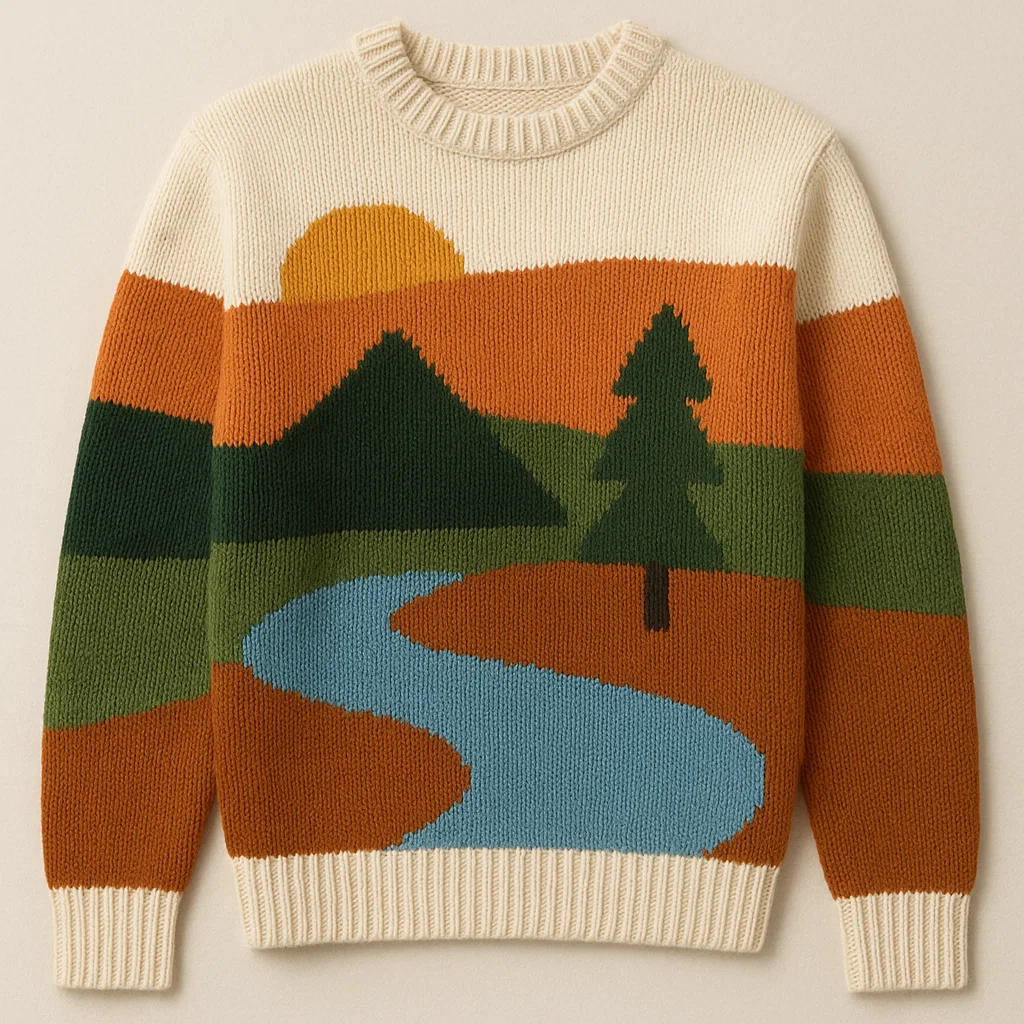
3. Minimal Graphics With Clear Placement Logic
Teens gravitate toward hoodies that feel expressive but not cluttered.
From a sourcing view, this translates to:
-
Small chest prints or badges
-
Center-back or shoulder-level graphics
-
Simple typography or abstract motifs
Factories favor these approaches because they:
Large, complex all-over prints often look attractive in sampling but fail during scale-up due to alignment and defect risks.
Hoodie Styles by Category (Manufacturing Breakdown)
Silhouette
Avoid: overly cropped lengths or ultra-longline bodies, which complicate grading.
Fabric
Factories typically recommend blends for teens due to:
-
Better dimensional stability
-
Lower shrinkage complaints
-
Improved cost-performance ratio
Weight
-
Core volume range: 300–340 GSM
-
Lightweight (below 260 GSM) often feels disposable
-
Heavyweight (above 380 GSM) limits layering and increases cost sensitivity
Details
-
Kangaroo pockets remain dominant
-
Quarter-zip or half-zip styles appear seasonally but in limited volumes
-
Drawstrings are often simplified or removed to meet safety or school regulations
Color and Graphic Direction (Production Feasibility View)
From factory data and reorder behavior, teen hoodie colors trend toward:
-
Black, grey, off-white
-
Muted blues, greens, and browns
-
Occasional seasonal accent colors, but in controlled ratios
These colors:
Graphic execution favors:
Common Mistakes Brands Make When Targeting Teen Hoodie Trends
-
Over-designing
Too many graphics or construction features increase defect risk without improving sell-through.
-
Chasing viral aesthetics
What trends online often lacks production longevity or retail viability.
-
Ignoring wash performance
Teens wash hoodies frequently; fabrics that fail after 10–15 washes damage brand perception quickly.
-
Misjudging price elasticity
Teen hoodies require tight cost control; small BOM increases can kill volume programs.
Knitwear Factory Perspective
How Factories Interpret Teen Trends
Factories do not chase “what’s cool.” They translate trends into:
-
Repeatable silhouettes
-
Stable fabrics
-
Manageable MOQs
A “teen trend” is viable only if it:
-
Can run across multiple colorways
-
Uses existing knitting and finishing capacity
-
Maintains acceptable yield rates
What Actually Scales in Production
-
Simple fleece hoodies with minor seasonal updates
-
Graphic changes without pattern changes
-
Fabric continuity across collections
What Looks Trendy but Fails Commercially
These often perform well in samples but collapse under bulk cost and QC pressure.
Actionable Insights for Brands and Buyers
-
Treat teen hoodies as core volume products with seasonal surface updates
-
Prioritize fabric stability and wash durability over novelty
-
Keep silhouettes consistent and refresh graphics strategically
-
Involve factories early to validate scalability, not after design lock
-
Design for repeat orders, not one-off drops
From a manufacturing standpoint, the most successful teen hoodie programs are not the most creative—but the most disciplined, consistent, and production-aware.