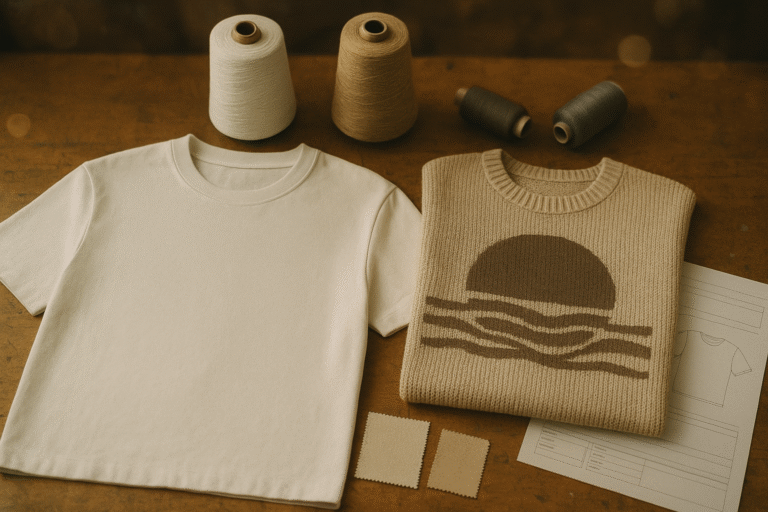

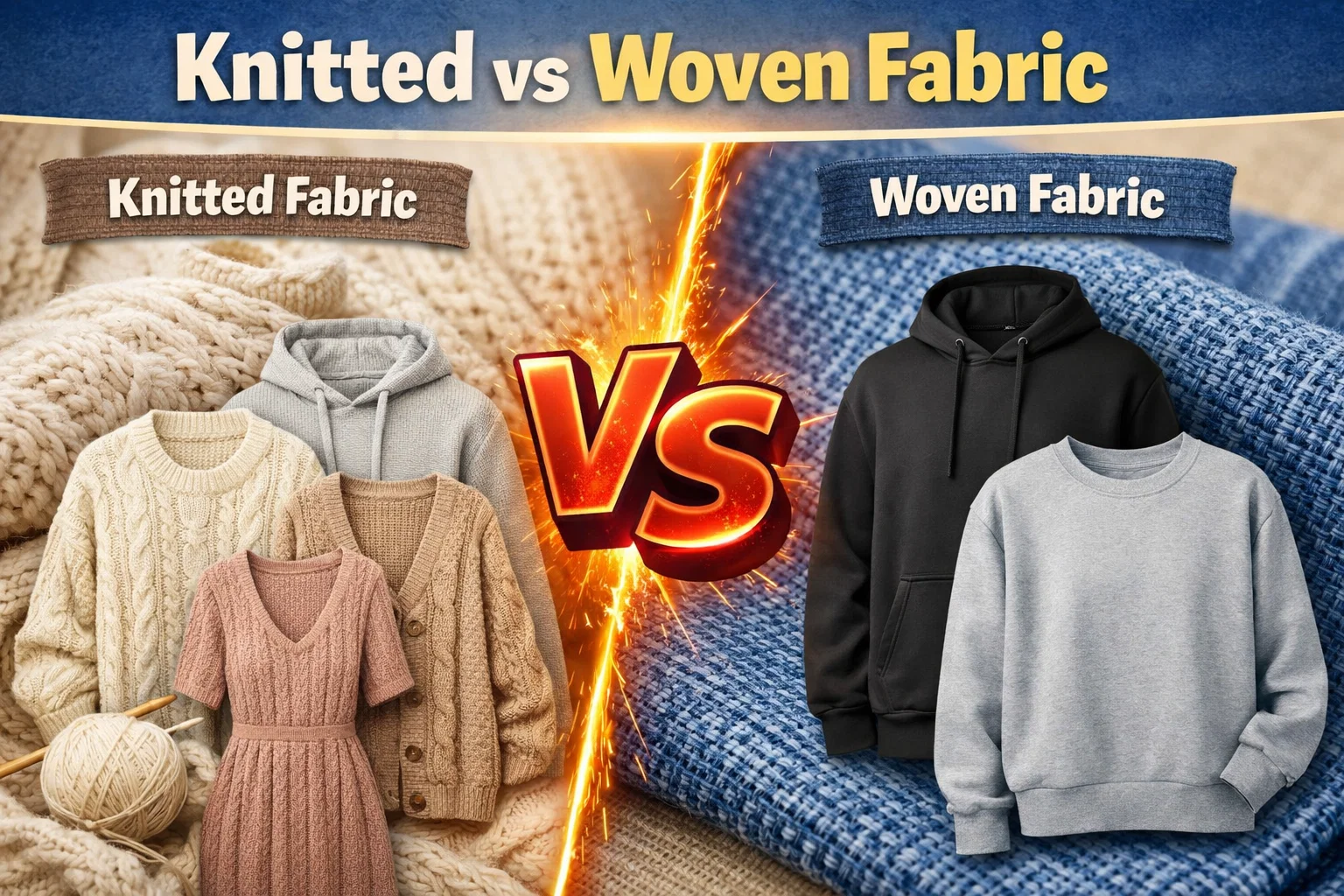
Imagine you pick up a shirt at the store and wonder about its feel and fit. You can tell if a fabric is knit vs woven fabric by looking for loops in knit or a criss-cross pattern in woven. This skill helps you choose the right garment for comfort and durability. When you know the difference between knit vs woven fabric, you make better choices.
-
Garment fit and function depend on whether it is knit vs woven fabric.
-
The right choice between knit vs woven fabric ensures satisfaction and durability.
-
Sewing and production need different methods for knit vs woven fabric.
Quick Review: Knit vs. Woven Fabric
| Feature | Knit Fabric | Woven Fabric |
| Technology | Looping: Made by looping a single yarn continuously (like a chain). | Interlacing: Made by weaving two sets of yarns (warp & weft) in a criss-cross pattern. |
| Elasticity | High Stretch: Stretches easily in all directions and bounces back. | Low Stretch: Rigid and stable; rarely stretches unless elastic fibers are added. |
| Comfort | Soft & Breathable: Flexible structure fits the body form and allows good airflow. | Structured: Feels stiffer and holds a tailored shape; less breathable than knits. |
| Wrinkle Resistance | High: Resists wrinkling; ideal for travel and casual wear. | Low: Prone to creasing and wrinkling easily. |
| Durability | Delicate: Can snag or unravel (run) if cut; edges curl up. | Durable: Strong and long-lasting; edges will fray if cut but don’t “run.” |
| Price / Production | Cost-Effective: Modern machinery allows for fast, cheaper mass production. | Variable: often more labor-intensive to produce complex weaves, leading to higher stability costs. |
| Common Usage | T-shirts, leggings, sweaters, socks, activewear. | Dress shirts, denim/jeans, suits, upholstery, jackets. |
Still not sure which fabric is right for your design? Contact Azknit’s experts today for professional advice and a free quote on your custom knitwear project.
Key Takeaways
-
Knit fabrics are made by looping yarn. This makes them soft and stretchy. You can spot them by looking for loops.
-
Woven fabrics are made by crossing two yarn sets. This forms a strong criss-cross pattern. It makes them tough and steady.
-
Try the stretch test. Knit fabrics stretch with ease. Woven fabrics feel firm and do not stretch much.
-
Look at the edges. Knit fabric edges curl up and do not fray. Woven fabric edges fray fast when cut.
-
Knit fabrics are good for comfort and movement. They work well for casual clothes like T-shirts and leggings.
-
Woven fabrics are best for items that need shape. They are used for dress shirts and jackets.
-
To tell them apart, check the texture. Knit fabrics feel soft and bendy. Woven fabrics feel stiff.
-
Practice finding fabrics by using easy tests. Try the stretch test, look test, and wrinkle test. This helps you choose the right fabric.
Introduction to Woven and Knitting Fabrics
Woven Fabric
Definition
You see woven fabric in many places. It is made by weaving two yarn sets together. One set goes up and down, called warp. The other goes side to side, called weft. This makes a strong, grid-like pattern. Woven fabric is strong, lasts long, and feels smooth.
Brief History
People have used woven fabric for a very long time. Ancient people in Egypt and China made weaving methods. They used these to make clothes and things for the home. Looms made weaving better over time. Today, woven fabric is in old and new textiles.
Common Uses
Woven fabric is used in many daily things. It is good for clothes, home items, and even for work products. Here is a table with some uses:
|
Application Area |
Examples |
|---|---|
|
Apparel |
Clothing, tailored shirts, evening gowns |
|
Home Textiles |
Curtains, bed sheets, upholstery |
|
Industrial Uses |
Bags, geotextiles, industrial covers |
|
Medical Supplies |
Bandages, surgical gowns |
Woven fabric is picked for things that need to be strong and keep their shape.
Knitting Fabric
Definition
Knitting fabric looks and feels different from woven fabric. It is made by looping one yarn into rows. These loops link together. This makes the fabric soft and stretchy. You can see tiny braids or chains in knitting fabric.
Brief History
Knitting started as a craft in the Middle East and Europe. People used needles to make socks, hats, and sweaters. Now, machines make knitting fabric fast and in big amounts. This made knitwear easy to get and cheaper.
Common Uses
Knitting fabric is in many soft and stretchy things. It is used for clothes, accessories, and home items. Here are some examples:
-
T-shirts and sweatshirts
-
Socks and hats
-
Baby clothes and blankets
-
Throws and upholstery
Knitting fabric is soft, warm, and has special textures. People pick it for comfort and stretch.
Tip: If you want fabric that moves and stretches with you, knitting fabric is usually best.
|
Fabric Type |
Manufacturing Process |
Characteristics |
|---|---|---|
|
Knit Fabrics |
Made by looping yarn into rows |
Has columns of stitches and lines going across |
|
Woven Fabrics |
Made by weaving two yarns at right angles |
Has a strong, grid-like pattern with yarns crossing |
Knit vs Woven Fabric

When you compare knit vs woven fabric, you notice big differences in how each one looks and feels. The main difference comes from how the yarns are put together. This affects the characteristics of knit fabric and woven fabric, making each one better for certain uses.
Knit Fabric
Loops
You can spot knitted fabric by looking for tiny loops. These loops form rows and columns, almost like little chains linked together. The yarn bends and twists to make these loops, which gives the fabric its unique look. If you stretch the fabric gently, you see the loops open up and then bounce back. This loop structure is the reason why the characteristics of knit fabric include softness and flexibility.
Tip: Hold the fabric up to the light. You might see small holes between the loops. This is a quick way to spot knitted fabric.
Stretch
Knitted fabric stands out because it stretches in all directions. The loops let the fabric move and return to its shape after you pull it. Even if the yarn itself does not stretch, the way it is looped gives the fabric natural elasticity. This means you can wear clothes made from knitted fabric all day, and they will move with you. The stretch and recovery make knit vs woven fabric easy to tell apart. You often find knitted fabric in T-shirts, leggings, and sportswear because you need comfort and movement.
Woven Fabric
Criss-Cross Pattern
Woven fabric looks and feels different from knitted fabric. You see a criss-cross pattern, where yarns run up and down (warp) and side to side (weft). These yarns cross over and under each other, making a strong grid. This structure gives woven fabric its strength and helps it keep its shape. If you look closely, you can see the straight lines and right angles. The criss-cross pattern makes woven fabric more stable and less likely to stretch out.
-
The warp yarns run along the length of the fabric.
-
The weft yarns go across the width, weaving over and under the warp.
Less Stretch
Woven fabric does not stretch much. The tight weave holds the yarns in place, so the fabric feels firm and sturdy. You might notice a little give if you pull it on the diagonal, but not much in other directions. This makes woven fabric perfect for things that need to keep their shape, like dress shirts, pants, and jackets. The criss-cross pattern also helps the fabric last longer and resist wear.
Here is a table to help you compare knit vs woven fabric:
|
Feature |
Knit Fabrics |
Woven Fabrics |
|---|---|---|
|
Fiber Arrangement |
Loops formed by bending yarns |
Crisscrossed yarns (warp and weft) |
|
Stability |
More elastic and comfortable |
More rigid and stable |
|
Stretchability |
Extends in all directions |
Limited stretch, generally tighter and stiffer |
|
Air Permeability |
Greater due to hole-shaped coils |
Less due to tighter structure |
|
Basic Unit |
Coils formed by a single yarn |
Weave points formed by the intersection of yarns |
Note: The structure of knit vs woven fabric affects how you use them. Choose knitted fabric for stretch and comfort. Pick woven fabric for strength and shape.
Ways to Distinguish
When you want to tell the difference between knit and woven fabrics, you can use your hands and eyes. You do not need special tools. You can check the texture, look at the surface, and inspect the edges. These simple steps help you make smart choices when shopping or sewing.
Texture & Stretch
Touch is one of the easiest ways to distinguish between knitted fabric and woven fabric. When you run your fingers over knit fabric, you feel softness and flexibility. Knit fabric stretches easily in many directions. Woven fabric feels stiffer and holds its shape. It does not stretch much unless it has elastic fibers.
Here is a table that shows what you might notice:
|
Aspect |
Knit Fabric |
Woven Fabric |
|---|---|---|
|
Texture |
Soft and flexible |
Stiffer and more structured |
|
Stretchability |
Naturally stretchy in all directions |
Limited stretch |
|
Wrinkle Resistance |
More wrinkle-resistant |
Wrinkles more easily |
Tip: Gently pull the fabric. Knit fabric will stretch and bounce back. Woven fabric will resist stretching and may wrinkle.
Surface Look
You can spot differences by looking closely at the fabric’s surface. Woven fabrics show a criss-cross pattern. You see threads crossing over and under each other, like a checkerboard. Knitted fabrics show loops. Sometimes you see a chain or braid pattern. Weft knitted fabrics often have a V shape. Warp knitted fabrics may look like stripes.
-
Woven fabrics have interweaving and overlapping yarns.
-
Weft knitted fabrics display a V shape in their weave pattern.
-
Warp knitted fabrics show a stripe-like pattern.
-
Checkerboard patterns mean woven fabric.
-
Loops or chain patterns mean knitted fabric.
Note: Hold the fabric up to the light. You may see tiny holes in knit fabric. Woven fabric looks tighter and more solid.
Edge Check
Cut edges can tell you a lot about fabric construction. When you cut knit fabric, the edge stretches and does not unravel easily. This happens because the loops lock together. Woven fabric edges fray quickly. Threads come loose because they cross at right angles and do not lock.
Here is a table to help you compare:
|
Fabric Type |
Edge Behavior when Cut |
Construction Method |
|---|---|---|
|
Knit |
Stretches, does not unravel |
Interlocking loops of yarn |
|
Woven |
Prone to fraying |
Interlacing threads at right angles |
Tip: If you see threads coming loose at the edge, you probably have woven fabric. If the edge stays neat and stretches, it is likely knit.
By using these ways to distinguish between knitted fabric and woven fabric, you can quickly identify what you are working with. Practice these checks when you shop or sew. You will get better at spotting the difference.
How to Tell If a Fabric Is Knit or Woven
You might wonder how to tell if a fabric is knit or woven when you shop for clothes or pick out material for a project. You can use three simple tests: the stretch test, the look test, and the wrinkle test. Each test gives you clues about the fabric’s structure and helps you make the right choice.
Stretch Test
The stretch test is one of the easiest ways to check fabric type. Follow these steps:
-
Hold a piece of the fabric in both hands.
-
Gently pull the fabric across its width (side to side).
-
Notice how much the fabric stretches.
-
Next, pull the fabric along its length (top to bottom).
-
Compare the stretch in both directions.
What should you see?
-
Knit fabric will stretch a lot across the width and may also stretch along the length. It feels soft and bounces back when you let go.
-
Woven fabric will not stretch much in either direction. It feels firm and holds its shape unless it has elastic fibers added.
Here is a table to help you compare the results:
|
Fabric Type |
Stretch Characteristics |
Recovery After Stretch |
Common Uses |
|---|---|---|---|
|
Knit |
Stretches easily, especially across width |
Bounces back quickly |
T-shirts, leggings, sportswear |
|
Woven |
Little to no stretch |
Holds shape, less bounce back |
Dress shirts, pants, jackets |
Tip: If the fabric stretches a lot and returns to its shape, you are likely holding a knit. If it barely moves, it is probably woven.
Look Test
The look test helps you spot differences by examining the fabric closely. Here is what to do:
-
Hold the fabric up to the light or look at it closely.
-
Search for patterns in the threads.
You will notice:
-
Knit fabrics have a braided or looped look. You might see tiny V shapes or a chain pattern, like hand-knitted material.
-
Woven fabrics show a crisscross pattern. The threads cross over and under each other at right angles, like a basket.
Here is a quick guide:
|
Fabric Type |
Visual Indicators |
|---|---|
|
Knit |
Small, even loops, uniform look, V shapes, braided or chain-like appearance |
|
Woven |
Clear crisscross pattern, threads at right angles, checkerboard or basket pattern |
Note: If you see loops or a braided look, you have a knitted fabric. If you see a checkerboard or basket pattern, you have a woven fabric.
Wrinkle Test
The wrinkle test shows how the fabric reacts to being crushed or folded. Try these steps:
-
Take a small section of the fabric.
-
Squeeze it tightly in your hand for a few seconds.
-
Release the fabric and observe what happens.
What should you expect?
-
Knit fabrics spring back quickly and show few or no wrinkles. The looped structure gives them natural elasticity.
-
Woven fabrics tend to keep the wrinkles or creases. The interlaced threads do not bounce back as easily.
Tip: If the fabric stays smooth after squeezing, it is likely knit. If it keeps the wrinkles, it is probably woven.
By using these three tests, you can learn how to tell if a fabric is knit or woven in just a few moments. Practice these steps when you shop or sew, and you will soon spot the difference with confidence.
Common Types
You see many different fabrics every day, but some stand out because of how often people use them. Knowing the common types of knit fabric and common types of woven fabric helps you make smart choices for clothing, crafts, or home projects. Let’s look at some popular examples you might find in stores or your own closet.
Knit Examples
Knit fabrics feel soft and stretch easily. You often find them in clothes that need to move with your body. Here are three of the most common types of knit fabric:
Jersey
Jersey is one of the most popular knit fabrics. You find it in T-shirts, dresses, and even bed sheets. Jersey feels smooth on one side and has tiny loops on the other. It stretches well and drapes nicely, making it perfect for comfortable clothing.
Rib
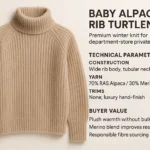
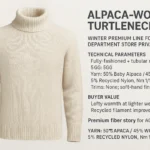
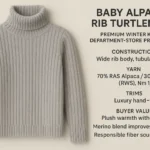
Rib knit stands out because of its raised vertical lines. You see rib knit in cuffs, collars, and turtlenecks. This fabric stretches more than jersey and snaps back into shape. Rib knit works well for clothes that need to fit snugly.
Fleece
Fleece knit feels warm and soft. You find it in sweatshirts, jackets, and blankets. Fleece traps heat, so it keeps you cozy in cold weather. This fabric is durable and easy to care for, making it a favorite for activewear and loungewear.
Tip: Other common types of knit fabric include French terry, interlock, and sweater knits. Each one has its own special feel and use.
Woven Examples
Woven fabric gives you strength and structure. You see it in many everyday items, from jeans to dress shirts. Here are three common types of woven fabric you should know:
Denim
Denim is a sturdy woven fabric. You find it in jeans, jackets, and bags. Denim uses a twill weave, which gives it diagonal lines and extra strength. This fabric lasts a long time and gets softer with each wash.
Poplin
Poplin feels smooth and crisp. People use it for shirts, dresses, and uniforms. Poplin has a tight weave, so it holds its shape well. This makes it a good choice for clothes that need to look neat and polished.
Twill
Twill is another strong woven fabric. You can spot twill by its diagonal rib pattern. People use twill for pants, workwear, and even upholstery. Twill resists wrinkles and hides stains, so it stays looking good longer.
Here is a quick table to help you compare these fabrics:
|
Fabric Name |
Type |
Key Features |
Common Uses |
|---|---|---|---|
|
Jersey |
Knit |
Soft, stretchy, drapes well |
T-shirts, dresses |
|
Rib |
Knit |
Textured, very stretchy |
Cuffs, collars, sweaters |
|
Fleece |
Knit |
Warm, fluffy, durable |
Sweatshirts, jackets |
|
Denim |
Woven |
Strong, twill weave, durable |
Jeans, jackets, bags |
|
Poplin |
Woven |
Smooth, crisp, holds shape |
Shirts, dresses, uniforms |
|
Twill |
Woven |
Diagonal ribs, resists wrinkles |
Pants, workwear, upholstery |
Note: When you shop for fabric, look for these common types of knit fabric and common types of woven fabric. You will find them in many of your favorite clothes and home items.
Quick Reference Table
Key Differences
You can tell knit and woven fabrics apart by how they look and feel. The table below shows the main features of each type. This helps you compare them fast.
|
Parameter |
Woven Fabric |
Knitted Fabric |
|---|---|---|
|
Process requirement |
Needs two yarn sets (warp and weft) |
Uses one yarn to make loops |
|
Dimensional stability |
Stays in shape better |
Needs gentle care, can lose shape |
|
Thickness and handle |
Thinner and easy to work with |
Thicker, softer, feels bumpy |
|
Comfort |
Feels tighter, not as comfy |
Feels soft, lets air pass through |
|
Elasticity |
Does not stretch much |
Stretches a lot and goes back to normal |
Tip: Pick woven fabric if you want it to keep its shape. Choose knitted fabric if you want it soft and stretchy.
When to Use Each
The best fabric depends on what you are making. Here are some easy tips to help you pick:
-
Use woven fabric for clothes that need to look neat and hold their shape. This is good for shirts, pants, and jackets.
-
Pick knitted fabric if you want comfort and easy movement. T-shirts, leggings, and sportswear use this because it stretches and feels soft.
-
Woven fabric is best for strong things like bags or uniforms.
-
Knitted fabric is great for warm and bendy things, like sweaters, hoodies, and baby clothes.
Note: Woven fabric is known for being steady and holding its shape. Knitted fabric is known for stretching and being comfy. Think about how you want your item to look and feel before you choose your fabric.
Choosing Knit or Woven for Hoodies, Sweaters, and Cardigans
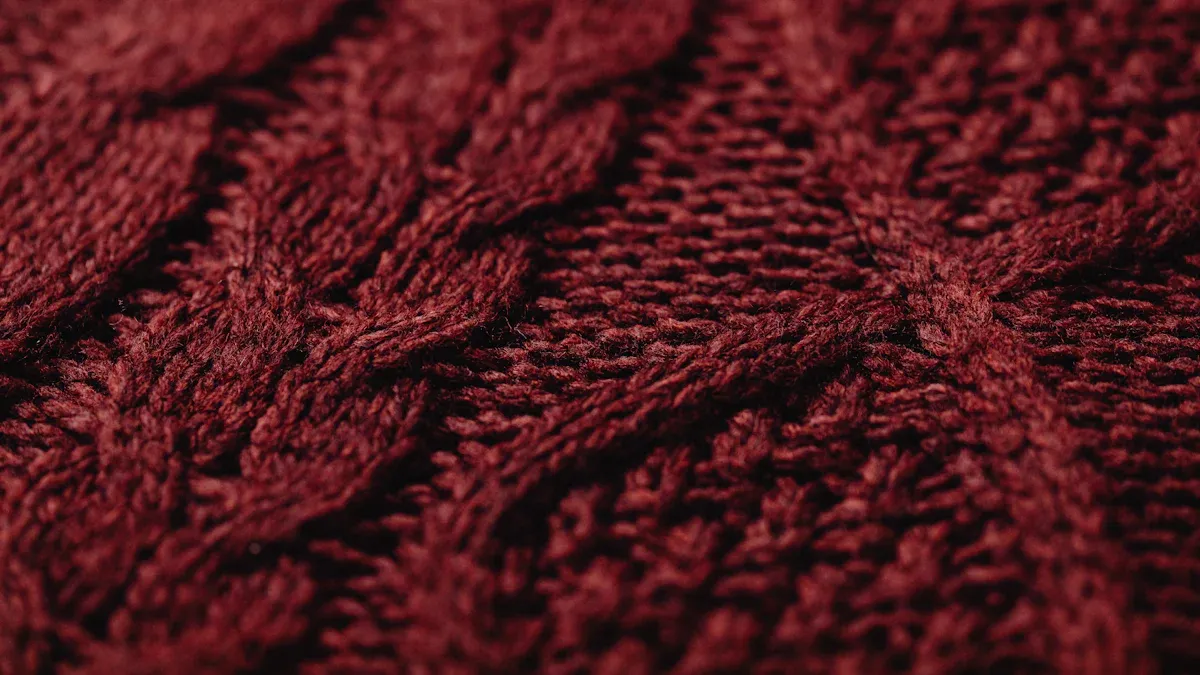
When you pick fabric for hoodies, sweaters, or cardigans, think about comfort, strength, and style. Most people pick knitted fabric for these clothes. Knitted fabric feels soft and stretches easily. You can wear these clothes all day and feel comfy. Sometimes, you might want a firmer look or more strength. In those times, you can use woven fabric.
When to Hoodies
People wear hoodies for comfort and a relaxed look. Knitted fabric is best for hoodies. It stretches in many ways and feels soft on your skin. You can move easily, and the hoodie keeps its shape. Woven fabric feels stiffer and does not stretch much. Some hoodies use woven fabric to be tougher or have a special style.
Here is a table to help you compare the main factors:
|
Factor |
Knitted Fabrics |
Woven Fabrics |
|---|---|---|
|
Construction |
Made from a single yarn, interlaced. |
Made from multiple yarns, woven together. |
|
Stretchability |
Stretchable in multiple directions. |
Limited stretch, primarily diagonal. |
|
Durability |
Less durable, can lose shape over time. |
More durable, retains color better. |
|
Comfort |
Generally softer and more comfortable. |
Stiffer, less comfortable for apparel. |
|
Washability |
Prone to shrinkage when washed. |
Less likely to shrink when washed. |
|
Common Application |
Preferred for clothing and apparel. |
Ideal for upholstery and structured items. |
Tip: Pick knitted fabric if you want a soft hoodie that lets you move. Choose woven fabric if you need a tough hoodie for work or rough use.
Sweaters
Sweaters help you stay warm and cozy. Most sweaters are made from knitted fabric. This fabric holds heat and stretches, so you can do many things while wearing it. You feel comfy and relaxed. Sweaters made from woven fabric look more formal. But they do not stretch or feel as soft.
Here is a table showing the main factors for sweaters:
|
Factor |
Knit Fabrics |
Woven Fabrics |
|---|---|---|
|
Construction |
Interloping a single yarn |
Created using multiple warps and wefts |
|
Stretchability |
Stretchable in multiple directions |
Less stretchable, typically diagonal |
|
Durability |
Softer feel, less durable |
More durable, less color loss |
|
Intended Use |
Preferred for warmth and comfort |
Ideal for upholstery and structure |
|
Washability |
Can shrink with frequent washing |
Less likely to shrink |
Knit fabrics are known for being very comfy. Sweaters made from knit feel soft and stretchy. They are great for relaxing at home or hanging out with friends. Woven fabric feels firmer and is not as comfy for casual wear.
Cardigans
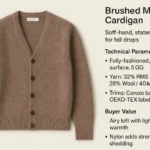
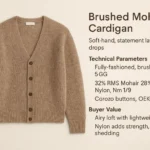
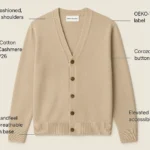
Cardigans give you both style and warmth. Most cardigans are made from knitted fabric. This fabric stretches and fits your body well. You can wear cardigans over shirts or dresses. Woven fabric cardigans look sharper and keep their shape better. You might pick woven fabric for a fancy event or if you want a neat look.
Think about how you want to wear your cardigan. If you want comfort and easy movement, knitted fabric is best. If you want a cardigan that looks crisp and stays in shape, woven fabric is a good choice.
Note: Woven fabric lasts longer and does not get damaged as fast. Knitted fabric feels softer but can get snags or little balls over time.
You can make good choices by thinking about what you need. For daily comfort and a relaxed look, knitted fabric is best for hoodies, sweaters, and cardigans. If you want more shape or strength, woven fabric is a smart pick.
You can spot the difference between knit and woven fabrics by checking stretch, surface, and edges. Many people make mistakes, such as missing these signs:
-
Knit fabric edges curl, but woven edges stay flat.
-
Woven fabrics fray when cut, while knits do not.
Here is a quick guide:
|
Feature |
Knit Fabric |
Woven Fabric |
|---|---|---|
|
Stretch |
High |
Low |
|
Feel |
Soft, flexible |
Crisp, structured |
|
Wrinkle |
Resistant |
Can crease easily |
|
Best For |
Relaxed fit, movement |
Classic look, durability |
Practice these tips when you shop or sew. You will get better at choosing the right fabric every time!
FAQ
What is the main difference between knit and woven fabrics?
You can spot the main difference by looking at the fabric’s structure. Knit fabrics have loops that make them stretchy. Woven fabrics have a criss-cross pattern that makes them firm and less stretchy.
How can I quickly tell if a fabric is knit or woven?
Try the stretch test. Pull the fabric gently. Knit fabric stretches easily and bounces back. Woven fabric feels stiff and does not stretch much. You can also look for loops (knit) or a grid pattern (woven).
Which fabric is better for summer clothing?
You should choose knit fabrics for summer if you want breathability and comfort. Knit fabrics let air pass through and feel soft. Woven fabrics work well for structured summer clothes like shirts and dresses.
Do knit fabrics shrink more than woven fabrics?
Yes, knit fabrics tend to shrink more, especially after washing. The looped structure can tighten. Woven fabrics usually keep their size better. Always check care labels before washing.
Can I sew knit and woven fabrics the same way?
No, you need different sewing techniques. Knit fabrics need a stretch stitch or a zigzag stitch. Woven fabrics work well with a straight stitch. Using the right needle helps prevent damage.
Why do my woven fabrics fray at the edges?
Woven fabrics fray because the threads cross over and under each other. When you cut them, the threads can come loose. You can stop fraying by finishing the edges with a zigzag stitch or using pinking shears.
Are all sweaters made from knit fabric?
Most sweaters use knit fabric because it stretches and feels soft. Some sweaters use woven fabric for a more structured look, but these are less common.
Which fabric lasts longer, knit or woven?
Woven fabrics usually last longer. The criss-cross pattern gives them strength and helps them keep their shape. Knit fabrics can stretch out or snag more easily.