1. Tommy Hilfiger Is a “Global Premium Mass Brand,” Not a Luxury Brand
Tommy Hilfiger occupies a very specific tier:
-
Above fast fashion (ZARA, H&M)
-
Below true luxury (Ralph Lauren Purple Label, Prada)
-
Competing with brands like Calvin Klein, Lacoste, Hugo Boss (entry lines)
This segment relies on scale, brand recognition, and lifestyle positioning, not artisanal craftsmanship.
The pricing reflects:
-
Consistency across 100+ countries
-
Stable brand image over decades
-
Predictable fit, styling, and seasonal continuity
Consumers pay for reliability and recognizability, not exclusivity.
2. The Brand Sells a Lifestyle, Not Just Clothing
From inception, Tommy Hilfiger was built as a symbolic lifestyle brand, centered on:
-
American preppy aesthetics
-
Youthful optimism and pop culture
-
Clean, logo-driven visual identity
The iconic red–white–blue flag logo functions as social signaling. Even when materials are ordinary (cotton jersey, cotton-poly knits), the logo creates perceived value.
This is why:
The logo itself carries monetary value.
3. Licensing and Authorization Inflate Retail Prices
A critical but often overlooked factor: Tommy Hilfiger operates heavily on licensing.
Many product categories (especially in Asia and Europe) are:
-
Designed or manufactured by authorized license partners
-
Required to pay licensing fees and royalties
-
Bound by strict brand compliance rules
These costs are embedded into retail prices.
In simple terms:
This is structural, not optional.
4. Global Retail and Distribution Costs Are Built into the Price
Unlike digital-native brands, Tommy Hilfiger maintains:
-
Flagship stores in prime retail locations
-
Large wholesale partnerships
-
Global logistics, inventory buffering, and returns systems
All of this adds fixed overhead, which must be amortized across products.
As a result:
-
Even “basic” items carry the cost of global operations
-
Consumers indirectly pay for storefronts, staff, and logistics
This is why Tommy Hilfiger basics cost more than DTC brands with no physical retail.
5. Marketing and Celebrity Association Are Not Free
Tommy Hilfiger invests heavily in:
These are brand-building expenses, not product improvements—but they directly affect price.
The brand’s long-term relevance depends on:
-
Visibility
-
Cultural association
-
Emotional attachment
Consumers fund this through product pricing.
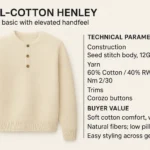
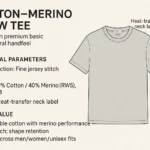
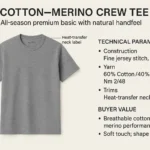
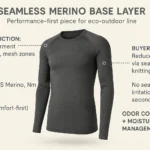
6. Materials: “Good Enough,” Not Exceptional
From a technical standpoint:
-
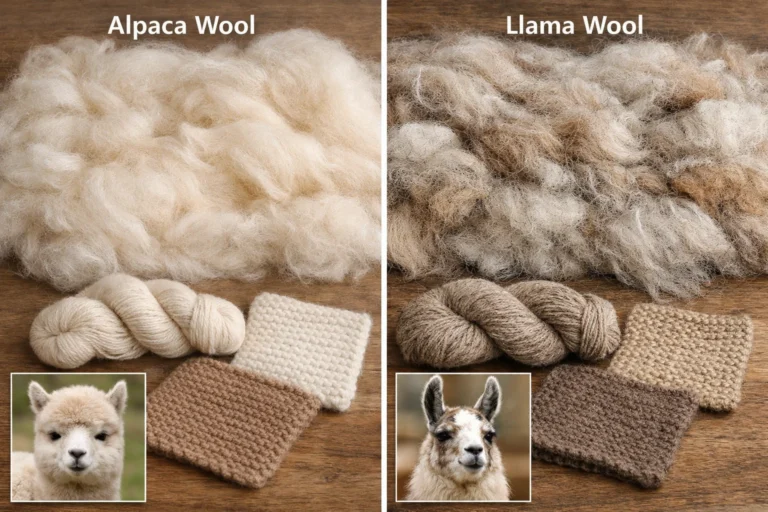
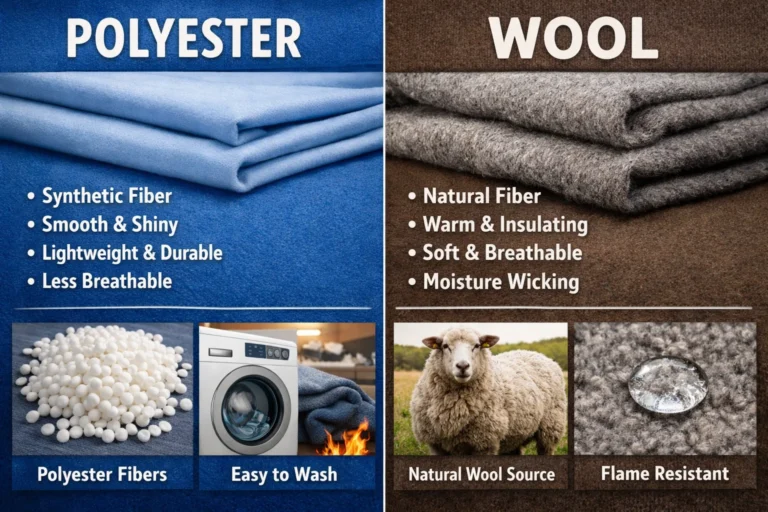
Cotton is typically mid-grade, not luxury
-
Knitwear often uses blends rather than premium fibers
-
Construction prioritizes scalability over craftsmanship
This is intentional.
Tommy Hilfiger optimizes for:
The brand’s value proposition is style + brand, not superior textile engineering.
7. Price Anchoring and Discount Strategy
Another reason Tommy Hilfiger feels expensive: intentional price anchoring.
-
High MSRP establishes perceived value
-
Frequent promotions and outlet channels create “discount wins”
-
Consumers feel they are buying premium at a deal
In reality:
This strategy reinforces brand prestige while driving volume.
8. Why Some Consumers Feel It Is “Not Worth the Price”
The disconnect occurs when consumers expect:
But Tommy Hilfiger does not compete on those dimensions.
It competes on:
-
Brand familiarity
-
Visual identity
-
Social acceptability
When expectations and positioning misalign, the brand feels overpriced.
Final Verdict: Why Tommy Hilfiger Is Expensive
Tommy Hilfiger is expensive because of:
-
Brand premium, not material cost
-
Licensing and authorization structures
-
Global retail and distribution overhead
-
Marketing and cultural positioning
-
Logo-driven value perception
It is priced as a global premium lifestyle brand, not a fabric-first or craftsmanship-first label.