Yes — cotton fabrics are generally better for sensitive skin, but the benefit depends on how the cotton is grown, processed, and finished. Below is a clear, evidence-based explanation from a textile and skin-contact perspective.
Short answer (featured-snippet friendly)
Cotton is usually suitable for sensitive skin because it is breathable, soft, and low-irritation. However, untreated, organic, or minimally finished cotton performs best. Chemical dyes, resins, or rough constructions can negate cotton’s skin-friendly advantages.
Why cotton is often recommended for sensitive skin
1. Breathability and moisture management
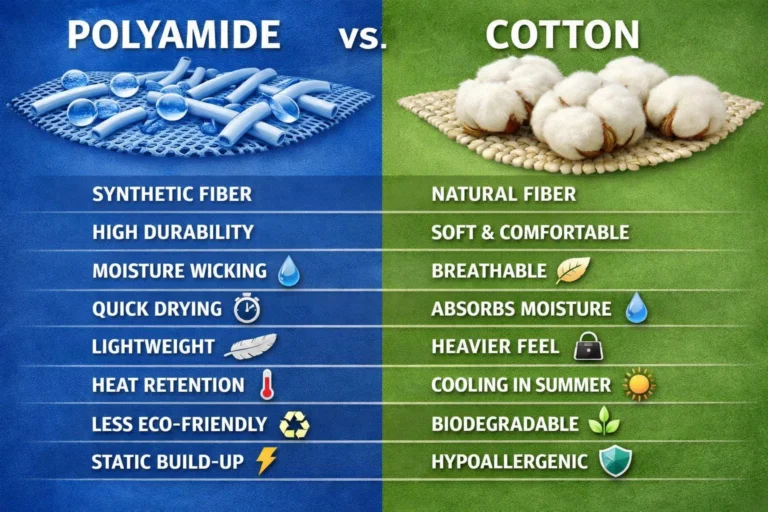
Cotton fibers are hydrophilic, meaning they absorb moisture rather than trapping it against the skin. This helps reduce:
For people with eczema-prone or reactive skin, this airflow and moisture balance is critical.
2. Low inherent irritation risk
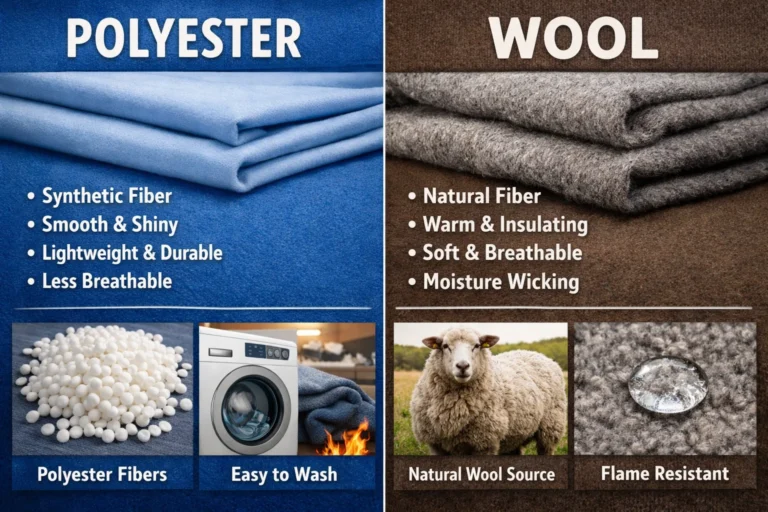
Unlike wool (which can cause prickle) or some synthetics (which can cause occlusion), cotton fibers:
This makes cotton a common baseline fabric in dermatology recommendations.
3. Hypoallergenic by nature (but not always in practice)
Raw cotton fiber itself is non-allergenic. Problems usually arise not from the cotton, but from:
-
Residual dyes
-
Formaldehyde resins (used for wrinkle resistance)
-
Harsh finishing chemicals
-
Poor rinsing after dyeing
This distinction is important: cotton ≠ automatically skin-safe.
When cotton may NOT be ideal for sensitive skin
1. Chemically treated cotton
Cotton fabrics treated with the following may irritate sensitive skin:
-
Easy-care / wrinkle-free finishes
-
Heavy reactive or disperse dyes
-
Antibacterial or odor-control coatings
For sensitive users, these finishes are often a bigger issue than the fiber type itself.
2. Rough constructions or low-quality yarns
These can cause friction, redness, or chafing despite being “100% cotton”.
3. Poor moisture drying in humid conditions
Cotton absorbs moisture but dries slowly. In hot, humid climates, this can:
In these cases, certain cotton-modal blends or cotton with controlled synthetic content may perform better.
Best cotton options for sensitive skin (ranked)
✅ Organic cotton
-
Grown without harsh pesticides
-
Lower risk of chemical residue
-
Often paired with gentler dyeing standards
✅ Combed, long-staple cotton
-
Fewer protruding fibers
-
Smoother hand feel
-
Less friction on skin
✅ Undyed or light-dyed cotton
⚠️ Conventional cotton (acceptable with care)
Fine if:
-
Properly washed before wear
-
Certified (OEKO-TEX, GOTS, etc.)
-
Not heavily finished
Cotton vs other fabrics for sensitive skin
|
Fabric
|
Skin friendliness
|
Key risk
|
|
Cotton
|
High
|
Chemical finishes
|
|
Organic cotton
|
Very high
|
Higher cost
|
|
Wool
|
Low–medium
|
Prickle, lanolin
|
|
Polyester
|
Medium
|
Heat, occlusion
|
|
Modal / TENCEL™
|
Very high
|
Needs quality control
|
|
Linen
|
Medium
|
Rough texture
|
Practical buying & care tips
-
Wash new cotton garments before first wear
-
Avoid “easy-care”, “non-iron”, or “anti-odor” claims if skin is reactive
-
Use mild, fragrance-free detergents
-
Prefer certifications (OEKO-TEX Standard 100, GOTS)
-
Choose softer knits or fine woven constructions
Bottom line
Cotton is one of the safest and most reliable fabrics for sensitive skin, but only when:
-
The cotton quality is good
-
Chemical treatments are minimal
-
Construction and finishing are skin-appropriate
For highly sensitive users, organic or minimally processed cotton remains the safest starting point.
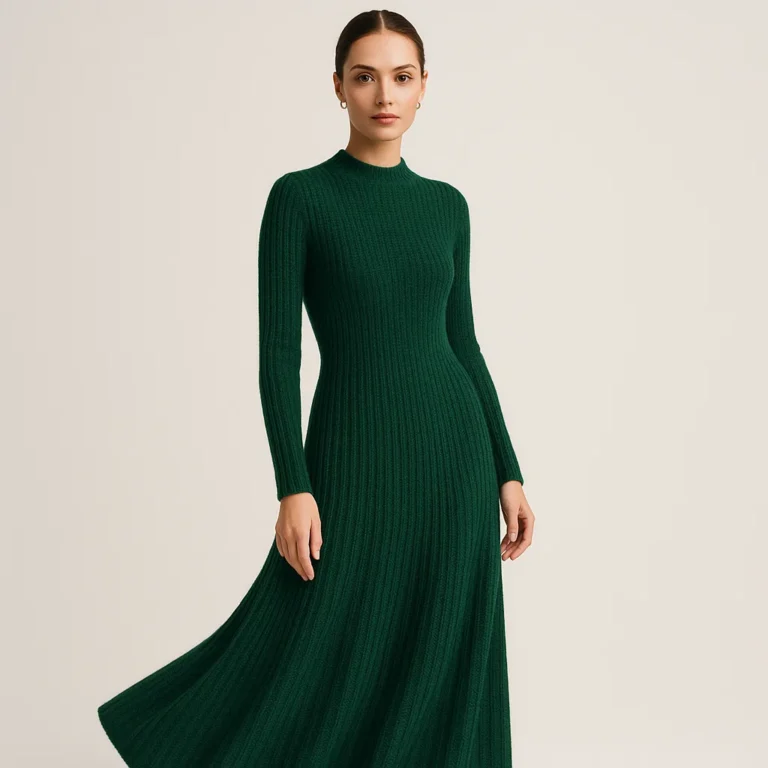
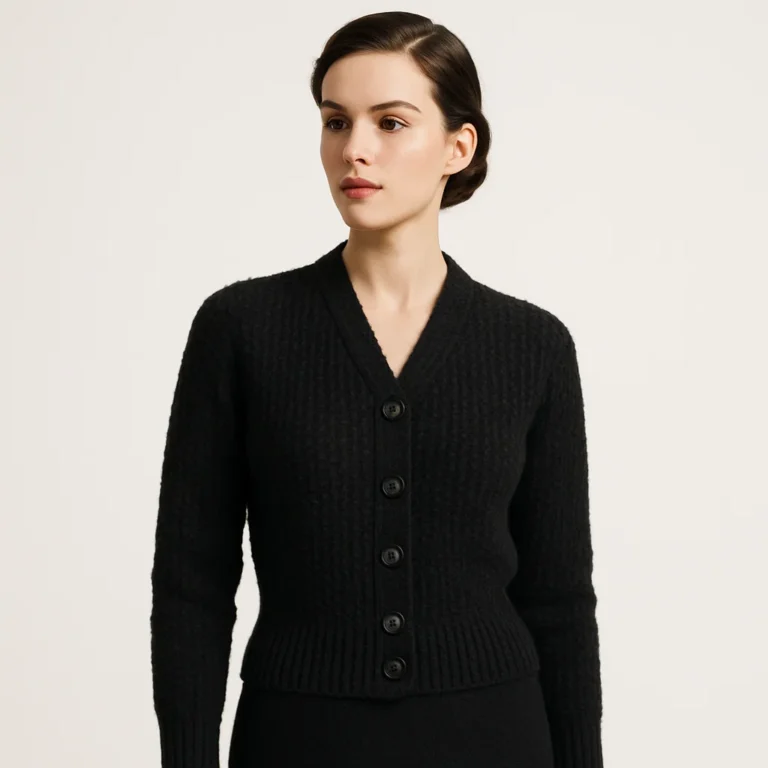
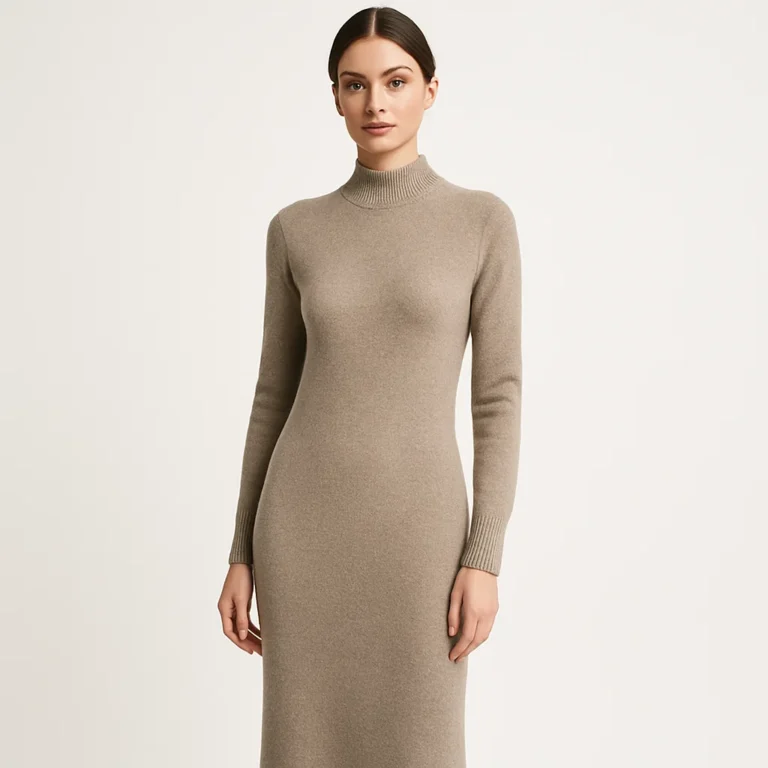
Azknit provides oem/odm service for knitwear. Help to create your own brands knitwear series like sweater, hoodie, cardigan, dresses and tank tops.
Azknit has been working with more than 30+ worldwide brands and finished more than 100 samples each months.
Feel free to contact for your own design quote.