The short answer is yes, but likely not in the way you imagine it.
If you throw a 100% cotton t-shirt into a recycling bin, it cannot simply be melted down and extruded into a brand-new, identical t-shirt the way a plastic bottle becomes a new bottle. Cotton is a natural fiber, and recycling it is a mechanical process that inherently damages the material.
So while we can recycle it, the resulting output is almost always lower quality than the virgin material you started with.
The Physics: Why “Staple Length” is Everything
To understand why cotton recycling is difficult, you have to understand how yarn is spun. Cotton strength comes from “staple length”—the length of the individual natural fibers twisted together. Long fibers wrap around each other tightly, creating smooth, strong yarn.
Current industrial recycling is primarily mechanical. We take fabric scraps or old clothes, put them through massive shredding machines (often called “garnetting”), and tear them apart until they are fluff again.
The problem is obvious: you are ripping the fiber. A fiber that was once 28mm long might now be 10mm long. In the spinning world, short fibers are a nightmare. They don’t hold onto each other well. If you try to spin 100% recycled cotton using these shredded fibers, the yarn will be uneven, weak, and prone to snapping during weaving or knitting.
The Two Realities of “Recycled” Cotton
When a brand tells you a product is made of recycled cotton, they are usually referring to one of two very different supply chains.
1. Pre-Consumer Waste (The Easy Stuff)
This is factory scrap. When we cut patterns for t-shirts, about 15-20% of the fabric ends up on the cutting room floor. This is clean, consistent, and easy to collect. We sweep it up, shred it, and spin it back into yarn. This accounts for the vast majority of “recycled cotton” on the market because the feedstock is predictable.
2. Post-Consumer Waste (The Nightmare)
This is your old clothing. This supply chain is a logistical disaster. To recycle old clothes, you have to:
-
Collect them.
-
Remove all hardware (zippers, buttons, rivets).
-
Sort them by color (because you generally don’t re-dye recycled cotton; you rely on the original color).
-
Crucially: Separate the blends.
This last point is the killer. A “cotton” shirt that is actually 95% cotton and 5% elastane (spandex) is incredibly difficult to recycle mechanically. The elastane gums up the shredders and ruins the consistency of the new yarn.
The Blending Compromise
Because mechanically recycled fibers are short and weak, we rarely use them on their own.
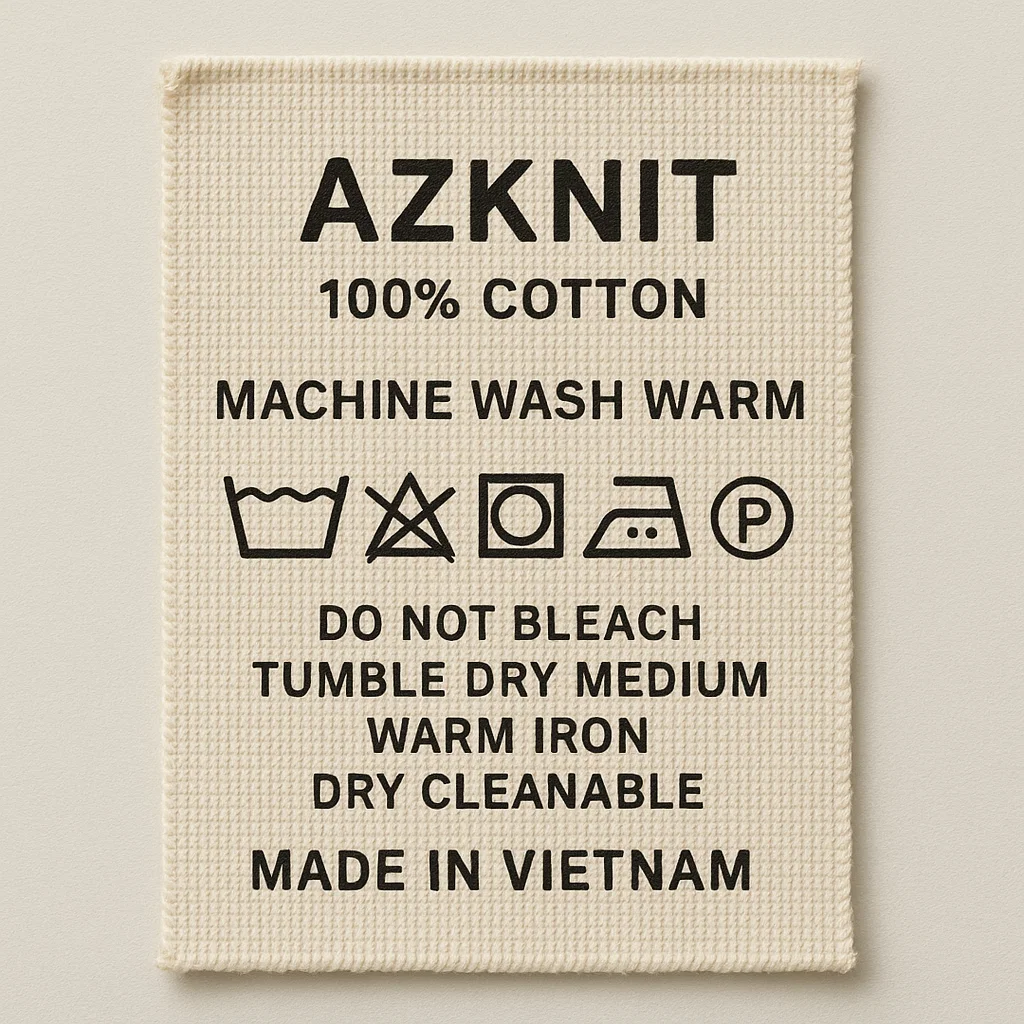
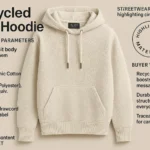
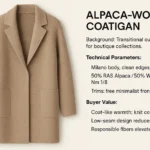
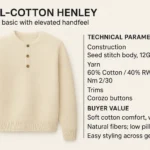
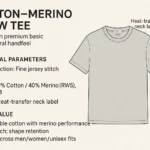
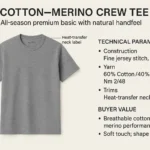
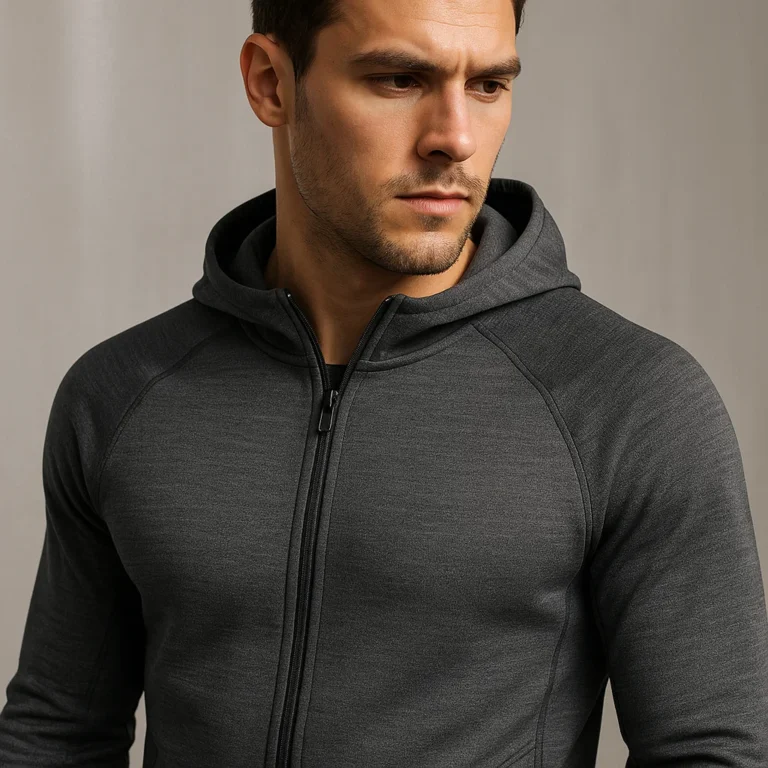
If you see a “recycled cotton” hoodie, look at the care label. It is almost certainly a blend. We usually mix the recycled cotton (the “filler”) with a carrier fiber to provide the structural integrity.
-
Recycled Cotton + Virgin Cotton: We mix 30% recycled content with 70% virgin long-staple cotton to ensure the fabric doesn’t fall apart.
-
Recycled Cotton + Polyester (rPET): This is the most common cheap option. The polyester provides the strength that the chopped-up cotton lacks.
If a supplier offers me a “100% recycled cotton” jersey fabric, I immediately check the weight. It will usually be heavy, coarse, and have a “dry” hand feel. You can do 100% recycled for a heavy tote bag or a thick rug, but for a fine t-shirt, it will pill and torque (twist) after one wash.
The “Chemical Recycling” Exception
There is a third option emerging, but it is currently expensive and lacks scale. Chemical recycling (using technologies like Circ or Renewcell) involves dissolving the cotton cellulose into a pulp—similar to how wood pulp is turned into Viscose or Lyocell.
This creates a high-quality fiber that feels like rayon, not raw cotton. While this solves the quality issue and can even handle some poly-blends, it is not yet a commodity solution. It is a premium process for brands willing to pay a premium price.
Where This Actually Works
You should differentiate between where recycled cotton is a marketing gimmick and where it is a legitimate manufacturing solution.
It works well in:
-
Denim: Denim is heavy and forgiving. The “slubby” or uneven texture of recycled yarn actually looks good in jeans.
-
Heavyweight Canvas: Tote bags, upholstery, and workwear jackets don’t require fine, high-twist yarns.
-
Insulation and Padding: This is where most bad cotton goes—it gets shredded into “shoddy” and stuffed inside car seats or mattress pads.
It fails in:
-
Fine Shirting: You cannot make a crisp dress shirt out of mechanically recycled cotton. It will look fuzzy and cheap.
-
Performance Wear: Short fibers absorb moisture unevenly and dry slowly.
-
High-Tension Knits: Anything that needs to stretch and recover will suffer if the cotton fibers are too short to anchor the structure.
The Professional Reality
From a sourcing perspective, recycled cotton is currently a game of diminishing returns. Every time you mechanically recycle cotton, the quality drops. You can do it once, maybe twice, before the fiber is essentially dust.
Right now, the industry is good at recycling factory scraps (pre-consumer), but we are terrible at recycling your old clothes (post-consumer). Until we figure out how to chemically separate cotton from elastane at a low cost, “recycling” cotton is mostly just delaying its eventual trip to the landfill or downcycling it into insulation.
If you are buying recycled cotton, expect a more textured, rustic feel. If it feels silky smooth and claims to be 100% mechanical recycled cotton, check the label again—someone is lying to you about the blend.