When was the modern dress invented?

The modern dress was not invented at a single moment. It emerged gradually between the late 19th century and the early 20th century, as women’s clothing shifted away from rigid, corseted structures toward simpler silhouettes, lighter construction, and functional design. Most historians place the decisive transition between the 1890s and the 1920s.

Below is a structured, historically grounded explanation.


Short answer (featured-snippet friendly)

The modern dress emerged between 1890 and 1925, when women’s garments moved from heavily structured, corseted fashions to simpler, freer silhouettes driven by industrialization, changing social roles, and new design philosophies. Rather than being “invented,” the modern dress evolved through multiple design and cultural shifts.


What existed before the modern dress

Before the late 19th century, dresses were defined by:

  • Rigid corsetry and internal boning

  • Heavy multi-layered skirts (crinolines, bustles)

  • Separate bodices and skirts rather than unified garments

  • Clothing designed primarily for status display, not mobility

Dresses functioned as architectural garments, built around the body rather than worn on it.


Late 19th century (1890s): the transition begins

Key developments:

  • Decline of extreme bustles and crinolines

  • Slimmer skirt profiles

  • Early shirtwaists and simpler day dresses

  • Growing participation of women in work, education, and public life

This period marks the functional awakening of women’s dress, but garments were still largely structured.


Early 20th century (1900–1914): foundation of the modern dress

Critical shifts:

  • Softer tailoring and lighter fabrics

  • High-waisted, column-like silhouettes

  • Reduced reliance on corsets

  • Dresses increasingly designed as single, integrated garments

Designers began prioritizing movement, comfort, and visual clarity, laying the groundwork for modern dress logic.


1910s–1920s: the modern dress fully forms

This is the most widely accepted birth period of the modern dress.

Defining characteristics:

  • Straight or relaxed silhouettes

  • Minimal internal structure

  • Shorter hemlines

  • Dresses suitable for daily life, work, and social activity

Designers such as Coco Chanel popularized jersey dresses, drop-waist styles, and unfitted forms that emphasized ease and wearability over ornamentation.

At this point, dresses became:

  • Mass-producible

  • Practical for modern urban life

  • Aligned with changing gender roles


Why the modern dress was inevitable

The modern dress emerged due to overlapping forces:

  • Industrial textile production

  • Ready-to-wear manufacturing

  • Women entering the workforce

  • Social reforms and changing ideals of femininity

  • Technological advances in knitting and weaving

The shift was structural, social, and industrial, not merely aesthetic.


Historical consensus

Most fashion historians agree:

  • No single inventor exists

  • The modern dress crystallized circa 1910–1925

  • The defining feature is simplicity of construction and freedom of movement

This evolution fundamentally changed how dresses were designed, produced, and worn.


Bottom line

The modern dress was not invented in a single year. It emerged gradually from the late 19th century and became fully established by the 1920s, when women’s clothing transitioned from rigid, decorative structures to functional, wearable garments aligned with modern life.

If you want, I can also analyze this topic from:

  • garment construction logic

  • fabric and manufacturing evolution

  • comparison with contemporary dress design principles

  • OEM/ODM historical implications for modern womenswear

Just specify the angle.
Picture of Azknit Expert

Azknit Expert

Bring Your Design Idea to Real Life

Create Your Knitwear Today

Azknit provides oem/odm service for knitwear. Help to create your own brands knitwear series like sweater, hoodie, cardigan, dresses and tank tops. 

Azknit has been working with more than 30+ worldwide brands and finished more than 100 samples each months.

Feel free to contact for your own design quote.
Jacky Wen

Jacky Wen

Hey. Any knitwear to create?
Hey, any knitwear design to create?

Related Q&As

What to wear under transparent white shirt
How to return Brooks Brothers
Will cashmere shrink if washed?
Tin Can Knit sweater?
Where are hoodies most popular?
Where is Tommy Hilfiger clothes from?
Why are hoodies the best?
Are Ralph Lauren pillows good?
Who is Ralph Lauren?
What is tight knit sweater?

Fabric Knowledge

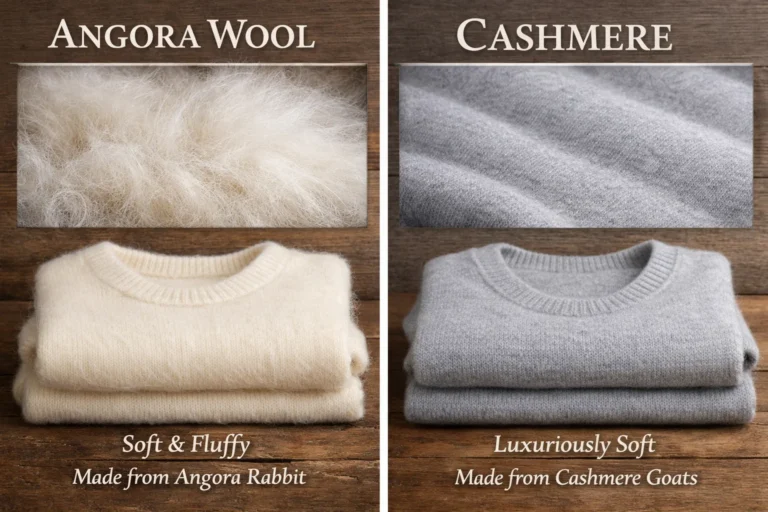
Angora Wool or Cashmere Which Keeps You Warmer
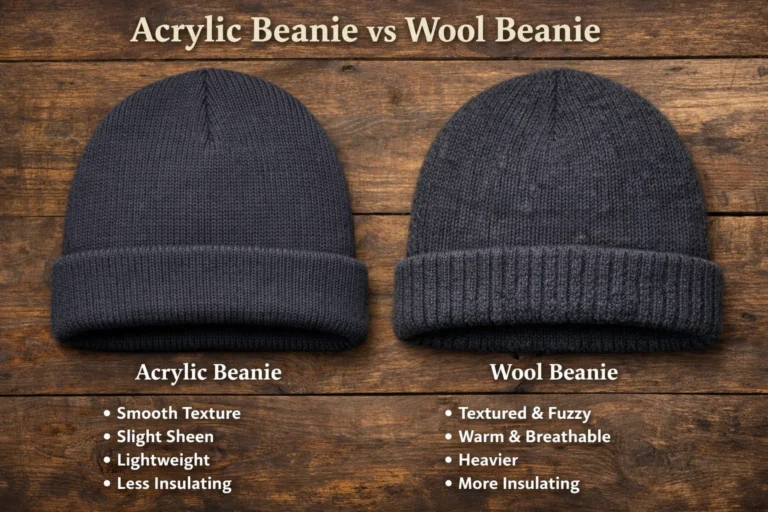
Acrylic Beanie or Wool Beanie Which Keeps You Warmer
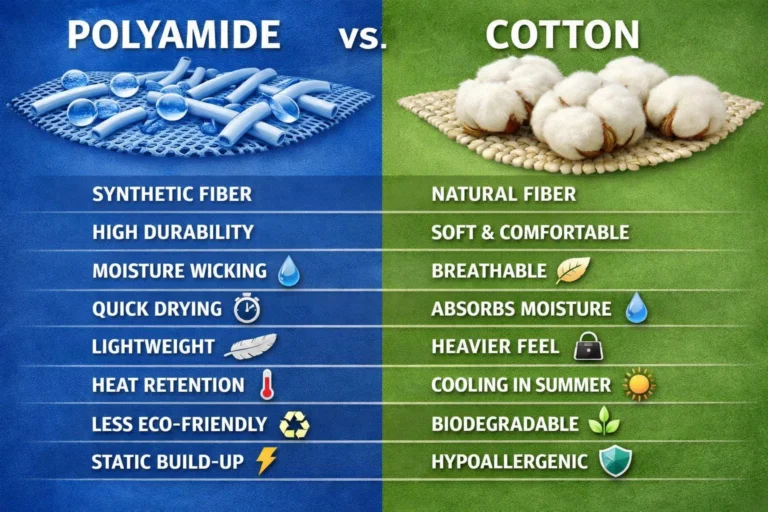
Polyamide or Cotton Which Is Best for Everyday Wear
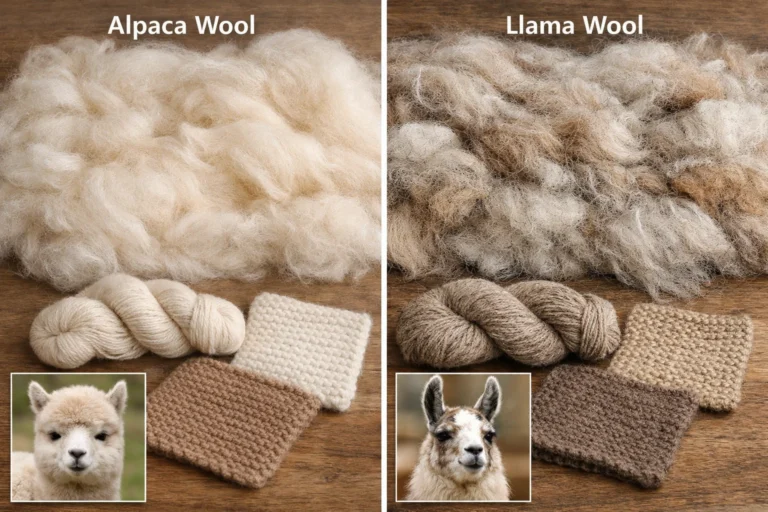
Alpaca vs Llama Wool Which Is Softer and Warmer
Polyester vs Wool Which Fabric Breathes Better

Worldwide Knitwear Supplier

mohair cardigan
Milan Knitwear Manufacturer – OEM & ODM Partner for Luxury Italian Fashion Brands
pastel-knit-hoodie
Dallas Knitwear Supplier & OEM Hoodie Manufacturer | Custom Sweater Factory Texas
black-knit-hoodie
San Diego Knitwear Supplier & OEM Hoodie Manufacturer | Custom Sweater Factory California
black-and-white-striped-sweater
Stuttgart Knitwear Manufacturer – OEM & ODM Supplier for Functional and Premium Apparel
autumn-sweaters
Seattle Knitwear Supplier & OEM Hoodie Manufacturer | Custom Sweater Factory Washington

CUSTOMIZED

Custom Knit Structure

intarsia type knit sweater

Intarsia

  • Precise color-block knitting without float yarns on the back

  • Often used for logos and signature brand designs

Embroidery

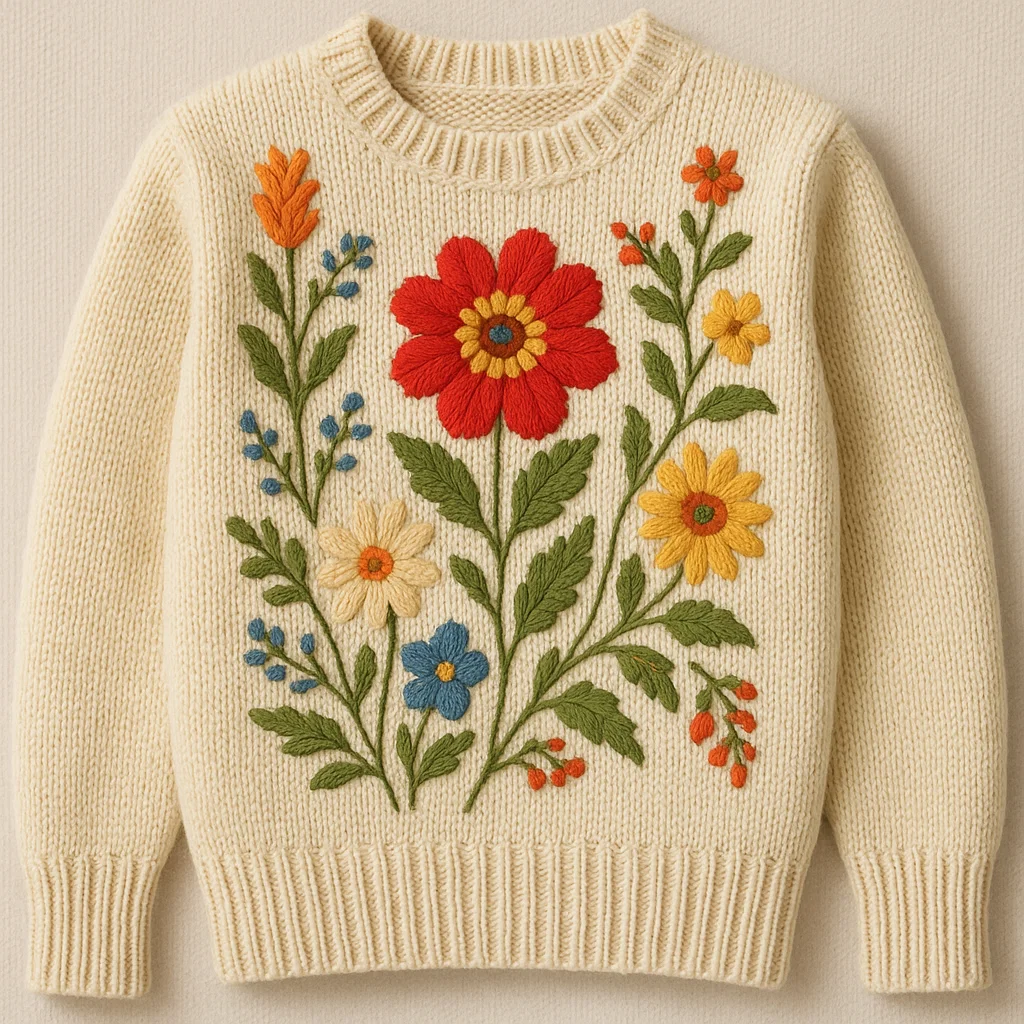
  • Adds decorative patterns, logos, or textures

  • Enhances brand identity and premium appearance

Jacquard

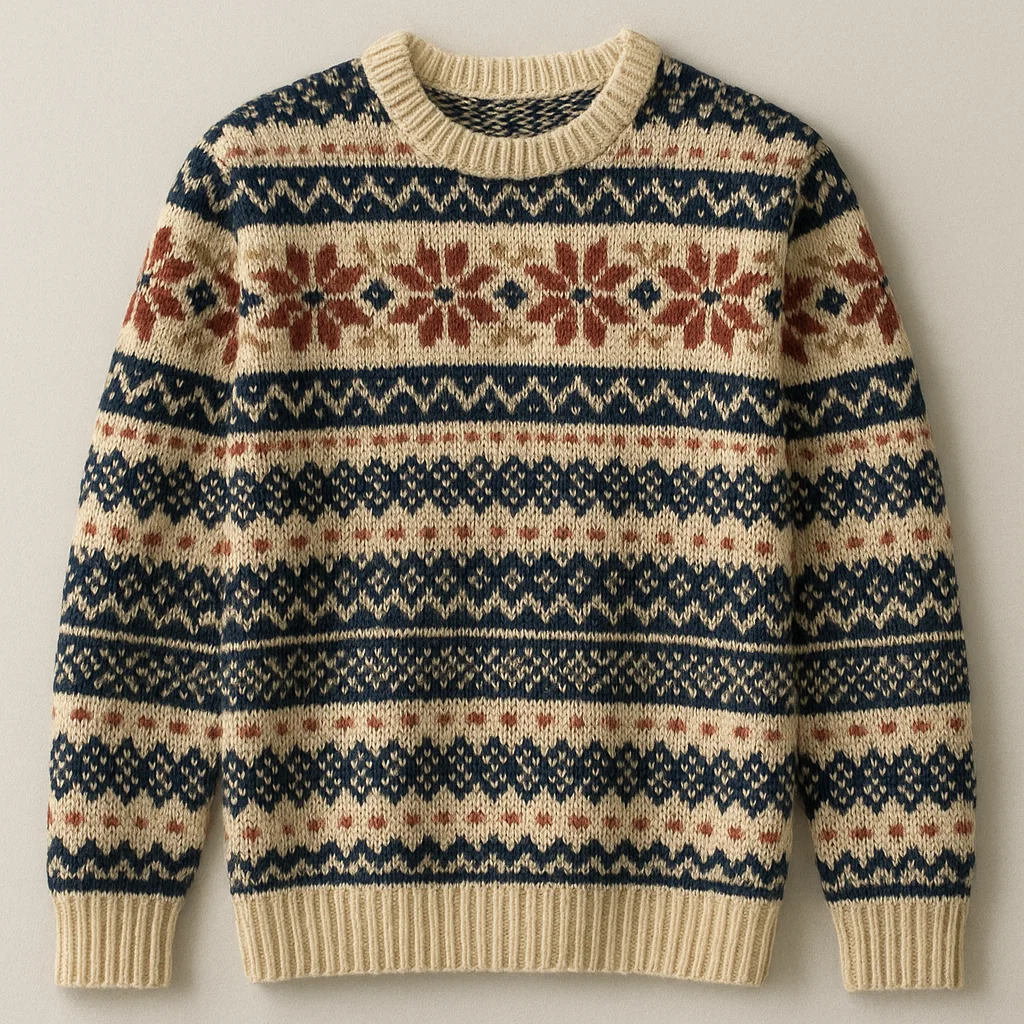
  • Complex multi-color patterns woven into fabric

  • Perfect for brand customization and seasonal collections

Custom Labeling Application

end folding labeling

End Folding

  • Left & Right End or Up & Down End

  • Different Size Available

miter fold labeling

Miter Folding

  • Up or Down Application

  • Customized Length,Size,Graphics

straight cut labeling

Straight Cut

  • Easy Application

  • Customzied Color, Size

Custom Tags

washing tags

Washing Tags

  • Custom Size,Contents & Application

price & Size tags

Price & Size Tags

  • Custom Material-Paper, PE , Fabric

Brands Badges

  • Custom Fabric, Rubber or Iron

Custom Packing

Story & Thank You Cards

  • Custom Size, Contents

PP Packing LOGO

  • Low MOQ with LOGO

Highend Box

  • Custom Gift Packing

Azknit - Premium Custom Knitwear

wool-sweater-jacket
fleece-wool-hoodie
merino-hoodie-mens
ribbed-cashmere-cowl
crop-top-hoodies

Lastest Blogs

What Makes a Yarn the Best for Custom Knitwear
merino wool or cashmere yarns
Shetland Wool vs. Merino Wool: Which is Warmer, Softer, and Better for 2026?
Step by Step Guide to Bulk Knitwear Pricing in Factories
Full Zip or Quarter Zip Which Is Best for Everyday Comfort

From sketch to sweater – AZ Knit brings ideas to life.