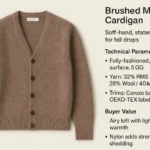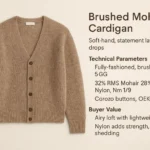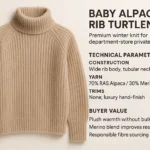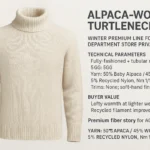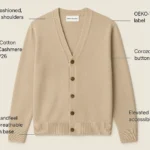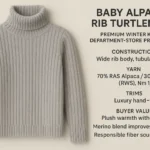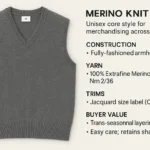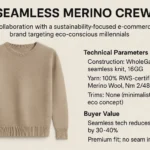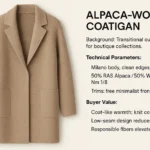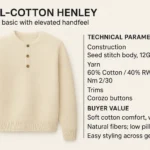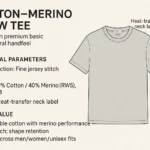

If you’re planning autumn/winter sweaters or year‑round base layers, the material choice quickly becomes a business decision—not just a comfort debate. This guide compares regenerated cellulose made as rayon/viscose from bamboo (with a note on bamboo lyocell) and natural Merino wool through a procurement lens: lead time, MOQ, quality risk, compliance, and indicative cost, with performance evidence to back trade‑offs. Scope and data are current as of March 2026.
— Terminology note: In the U.S., the Federal Trade Commission requires viscose‑route “bamboo” to be labeled as “rayon (or viscose) made from bamboo.” This article follows that convention.
Key takeaways
Scenario winners: For premium winter sweaters, Merino (preferably RWS, non‑mulesed) typically leads on warmth, odor control, and long wear life. For year‑round base layers/athleisure, rayon/viscose made from bamboo (or bamboo lyocell) wins on silky handfeel, easy care, and scale‑friendly lead times.
Business & Delivery: Bamboo‑viscose supply tends to be steadier with faster turnarounds and flexible MOQs; Merino programs benefit from early yarn reservations due to seasonal clips.
Compliance hotspots: Use precise U.S. labeling for “rayon/viscose made from bamboo” per the FTC; specify RWS and mulesing‑free declarations for Merino; review EU REACH risks (including evolving PFAS restrictions) before confirming finishes.
Cost signals (Mar 2026): Expect lower unit costs for bamboo viscose and higher lifecycle value for Merino in premium lines; confirm current indices before quoting.
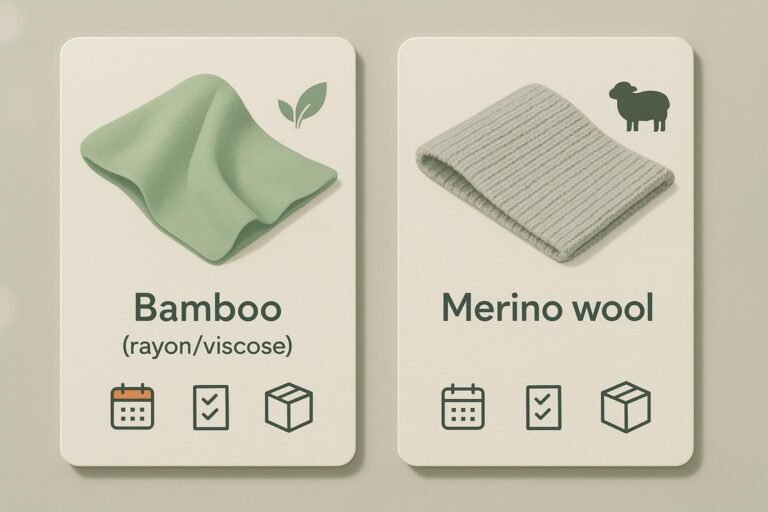
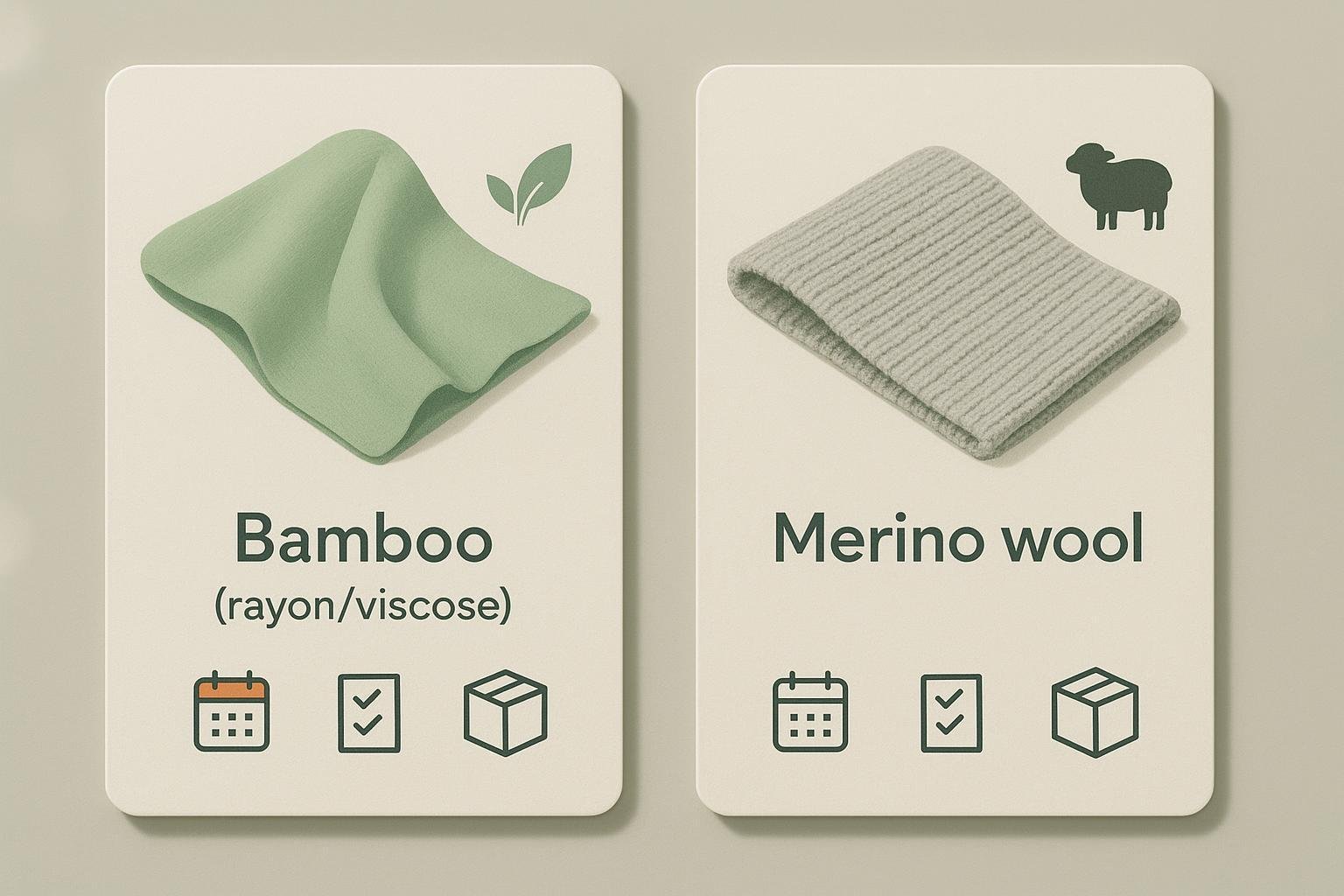
Bamboo vs merino wool: compact buyer’s table
Dimension | Rayon/Viscose from Bamboo | Merino Wool |
|---|---|---|
Best‑fit scenario | Year‑round base layers, athleisure, soft handfeel targets | Premium winter sweaters needing warmth, odor control, longevity |
Thermal & moisture | Cool hand, good wicking; dries relatively fast (process‑dependent) | Insulates when damp, buffers temperature swings; strong vapor management |
Odor persistence | Needs antimicrobial finish to rival wool; otherwise average | Naturally resists odor build‑up across multi‑wear cycles |
Durability | Lower wet strength; higher pilling risk unless engineered or blended | Better abrasion/pilling, especially with Merino/nylon blends |
Care | Often machine‑washable; shrinkage control needed | Superwash variants machine‑washable; otherwise gentler care |
Compliance & labeling | Must label “rayon/viscose made from bamboo” in U.S.; avoid unsupported antibacterial/eco claims | Prefer RWS + non‑mulesed declarations; standard wool labeling rules apply |
Sustainability & traceability | Conventional viscose weaker; bamboo lyocell stronger if closed‑loop is proven | Strong where RWS chain‑of‑custody and land stewardship are documented |
Indicative cost band (Mar 2026) | Generally lower yarn/FOB; confirm VSF markets | Premium yarn costs; confirm micron‑grade indices |
Lead time & MOQ | Typically faster sampling/bulk; flexible low MOQs | Subject to clip/seasonality; secure yarns early or use stock‑service |
Best blend lever | Bamboo lyocell/nylon/elastane for durability and recovery | Merino/nylon (e.g., 80/20) for abrasion and pilling control |
Deep dive: what matters for sourcing
Thermal performance and moisture management
Merino’s keratin structure absorbs and transports moisture vapor while retaining loft that traps air, creating stable thermal comfort—even when damp. Industry references from Woolmark document these thermoregulation mechanisms and real‑world outcomes you can translate into acceptance criteria for winter knitwear programs. See the performance overview by the Woolmark Company for a concise synthesis: Woolmark performance overview.
Bamboo‑viscose fabrics often feel cooler and wick liquid moisture well at the surface. Drying rate and wicking are construction‑ and finish‑dependent, so specify tests (AATCC TM197 for wicking; ASTM D1518 for thermal resistance) during development. For base layers, this tuning can be the difference between returns and repeat purchases.
Odor control and antimicrobial persistence
Untreated viscose is not inherently odor‑resistant; equivalent odor performance typically requires validated antimicrobial finishes (and those chemistries must be vetted for REACH and PFAS implications). Fine‑micron Merino naturally resists odor build‑up across multiple wears, which is a compelling reason it’s still favored for winter sweaters and travel base layers. Anchor any antimicrobial claim to lab evidence (AATCC TM100 or ASTM E2149) and disclose if a finish is applied.
Handfeel and next‑to‑skin comfort
Bamboo‑viscose excels at perceived silkiness and drape—ideal for tees and base layers. Ultrafine Merino (<18.5 µm) can be superb next to skin too, but cost rises with finer fiber. If your KPI is immediate softness at scale, viscose is the low‑friction option; if your KPI is premium warmth with natural‑fiber storytelling, Merino takes the lead.
Durability: pilling, abrasion, and wet strength
Regenerated cellulose viscose has comparatively lower wet strength and a higher tendency to pill unless engineered with yarn twist, tighter stitch, enzyme/bio‑polish finishing, or blending (e.g., lyocell/nylon). Merino—especially when blended with nylon at around 80/20—can deliver stronger Martindale and IWS TM‑152 pilling outcomes suitable for premium sweaters. Define acceptance targets and verify across wash cycles to protect reviews and warranty budgets.
Compliance and labeling risk
In the U.S., the FTC makes it clear: textiles produced by the viscose route from bamboo must be labeled “rayon (or viscose) made from bamboo.” Mislabeling and unsupported “antibacterial” or “eco” claims have triggered enforcement. Review the FTC’s guidance: FTC bamboo textiles guidance.
For Merino, specify mulesing‑free sourcing and prefer RWS with chain‑of‑custody through to your purchase documents. Program details are maintained by Textile Exchange: Responsible Wool Standard (RWS).
Shipping to the EU/UK? Keep chemical compliance current against the ECHA Candidate List and watch PFAS developments impacting water/oil‑repellent finishes. Bookmark the live list: ECHA Candidate List (SVHC).
Sustainability and traceability
The sustainability story is nuanced. Conventional bamboo‑viscose has process‑chemistry and wastewater concerns unless the mill demonstrates robust controls; bamboo lyocell (closed‑loop solvent systems) can improve the profile if solvent recovery and pulp sourcing are verified. Merino can be strong on biodegradability, animal welfare, and land stewardship when backed by RWS/ZQ‑type schemes and credible chain‑of‑custody. Avoid absolute claims; present what you can prove.
Cost and lifecycle value (as of Mar 2026)
Ex‑mill yarn and indicative FOBs trend lower for bamboo‑viscose programs; Merino—especially at finer microns—commands a premium but often delivers longer wear life and lower odor‑driven wash frequency. For current benchmarks, align your quotes to live market references rather than fixed numbers. For wool, consult AWEX market information and micron price guides: AWEX market information. For viscose, align with your subscribed MMCF indices (VSF); do not hard‑code spot values without a current source.
Lead time, capacity, and MOQ flexibility
Bamboo‑viscose and lyocell programs benefit from steady year‑round pulp and filament/staple availability and broad dyehouse throughput—great for 3–7 day protos and roughly 2–6 week bulk runs if the supply chain is organized. Merino relies on an annual clip with seasonal constraints; planning early and leveraging stock‑service yarns helps secure on‑time delivery for winter drops. If speed to market is your top KPI, start with bamboo‑viscose while you schedule Merino yarns ahead of the season.
Colorfastness and shrinkage control
Both fibers can meet strong wash performance with the right parameters. For viscose, control dimensional change and skew (AATCC TM135), and specify shrinkage‑relief finishing. For Merino, superwash treatments widen machine‑wash options; always verify laundering and crocking (AATCC TM61/TM8) and test aftercare claims with multi‑wash panels.
Blending and engineering latitude
Merino/nylon (e.g., 80/20) can lift abrasion cycles and pilling grades for sweaters without sacrificing handfeel too much.
Bamboo lyocell/nylon/elastane can raise wet strength and recovery while keeping the signature drape for base layers. Lab‑anchor both with IWS TM‑152 and ISO 12947 (Martindale) and set minimum thresholds in the PO.
Care and aftercare burden
Viscose is often positioned as easy care but needs shrinkage controls and clear consumer guidance to avoid distortion complaints. Superwash Merino compares well on convenience; conventional Merino needs wool‑appropriate cycles and flat drying. Set realistic care labels based on verified tests rather than marketing wishes.
Who wins by scenario?
Premium winter sweaters (soft hand, high warmth, long wear life)
Pick Merino—ideally RWS, mulesing‑free, 18.5–21.5 µm—for thermal buffering, odor resistance, and robust wear‑life, especially when reinforced with nylon and engineered stitch density. If you need a vegan line or a price‑point counter SKU, consider a bamboo‑lyocell blend but manage pilling and wet‑strength risks with finishes and tighter construction.
Year‑round base layers and athleisure (breathable, soft, easy care)
Pick rayon/viscose made from bamboo—or bamboo lyocell if you require stronger sustainability documentation—for immediate next‑to‑skin softness, smooth drape, and scale‑friendly lead times. If odor management is a KPI, add a validated antimicrobial finish and clear care guidance, or consider Merino blends for premium capsules.
Sourcing and compliance playbook for RFQs
Set these acceptance targets directly in RFQs and T&Cs:
Wicking: AATCC TM197 (vertical wicking) for base layers.
Pilling: IWS TM‑152 and/or ISO 12947 Martindale; verify after 5 AATCC TM61 wash cycles.
Dimensional change: AATCC TM135 within −3% / +3% after 3 cycles.
Colorfastness: AATCC TM61 (laundering) and TM8 (crocking) grade ≥4.
Labeling boilerplates (U.S.) to adapt to actual composition:
“Shell: 70% rayon made from bamboo / 30% cotton”
“Contains Merino wool (RWS‑certified)”
REACH diligence (EU/UK): Screen SVHCs, confirm Annex XVII restrictions, and monitor PFAS policy before locking water‑repellent finishes.
For standard references and to align test language, keep an index handy: AATCC standards index.
Decision aid: how to choose fast
If your primary KPI is warmth, odor control, and long wear life for winter sweaters, choose Merino (RWS, non‑mulesed), 18.5–21.5 µm, and consider 80/20 Merino/nylon for durability. If your primary KPI is speed to market, flexible MOQs, and silky next‑to‑skin comfort for base layers, choose rayon/viscose made from bamboo (or bamboo lyocell) and engineer durability via blends/finishes. Straddling both? Launch a Merino sweater capsule for A/W and a bamboo‑viscose base‑layer line for continuity, using harmonized trims and shared dye palettes to consolidate buys.
FAQ
Is bamboo better than merino for sweaters?
Not if your KPIs are winter warmth, odor resistance, and long wear life—Merino typically wins there, supported by thermoregulation research from the wool industry and verifiable pilling test pathways. Bamboo‑viscose can hit a lower price point and softer initial hand, but you’ll need extra engineering to match durability.
Is bamboo viscose safe to label as “bamboo” in the U.S. and EU/UK?
In the U.S., no—label it “rayon (or viscose) made from bamboo” per the FTC’s guidance to avoid misleading claims and enforcement risk. In the EU/UK, follow generic fiber names and local claims rules, and keep chemical compliance current under REACH.
What are credible merino wool alternatives?
For “merino wool alternatives” in base layers, consider bamboo lyocell (closed‑loop evidence required), high‑tenacity viscose blends, or performance synthetics with antimicrobial treatments—each with its own compliance and sustainability caveats to validate.
Execution partners (optional)
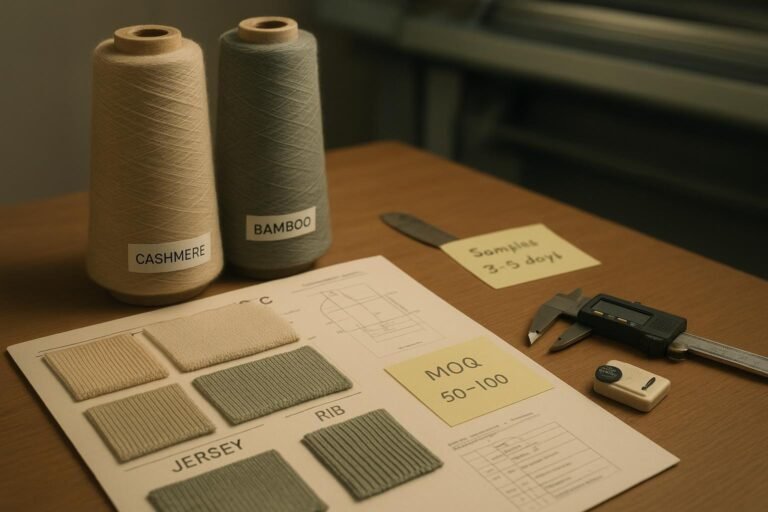
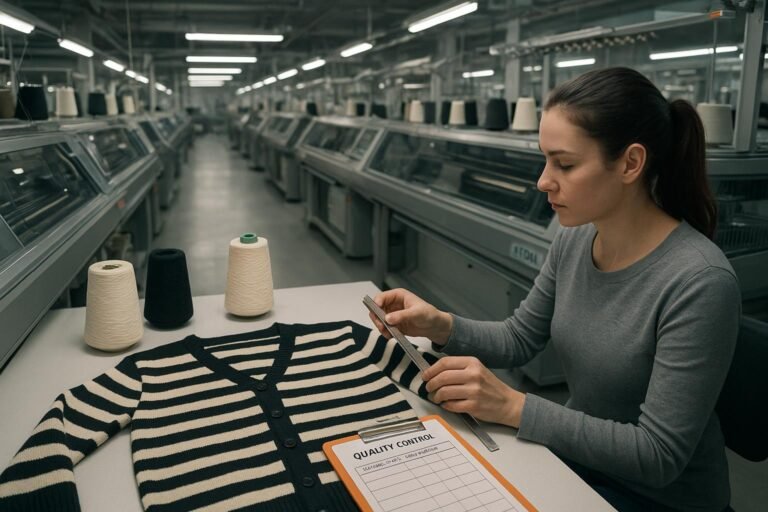
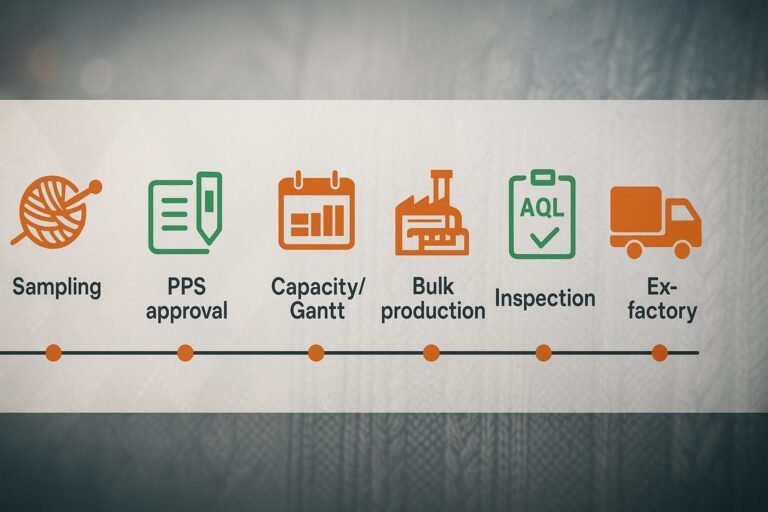
If you need a factory that can trial both routes quickly, AzKnit typically turns samples in 3–5 days and bulk in about 3 weeks after approval, with low MOQs around 50 pieces and documented QC workflows. See process details here: AzKnit custom knitwear workflow. Use this only if it helps your planning; always request current certificates and test reports.
— Evidence and compliance anchors used in this guide: FTC bamboo textiles guidance; Responsible Wool Standard; Woolmark performance overview; AATCC standards index; ECHA Candidate List; AWEX market information. Link selections prioritize original, canonical sources and reflect the state of knowledge as of March 2026.