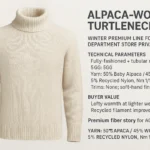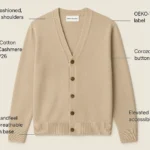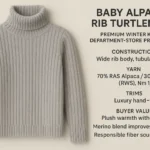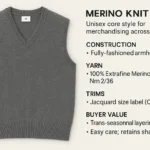

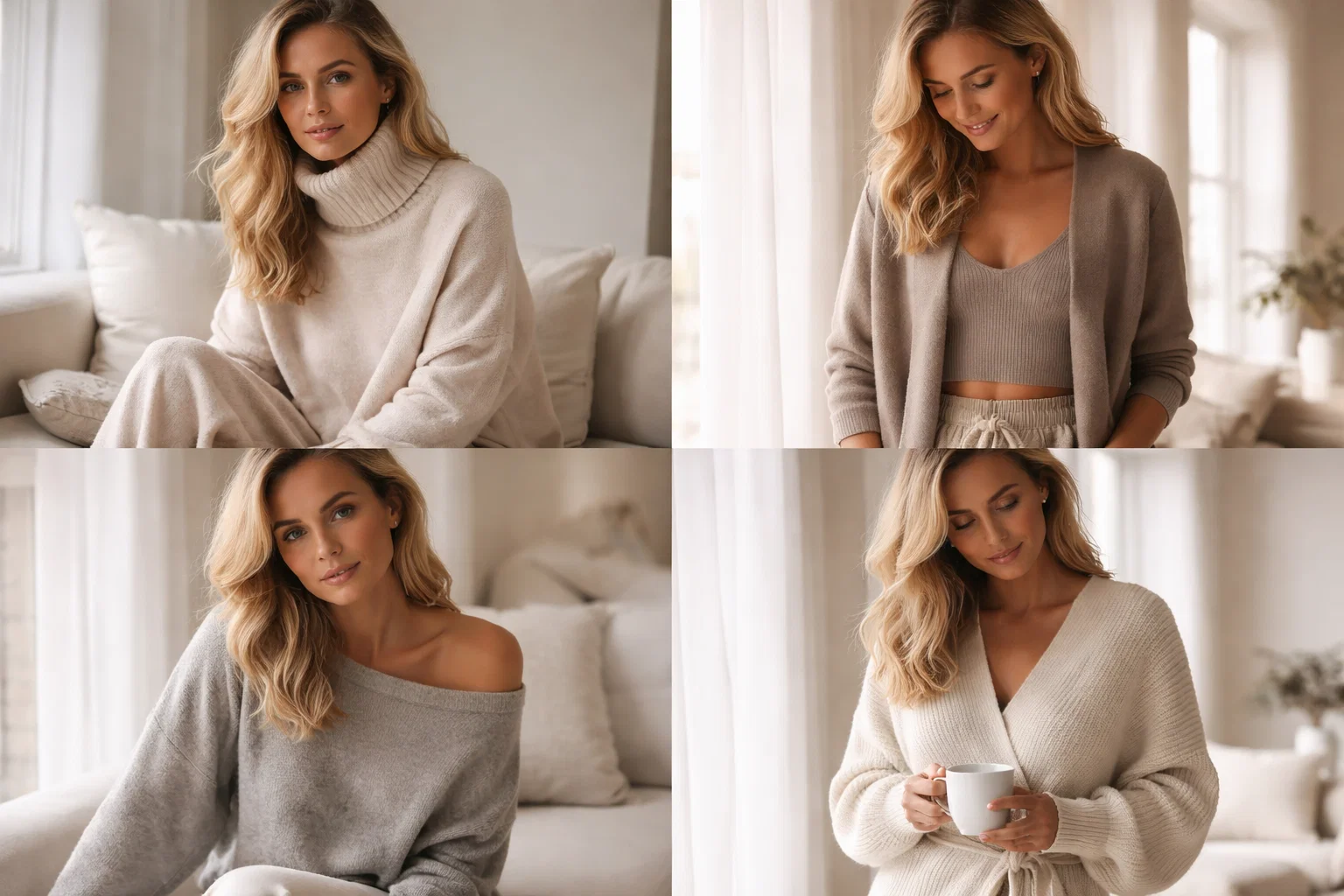
Are you searching for the best cashmere blend options for custom knitwear in 2025? You should look at cashmere-silk, cashmere-merino wool, cashmere-cotton, cashmere-alpaca, and cashmere-lambswool blends. Every blend has something unique. Cashmere is soft and warm. When you mix it with other fibers, you get new looks and feels. Silk makes things shiny. Alpaca makes things softer. Lambswool makes things stronger. See how different fibers change your knitwear:
|
Aspect |
What Changes |
|---|---|
|
Silk or alpaca make fabric smooth or fluffy. |
|
|
Warmth & Weight |
Wool or alpaca blends add warmth and thickness. |
|
Durability |
Lambswool and merino help cashmere last longer. |
|
Style & Appearance |
Cotton and silk give lighter and brighter styles. |
You can choose the cashmere blend options for custom knitwear that fit your favorite style and feel.
Key Takeaways
-
Try different cashmere blends like cashmere-silk, cashmere-merino, and cashmere-cotton. This helps you find what matches your style best.
-
Cashmere-silk blends feel very fancy. They are good for special events and layering clothes.
-
Pick cashmere-merino wool if you want warmth and strong fabric. It is great for wearing every day in cold weather.
-
Cashmere-cotton blends are light and comfy. They work well for spring and summer clothes.
-
Cashmere-alpaca is extra soft and warm. It is nice for winter things like hats and scarves.
-
Cashmere-lambswool blends are soft and strong. They are good for daily use and for coats or jackets.
-
Choose blends with certifications to make sure they are good for the planet and made the right way.
-
Always read care instructions. This helps your custom knitwear stay nice and last longer.
Top Cashmere Blend Options for Custom Knitwear
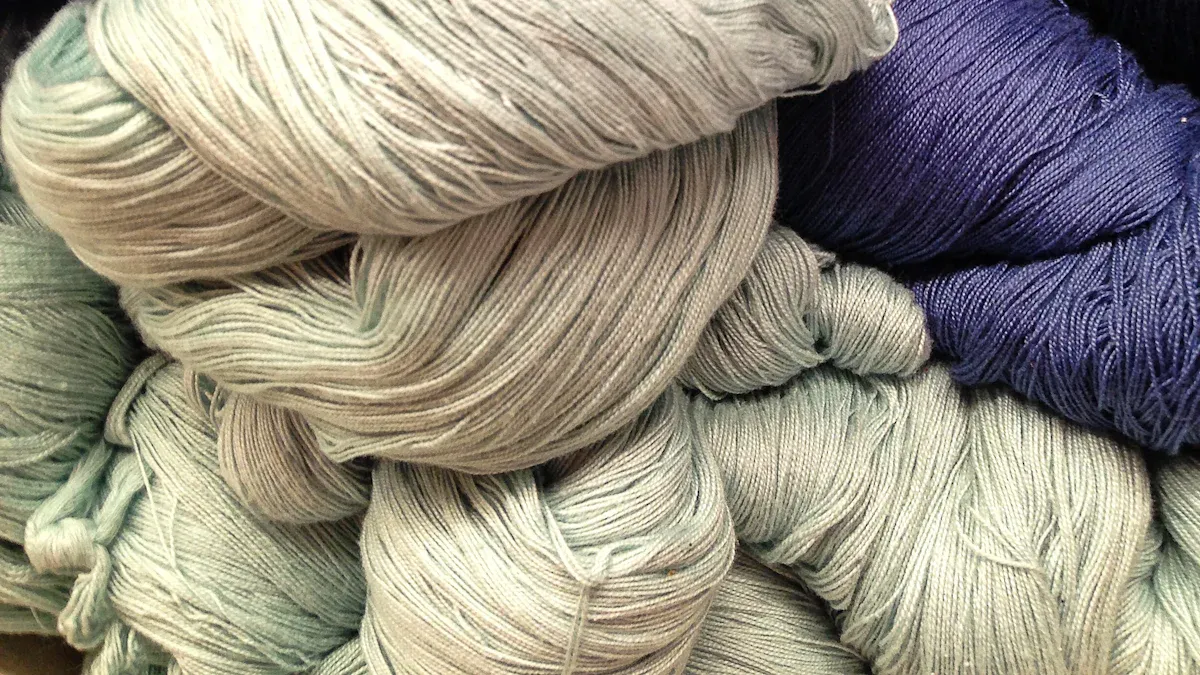
Cashmere-Silk
Softness and Luxury
If you want your knitwear to feel smooth, try cashmere-silk. Silk gives cashmere a soft shine and gentle touch. When you wear it, the sweater feels light on your skin. The silk helps the fabric hang nicely. Your custom pieces look neat and stylish. This blend is great if you like a little extra luxury in your clothes.
Best Uses
Cashmere-silk blends work well for sweaters, scarves, and wraps. These are good for special days or when you want to look nice. You can also wear them under other cashmere clothes. They keep you comfy without feeling heavy. If you need a special gift, a scarf in this blend is a smart choice.
Cashmere-Merino Wool
Warmth and Durability
Cashmere-merino wool blends are a top pick for knitwear. You get warmth and comfort together. Cashmere keeps air in, so you stay warm but not weighed down. The fibers feel soft, which is good for sensitive skin. Merino wool makes the sweater strong and lets air pass through. Your custom sweaters last longer and feel good all day.
-
Cashmere holds warmth, so your knitwear is light but cozy.
-
The fibers are soft, so they feel nice on your skin.
-
Merino wool lets air in and makes the sweater last.
-
The blend stretches, so your knitwear fits well.
-
You stay warm in winter, whether you wear sweaters or coats.
Best Uses
Cashmere-merino wool blends are good for sweaters, hats, and gloves. They work for outdoor fun or relaxing at home. If you want knitwear that lasts and feels good, pick this blend. You can wear these all winter and even on cool spring days.
Cashmere-Cotton
Lightweight Comfort
Cashmere-cotton blends make knitwear light and comfy. Cotton makes the fabric easy to wear in many places. This blend feels soft and gentle, so you stay comfortable all day. Unlike fake yarns, cashmere-cotton lets your skin breathe. You stay cool when it gets warm. You get warmth in winter and a light feel in spring and fall.
Cashmere-cotton blends, like cotton cashmere yarn, are soft and airy. You can wear them in cold weather or when seasons change. If you want comfort and a bit of luxury, this blend is a good choice.
Best Uses
Cashmere-cotton blends are great for light sweaters, cardigans, and summer tops. These are good for trips, school, or relaxing at home. If you want knitwear for every season, cashmere-cotton is a smart pick. You can also use this blend for layering or making cool accessories.
Tip: In 2025, you can find new cashmere blends with eco-friendly fibers like bamboo and organic cotton. These blends help you look good and care for the planet.
|
Blend Type |
Key Qualities |
Best For |
|---|---|---|
|
Cashmere-Silk |
Soft, shiny, elegant |
Scarves, wraps, dressy sweaters |
|
Cashmere-Merino Wool |
Warm, durable, breathable |
Everyday sweaters, hats, gloves |
|
Cashmere-Cotton |
Lightweight, comfy, airy |
Light sweaters, summer tops |
You have many cashmere blend choices for knitwear. Each blend feels and looks different. You can pick what you like best, whether you want warmth, softness, or light comfort.
Cashmere-Alpaca
Enhanced Softness
If you want your knitwear to feel extra soft, you should try a cashmere-alpaca blend. Alpaca fibers add a new level of comfort to cashmere. When you touch this blend, you notice how smooth and gentle it feels. You get a fabric that feels cozy but never heavy. Alpaca fibers have a semi-hollow core, which means they trap heat better than cashmere alone. This keeps you warm without making your sweater bulky. You can wear cashmere-alpaca pieces all day and stay comfortable.
-
Alpaca fibers give your knitwear amazing softness and warmth.
-
The blend offers great insulation, so you stay warm even on cold days.
-
Alpaca is lightweight, so your cashmere sweater never feels heavy.
-
This blend is hypoallergenic, which is great if you have sensitive skin.
-
Alpaca fibers wick away moisture, so you do not overheat.
You also get more durability with this blend. Alpaca fibers help your cashmere knitwear last longer. You do not have to worry about replacing your favorite sweater every season.
Best Uses
Cashmere-alpaca blends work well for many custom knitwear projects. You can choose this blend for sweaters, cardigans, and shawls. If you want a scarf that feels soft against your neck, this is a great choice. Many people pick cashmere-alpaca for winter hats and gloves because the blend keeps you warm without feeling too thick. You can even use this blend for baby clothes since it is gentle and safe for sensitive skin.
Tip: If you want knitwear that feels soft, stays warm, and lasts a long time, cashmere-alpaca is a smart pick for your custom project.
Cashmere-Lambswool
Strength and Texture
A cashmere-lambswool blend gives you the best of both worlds. You get the softness of cashmere and the strength of lambswool. This blend feels plush and smooth, but it also stands up to daily wear. Lambswool adds texture and makes the fabric more durable. You can wear your cashmere-lambswool sweater often, and it will keep its shape and feel.
The blend also feels warm and cozy. Lambswool helps cashmere hold in heat, so you stay comfortable in cold weather. Makers often use careful hand-finishing and fully-fashioned construction for these pieces. This means your custom knitwear fits well and feels great every time you put it on. The tightly knitted fabric adds even more warmth and durability.
Best Uses
You can use cashmere-lambswool blends for many types of custom knitwear. Sweaters made from this blend work well for everyday wear. You can also choose this blend for cardigans, vests, and even heavier coats. If you want a piece that looks stylish but can handle regular use, cashmere-lambswool is a great option. Many people pick this blend for outerwear and layering pieces because it keeps you warm and holds up over time.
Note: If you want knitwear that feels soft but also lasts, cashmere-lambswool blends are a top choice for custom projects.
What Makes a Superior Cashmere Blend
Fiber Quality
When you look for custom cashmere, you want the best fibers. The quality of cashmere starts with the fiber itself. Short fibers can make your sweater feel rough and shed more. Long fibers feel smoother and last longer. You should check the mean fiber diameter. If the fiber measures 19 microns or less, it counts as true cashmere. The best custom cashmere gets softer as you wear it, and it does not pill easily.
Here’s a quick table to help you see what matters most:
|
Factor |
Description |
|---|---|
|
Mean Fiber Diameter (MFD) |
Fibers 19 μm or less are considered cashmere. |
|
Genetic Traits |
Breeding can improve fiber quality. |
|
Blending Characteristics |
Blending with other fibers can lower the quality of cashmere. |
You should look for purer grades if you want your custom cashmere to feel soft and last for years.
-
High-quality cashmere gets softer with age.
-
Blending can reduce the quality, so choose wisely.
-
Purer cashmere means better custom cashmere knitwear.
Blend Composition
The way you mix fibers changes everything. Custom cashmere blends often use ratios like 80/20 or 70/30. These numbers show how much cashmere and other fibers are in your sweater. If you want more softness, pick a blend with more cashmere. If you want durability, add more wool or lambswool.
Check out this table to see how blend ratios affect your knitwear:
|
Property |
Cashmere |
Wool |
Cashmere-Wool Blend |
|---|---|---|---|
|
Softness |
High |
Medium |
High |
|
Durability |
Low |
High |
Medium-High |
|
Overall Performance |
Good |
Excellent |
Very Good |
You get more comfort and easier care with blends. Custom cashmere blends with wool or cotton can last longer and cost less than pure cashmere. You can wear your cashmere knitwear in cold weather and not worry about damage. If you want a sweater that feels soft but also stands up to daily use, try a blend with a higher wool ratio.
-
80/20 blends give you softness and strength.
-
Blends are easier to wash and care for.
-
You save money with blends compared to pure custom cashmere.
Performance Factors
You want your custom cashmere to look good and last. Performance depends on how the fibers work together. Softness, warmth, and durability all matter. If you choose a blend with alpaca or silk, you get extra softness and shine. Wool adds strength and helps your knitwear keep its shape.
Think about how you will use your custom cashmere. If you want a sweater for everyday wear, pick a blend with more wool or lambswool. If you want something special for a gift, choose a blend with silk or alpaca.
Tip: Always check the care instructions. Some blends need gentle washing, while others can handle machine cycles.
You should also think about the environment. Cashmere is biodegradable, but blends with synthetic fibers may not break down as easily. Overgrazing by cashmere goats can hurt grasslands, so look for brands that care about animal welfare and fair trade. When you pick custom cashmere, you help support better practices.
-
Choose blends that match your lifestyle.
-
Look for ethical sourcing and eco-friendly options.
-
Custom cashmere lets you get the style and feel you want.
Sustainability
When you pick cashmere blends, you might think about the planet. In 2025, caring for nature is very important. You want your knitwear to look nice and feel soft. You also want it to help the earth. Many brands now try to make their products better for animals and people. They also want to protect nature.
You can find cashmere from farms that use good practices. These farms take care of their goats and land. They do not let goats eat too much grass. This keeps the grasslands healthy. If you choose blends with wool, cotton, or alpaca, check if those fibers are from good sources. Some companies use recycled or organic fibers. This helps lower harm to the planet.
Certifications show if your cashmere blend is made the right way. In 2025, two main certifications are important. The Good Cashmere Standard 2.0 is now required. It checks animal care, protecting nature, and good management. The SFA Animal Fibre Standard also looks at animal care and fair work. It checks for healthy nature too. If you want to know how your sweater was made, these labels help you feel sure.
Here’s a table to show which certifications matter for sustainable cashmere blends:
|
Certification Name |
Key Focus Areas |
Implementation Date |
Link |
|---|---|---|---|
|
The Good Cashmere Standard 2.0 |
Animal welfare, environmental protection, responsible management practices |
Mandatory by 2025 |
|
|
SFA Animal Fibre Standard |
Responsible cashmere production, animal welfare, biodiversity, decent work |
Ongoing |
|
|
Environmentally friendly production, high-quality and traceability |
November 2024 |
You can help the planet by picking blends that last longer. Sweaters that last mean you buy less and throw away less. Some blends use less water or energy to make. Others use natural dyes and skip harsh chemicals. If you care for your knitwear, it will last even longer.
Tip: Always check the label before you buy. Look for certifications and ask where the fibers come from.
You can make a difference with your choices. When you pick sustainable cashmere blends, you help farms and factories do better. You also help keep the world clean. Your choices matter for fashion and the planet’s future.
Comparing Cashmere Blend Options for Custom Knitwear
Silk vs. Merino
When you look at cashmere blends, silk and merino wool stand out. Both bring something special to your knitwear. Silk gives you a smooth, shiny finish. Merino wool adds strength and warmth. If you want a sweater that feels light and soft, you might like cashmere-silk. This blend feels gentle on your skin and looks elegant. You can wear it for fancy occasions or when you want to feel extra comfortable.
Merino wool blends with cashmere make your knitwear tough and cozy. You get a sweater that keeps you warm and lasts longer. Merino wool fibers are strong, so your clothes hold their shape. You can wear cashmere-merino blends every day, even for outdoor fun.
Here’s a quick table to help you compare:
|
Feature |
Cashmere-Silk Blend |
Cashmere-Merino Wool Blend |
|---|---|---|
|
Texture |
Silky, smooth, gentle |
Soft, sturdy, sometimes firm |
|
Warmth |
Light warmth, good for layering |
Excellent insulation, very cozy |
|
Durability |
Delicate, needs gentle care |
Strong, lasts longer |
Tip: If you want luxury and shine, go for cashmere-silk. If you need warmth and strength, cashmere-merino wool is your best bet.
Cotton vs. Alpaca
You might wonder how cotton and alpaca change your cashmere knitwear. Cotton blends make your sweaters light and breathable. You can wear them in spring or summer. These blends feel soft but not heavy. If you want a sweater for warmer days, cashmere-cotton is a smart choice.
Alpaca blends with cashmere give you extra softness and warmth. Alpaca fibers trap heat, so you stay cozy without feeling weighed down. This blend works well for winter hats, scarves, and sweaters. Alpaca is also hypoallergenic, so it’s great if you have sensitive skin.
Let’s look at the main differences:
-
Cashmere-cotton: Light, airy, easy to wear in warm weather.
-
Cashmere-alpaca: Super soft, warm, perfect for cold days.
Note: Choose cashmere-cotton for comfort in every season. Pick cashmere-alpaca when you want extra warmth and a gentle feel.
Lambswool vs. Other Blends
Lambswool blends with cashmere offer a mix of strength and softness. You get a sweater that feels plush but can handle daily wear. Lambswool makes your knitwear more durable, so it’s great for outdoor activities. Other cashmere blends, like those with silk or alpaca, focus more on softness and luxury.
Here’s a table to help you see the differences:
|
Feature |
Lambswool Blends |
Other Cashmere Blends |
|---|---|---|
|
Softness |
Less soft than pure cashmere |
Exceptionally soft |
|
Warmth |
Warm, but not as warm as cashmere |
Superior warmth, lightweight |
|
Durability |
Very durable, good for outdoor wear |
Less durable, best for indoor wear |
|
Price |
More affordable, easy to find |
Usually more expensive |
If you want a sweater that lasts and costs less, lambswool blends are a good choice. If you want something soft and luxurious, other cashmere blends might suit you better.
Tip: Think about how you will use your knitwear. For everyday use, lambswool blends work well. For special occasions, try blends with silk or alpaca.
Pros and Cons
When you pick a cashmere blend for your custom knitwear, you want to know what you’re getting. Every blend has its ups and downs. Some blends save you money. Others give you more warmth or make your sweater last longer. Let’s break down the main pros and cons so you can choose with confidence.
Here’s a quick table to help you compare cashmere blends with pure cashmere:
|
Aspect |
Cashmere Blend |
100% Cashmere |
|---|---|---|
|
Affordability |
More budget-friendly |
Higher cost |
|
Durability |
Generally more durable due to mixed fibers |
Less durable, more delicate |
|
Softness |
Less soft than pure cashmere |
Superior softness |
|
Warmth |
Good warmth, but less than pure cashmere |
Excellent warmth |
|
Care |
Easier to care for |
Requires careful maintenance |
Pros of Cashmere Blends:
-
You save money. Blends cost less than pure cashmere.
-
Your knitwear lasts longer. Mixed fibers add strength.
-
You get easier care. Most blends handle washing better.
-
You find more styles. Blends let you try new textures and colors.
-
You can wear them every day. They stand up to regular use.
Cons of Cashmere Blends:
-
You lose some softness. Pure cashmere feels smoother.
-
You get less warmth. Blends don’t trap heat as well.
-
You might notice less luxury. Some blends look less shiny.
-
You may see more pilling. Certain fibers pill faster than cashmere.
Tip: If you want a sweater for special occasions, pure cashmere gives you the softest feel. If you need something for daily wear, blends offer better durability and value.
You might wonder about care. Pure cashmere needs gentle washing and careful storage. Blends, especially those with cotton or wool, handle machine washing and everyday use. If you have a busy life, blends make things easier.
Let’s look at warmth. Pure cashmere keeps you cozy in cold weather. Blends with merino wool or alpaca still offer good insulation, but they feel lighter. If you live somewhere with mild winters, blends work well.
Softness matters too. If you love the silky touch, pure cashmere wins. Blends with silk or alpaca come close, but they don’t match the pure fiber.
Choosing a blend means thinking about your needs. Do you want luxury or practicality? Are you shopping for a gift or something for yourself? Your answer helps you pick the right cashmere blend for your custom knitwear.
Choosing Your Cashmere Blend
Personal Preferences
When you pick a custom cashmere blend, your own taste matters most. Do you love a sweater that feels super soft? Maybe you want something with a little shine or a unique texture. Some people like the smooth touch of silk in their cashmere. Others prefer the fluffy warmth of alpaca. If you want a classic look, you might choose a blend with merino wool. For a lighter feel, cotton blends work well. Think about what makes you feel good when you wear knitwear. Your favorite colors, patterns, and even how the fabric drapes can help you decide. Custom cashmere lets you match your style and comfort needs.
Intended Use
How you plan to wear your knitwear changes everything. You might want a cozy sweater for winter, a light cardigan for spring, or a stylish scarf for special events. Each custom cashmere blend brings something different to the table:
-
Silk-cashmere blends keep their shape well. These work great for pieces that need structure, like fitted tops or dresses.
-
Wool-cashmere blends add durability and warmth. These are perfect for outerwear, like jackets or thick sweaters.
-
Cotton-cashmere blends feel light and breathable. You can wear these in warmer weather or for layering.
-
Synthetic blends, like those with nylon, make socks and gloves last longer and keep their shape.
You can see that different blends boost qualities like durability, insulation, or style. Pick the blend that fits your daily life and the way you want to use your custom cashmere.
Care Needs
Taking care of your custom cashmere keeps it looking and feeling great. Some blends need more attention than others. Here are a few tips to help you care for your knitwear:
-
Always check the label for washing instructions.
-
Hand wash cashmere in cold water with a gentle detergent.
-
Never wring or twist your sweater. Gently press out water instead.
-
Lay your knitwear flat to dry. Shape it as it dries to keep its form.
-
Use a cashmere comb or lint roller to remove pills and fuzz.
-
Store your custom cashmere folded in a clean drawer. This helps it keep its shape.
-
For lightweight pieces, hand washing works best. For coats or items with stains, dry cleaning is safer.
-
Avoid harsh detergents and fabric softeners.
If you follow these steps, your custom cashmere will last longer and stay soft. Good care means you get more wear from every piece.
Budget
Your budget plays a big role when you pick a cashmere blend for custom knitwear. You want something soft and stylish, but you also want to spend wisely. Cashmere blends come in many price ranges. Some blends cost less, while others feel more like a luxury. You can find a blend that fits your wallet and still looks great.
Let’s look at how different blends affect the price:
|
Blend Type |
Average Price Range (per item) |
Value for Money |
|---|---|---|
|
100% Cashmere |
$$$$ |
Ultimate luxury |
|
Cashmere-Silk |
$$$ |
Soft, shiny, elegant |
|
Cashmere-Merino Wool |
$$ |
Warm, durable, classic |
|
Cashmere-Cotton |
$-$$ |
Light, affordable |
|
Cashmere-Alpaca |
$$-$$$ |
Soft, warm, unique |
|
Cashmere-Lambswool |
$-$$ |
Strong, budget-friendly |
You might notice that pure cashmere sits at the top. It feels amazing, but it costs the most. If you want to save money, blends with cotton or lambswool offer a good deal. These blends still feel soft and keep you warm. You can wear them every day without worry.
Tip: If you want a special piece but have a small budget, try a cashmere blend with a lower cashmere percentage. You still get the soft feel, but you pay less.
Here are some ways to get the best value:
-
Shop off-season. You can find deals on cashmere blends in spring or summer.
-
Look for sales or outlet stores. Many brands offer discounts on last season’s styles.
-
Choose classic colors. Neutral shades like gray, navy, or beige never go out of style. You can wear them for years.
-
Check the blend ratio. A blend with 20% cashmere and 80% wool costs less than one with 50% cashmere.
-
Ask about care. Some blends last longer and need less special washing. This saves you money over time.
You do not have to spend a lot to enjoy custom knitwear. Many affordable blends look and feel great. You can build a wardrobe with a few key pieces. If you want to splurge, pick one luxury item and fill in with budget-friendly blends.
Remember: The best cashmere blend is the one that fits your style, feels good, and matches your budget. You can look great and feel cozy without breaking the bank.
Customization and Style Options
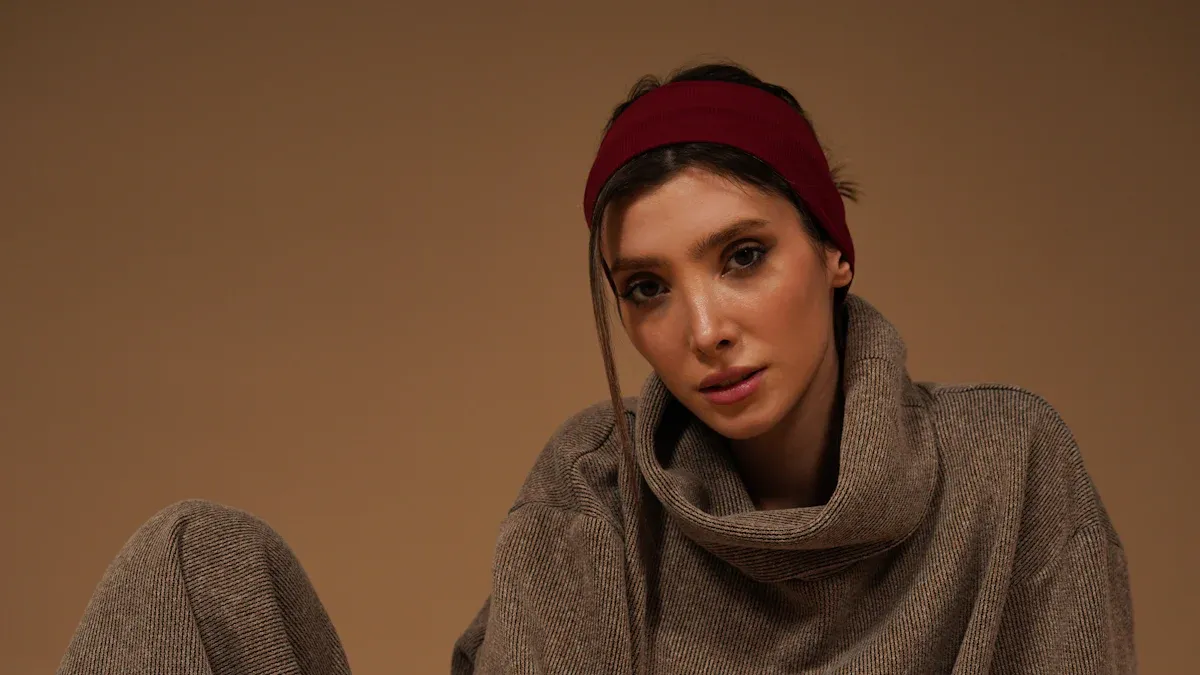
Knitwear Styles
There are lots of choices for custom cashmere blend knitwear. In 2025, you can pick classic or new styles. Crewnecks, V-necks, and turtlenecks are always popular. You might want a fitted cardigan for layering. A chunky pullover gives extra warmth. Some people like big sweaters that feel cozy. Others want sweaters that look neat and sharp.
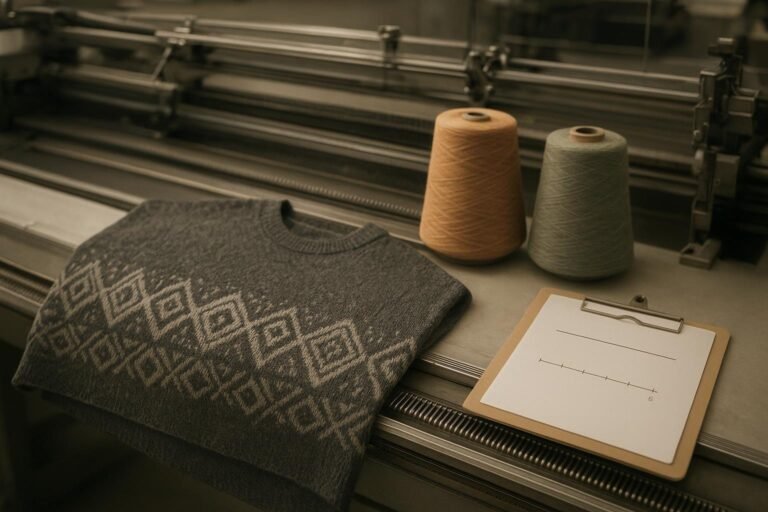
In 2025, people like structured sweaters, big chunky knits, jacquard patterns, and eco-friendly styles made from special materials. These styles let you make your sweater your own and work for both casual and dressy days.
You can try jacquard knit sweaters with cool patterns. These sweaters help you show your style. Big chunky knits are comfy and look bold. Many people pick bright and fun patterns to stand out.
Jacquard sweaters are special because of their fancy designs and how you can make them your own. Big chunky knits are comfy and easy to wear, and more people are picking bright and colorful patterns.
Personalization Features
Custom cashmere blend knitwear lets you make it your way. You can pick the fit, how long it is, and the neckline. Some brands help you design your own sweater. You can get a sweater made just for you or for a special day. You might want your sweater to match your area’s style or your favorite colors.
Here’s a table that shows what you can change:
|
Category |
Customization Options |
|---|---|
|
Clothing |
You can get help to make clothes that fit your body, your area’s style, or a special event. |
|
Housewares |
You can pick the material, color, and size for things like blankets, pillows, and travel sets. |
|
Accessories |
You can make scarves, shawls, gloves, and socks special with careful details. |
You can add your initials, special stitching, or cool buttons. Some people pick the yarn color or mix fibers for a new feel. You get to decide what makes your knitwear special.
Color and Pattern Trends
In 2025, you have more color and pattern choices than ever. Making your sweater unique is very popular. You can pick colors and patterns that show who you are. Some people like bright colors. Others like soft, natural shades. Patterns can be simple or wild and artsy.
-
You can make your cashmere knitwear special with your own designs, colors, and styles.
-
Eco-friendly choices are important, and more people pay extra for brands that help the planet.
-
People want custom services to get the best fit and quality, so their knitwear is unique and fancy.
Many people care about the earth. You can find yarns and dyes that are good for nature. Some brands use recycled or natural materials. If you want something really special, you can work with a designer to make your own piece. In 2025, custom knitwear is about showing your style and making choices that fit your life.
Getting Started with Custom Knitwear
So, you want to create your own custom cashmere piece? Let’s break down the steps to help you get started with confidence.
Sourcing Quality Blends
Finding the right materials is the first step. You want your custom cashmere to feel soft, last long, and look amazing. Not all blends are the same, so pay attention to where your cashmere comes from and how it’s made. Here’s a quick guide to help you choose:
|
Best Practice |
Description |
|---|---|
|
Origin |
Look for cashmere from places like Mongolia, China, or Iran. These regions produce top fibers. |
|
Fiber Quality |
Pick suppliers who offer long, fine, and soft fibers. Longer fibers mean better custom cashmere. |
|
Ethical Practices |
Choose brands that treat animals well and care for the environment. Responsible choices matter. |
|
Traceability |
Work with suppliers who share where and how they get their cashmere. This builds trust. |
If you want your custom cashmere to stand out, always ask about the blend’s origin and quality. Supporting ethical and transparent brands helps you feel good about your knitwear.
Working with Designers
You don’t have to do it all alone. Working with a designer makes your custom cashmere project easier and more fun. Here’s how you can get the best results:
-
Pick the right yarns and materials. This choice changes how your custom cashmere feels and looks.
-
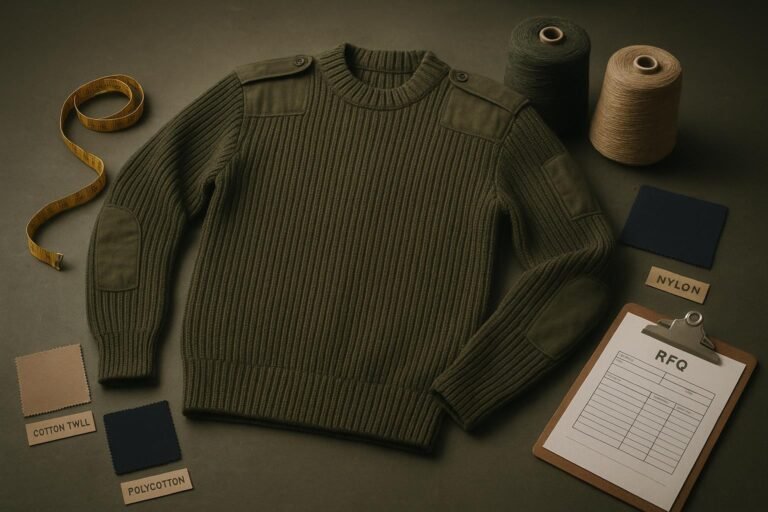
Share your ideas and create a tech pack. This is a simple document with details about your design, size, and colors.
-
Talk with knitting experts. They help you adjust your design so it fits well and looks great.
-
Try out samples. You can see and feel your custom cashmere before making the final piece.
Tip: Good communication with your designer leads to better results. Don’t be afraid to ask questions or share your vision.
Care Tips
Taking care of your custom cashmere keeps it soft and beautiful for years. A little effort goes a long way. Here’s what you should do:
-
Hand wash your custom cashmere every 5-7 wears. Use cool water and gentle soap.
-
Rinse with water at the same temperature you used for washing.
-
Lay your knitwear flat on a towel to dry. Shape it gently and never hang it up.
-
Fold your custom cashmere for storage. Use cedar balls to keep moths away.
-
De-pill your knitwear now and then to keep it looking fresh.
-
Clean your custom cashmere before storing it for the season.
-
If you see stains or have special details, dry clean your piece.
Note: Caring for your custom cashmere takes about 90 minutes per season for each item. This small routine helps your knitwear last for many years.
With these steps, you can enjoy your custom cashmere and keep it looking new. Start your project today and see how easy it is to create something special.
You can pick from many cashmere blend choices for custom knitwear in 2025. Blends with silk, merino, cotton, alpaca, or lambswool each have their own benefits. Choosing the right blend lets you match your style, comfort, and how much you want to spend.
-
Combing makes cashmere softer and better than shearing.
-
Prices go from $50 up to $500, based on brand values and quality.
-
Brands like Quince and Jenni Kayne show you different fits and designs.
Begin your custom project feeling sure and let your ideas stand out!
FAQ
What is the best cashmere blend for sensitive skin?
You should try cashmere-alpaca or cashmere-cotton blends. These feel soft and gentle. They rarely cause itching. If you have allergies, look for blends labeled “hypoallergenic.”
How do I wash my cashmere blend sweater?
Hand wash your sweater in cold water. Use a gentle soap. Lay it flat to dry. Never wring or twist. For some blends, you can use a delicate machine cycle. Always check the care label first.
Will my cashmere blend sweater pill?
Most cashmere blends pill less than pure cashmere. Blends with wool or cotton help reduce pilling. You can use a cashmere comb to remove pills. Regular care keeps your sweater looking new.
Can I wear cashmere blends in warm weather?
Yes! Cashmere-cotton and cashmere-silk blends feel light and breathable. You can wear them in spring or summer. These blends keep you cool and comfortable.
Are cashmere blends more affordable than pure cashmere?
You usually pay less for cashmere blends. They mix cashmere with other fibers, which lowers the price. You still get a soft feel and good quality.
How do I pick the right cashmere blend for a gift?
Think about the person’s style and needs. For luxury, choose cashmere-silk. For everyday wear, try cashmere-merino or cashmere-lambswool. If you want something unique, pick a bright color or fun pattern.
What does “80/20 blend” mean?
This means the yarn has 80% cashmere and 20% another fiber, like wool or cotton. More cashmere means more softness. More of the other fiber adds strength or lowers the price.
Where can I find sustainable cashmere blends?
Look for brands with certifications like The Good Cashmere Standard or SFA Animal Fibre Standard. These brands care about animals and the planet. You can check their websites for more details.