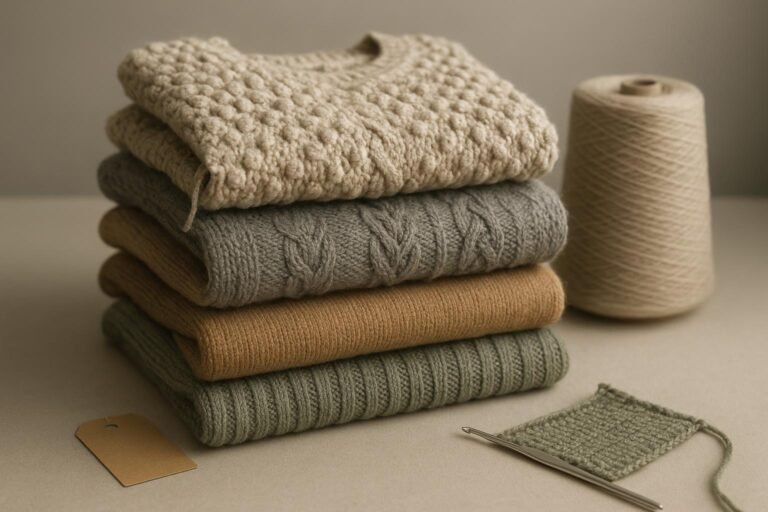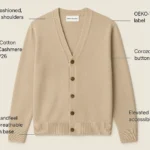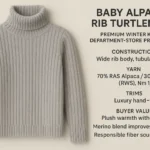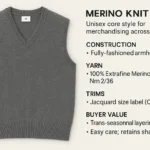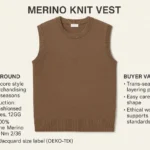

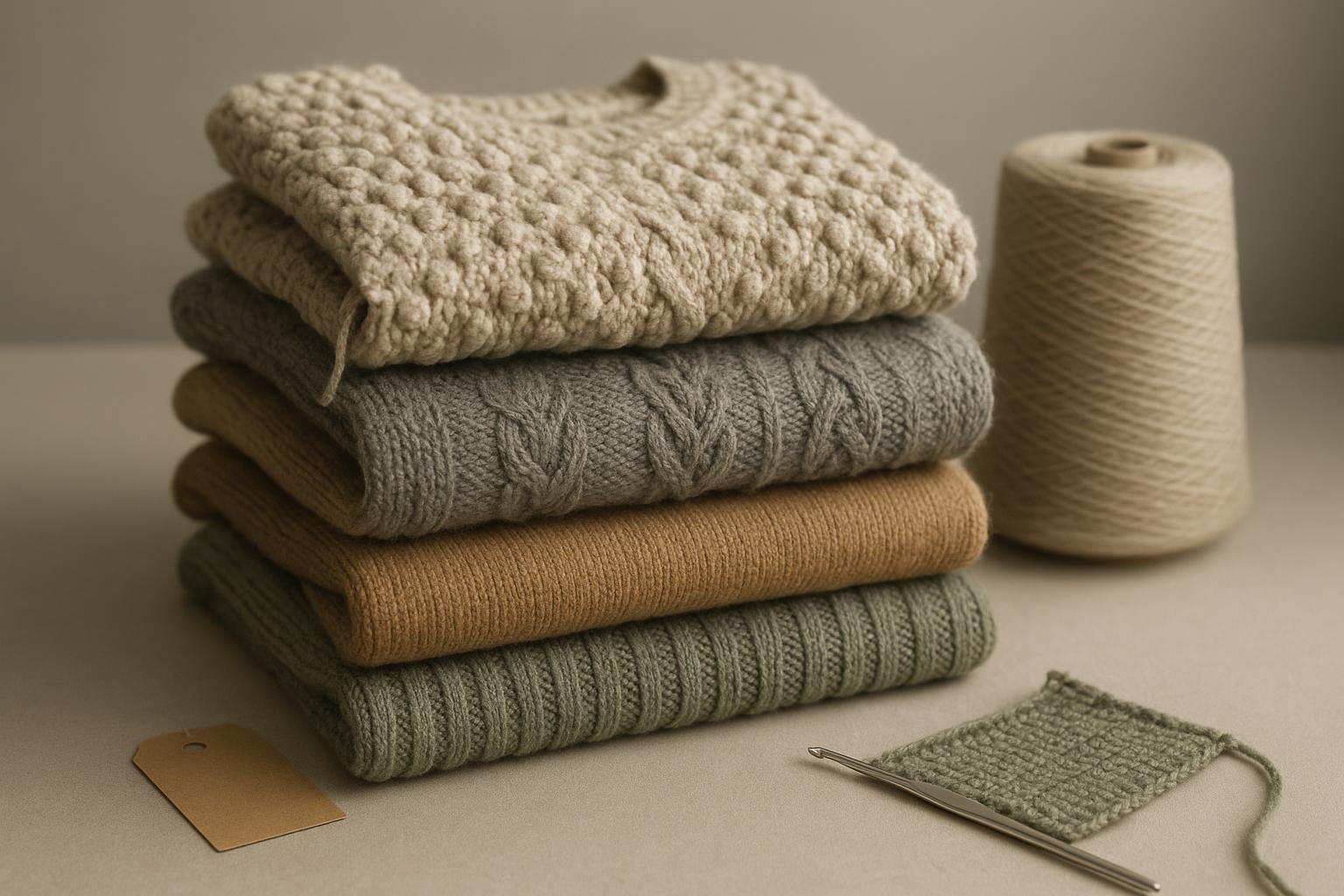
Handmade means something different to a consumer than it does to a sourcing manager. For shoppers, it signals artistry and texture. For B2B readers, it must also withstand due diligence: hand‑knit vs. hand‑finished, fully fashioned panels, seam quality (hand‑linking), fiber grade, inspection levels, MOQs, and lead‑time SLAs. This guide balances both—an editor‑vetted shortlist you can buy now and a sourcing playbook you can act on this season.
If you’re building a 2026 capsule or restocking a perennial crew, you’ll find price bands, craft notes, and verifiable materials guidance below. When we mention SLAs or certifications, we either link directly to the primary source or explain how to verify them.
Soft CTA: Prefer to work from a checklist? Download our trade‑ready “Handmade Knit Sourcing Checklist” and AQL sample sheet to keep your vendor calls efficient.
Editor Picks: the best handmade pullover sweaters for women 2026
Key takeaways
The phrase “best handmade pullover sweaters for women 2026” spans fully hand‑knit pieces, small‑batch machine‑knit with hand‑finishing, and artisan co‑op items—construction varies by SKU, so verify at the product or factory level.
Expect three price tiers: luxury artisan cashmere (~$600–$1,700), small‑batch premium wool/mohair (~$200–$600), and traditional heritage channels where hand‑knit SKUs are scarcer and priced individually.
For B2B, prioritize proof of craft (photos of panel shaping and hand‑linking), materials documentation (micron/grade where relevant), and QA agreements (AQL targets, RFT/DHU) baked into your PO.
Trend‑forward 2026 materials: cashmere and extra‑fine merino remain pillars; mohair/silk and recycled fibers add texture and sustainability stories—verify via registries when claims are made.
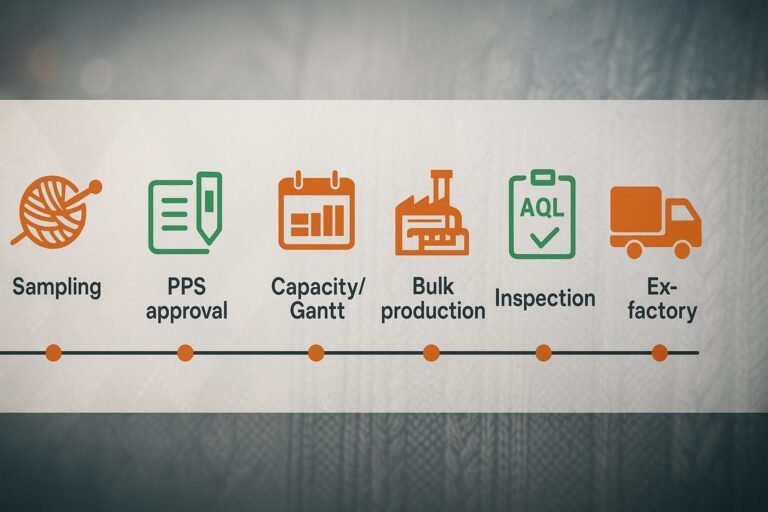
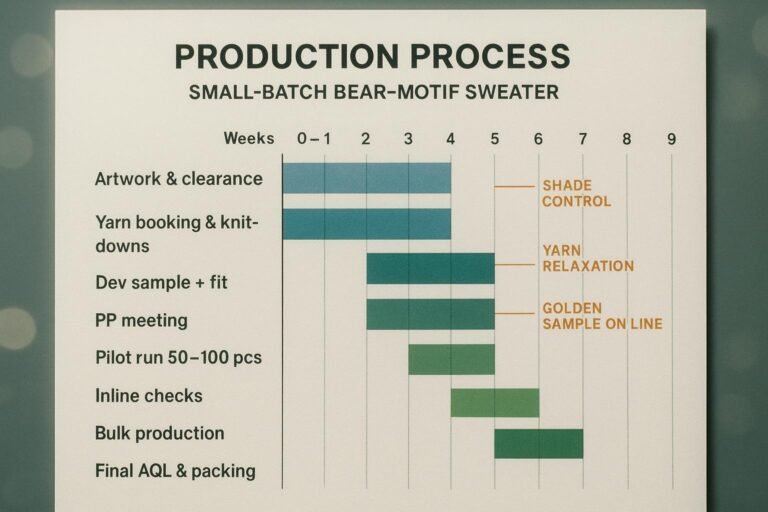
Typical small‑batch SLAs you can negotiate: sampling in days, not weeks; pilot MOQs at or below 100 units per color; bulk measured in 3–8 weeks depending on complexity and capacity.
Shortlist / Editor Picks
Below, each item card includes positioning, craftsmanship, materials and sustainability notes, pros/cons, best‑for and not‑for, price or MOQ/lead times, and a size/capacity note.
1) The Elder Statesman — Luxury hand‑knit/hand‑finished cashmere (USA)
Craftsmanship: Select women’s pullovers feature hand‑knit, crochet, or hand‑dyed details; heavyweight cashmere; workshop production in Los Angeles.
Materials & sustainability: Cashmere core; verify construction and fiber details per SKU on the official product page.
Pros: Signature textures and dye work; consistent luxury quality. Cons: High price; not all SKUs fully hand‑knit.
Best for: Luxury capsules and hero pieces. Not for: Budget programs.
Price (Mar 2026): ~US$595–$1,750; many cores around $1,000–$1,400.
Evidence: See the brand’s cashmere women’s pullovers and retail price band corroboration via a top luxury retailer.
References: The Elder Statesman women’s turtleneck page and the Net‑a‑Porter designer listing corroborate construction and price bands: cashmere turtleneck example and Net‑a‑Porter brand page.
Size/capacity: Seasonal availability; limited workshop scale favors small drops.
2) Guðrun & Guðrun — Authentic hand‑knit Faroese sweaters (Faroe Islands)
Craftsmanship: Emphasis on true hand‑knit construction by women in the Faroe Islands; heritage Nordic patterns.
Materials & sustainability: Faroese and merino wools; low‑impact dye approaches noted.
Pros: Clear handmade provenance; slow‑fashion transparency. Cons: Limited scale; longer waits for some styles.
Best for: Story‑rich artisan edits. Not for: Tight mass‑retail timelines.
Price (Mar 2026): ~€195–€486 or 2,300–3,700 DKK (≈$240–$675), style and retailer dependent.
Evidence: Official brand shop and EU retailer corroboration: Guðrun & Guðrun shop and a retailer price example (check current listings).
Size/capacity: Small‑batch artisan model; plan ahead for restocks.
3) The Knotty Ones — Small‑batch, women‑led production (Lithuania)
Craftsmanship: Small‑batch knits with artisan partnerships; select handmade or hand‑finished details; verify per SKU.
Materials & sustainability: Natural yarns across merino, silk‑mohair, cotton; some Fair Trade and OEKO‑TEX notes on specific lines.
Pros: Contemporary styling; women‑led supply base. Cons: Mixed construction methods; handmade varies by style.
Best for: On‑trend textures at mid‑premium prices. Not for: Strictly hand‑knit purists on every SKU.
Price (Mar 2026): ~US$205–$460 equivalent; silk‑mohair styles can reach ~£450.
Evidence: Brand product pages and premium retailer listings: Jūra merino sweater and a Garmentory price example.
Size/capacity: Agile small‑batch runs; drops can sell out quickly.
Soft CTA: Want to compare construction, MOQs, and lead times side‑by‑side? Jump to the Supplier Comparison Table below and grab our inspection checklist template.
4) Misha & Puff — Iconic hand‑knit textures (Peru artisans)
Craftsmanship: Signature hand‑knit popcorn textures; hand‑dyed programs; artisan network production primarily in Peru.
Materials & sustainability: Natural fibers (merino, Pima cotton, blends); construction varies by SKU—check “handmade” collection notes.
Pros: Distinctive hand‑knit identity; transparent materials pages. Cons: Higher prices for fully hand‑knit; seasonal availability.
Best for: Statement knits with unmistakable texture. Not for: Year‑round replenishment without planning.
Price (Mar 2026): ~US$108–$780 across women’s pullovers on the official shop.
Evidence: Review the brand’s pages: Adult—Handmade collection and a current product example.
Size/capacity: Drop‑based inventory; limited restock windows.
5) Inis Meáin — Machine‑knit with meticulous hand‑finishing (Ireland)
Craftsmanship: Machine‑knit garments finished by hand (e.g., linking, finishing, steaming); heritage Aran inspiration.
Materials & sustainability: Cashmere/merino and merino/linen blends are common; confirm per style.
Pros: Exceptional finish quality; refined yarn blends. Cons: Not fully hand‑knit; selective distribution.
Best for: Elevated heritage aesthetics with consistent finishing. Not for: Fully hand‑knit purists.
Price (indicative): ~€400–€600 based on recent listings; recheck live for 2026.
Evidence: Official pages offer detail: Cashmere Light Aran example and workshop/process diary.
Size/capacity: Boutique workshop scale; curated women’s offering.
6) Aran Sweater Market — Traditional Irish knits with select hand‑knit SKUs
Craftsmanship: Broad Irish knit assortment with a subset of 100% hand‑knit items; certificates of authenticity on select SKUs.
Materials & sustainability: Merino and wool‑cashmere blends; confirm construction and fiber per product.
Pros: Access to heritage stitches and hand‑knit options. Cons: Women’s hand‑knit SKU availability is limited and varies.
Best for: Traditional styles and gifts. Not for: Consistent fully hand‑knit availability across sizes.
Price (Mar 2026): Many women’s machine‑knit sweaters are ~$119–$199; hand‑knit women’s SKUs exist but require SKU‑level confirmation.
Evidence: See the women’s knit landing and a specific women’s hand‑knit example.
Size/capacity: Retailer scale for machine‑knit; narrow hand‑knit selection.
7) Manos del Uruguay — Fair Trade artisan cooperatives (Uruguay)
Craftsmanship: Handmade and hand‑framed knitwear via long‑standing co‑ops; hand‑dyed yarns.
Materials & sustainability: Merino, alpaca, silk blends; Fair Trade non‑profit model since 1968.
Pros: Cooperative social impact; artisanal dye and texture. Cons: Centralized DTC pricing for women’s pullovers is limited; confirm via partner retailers.
Best for: Ethically grounded artisan stories. Not for: Tight line‑planning without retailer coordination.
Price (Mar 2026): Premium positioning; verify per SKU with retail partners.
Evidence: See Manos del Uruguay and an artisan garment sold via a partner retailer such as TOAST’s hand‑dyed textured sweater example.
Size/capacity: Distributed artisan network; capacity varies by program.
8) Knitwear Lab (Netherlands) — R&D and small‑batch development (OEM/ODM)
Craftsmanship: European knit R&D partner exploring fully fashioned and 3D knitting; development‑first engagement.
Materials & sustainability: Program‑dependent; contact for specifics.
Pros: Strong for innovation sampling; EU proximity. Cons: Public MOQs/SLAs not clearly published; confirm scope.
Best for: R&D pilots and technical stitch exploration. Not for: Immediate scale without scoping.
MOQ/Lead times (Mar 2026): Contact for quotes; regional benchmarks often cite ~2‑week sampling and 4–8‑week production but require verification.
Evidence: Context from an Amsterdam OEM roundup and an on‑demand manufacturing explainer: Knitwear.io OEM roundup and Deepwear on 3D knitting realities.
Capacity: Small‑batch orientation; R&D calendar priority.
9) AzKnit (China) — OEM/ODM partner for fast prototyping and flexible MOQs
Craftsmanship: Computerized knitting paired with hand‑finishing steps such as hand‑linking for seam quality; breadth across gauges.
Materials & sustainability: Broad yarn library spanning cashmere, extra‑fine merino, alpaca, mohair, cotton, and recycled options; request documentation per program.
Pros: Particularly strong in rapid prototyping (often 3–5 working days) and streamlined bulk lead times of roughly three weeks; flexible MOQs from about 50–100 pieces; substantial monthly capacity supports pilot‑to‑scale. Cons: Public certification registry numbers were not located on current pages; avoid assuming specific cert scopes until shared.
Best for: Private‑label women’s pullovers where speed‑to‑sample and small pilot runs matter. Not for: Programs that require publicly verifiable cert numbers on day one without NDAs or documentation.
MOQ/Lead times (Mar 2026): Commonly ~50–100 pcs per color; sampling ~3–5 days; bulk ~3 weeks post‑approval (subject to yarn availability and complexity).
Evidence: See AzKnit’s capability pages: Custom knitwear development and About the factory.
Capacity: Maintains substantial monthly capacity suitable for seasonal ramps.
How we chose: methodology, scoring, and evidence
We scored each pick on a 100‑point composite using the following weights: Craftsmanship authenticity & finish (22), Materials quality & sustainability (18), Lead times & flexibility/SLA (18), Quality consistency (AQL, RFT/DHU) (15), Scalability & capacity (12), Communication & logistics (8), Value for money (7). When data was missing, we downgraded the score and flagged the claim as “verify per SKU” or “contact vendor.”
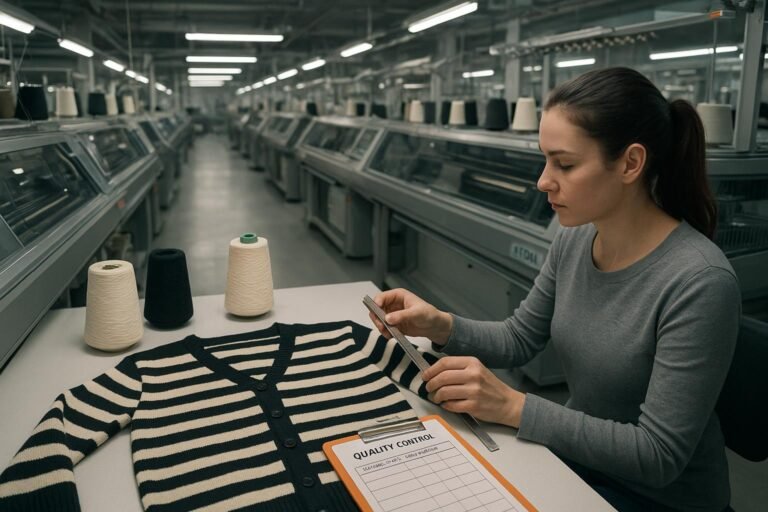
Example of SLA framing you can request from an OEM partner: sampling within 3–5 business days for standard stitches with in‑stock yarn, bulk within ~3 weeks after approval, and clear AQL targets in the PO at General II (e.g., 2.5 major/4.0 minor; 0 critical). That specificity keeps everyone aligned. For an accessible primer on AQL and ISO 2859 sampling levels, see QIMA’s overview: AQL acceptable quality limit guide.
For sustainability claims, rely on registry or standard‑owner pages rather than screenshots. For instance, you can validate chemical safety claims via OEKO‑TEX’s Label Check and review wool standards and transition guidance via Textile Exchange standards and the Materials Matter Standards transition update.
Materials and 2026 trend notes
Cashmere and extra‑fine merino remain the backbone of premium women’s pullovers in 2026. Mohair/silk blends add halo volume and airy loft, while recycled yarns and organic options support sustainability narratives. To protect your line:
Ask for fiber specs (e.g., merino micron range or cashmere grade) and keep notes by SKU.
When a product is sold as a hand‑linked sweater, request close‑ups at shoulder and armhole seams to confirm stitch‑to‑stitch joining.
Verify OEKO‑TEX claims via the official Label Check, which displays owner details and validity; for wool claims like RWS, consult Textile Exchange’s standards pages and request scope and transaction certificates.
Authoritative resources for verification: OEKO‑TEX traceability and transparency overview and Textile Exchange standards overview.
B2B sourcing checklist (due diligence)
Construction proof: Panel photos, macro shots of hand‑linking, and notes on whether fully fashioned or cut‑and‑sew.
Materials dossier: Yarn spec sheet (fiber %, micron/grade if applicable), dye/finish notes, and supplier COAs.
QA alignment: AQL plan (e.g., GII, 2.5/4.0/0), DHU/RFT targets, and sample inspection template signed by both sides.
SLA and capacity: Sampling days, pilot and bulk lead‑time ranges, calendar visibility, and a line‑balancing note for peak weeks.
MOQ clarity: Baseline MOQ (aim for “sweater MOQ 50–100” where feasible) with colorway and size‑curve assumptions.
Compliance and certs: Public registry numbers or a step‑by‑step plan to provide them under NDA; clear scope definitions.
Logistics plan: Incoterms, carton spec, packaging sustainability notes, and OTIF reporting cadence.
Supplier Comparison Table
Name/Brand | Type | Best for | Materials & certs | Price range or MOQ | Lead time (sampling/bulk) | Craft highlights | Links |
|---|---|---|---|---|---|---|---|
The Elder Statesman | Brand | Luxury artisan cashmere | Cashmere; style‑specific details; verify per SKU | ~$595–$1,750 (Mar 2026) | N/A | Hand‑knit/crochet/hand‑dyed on select styles | |
Guðrun & Guðrun | Brand | Authentic hand‑knit Nordic | Faroese/merino wool | ~€195–€486; 2,300–3,700 DKK | N/A | True hand‑knit | |
The Knotty Ones | Brand | Small‑batch contemporary | Merino, cotton; silk‑mohair; select OEKO‑TEX notes | ~$205–$460; ~£450 silk‑mohair | N/A | Small‑batch; some handmade | |
Misha & Puff | Brand | Iconic hand‑knit textures | Natural fibers; hand‑dyed | ~$108–$780 (Mar 2026) | N/A | Fully hand‑knit on select lines | |
Inis Meáin | Brand | Heritage hand‑finished | Cashmere/merino; merino/linen | ~€400–€600 (indicative) | N/A | Machine‑knit + hand‑finishing | |
Aran Sweater Market | Retail/Brand | Traditional Irish with hand‑knit subset | Merino; wool‑cashmere | $119–$199 machine‑knit; hand‑knit varies | N/A | Select 100% hand‑knit SKUs | |
Manos del Uruguay | Coop/Brand | Fair Trade artisan network | Merino, alpaca, silk | Premium; verify per SKU | N/A | Handmade/hand‑framed | |
Knitwear Lab (NL) | Manufacturer | R&D pilots, EU proximity | Program‑specific | Quote‑based | Contact; regional ~2w/4–8w (verify) | Fully fashioned/3D knit R&D | |
AzKnit (China) | Manufacturer | Fast prototyping & flexible MOQs | Cashmere/merino/alpaca; recycled options on request | MOQ ~50–100 pcs (Mar 2026) | ~3–5d / ~3w (post‑approval) | Computerized knit + hand‑linking |
Notes: Prices and SLAs are as of Mar 2026 and subject to change. Verify SKU construction and cert claims directly with vendors.
FAQ
How can I verify that a sweater is truly handmade?
Request panel photos and close‑up shots of seams. Fully hand‑knit pieces should show stitch irregularities and hand‑linked joins at armholes/shoulders; machine‑knit items may still be hand‑finished. Ask for brief process notes per SKU.
What materials align with 2026 trends?
Cashmere and extra‑fine merino anchor premium pullovers. Mohair/silk blends add airy loft; recycled fibers and organic options support sustainability stories. Confirm fiber specs and ask for supporting documentation from suppliers.
How do lead times and MOQs vary for handmade knits?
Artisan hand‑knit often operates on small‑batch calendars with variable throughput. Small OEM/ODM programs can target sampling in days and bulk in weeks if yarns are on hand, with MOQs starting near 50–100 units per color for simpler stitches.
How should I care for cashmere and merino?
Use gentle, wool‑safe detergent; cold hand wash or delicate cycle in a mesh bag; dry flat away from direct heat. Avoid hanging heavy wet garments to prevent stretch; de‑pill with a comb as needed.
Which certifications matter—and how do I check them?
For chemical safety claims, use the OEKO‑TEX Label Check to validate numbers and scope. For wool claims like RWS, consult Textile Exchange standards pages and request scope and transaction certificates via accredited bodies.
Next steps
Shortlist 2–3 options that match your construction and materials goals for your best handmade pullover sweaters for women 2026 program.
Send a concise tech pack and request: sample in X days, bulk in Y weeks, MOQ by color, AQL plan, and cert verification steps.
Compare outputs against the checklist and proceed to a pilot run.
Soft CTA: To speed this up, download the sourcing checklist and inspection template, or open a brief with your preferred OEM/ODM partner to schedule a sample this week.
Disclosure and evidence notes
Prices and SLAs are as of Mar 2026 and may change. Construction details vary by SKU; confirm before ordering. Sustainability certifications should be validated on official registries. For helpful references, see OEKO‑TEX traceability guidance, Textile Exchange standards, and a concise QA primer via QIMA’s AQL guide.