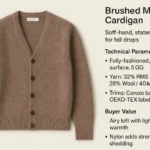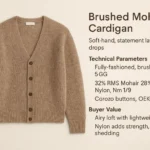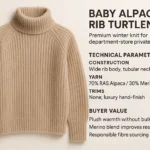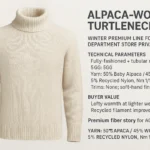
Custom Knitwear Case Studies – From Design to Delivery

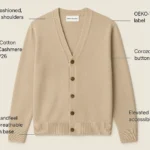
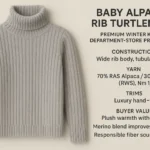
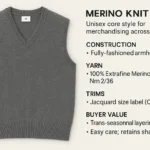
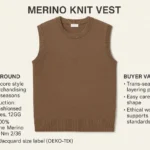
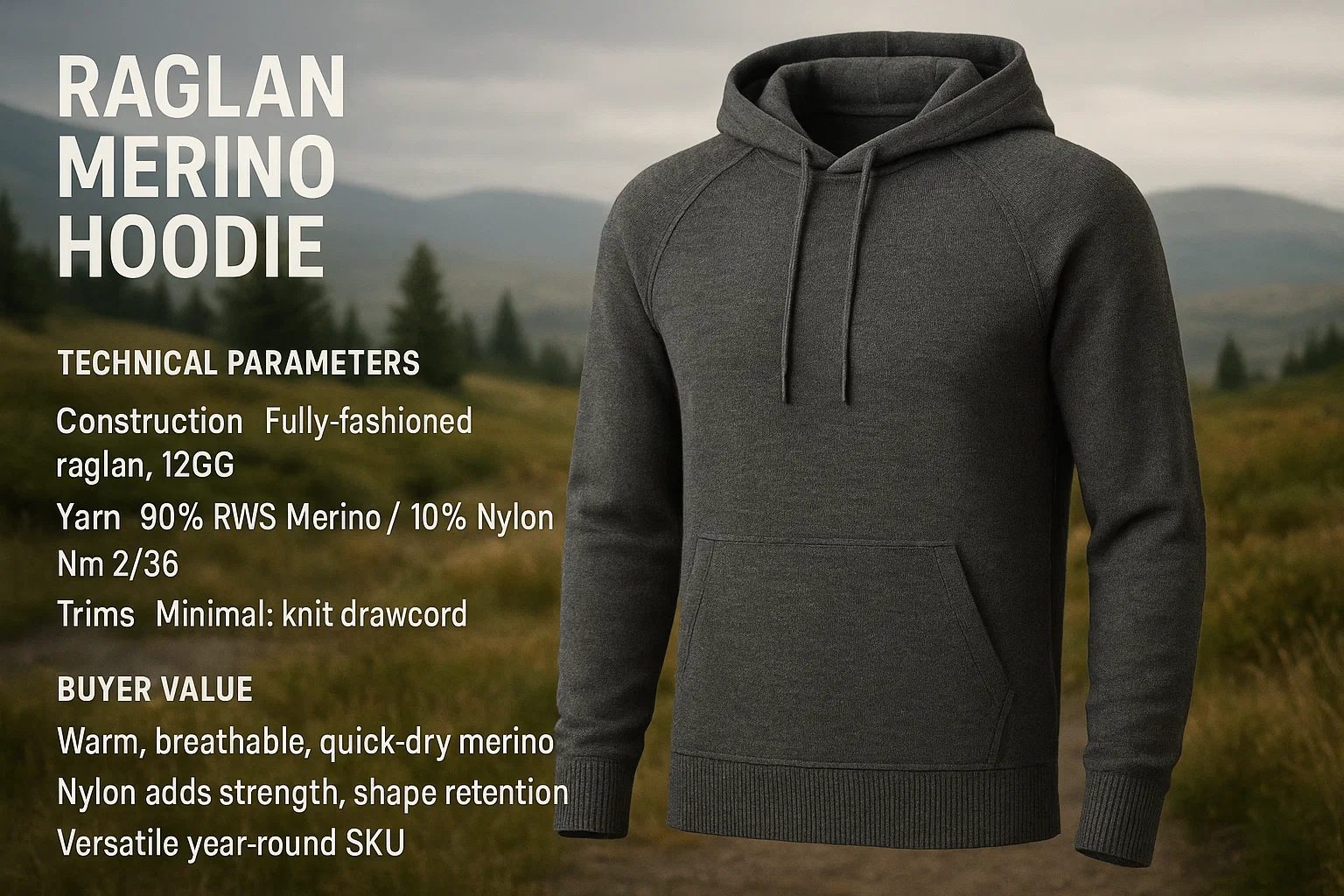
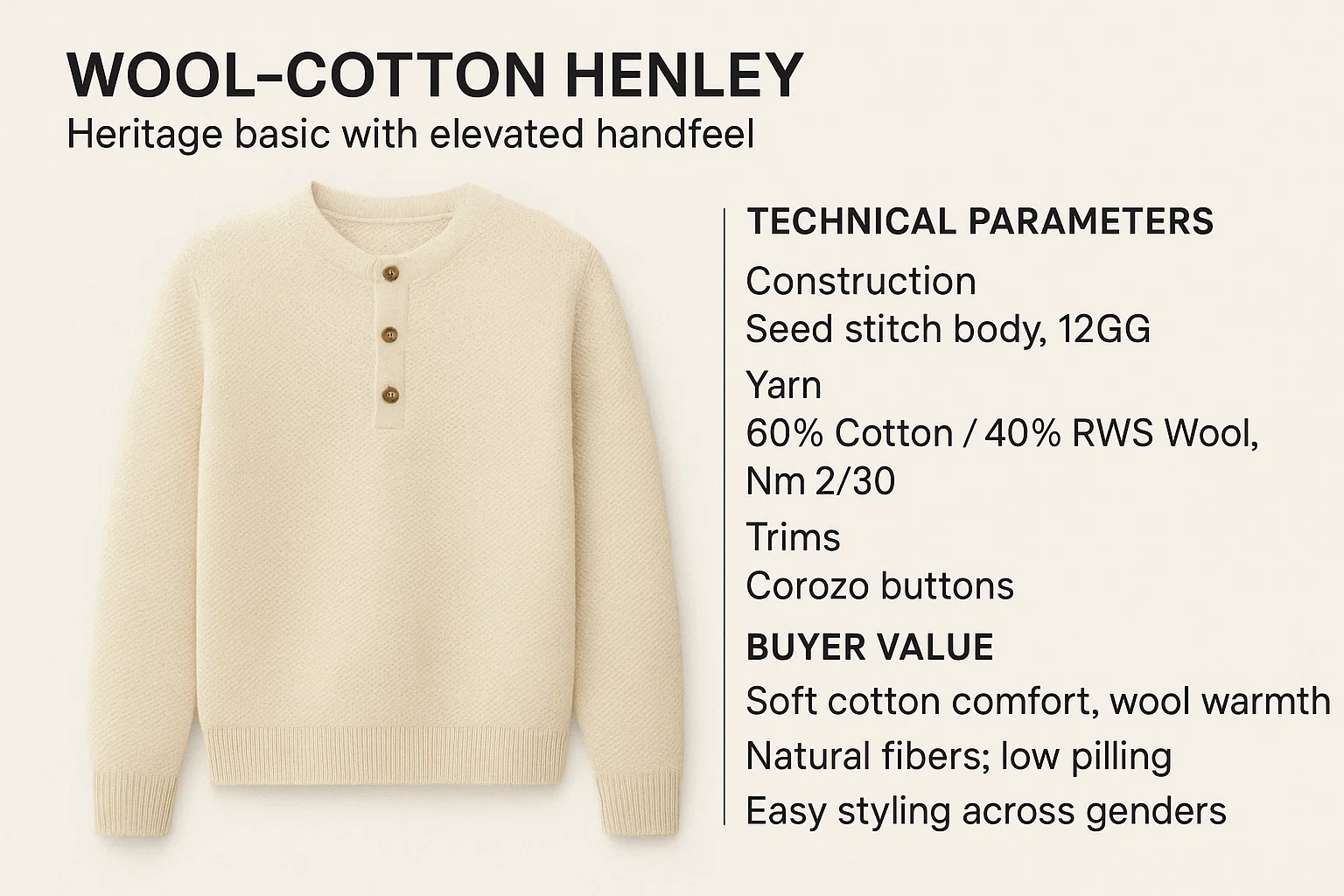
Explore Azknit’s real examples of sweaters, cardigans, and dresses we’ve produced using premium yarn blends for global brands.

Product Catagories

Your Design, Our Expertise

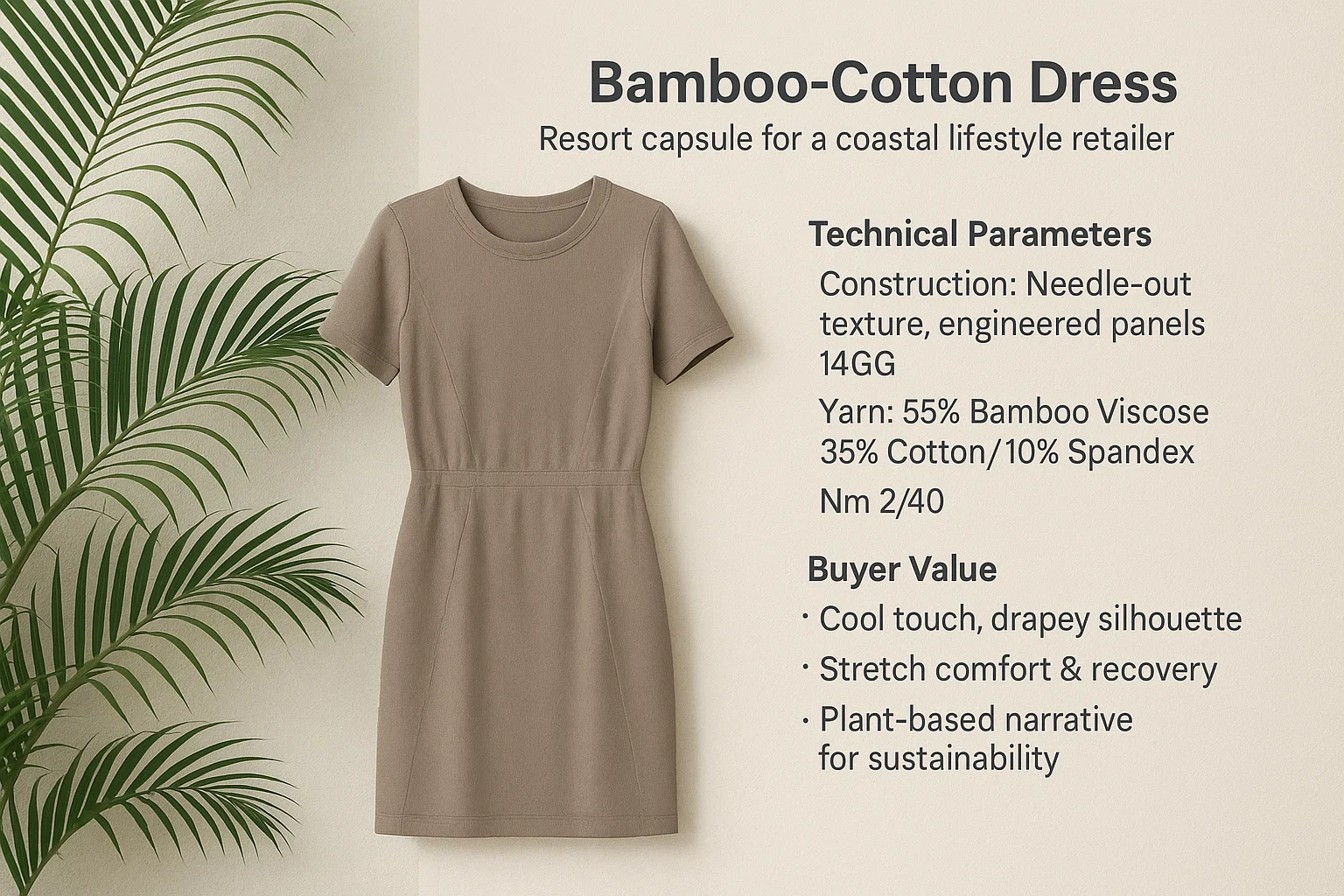
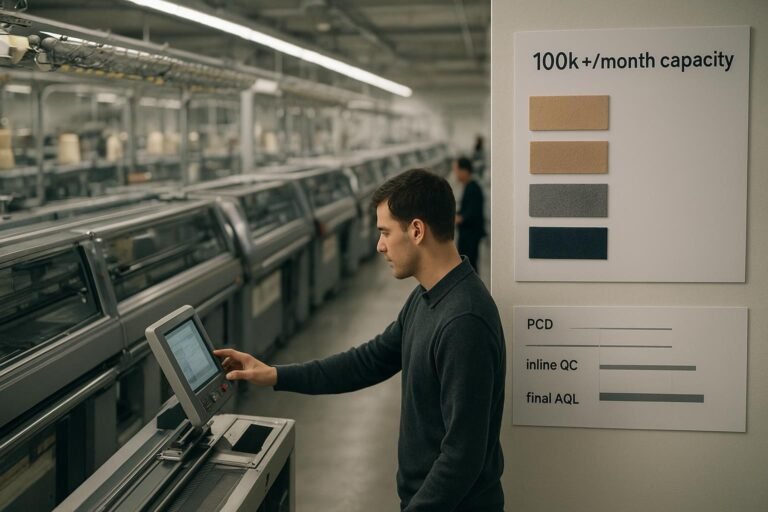
From sustainable bamboo blends to luxury cashmere, our knitwear factory in Dalang delivers high-quality garments tailored to your brand’s needs.

Whether you’re building a seasonal collection or a timeless core line, we bring your ideas to life with precision.

Share Your Tech Pack

Send us your tech pack, sketch, or reference photo to kickstart your project.

We’ll return a precise quotation within 24 hours, prepare samples in 3–5 days, and deliver bulk in 3 weeks (MOQ 100; flexible for new designs).

❓ FAQs: Knitwear – Knitting Types, Methods & Yarn Blends

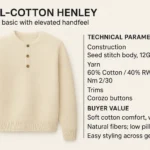
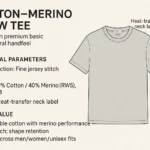
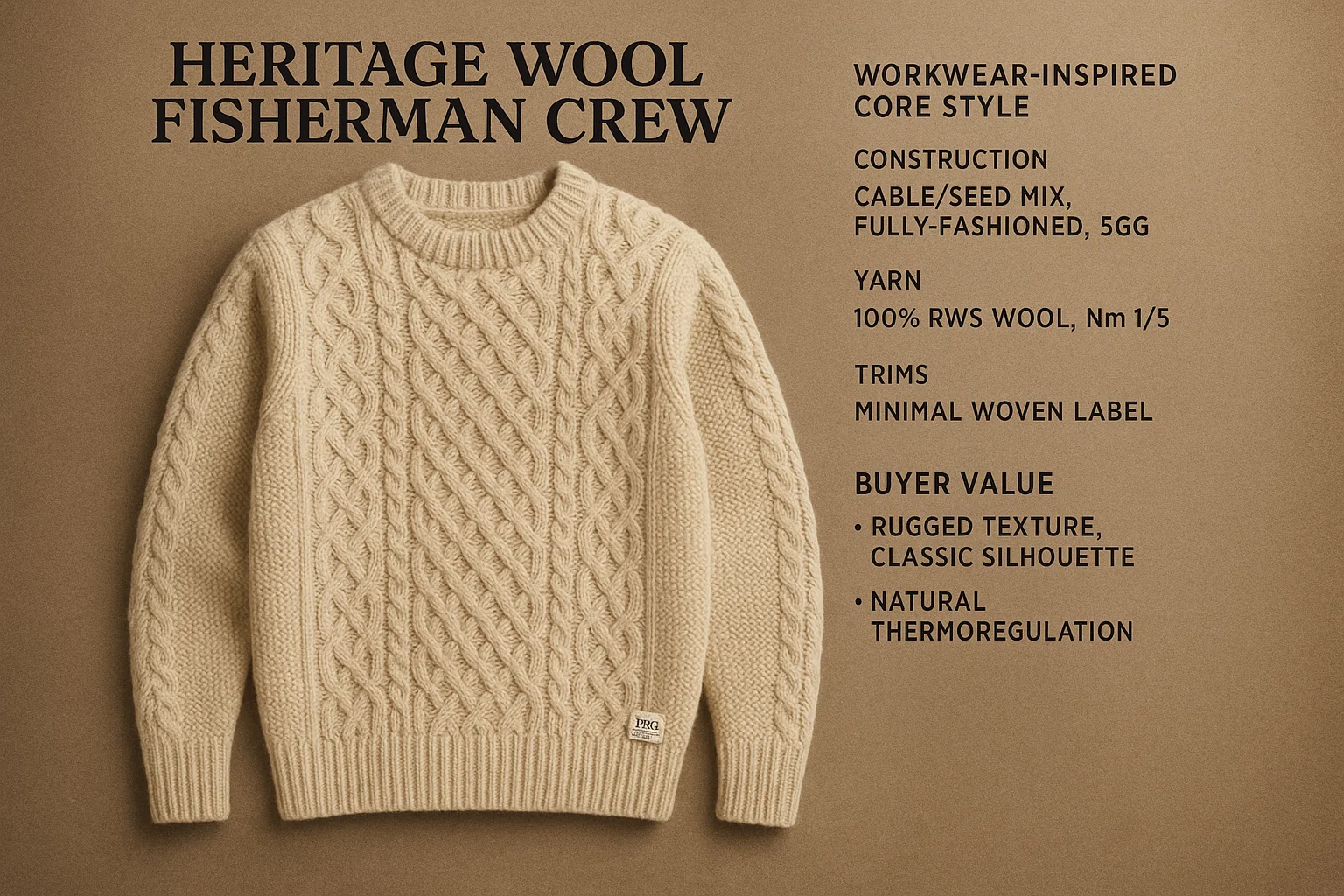
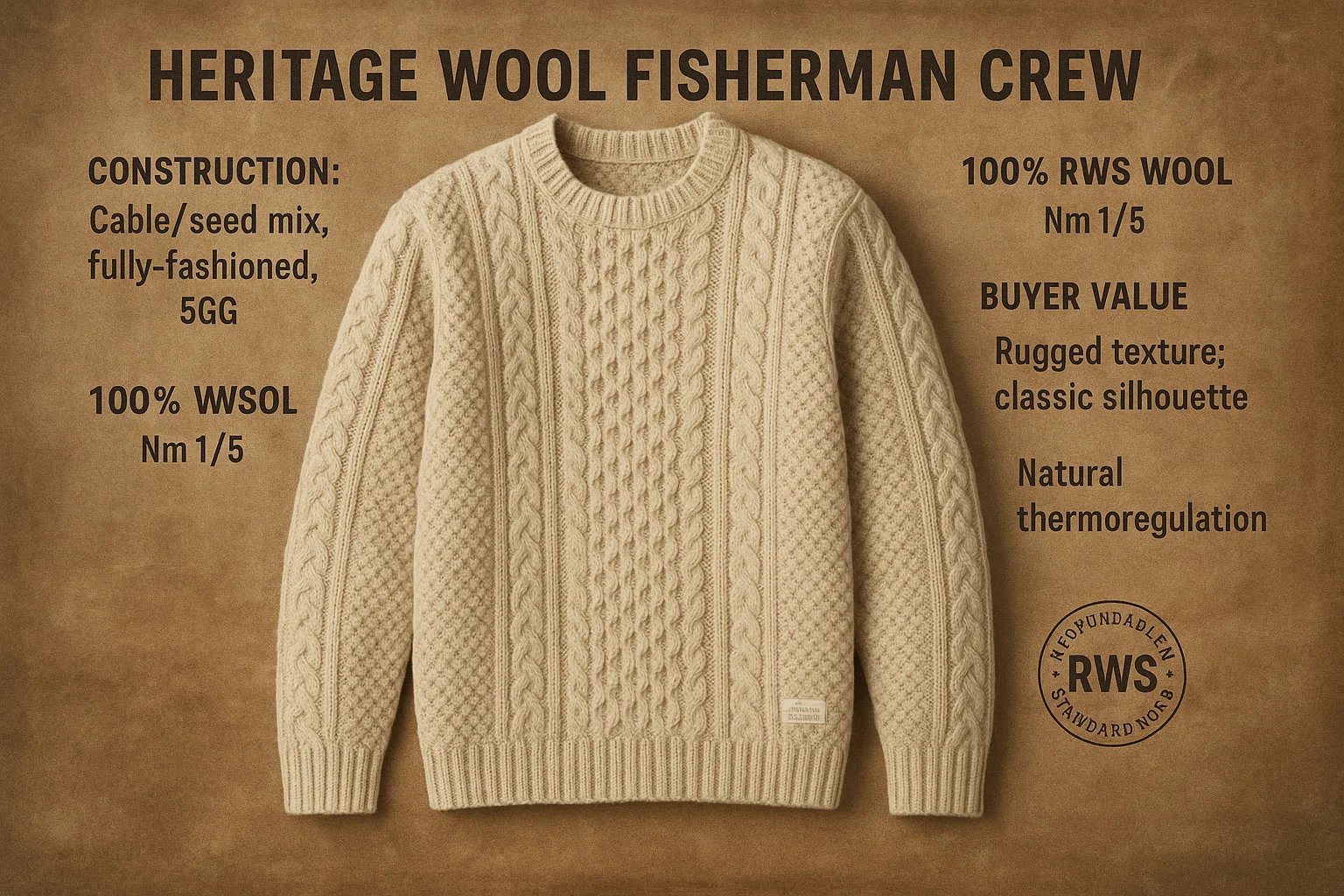
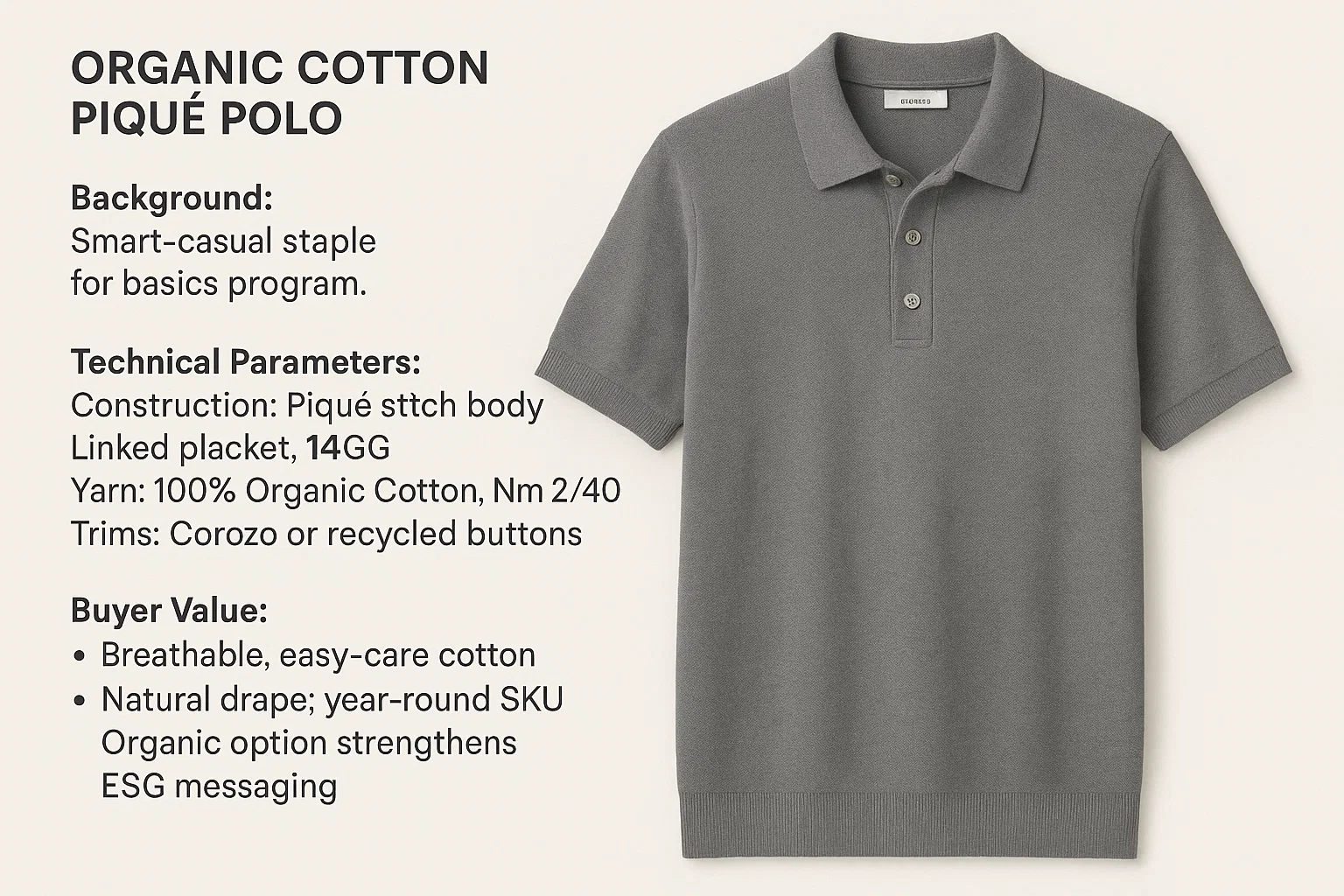
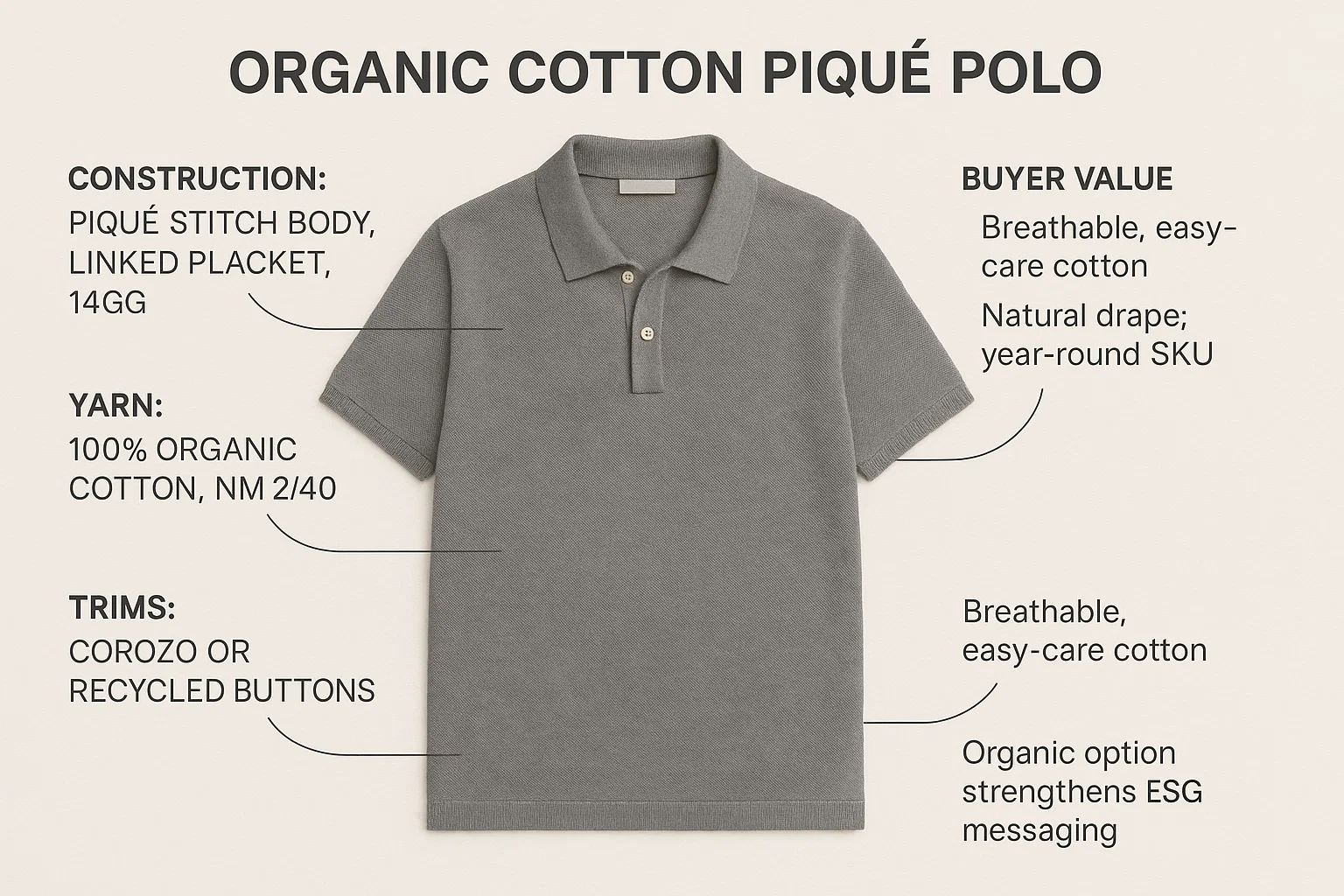
Popular stitch types include jersey, rib, cable, jacquard, intarsia, and links-links. Each stitch type creates a unique texture and performance, from chunky rib sweaters for retail chains to fine-gauge jacquards for luxury knitwear brands.

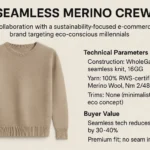
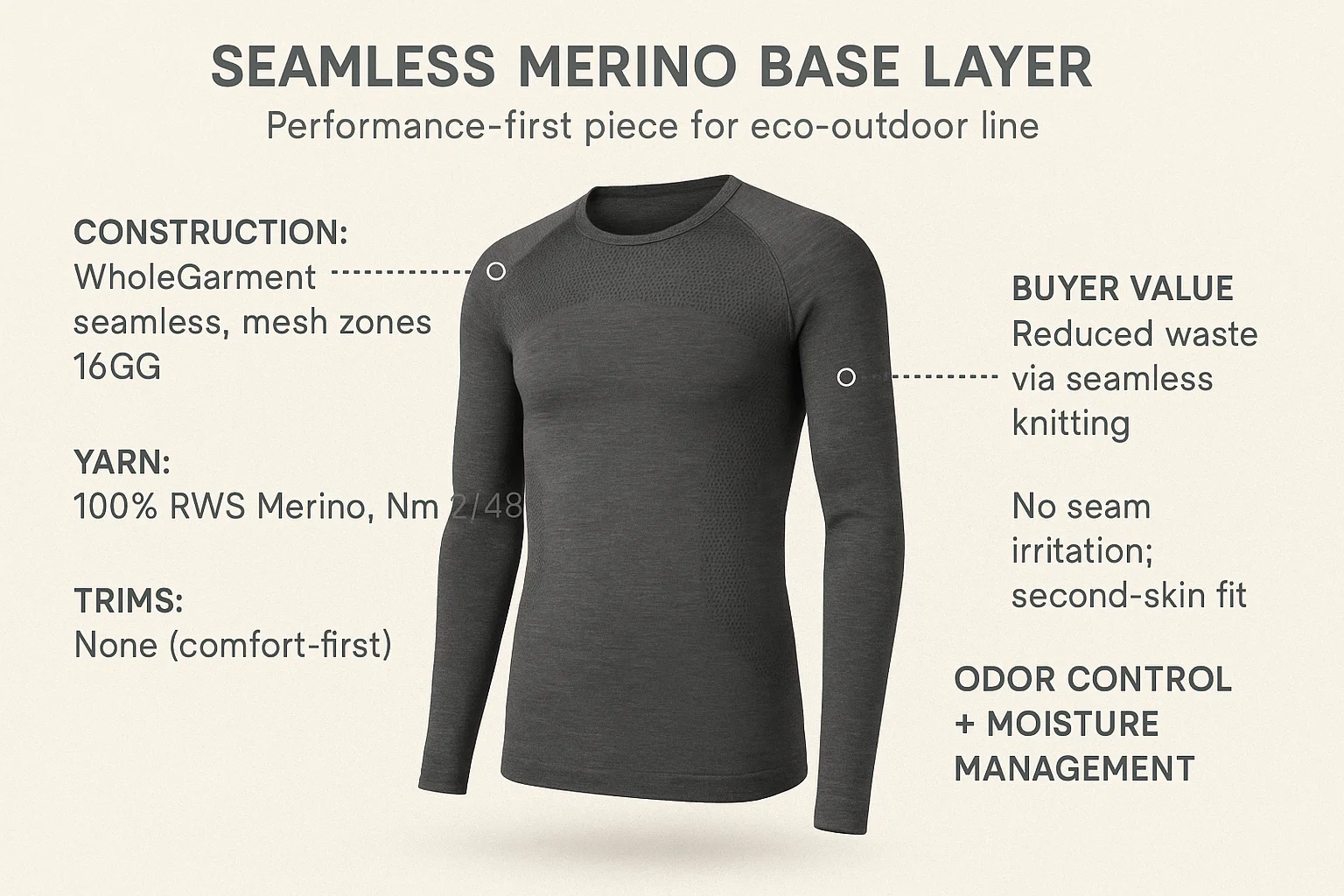
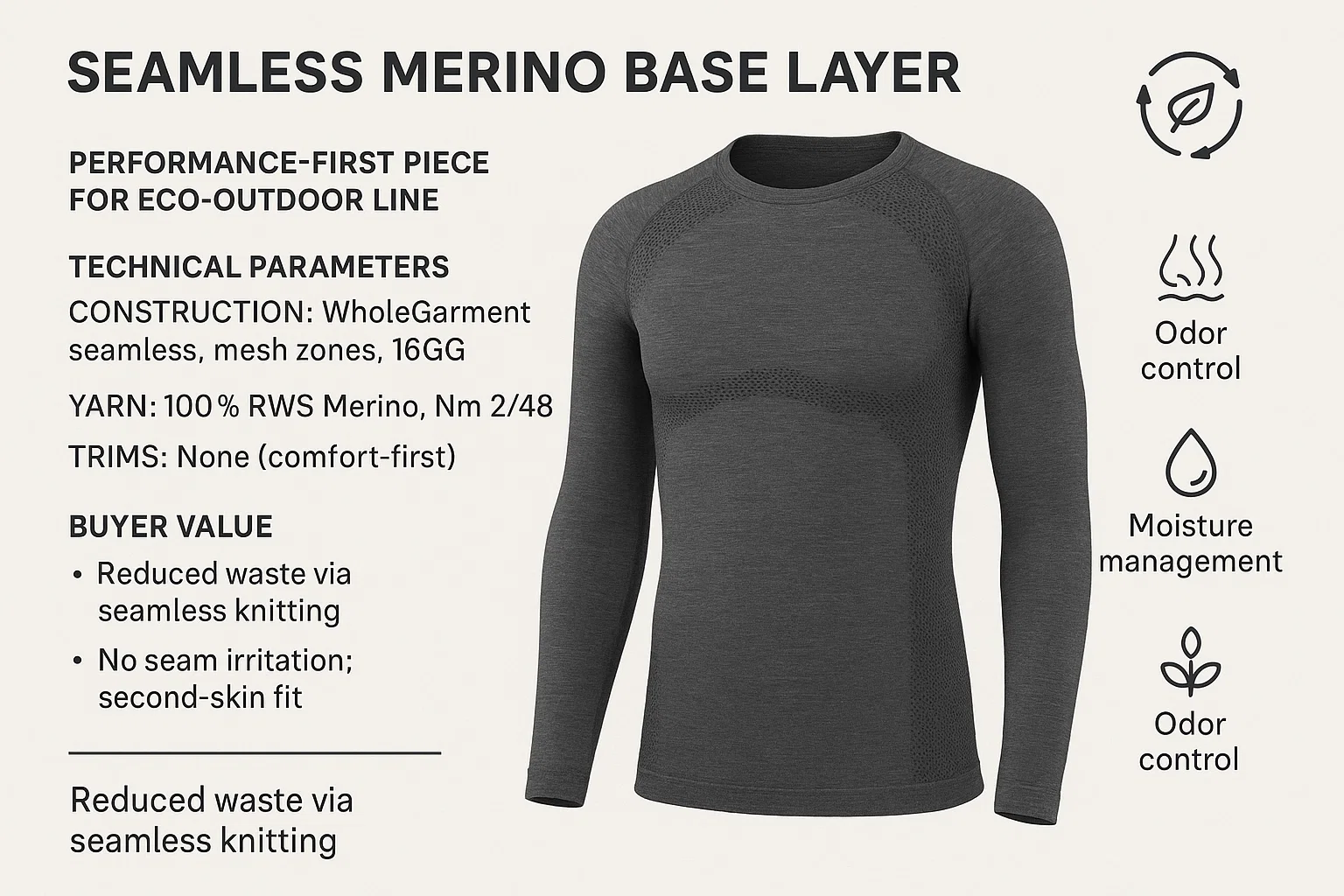
Flat knit allows versatility in sweaters and cardigans, circular knit is ideal for tops and dresses, while seamless knitting delivers comfort and waste reduction. B2B buyers choose methods based on cost efficiency, durability, and brand positioning.

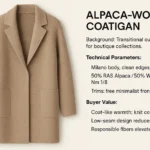
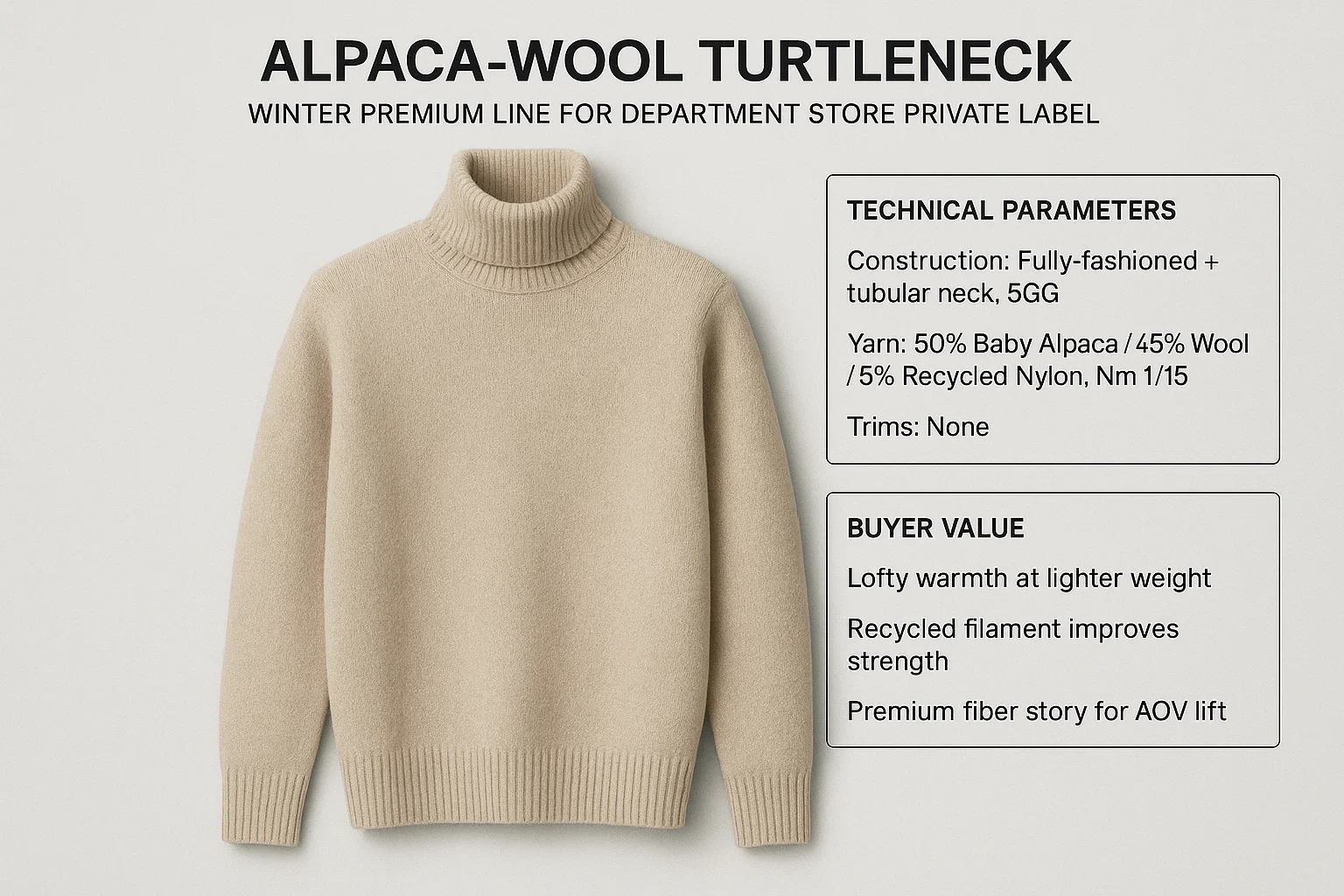
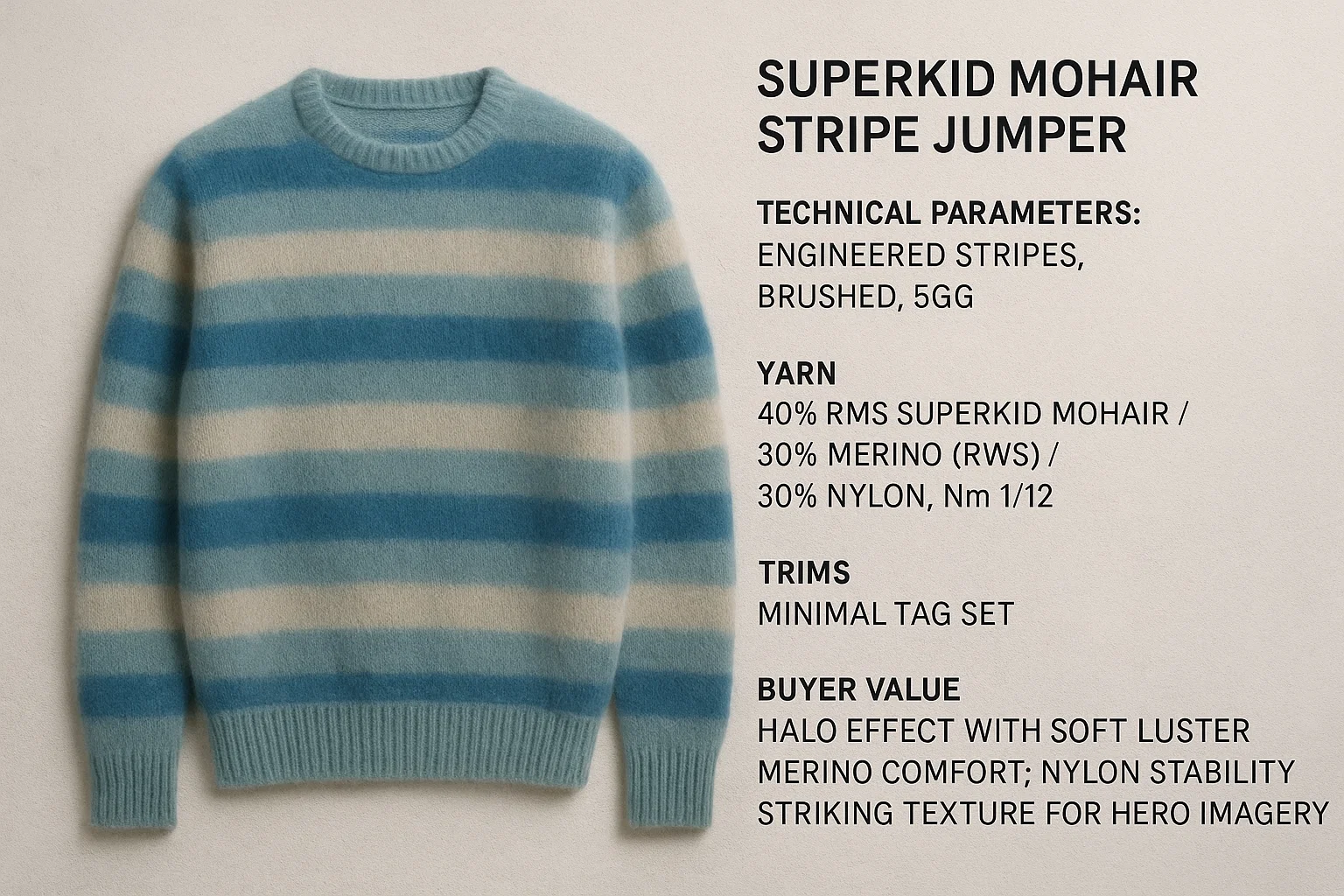
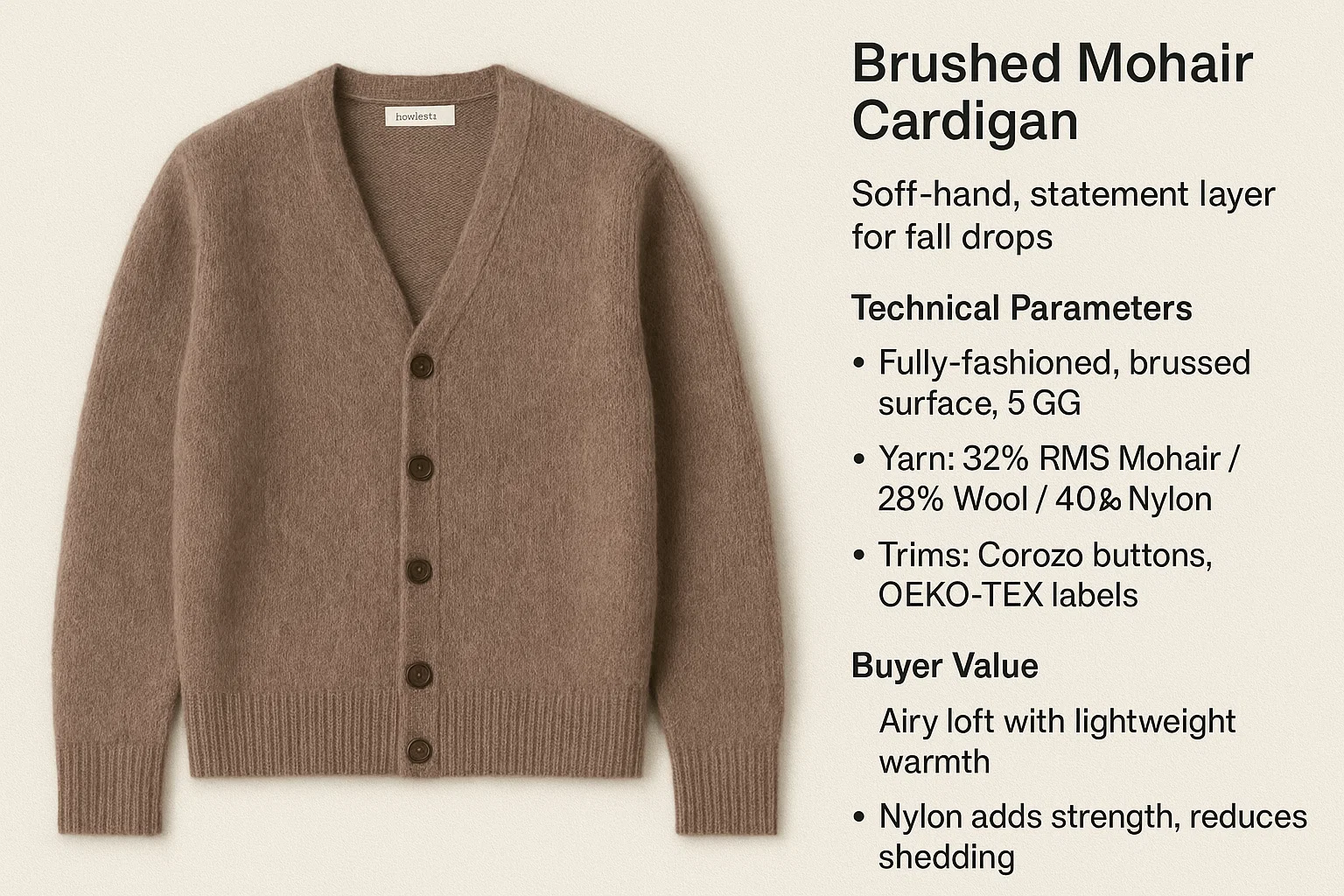
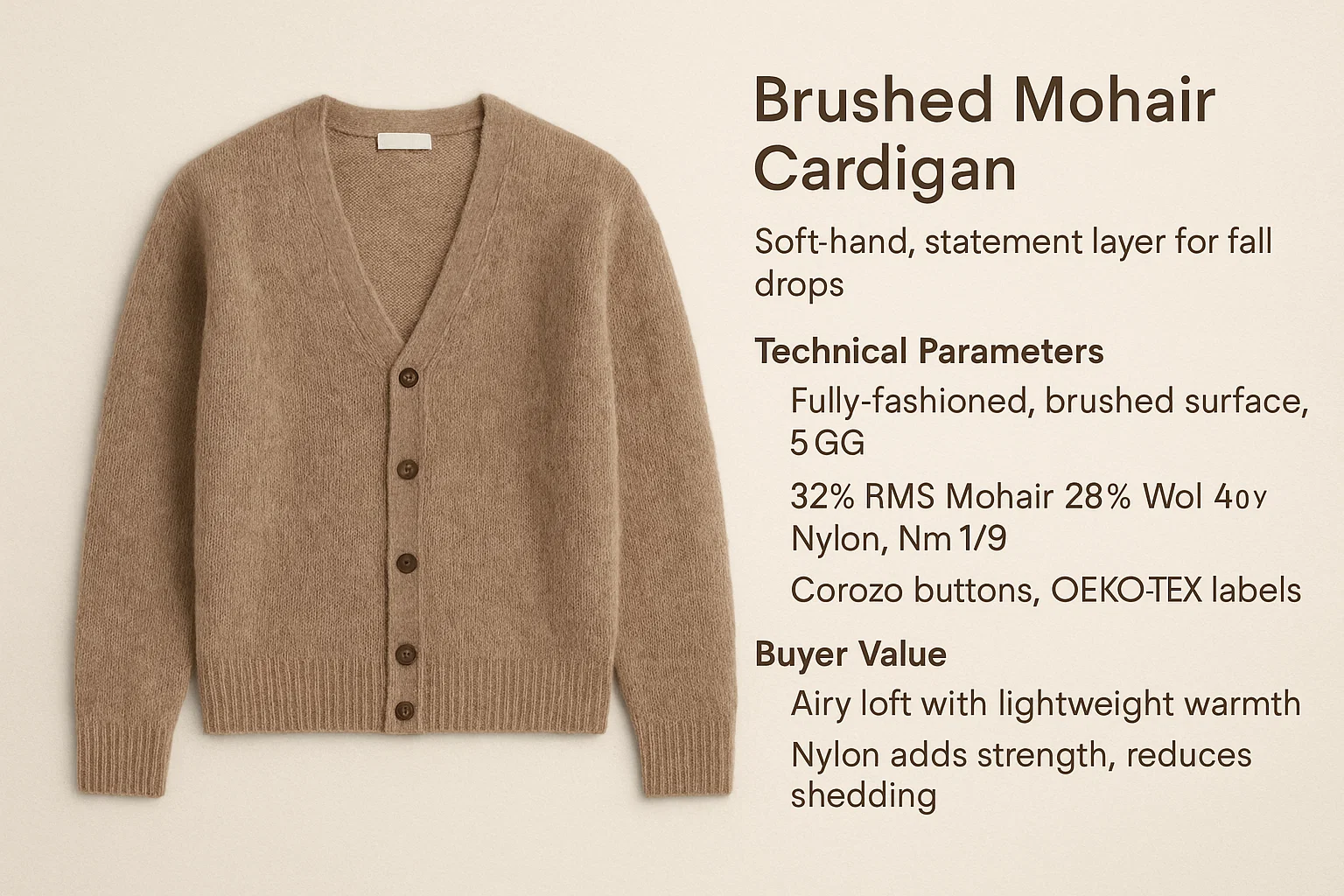
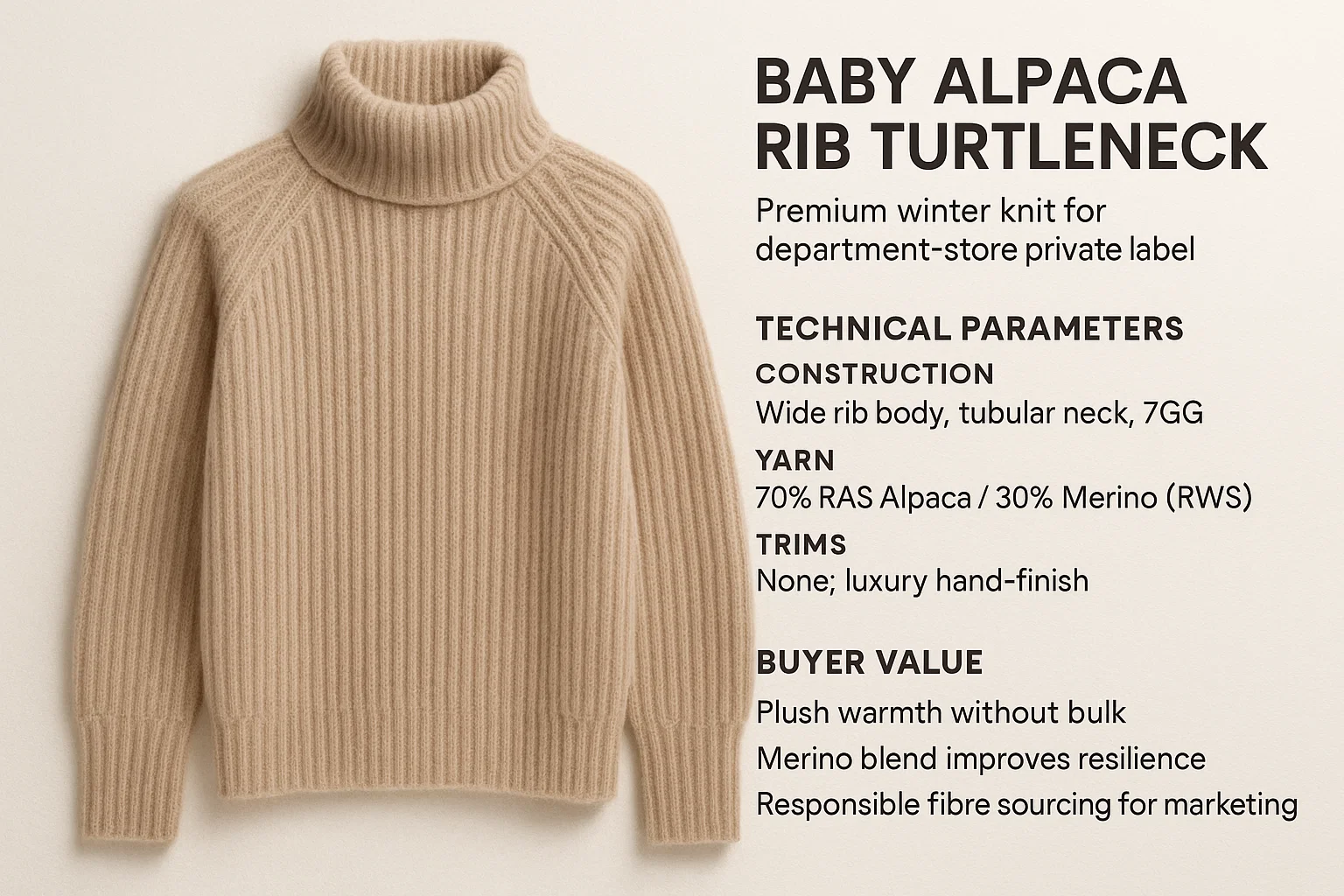
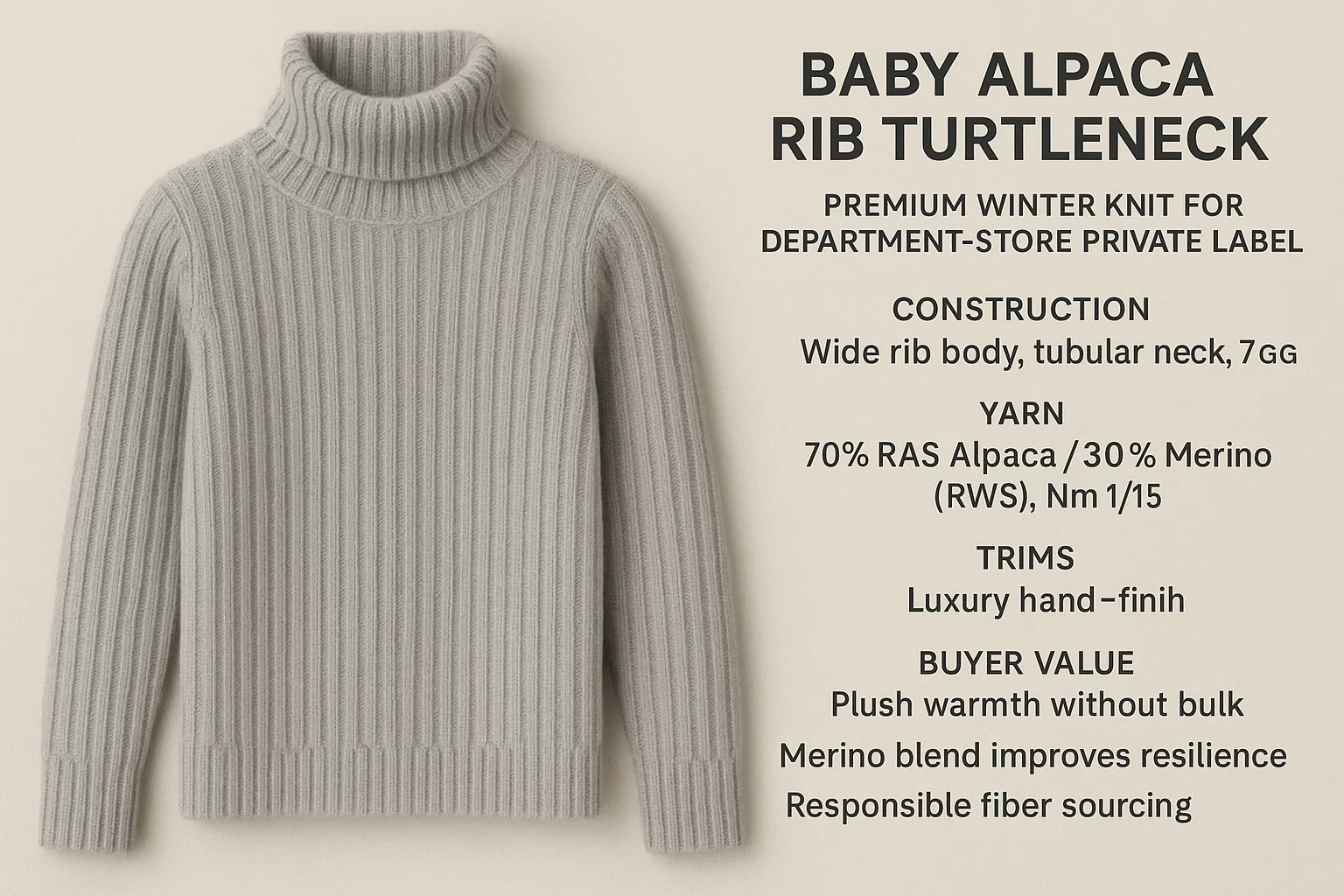
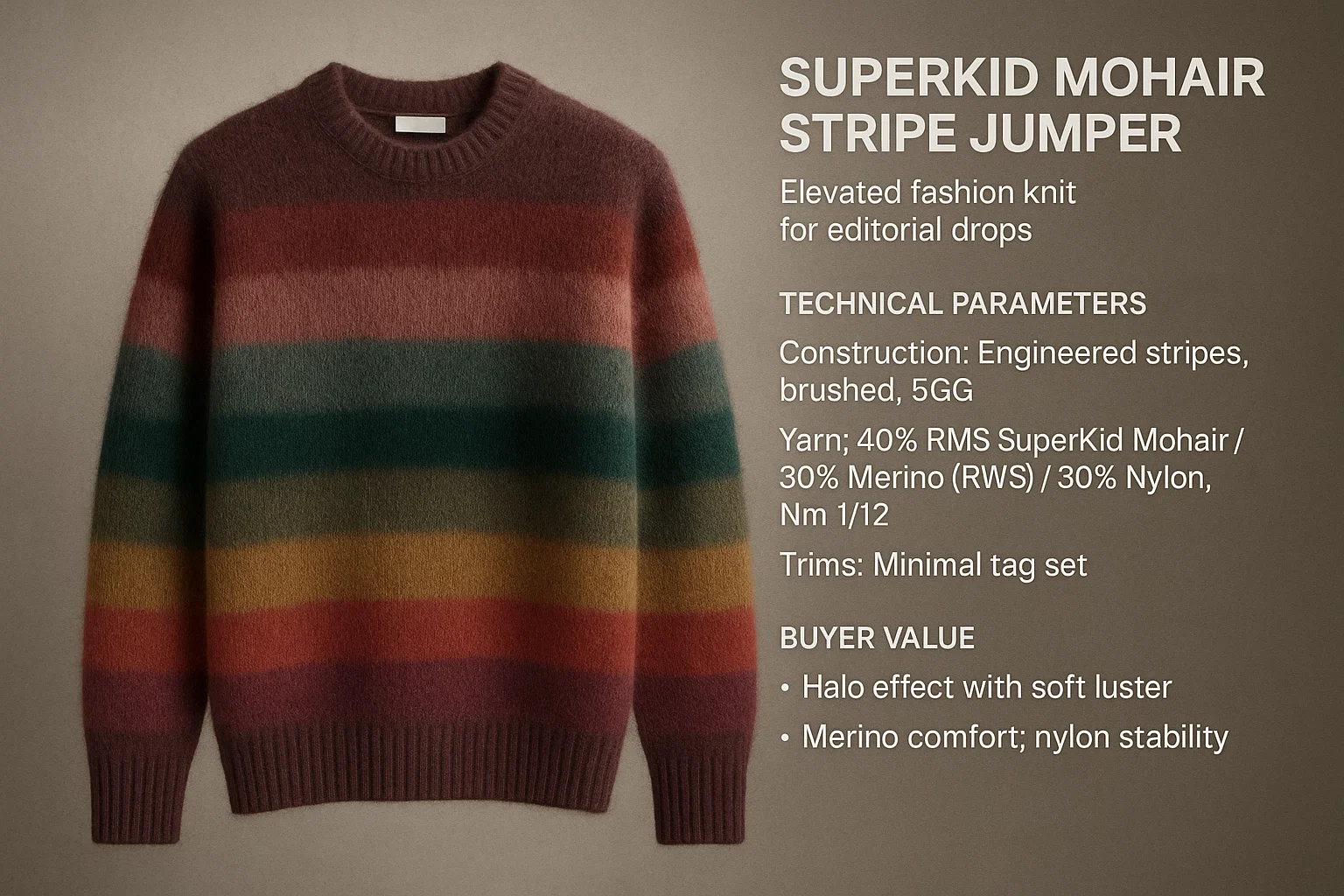
Luxury collections often use cashmere/merino blends, silk/wool blends, and alpaca/mohair mixes. These provide premium softness, drape, and warmth, making them ideal for luxury sweaters, polos, and fashion-forward cardigans.

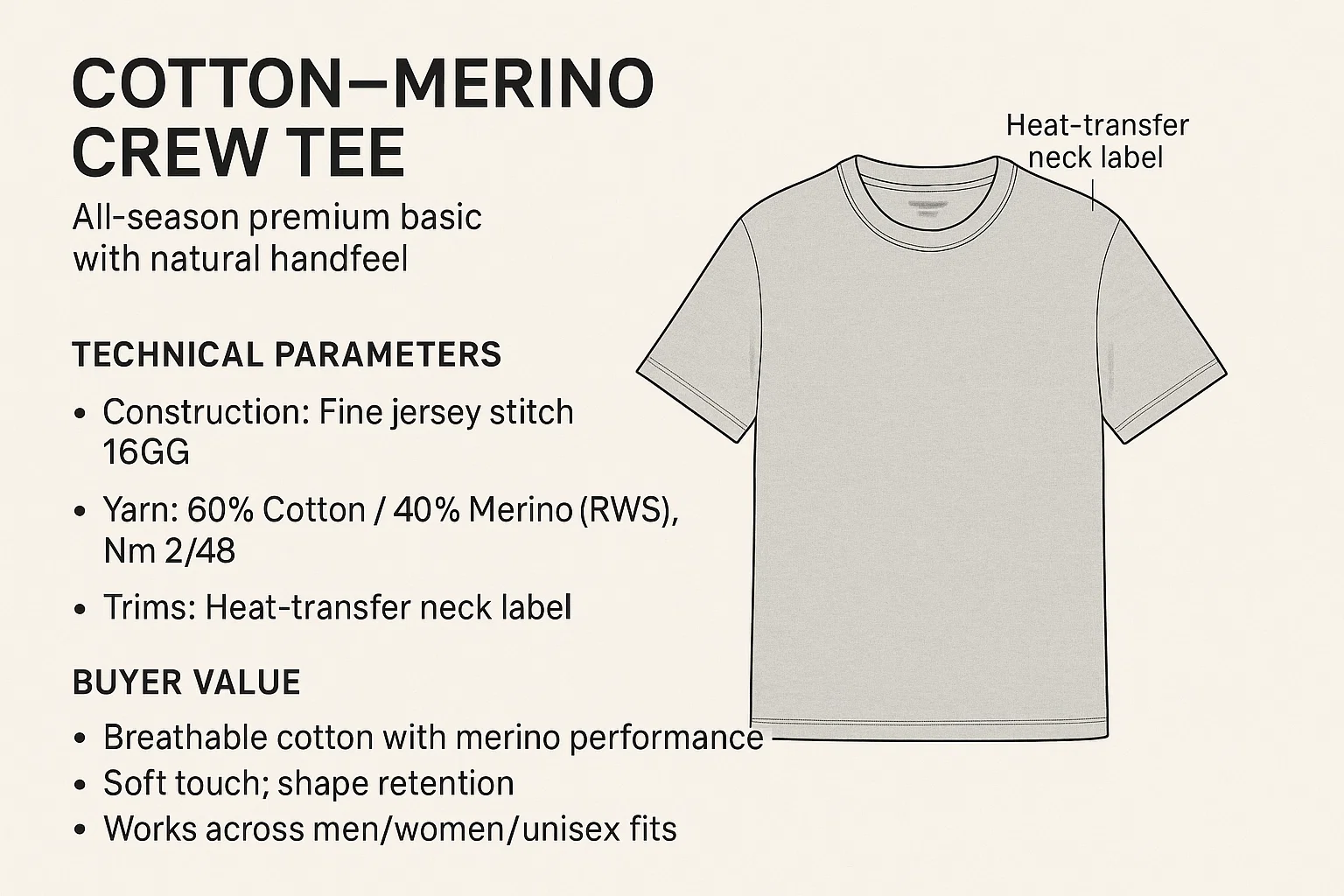
Yes. Combining jacquard or intarsia patterns with blends like cotton/nylon or wool/cashmere allows brands to create unique textures, weight balances, and price points, giving flexibility across multiple market segments.

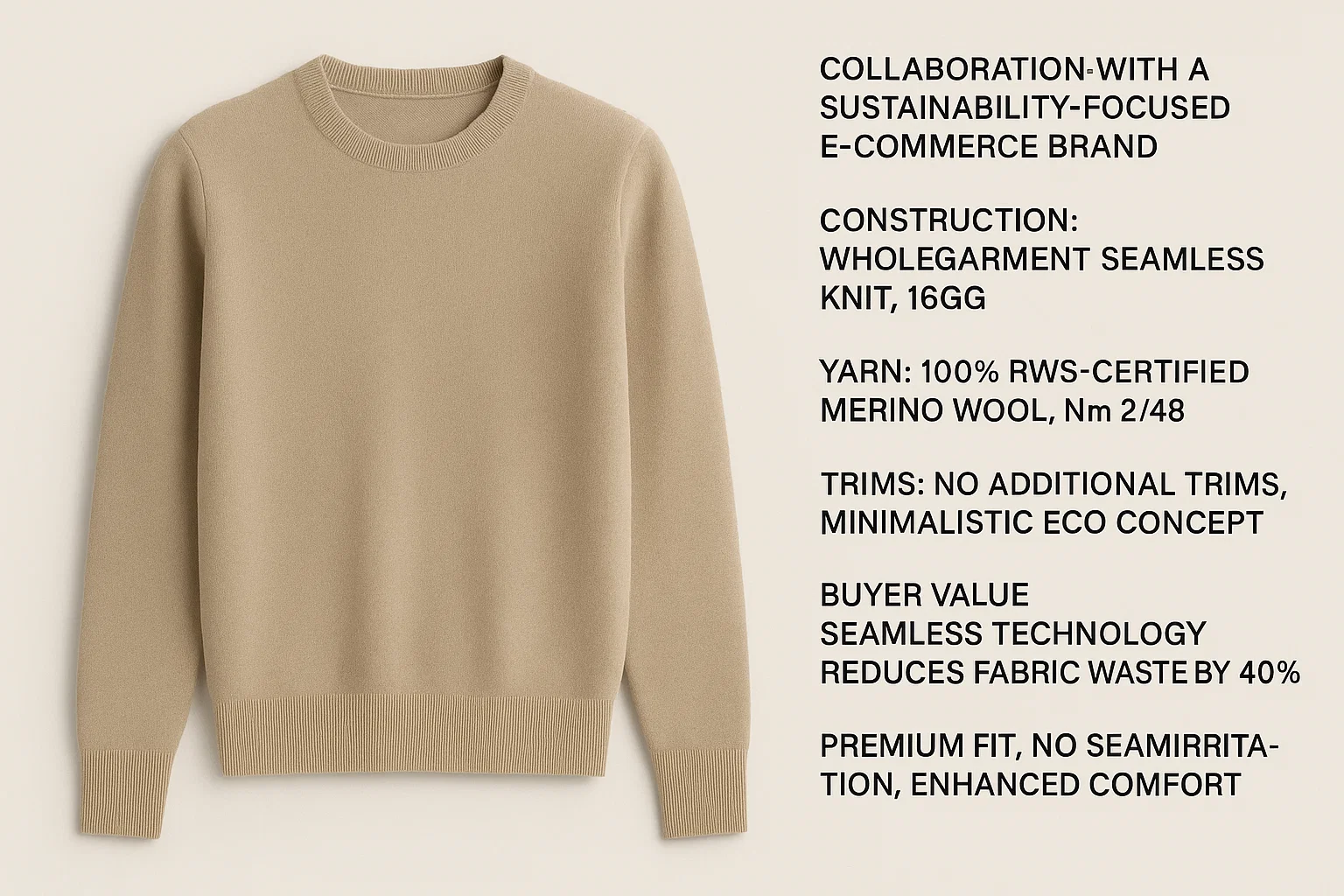
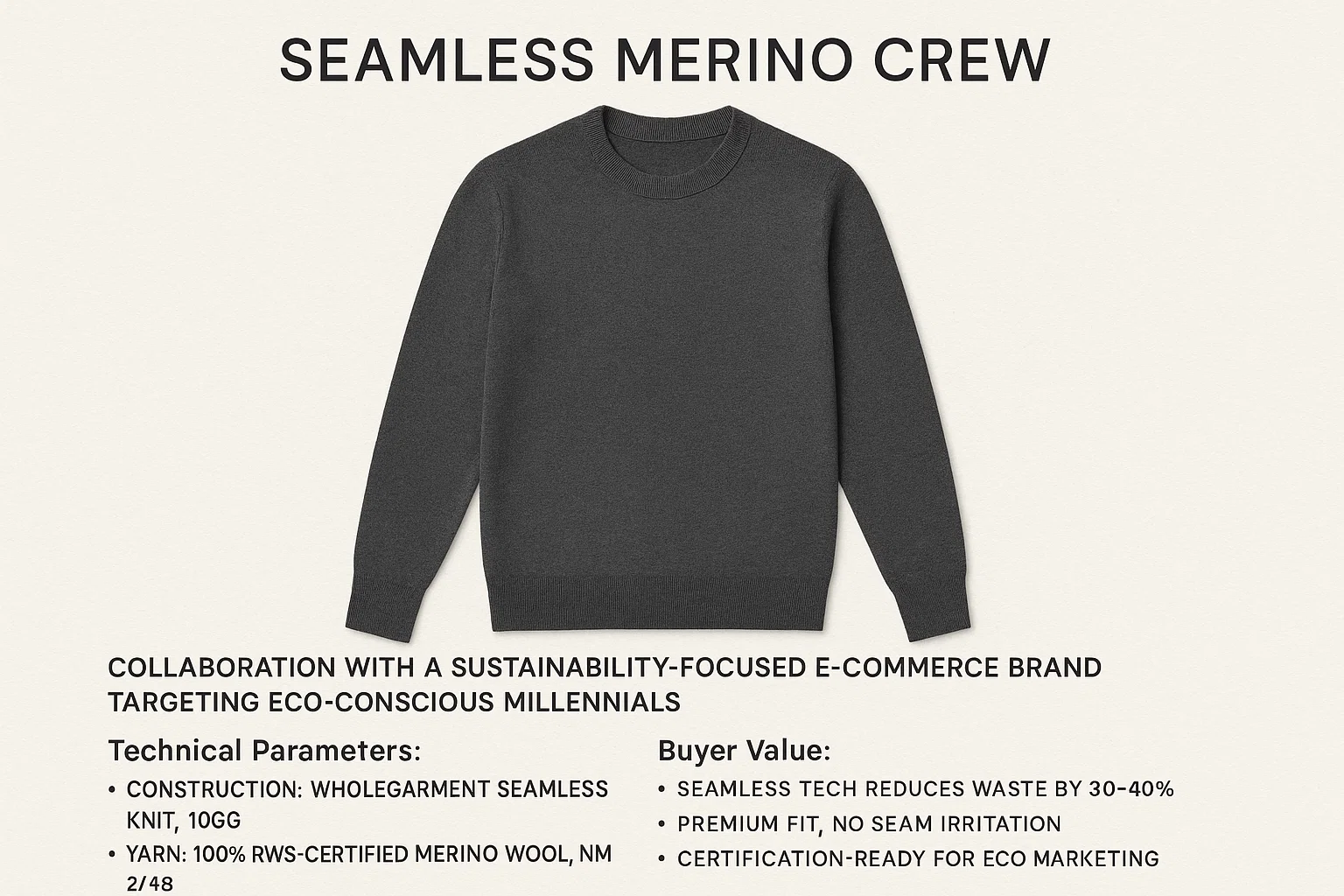
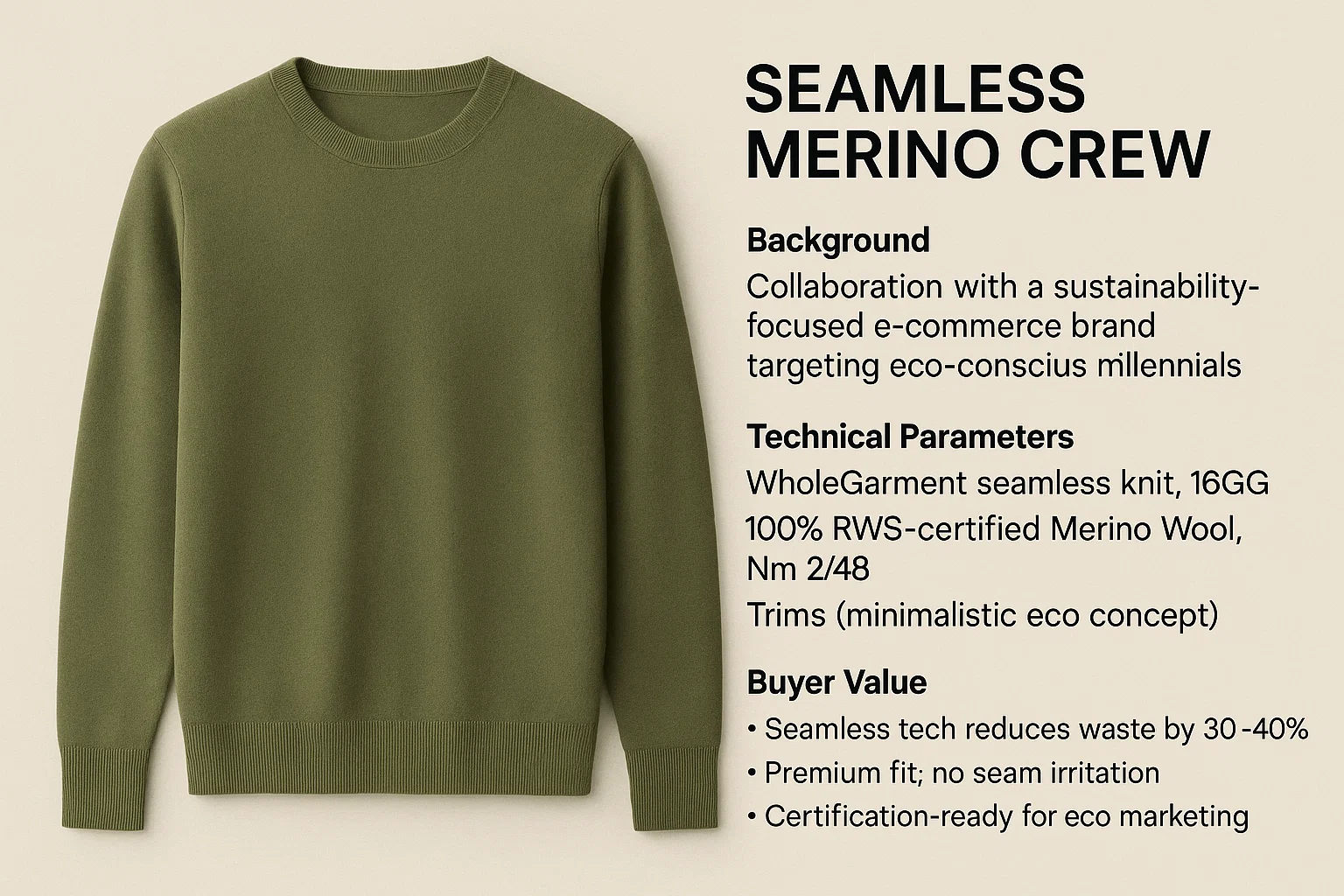
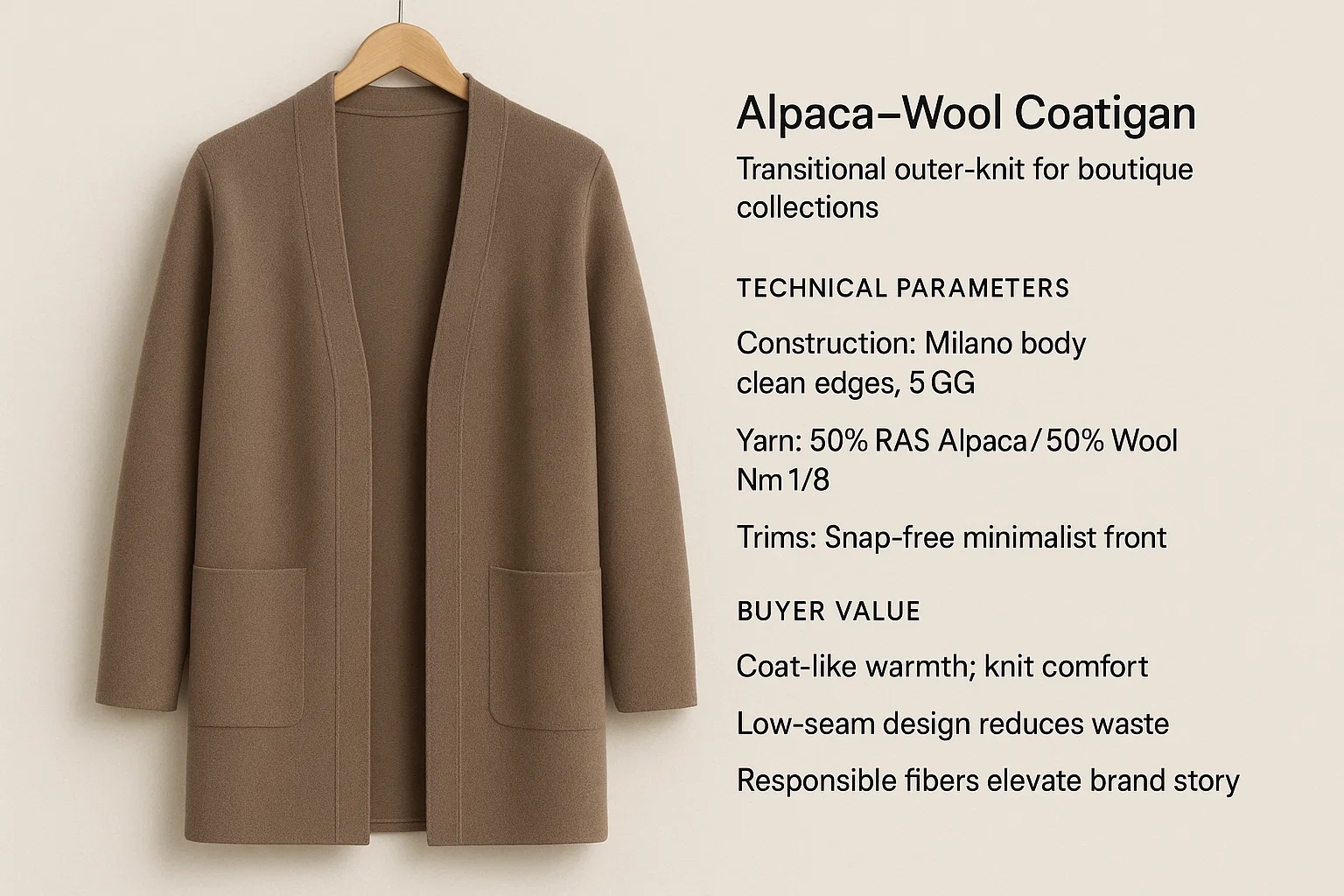
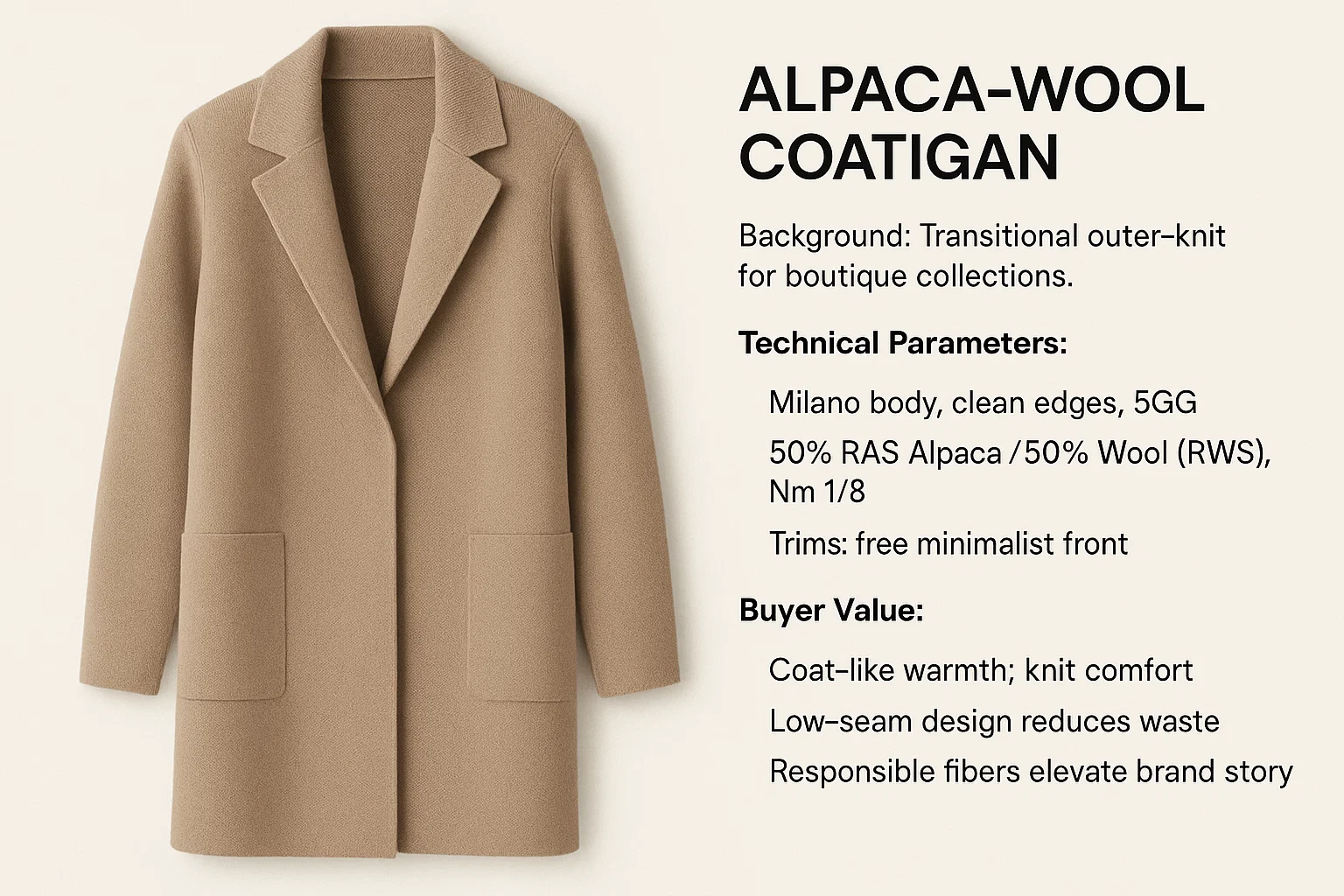
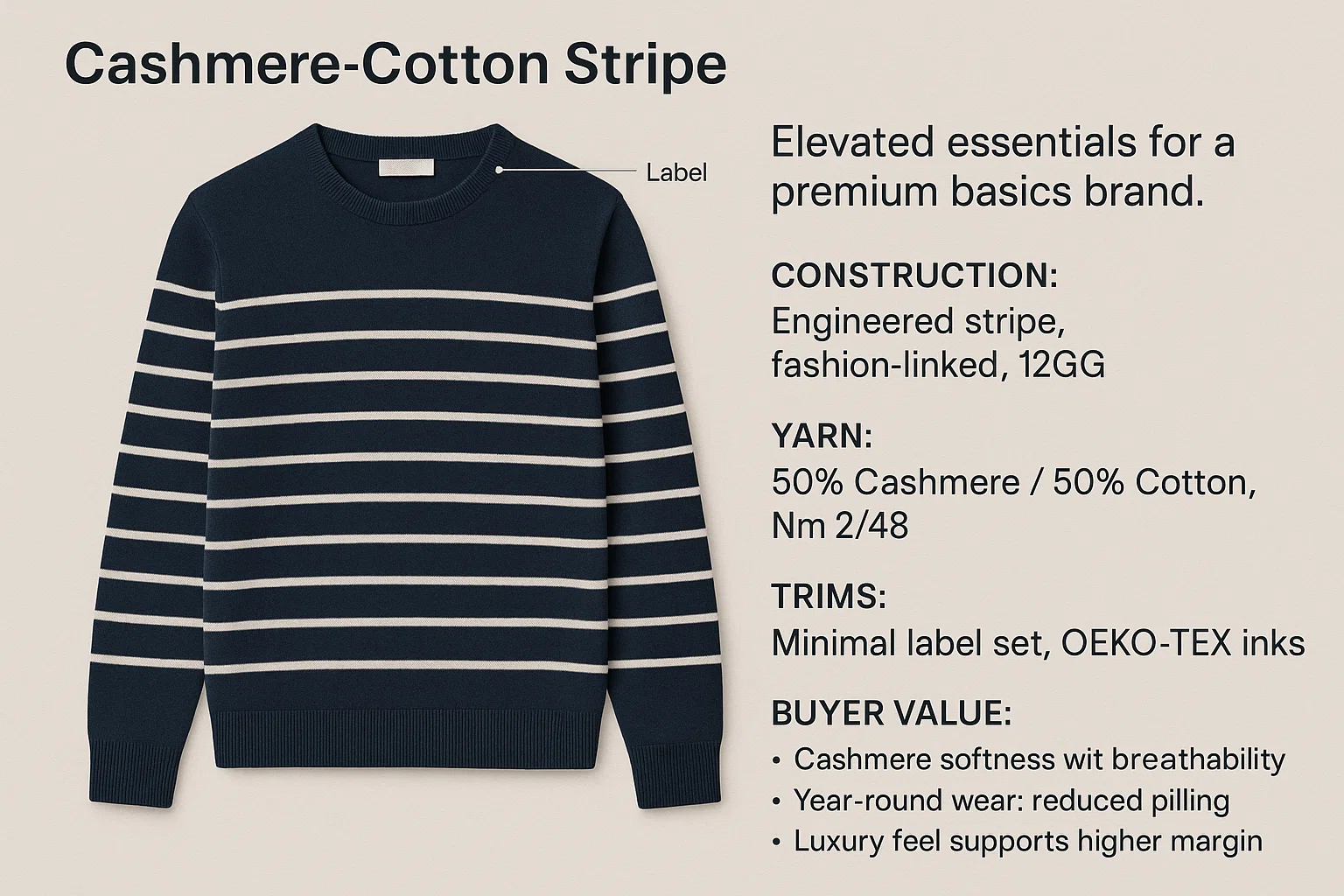
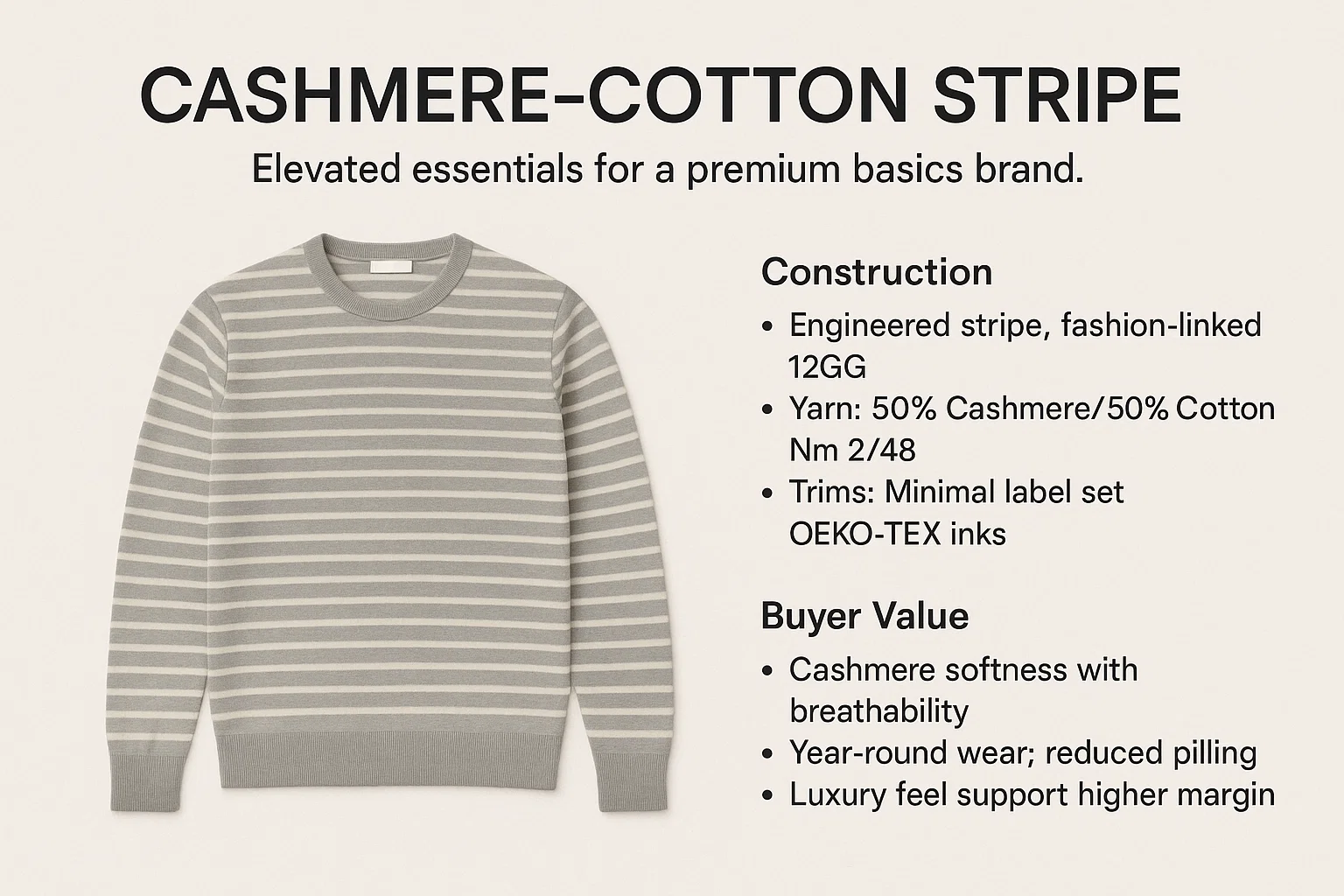
Yarn count defines thickness, while stitch type defines fabric density. For example, Nm 2/48 with links-links produces a fine-gauge luxury sweater, while Nm 1/8 with cable knit creates a heavy chunky cardigan. This balance is critical for OEM buyers setting specs.

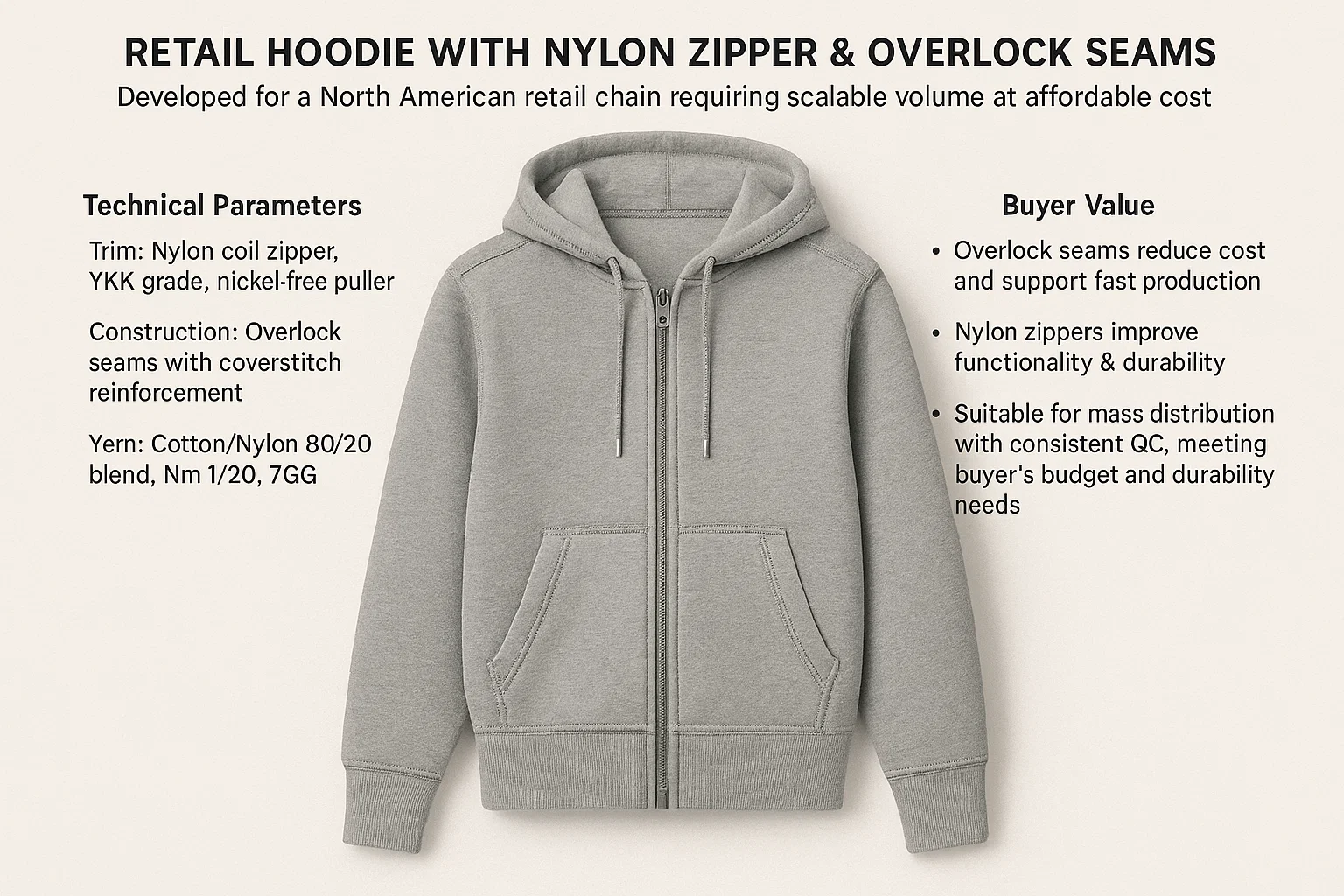
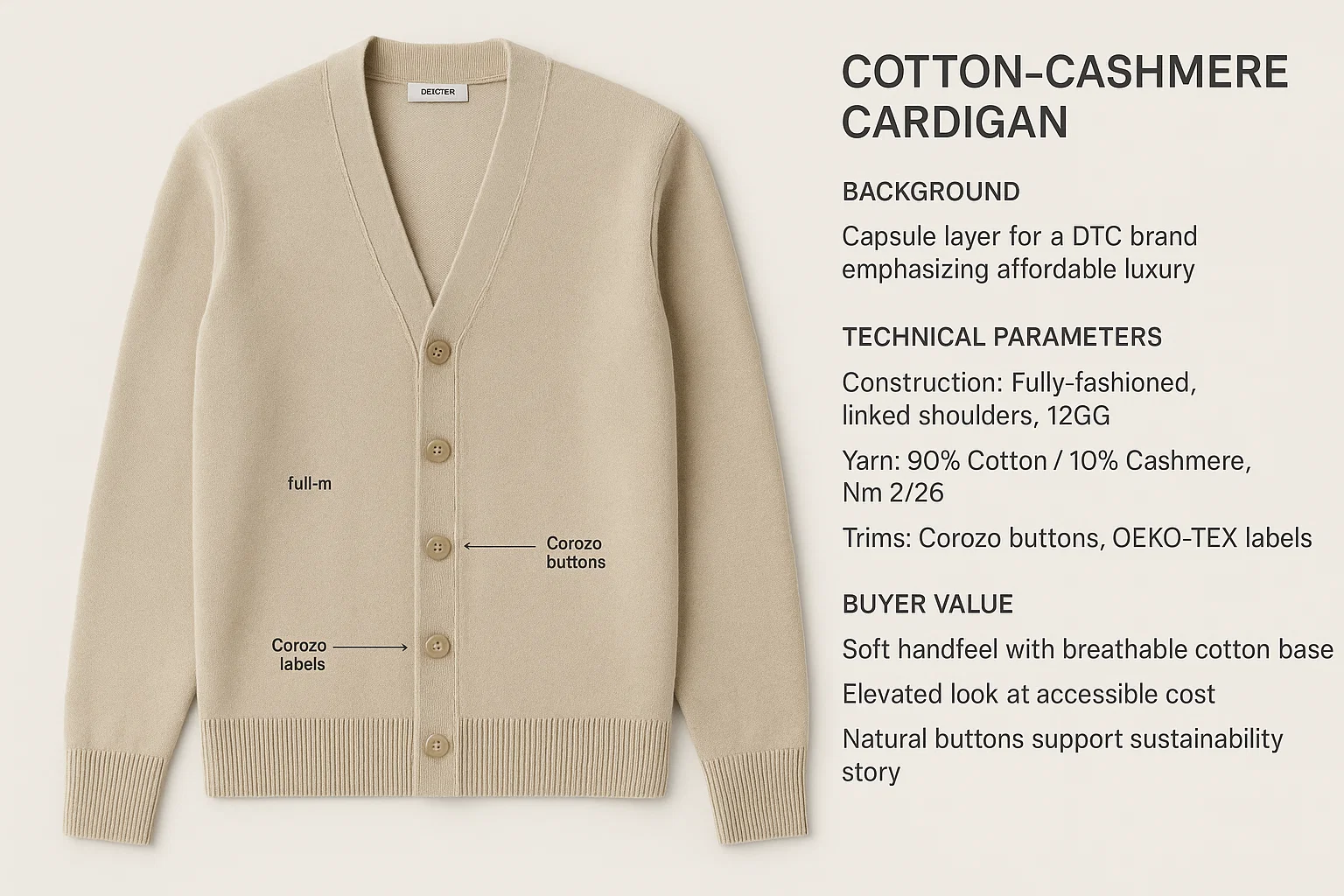
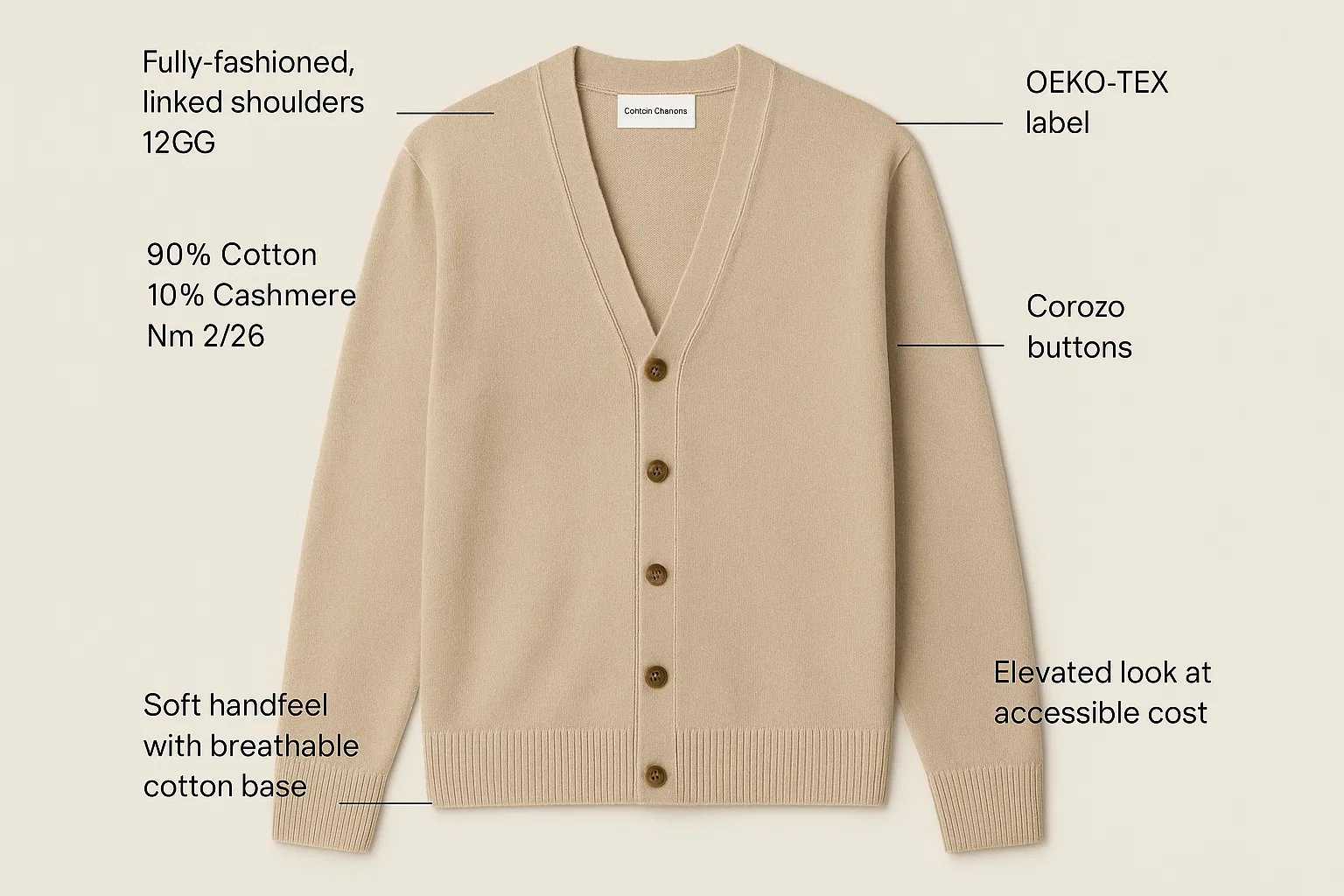
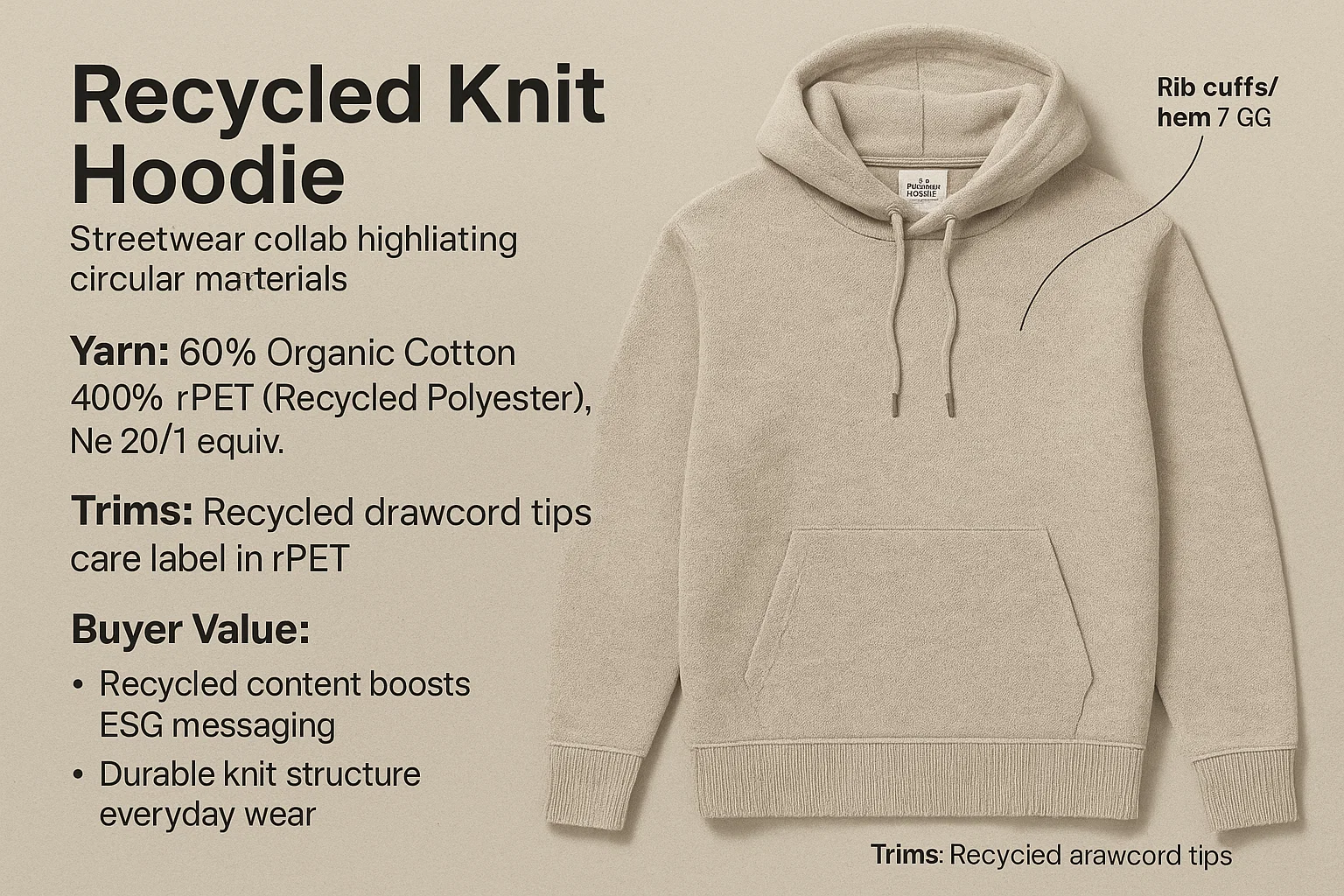
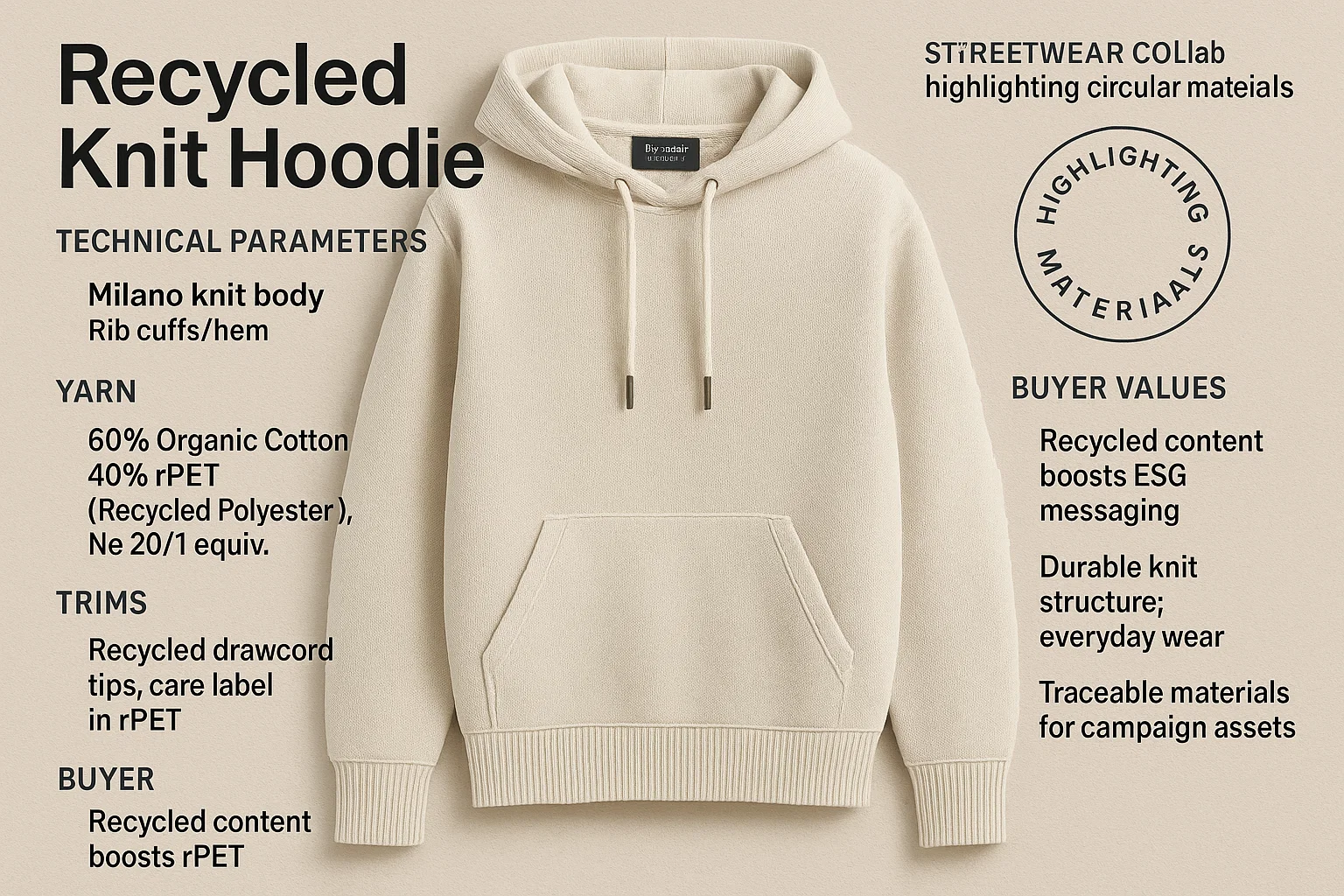
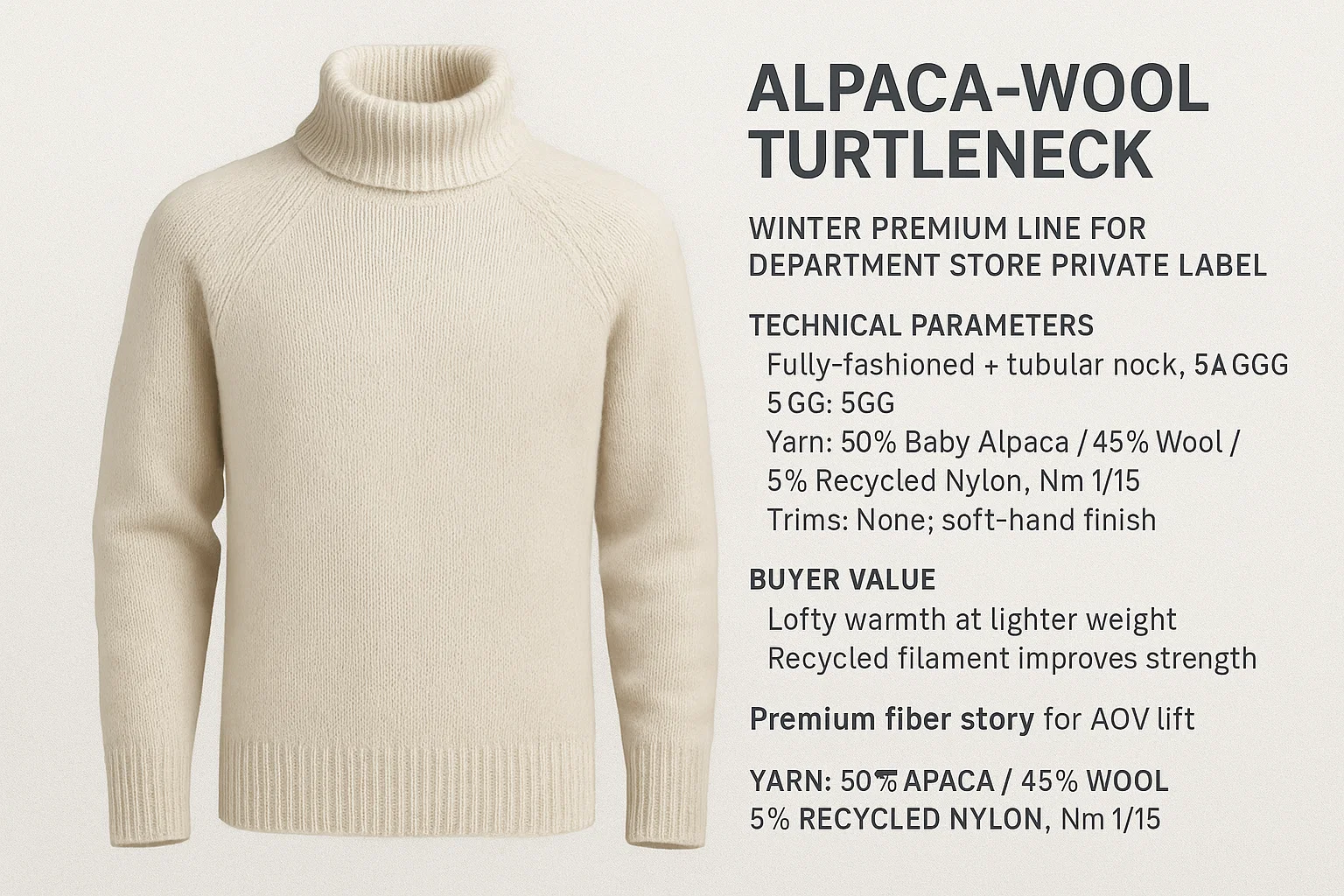
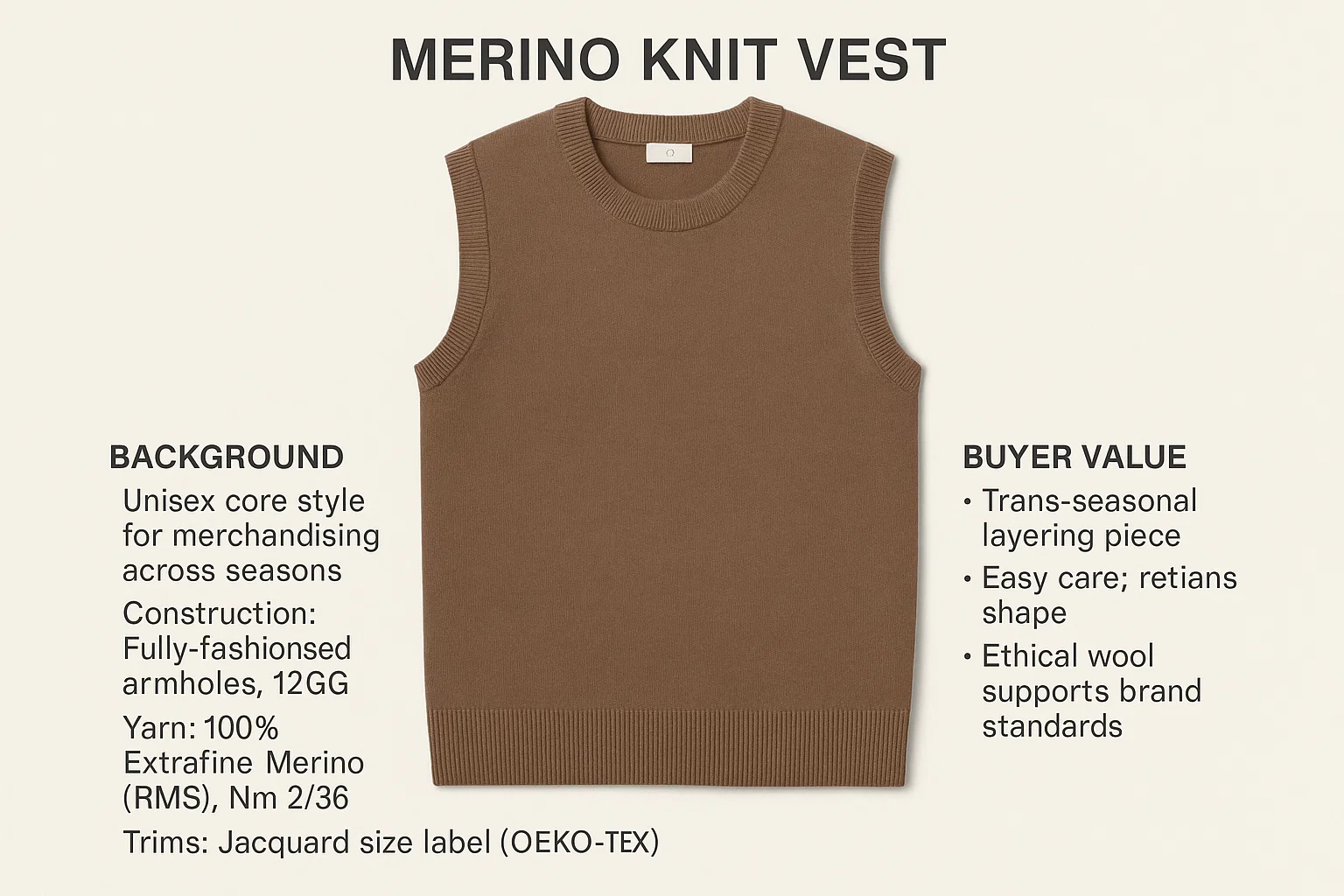
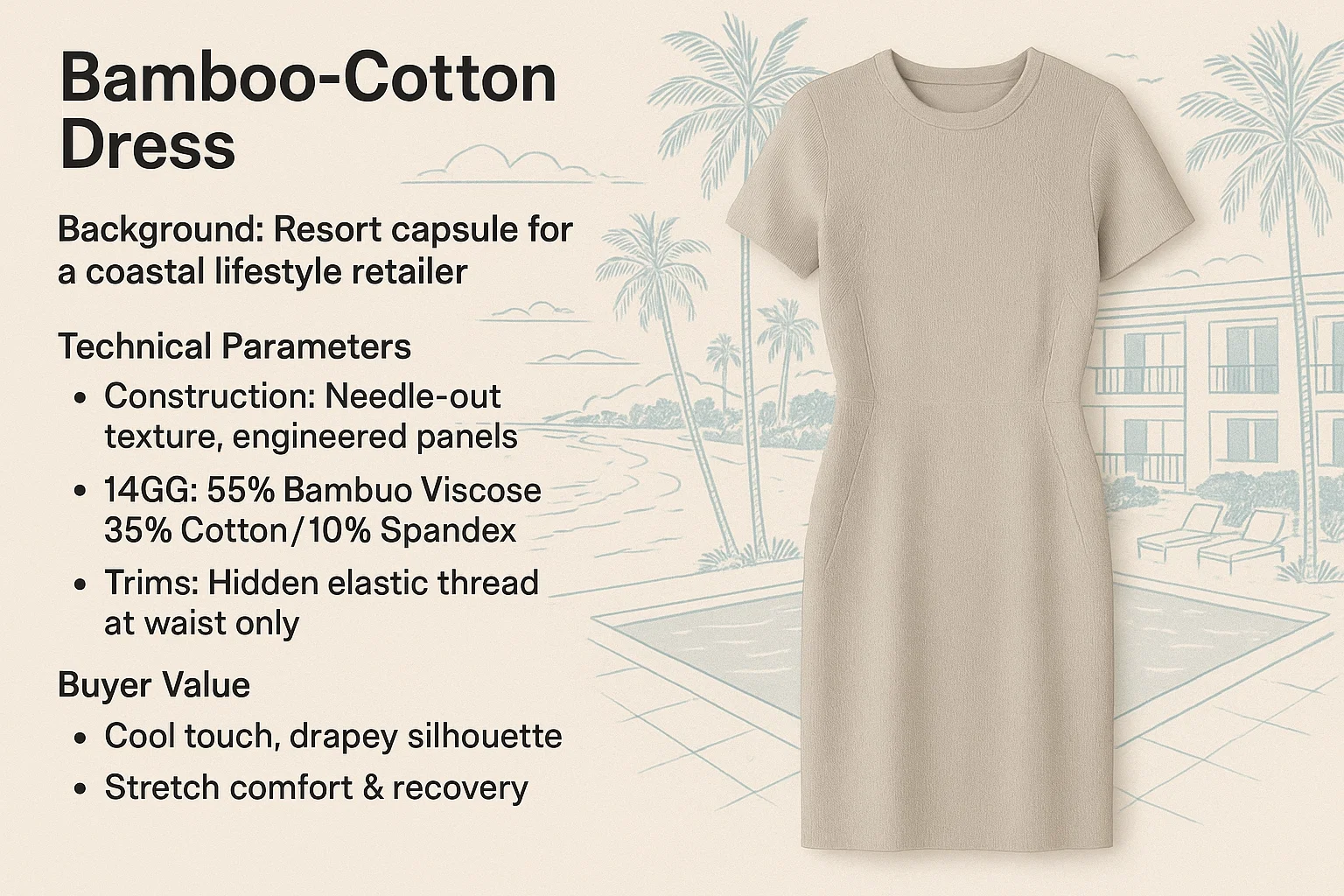
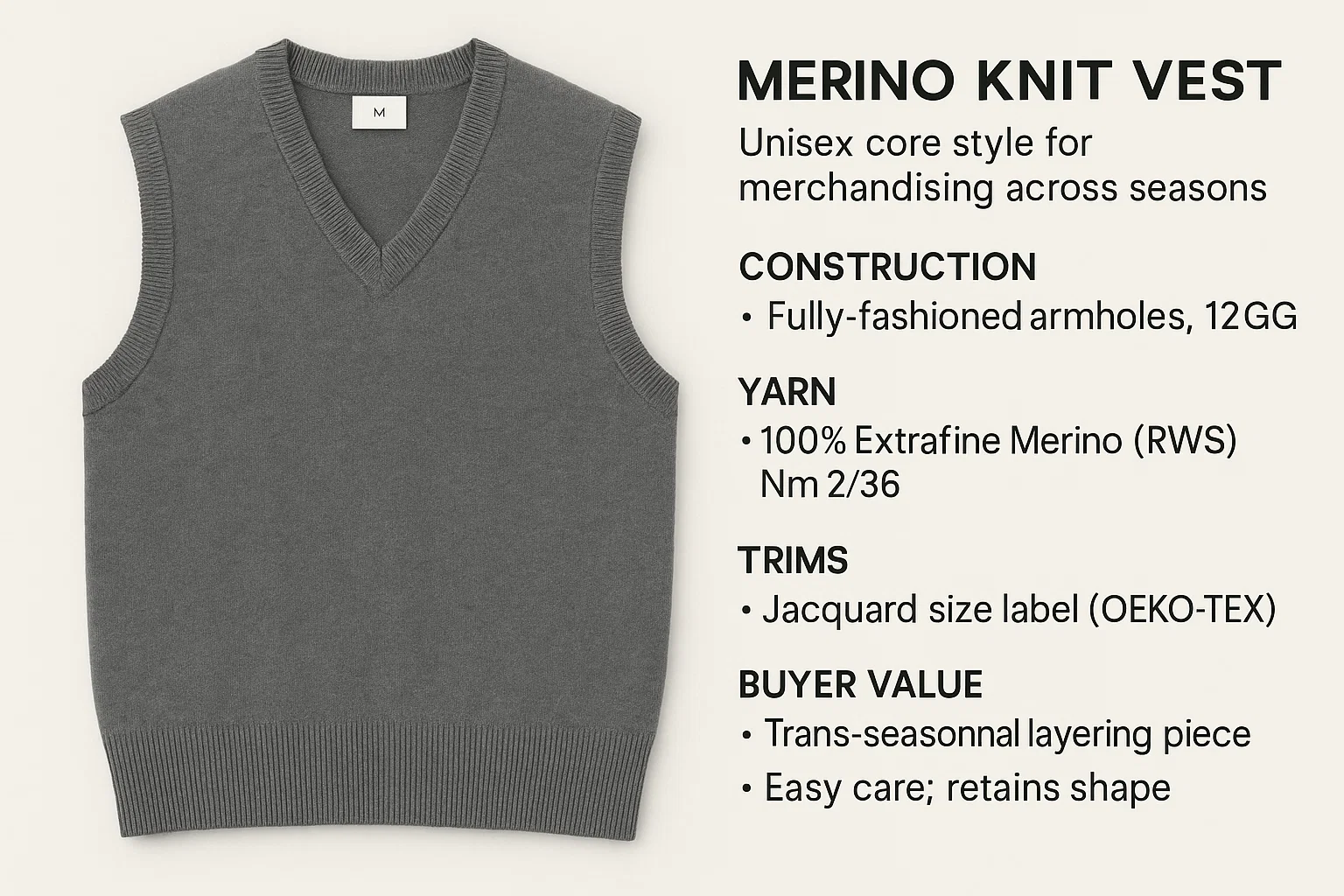
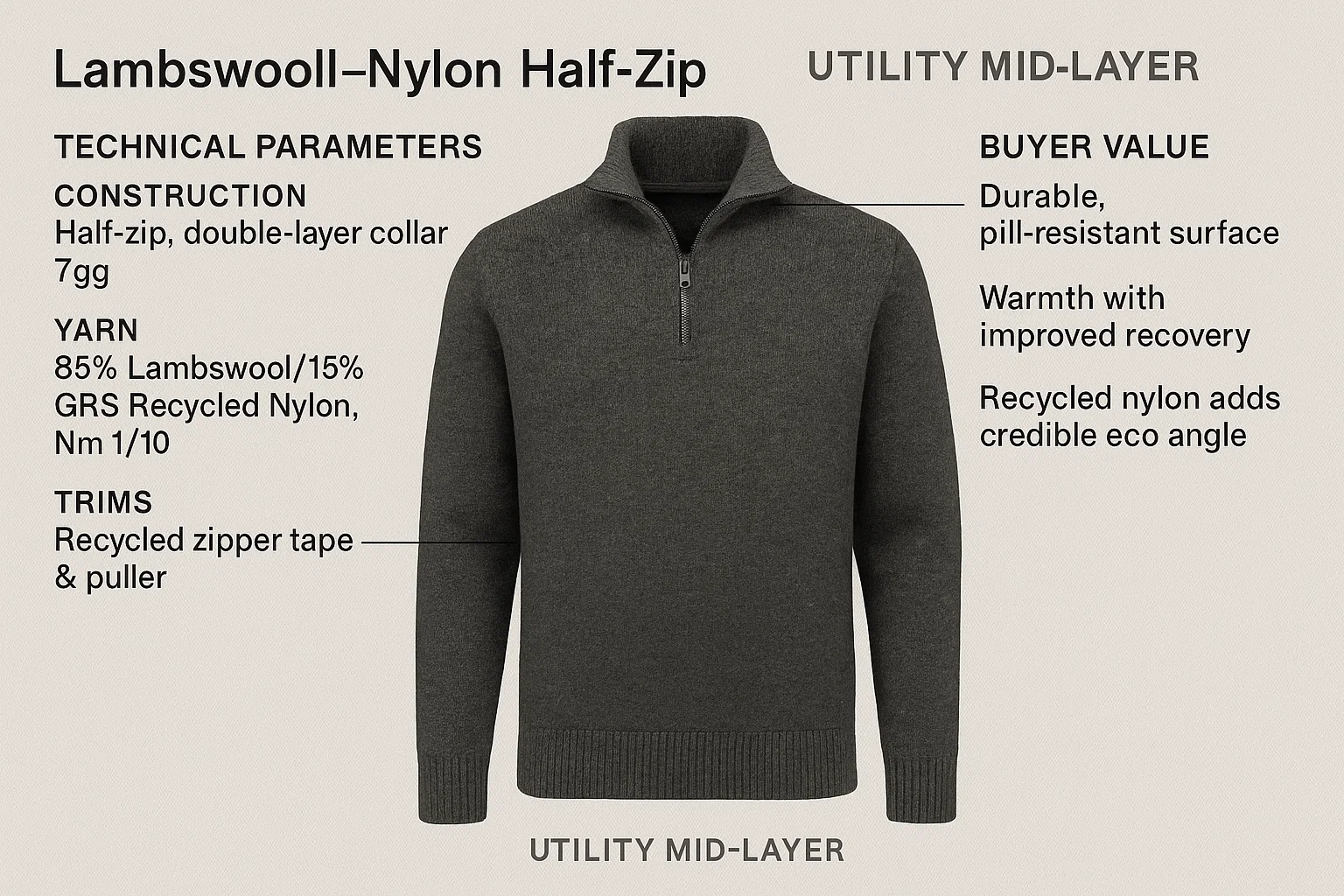
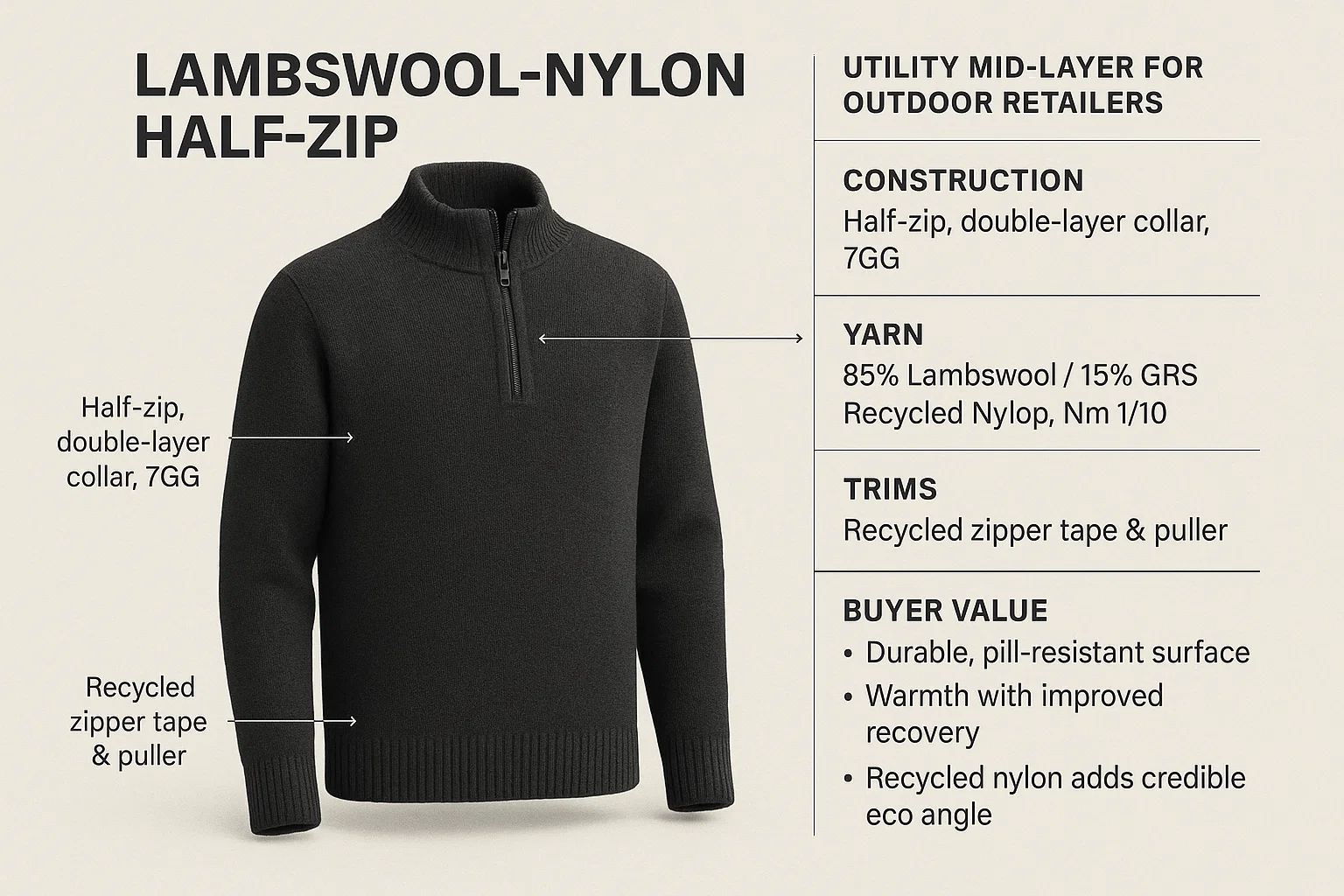
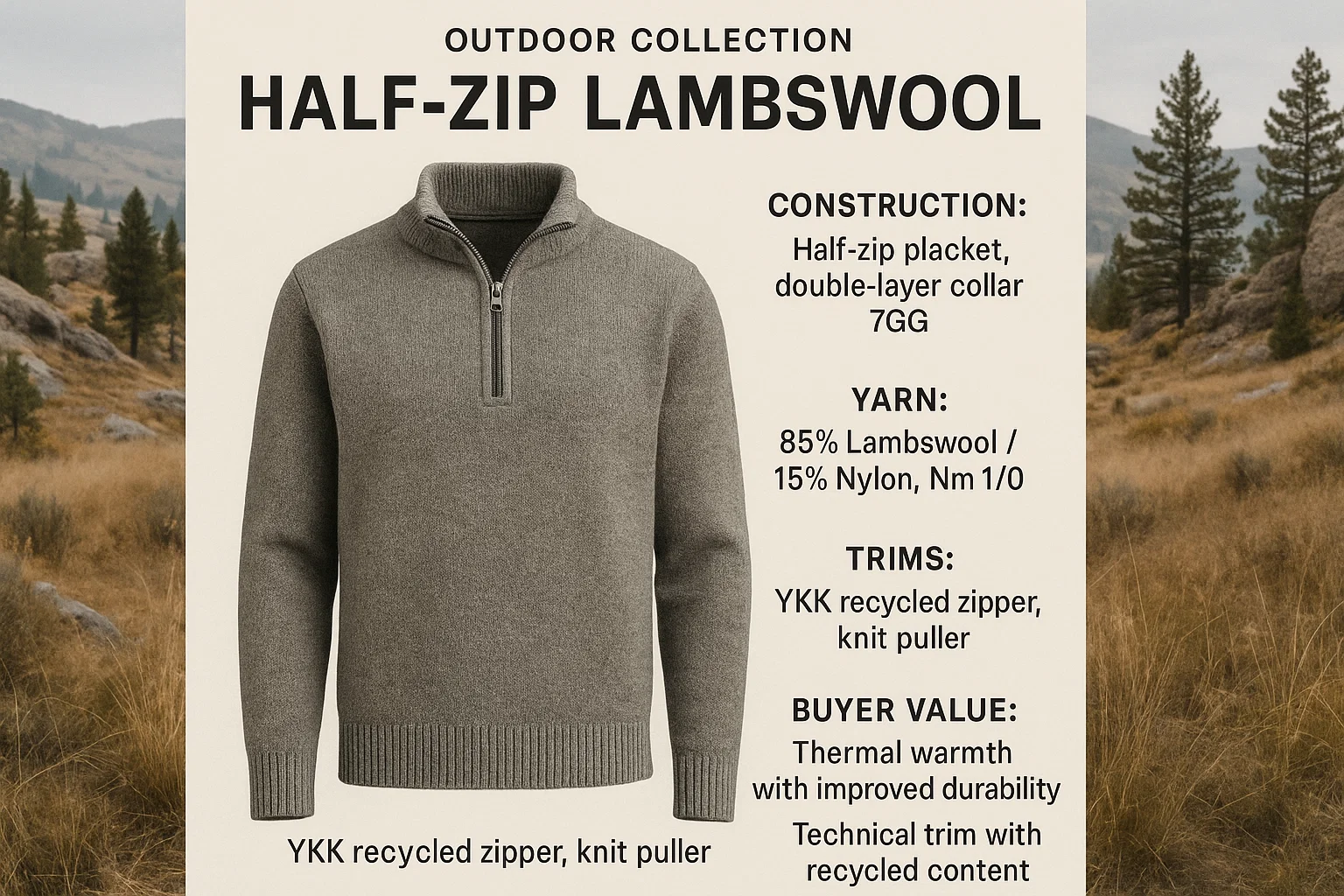
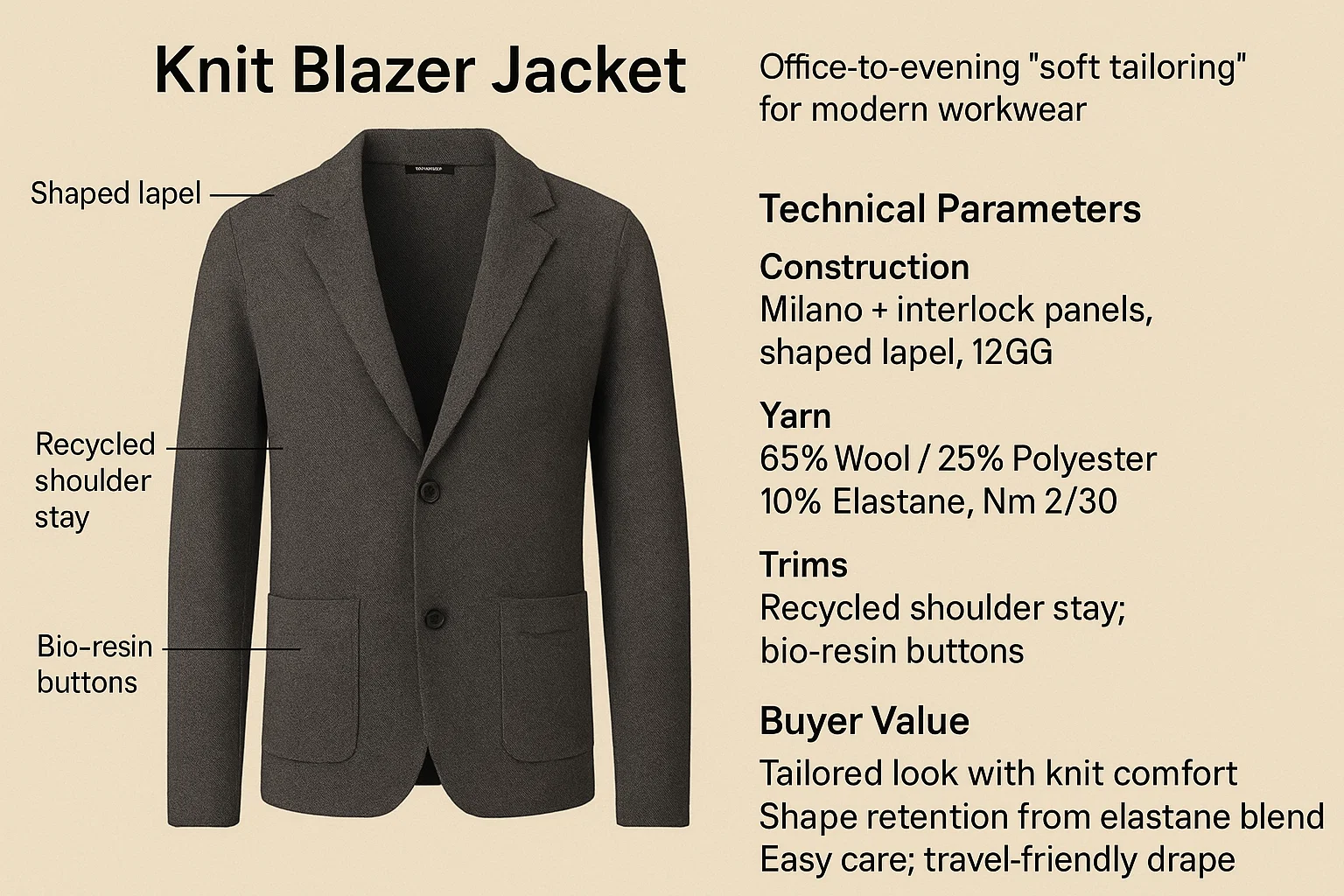
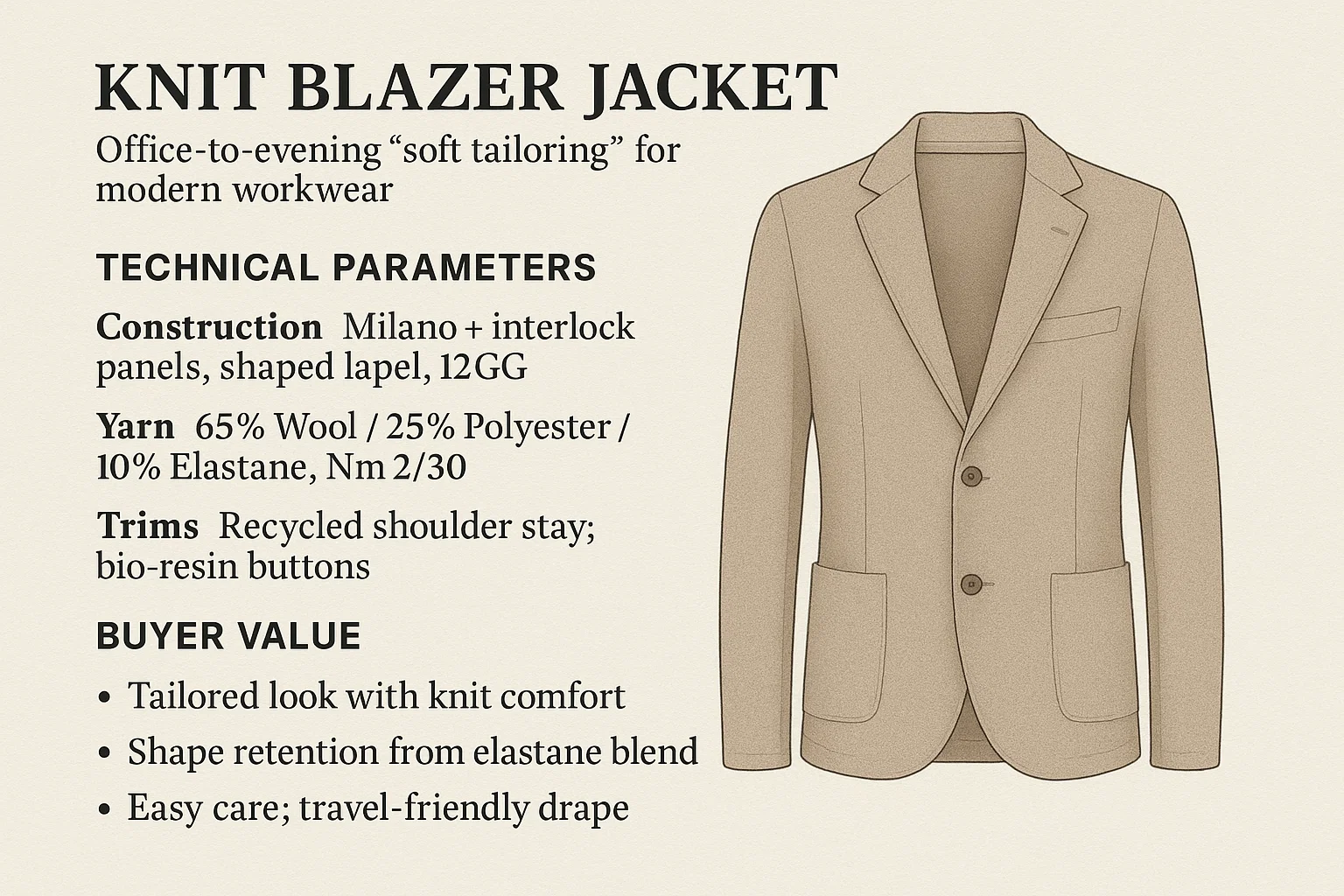
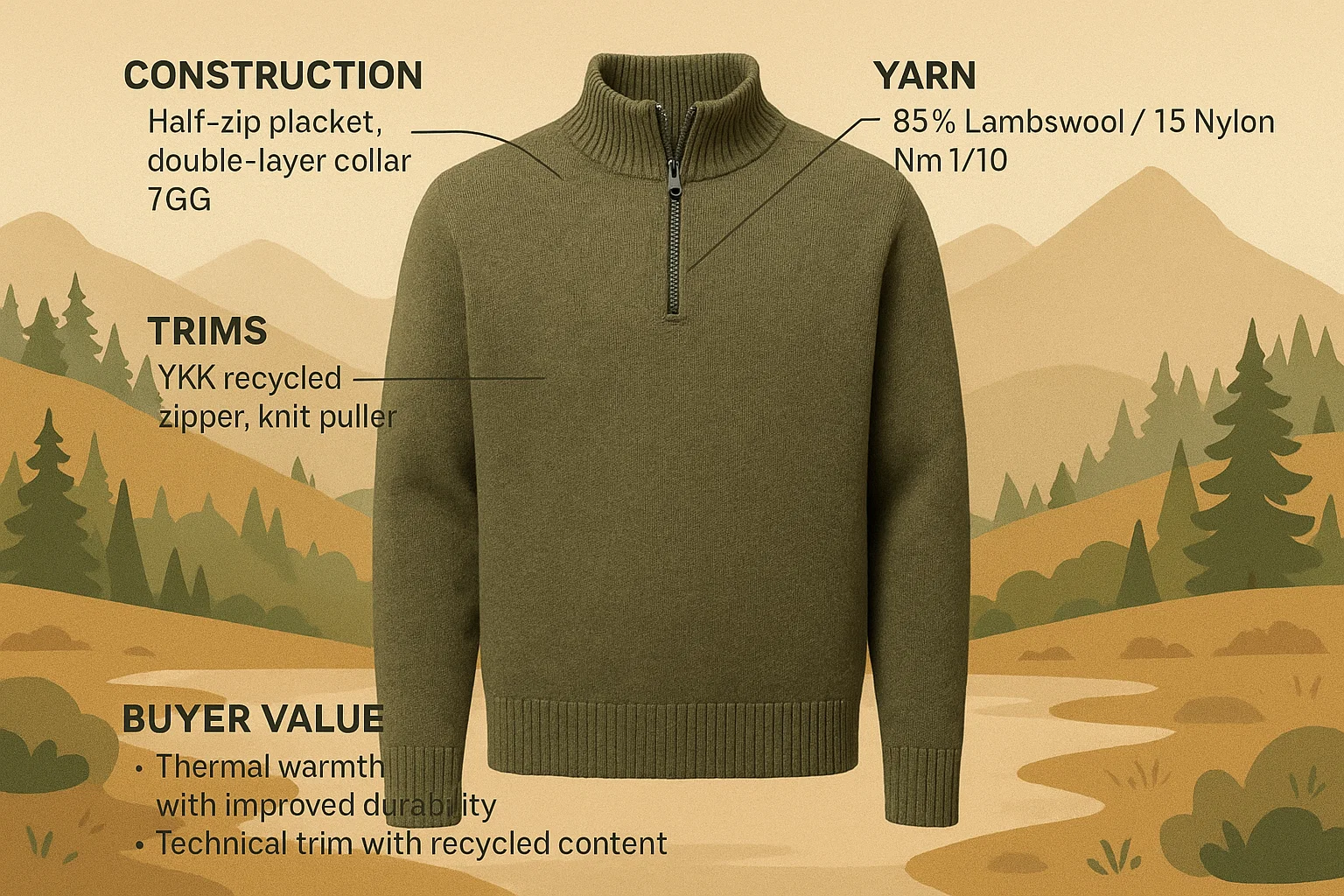
Case studies with wool/cashmere, cotton/nylon, and recycled polyester/wool blends highlight how suppliers meet luxury, retail, and sustainable market needs. Buyers can directly see fiber choice × market positioning × technical performance.

Mass retail prefers jersey and rib knits for scalability and cost efficiency. Luxury markets choose intarsia, links-links, and fine-gauge jacquards, which require more precise production and elevate brand perception.

Latest Blogs

How to Choose the Right Top of the World Beanie for Your Style
Find the best top of the world beanie for your style by considering face shape, fit, material, and outfit...
12 Essential Questions to Ask a Knitwear Supplier Before You Partner
What questions should I ask a knitwear supplier? Get 12 key questions to ensure quality, reliability,...
What Makes a Toboggan Hat Unique Compared to a Beanie
A toboggan hat uses thick, insulating materials for warmth, while a beanie is lighter. Learn the key...
Step by Step Guide to Bulk Knitwear Pricing in Factories
Factories calculate bulk knitwear pricing by detailing fabric, labor, overhead, and profit margin on...
Tracing the Journey of Japanese School Uniforms from Meiji to Modern Times
Japanese school uniforms evolved from Meiji-era military styles to modern, genderless designs, reflecting...
Kentucky Derby Attire Guide for First-Time Guests
Kentucky Derby attire means bold hats, colorful dresses, and smart suits. See what to wear, dress code...

From sketch to sweater – AZ Knit brings ideas to life.